Yorkie Health Guarantee Explained
Bringing a new Yorkshire Terrier into your life is an incredibly exciting time, full of dreams of cuddles and playful antics. But let's be real: underneath all that joy, there's often a nagging worry about their health, especially with a tiny breed known for certain predispositions. No one wants to face unexpected vet bills right after adoption, or worse, discover a serious issue with their new furry family member. This guide is all about understanding the health guarantee you might receive from a breeder, what it really means, and how it can offer some peace of mind against those potential challenges.
Understanding the Yorkie Health Guarantee
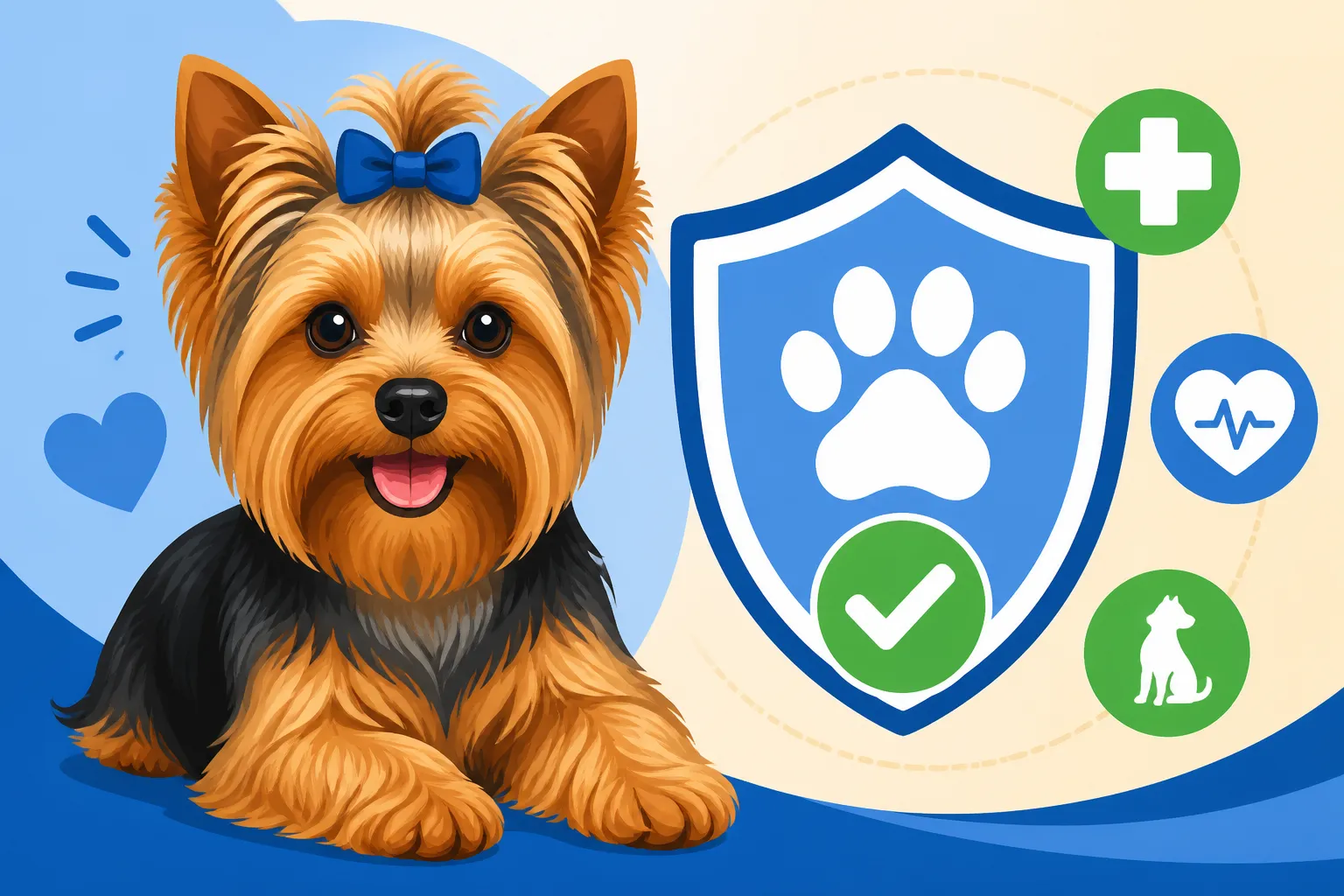
When you're looking for a Yorkshire Terrier puppy, you'll often come across breeders who offer a "health guarantee." This isn't just a nice gesture; it's a critical component of responsible breeding and can be a lifeline for new pet parents. It’s essentially a contractual agreement that the breeder provides, stating that the puppy you're purchasing is healthy at the time of sale and guarantees against certain genetic or congenital conditions for a specified period.
What Exactly is a Health Guarantee?
Think of a health guarantee as an assurance policy from your breeder. It’s a formal document, often part of the larger puppy contract, that outlines the breeder's responsibility should your new Yorkie puppy develop certain health issues within a defined timeframe. It’s not a magic shield against all future illnesses, but it’s a commitment from the breeder that they have done their due diligence in breeding healthy dogs and stand by the health of their puppies. This commitment often involves specific conditions or diseases, typically those known to be genetic or congenital within the Yorkshire Terrier breed. Without a clear, written guarantee, you could find yourself entirely on your own if a significant health problem arises shortly after bringing your puppy home.
Why Health Guarantees are Crucial for Yorkie Owners
Yorkshire Terriers, while generally robust for their size, are unfortunately prone to several health issues, some of which can be quite serious and costly. Conditions like Yorkshire Terrier Patellar Luxation: Signs and Care, Yorkshire Terrier Collapsing Trachea: Signs and Care, and Yorkshire Terrier Liver Shunt: Signs and Care are not uncommon. Puppy mill operators or irresponsible breeders often skip health screenings for parent dogs, increasing the risk of passing on these genetic problems. A health guarantee from a reputable breeder provides a layer of protection, indicating that the breeder is confident in their breeding practices and the health of their lineage. It helps mitigate some of the financial shock if your tiny companion develops an early, severe illness that was unforeseen. It's especially important for breeds like Yorkies where vet costs can escalate quickly for complex conditions.
Common Health Guarantees vs. Comprehensive Ones
Not all health guarantees are created equal, and this is where many new owners can get tripped up. A common or basic health guarantee might only cover infectious diseases (like parvo or distemper) for a very short period, say 48 to 72 hours, requiring you to get the puppy to your own vet immediately upon arrival. This short window is primarily to confirm the puppy was healthy at the time of transfer. A comprehensive guarantee, on the other hand, will extend beyond initial health to cover genetic or congenital defects for a longer period, sometimes up to one or even two years. These are the guarantees you really want to seek out, as they address the deeper, often more expensive, issues that might not manifest until your Yorkie is a bit older.
What a Yorkie Health Guarantee Typically Covers and Doesn't
Understanding the specifics of what your Yorkie's health guarantee entails is paramount. It’s not just about having a piece of paper; it’s about knowing the boundaries of that protection.
Covered Conditions and Genetic Diseases
A good health guarantee, especially for a breed like the Yorkshire Terrier, should specifically mention coverage for known genetic conditions. This might include issues such as patellar luxation, Legg-Calve-Perthes disease, portosystemic shunts (liver shunts), certain eye conditions like juvenile cataracts or progressive retinal atrophy, and sometimes even severe dental malocclusions that require extensive correction. Ethical breeders will typically screen their adult dogs for these inheritable conditions before breeding them. For instance, a guarantee might state that if your Yorkie is diagnosed with a Grade 3 or higher patellar luxation by a certain age, the breeder will offer some form of remedy. This kind of specific coverage can save you thousands in potential medical bills. Knowing Common Yorkshire Terrier Genetic Conditions can help you assess the adequacy of a breeder's guarantee.
Limitations and Exclusions
It’s just as important to understand what isn't covered. Most guarantees will exclude common ailments like colds, stress-related diarrhea, or minor injuries sustained after you take the puppy home. Behavioral issues are almost never covered. Furthermore, guarantees often have strict time limits; for example, a guarantee for a congenital heart defect might only last until the puppy is one year old. Many breeders also stipulate that the diagnosis must be confirmed by a veterinary specialist, or that they have the right to have their own vet examine the puppy to confirm the diagnosis. You might also find clauses that exclude conditions believed to be caused by environmental factors or improper care, such as obesity leading to joint issues.
The Role of Timely Vet Visits
One of the most common requirements for a health guarantee to remain valid is a mandatory veterinary visit shortly after you bring your Yorkie home. Breeders often specify a timeframe, typically 48 to 72 hours, for this initial check-up. This isn't just a suggestion; it's a crucial step. If you fail to get your puppy examined by a licensed veterinarian within this window, any health guarantee you have might be immediately voided. The purpose of this visit is twofold: it establishes a baseline of your puppy's health at the time of transfer, and it ensures that any immediate, obvious issues are identified. Your vet will perform a thorough physical examination, check for parasites, listen to their heart and lungs, and generally ensure your new family member is off to a healthy start. This is also when you can discuss a Yorkshire Terrier Puppy Health Guide and initial vaccination schedule.
Navigating the Fine Print: Key Clauses to Look For
The devil, as they say, is in the details. When it comes to a Yorkie health guarantee, understanding the specific clauses and requirements is crucial to actually benefit from it. Don’t skim this section of your contract!
Timeframes and Age Restrictions
Pay very close attention to the timeframes specified in the guarantee. A "72-hour health guarantee" means it only covers illnesses manifesting within three days of purchase, usually for infectious diseases. For genetic or congenital conditions, a comprehensive guarantee should extend for a minimum of one year, and ideally, up to two years. For some conditions like hip or elbow dysplasia, which can be diagnosed later, a two-year guarantee is much more protective. For example, if a guarantee states it covers patellar luxation for one year, but your Yorkie doesn't show significant limping until 18 months, you might be out of luck unless you have more comprehensive coverage. These timeframes are non-negotiable once the contract is signed, so clarify them upfront.
Veterinary Examination Requirements
Most reputable breeders will require you to take your new Yorkie puppy to a licensed veterinarian for a check-up within a very specific period, often 2-3 business days, after picking them up. This initial vet visit isn’t just for peace of mind; it’s usually a mandatory step to activate or validate your health guarantee. If your chosen veterinarian finds any significant health issues covered by the guarantee, you must typically inform the breeder immediately, sometimes even before starting treatment. The breeder might then request a second opinion from their own veterinarian or a veterinary specialist. Make sure you understand exactly what paperwork, such as detailed vet reports or diagnostic results, you'll need to provide. Knowing When to Take Your Yorkie to the Vet for these initial checks is key.
Reimbursement vs. Replacement Policies
What happens if your Yorkie develops a covered condition? This is where the remedies section of the guarantee comes in. Breeders typically offer one of two options:
- Reimbursement: The breeder might agree to reimburse you for a portion or all of the veterinary costs associated with treating the covered condition, up to the purchase price of the puppy. For example, if surgery for a severe liver shunt costs $5,000, and your puppy cost $3,000, the breeder might only reimburse you up to $3,000.
- Replacement: The breeder might offer to replace the affected puppy with another puppy from a future litter. This often comes with stipulations, such as requiring the return of the original puppy (which can be emotionally devastating) or waiting until a suitable replacement is available. Sometimes, a combination is offered, or a partial refund in lieu of a replacement.
It’s rare for a breeder to offer a full cash refund simply for a treatable condition, as their goal is usually to ensure a healthy puppy finds a loving home, not just to conduct a transaction.
Geographic and Financial Limitations
Be aware of any clauses that might limit your choice of veterinarian or cap the financial obligation of the breeder. Some guarantees might stipulate that the diagnosis must be confirmed by a veterinarian approved by the breeder, or that treatment must be performed by a specific specialist. While this can sometimes ensure quality care, it can also limit your options if you live far away or have a trusted local vet you prefer. Financial caps are also common; a breeder might limit their reimbursement to the original purchase price of the puppy or a set dollar amount. This is a critical point to consider, as complex surgeries for conditions like a Yorkshire Terrier Portosystemic Shunt: Signs and Care can easily run into the thousands, far exceeding the initial cost of the puppy.
| Feature | Basic Health Guarantee (Example) | Comprehensive Health Guarantee (Example) |
|---|---|---|
| Coverage Period | 48-72 hours post-purchase | 1-2 years for genetic/congenital issues, plus initial health |
| Covered Conditions | Infectious diseases (Parvo, Distemper), severe illness at transfer | Specific genetic conditions (e.g., patellar luxation, liver shunt, PRA) |
| Initial Vet Visit | Required within 48-72 hours to validate | Required within 48-72 hours to validate |
| Remedy Options | Typically replacement if puppy is returned, or full refund for death | Reimbursement of vet costs (up to purchase price) or replacement puppy |
| Vet Choice | Any licensed vet for initial check | May require specialist diagnosis or breeder-approved vet for treatment |
| Exclusions | Minor ailments, injuries, behavioral issues, conditions due to owner neglect | Minor ailments, injuries, behavioral issues, conditions due to owner neglect |
| Financial Cap | N/A (usually only for death/return) | Often capped at the puppy's purchase price |
Beyond the Guarantee: Additional Protection for Your Yorkie
While a health guarantee is an important safety net, it’s rarely a catch-all. Savvy Yorkie owners often combine a good guarantee with other proactive measures to ensure their furry friend's well-being and their own financial security.
The Value of Pet Insurance
Think of pet insurance as the ultimate complement to a breeder's health guarantee. While the guarantee typically covers specific issues for a limited time post-purchase, pet insurance kicks in for any covered illness or accident (once waiting periods are met) for the entire life of your pet, regardless of its origin (genetic or not). Brands like Healthy Paws and Trupanion offer comprehensive accident and illness plans that can reimburse a significant percentage of your vet bills, often after a deductible. This can be invaluable for ongoing conditions, unexpected injuries, or illnesses that develop long after a breeder's guarantee has expired. Many new owners get pet insurance as soon as they bring their puppy home to cover unforeseen circumstances beyond the scope of the guarantee. You can learn more about Pet Insurance for Yorkshire Terriers to see if it's the right choice for you.
Reputable Breeder Practices
The best "guarantee" you can get is choosing a truly reputable breeder. These breeders go far beyond simply offering a piece of paper. They are transparent about their breeding stock, provide extensive health clearances for parent dogs (Orthopedic Foundation for Animals – OFA certifications for knees, eye certifications from a veterinary ophthalmologist, etc.), and are deeply knowledgeable about Yorkshire Terrier Health Problems to Know. They will typically invite you to visit their facility, let you meet the puppy’s parents, and have a clear contract that is fair to both parties. They also offer lifelong support and guidance, demonstrating their commitment to the puppies they produce. If you're wondering how to find such a breeder, read up on How to Find a Reputable Yorkie Breeder.
Building an Emergency Fund
Even with a health guarantee and pet insurance, unexpected costs can arise, or you might face a condition that isn't fully covered by either. This is where a dedicated emergency fund for your pet becomes invaluable. Setting aside a few hundred or even a couple of thousand dollars specifically for unforeseen vet expenses can prevent difficult financial decisions during an emotional time. This fund can cover deductibles, treatments not covered by insurance, or simply provide a buffer until insurance reimbursements come through. For owners who choose to feed their Yorkie fresh food from companies like Ollie or get their supplies from Chewy, budgeting for an emergency fund is just another aspect of responsible pet ownership. Knowing Yorkshire Terrier Vet Costs and Health Budget can help you plan this fund realistically.
Disclaimer
The information provided in this article is for general informational purposes only and does not constitute veterinary advice. Always consult with a qualified veterinarian for any health concerns or before making any decisions about your pet's health or treatment.