Best Harness for a Yorkshire Terrier
It's a familiar sight for many Yorkie parents: you try to walk your tiny companion on a regular collar, and they're pulling, gagging, or even doing that worrying little cough. Our beloved Yorkshire Terriers, with their delicate builds and spirited personalities, really aren't built for traditional neck collars, which can put undue stress on their fragile throats. This guide is here to walk you through everything you need to know about choosing the very best harness for your Yorkshire Terrier, ensuring their comfort, safety, and your peace of mind on every adventure.
Why a Harness is Essential for Your Yorkshire Terrier's Well-being
When you bring a Yorkshire Terrier into your life, you quickly learn that these spirited little dogs come with their own unique set of needs. One of the most critical considerations for their long-term health and daily comfort revolves around how you walk them. Relying solely on a collar can lead to some truly heartbreaking issues, which is why a well-fitting harness isn't just a preference, it's often a necessity.
The Risks of Collars for Yorkies
Let's be honest, it's easy to assume a collar is fine. Most dogs wear them, right? But Yorkies are different. Their small size and delicate bone structure make them particularly susceptible to injuries that larger, more robust breeds might shrug off. One of the biggest fears for any Yorkie owner is tracheal collapse, a condition where the rings of cartilage that keep the trachea (windpipe) open weaken and flatten. Even a slight tug on a collar can exacerbate this condition or even trigger it in a predisposed dog. Imagine the sensation of someone constantly pressing on your throat — that's what a collar can feel like for a Yorkie, especially if they're prone to pulling or suddenly lunging at an interesting smell. This constant pressure can lead to chronic irritation, coughing, and in severe cases, significant respiratory distress.
Beyond tracheal collapse, there's the risk of other neck injuries. Their tiny cervical vertebrae are much more fragile than those of a larger dog. A sudden pull could strain muscles, ligaments, or even cause nerve damage. We've all seen our Yorkies get excited and dart off, or pull hard when they see a squirrel. That sudden jerk on a collar can inflict a lot of damage in an instant. It’s a terrifying thought, but it’s a realistic concern that thoughtful Yorkie parents grapple with every day. If you want to dive deeper into these health considerations, you might find our guide on Yorkshire Terrier Health Problems to Know a valuable read, as it covers many of the common ailments this breed faces.
How Harnesses Protect Your Yorkie's Delicate Structure
This is where the magic of a good harness comes in. Unlike a collar that concentrates all the pressure on a small, vulnerable area of the neck, a harness is designed to distribute that pressure evenly across your Yorkie's chest, shoulders, and back. This simple shift in design makes an enormous difference. When your Yorkie pulls, the force is absorbed by their stronger chest and rib cage, completely bypassing their delicate trachea and neck. This dramatically reduces the risk of tracheal collapse, strain, or other neck injuries.
For dogs like Yorkies, who might already have a predisposition to breathing problems or who exhibit signs of a sensitive trachea, using a harness is a game-changer. It allows them to breathe freely, cough less, and enjoy their walks without discomfort or the constant threat of injury. Many vets, particularly those specializing in small breeds, strongly recommend harnesses for this very reason. It's a proactive step in ensuring your pup’s long-term health and happiness. Plus, let's be honest, trying to control a tiny, determined Yorkie on a collar can feel like trying to herd a cat; a harness offers much better control and security, making walks more enjoyable for both of you. For further reading on this, exploring How to Prevent Tracheal Collapse in Yorkies could provide more insights into protecting your Yorkie's respiratory health.
Key Features to Look for in a Yorkie Harness
Choosing the right harness isn't just about picking the prettiest one off the shelf. For a Yorkshire Terrier, every detail matters, from the material to the adjustability. Their tiny size, fine coat, and unique predispositions demand a thoughtful approach to ensure maximum comfort and safety.
Material and Construction for Comfort and Durability
The material of your Yorkie's harness is paramount. You want something that's gentle against their skin and fine fur, prevents chafing, and is also durable enough to withstand daily adventures.
- Soft and Breathable Fabrics: Look for harnesses made from soft, breathable materials like air mesh, soft padded nylon, or even fleece-lined options. These materials prevent irritation and allow air circulation, which is especially important during warmer months or for Yorkies with sensitive skin. Thin, rough webbing can dig into their delicate armpits or chest, causing painful rubbing and even skin sores over time. Brands like Puppia are well-known for their soft mesh harnesses that are incredibly popular for small breeds, and you can find a wide array of similar options readily available on sites like Chewy.
- Lightweight Design: Heavy, bulky harnesses can weigh down a small Yorkie and restrict their movement, making them uncomfortable or even reluctant to wear it. Opt for designs that are minimal yet secure, ensuring your little one can move freely and naturally.
- Reinforced Stitching and Hardware: Just because it's lightweight doesn't mean it should be flimsy. Check for strong, reinforced stitching, especially at stress points where straps connect. The D-rings (where you attach the leash) should be made of durable metal, not cheap plastic, to ensure they won't break or bend under pressure. Quality buckles that snap securely but aren't difficult to open are also a must. You want something that will last, not fall apart after a few walks.
Fit and Adjustability: A Snug, Secure, and Safe Fit
This is arguably the most crucial aspect of choosing a harness. A poorly fitting harness is not only uncomfortable but can also be unsafe, allowing your Yorkie to slip out or causing discomfort that makes them dislike wearing it.
- Accurate Measurements: Before you even start shopping, grab a soft measuring tape. You'll need two main measurements:
- Chest Girth: Measure around the widest part of your Yorkie's rib cage, just behind their front legs. This is the most critical measurement.
- Neck Circumference: Measure around the base of their neck, where a collar would typically sit.
Compare these measurements to the brand's size chart. Don't just guess based on weight, as body shapes can vary even among Yorkies.
- The Two-Finger Rule: Once the harness is on, you should be able to comfortably slide two fingers underneath all the straps, but no more. If you can fit more, it's too loose. If you struggle to fit two fingers, it's too tight. A snug fit ensures security without restricting breathing or movement.
- Adjustable Straps: Look for harnesses with multiple adjustment points – ideally both around the neck and the girth. This allows you to customize the fit precisely to your Yorkie's unique body shape. Puppies grow, and adult Yorkies can fluctuate slightly in weight, so adjustability ensures the harness remains a good fit over time.
- No-Choke Design: The best harnesses for Yorkies are often designed with a Y-shape or H-shape on the front. This design ensures that when your dog pulls, the pressure is applied across their chest and away from their throat, completely avoiding the delicate neck area. Avoid harnesses that have a strap running straight across the lower part of the neck or that tighten around the neck when pulled. This defeats the purpose of choosing a harness over a collar.
Design Types and Their Benefits
There's a surprising variety of harness designs out there, and each has its own pros and cons for a small breed like a Yorkie.
- Step-in Harnesses: These are popular for dogs who don't like things going over their heads. Your Yorkie literally "steps into" the leg loops, and then the harness clips over their back. They're generally very easy to put on and take off. They work well for Yorkies who aren't strong pullers and provide good chest distribution.
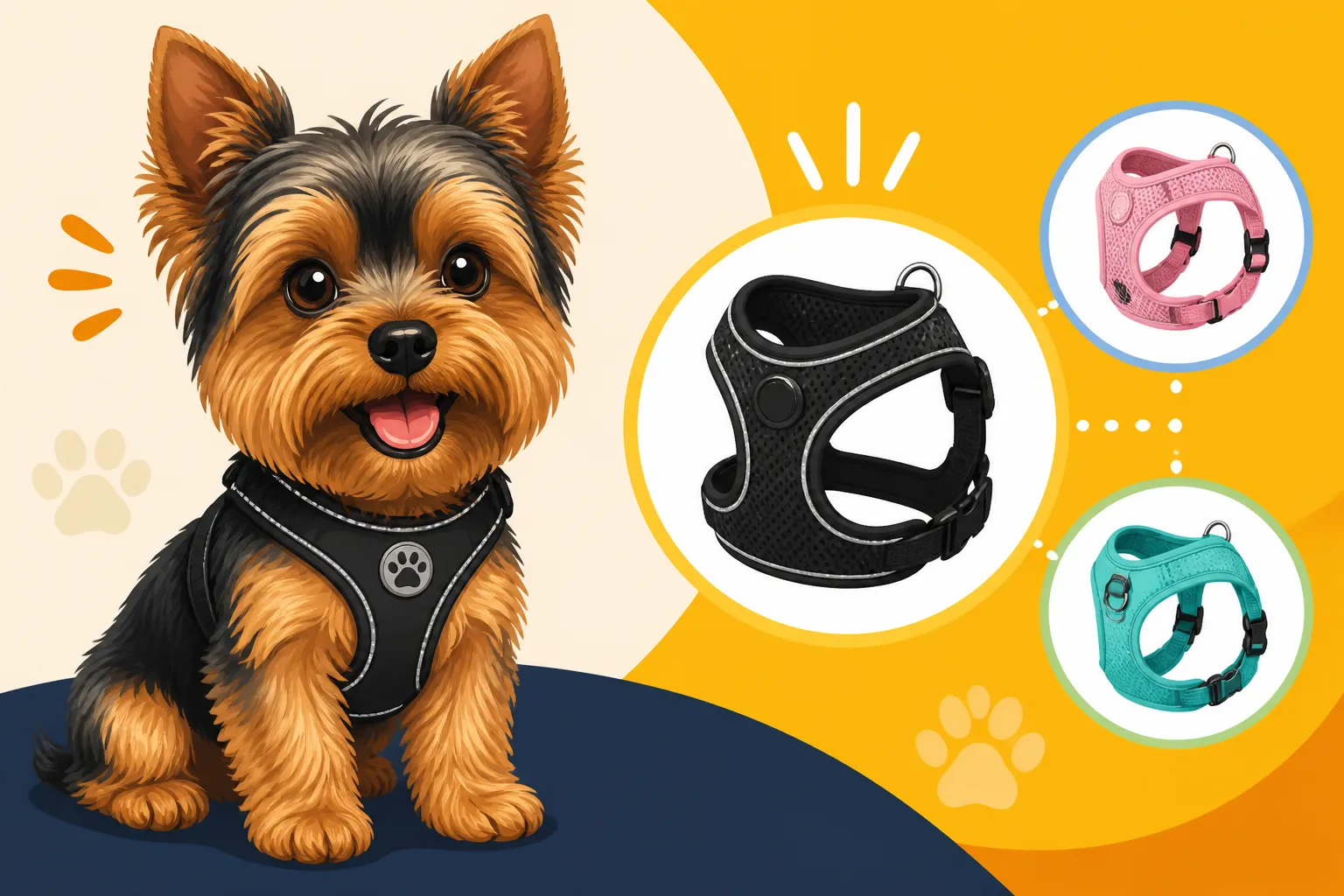
- Vest Harnesses: Often made of soft, breathable mesh, vest harnesses cover more of your Yorkie's body, providing a feeling of security and distributing pressure over a wider area. They are excellent for comfort, especially for very small or fragile Yorkies, and can offer a bit of extra warmth in cooler weather. Many Yorkie owners prefer these for their puppies.
- H-Style Harnesses: These harnesses feature straps that form an 'H' shape on your dog's back, with one loop around the neck and another around the girth, connected by a strap along the spine. They offer excellent adjustability at multiple points, making them versatile for growing puppies or dogs with specific body proportions. When fitted correctly, they keep pressure away from the neck.
- Front-Clip Harnesses: While less common for the generally light-pulling Yorkie, a front-clip harness (where the leash attaches to a ring on the chest) can be beneficial for Yorkies who are particularly strong pullers or for training purposes. When the dog pulls, they are gently redirected to the side, discouraging the behavior. However, ensure the front clip doesn't rub or chafe their delicate chest.
- Back-Clip Harnesses: This is the most common type and generally the best choice for most Yorkies. The leash attaches to a D-ring on the dog's back, typically between the shoulder blades. This design is comfortable for casual walks and ensures there's no pressure on the neck. Just make sure the leash attachment point isn't too far back, as it can sometimes shift the harness or cause it to ride up.
| Harness Type | Pros | Cons | Best For |
|---|---|---|---|
| Step-in | Easy to put on/take off, avoids head-over discomfort | Can be less secure if not perfectly fitted, not ideal for strong pullers | Yorkies who dislike overhead harnesses, moderate walkers, older dogs |
| Vest | Maximizes comfort, wide pressure distribution, good for fragile dogs | Can be warmer in hot weather, takes longer to dry | Very small Yorkies, puppies, sensitive skin, dogs needing extra security |
| H-Style | Highly adjustable, good for growing dogs, prevents neck pressure | Can have more straps to adjust, sometimes less "pretty" | Most Yorkies, puppies, dogs with unique body shapes, consistent security |
| Front-Clip | Excellent for reducing pulling behavior, provides good control | May twist or shift if not well-fitted, can rub sensitive chest | Yorkies who pull significantly, leash training |
| Back-Clip | Most common, comfortable for casual walks, keeps pressure off neck | Not ideal for strong pullers who may still choke themselves on a collar | Most Yorkies for everyday walks, relaxed strolls, general comfort |
Top Recommendations for Yorkshire Terrier Harnesses
Now that we've covered the "why" and the "what to look for," let's talk about specific types and how to ensure your Yorkie gets the best possible fit and experience. Finding the right harness can sometimes feel like a quest, but with a bit of knowledge, you'll be well on your way.
Brands Known for Quality and Fit in Small Dog Gear
While I can't endorse a single "best" brand for every single Yorkie, as each dog is unique, there are a few names that consistently come up when discussing quality harnesses for small breeds. These brands understand the nuances of a tiny dog's physique and prioritize comfort and safety.
- Puppia: This Korean brand is practically synonymous with small dog harnesses. Their soft air-mesh vest harnesses are incredibly popular. They are lightweight, breathable, and come in a vast array of colors and patterns. The key benefit is the wide chest strap that sits low on the chest, well away from the delicate throat. Many Yorkie owners swear by Puppia because of their comfortable fit that doesn't chafe or restrict movement, and you can easily find them on major pet retailers like Chewy.
- Gooby: Gooby often specializes in similar soft-mesh and fleece-lined vest harnesses. They are known for their comfort and sometimes offer slightly more robust options than Puppia while maintaining that critical no-choke design. They’re excellent for Yorkies who might be a bit more active or who appreciate a cozier feel.
- Choke-Free Designs (Generic Category): Beyond specific brands, always look for harnesses explicitly labeled "choke-free" or "no-choke." These are designed with the chest strap positioned low enough to prevent any pressure on the trachea. Always double-check reviews from other small dog owners to ensure the claims hold true in practice. Remember, investing in a good quality harness is a small but significant step in proactive care, much like considering pet insurance options from providers like Healthy Paws for broader health coverage.
Measuring and Fitting Your Yorkie for a Harness
Getting the perfect fit is non-negotiable. An ill-fitting harness is either uncomfortable, unsafe, or both. Here’s a step-by-step guide to ensure your Yorkie’s harness fits like a glove:
- Gather Your Tools: You'll need a soft, flexible measuring tape (the kind seamstresses use) and some tasty treats.
- Measure Chest Girth: Have your Yorkie stand comfortably. Wrap the measuring tape around the widest part of their rib cage, just behind their front legs. This is usually the most important measurement for a harness. Make sure the tape is snug but not tight. Write this number down.
- Measure Neck Circumference: Wrap the tape around the base of your Yorkie's neck, where a collar would naturally rest. Again, snug but not tight. Note this measurement.
- Consult Size Charts: Every brand has its own sizing. Do not assume a "small" from one brand is the same as a "small" from another. Carefully compare your measurements to the specific size chart provided by the harness manufacturer. If your Yorkie is between sizes, it's often better to size up, especially if the harness is adjustable, as you can always tighten it.
- Putting It On: Follow the manufacturer's instructions for putting on the harness. For vest harnesses, their head usually goes through one loop and their front legs through two armholes. For step-in harnesses, they step into two loops. For H-style harnesses, it's typically an over-the-head and then around-the-girth clip.
- The Two-Finger Check: Once the harness is on and all buckles are secured, try to slide two fingers underneath all the straps – around the neck opening and around the girth.
- Perfect Fit: If two fingers fit snugly but you can't easily fit a third, it's a good fit.
- Too Loose: If three or more fingers fit, the harness is too loose, and your Yorkie could slip out. Adjust the straps to tighten it.
- Too Tight: If you can't even get two fingers under, it's too tight. This will be uncomfortable and could chafe. Loosen the straps.
- Check for Movement: Observe your Yorkie. Does the harness restrict their shoulder movement? Are there any areas that appear to be rubbing or digging in? They should be able to walk, run, and sit naturally without the harness riding up or twisting. Pay particular attention to the armpit area, as this is a common spot for chafing if the harness is too tight or designed poorly.
Introducing the Harness and Training Tips
Don't just snap a harness on your Yorkie and expect them to love it immediately. Small dogs can be sensitive, and new experiences sometimes require a gentle introduction.
- Positive Association: Start by simply letting your Yorkie sniff the harness. Offer praise and a high-value treat (like a small piece of cooked chicken or a training treat from a quality brand like Ollie) as they interact with it. Do this for a few days without trying to put it on.
- Short Wearing Sessions: Once they seem comfortable with its presence, gently put the harness on for just a minute or two. Don't buckle it if they seem stressed. Immediately give them a treat and lavish praise. Then, take it off. Gradually increase the time they wear it, always making it a positive experience with treats and praise.
- Distraction is Key: While wearing the harness, distract them with play or another activity they enjoy. This helps them forget they're wearing it and associate it with fun.
- Attach the Leash (Indoors First): Once they're comfortable wearing the harness for several minutes, attach the leash indoors. Let them drag it around (under supervision) for a few minutes, or hold it and just walk a few steps. Again, treats and praise!
- First Outdoor Adventures: Start with very short walks in a quiet, familiar area. Keep the experience positive and end it before your Yorkie gets tired or frustrated. Over time, you can increase the duration and distance of your walks. If your Yorkie is particularly hesitant, remember that consistency and patience are key for all aspects of training and leash training is no exception.
Remember, a good harness is an investment in your Yorkie's health and happiness. By choosing wisely and introducing it patiently, you're setting them up for a lifetime of comfortable and safe adventures.
Disclaimer
The information provided in this guide is for general informational purposes only and does not constitute veterinary advice. Always consult with a qualified veterinarian regarding your Yorkshire Terrier's specific health concerns, treatment options, and product recommendations.