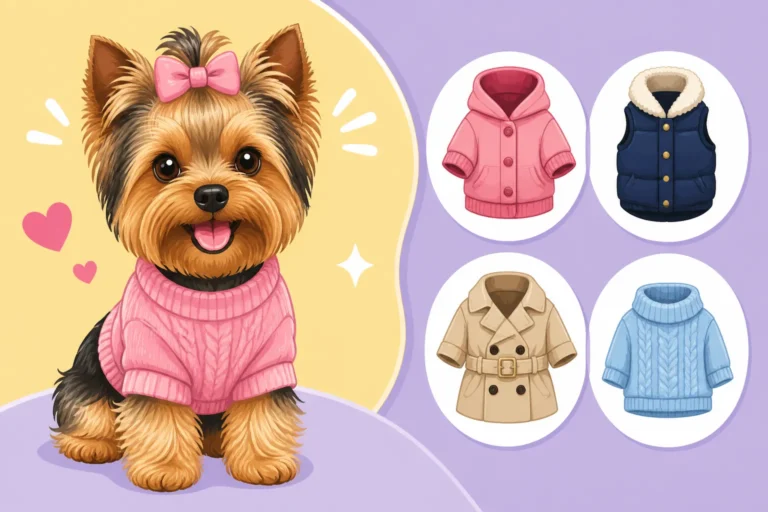
Are Teacup Yorkies a Scam
The desire for a tiny, adorable companion is completely understandable, and many people fall in love with the idea of a "Teacup Yorkie." However, the term itself can be a real minefield, often leading to confusion, heartbreak, and unexpected financial burdens for unsuspecting owners. This guide will cut through the myths and marketing to help you understand what "Teacup Yorkie" truly means, the potential pitfalls, and how to make a responsible decision when seeking a small Yorkshire Terrier.
The Truth Behind the "Teacup" Label in Yorkies
When you hear "Teacup Yorkie," it conjures images of a dog small enough to fit in a teacup, a delicate little creature that can easily travel with you everywhere. This image is powerful, and it's precisely why the term has gained so much traction. But here’s the unvarnished truth: "Teacup" is not an official breed designation recognized by major kennel clubs like the American Kennel Club (AKC). There is no "Teacup Yorkshire Terrier" breed.
What "Teacup" Actually Means and Doesn't Mean
The AKC breed standard for a Yorkshire Terrier specifies a weight range, typically not exceeding seven pounds. A Yorkshire Terrier is already a small dog, by definition. When a breeder advertises a "Teacup Yorkie," they are generally referring to a Yorkshire Terrier that falls significantly below this standard weight, often weighing anywhere from two to four pounds when fully grown. These dogs are essentially undersized Yorkshire Terriers. Sometimes, they are simply the smallest puppy in a litter, while other times, they are the result of intentional breeding practices aimed at producing ever-smaller dogs. This isn't inherently a "scam" in the sense of selling you a different breed, but it can be misleading because it implies a distinct, desirable category of dog that doesn't officially exist. It's crucial to understand that while a small size can be appealing, it often comes with a host of potential health challenges that are not typically found in standard-sized, healthy Yorkshire Terriers. This is why it’s so important for prospective owners to delve beyond the cute moniker and truly understand the implications.
Why Breeders Use the "Teacup" Designation
So, why do breeders continue to use a term that isn't recognized by official breed standards? The answer, unfortunately, often boils down to market demand and profit. The allure of an exceptionally tiny dog is strong, and some breeders capitalize on this by marketing the smallest puppies as "teacups," often at a premium price. This strategy can mislead buyers into believing they are purchasing a rare or special variety of Yorkie, when in reality, they are often just getting an unusually small specimen of the breed. This practice can be problematic because it incentivizes breeding for size above all else, potentially overlooking health and genetic soundness. Ethical breeders, on the other hand, prioritize breeding healthy dogs that conform to the established breed standard. They understand that extreme smallness can be a sign of underlying health issues rather than a desirable trait. If you're looking for a genuinely small dog, it's vital to focus on finding a healthy, well-socialized puppy rather than chasing an unofficial "teacup" label. For more insights into typical sizes, you might find our guide on Yorkshire Terrier Size, Weight, and Appearance helpful in understanding the breed's standard characteristics.
Health Risks Associated with Extremely Small Yorkies
The greatest concern surrounding "Teacup Yorkies" isn't just the misleading label, but the heightened risk of serious health problems that often accompany their diminutive size. Breeding specifically for extreme smallness can exacerbate genetic predispositions and create new vulnerabilities, leading to a much more fragile pet.
Common Health Problems in Undersized Yorkies
Because these dogs are bred to be significantly smaller than the breed standard, their tiny bodies are often more delicate and prone to a myriad of health complications. One of the most common and dangerous issues is hypoglycemia, or dangerously low blood sugar, which is particularly prevalent in tiny puppies and can be life-threatening if not managed carefully. Imagine your tiny puppy suddenly becoming lethargic, disoriented, or even seizing because their blood sugar has plummeted – it's a terrifying experience. Another frequent concern is a collapsing trachea, where the rings of cartilage in the windpipe weaken and flatten, making breathing difficult and leading to a characteristic honking cough. This is a condition where a sturdy harness, rather than a collar, becomes essential.
Other issues can include fragile bones that are more susceptible to fractures from even minor falls, and dental problems like retained puppy teeth and severe overcrowding, leading to early onset dental disease. Liver shunts and hydrocephalus (fluid on the brain) are also more commonly observed in these very small dogs, often due to indiscriminate breeding practices. If you're looking into specific health concerns, our detailed guide on Yorkshire Terrier Hypoglycemia: Signs and Care offers crucial information on this particular challenge for smaller Yorkies. It’s also worth exploring Yorkshire Terrier Health Problems to Know for a broader understanding of breed-specific ailments that can be amplified in "teacup" varieties.
The Hidden Costs of Medical Care
While the initial purchase price for a "Teacup Yorkie" can be shockingly high, often ranging from $2,500 to $5,000 or even more, the real financial burden often comes later, in the form of extensive veterinary care. Due to the increased likelihood of health issues, owners of these tiny dogs can face a constant stream of vet visits, emergency treatments, medications, and potentially costly surgeries. Imagine adopting a precious puppy only to discover they need daily medication for a heart murmur, or a complex surgery to correct a severe luxating patella, a common knee problem in small breeds.
These medical expenses can quickly dwarf the initial purchase price, leaving owners with bills that can easily run into the thousands. This is where pet insurance can become an invaluable safety net. Companies like Healthy Paws offer various plans that can help mitigate the financial impact of unexpected illnesses and accidents. While it won't cover pre-existing conditions, having a plan in place from puppyhood can provide peace of mind. Without insurance, managing the health of an undersized Yorkie can become an overwhelming financial strain. It’s not just about the upfront cost; it’s about understanding the potential for ongoing, significant financial commitments. For a more detailed breakdown of potential expenses, check out Yorkshire Terrier Vet Costs and Health Budget.
Identifying Reputable Breeders Versus Scammers
Given the potential health and financial risks, learning to distinguish between a truly responsible breeder and one who is simply cashing in on the "teacup" trend is paramount. A "scam" isn't always outright fraud; sometimes it's the subtle but damaging practice of prioritizing profit over the well-being of the animals.
Red Flags to Watch Out For
When you're searching for a Yorkshire Terrier, especially one that might be on the smaller side, certain indicators should immediately raise a red flag. Firstly, any breeder who primarily uses the term "Teacup Yorkie" as a selling point without emphasizing health, temperament, and adherence to the AKC standard should be viewed with skepticism. Responsible breeders will focus on the breed as a whole, not just an unofficial size variant. If a breeder is pressuring you for a quick sale, demanding full payment upfront without a contract, or refusing to let you visit their facility to see the puppies with their mother, these are major warning signs.
Another huge red flag is a breeder who has multiple litters available all the time, offers a wide variety of breeds, or seems to prioritize a high volume of sales over individual animal care. These are hallmarks of puppy mills or backyard breeders who often operate with little regard for health testing or proper socialization. Be wary of breeders who can't provide extensive health clearances for the parent dogs, or who offer a "health guarantee" that is vague or short-lived. A genuine health guarantee should outline what it covers and for how long, typically for genetic conditions. It’s also important to be cautious of online listings that don't include actual photos or videos of the specific puppy you're interested in, or those that only show heavily filtered images. Always meet the puppy and parents if possible. Our guide on How to Find a Reputable Yorkie Breeder offers more comprehensive advice on navigating the search for an ethical source.
What a Responsible Breeder Should Offer
An ethical and reputable breeder, even if they occasionally have smaller Yorkies within a healthy litter, will never market them primarily as "teacups." Instead, they will focus on the overall health, temperament, and conformation of their dogs. They should be deeply knowledgeable about the Yorkshire Terrier breed, its genetic predispositions, and proper care. When you contact them, they should be eager to answer all your questions, and they will likely have many questions for you in return to ensure their puppies are going to good homes.
A responsible breeder will openly share health clearances for the parent dogs, including screenings for common genetic conditions in Yorkies such as patellar luxation, liver shunts, and eye conditions. They should be able to provide pedigree information and demonstrate that their breeding dogs are healthy and well-cared for. You should be invited to visit their home or kennel to meet the puppies, their mother, and often the father. The puppies should appear clean, well-fed, energetic, and socialized. They will also provide a detailed contract, a robust health guarantee, and all necessary veterinary records, including initial vaccinations and deworming. They'll also typically provide a small bag of the food the puppy is currently eating, perhaps a starter kit, or recommendations for high-quality food options like those found on Chewy or specialized brands such as Ollie, known for its human-grade ingredients. This level of transparency and support is what sets them apart from those simply looking to make a quick profit. For a detailed checklist of what to look for when buying a puppy, consider reviewing our Yorkshire Terrier Puppy Buying Checklist.
Making an Informed Decision for Your Future Companion
Bringing a new dog into your life is a huge commitment, and it's essential that you go into it with open eyes, especially when considering a smaller Yorkshire Terrier. The appeal of a tiny companion is undeniable, but it should never outweigh the paramount importance of their health and well-being.
Prioritizing Health Over Size
Ultimately, the best approach when looking for a small Yorkshire Terrier is to prioritize health and responsible breeding practices above all else. Instead of searching specifically for a "teacup," focus your efforts on finding a reputable breeder who breeds healthy, well-socialized Yorkshire Terriers within the breed standard. If a naturally smaller puppy is part of a healthy, well-bred litter, that's one thing. But actively seeking out a breeder who only produces "teacups" or advertises them extensively should be a major warning sign.
A healthy Yorkie, whether they lean toward the smaller end of the standard or are a robust seven pounds, will bring you years of joy and companionship with fewer potential heartaches and financial strains. Remember, even standard-sized Yorkies are incredibly portable, affectionate, and full of personality. They don't need to fit into a teacup to be wonderful companions. Investing in a healthy puppy from a responsible breeder means you're investing in a longer, happier life for your furry friend and less stress for yourself. You can learn more about how to ensure your dog's well-being in our article, How to Keep a Yorkshire Terrier Healthy. Understanding How Long Do Yorkshire Terriers Live can also provide perspective on the importance of good health for a long, happy life.
Understanding the Long-Term Commitment
Bringing a Yorkshire Terrier into your home, regardless of its size, is a significant long-term commitment. You're signing up for years of feeding, grooming, training, and veterinary care. With a "Teacup Yorkie," the potential for increased medical needs means that commitment can be even more demanding, both emotionally and financially. Before you commit, ask yourself if you are prepared for the potential challenges that come with an extremely small and potentially fragile dog. Are you ready for potentially higher vet bills, more frequent check-ups, and specialized care if needed?
It's also worth considering the lifestyle adjustments required. A very tiny dog may need more protection from everyday hazards, be more susceptible to cold, and require more careful handling. They are also at higher risk around larger dogs or even small children who might accidentally injure them. Taking the time to research, ask questions, and choose wisely will ensure you bring home a happy, healthy companion that truly thrives. Ultimately, whether you choose a standard or a naturally smaller Yorkie, remember that the goal is a healthy, happy dog who will be a beloved member of your family for many years to come. For specific health considerations, delve into Common Yorkshire Terrier Genetic Conditions to prepare for potential issues.
Disclaimer
Please note that the information provided in this article is for educational and informational purposes only and does not constitute veterinary advice. Always consult with a qualified veterinarian for any health concerns or before making any decisions about your pet's health or treatment.