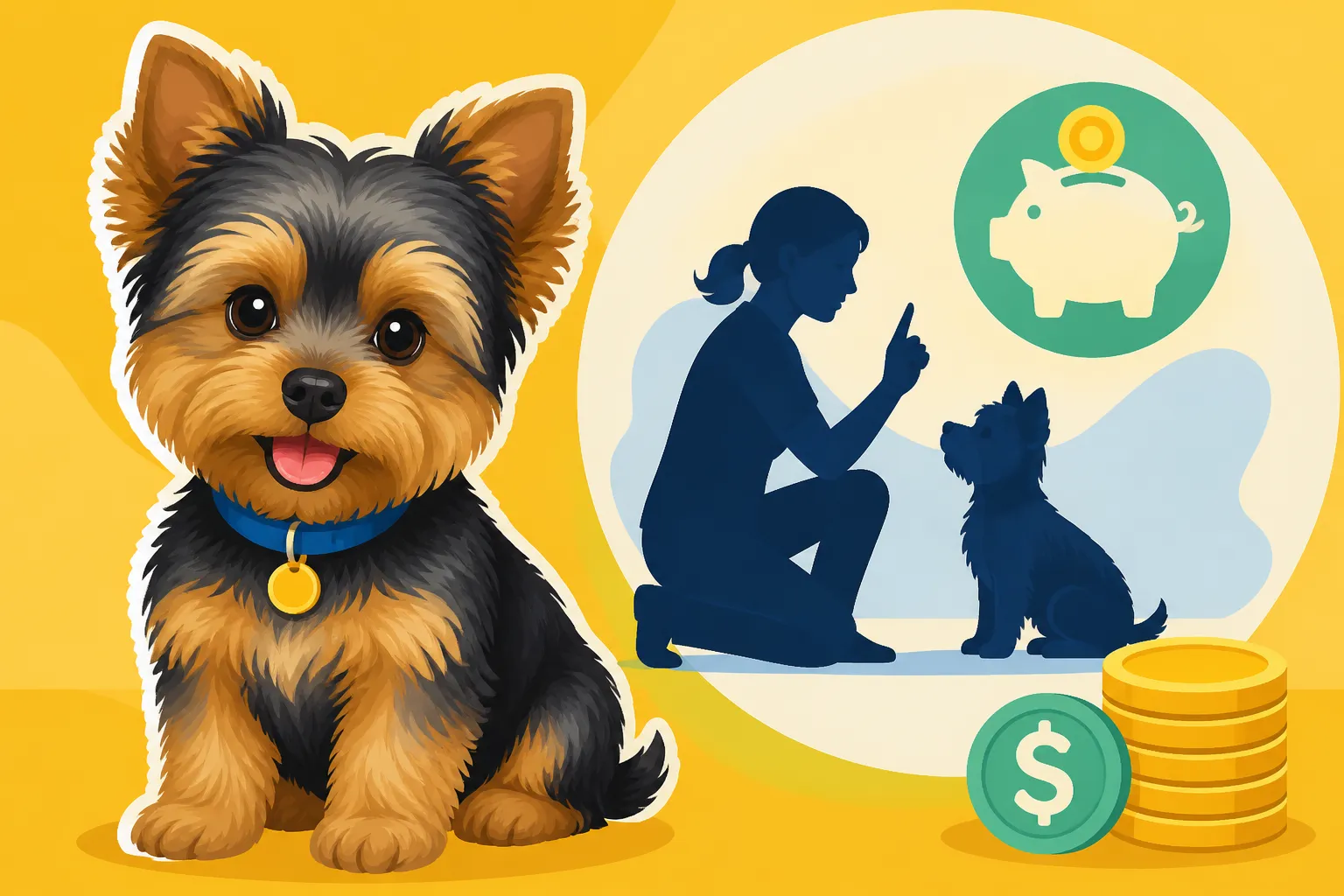
Cost of Yorkie Puppy Training Classes
Bringing home a tiny Yorkshire Terrier puppy is an absolute joy, but it can also quickly feel like a whirlwind of responsibilities and new decisions. One of the biggest questions on many new Yorkie parents' minds, after making sure their little fluffball is happy and healthy, is about training. Specifically, the cost of puppy training classes often brings up a lot of "what if" scenarios. You want to give your Yorkie the best start, set them up for a lifetime of good behavior, and navigate those early puppy stages without feeling completely lost, but budget concerns are real. This guide is here to break down the ins and outs of what you can expect to pay for Yorkie puppy training classes, what influences those prices, and how to make the most informed choices for your adorable companion.
Understanding the Value of Puppy Training for Yorkies
When you first welcome a Yorkshire Terrier puppy into your home, the thought of formal training classes might seem like an extra expense or even a luxury. After all, they’re so tiny and cute! But let me tell you, puppy training is one of the most foundational investments you can make in your Yorkie's well-being and your own peace of mind. It’s not just about teaching them to sit or stay; it’s about shaping their entire outlook on the world, preventing frustrating behaviors down the line, and truly strengthening the bond you share.
The Unique Needs of Yorkshire Terrier Puppies in Training
Yorkshire Terriers might be small in stature, often weighing in at a delicate 4 to 7 pounds, but they possess personalities that are anything but tiny. They are intelligent, spirited, and can be quite tenacious. This combination means they pick things up quickly, but also that they can develop stubborn habits if not guided properly from a young age. Their small size also makes them prone to "small dog syndrome" if not socialized and trained correctly – where they might become overly yappy, nippy, or anxious due to feeling insecure or overprotected. Early puppy classes provide a safe, structured environment for them to interact with other dogs and people, learning crucial social cues. These specialized sessions often consider their size, offering gentle approaches that don't overwhelm a small breed puppy. For a deeper dive into common issues, you might want to read about Yorkshire Terrier Behavior Problems and Solutions.
Consider a scenario where a Yorkie puppy isn't properly socialized. They might grow up fearful of strangers, bark incessantly at every new sound, or become aggressive towards other dogs, leading to stress for both the dog and the owner. A puppy class addresses these foundations, teaching them that new experiences can be positive. Moreover, Yorkies are known for being a bit more challenging to potty train than some other breeds. A good puppy class will offer invaluable tips and structured advice on Yorkshire Terrier Potty Training Guide, helping you bypass months of accidents and frustration.
Long-Term Benefits Outweighing Initial Costs
While the initial cost of puppy training classes might seem like a lump sum, it’s truly an investment that pays dividends over your Yorkie's lifespan. Think about it: a well-trained dog is a happier dog, and a happier dog often means fewer behavioral issues that can lead to costly interventions later. Untrained dogs might develop severe separation anxiety, destructive chewing habits, or aggression, all of which could necessitate expensive private behavioral consultations or even vet visits for stress-related ailments.
By investing in early training, you're not just preventing problems; you're building a strong, clear line of communication with your Yorkie. This understanding can prevent misunderstandings, reduce stress, and ensure your Yorkie is a well-adjusted member of your family. Imagine avoiding the stress of constantly stopping your Yorkie from jumping on guests or being able to confidently take them to dog-friendly parks because they have good recall. The quality of life for both of you improves dramatically. Plus, learning How to Teach a Yorkie Basic Commands early on provides the building blocks for more advanced training and a lifetime of enjoyable interactions.
Deconstructing the Costs: What Influences Puppy Training Prices
The cost of Yorkie puppy training classes isn't a fixed number; it's a spectrum influenced by several factors. Just like you'd see a range of prices for a good haircut depending on the stylist and salon, dog training varies based on the type of service, the trainer's expertise, and even where you live. Understanding these variables can help you anticipate expenses and make a more informed choice for your little companion.
Types of Training Programs and Their Price Points
When it comes to puppy training, you generally have a few main types of programs, each with its own structure and cost implications.
-
Group Puppy Classes: These are perhaps the most common and often the most affordable option. Typically, a group class runs for 4-8 weeks, with one session per week lasting about an hour. They focus on basic obedience commands (sit, stay, come), proper socialization with other puppies and people, leash manners, and addressing common puppy issues like nipping and house-training. Class sizes usually range from 4-10 puppies.
- Cost Range: You can expect to pay anywhere from $150 to $300 for a full 4-8 week course. In some very rural areas, it might be slightly less, while in major metropolitan hubs like New York City or Los Angeles, it could easily creep up to $350-$450.
- Pros: Excellent for socialization, more budget-friendly, and you learn alongside other puppy parents, which can be a great support system.
- Cons: Less individualized attention, might not address specific or severe behavioral issues, and schedules can be rigid.
-
Private Training Lessons: For owners who prefer one-on-one attention, have a specific behavioral concern (like severe separation anxiety, which you can learn more about in Yorkie Separation Anxiety: Signs and Fixes), or a schedule that doesn't fit group classes, private lessons are an excellent choice. These sessions happen in your home or at the trainer's facility.
- Cost Range: A single private session can cost between $75 and $200 per hour, with packages of multiple sessions often offering a slight discount (e.g., 4 sessions for $400-$700).
- Pros: Highly customized to your Yorkie's needs, flexible scheduling, and the trainer can work on issues specific to your home environment.
- Cons: Significantly more expensive than group classes, and your puppy might miss out on crucial peer-to-peer socialization.
-
Board-and-Train Programs: This is often the most intensive and expensive option. Your Yorkie puppy lives with a professional trainer for a period (typically 2-4 weeks) and undergoes immersive training. The idea is that they get consistent, round-the-clock instruction.
- Cost Range: These programs can easily run from $1,500 to $5,000 or more, depending on the duration, the trainer's reputation, and the services included.
- Pros: Can yield rapid results, especially for complex issues, as the training is constant and consistent.
- Cons: Very costly, you're separated from your puppy, and it's crucial to find a highly reputable trainer to ensure humane and effective methods. It's also vital for you to learn how to maintain the training once your Yorkie comes home.
-
Online Training Courses/Apps: With the rise of digital learning, many reputable trainers now offer online courses or programs through apps. These can range from pre-recorded modules to live virtual sessions.
- Cost Range: Anywhere from free (YouTube tutorials) to $50 for a basic course to $500+ for comprehensive, interactive programs with direct trainer feedback.
- Pros: Extremely flexible, often very affordable, and accessible from anywhere. Great for supplementing in-person training. Many platforms, like those offering products on Chewy, might also link to educational content.
- Cons: Lacks hands-on trainer supervision, requires significant self-discipline, and socialization aspects are completely missing.
Here's a quick comparison table to give you a clearer picture:
| Training Type | Estimated Cost Range | Key Benefits | Considerations |
|---|---|---|---|
| Group Puppy Classes | $150 – $450 (4-8 weeks) | Socialization, affordable, peer support | Less individualized, fixed schedule, basic focus |
| Private Lessons | $75 – $200 per hour ($400-$700 per package) | Customized, flexible, home-specific issues | Higher cost, less socialization, requires owner consistency |
| Board-and-Train | $1,500 – $5,000+ (2-4 weeks) | Intensive, fast results for complex issues | Very expensive, separation, need for owner follow-up |
| Online Courses | Free – $500+ | Flexible, accessible, affordable (mostly) | No hands-on guidance, no socialization, self-driven |
Geographical Variations and Trainer Expertise
Just like real estate, dog training costs can be heavily influenced by location. A certified professional dog trainer in an urban center like Boston or San Francisco will likely charge more for their services than a trainer in a smaller town in, say, rural Arkansas. This isn't just about overhead; it's also about demand and the cost of living in that area.
Beyond location, a trainer's expertise and certifications play a huge role in their pricing. Look for trainers with credentials such as:
- CPDT-KA (Certified Professional Dog Trainer – Knowledge Assessed): This certification from the Certification Council for Professional Dog Trainers (CCPDT) signifies a strong understanding of dog behavior and training techniques.
- KPA CTP (Karen Pryor Academy Certified Training Partner): These trainers specialize in positive reinforcement methods.
- Fear Free Certified: Trainers with this certification are committed to making vet visits and training experiences less stressful for pets.
Highly experienced trainers with a proven track record, specialized knowledge (e.g., working with toy breeds, resolving specific behavioral challenges), or advanced certifications will naturally command higher fees. They've invested a lot in their education and experience, and that value is reflected in their pricing. When you're looking for a trainer, don't be afraid to ask about their certifications, their methods, and their experience with breeds like Yorkshire Terriers. This is crucial for your Yorkshire Terrier Puppy Health Guide as well, as early training can impact long-term well-being.
What's Included in the Price
Before you hand over your hard-earned money, it’s absolutely vital to understand what's actually included in the price of a puppy training class. Sometimes, what seems like a great deal might have hidden extras, while a slightly higher upfront cost might cover everything you need.
Most reputable group puppy classes will include:
- A set number of sessions: For example, six 1-hour classes over six weeks.
- Basic curriculum: Covering essential commands like sit, stay, come, down, leash manners, and polite greetings.
- Socialization time: Supervised play sessions with other puppies to help develop appropriate social skills.
- Handouts or online resources: Summaries of lessons, homework assignments, and tips for continuing training at home.
- Trainer support: Often including email or phone support between sessions for urgent questions.
Some classes might offer additional perks like a graduation certificate, a small goodie bag (perhaps with training treats from a brand like Ollie), or even a free follow-up session. However, always confirm if things like training equipment (clicker, specific leash/harness – see Why Harnesses Are Better Than Collars for Yorkies), high-value treats, or access to an online portal are part of the package or if they're separate purchases. Knowing this upfront helps you budget accurately and avoids any surprises later.
Budgeting for Yorkie Puppy Training and Finding Value
Navigating the costs of Yorkie puppy training can feel like a maze, but with a bit of savvy planning and research, you can find a program that fits your budget and your puppy’s needs perfectly. It's about being a smart consumer and prioritizing what truly matters for your little companion.
Comparing Options and Making Smart Choices
When you're looking for the right puppy training class, don't just pick the first one you see or the cheapest option. Take your time to compare. Here’s how to approach it:
- Research Local Trainers and Facilities: Start by searching online for "Yorkie puppy training classes near me" or "dog training for small breeds [your city]." Check out local pet stores like Petco or PetSmart, as they often offer group classes that can be quite affordable. Independent trainers and specialized dog training facilities are also excellent options. Look for reviews on Google, Yelp, or breed-specific forums.
- Ask for Recommendations: Chat with other Yorkie owners in your community, your veterinarian (who can offer insights on How to Choose a Vet for a Yorkie), or reputable breeders. Personal recommendations are invaluable as they come from real-world experiences.
- Interview Potential Trainers: Don't hesitate to call or email trainers with a list of questions. Ask about their training philosophy (positive reinforcement is generally recommended for Yorkies), class size, specific experience with toy breeds, what the curriculum covers, and what kind of support they offer outside of class time. Ask to observe a class if possible – seeing a trainer in action can tell you a lot.
- Consider Your Yorkie's Personality: Is your Yorkie puppy super outgoing or a bit shy? An overly boisterous group class might overwhelm a timid pup, making private lessons or a smaller group a better (though potentially more expensive) fit. Conversely, an energetic, confident Yorkie might thrive in a larger group setting.
Remember, the goal isn't just to find any class, but the right class that provides a positive, effective learning experience for your specific Yorkie.
Hidden Costs and How to Avoid Them
Beyond the direct class fees, there are a few other expenses that can pop up when enrolling your Yorkie in puppy training. Being aware of these can help you avoid surprises in your Cost of Owning a Yorkshire Terrier Per Month budget.
- Training Supplies: Most classes will require specific items. This often includes a flat collar and leash (some trainers might recommend a harness like those found on Chewy instead of a collar for tiny breeds to protect their delicate throats), high-value training treats (brands like Ollie often have great options), a clicker, and sometimes a mat or bed for "place" command training. While seemingly small, these can add up. Factor in $30-$100 for these essentials.
- Transportation: If the training facility is far from your home, consider the cost of gas and your time spent commuting each week. For very busy individuals, this might inadvertently push you towards more convenient (but perhaps pricier) options like in-home private training.
- Repeat Classes or Advanced Training: Many owners find that after basic puppy class, they want to continue with an intermediate or advanced obedience class, or even specialized classes like agility or trick training. These are additional costs, but they build on the foundation you've already laid.
- Unexpected Veterinary Visits: While not directly a training cost, some puppies might pick up a minor bug from other dogs during socialization, especially if not all puppies are fully vaccinated (though reputable classes require proof of vaccines). Keeping up with your Yorkie Vaccination Schedule and having pet insurance from providers like Healthy Paws can help manage these unforeseen health costs.
To minimize these hidden costs, ask the trainer for a full list of required supplies upfront. See if you can borrow or buy used items for things like a crate (which is essential for Yorkshire Terrier Crate Training Guide). And always prioritize a location that is reasonably convenient to save on travel time and fuel.
Alternative and Supplementing Resources
Formal puppy training classes are fantastic, but they're not the only way to educate your Yorkie. There are many complementary or even alternative resources you can tap into, especially if you’re on a tight budget.
- Online Resources and Books: The internet is a treasure trove of information. YouTube channels from certified trainers often offer free tutorials on basic commands, potty training, and common puppy issues. Websites and blogs (like this one!) provide articles on everything from How to Stop a Yorkie from Barking to Yorkie Puppy Biting Phase Explained. There are also many excellent books on puppy raising and training that can guide you step-by-step.
- "Do It Yourself" Training at Home: You are your Yorkie's first and most important teacher. Even if you enroll in a class, the real learning happens at home through consistent practice. Dedicate 10-15 minutes, 2-3 times a day, to short, positive training sessions. This reinforces what they learn in class and helps them generalize commands to your home environment.
- Socialization Outings (Safely Managed): While not a substitute for structured group play, you can safely socialize your Yorkie by taking them to quiet parks (before they are fully vaccinated, avoid areas with many unknown dogs, stick to observing from a distance), friends' homes with calm, vaccinated dogs, or even just sitting outside a coffee shop to let them observe the world from a safe distance. Always prioritize positive, calm interactions.
- Puppy Socialization Playgroups: Some doggy daycares or pet stores offer supervised puppy playgroups that focus solely on safe socialization without formal obedience training. These are typically less expensive than full classes and can be a great way to ensure your Yorkie gets exposure to other pups.
Combining a formal group class with diligent home practice and leveraging free online resources often provides the best balance of structure, socialization, and cost-effectiveness. The key is consistency and patience. Your tiny Yorkie has a huge capacity for learning, and with the right guidance, they'll blossom into a well-behaved, happy companion.
Disclaimer
The information provided in this article is for general informational purposes only and does not constitute professional veterinary or dog training advice. Always consult with a qualified veterinarian or certified professional dog trainer for any health concerns or before implementing any training regimen for your Yorkshire Terrier. Individual results and costs may vary.