How to Teach a Yorkie Basic Commands
Training a tiny Yorkshire Terrier can sometimes feel like trying to herd cats – adorable, intelligent cats, but cats nonetheless! Many Yorkie parents struggle with getting their spirited little companions to reliably follow commands, leading to frustration for both pup and human. This comprehensive guide is here to walk you through the nuances of teaching your Yorkie basic commands, ensuring you build a strong bond and a well-behaved furry family member.
Understanding the Unique Yorkie Learning Style
Before we even get to "sit" and "stay," it’s crucial to understand what makes our little Yorkies tick when it comes to learning. They're not Golden Retrievers or Labradors; their miniature size and feisty terrier spirit mean their learning curve has its own special considerations.
Their Unique Temperament
Yorkshire Terriers are known for their big personalities packed into small bodies. They are intelligent, spirited, and can be quite independent or even stubborn. This isn't a flaw; it's just who they are! Their history as ratters means they were bred to think for themselves, which can sometimes translate into a "what's in it for me?" attitude during training. They respond best to positive reinforcement and can shut down or become more resistant if harsh methods are used. It’s important to remember that yelling or punishment only creates fear and mistrust, not understanding or obedience. Instead, tap into their desire to please you (when they feel like it!) and their love for treats and praise. You might even find their intelligence makes them quick learners once you figure out their individual motivators.
Short Attention Spans
Let's be real, a Yorkie's attention span can be shorter than their legs. This isn't a personal affront; it's simply how many small breeds operate, especially puppies. Trying to force a 20-minute training session on a young or easily distracted Yorkie is a recipe for frustration. Instead, think "short and sweet." We're talking 3-5 minute bursts, a few times a day. These mini-sessions keep things fun, engaging, and prevent your Yorkie from getting bored or overwhelmed. End on a high note, even if it’s just for a successful "sit," and then move on to play time. This strategy ensures they associate training with positive experiences, making them more eager for the next session. Remember, consistency over duration is key when dealing with small dogs.
Motivation and Rewards
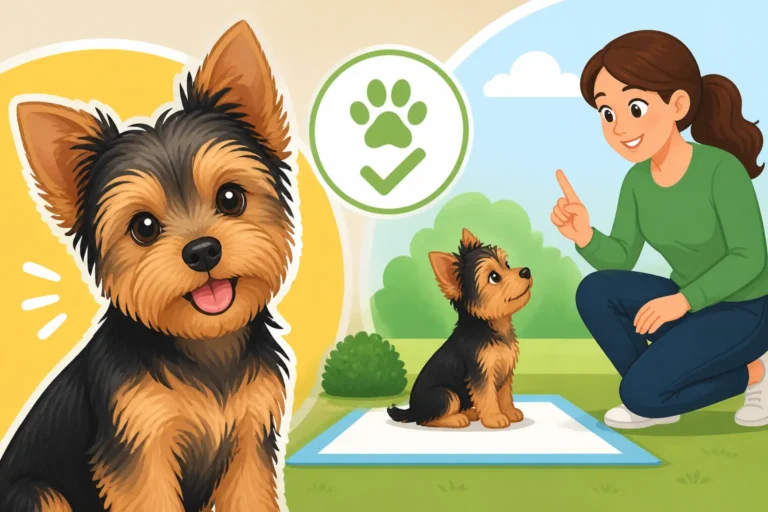
For a Yorkie, motivation is everything. What makes them tick? For most, it's high-value treats – something they absolutely adore and don't get all the time. Think tiny pieces of cooked chicken, cheese, or specialized training treats like Zuke's Mini Naturals. Size matters here; you don't want to fill them up too quickly. Alongside treats, verbal praise ("Good sit!"), gentle petting, or even a quick game with a favorite toy can be powerful motivators. Every Yorkie is different, so take some time to figure out your pup's ultimate reward. Some might go crazy for a squeaky toy, while others live for that little piece of cheddar. When your Yorkie performs a command correctly, the reward needs to be instantaneous – within 1-2 seconds – so they clearly link the action with the positive outcome. This is where Positive Reinforcement Training for Yorkies really shines!
Essential Tools and Preparation for Training
You wouldn't try to bake a cake without the right ingredients and tools, and the same goes for dog training! Having the right setup can make all the difference, setting both you and your Yorkie up for success.
Choosing the Right Treats and Rewards
As we touched on, high-value treats are your secret weapon. But what does "high-value" really mean for a Yorkie? It means something irresistibly delicious that they don't get as part of their regular diet. For example, if your Yorkie normally eats kibble, then kibble won't be a high-value training treat. Experiment with different options:
- Soft, chewy treats: These are ideal because they're easy to chew and swallow quickly, meaning less time spent munching and more time training. Brands like Wellness Soft Puppy Bites or Pet Botanics Mini Training Rewards are often a hit. You can find a huge selection of these on Amazon.
- Tiny pieces of human food: Boiled chicken breast (plain, no seasoning!), small bits of lean cooked beef, or a smidgen of low-fat cheese can be incredibly effective. Just make sure they are very small, pea-sized or even smaller for a Yorkie's tiny mouth. Always double-check that human foods are safe for dogs.
- Different levels of value: Have a range. "Medium-value" treats for easy commands they already know, and "high-value" treats for new, challenging commands or when working in distracting environments.
Remember to factor these treats into your Yorkie's daily caloric intake to prevent weight gain.
Creating an Optimal Training Environment
Where you train is almost as important as how you train. For initial learning, you want an environment with minimal distractions.
- Start indoors: Begin in a quiet room in your home, away from other pets, people, or tempting smells. Your living room or kitchen might be perfect. This helps your Yorkie focus solely on you and the task at hand.
- Keep it consistent: Use the same area for early training sessions. This helps your Yorkie understand that "when we're here, we're doing training."
- Progress gradually: Once your Yorkie is consistently performing commands in a quiet environment, slowly introduce mild distractions. This might mean moving to a different room, then a backyard, and eventually a park. This process, known as "proofing," is essential for a reliable command response, even with the distractions of the outside world. This gradual exposure helps to ensure your Yorkie will listen to you no matter where you are.
Introduction to Clicker Training
Clicker training is a fantastic method for tiny dogs like Yorkies because it provides a precise, clear marker for exactly when your dog performs the desired behavior. The "click" sound, followed immediately by a reward, tells your dog, "Yes, that's exactly what I wanted!"
- Loading the clicker: Start by "loading" the clicker. This means creating a positive association with the sound. Simply click, then immediately give your Yorkie a treat. Repeat this 10-20 times in a short session, a few times a day, for a couple of days. Your Yorkie will quickly learn that the click means a treat is coming.
- Marking the behavior: Once loaded, you'll use the clicker to mark the exact moment your Yorkie does something right. For example, if you're teaching "sit," the instant your Yorkie's rear touches the ground, click, then treat. The click is the signal, the treat is the reward.
- Benefits for Yorkies: For a breed that can sometimes be a bit headstrong or easily distracted, the clicker offers clarity that verbal praise alone might not. It removes ambiguity and helps them understand faster. Many online programs, such as those offered by BAXTER & Bella, integrate clicker training into their foundational lessons, offering a structured approach for beginners.
Key Basic Commands and Step-by-Step Guides
Now for the exciting part! These basic commands are not just tricks; they are fundamental building blocks for communication, safety, and a well-behaved companion. Consistency and patience are your best friends here.
Teaching "Sit"
"Sit" is often the first command a puppy learns, and for good reason—it’s relatively easy and incredibly useful for controlling impulses.
- Get Ready: Hold a high-value treat close to your Yorkie's nose.
- Lure: Slowly move the treat upwards and slightly back over their head. As their nose follows the treat, their rear end will naturally lower into a sitting position.
- Click and Treat: The instant their bottom touches the ground, click (if using a clicker) and immediately give them the treat. Say "Good sit!" in a happy, encouraging tone.
- Add the Verbal Cue: Once your Yorkie is reliably sitting when lured, start adding the verbal cue. Say "Sit" just as you move the treat. Soon, they'll associate the word with the action.
- Fade the Lure: Gradually reduce your reliance on the lure. Instead of holding the treat right to their nose, make the hand motion smaller and higher, eventually just using the hand signal and verbal cue.
Practice this in short bursts throughout the day. Remember that repetition builds muscle memory and association. If your Yorkie is struggling, make sure your treats are motivating enough, and your sessions aren't too long. For more foundational training, you might find valuable insights in our guide on Yorkshire Terrier Puppy Training Schedule.
Mastering "Stay"
"Stay" is a command that directly impacts your Yorkie's safety and your peace of mind. It teaches impulse control and patience.
- Prerequisite: Your Yorkie should reliably know "Sit" before you tackle "Stay."
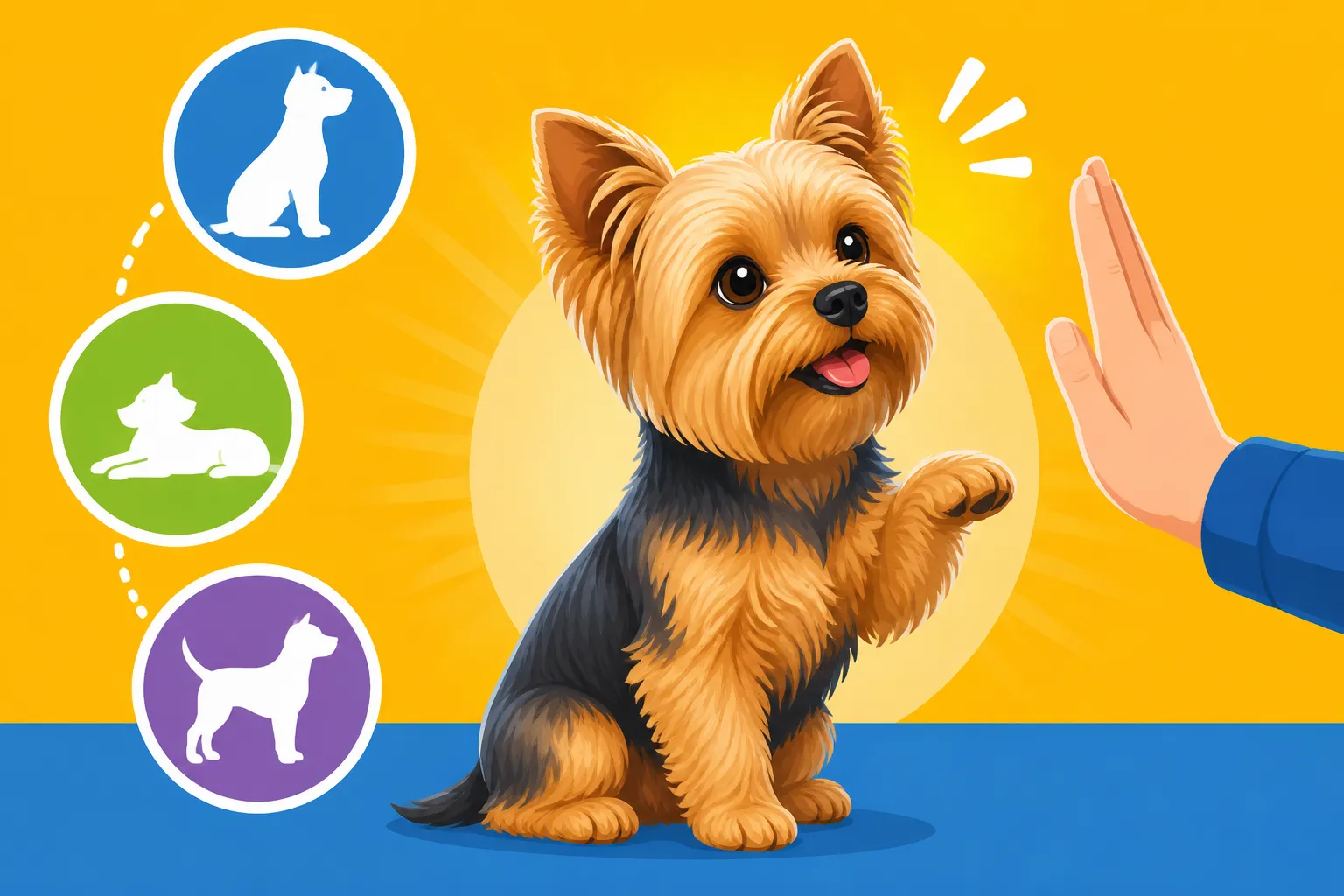
- Initial Stay: Ask your Yorkie to "Sit." Once they are sitting, say "Stay" in a calm, clear voice, and hold your open palm towards them like a stop sign.
- Take One Step Back: Take just one tiny step back, then immediately step forward, click/praise, and reward them for remaining in the sit position. Even a second of "stay" is a victory at first.
- Gradual Increase: Slowly increase the distance and duration. Take two steps back, then three, then stand farther away. Extend the time you expect them to stay – 2 seconds, then 5, then 10.
- Always Return to Reward: Crucially, always return to your Yorkie to deliver the treat. If you call them to you for the treat, you're inadvertently teaching them that "Stay" means "come when called later."
- Release Cue: Introduce a release cue like "Okay!" or "Free!" to tell your Yorkie they can move. This is just as important as the "Stay" command.
If your Yorkie breaks the stay, simply calmly reset them in the sit position and try again with a shorter duration or distance. Don't scold them; just make it easier for them to succeed.
Reliable "Come" (Recall)
"Come," or recall, is perhaps one of the most vital commands for your Yorkie's safety, especially if they enjoy exploring off-leash in secure areas.
- Make it a Party: This command should always be associated with something incredibly positive. Never use "Come" to call your Yorkie for something unpleasant like a bath or nail trim.
- Start Close: Begin in a quiet, enclosed space (like a hallway or a secure yard). Get down low, say your Yorkie's name, then "Come!" in an excited, happy voice.
- Reward Instantly: As soon as they take a step towards you, praise enthusiastically! When they reach you, give them the highest value treat and lots of happy praise.
- Run Away: Sometimes, turning and running a few steps away from your Yorkie can trigger their chase instinct and encourage them to "come."
- Practice Often: Practice many times a day in various low-distraction environments. As they get better, gradually introduce more distractions.
- Long Line Training: Once reliable indoors, use a long line (a lightweight leash, 15-30 feet, available on Amazon) in a safe, enclosed outdoor area. This allows them freedom but gives you control if they get distracted. Never let your Yorkie off-leash in an unfenced area until their recall is 100% reliable, which can take a lot of consistent practice. Recall is so important that many pet parents prioritize it over other commands, recognizing its role in preventing a lost dog scenario.
"Down" with Patience
"Down" is another excellent command for impulse control and settling your Yorkie in various situations. It can be a bit harder than "Sit" for some dogs, requiring more patience.
- Lure to Sit: Start with your Yorkie in a "Sit" position.
- Lure Down: Hold a treat to their nose and slowly move it straight down towards the floor, then slowly drag it away from them, towards their paws. Your Yorkie's nose should follow the treat, causing them to lower their body into a "Down" position.
- Click and Treat: The moment their elbows touch the ground, click and reward. Praise warmly.
- Add the Cue: Once they are reliably following the lure, add the verbal cue "Down" just before you make the lure motion.
- Gradual Lure Fade: Slowly make your hand lure smaller until you're just using a subtle downward hand gesture.
If your Yorkie stands up or just stretches instead of going all the way down, go back to a more obvious lure. Some Yorkies might find lying down uncomfortable on certain surfaces, so ensure they are on a soft rug or carpet initially.
"Leave It" for Safety
"Leave It" is an incredibly important safety command that teaches your Yorkie to ignore tempting or dangerous items, whether it's a dropped pill on the floor or something questionable they find on a walk.
- The Hidden Treat: Hold a low-value treat (like a piece of kibble) in your closed fist. Present your fist to your Yorkie. They will likely sniff, lick, or paw at it.
- Ignore and Wait: The moment your Yorkie looks away from your fist, even for a split second, say "Yes!" (or click) and immediately open your hand to give them a higher-value treat from your other hand. This teaches them that ignoring the first treat leads to a better reward.
- Add the Cue: Once they understand this, place the low-value treat on the floor and cover it with your hand. Say "Leave It." If they try to get it, keep your hand covered. When they look away, uncover the treat, say "Yes!" and reward with the high-value treat from your other hand.
- Increase Difficulty: Gradually increase the difficulty:
- Place the treat on the floor, uncovered, but keep your hand ready to cover it.
- Use more tempting distractions.
- Practice outdoors with natural distractions like leaves or sticks.
"Leave It" takes a lot of practice and consistency. This command can literally be a lifesaver, preventing your Yorkie from ingesting harmful substances.
Here's a quick overview of these commands:
| Command | Verbal Cue | Hand Signal | Desired Action | Reward Example | Usefulness |
|---|---|---|---|---|---|
| Sit | "Sit" | Hand moves up & back | Rear touches the ground | Tiny cooked chicken piece, praise | Impulse control, polite greeting |
| Stay | "Stay" | Open palm facing pup | Remains in position for duration | Small cheese bit, praise | Safety, patience, waiting |
| Come | "Come" | Patting leg, low stance | Approaches handler and sits | Jackpot of high-value treats, enthusiastic praise | Safety, recall in emergencies |
| Down | "Down" | Hand moves down & away | Lays on the ground | Cooked lean beef, gentle ear rub | Calming, settling, useful for grooming |
| Leave It | "Leave It" | Hand covers object/points away | Ignores a tempting object | Different, higher-value treat, verbal praise | Safety, preventing ingestion of dangerous items |
Troubleshooting Common Yorkie Training Challenges
Every dog has their quirks, and Yorkies are no exception. You're bound to hit a few bumps in the road, but with the right approach, you can navigate these challenges with grace and achieve your training goals.
Dealing with Stubbornness
Ah, the infamous Yorkie stubborn streak! If your Yorkie seems to suddenly "forget" a command or refuses to engage, it's easy to get frustrated. But remember, they’re not being defiant just to spite you.
- Re-evaluate Motivation: Is your treat high-value enough? Maybe they're bored with chicken and want cheese, or vice-versa. Sometimes, a new, exciting treat can rekindle their interest.
- Check for Fatigue or Discomfort: Is your Yorkie tired? Are they feeling unwell? Sometimes a reluctance to train stems from physical discomfort or simply needing a break. Our guide on Signs Your Yorkshire Terrier Is Sick might offer insights if you suspect health issues.
- Break it Down: If they're struggling with a command, you might be asking for too much too soon. Go back to basics. For example, if "Down" is hard, reward them for just lowering their head, then for a partial down, then for a full down.
- Keep it Positive: Never resort to punishment or anger. A stubborn Yorkie will only become more resistant if they associate training with negative feelings. End the session on a positive note, even if it's for a simple "sit" they know perfectly, and try again later. How to Train a Stubborn Yorkie delves deeper into this very issue, offering more targeted strategies.
Overcoming Distractions
Yorkies are curious little creatures, and the world offers a myriad of fascinating smells, sounds, and sights. What's a crinkling leaf to you might be a full-blown adventure for your Yorkie, making it hard to focus.
- Start in a Controlled Environment: As mentioned earlier, always begin training in a quiet, distraction-free space. Once your Yorkie is consistent there, gradually introduce minor distractions.
- The "Look at Me" Command: This is an invaluable pre-command. Teach your Yorkie to make eye contact with you on cue. Start in a quiet room: hold a treat near your nose, say "Look at me!" When they make eye contact, click/treat. Gradually increase duration. This command becomes your anchor in distracting environments; if they're focused on you, they're less likely to be distracted by something else.
- Proximity to Distraction: When practicing with distractions, start far away from them. For example, if you're training at a park, begin at the very edge, then slowly move closer to the playground or dog area as your Yorkie improves.
- Higher Value Rewards: In a distracting environment, you'll often need to use your absolute highest-value treats to hold your Yorkie's attention. That dry kibble might work indoors, but outdoors, it's competing with squirrels!
Maintaining Consistency
Consistency is the single most important factor in successful dog training, especially with a smart and occasionally wilful breed like the Yorkie. Without it, you send mixed signals, and your Yorkie won't understand what's expected of them.
- Everyone on Board: If there are multiple people in your household, everyone needs to use the same commands, hand signals, and reward system. If one person lets your Yorkie jump on them, but another scolds them for it, your Yorkie will be confused.
- Regular Practice: Daily, short training sessions are far more effective than one long, sporadic session. Even five minutes, two or three times a day, can make a huge difference.
- Integrate into Daily Life: Don't just practice commands in formal training sessions. Ask for a "Sit" before you put down their food bowl, a "Stay" before opening the door, or a "Come" when it's time to put on their harness for a walk. This helps generalize the commands and makes them part of your daily routine. This is also key for things like How to Teach a Yorkie to Walk on a Leash.
- Be Patient: Training is a journey, not a destination. There will be good days and bad days. Celebrate the successes, learn from the setbacks, and never give up. Remember that your Yorkie is always learning, whether you're actively training or not, so consistent expectations are vital.
Building on Basic Commands and Advanced Tips
Once your Yorkie has a solid grasp of the foundational commands, you've established a fantastic communication channel. But the learning doesn't have to stop there! You can build on these basics to create an even more well-behaved and confident companion.
Proofing Commands in Different Settings
Learning a command in your quiet living room is one thing; performing it reliably at a bustling park is quite another. "Proofing" is the process of practicing commands in various environments, with different distractions, and by different people, to ensure your Yorkie understands the command regardless of the context.
- Vary the Location: Practice "Sit," "Stay," and "Come" in every room of your house, then the backyard, then a quiet street, then a park during off-peak hours, slowly building up to more stimulating places. Each new environment adds a layer of challenge.
- Add Distractions Gradually: Start with very mild distractions, like another person walking by in the distance, then slowly increase the intensity. This might mean having a friend walk their dog nearby while you work on "Stay," or practicing "Come" while a toy rolls away.
- Different People, Different Voices: Have different family members give the commands. This helps your Yorkie generalize the command itself, rather than associating it only with your voice or specific hand signals. If your Yorkie is Yorkie Not Listening What to Do during these situations, it's a clear sign to scale back the difficulty.
- Change Up Your Position: Practice commands while you're standing, sitting, or even a little further away. The goal is for your Yorkie to respond to the command, not just to your immediate proximity.
Generalizing Behaviors
Generalizing means your Yorkie understands that a command, like "Sit," means "put your bottom on the ground" in any situation, not just in front of the food bowl or when you have a treat in hand. This is a common hurdle for many small dogs.
- Practice Without Lures: Once a command is learned, start asking for it without a visual lure. Use only the verbal cue or a subtle hand signal.
- Vary the Rewards: While high-value treats are great for initial learning and difficult situations, start occasionally rewarding with praise, a quick game, or a favorite toy once the behavior is reliable. This prevents your Yorkie from only performing when a specific treat is visible.
- "Real-Life Rewards": Use everyday situations as opportunities to reinforce commands. For example, ask for a "Sit" before they get to go outside, before you throw their toy, or before they get attention from you. The "reward" is then access to something they already want. This concept is sometimes called "Premack Principle" or "Grandma's Rule" (first eat your vegetables, then you can have dessert). This really empowers your Yorkie to choose to listen to you because it leads to good things.
Making Training a Lifelong Journey
Training isn't something you "finish" once your Yorkie knows a few basic commands. It's an ongoing process that strengthens your bond and keeps their minds sharp.
- Keep it Fun: Continue to incorporate short, fun training sessions into your daily routine. Teach new tricks, revisit old commands, or play interactive games that require problem-solving.
- Enroll in Classes: Even after basic obedience, consider advanced classes or dog sports like agility or rally obedience. These activities provide mental stimulation, physical exercise, and a fantastic way to bond. BAXTER & Bella, for instance, offers various online modules that can support continuous learning beyond just the basics.
- Mental Stimulation: Yorkies are intelligent dogs, and mental exercise is just as important as physical exercise. Puzzle toys, scent games, and learning new commands (even silly tricks like "spin" or "weave") can prevent boredom and reduce the likelihood of Yorkshire Terrier Behavior Problems and Solutions.
- Stay Positive and Patient: There will be times when your Yorkie seems to regress, especially during adolescence or if they are feeling under the weather. Approach these moments with patience and understanding, not frustration. Go back to basics, simplify the environment, and rebuild confidence. A well-trained Yorkie is a joy to live with, and the journey of learning together is one of the most rewarding aspects of dog ownership.
Disclaimer
This guide offers general information and recommendations for teaching basic commands to Yorkshire Terriers. Every dog is an individual, and training methods may need to be adjusted based on your Yorkie's unique personality, temperament, and learning style. If you encounter significant behavioral challenges, it is always recommended to consult with a certified professional dog trainer or veterinary behaviorist. They can provide tailored advice and support to ensure the best outcome for you and your beloved Yorkie.