Yorkie Small Dog Syndrome Explained
It's incredibly frustrating, isn't it, when your tiny Yorkshire Terrier, a breed known for its charming personality, starts acting like a tiny terror? You might see them barking incessantly, lunging at bigger dogs, or even snapping at guests, and think, "Why is my sweet little Yorkie behaving this way?" This guide is here to shed light on what's often referred to as "small dog syndrome" in Yorkies, explaining its roots and, most importantly, how you can help your furry friend overcome these challenging behaviors for a happier, more harmonious life together.
Understanding Small Dog Syndrome: More Than Just a Cute Quirk
When we talk about "small dog syndrome," it’s crucial to understand that it's not a recognized medical diagnosis or an inherent trait of any small breed, including our beloved Yorkshire Terriers. Instead, it’s a collection of learned behaviors that small dogs often exhibit when they haven't been adequately trained, socialized, or when their human companions inadvertently enable or reinforce these behaviors due to their diminutive size. It's easy to overlook a nip from a 5-pound dog that you wouldn't tolerate from a 50-pound one, and that's precisely where these patterns begin to form.
What is "Small Dog Syndrome" Really?
At its heart, "small dog syndrome" describes a behavioral pattern where small dogs act out in ways that would be considered unacceptable, even aggressive, for a larger dog. Think about it: a Golden Retriever constantly lunging and barking at strangers on a walk would quickly be labeled a problem, and the owner would seek help. But when a tiny Yorkie does it, people often chuckle, pick them up, or simply make excuses. This disparity in expectations and reactions is a significant part of the problem. Your Yorkie isn't trying to be malicious; they're reacting to their world based on their experiences and what they've learned is effective (or what they've learned not to do).
Common manifestations of this syndrome include incessant yapping, often at anything and everything from the mailman to a rustling leaf. They might be aggressive towards larger dogs, strangers, or even family members, displaying growling, snapping, or biting. Some Yorkies will refuse to walk on a leash, instead demanding to be carried, or exhibit intense resource guarding over their food, toys, or even their favorite human. These behaviors, while sometimes appearing "cute" or "sassy" due to the dog's small stature, actually stem from deep-seated fear, insecurity, or a lack of clear boundaries and consistent guidance from their owners. It's important to realize that these are not inherent Yorkie traits, but rather learned responses that can be unlearned with patience and proper training.
The Dangers of Underestimating Small Dog Behavior
While it might seem harmless for a tiny dog to act tough, underestimating the impact of "small dog syndrome" can lead to serious consequences for both your Yorkie and your household. For starters, a Yorkie who constantly barks, snaps, or lunges is living in a state of chronic stress and anxiety. Imagine feeling perpetually threatened or needing to constantly defend yourself – it's an exhausting way to live. This stress can manifest in other health issues or worsen existing ones, impacting their overall well-being and lifespan.
Beyond the internal turmoil, there's a very real risk of physical harm. A small dog, no matter how feisty, is incredibly vulnerable. A Yorkie who barks and lunges at a larger, untrained dog could easily be injured in a confrontation. An excited Yorkie might trip an elderly person or a child. Furthermore, these behaviors make public outings, vet visits, or even having guests over an incredibly stressful ordeal. Many owners find themselves isolating their Yorkies, which further exacerbates the problem by limiting socialization opportunities and reinforcing the idea that the world outside their immediate circle is dangerous. Addressing these behaviors isn't just about managing nuisance habits; it's about giving your Yorkie the confidence and security to navigate the world calmly and safely. Ignoring these issues prevents your little companion from living their happiest, most confident life.
Unpacking the Roots: Why Yorkies Exhibit These Behaviors
It's natural to wonder why your precious Yorkie might develop these behaviors. It's rarely about their inherent personality, but almost always a reflection of their environment, their experiences, and how we, as their human companions, interact with them. Understanding these root causes is the first step toward effective intervention and prevention.
The Role of Human Interaction and Enablement
One of the biggest contributors to "small dog syndrome" is, surprisingly, us, their owners. We mean well, of course! We adore their tiny size and want to protect them from the big, scary world. However, this often translates into actions that inadvertently foster insecurity and problematic behaviors.
Coddling and Overprotection: Picture this: you're walking your Yorkie, and a large Labrador trots by. Instinctively, you scoop up your little one, murmuring reassurances. While it feels like protection, what your Yorkie learns is that every large dog (or even a new person, or a loud noise) is a threat from which they need to be saved. They never learn to confidently interact with their environment or trust you to handle situations. This constant shielding prevents them from building resilience and independent confidence. Instead of learning appropriate social cues, they learn to escalate their fear response, often through barking or trying to escape.
Lack of Consistent Training: It's a common misconception that small dogs don't need as much training as large ones. "He's so tiny, he can't really do any harm," we might think. But this couldn't be further from the truth. A lack of consistent training means your Yorkie doesn't understand boundaries, expectations, or basic commands. If they don't learn "sit" and "stay," how can you expect them to remain calm when the doorbell rings? Inconsistent rules – allowing them to jump on visitors sometimes, but scolding them other times – creates confusion and anxiety. You can find more specific guidance in our comprehensive article on how to train a Yorkshire Terrier, which covers the foundational steps.
Misinterpreting Cute for Command: That tiny growl when you try to take a slipper, or the ferocious bark at the mail carrier, might initially seem amusing because they're so small. We might even laugh or give them attention for it. This inadvertently reinforces the behavior. Your Yorkie thinks, "Oh, this works! My human responds when I make this noise/action." What starts as a little quirk can quickly escalate into a deeply ingrained habit. This falls under a broader category of Yorkshire Terrier behavior problems and solutions that many owners face.
Environmental Factors and Insufficient Socialization
Beyond our direct interactions, the environment and the opportunities (or lack thereof) for socialization play a huge role in shaping a Yorkie's behavior. A restricted world can lead to a fearful dog.
Limited Exposure to the World: If a Yorkie puppy spends its crucial developmental weeks and months only in its home, perhaps only interacting with immediate family members, they won't learn how to process new stimuli. When they finally encounter the wider world – a busy street, a child on a skateboard, or a friendly stranger – it can be overwhelming and terrifying. This lack of exposure can lead to fear and reactive behaviors, as they haven't developed the coping mechanisms to understand that these new things aren't necessarily threats. Our guide on how to socialize a Yorkshire Terrier offers excellent tips for broadening your Yorkie's horizons safely.
Lack of Appropriate Exercise and Mental Stimulation: Don't let their small size fool you; Yorkies are terriers at heart, and they have energy! While they don't need miles of running, they do need regular walks and opportunities for mental engagement. A bored Yorkie with pent-up energy can become destructive, anxious, or vocal. Short, regular walks, puzzle toys (you can find a great selection on Amazon), and training sessions are vital. If their minds and bodies aren't challenged, that energy will find an outlet, often in ways we don't appreciate, like excessive barking or nervous pacing.
Spotting the Signs: Is Your Yorkie Exhibiting Small Dog Syndrome?
It can be tough to objectively look at your own beloved pet, especially when they're so cute! But recognizing the actual behaviors associated with "small dog syndrome" is the critical next step. It's about seeing beyond the size and identifying the problematic patterns that, if left unaddressed, can hinder your Yorkie's quality of life.
Common Behavioral Indicators
There are several tell-tale signs that your Yorkie might be falling into the trap of small dog syndrome. These aren't just isolated incidents, but rather recurring patterns that indicate underlying issues.
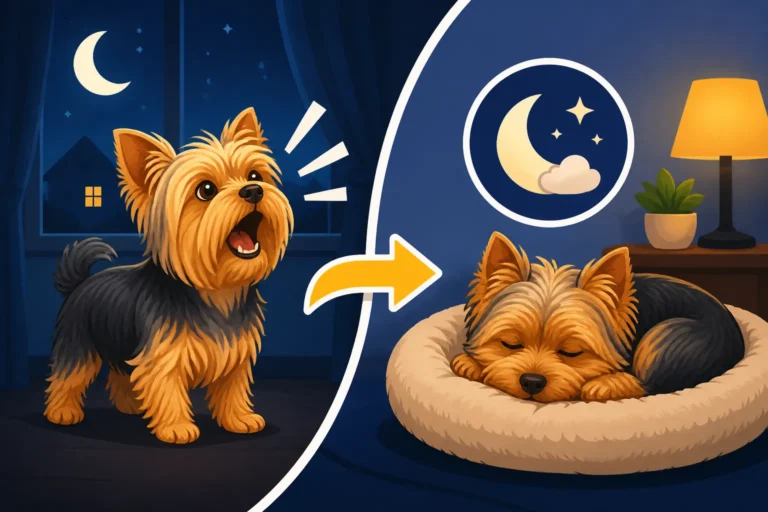
- Excessive Barking: This is probably the most commonly recognized sign. Your Yorkie barks at everything: the doorbell, a squirrel outside, a passing car, other dogs, even seemingly nothing at all. This isn't just an alert bark; it's often high-pitched, persistent, and difficult to interrupt. If you find yourself constantly saying "Quiet!" or apologizing for your dog's vocalizations, it's a strong indicator. Our article on how to stop a Yorkie from barking provides practical strategies for managing this common issue.
- Leash Reactivity and Pulling: Despite their size, many Yorkies become little pulling machines on a leash. More concerning is leash reactivity – lunging, growling, or intense barking at other dogs or people during walks. They might seem to puff themselves up, trying to appear larger and more intimidating. This behavior often stems from a combination of fear and a lack of socialization. It can make walks, which should be enjoyable, a source of stress for both of you. You might find our tips on how to stop Yorkie leash pulling very helpful.
- Resource Guarding: This manifests as aggression (growling, snapping, baring teeth) when anyone approaches their food bowl, favorite toy, or even you while they're on your lap. They're communicating, "This is mine, stay away!" This behavior can be particularly dangerous, especially with children or other pets in the home, as it indicates a deep insecurity about their possessions or their place in the "pack."
- Fear and Anxiety-Driven Actions: Beyond aggression, signs of fear and anxiety can also point to small dog syndrome. This could include excessive trembling (our article on why do Yorkies shake and tremble might offer more insights), hiding, trying to escape new situations, or snapping when cornered or approached by strangers. This isn't confidence; it's a dog trying to cope with an overwhelming world. For those struggling with their Yorkie's fear of being left alone, exploring Yorkshire Terrier separation anxiety solutions could also be beneficial.
The Myth of the "Bossy" Yorkie
It's tempting to think of a Yorkie displaying these behaviors as "bossy," "feisty," or even "domineering." We often hear phrases like, "Oh, he's just got a big personality!" While Yorkies certainly do have vibrant personalities, these problematic behaviors aren't about your dog trying to be the "alpha" or dominate you. This outdated notion of canine dominance has largely been debunked by modern animal behaviorists.
Instead, these actions are almost always rooted in insecurity, fear, or a lack of understanding about appropriate social behavior and boundaries. A dog that is constantly barking or acting aggressively is often a dog that feels vulnerable and is trying to control its environment because it feels out of control. They're not trying to be the leader; they're sending a plea for guidance and security. They're asking you to show them how to navigate the world safely and confidently. When we reframe these behaviors from "bossy" to "anxious" or "uninformed," it changes our approach to training and rehabilitation, leading to much more effective and empathetic solutions.
Reclaiming Harmony: Practical Solutions and Training Tips
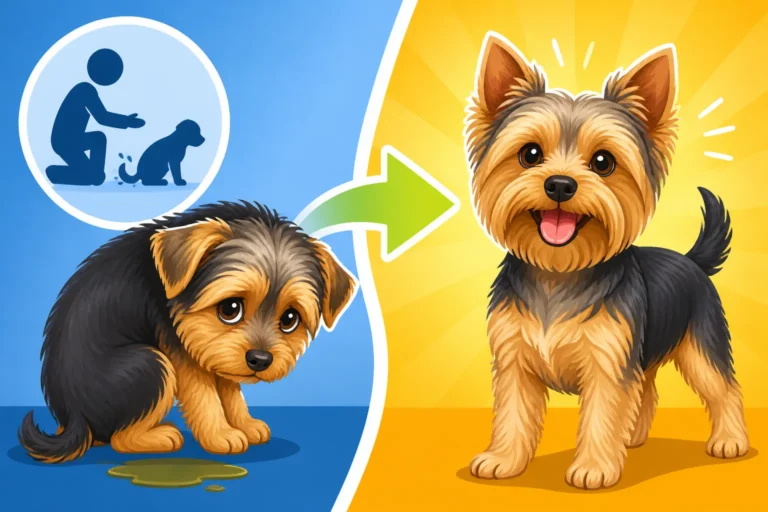
The good news is that "small dog syndrome" behaviors are learned, which means they can be unlearned. With patience, consistency, and the right approach, you can help your Yorkie become a more confident, well-adjusted, and happy companion. It's about stepping up as their leader, not through force, but through clear communication, positive reinforcement, and consistent boundaries.
Consistent Training and Clear Boundaries
The foundation of addressing small dog syndrome lies in consistent training and setting clear expectations. You wouldn't expect a child to know the rules without being taught, and the same goes for your Yorkie.
- Treat Them Like a Dog, Regardless of Size: This is paramount. Your Yorkie, despite their tiny stature, needs the same respect, rules, and training as a larger breed. This means no excusing bad behavior because they're small. Every member of your household must be on the same page, enforcing the same rules consistently. If your Yorkie isn't allowed on the couch, that rule must apply all the time, for everyone.
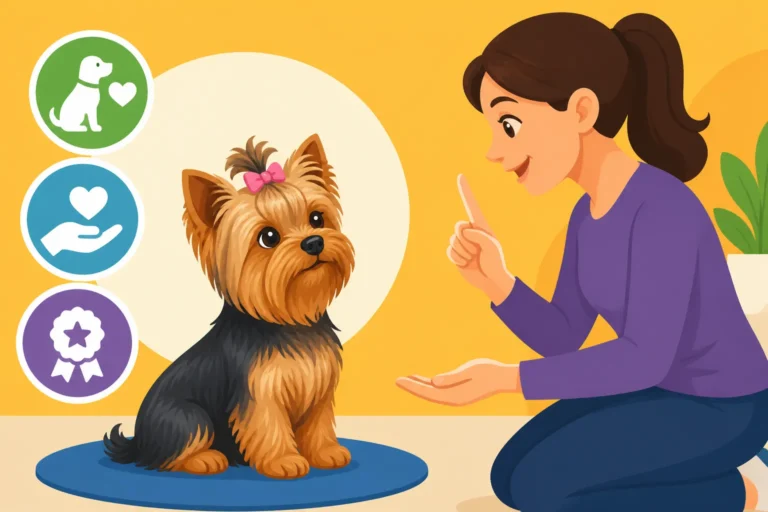
- Positive Reinforcement: This is your most powerful tool. Focus on rewarding desired behaviors rather than punishing unwanted ones. When your Yorkie is calm, quiet, or walks nicely on a leash, immediately offer a high-value treat and enthusiastic praise. This teaches them what to do instead of just what not to do. For some fantastic training treats, you can check out various options on Amazon, or specific brands recommended for their quality and small size.
- Basic Obedience is Crucial: Enroll in a puppy class or start working on basic commands at home. A solid "sit," "stay," "come," "leave it," and a reliable recall are not just tricks; they are lifelines. Knowing these commands gives you tools to redirect your Yorkie's attention away from triggers and helps them feel more secure because they understand what's expected of them. Services like BAXTER & Bella offer excellent online programs that can guide you through these essential commands at your own pace, right from your living room. Our guide on how to train a Yorkie basic commands covers these fundamentals in detail.
- Crate Training: A properly introduced crate can be a wonderful den for your Yorkie, providing a safe, quiet space when they need to decompress or when you need to manage their environment. It’s also invaluable for potty training and preventing destructive behaviors when you can’t supervise them directly. For comprehensive advice on this, refer to our Yorkshire Terrier crate training guide.
Strategic Socialization and Desensitization
Exposure to the world needs to be positive, controlled, and gradual. Overwhelming a fearful Yorkie will only worsen the problem.
- Puppy Classes and Controlled Introductions: If you have a puppy, enroll them in puppy socialization classes as soon as they are old enough and fully vaccinated. This provides a safe, supervised environment to interact with other puppies and people. For adult Yorkies, arrange controlled introductions with calm, well-behaved dogs that you know are friendly. Always supervise these interactions closely, keeping them short and positive.
- Gradual Exposure to the World: Start small. Take your Yorkie on short walks in quiet areas, gradually increasing the distractions. If they're reactive to certain triggers (like other dogs or strangers), work at a distance where they notice the trigger but don't react, rewarding them for calm behavior. Over time, you can slowly decrease the distance. Sometimes, carrying your Yorkie in a comfortable carrier (many good options are available on Amazon) through busy environments can be a good first step, allowing them to observe the world without feeling overwhelmed before they're ready to walk on their own.
- Use the Right Gear: A comfortable, secure harness is always recommended for Yorkies. It provides better control and, crucially, removes pressure from their delicate neck and trachea compared to a collar. This is especially important for breeds prone to tracheal issues. Read more about why harnesses are better than collars for Yorkies. Brands like Puppia or Ruffwear (available on Amazon) are often popular choices for small dogs due to their design and fit.
Managing Environment and Building Confidence
Your Yorkie needs to feel secure in their environment and confident in your ability to protect and guide them.
- Create Safe Spaces: Ensure your Yorkie has a designated safe space, like their crate or a cozy bed in a quiet corner, where they can retreat when feeling overwhelmed. This should be a place where they are never bothered.
- Provide Mental Stimulation: Engage your Yorkie with puzzle toys, snuffle mats, and short, fun training sessions throughout the day. This reduces boredom and channelizes their energy positively. Remember, a tired dog is a good dog, and mental exercise can be just as tiring as physical activity.
- Avoid Reinforcing Fear: When your Yorkie acts fearful (trembling, hiding), avoid picking them up immediately or overly comforting them with "It's okay, baby." While our instincts tell us to soothe, this can inadvertently reinforce the idea that there is something to be afraid of. Instead, calmly reassure them, then gently try to redirect their attention with a treat or a favorite toy. The goal is to show them you are calm, and therefore, they can be too.
- Don't Hesitate to Seek Professional Help: If your Yorkie's behaviors are severe, persistent, or if you're feeling overwhelmed, don't hesitate to consult a certified professional dog trainer or a veterinary behaviorist. They can provide a personalized assessment and develop a tailored training plan. There's no shame in seeking expert guidance; it shows you're committed to your Yorkie's well-being.
| Small Dog Syndrome Behavior | Underlying Cause (Often) | Effective Training Goal |
|---|---|---|
| Excessive Barking at Doorbell | Fear, territoriality, excitement | Calmly acknowledge visitors, "Quiet" command |
| Lunging/Snapping on Leash | Insecurity, frustration, lack of impulse control | Loose-leash walking, focus on handler, ignoring distractions |
| Resource Guarding (food/toys) | Anxiety over possession, lack of trust | "Drop It" command, comfortable sharing, trust in handler |
| Refusing to Walk / Demanding Carry | Overprotection by owner, lack of confidence in environment | Enjoying walks, confident exploration on leash |
| Growling/Snapping at Other Dogs | Fear, lack of positive socialization | Calm curiosity, appropriate greetings (if safe), disengagement |
Ultimately, addressing "small dog syndrome" in your Yorkie is about recognizing their potential, understanding their needs, and committing to helping them grow into a confident, well-adjusted member of your family. It's a journey, but one that yields immense rewards for both you and your tiny companion.
Disclaimer
The information provided in this article is for general informational purposes only and is not a substitute for professional veterinary or behavioral advice. Always consult with a qualified veterinarian or certified professional dog trainer for any health concerns or behavioral issues your Yorkshire Terrier may be experiencing.