How to Correct Yorkie Bad Habits
It can be incredibly frustrating when your adorable little Yorkshire Terrier develops some less-than-adorable habits. From incessant barking that drives your neighbors crazy to little "accidents" on the rug despite consistent potty breaks, these behaviors can test even the most patient Yorkie parent. This comprehensive guide is here to walk you through understanding why your Yorkie might be acting out and, more importantly, equip you with realistic, step-by-step strategies to correct those challenging behaviors and foster a happier, more harmonious home.
Understanding the Root of Yorkie Bad Habits
Before we can even begin to think about correcting a "bad" habit, it's crucial to understand that dogs, especially intelligent and sensitive breeds like Yorkshire Terriers, don't just act out to spite us. Their behaviors are almost always a form of communication or a response to an unmet need, confusion, or even fear. Labeling a behavior as "bad" often overlooks the underlying reason, which is essential for effective, long-lasting correction.
Why Your Yorkie Behaves the Way They Do
Yorkies, with their big personalities packed into tiny bodies, often develop behaviors that might seem disproportionate to their size. Many of these stem from their terrier heritage – they're naturally feisty, alert, and can be quite vocal. If a Yorkie isn't getting enough mental stimulation, exercise, or clear communication from their human, these natural instincts can manifest as problem behaviors. Think about it: a bored Yorkie might chew your furniture, not because they're malicious, but because they have pent-up energy and natural chewing instincts they need to satisfy. Similarly, a Yorkie who isn't clear on house training rules might continue to have accidents, not out of stubbornness, but because the message hasn't been consistently conveyed.
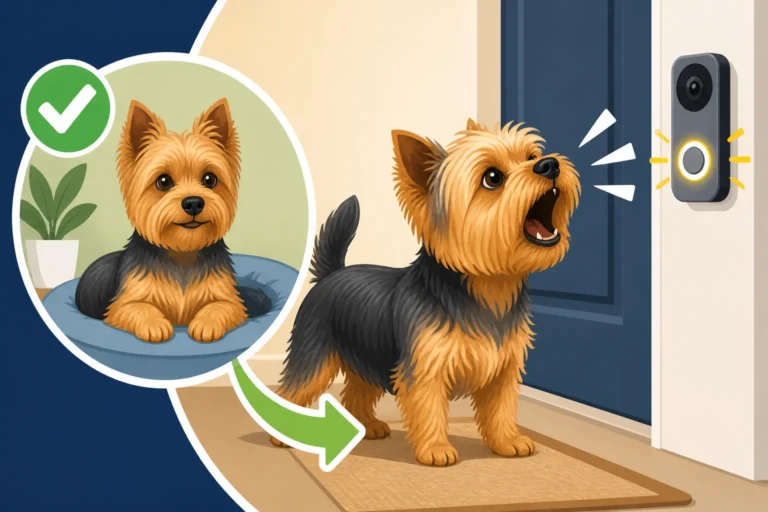
Consider the classic example of barking. A Yorkie often barks at every little sound outside. Is it just "being bad"? Not really. Their ancestors were bred to alert to vermin, and that strong instinct to alarm bark is still very much alive. In a modern home, this translates to barking at the mail carrier, squirrels, or even a leaf blowing by. Understanding this helps us approach the behavior with empathy and strategy rather than just frustration. We're not trying to stifle their natural instincts entirely, but rather to redirect and manage them in a way that works for everyone.
Common Misconceptions About Correction
One of the biggest mistakes many well-meaning Yorkie owners make is believing that punishment is the key to stopping unwanted behaviors. Yelling, scolding, or using physical deterrents can actually be counterproductive, especially with a sensitive breed like a Yorkie. These methods can lead to fear, anxiety, and a breakdown of trust between you and your dog. A Yorkie might stop the "bad" behavior in your presence but continue it when you're not around, or worse, develop new, more serious issues like aggression or extreme shyness.
For instance, if you scold your Yorkie every time they pee inside, they might learn that peeing in front of you is bad, but they haven't learned where to pee. Instead, they might start hiding their accidents or becoming anxious when you approach them after an accident. The focus should always be on teaching your Yorkie what to do, rather than just punishing what not to do. Positive reinforcement, where good behaviors are rewarded, is infinitely more effective and strengthens your bond. If you’re looking for structured guidance on this, many online platforms offer courses, like the BAXTER & Bella online puppy school, which focuses heavily on positive, force-free methods.
Tackling Specific Yorkie Bad Habits Head-On
Now that we've set the stage with a compassionate understanding of behavior, let's dive into some of the most common challenges Yorkie owners face and practical, actionable ways to address them.
Excessive Barking
Oh, the legendary Yorkie bark! It's tiny, but it's mighty, isn't it? If you're constantly asking yourself, "Why Does My Yorkie Keep Barking At Everything?", you're not alone. Yorkies are naturally vocal watchdogs. They bark to alert, to express excitement, to demand attention, or out of boredom or anxiety.
- Understanding the Triggers: The first step to correcting excessive barking is to identify why your Yorkie is barking. Are they barking at people or dogs passing by the window? This is alert barking. Are they barking at you when you're eating dinner? That's demand barking. Are they barking uncontrollably when you leave? That could be part of separation anxiety. Keep a log if you need to, noting the time, situation, and duration of the barking.
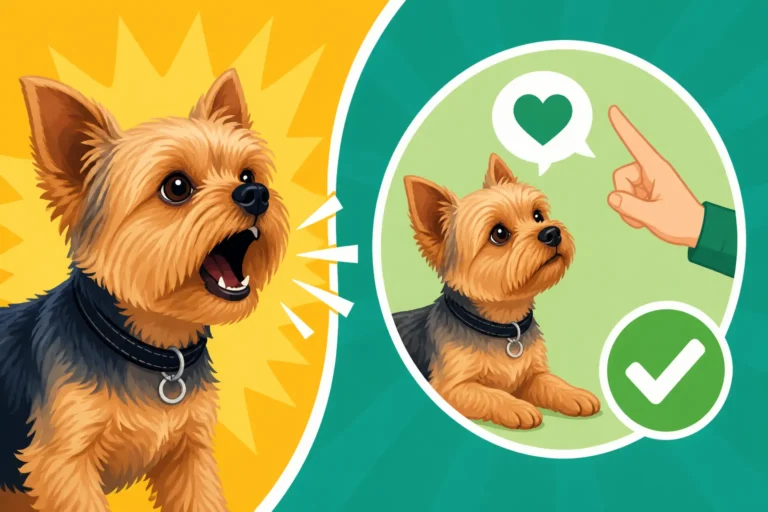
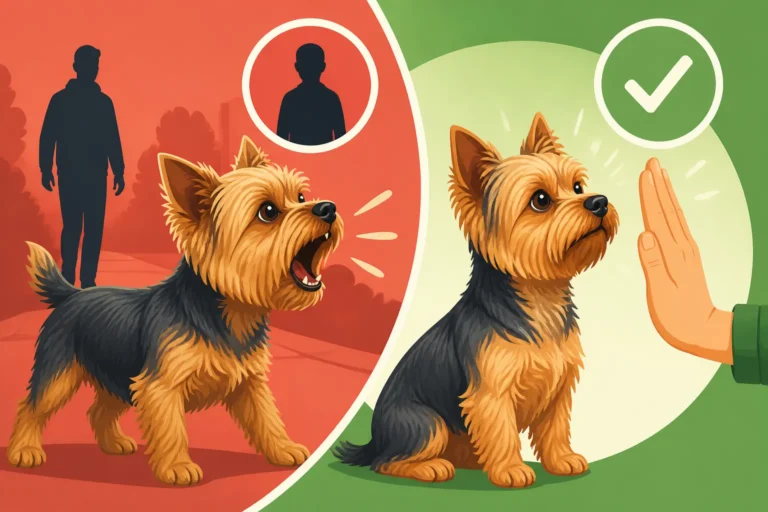
- Managing Alert Barking: For window barkers, simply limiting their view can make a huge difference. Use frosted window film, blinds, or even strategically placed furniture. When they do bark, interrupt it with a sharp, but not angry, "Quiet!" or a firm "Enough!" As soon as they stop, even for a second, reward them with a high-value treat. This teaches them that silence gets the good stuff. Consistency is key here. Over time, you can also practice desensitization by having a friend walk by the window, rewarding your Yorkie for staying quiet, gradually increasing the distractions. For more detailed strategies, check out our guide on How to Stop a Yorkie from Barking.
- Addressing Demand Barking: This is when your Yorkie barks at you to get something: food, attention, to be let outside, etc. The solution here is to never reward the barking. If your Yorkie barks for attention, turn your back and ignore them completely. The moment they are quiet, then give them attention. If they bark for food, wait until they are quiet before putting their bowl down. It will feel counterintuitive at first, and they might even bark more (this is called an extinction burst), but if you stay firm and consistent, they'll learn that quiet gets results.
Potty Training Challenges and Indoor Accidents
Potty training a Yorkie can feel like an uphill battle. Their small bladders mean frequent trips outside, and sometimes, those little accidents just keep happening indoors. If you're wondering "Why Is My Yorkie So Hard to Potty Train?", remember that consistency, routine, and positive reinforcement are your best friends.
- Establishing a Solid Routine: Yorkies thrive on routine. Take them out first thing in the morning, after every meal, after every nap, before bedtime, and every 2-3 hours in between, especially for puppies. Use a designated potty spot in your yard. When they go, praise them enthusiastically and give them a treat immediately. This links the action of eliminating outside with a positive reward.
- Supervision and Confinement: When you're not actively supervising your Yorkie, they should be in a safe, confined space like a playpen or a crate. This prevents accidents from happening in the house and teaches them to hold it, as dogs are naturally reluctant to soil their sleeping area. For younger puppies, their crate should be just big enough for them to stand up, turn around, and lie down comfortably. If you notice them sniffing around, circling, or suddenly stopping play, immediately take them outside. For more tips on setting up successful habits, read our Yorkshire Terrier Potty Training Guide.
- Thorough Cleaning: Any indoor accidents need to be cleaned thoroughly with an enzymatic cleaner (you can find many options on Amazon) specifically designed to remove pet odors. If the scent remains, your Yorkie is more likely to return to that spot to "mark" it again. Avoid cleaners with ammonia, as they can mimic the scent of urine and attract your dog back.
| Bad Habit | Common Causes | Immediate Action | Long-Term Strategy |
|---|---|---|---|
| Excessive Barking | Alerting, boredom, attention-seeking, anxiety | Interrupt, redirect, reward silence. | Identify triggers, manage environment (blinds), consistent "Quiet" command, desensitization. |
| Indoor Accidents | Inconsistent training, small bladder, health issues | Take outside immediately, clean thoroughly. | Strict potty schedule, consistent rewards, supervision, enzymatic cleaners, vet check for underlying issues. |
| Nipping/Biting | Puppy exploration, lack of bite inhibition, fear | Yelping "ouch!", disengage from play. | Teach bite inhibition, redirect to appropriate chew toys, consistent training. |
| Leash Pulling | Excitement, lack of training, desire to explore | Stop walking, change direction, reward loose leash. | Practice loose leash walking in low-distraction environments, use a front-clip harness. |
| Destructive Chewing | Boredom, anxiety, teething, lack of appropriate outlets | Redirect to a designated chew toy. | Provide ample mental/physical stimulation, variety of chew toys, address anxiety. |
Nipping and Biting
It's easy to dismiss puppy nipping as "just puppy behavior," but without proper guidance, it can escalate. If your Yorkie is prone to nipping, especially during play or when overstimulated, it's important to teach them bite inhibition.
- Teaching Bite Inhibition: Puppies learn bite inhibition from their littermates. If they bite too hard, another puppy will yelp and stop playing. You can mimic this. If your Yorkie nips you, let out a high-pitched "ouch!" or "yip!" and immediately withdraw your hand and attention for a minute or two. This teaches them that hard bites end the fun.
- Redirecting Chewing: Yorkies, especially puppies, explore the world with their mouths. Provide plenty of appropriate chew toys. When they start to chew on something inappropriate, gently redirect them to a toy with a firm "no" or "leave it," followed by praise when they take the toy. Consider puzzle toys or KONGs filled with peanut butter (xylitol-free!) to keep them engaged. If you’re struggling with this, our guide on How to Stop a Yorkie from Biting offers more in-depth strategies.
- Addressing Fear-Based Nipping: If your Yorkie is nipping out of fear (e.g., when picked up, or when strangers approach), this requires a different approach. Never punish fear-based behavior, as it will only increase their anxiety. Instead, focus on positive association and desensitization. For example, if they nip when picked up, start by only touching them briefly, rewarding them. Gradually increase the duration and intensity of handling, always ensuring it's a positive experience.
Leash Pulling
Walking your tiny Yorkie should be a joy, not a tug-of-war! Many Yorkies get overly excited on walks, eager to explore or chase after every leaf, leading to constant pulling. This isn't just annoying; it can be dangerous for their delicate necks if they're wearing a collar.
- Equipment Matters: For a Yorkie, a harness is almost always a better choice than a collar for walks, as it distributes pressure across their chest rather than their throat. A front-clip harness, in particular, can be very effective as it redirects their pulling power back towards you, making it uncomfortable for them to pull forward. You can find excellent quality harnesses tailored for small breeds on platforms like Amazon.
- The "Stop-and-Go" Method: When your Yorkie starts to pull, immediately stop walking. Don't move forward again until the leash goes slack. The moment it slackens, even for a second, say "yes!" and take a step forward. If they pull again, stop again. It takes patience, but your Yorkie will quickly learn that pulling gets them nowhere, and a loose leash allows them to move forward.
- Changing Direction: Another effective technique is to frequently change direction. Every time your Yorkie starts to pull, calmly turn around and walk in the opposite direction. This keeps them paying attention to you and prevents them from consistently pulling ahead. Reward them with treats when they walk nicely by your side. Our guide on How to Stop Yorkie Leash Pulling goes into more detail on specific training steps.
The Pillars of Effective Correction: Consistency and Positive Reinforcement
You've got the specific strategies, but the real secret sauce for correcting any bad habit in a Yorkie (or any dog, for that matter) lies in unwavering consistency and the power of positive reinforcement. These aren't just buzzwords; they are the foundation of successful, humane dog training.
Building Habits Through Routine and Repetition
Think about how you learned any new skill – practice, practice, practice! It's no different for your Yorkie. When you're trying to correct a habit like house soiling or barking, everyone in the household needs to be on the same page. If one person lets the Yorkie bark for attention, while another ignores it, your dog will get mixed signals and the "bad" habit will persist or even get worse.
- Establishing a Predictable Environment: Dogs thrive on predictability. A consistent daily schedule for feeding, potty breaks, playtime, and training sessions helps your Yorkie understand what's expected of them. For instance, if you're working on Yorkshire Terrier Crate Training Guide, ensuring the crate is always a positive, comfortable space and following a consistent routine for crating will significantly speed up the process.
- The Power of Repetition: Don't expect your Yorkie to understand a new command or stop a deeply ingrained habit after just a few attempts. It takes hundreds, if not thousands, of repetitions over time, in various environments, for a behavior to become truly reliable. Short, frequent training sessions (5-10 minutes a few times a day) are far more effective than one long, overwhelming session. Every interaction is a training opportunity – use it wisely!
Harnessing the Power of Positive Reinforcement
Positive reinforcement simply means rewarding behaviors you want to see repeated. This is incredibly powerful because it makes training a fun, rewarding experience for your Yorkie, strengthening your bond rather than creating fear or resentment.
- High-Value Rewards: What motivates your Yorkie? Is it a tiny piece of cheese, a squeaky toy, or enthusiastic praise? Identify what your Yorkie considers high-value and reserve those special treats for training. When they perform a desired behavior (e.g., stop barking when asked, sit calmly instead of jumping), deliver the reward immediately, paired with a verbal marker like "Yes!" or "Good!" This helps them connect the action with the reward.
- Capturing Good Behavior: Don't just wait for bad habits to happen to intervene. Actively look for opportunities to reward good behavior. For example, if your Yorkie is quietly resting by your feet instead of demand barking, toss them a treat or offer some gentle praise. If they voluntarily go to their bed when the doorbell rings, reward that! This is often referred to as "capturing" a behavior.
- Using a Clicker: Many trainers find clicker training incredibly effective for small dogs like Yorkies. A clicker provides a precise, consistent marker for the exact moment your dog performs the desired behavior, followed immediately by a treat. It's a fantastic way to communicate clearly and build new associations. Online programs, like those offered by BAXTER & Bella, often provide excellent tutorials on using clicker training effectively. This type of training is central to most positive reinforcement approaches for topics like Yorkshire Terrier Obedience Training Basics.
When to Seek Professional Help for Persistent Bad Habits
Sometimes, despite your best efforts, a Yorkie's "bad habits" can feel overwhelming or even dangerous. It's okay, and often wise, to call in a professional. Just like we seek experts for our own challenges, our dogs can benefit from the guidance of experienced trainers or veterinary behaviorists.
Recognizing Red Flags and Serious Issues
While barking and house training are common challenges, some behaviors might indicate deeper issues or require specialized intervention.
- Aggression: Any form of aggression – growling, snapping, or biting towards people or other animals – is a serious concern that should be addressed immediately by a professional. This isn't just a "bad habit"; it's a safety issue and often stems from fear, anxiety, or resource guarding.
- Severe Anxiety: Behaviors like excessive destructiveness, self-mutilation (licking or chewing themselves raw), constant pacing, or extreme clinginess when left alone might signal severe separation anxiety. Our guide on Yorkshire Terrier Separation Anxiety Solutions details many ways to help, but sometimes professional intervention is necessary. These dogs are in distress, and they need a tailored plan to help them cope.
- Sudden Changes in Behavior: If your previously well-behaved Yorkie suddenly starts developing new "bad habits" like increased accidents, lethargy, or aggression, the first step should always be a veterinary check-up. A sudden behavioral change can often be a symptom of an underlying medical condition. For instance, increased urination could indicate a urinary tract infection or kidney issues, while pain might cause a dog to become irritable or lash out. Don't assume it's just naughtiness; rule out health issues first. Our article on Signs Your Yorkshire Terrier Is Sick can help you identify other red flags.
Finding the Right Professional Trainer or Behaviorist
If you decide to seek professional help, it's important to find someone qualified and reputable. Not all dog trainers are created equal, and some methods can be harmful to a sensitive breed like a Yorkie.
- Certified Professional Dog Trainers (CPDT-KA): Look for trainers who are certified by organizations like the Certification Council for Professional Dog Trainers (CCPDT) or Karen Pryor Academy (KPA). These certifications indicate that the trainer has met rigorous standards of knowledge and experience and uses humane, science-based training methods focused on positive reinforcement.
- Veterinary Behaviorists (DACVB): For more severe or complex behavioral issues, especially those with a strong anxiety or aggression component, a veterinary behaviorist is often the best choice. These are veterinarians who have specialized in animal behavior and can diagnose and treat behavioral problems, sometimes incorporating medication alongside behavior modification plans. They can address profound issues that might be beyond the scope of a general dog trainer.
- What to Look For: When interviewing potential trainers, ask about their philosophy, methods, and experience with small breeds like Yorkies. Ensure they use positive reinforcement exclusively and avoid any trainer who suggests punitive methods, fear-based tools (like shock collars), or promises quick fixes. A good trainer will be transparent, provide references, and be willing to involve you deeply in the training process. They should empower you with the skills to continue the training at home. Many ethical trainers will offer a consultation before committing to a full program, allowing you to gauge their approach and whether it aligns with your values.
Ultimately, addressing your Yorkie's bad habits is a journey of understanding, patience, and consistent effort. By recognizing the underlying reasons for their behavior and applying positive, humane training techniques, you can transform those frustrating habits into opportunities for growth and a stronger, more loving bond with your tiny companion.
Disclaimer
This article provides general information and recommendations. It is not a substitute for professional veterinary advice. Always consult with a qualified veterinarian or certified dog trainer for any health concerns or before implementing significant changes to your dog's training or care routine.