How to Socialize a Shy Yorkie
It can be truly heartbreaking when your adorable little Yorkshire Terrier, instead of being a confident, outgoing companion, cowers at new faces or trembles at unfamiliar sounds. A shy Yorkie isn't just a bit nervous; they can be genuinely fearful, leading to a life filled with stress and missed opportunities for joy. This comprehensive guide is here to walk you through understanding the roots of your Yorkie's shyness and, most importantly, provide a compassionate, step-by-step approach to help them blossom into a more confident and happy dog.
Understanding Why Your Yorkie is Shy
It's natural to wonder why your precious Yorkie might be timid. Often, owners feel a pang of guilt, thinking they've done something wrong. The truth is, shyness in dogs, even small ones like Yorkshire Terriers, can stem from a variety of factors, some within your control and some not. Pinpointing the potential reasons is the first step toward finding effective solutions and building a stronger bond with your sensitive companion.
Common Causes of Canine Shyness
Shyness isn't a "choice" your Yorkie makes; it's often a deep-seated reaction. One significant factor can be genetics. Just like humans, some dogs are predisposed to be more anxious or reserved, and this trait can be passed down through generations. If your Yorkie came from a breeder, inquire about the temperament of the parents. A puppy from naturally shy or nervous parents might inherit similar tendencies.
Another huge influence is early socialization, or the lack thereof. The critical socialization window for puppies is typically between 3 and 16 weeks of age. During this time, positive exposure to a wide variety of sights, sounds, people, and other friendly, vaccinated animals is crucial. If a Yorkie puppy was kept in isolation, didn't experience enough new things, or had negative experiences during this formative period, they're much more likely to develop shyness or fear-based behaviors later on. Imagine a puppy spending its first few months in a quiet, secluded home without visitors or trips outside; the sudden introduction to the bustling world can be overwhelming and terrifying. Moreover, some Yorkies, due to their small size, are inadvertently sheltered too much by their owners, preventing them from developing resilience. This can contribute to what's sometimes called "small dog syndrome," where they act out of fear due to a lack of confidence and proper social learning.
Recognizing the Signs of a Shy Yorkie
It's important to differentiate between a naturally calm or reserved Yorkie and one that is genuinely shy or fearful. A shy Yorkie isn't just quiet; they exhibit clear signs of anxiety when faced with new stimuli. These signs can be subtle or overt, and recognizing them is key to intervening appropriately without inadvertently making things worse.
One of the most common indicators is physical discomfort or avoidance. You might see your Yorkie tucking their tail tightly between their legs, flattening their ears against their head, or trembling visibly. This trembling isn't necessarily due to cold; it's often a sign of stress or fear. For more on this, you might find our guide on Why Do Yorkies Shake and Tremble insightful. They might try to hide behind your legs, under furniture, or even attempt to flee the situation entirely.
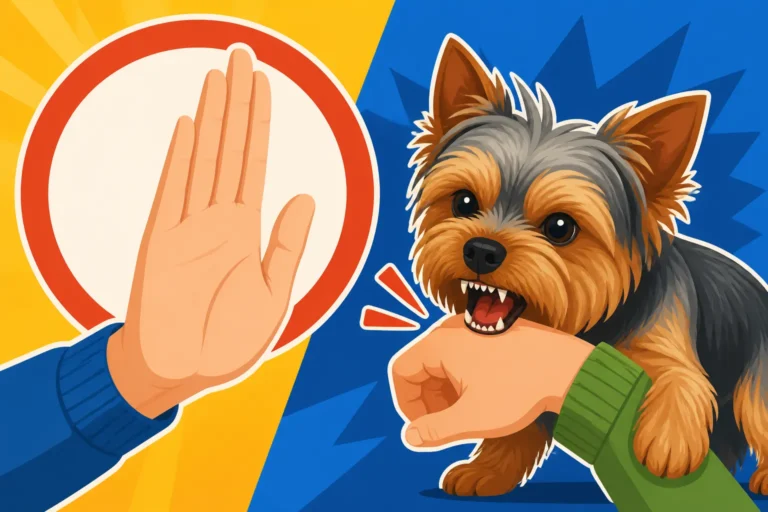
Beyond body language, a shy Yorkie might exhibit behavioral responses such as excessive barking or growling at strangers or other dogs, not out of aggression, but out of fear. This is often a "keep away" signal. They might avoid eye contact, freeze in place, or even urinate submissively. In novel environments, they might refuse to move, becoming a "pancake" on the ground. These reactions are their way of communicating that they feel overwhelmed and unsafe, and it's our job as their guardians to listen and respond with patience and understanding.
Building a Foundation of Trust and Security
Before you can even begin to think about introducing your shy Yorkie to the big wide world, you need to ensure they feel absolutely safe and secure in their home environment and, most importantly, with you. This foundation of trust is paramount; without it, any attempts at socialization will likely be met with increased fear and resistance. Your home should be their sanctuary, and you, their unwavering protector.
Creating a Safe Haven at Home
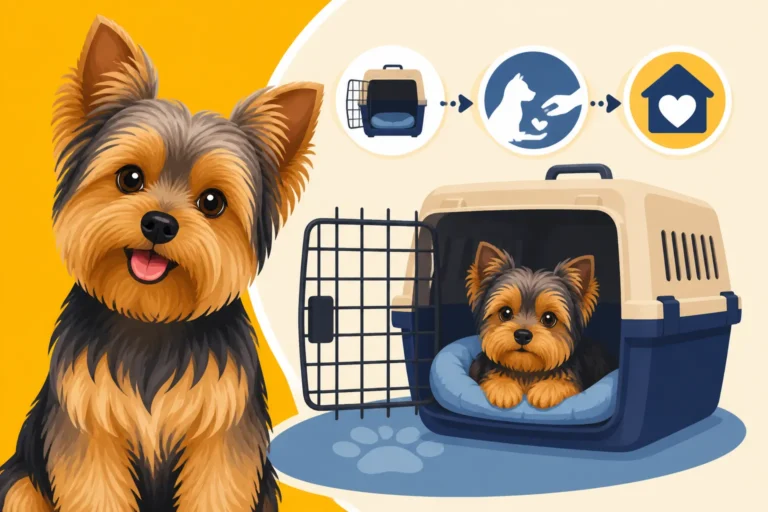
A shy Yorkie thrives on predictability and having a designated safe space. Think about your home from their perspective. Is there a quiet corner where they can retreat when feeling overwhelmed? A comfortable crate can be an invaluable tool here, especially if introduced correctly. It shouldn't be used for punishment but rather as a cozy den where they can feel protected and undisturbed. If you're looking for guidance, our article on Yorkshire Terrier Crate Training Guide offers excellent tips. Fill it with soft blankets and familiar toys.
Establish a consistent routine for feeding, walks, and playtime. Dogs, especially anxious ones, find comfort in knowing what to expect. Avoid loud noises, sudden movements, or chaotic environments within the home if possible. If you have a busy household, ensure your Yorkie has a "decompression zone" where they can escape the hubbub. This might be a bedroom or a quiet dog bed tucked away in a low-traffic area. Having their own space accessible on platforms or elevated beds can also make them feel safer, as they can observe their surroundings without being directly in the fray. Products found on platforms like Amazon, from calming beds to puzzle toys, can also contribute to creating a more secure and stimulating home environment.
Positive Reinforcement and Gentle Handling
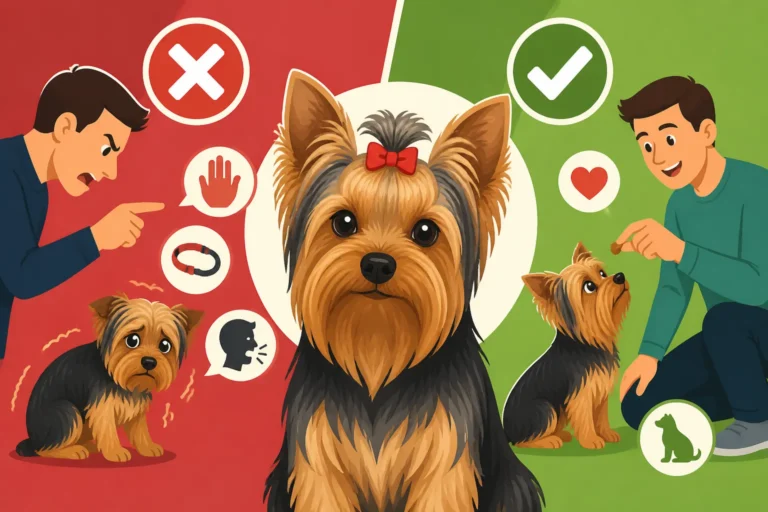
This is perhaps the most crucial aspect of working with a shy Yorkie. Your goal is to associate everything new or potentially scary with positive outcomes. This means an absolute zero-tolerance policy for punishment, scolding, or harsh corrections. These will only exacerbate their fear and erode the trust you're trying to build.
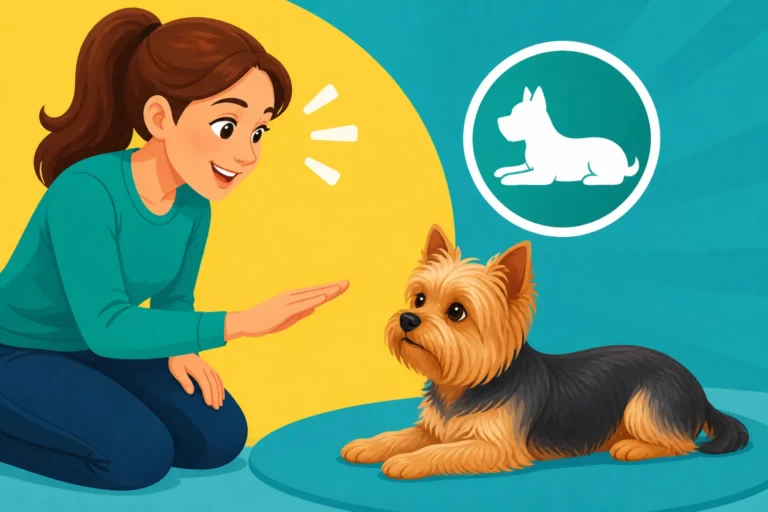
Instead, rely exclusively on positive reinforcement. When your Yorkie exhibits even the slightest bit of bravery – perhaps sniffing a new object, looking calmly at a stranger from a distance, or taking a treat in a new situation – immediately reward them with high-value treats, gentle praise, or a favorite toy. The treat should be something they really love, like small pieces of cooked chicken or cheese, not just their regular kibble.
Approach your Yorkie gently. Avoid looming over them, sudden movements, or loud voices. Get down to their level. Offer your hand slowly for them to sniff before attempting to pet them. Let them initiate contact. If they pull away, respect their space. Building this trust takes time, patience, and unwavering consistency. Remember, every positive interaction, no matter how small, adds a brick to their wall of confidence.
The Importance of Your Calm Demeanor
Dogs are incredibly adept at reading our emotions. If you are anxious, stressed, or frustrated by your Yorkie's shyness, they will pick up on it, and it will only heighten their own anxiety. Your calm, confident, and patient demeanor is a powerful tool in helping your shy Yorkie.
Before approaching a new situation with your Yorkie, take a deep breath. Speak in a soft, reassuring tone. Project an aura of "everything is okay" through your body language. If you tense up when a stranger approaches, your Yorkie will notice and assume there's something to be afraid of. Practice remaining relaxed yourself. This doesn't mean ignoring potential dangers, but rather handling them with a calm, steady hand, reassuring your Yorkie with your presence rather than feeding into their fear with your own anxiety. Your consistent, calm presence acts as a secure anchor for your sensitive little friend.
Gradual Exposure and Controlled Socialization
Once you've established a strong foundation of trust and security in your home, it's time to begin the delicate process of gradual exposure. This isn't about throwing your Yorkie into the deep end; it's about carefully measured, positive experiences that slowly expand their comfort zone without overwhelming them. Think of it as gently introducing them to the world, one tiny, positive step at a time.
Introducing New People Slowly
For many shy Yorkies, strangers are a major source of fear. The key here is controlled exposure. Don't let new people rush up to your Yorkie, especially not with direct eye contact or loud greetings. Start with a trusted friend or family member who understands the process.
Here's a good approach:
- Observe from a Distance: Have the new person sit quietly in your living room, ignoring your Yorkie completely. Let your Yorkie observe them from a distance, perhaps from their safe spot.
- Offer Treats: Have the person gently toss high-value treats (like small pieces of chicken or cheese) towards your Yorkie, gradually decreasing the distance as your Yorkie becomes more comfortable.
- No Direct Contact Yet: Emphasize that the person should not try to pet or engage with your Yorkie until the Yorkie initiates contact. A common mistake is for well-meaning visitors to try to pet a shy dog immediately, which can be terrifying for the dog.
- Yorkie's Choice: Only when your Yorkie chooses to approach and sniff the person should the person offer a gentle hand, palm up, to sniff. If the Yorkie still seems hesitant, just let them be.
Repeat this with different calm individuals, always keeping the sessions short, positive, and ending before your Yorkie shows signs of stress. This slow, deliberate process teaches your Yorkie that new people aren't threats but can actually be sources of delicious treats and pleasant experiences.
Exploring New Environments Thoughtfully
The bustling world outside can be incredibly overwhelming for a shy Yorkie. Instead of taking them to a crowded dog park immediately, start small and quiet.
- Quiet Walks in Familiar Areas: Begin by taking short walks around your immediate neighborhood during off-peak hours when there are fewer people and dogs. Allow your Yorkie to sniff and explore at their own pace. Don't force them to greet others.
- Observation Points: Drive to a quiet park or an outdoor shopping area (like a pet-friendly boutique with outdoor seating) and simply sit on a bench with your Yorkie in a comfortable carrier or on a secure leash. Let them observe the world from a safe distance. Reward them with treats for remaining calm. The goal isn't interaction, but calm observation.
- New Surfaces and Sounds: Introduce them to different surfaces (grass, pavement, gravel) and sounds (traffic, distant children playing) in a non-threatening way. Reward positive curiosity.
Remember, a tired Yorkie is often a more relaxed Yorkie. While their exercise needs aren't enormous, ensuring they get regular, positive outdoor experiences can slowly build their confidence. For more on preparing younger Yorkies, our guide on How to Socialize a Yorkie Puppy might offer foundational insights.
Socializing with Other Dogs Carefully
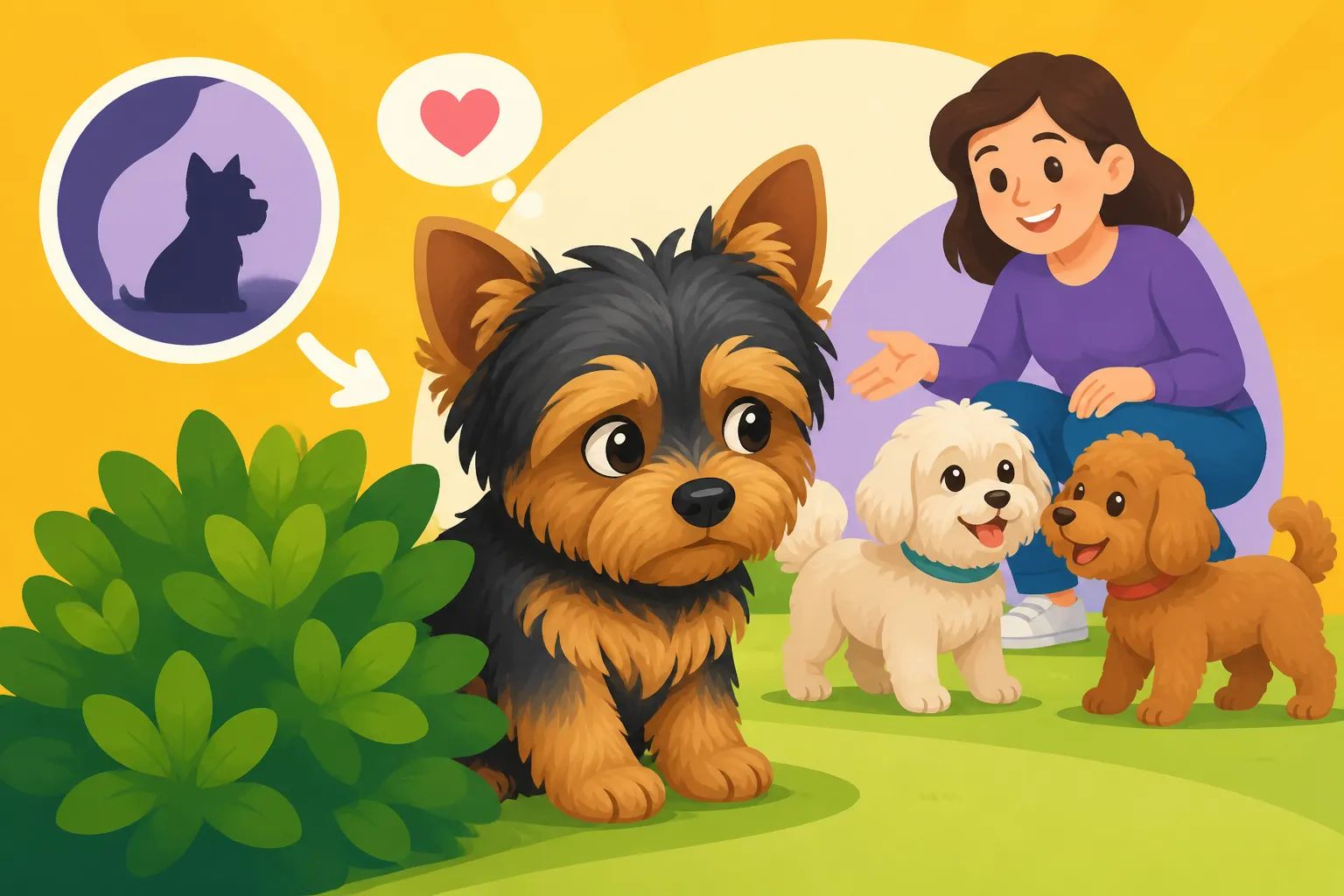
Introducing a shy Yorkie to other dogs requires extreme caution. A negative experience can set back your progress significantly. Avoid busy dog parks, as the uncontrolled environment can be terrifying and lead to your Yorkie being bullied or overwhelmed.
- One-on-One Playdates: Start with one, calm, friendly dog that you know well. Ideally, this dog should be well-socialized and have a gentle demeanor, perhaps an older, mellow dog that understands doggy etiquette.
- Neutral Territory: Arrange the first meeting in a neutral outdoor space, like a quiet park or a large fenced yard, not in either dog's home territory. Keep both dogs on leashes initially.
- Parallel Walking: Walk the dogs parallel to each other at a distance where your Yorkie is comfortable. Gradually decrease the distance if they both remain relaxed.
- Off-Leash if Appropriate: If both dogs show relaxed body language (loose tails, sniffing, no stiff posture), you can try a controlled off-leash interaction in a secure area. Supervise closely and intervene at the first sign of stress or aggression from either dog.
- Short and Sweet: Keep these initial playdates very short, ending on a positive note before your Yorkie becomes tired or stressed. The goal is positive association, not extended play.
For more detailed strategies on inter-dog introductions, you may want to read How to Introduce a Yorkie to Other Dogs. A structured program like those offered by BAXTER & Bella can also provide excellent step-by-step guidance for socialization, ensuring a positive and safe experience for your shy Yorkie and building their confidence in a controlled manner.
Practical Tools and Ongoing Support
Helping a shy Yorkie isn't a one-time fix; it's an ongoing journey that requires patience, consistency, and sometimes, the right tools and professional guidance. Just as we use specific gear to make our lives easier, certain products and expert advice can significantly support your Yorkie's progress towards confidence.
Harnesses and Carriers for Safety and Confidence
For a small dog like a Yorkie, a secure harness is non-negotiable, especially if they are shy or prone to bolting. A collar can put dangerous pressure on their delicate trachea, and a fearful Yorkie can easily slip out of a collar. A well-fitting harness distributes pressure evenly across their chest, giving you better control and ensuring their safety without causing discomfort. You can find a wide range of suitable harnesses on Amazon, from brands known for comfort and durability for small breeds. Our post on Why Harnesses Are Better Than Collars for Yorkies provides more detailed reasons and recommendations.
Similarly, a comfortable and secure carrier can be a shy Yorkie's best friend when venturing out. It provides a sense of security and a safe retreat in overwhelming situations. Being able to see the world from the safety of their carrier can make a huge difference in their ability to cope with new environments. Look for carriers that offer good ventilation, a comfortable interior, and options for discreet viewing.
Training and Enrichment for Shy Dogs
Beyond simple exposure, engaging your Yorkie in positive training and enrichment activities can significantly boost their confidence. Learning new commands, even simple ones like "sit" or "stay," gives them a sense of accomplishment and strengthens your bond. Check out our How to Train a Yorkshire Terrier guide for ideas. Puzzle toys, snuffle mats, and interactive feeders are fantastic for mental stimulation, which can tire out an anxious mind and build problem-solving skills, translating to increased confidence.
Desensitization and counter-conditioning are specific training techniques often employed for shy dogs. Desensitization involves gradually exposing your Yorkie to the feared stimulus at a very low intensity, below the threshold that triggers a fear response. Counter-conditioning pairs that low-intensity stimulus with something positive, like high-value treats. For example, if your Yorkie is afraid of loud noises, you might play recordings of those noises at a very low volume while feeding them treats. Gradually, you increase the volume as long as your Yorkie remains relaxed and continues to take treats. This re-programs their emotional response. Many positive reinforcement trainers, including structured programs like BAXTER & Bella, incorporate these techniques into their curriculum.
When to Seek Professional Help
There are times when, despite your best efforts, a shy Yorkie's fears are too deeply ingrained or intense for you to manage alone. This is not a failure on your part; it simply means your Yorkie needs specialized support, and there's absolutely no shame in seeking it.
If your Yorkie's shyness manifests as aggression (biting, lunging), extreme panic (inconsolable trembling, loss of bladder/bowel control), or if their fear is significantly impacting their quality of life, it's time to consult a professional. A certified professional dog trainer specializing in fear and anxiety can provide tailored strategies and hands-on guidance. For more severe cases, a veterinary behaviorist (a veterinarian with specialized training in animal behavior) might be necessary. They can assess if there's an underlying medical condition contributing to the anxiety and, if appropriate, discuss medication to help manage severe fear, making training more effective.
They can help you navigate complex situations, identify triggers you might be missing, and teach you advanced techniques to help your Yorkie gain confidence. Don't wait until the problem becomes unmanageable; early intervention can make a huge difference. You might also want to review our guide on How to Choose a Vet for a Yorkie to ensure you have a trusted professional relationship for all aspects of your dog's health and well-being.
Here's a comparison of DIY versus professional approaches to managing Yorkie shyness:
| Feature | DIY Approach | Professional Trainer/Behaviorist |
|---|---|---|
| Cost | Low (treats, basic supplies) | Moderate to High (consultations, classes, medication) |
| Patience Required | Extremely High | High (but with expert guidance) |
| Expertise Needed | Basic understanding of dog behavior, trial-and-error | In-depth knowledge of canine behavior, learning theory |
| Time Commitment | Significant daily effort | Significant daily effort, structured sessions |
| Severity of Shyness | Mild to Moderate, situational fear | Moderate to Severe, generalized anxiety, aggression |
| Progress Rate | Varies, potentially slower without targeted advice | Often faster, more consistent progress with tailored plan |
| Safety Concerns | Higher risk of negative experiences if not careful | Reduced risk due to expert supervision and controlled setups |
| Tools/Methods | Positive reinforcement, gentle exposure, safe spaces | Positive reinforcement, desensitization, counter-conditioning, behavior modification, potential medication |
Disclaimer
The information provided in this article is for general informational purposes only and is not a substitute for professional veterinary advice. Always consult with a qualified veterinarian or certified professional dog trainer for any health concerns or before making any decisions about your pet's health or training regimen.