How to Train a Yorkshire Terrier
Bringing a Yorkshire Terrier into your home is an incredible joy, but many new Yorkie parents quickly realize that these tiny bundles of fluff come with big personalities and sometimes even bigger challenges, especially when it comes to training. You might be struggling with persistent potty accidents, endless barking that tests your patience, or a little diva who refuses to walk on a leash. This comprehensive guide is here to walk you through every step of training your Yorkshire Terrier, offering realistic, empathetic advice to help you build a strong, loving bond with your clever companion.
Understanding the Yorkshire Terrier Mindset for Training
Before we dive into the nitty-gritty of training techniques, it’s absolutely essential to understand the unique personality and inherent traits of a Yorkshire Terrier. These aren't just cute lapdogs; they are terriers through and through, meaning they come with a distinct set of characteristics that greatly influence their trainability. If you go into training expecting a docile, eager-to-please Golden Retriever, you're going to be in for a rude awakening and a lot of frustration.
The Stubborn yet Smart Terrier Nature
Yorkshire Terriers might be small in stature, but they possess the heart and spirit of a much larger dog. Their lineage as ratters means they are incredibly intelligent, courageous, and tenacious. This combination of traits often translates into a dog that is quick to learn but also incredibly independent and, dare I say, a little stubborn. They often have their own ideas about how things should be done, and they're not afraid to voice them or simply dig in their tiny heels. It's not that they can't learn; it's often that they choose not to if they don't see the immediate benefit or if you haven't made it appealing enough.
This intelligent stubbornness is why traditional, harsh training methods simply don't work with Yorkies and can actually be detrimental. They'll either shut down completely, becoming fearful and unresponsive, or they'll become even more defiant. Instead, you need to appeal to their cleverness and strong will by making training a game, something fun and rewarding that they want to participate in. Think of it less as "commanding" and more as "negotiating" with a very charming, albeit headstrong, toddler. Building trust and a positive relationship is paramount; without it, you'll feel like you're constantly battling them, and neither of you will enjoy the process.
Common Misconceptions About Yorkie Trainability
One of the biggest misconceptions people have is that Yorkies are inherently untrainable or exceptionally difficult. While they do present their own set of challenges, calling them "untrainable" is unfair and inaccurate. Many owners wonder, Are Yorkshire Terriers Easy to Train or if their tiny size somehow makes them exempt from proper training. The truth is, their small size often leads to owners inadvertently letting them get away with behaviors they wouldn't tolerate in a larger dog. We tend to coddle them, pick them up when they misbehave, or laugh off their nipping and barking because "they're just so small!"
This "small dog syndrome" is a real phenomenon that hinders effective training. A Yorkie who jumps on guests, barks incessantly at the doorbell, or marks inside the house is often acting out because they haven't been taught boundaries and expectations, not because they are incapable of learning. They are perfectly capable of understanding commands and appropriate behavior, but it requires consistency, patience, and a deep understanding of their terrier instincts. Overcoming these misconceptions means approaching your Yorkie with the same seriousness and commitment to training that you would a German Shepherd, albeit with methods tailored to their specific needs and temperament. They respond best to positive reinforcement, short, engaging sessions, and a trainer who can match their wit and enthusiasm.
Laying the Foundation: Early Training for Yorkie Puppies
Bringing a new Yorkie puppy home is an exciting time, but it's also a critical window for setting the stage for good behavior. The younger they are, the more impressionable they are, making early training not just beneficial but absolutely essential. Don't fall into the trap of thinking they're too young to learn; every interaction is a learning opportunity.
Starting Strong with a Puppy Training Schedule
Just like human babies thrive on routine, so do Yorkie puppies. A structured daily schedule provides predictability and helps your puppy understand what to expect, which is incredibly comforting and reduces anxiety. From the moment they wake up until they settle down for the night, a consistent routine for feeding, potty breaks, play, and naps will work wonders. Creating a Yorkshire Terrier Puppy Training Schedule early on helps establish good habits and makes the entire training process smoother for both of you. For instance, knowing that a potty break always follows waking up, eating, and playing helps them associate those events with going outside, significantly speeding up house training.
Beyond basic routines, early training also involves gentle exposure to various sights, sounds, and textures. This helps them develop into well-rounded, confident adults. Think about things like walking on different surfaces (grass, pavement, carpet), hearing common household noises (vacuum cleaner, doorbell, washing machine), and being handled (touching paws, ears, mouth). These aren't formal "commands," but they are crucial lessons in adapting to the world around them. Start with very short, positive sessions, always ending on a good note, and pair these new experiences with high-value treats to create positive associations.
Positive Reinforcement: The Key to Success
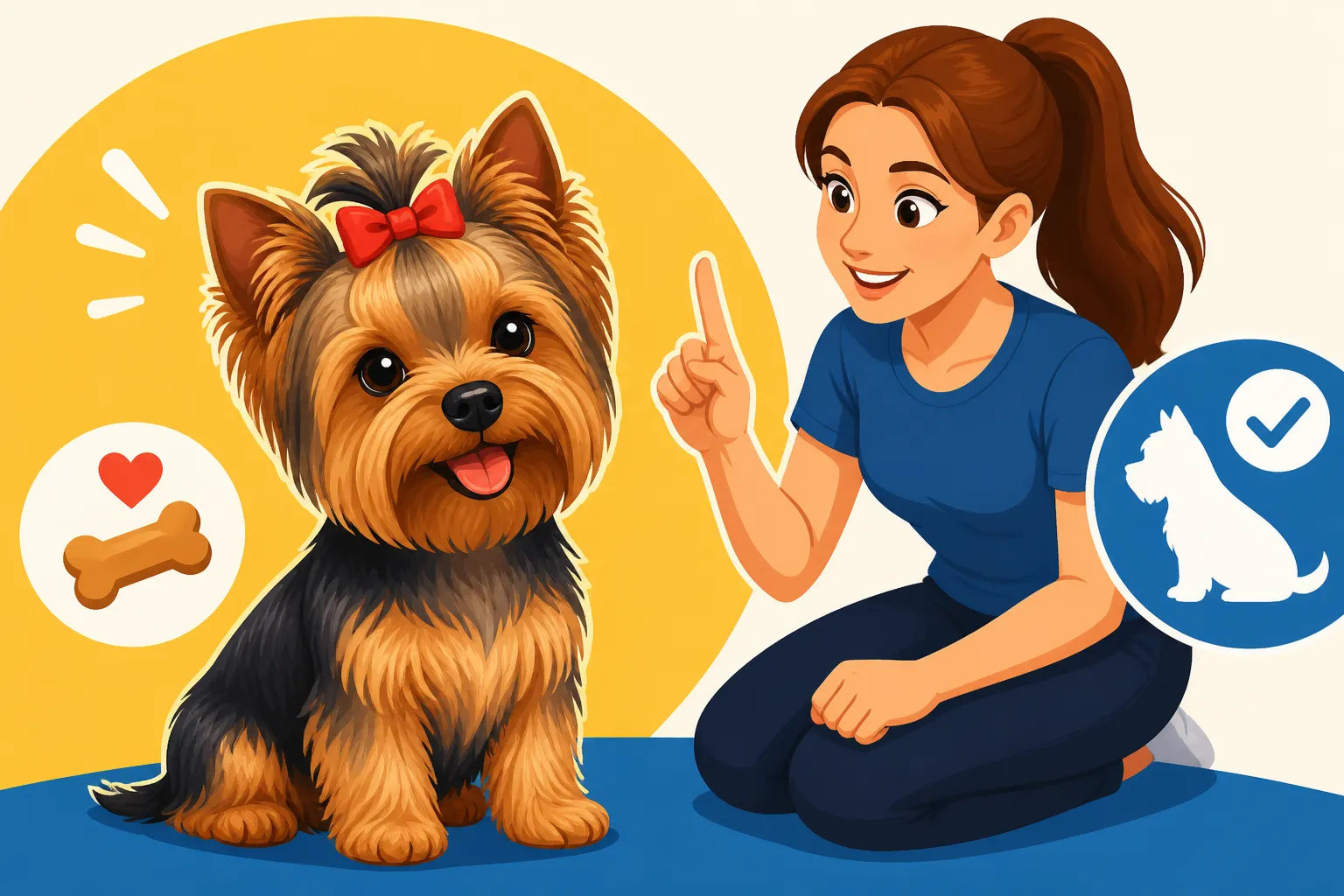
When it comes to training a Yorkie, positive reinforcement isn't just a suggestion; it's the absolute cornerstone of effective training. Yorkies, with their sensitive yet spirited nature, respond incredibly well to rewards-based training. This means rewarding desired behaviors with something your Yorkie loves—be it a tasty treat, a favorite toy, or enthusiastic praise and petting. The idea is simple: if a behavior results in something good, your Yorkie is more likely to repeat it. If it results in nothing or something unpleasant, they're less likely to do it again.
Avoid punishment, yelling, or any harsh corrections. Not only are these methods ineffective with Yorkies, but they can also damage your bond, instill fear, and lead to more severe behavioral issues down the line. A Yorkie who is afraid of you will not learn from you. Instead, focus on catching your Yorkie doing something right and showering them with praise. For instance, if your puppy voluntarily lies down calmly, immediately reward them. This reinforces calmness without you having to explicitly "train" a down-stay in a formal way initially. Consistency is key here; everyone in the household needs to be on the same page with rewards and cues so your Yorkie isn't confused. Keep training sessions short, generally 5-10 minutes, multiple times a day, to maintain their interest and prevent them from getting overwhelmed or bored.
Mastering the Art of Potty Training Your Yorkie
Potty training is often cited as one of the most challenging aspects of owning a Yorkshire Terrier. Their small bladders, combined with their sometimes stubborn nature, can make it feel like an uphill battle. But with the right approach, patience, and consistency, your Yorkie can become reliably house-trained.
Creating an Effective Potty Training Plan
The foundation of successful potty training for a Yorkie lies in a meticulously planned and consistent routine. First and foremost, you need to take your puppy out frequently. Think every 1-2 hours when they are very young, immediately after waking up, within 5-10 minutes of eating or drinking, after playing, and right before bedtime. This frequent schedule minimizes accidents inside and maximizes opportunities for success outside. Always take them to the same designated potty spot. This helps them associate that particular area with relieving themselves.
When they do their business outside, celebrate! Use enthusiastic verbal praise ("Good potty!"), and immediately give them a high-value treat. The timing of this reward is crucial; it needs to happen within seconds of them finishing so they clearly link the act of peeing/pooping outside with the reward. If you wait until you get back inside, the connection is lost. For a deeper dive into methods, you might find our (Yorkshire Terrier Potty Training Guide) or(How to Set a Yorkie Potty Schedule) helpful. Remember, supervision is your best friend during this phase. If you can't actively supervise your Yorkie, they should be in their crate or a puppy-proofed confined area to prevent accidents.
Dealing with Accidents and Setbacks
Let's be realistic: accidents will happen. It's a normal part of the potty training process, especially with small breeds like Yorkies who have tiny bladders. The critical thing is how you react to them. If you catch your Yorkie in the act of having an accident inside, interrupt them calmly (a clap or a gentle "ah-ah!") and immediately pick them up and carry them to their designated outdoor potty spot. If they finish outside, reward them lavishly. Never punish your Yorkie for an accident, especially not if you find it after the fact. They won't understand why they're being punished, and it can make them fearful of eliminating in front of you, which can lead to them hiding their accidents or even eating their waste to "hide the evidence."
The best approach is to clean up accidents thoroughly with an enzymatic cleaner (like Nature's Miracle or Rocco & Roxie Supply Co.) to eliminate all traces of odor. Yorkies have an excellent sense of smell, and if they can smell a previous accident, they are more likely to go in that same spot again. Look at accidents as a signal that you missed an opportunity. Did you wait too long for a potty break? Was supervision lax? Did you not reward generously enough for outdoor success? Each accident is a chance to refine your strategy and improve your consistency. It takes time, patience, and a lot of paper towels, but persistent positive training will eventually pay off.
Crate Training: A Safe and Secure Space
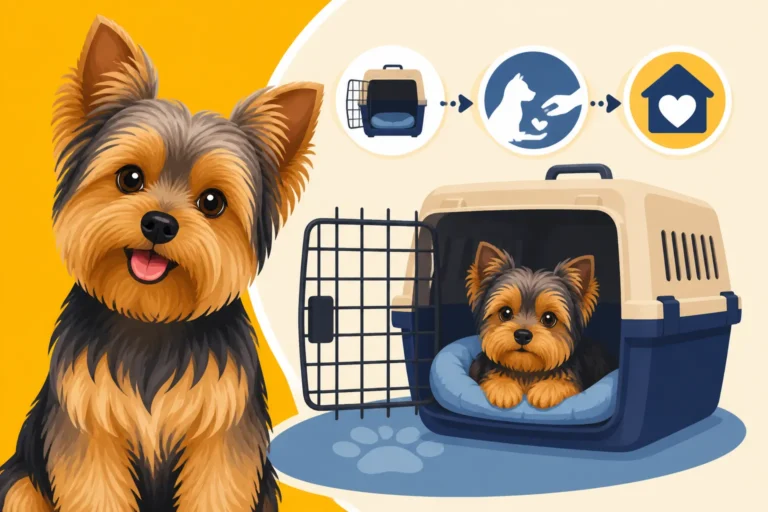
Crate training can be a game-changer for Yorkie owners, providing a safe haven for your dog and aiding immensely in house training and managing separation anxiety. When done correctly, the crate becomes a cozy, secure den that your Yorkie loves, not a punishment chamber.
Introducing the Crate Positively
The key to successful crate training is to introduce the crate gradually and positively, making it an inviting place rather than forcing your Yorkie into it. Start by placing the crate in a busy part of your home, like the living room, where your Yorkie can still feel like part of the family. Leave the door open and scatter high-value treats, toys, or even a Kong stuffed with peanut butter inside. Let your Yorkie explore it on their own terms. Never push or throw them into the crate.
Once they're comfortable going in and out voluntarily, start feeding them their meals inside the crate with the door open. Gradually close the door for short periods while they're eating, slowly increasing the duration. The goal is for them to associate the crate with good things. For more detailed instructions on building this positive association, refer to our Yorkshire Terrier Crate Training Guide. Always ensure the crate is appropriately sized – large enough for them to stand up, turn around, and lie down comfortably, but not so large that they can designate a potty corner away from their sleeping area. A cozy bed or blanket from a brand like MidWest Homes for Pets can make the crate even more inviting.
Making the Crate a Den, Not a Dungeon
A crate should feel like a cozy, safe den, a personal retreat for your Yorkie, not a prison. To reinforce this, avoid using the crate for punishment. If your Yorkie misbehaves, simply redirect their behavior or ignore them for a short period, but don't banish them to the crate in anger. This will create negative associations and make them resent their crate. Instead, ensure that positive experiences are consistently linked to the crate.
Always provide comfortable bedding and perhaps a favorite chew toy or a puzzle toy to keep them occupied. When you need to leave your Yorkie in the crate, make sure they’ve had a chance to go potty, have exercised, and have plenty of fresh water available (if using a crate water bottle). Gradually increase the time they spend in the crate, starting with just a few minutes and building up to longer periods. If you notice signs of stress or anxiety, you've likely progressed too quickly. Backtrack and go at their pace. Remember, the crate is a tool for management and safety, offering your Yorkie a sense of security and contributing to a well-behaved companion.
Addressing Common Yorkshire Terrier Behavior Challenges
Yorkies, despite their adorable size, can exhibit a range of behaviors that can be challenging for owners. From incessant barking to separation anxiety, understanding the root cause and implementing appropriate training strategies is crucial.
Managing Excessive Barking
If you own a Yorkie, you've likely experienced their vocal prowess firsthand. They are, after all, terriers, and barking is a natural part of their breed heritage. However, excessive barking can become a nuisance, disrupting your peace and potentially bothering neighbors. Yorkies might bark for many reasons: to alert you to strangers (or squirrels, or a leaf blowing by), out of boredom, seeking attention, fear, or frustration. To effectively manage this, you first need to identify the trigger. Is it the doorbell? People walking past the window? Or when they're left alone? Our guide on How to Stop a Yorkie from Barking offers more in-depth strategies.
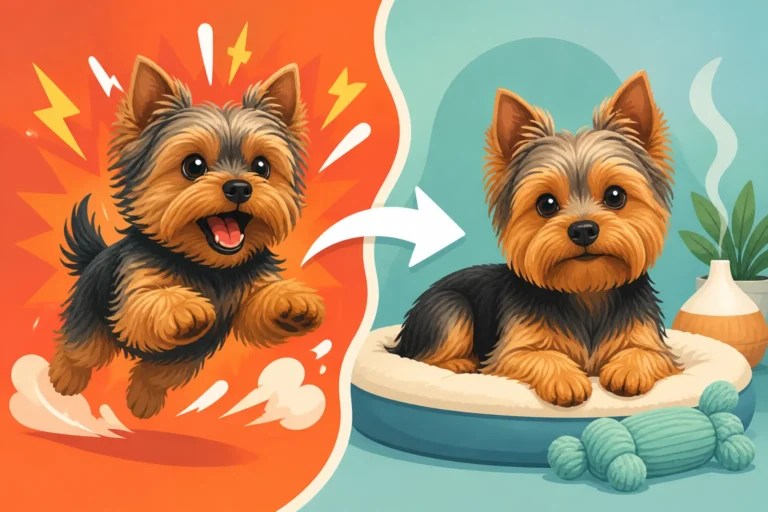
Once you know the trigger, you can begin to address it. For alert barking, teach a "quiet" command. When your Yorkie barks at a trigger, let them bark once or twice, then say "Quiet" and immediately reward them with a high-value treat the moment they stop barking. Gradually increase the duration they need to be quiet before getting the reward. For boredom or attention-seeking barking, ensure your Yorkie gets enough mental and physical exercise. Yorkies, despite their size, need daily walks and engaging playtime. Providing puzzle toys or chew toys (available on Amazon, for example) can help keep their minds occupied. Ignoring attention-seeking barking entirely can also be effective, but it requires patience as the barking might initially intensify before it decreases.
Combating Separation Anxiety
Yorkshire Terriers are known for forming incredibly strong bonds with their human companions, which, while endearing, can sometimes manifest as separation anxiety when left alone. This can lead to destructive chewing, inappropriate urination or defecation, excessive barking or whining, and even self-harm. Recognizing the signs early is important, and our resource on Yorkshire Terrier Separation Anxiety Solutions can provide further insights. The key is to teach your Yorkie that being alone is not a scary experience but a calm, normal part of their day.
Start with very short absences. Leave the room for a few seconds, then return calmly (don't make a big fuss). Gradually increase the duration of your absences. Before leaving for longer periods, make sure your Yorkie has gone potty and has had some exercise. Provide them with a special, high-value chew toy or a food puzzle that they only get when you leave. This helps create a positive association with your departure. Avoid dramatic goodbyes or hellos; treat your leaving and returning as low-key events. For more severe cases, consult a professional dog trainer or veterinary behaviorist. They can help implement behavior modification plans, and in some instances, medication might be considered alongside training.
Nipping, Biting, and Chewing
Yorkie puppies, like all puppies, explore the world with their mouths. Nipping and playful biting are natural puppy behaviors, but it's crucial to teach them bite inhibition early on. If allowed to continue unchecked, this playful nipping can escalate into painful biting, especially as they get older. When your puppy nips too hard during play, yelp loudly ("ouch!"), immediately withdraw attention, and stop playing for a short period (10-30 seconds). This teaches them that hard bites end the fun. Resume play only when they are calm, and if they nip hard again, repeat the process.
For destructive chewing, it's often a sign of boredom, anxiety, or simply a lack of appropriate chew outlets. Ensure your Yorkie has a variety of safe, appealing chew toys. Rotate them regularly to keep things interesting. If you catch them chewing on something inappropriate, calmly redirect them to an approved chew toy and praise them when they chew on it. Puppy-proofing your home by removing tempting items (shoes, electrical cords, furniture legs) from their reach is also essential. For persistent chewing issues, especially with older dogs, it's worth evaluating their environment for stress factors or consulting with a trainer to rule out underlying behavioral problems.
Building a Well-Adjusted Yorkie Through Socialization
Socialization is arguably one of the most vital aspects of raising any dog, and it's particularly important for Yorkshire Terriers. Their small size can sometimes make owners overprotective, inadvertently limiting their exposure to the world, which can lead to fear, anxiety, or aggression.
The Importance of Early Socialization
Proper socialization means exposing your Yorkie puppy to a wide variety of positive experiences with different people, other friendly dogs, sights, sounds, and environments during their critical developmental window (roughly 3 to 16 weeks of age). This doesn't mean overwhelming them; it means controlled, positive introductions. A well-socialized Yorkie is confident, adaptable, and less prone to fear-based aggression or anxiety later in life. Ignoring this crucial step can result in a fearful, reactive, or even aggressive adult dog who struggles to cope with everyday situations. Our article, How to Socialize a Yorkshire Terrier, provides a comprehensive roadmap for this journey.
Think about it: a Yorkie who has only ever seen you and your quiet home might panic at the sight of a child running, a person in a hat, or a noisy street. These seemingly innocuous things can become terrifying if they haven't been introduced positively. Enroll your puppy in a well-run puppy class (many local pet stores or private trainers offer them). These classes provide a safe, supervised environment for puppies to interact with each other and people, learn basic manners, and build confidence. Always prioritize quality over quantity in social interactions. A few positive experiences are far more valuable than many negative or overwhelming ones.
Introducing Your Yorkie to Other Dogs and People
When introducing your Yorkie to new dogs, always ensure the other dog is calm, friendly, and well-socialized. Puppy playdates with known, vaccinated dogs are a great start. Supervise all interactions closely and keep them brief and positive. For adult Yorkies, ensure introductions are made on neutral territory, with both dogs on leash initially, and allow them to greet each other naturally. If either dog shows signs of stress or aggression, separate them immediately and try again later or seek professional guidance. Remember, not all dogs will be best friends, and that's okay. The goal is polite indifference or calm acceptance, not necessarily enthusiastic play with every dog they meet.
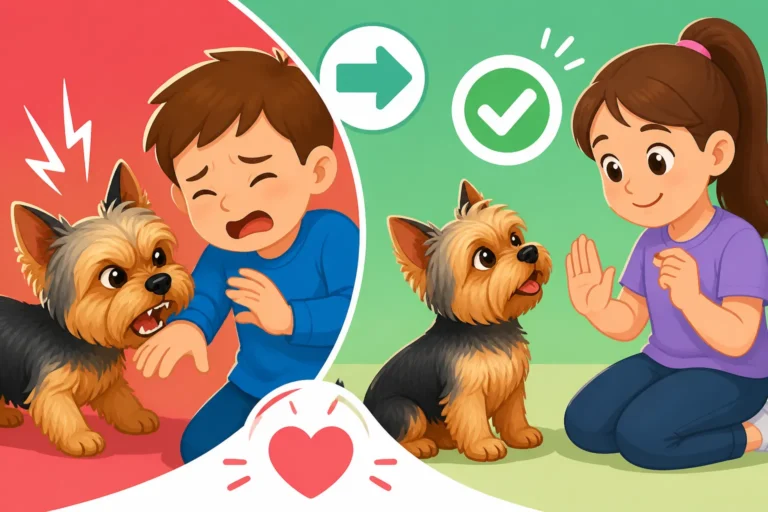
Introducing your Yorkie to new people should also be a positive experience. Encourage friends and family to offer treats gently and speak in soft, calm voices. Avoid having multiple people swarm a small Yorkie, as this can be overwhelming. If your Yorkie is shy, let them approach on their own terms. Never force interactions. If you have children, teach them how to interact gently and respectfully with your Yorkie. Supervise all interactions between children and dogs to ensure safety for both. The BAXTER & Bella online puppy school program, for instance, often emphasizes these critical socialization techniques in their curriculum, giving owners a structured way to expose their pups. The more positive experiences your Yorkie has with the diverse world around them, the more confident and happy they will be.
Beyond Basics: Advanced Training and Continuous Learning
Training doesn't stop once your Yorkie knows "sit" and is potty trained. These intelligent dogs thrive on mental stimulation and continuous learning. Advanced training not only solidifies their good manners but also strengthens your bond and prevents boredom, which can often lead to destructive behaviors.
Teaching Fundamental Commands
Mastering basic obedience commands is the bedrock of a well-behaved Yorkie. Commands like "sit," "stay," "come," "down," and "leave it" are not just party tricks; they are crucial for safety and communication. For example, a reliable "come" (recall) can prevent your Yorkie from running into danger, while "leave it" can stop them from picking up something harmful off the ground. You can learn (How to Teach a Yorkie to Sit) or(How to Teach a Yorkie to Come) with just a few minutes of practice daily. Start in a quiet, distraction-free environment, use high-value treats, and keep sessions short and fun.
Once your Yorkie understands a command in a calm environment, gradually introduce distractions. Practice in different rooms, then in the backyard, and finally in public places. This process, known as "generalization," helps your Yorkie understand that "sit" means sit, no matter where they are or what's going on around them. Remember, consistency is key. Everyone in the household should use the same cues and commands. If one person says "sit" and another says "booty down," your Yorkie will be confused.
Leash Training and Walking Manners
Many Yorkie owners struggle with leash manners, often ending up with a small dog that pulls relentlessly or lags behind. Because of their size, it's easy to dismiss this as "not a big deal," but it makes walks less enjoyable for both of you. Early introduction to a collar or harness and leash is crucial. We highly recommend a harness over a collar for Yorkies due to their delicate tracheas. Our Yorkie Leash and Harness Training guide provides detailed insights into this. Start by letting your puppy wear a lightweight harness for short periods inside, associating it with positive things like treats or mealtime.
Once they're comfortable with the harness, attach the leash and let them drag it around supervised. Then, start practicing walking inside. Use treats to lure them to walk nicely beside you. If they pull, stop walking immediately. Only resume when the leash slackens. This teaches them that pulling gets them nowhere. For those Yorkies who are particularly strong-willed on walks, consider a front-clip harness, which gently redirects their pulling power to their chest, making it harder for them to pull effectively. Remember to make walks an enjoyable experience, exploring new sights and smells, which are incredibly enriching for your Yorkie's mental well-being.
Dealing with Other Behavior Problems
Yorkies can develop a range of specific behavior problems beyond barking or separation anxiety. These can include resource guarding (protecting food, toys, or even people), fearfulness, destructive digging, or even reactivity towards other dogs or people. Our comprehensive guide, Yorkshire Terrier Behavior Problems and Solutions, delves into many of these issues. For example, if your Yorkie guards their food bowl, teach them that your approach means good things by dropping high-value treats into the bowl as they eat, creating a positive association with your presence.
For fearfulness, avoid coddling them or inadvertently reinforcing their fear. Instead, calmly expose them to their triggers at a distance where they remain comfortable, pairing the exposure with high-value rewards. Gradually decrease the distance over time. Digging can often be managed by providing an appropriate digging outlet, like a designated sandbox in the yard, and redirecting them whenever they try to dig elsewhere. For any persistent or escalating behavioral issues, especially aggression, it's always best to consult with a certified professional dog trainer or a veterinary behaviorist. They can assess the specific situation and develop a tailored modification plan.
Essential Tools and Resources for Training Success
Training your Yorkshire Terrier is a journey, and like any journey, having the right tools and resources can make all the difference. From tangible aids to professional guidance, equipping yourself properly can significantly enhance your training efforts.
Choosing the Right Training Aids
The market is flooded with various training tools, and it can be overwhelming to know what's truly effective and safe for your small Yorkie. First and foremost, invest in high-quality, high-value treats. These are your primary currency for positive reinforcement. Think small, soft, and smelly treats that your Yorkie absolutely adores, like Zuke's Mini Naturals or even small pieces of cooked chicken or cheese. Our article on Best Treats for Training a Yorkie offers some great suggestions. You'll want to have a treat pouch (readily available on Amazon) to keep them handy during training sessions.
For walking, as mentioned, a comfortable, well-fitting harness is paramount. Brands like Puppia or RC Pets offer harnesses specifically designed for small breeds, minimizing pressure on the delicate throat. A lightweight, 6-foot leash (not retractable) is ideal for training loose-leash walking. For crate training, a sturdy wire or soft-sided crate of appropriate size is essential. Puzzle toys, like Kongs, can also be invaluable for mental stimulation and managing boredom or separation anxiety. Always prioritize your Yorkie's safety and comfort when selecting any training aid. Avoid harsh collars, prong collars, or shock collars, as these are detrimental to your Yorkie's physical and emotional well-being.
Considering Professional Help
While self-training is certainly possible, there are times when professional guidance can be incredibly beneficial, especially for first-time owners or those dealing with specific behavioral challenges. A certified professional dog trainer can offer personalized advice, troubleshoot issues, and teach you effective techniques tailored to your Yorkie's individual personality. Look for trainers who use positive reinforcement methods and have experience with small breeds. Organizations like the Certification Council for Professional Dog Trainers (CCPDT) or the Association of Professional Dog Trainers (APDT) can help you find qualified professionals in your area.
For those who prefer to learn at their own pace or have limited access to in-person classes, online training programs can be a fantastic resource. The BAXTER & Bella online puppy school is a popular choice, offering comprehensive modules, live Q&A sessions, and personalized support from certified trainers. This can be especially useful for busy families or those in rural areas. For more complex behavioral issues, such as severe aggression or deep-seated anxiety, a veterinary behaviorist might be the most appropriate professional. These are veterinarians with specialized training in animal behavior, capable of diagnosing and treating behavioral disorders, sometimes including medication alongside behavior modification. Investing in professional help is an investment in your Yorkie's well-being and a harmonious home life.
Disclaimer
The information provided in this guide is for general educational purposes only and should not be considered a substitute for professional veterinary advice or specialized dog training consultation. Always consult with a qualified veterinarian regarding your Yorkie's health and any serious behavioral concerns. Individual results from training methods may vary.