How to Teach a Yorkie to Crate
Crate training a Yorkshire Terrier can sometimes feel like an uphill battle, especially with their big personalities packed into such a tiny frame. Many Yorkie parents struggle with the whining, barking, and general reluctance their little ones show towards entering their crate, leading to frustration and doubts about whether it's truly beneficial. This comprehensive guide will walk you through a gentle, effective approach to teach your Yorkie to love their crate, turning it into a safe, comfortable haven rather than a dreaded prison.
Understanding Why Crate Training Matters for Your Yorkie
It’s easy to feel guilty about putting your tiny Yorkie into a crate, thinking it’s a punishment or that they’ll feel abandoned. However, when done correctly, crate training is far from cruel. It taps into their natural denning instincts, providing a secure space that can significantly reduce stress and promote good behavior. For a breed as small and sometimes fragile as a Yorkie, a crate also offers a layer of safety from accidental injuries in a busy household.
The Benefits Beyond Potty Training
While many people associate crate training solely with housebreaking, its advantages stretch much further, especially for a Yorkshire Terrier. For starters, a crate provides a safe space for your Yorkie when you can't directly supervise them. Imagine guests coming over, or a repair person needing access to your home; a small, curious Yorkie can easily get underfoot or dart out an open door. Their crate becomes their personal safe zone, preventing accidents and ensuring they don't ingest something they shouldn't, like dropped medication or stray human food.
Beyond immediate safety, a well-crate-trained Yorkie is much easier to manage for vet visits, grooming appointments, or even travel. They'll be accustomed to enclosed spaces, reducing stress when they need to be in a carrier. This is invaluable when you consider their delicate nature and predisposition to conditions like hypoglycemia, which can be exacerbated by stress. Learning to cope calmly in their crate builds resilience, which is a major win for their overall well-being. It helps them learn to settle down and relax, a crucial skill for any dog, especially those prone to high energy or anxiety.
Addressing Common Yorkie Reservations About Crates
Yorkies are known for their strong opinions and often vocal expressions. If your Yorkie is resisting the crate, it's not personal; it's likely a mix of fear of the unknown, a desire to be with their human, or perhaps a negative past association. Many Yorkies are prone to separation anxiety, and a crate can initially feel like an amplifier of this fear. They might whine, bark, or even try to chew their way out. The key here is empathy and patience. Recognize that their barking or attempts to escape aren't acts of defiance but expressions of discomfort or fear.
We need to flip the script and make the crate synonymous with good things. Think of it from their perspective: suddenly, they're in a confined space, perhaps without their favorite person, and it feels isolating. Our goal is to transform that perception into one of comfort, security, and even luxury. This means never using the crate as a punishment. If they do something wrong, scolding them and putting them in the crate will only teach them to associate the crate with negative experiences, making the training process much harder. Instead, keep the crate as a consistently positive space, filled with their favorite items and linked only to happy moments.
Setting Up the Perfect Crate Environment
The foundation of successful crate training lies in the setup. You wouldn't want to sleep in an uncomfortable, poorly placed bedroom, and neither does your Yorkie. Their crate needs to be a truly inviting "den."
Choosing the Right Crate Size and Type
Selecting the correct crate is paramount. A common mistake is getting a crate that's too large, which can actually hinder potty training because it allows your Yorkie to relieve themselves in one corner and sleep in another. For a Yorkshire Terrier, you're looking for a crate where they can comfortably stand up, turn around, and lie down. Typically, a 18-inch to 24-inch crate is suitable for most adult Yorkies, but always measure your individual dog. If you're starting with a puppy, you might opt for a slightly larger crate with a divider that can be adjusted as they grow. This ensures the space is always appropriate.
When it comes to type, wire crates are popular because they offer good ventilation and visibility. However, some Yorkies might feel more secure in a soft-sided crate or a plastic kennel, which mimics a den more closely. For travel, a sturdy plastic airline-approved kennel might be necessary. Consider your lifestyle and your Yorkie’s preferences. Many reputable brands offer excellent options, and you can find a wide variety of choices on platforms like Amazon, offering different materials and features to suit your specific needs. Look for one that's easy to clean, as accidents can happen, especially during the initial stages. For more specific recommendations, you might want to check out articles like "Best Crate for a Yorkshire Terrier".
Making the Crate a Cozy Den
Once you have the right size and type, it’s time to make it irresistible. This isn't just a cage; it's your Yorkie's private retreat. Start with comfortable bedding. A soft, washable blanket or a plush dog bed designed for small breeds will make a huge difference. Avoid anything too bulky that could restrict airflow or make them too hot.
Next, add a few safe, engaging toys. Chew toys, puzzle toys, or a KONG filled with a smear of peanut butter (check ingredients for xylitol!) or plain yogurt can turn crate time into a delightful experience. These items serve as positive distractions and help them associate the crate with treats and fun. If your Yorkie is prone to chewing, ensure the toys are durable and appropriate for their size to prevent choking hazards. A piece of your worn clothing can also be placed in the crate; your scent provides comfort and reassurance.
Finally, consider the crate's location. Place it in a central part of your home where the family spends a lot of time, but not in the middle of a high-traffic area. The living room or a quiet corner of the kitchen are good choices. This allows your Yorkie to feel part of the family without being overwhelmed. At night, you might move the crate to your bedroom or a nearby quiet space, especially if you have a young puppy who needs frequent potty breaks or gets lonely. The goal is for the crate to feel like a safe, secure "bedroom" for your Yorkie.
The Step-by-Step Crate Training Process
Patience is key here. Rushing the process will only create negative associations and make future training more difficult. This needs to be a gradual, positive experience.
Introducing the Crate Positively
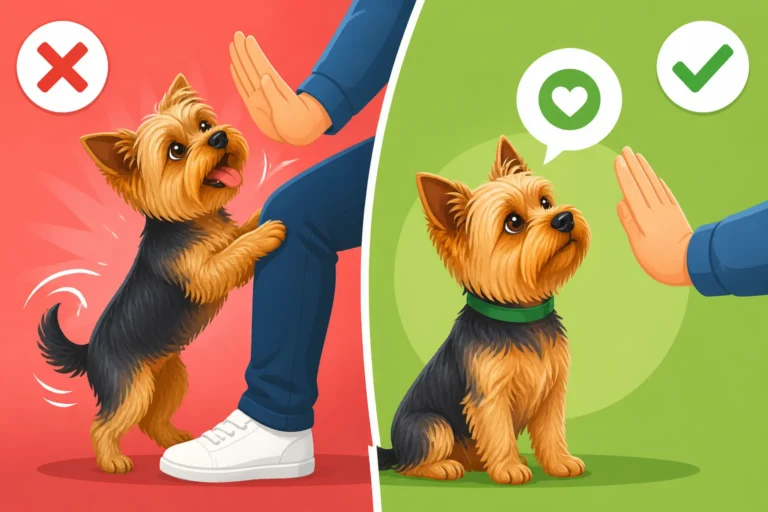
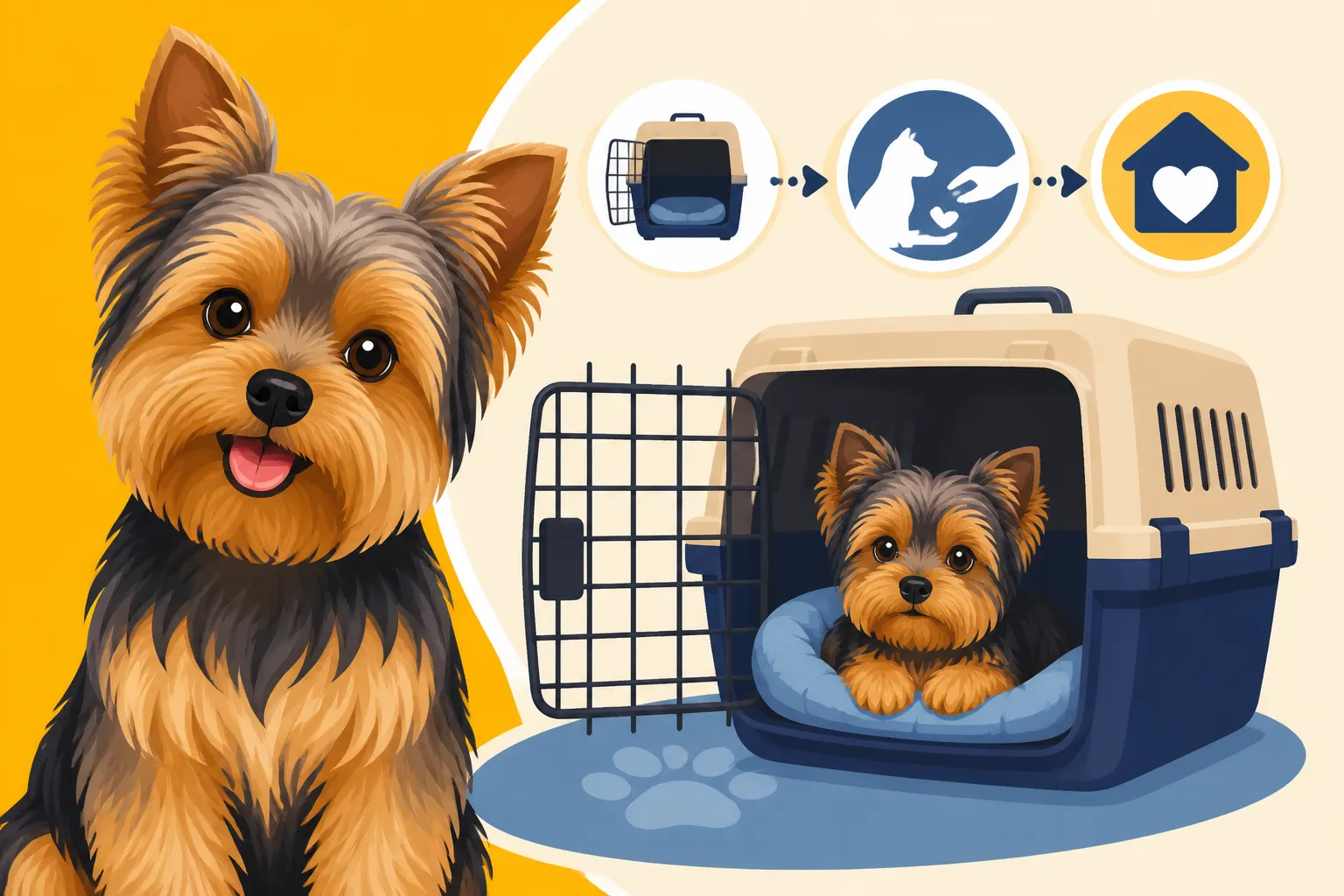
Your Yorkie’s first introduction to the crate should be entirely positive and stress-free. Start by simply placing the open crate in an accessible area with a soft bed and a few treats inside. Let your Yorkie explore it at their own pace. Never force them in. Leave the door open and allow them to go in and out as they please. Toss a high-value treat, like a tiny piece of cooked chicken or cheese, into the crate whenever they show interest or step inside. Repeat this several times a day.
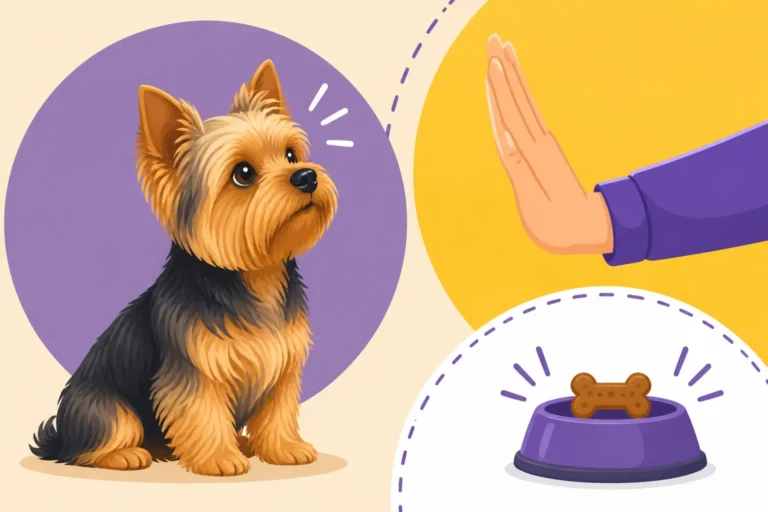
You can also feed your Yorkie their meals near, and eventually inside, the crate. Start with the food bowl just outside the open door. Over a few days, gradually move the bowl further inside. If your Yorkie is hesitant to go all the way in, just move it as far as they are comfortable reaching. This strategy helps them associate the crate with something they love: food! Some Yorkies respond well to a consistent verbal cue like "crate" or "bed" as they enter, further cementing the positive association. If you're looking for more general training tips, a resource like "How to Train a Yorkshire Terrier" can offer a broader perspective.
Gradual Entry and Short Stays
Once your Yorkie is comfortably entering the crate for treats and meals, it’s time to introduce short, supervised stays. Lure them in with a treat or a favorite toy, and once they're inside, close the door for just a few seconds. Stay right there, praise them calmly, and then open the door, letting them out. Repeat this many times a day, slowly increasing the duration. It might be 10 seconds, then 30 seconds, then a minute.
During these short stays, make sure your Yorkie is calm. If they start to whine or bark immediately, you’ve increased the time too quickly. Backtrack to a shorter duration where they were comfortable. The goal is to always let them out before they get anxious. Offer a special chew toy or a KONG while they are in the crate to keep them occupied and happy.
Once they are comfortable with you closing the door for a minute or two, you can start to take a step away from the crate. Walk a few feet away, then return. Gradually increase the distance and the time you are out of sight. This helps them understand that you will always come back and that the crate is still a safe place even when you're not right there. This methodical approach is crucial to avoid any negative experiences that could lead to your Yorkie developing anxiety around the crate.
Extending Crate Time and Overnight Stays
As your Yorkie grows accustomed to short, supervised stays, you can begin to extend the duration and introduce overnight crating. For longer periods during the day, ensure they've had a potty break and some exercise beforehand. A tired Yorkie is a happy, calm crated Yorkie. Provide a water bowl that attaches to the crate, especially for longer durations, to keep them hydrated.
When transitioning to overnight stays, place the crate in your bedroom or a nearby quiet area. This allows them to hear and smell you, providing comfort. Just before bedtime, take them out for a final potty break. Lure them into the crate with a treat, say your cue word, and close the door. Initially, there might be some whining or barking. It’s tough, but try to ignore it if you know they've been fed, watered, and had a potty break. Responding to every whine teaches them that barking gets your attention. If the crying persists or sounds distressed, investigate, but try not to let them out until they’ve quieted down for a moment. This teaches them that quiet behavior is rewarded.
Slowly, as they get more comfortable, you can move the crate to its permanent overnight spot, if different from your bedroom. This gradual progression is vital for their emotional well-being and helps prevent issues like separation anxiety. For puppies, a consistent "Yorkshire Terrier Puppy Training Schedule" that includes crate time can be incredibly helpful.
Troubleshooting Common Crate Training Challenges
Even with the best intentions, you might hit a few bumps in the road. It's perfectly normal, especially with a sensitive breed like the Yorkshire Terrier.
Dealing with Whining and Barking
The most common complaints from Yorkie owners about crate training involve incessant whining and barking. It's incredibly frustrating, and it's easy to feel like giving in. However, consistency is your best friend here. First, rule out any actual needs: does your Yorkie need to go potty? Are they hungry or thirsty? Are they too hot or too cold? If all basic needs are met, then it's likely a protest or a cry for attention.
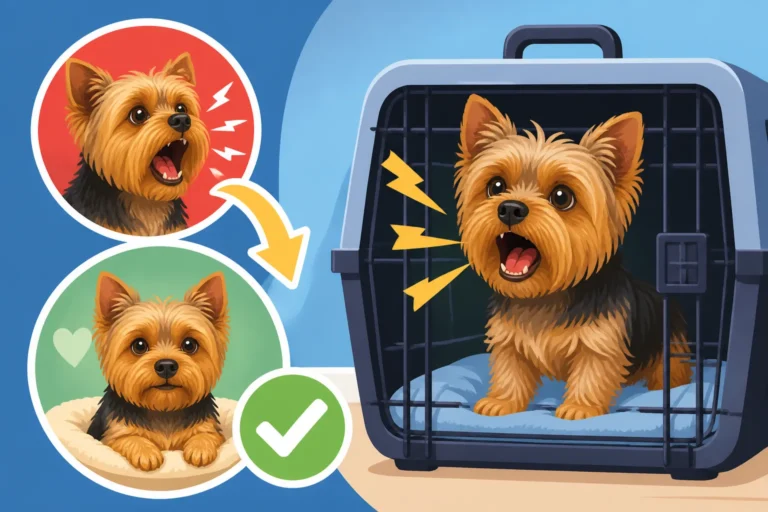
When your Yorkie whines or barks in the crate, the golden rule is: do not let them out or give them attention while they are making noise. Wait for a brief moment of silence – even just a second – before you approach the crate or open the door. This teaches them that quiet behavior is what gets your attention and earns their release. If you consistently let them out when they're barking, you're inadvertently reinforcing the very behavior you want to stop.
You can also use a "startle and reward" technique for persistent barking. A sharp, unexpected sound (like a loud clap or a quick "shhh!") can interrupt the barking. As soon as they are quiet for a moment, reward them with a treat through the bars or let them out if it's time. For more in-depth strategies, our guide on "How to Stop a Yorkie Barking When Left Alone" can provide additional insights.
Managing Separation Anxiety in the Crate
Yorkies, by nature, often form strong bonds with their owners and can be prone to separation anxiety. If your Yorkie panics, hyperventilates, or attempts to injure themselves to escape the crate, this goes beyond typical protest and indicates true anxiety. In these cases, it's crucial to consult with your veterinarian or a certified professional dog trainer. They can help you devise a specific plan, which might include desensitization exercises, counter-conditioning, or even medication in severe cases.
For milder forms of separation distress, the crate training process itself can be a tool. Make sure the crate is a positive place. Leave them with a high-value, long-lasting chew or puzzle toy. Practice short departures repeatedly throughout the day, leaving for just a few minutes, then returning calmly. Don't make a big fuss when you leave or return. The goal is to make departures and arrivals uneventful, normalizing your absence. You can also try playing classical music or a white noise machine to provide a calming background. Further reading on "Yorkie Separation Anxiety: Signs and Fixes" could be beneficial.
Maintaining a Positive Crate Association
The work isn't over once your Yorkie is crate trained. You need to continuously reinforce the positive association. Continue to offer treats and praise when they go into their crate. Occasionally, toss a surprise treat into the crate when they're not looking, so they "discover" it and feel even more positive about their den.
Never use the crate as punishment, even if you're feeling frustrated. If your Yorkie misbehaves, redirect them or use a timeout in a different, neutral area if necessary. The crate should always remain their safe, happy place. Regularly clean the crate and bedding to ensure it smells fresh and inviting. A dirty crate is an unpleasant space. By consistently making the crate a positive and comfortable environment, you ensure your Yorkie continues to view it as their personal sanctuary for years to come.
| Crate Training Stage | Action | Goal | Key Considerations |
|---|---|---|---|
| Introduction | Place open crate, treats inside. Let explore. | Crate is a positive, safe place. | Never force. Allow free exploration. |
| Short Stays | Lure in, close door briefly (seconds). Praise. | Comfort with door closed. | Always release before anxiety. Increase time gradually. |
| Increased Time | Extend duration, step away from crate. | Comfort with owner out of sight. | Provide chew toy. Practice multiple times a day. |
| Overnight/Long Stays | Crate in bedroom initially, move later. | Calmness for extended periods. | Potty break first. Ignore whining if needs met. |
| Maintenance | Continue treats, praise. Never punish. | Sustained positive association. | Keep crate clean and inviting. |
Advanced Tips and Long-Term Crate Use
Crate training isn't just for puppies; it's a valuable skill that can benefit your Yorkie throughout their life.
Crate Training an Older or Rescue Yorkie
Crate training an older Yorkie or a rescue dog might present unique challenges, but it's absolutely possible. These dogs may come with previous negative experiences or deeply ingrained habits, so extra patience and a slower pace are crucial. Start from square one, just as you would with a puppy, focusing heavily on positive reinforcement. Never force them into the crate. Use incredibly high-value treats and make every interaction overwhelmingly positive.
For a rescue Yorkie, their past is often unknown, and they might have significant anxiety or fear of confinement. If you notice signs of severe stress or trauma when introducing the crate, such as excessive drooling, destructive behavior, or self-mutilation, stop immediately and seek guidance from a professional dog trainer or veterinary behaviorist. These experts can provide tailored strategies and support to help your older Yorkie overcome their fears and build confidence. Remember, the goal is always comfort and security, not just containment. Organizations like BAXTER & Bella offer online training programs that can be incredibly helpful for owners needing guidance for dogs with unique needs.
When and How to Phase Out Crate Use
The decision of whether or not to phase out crate use is highly individual and depends entirely on your Yorkie and your lifestyle. Some owners choose to keep the crate as a permanent fixture, using it for specific situations like vet visits, travel, or just providing a safe space when guests are over. Others prefer to eventually allow their well-trained Yorkie free roam of the house once they are reliably housebroken, past their destructive chewing phase, and have demonstrated good behavior.
If you decide to phase out the crate, do it gradually. Start by leaving the crate door open for longer periods when you are home and supervising. Allow them to choose whether to enter the crate or relax elsewhere. Slowly increase their unsupervised time outside the crate, starting with short absences and building up. Ensure your home is completely "Yorkie-proofed" – meaning no tempting chewables, toxic plants, or small items they could swallow are within reach. It's a gradual process, but with consistent training and a focus on positive reinforcement, your Yorkie can safely enjoy more freedom. Keep in mind that for some Yorkies, especially those prone to mischief or anxiety, maintaining a crate for certain situations might be beneficial for their entire life.
In the end, teaching your Yorkie to love their crate is a gift of security, comfort, and safety. It provides them with a den of their own and gives you peace of mind.
Disclaimer
The information provided in this article is for general informational purposes only and is not a substitute for professional veterinary advice. Always consult with a qualified veterinarian or professional dog trainer regarding your Yorkshire Terrier's specific health, behavior, or training needs.