How to Introduce a Yorkie to Other Dogs
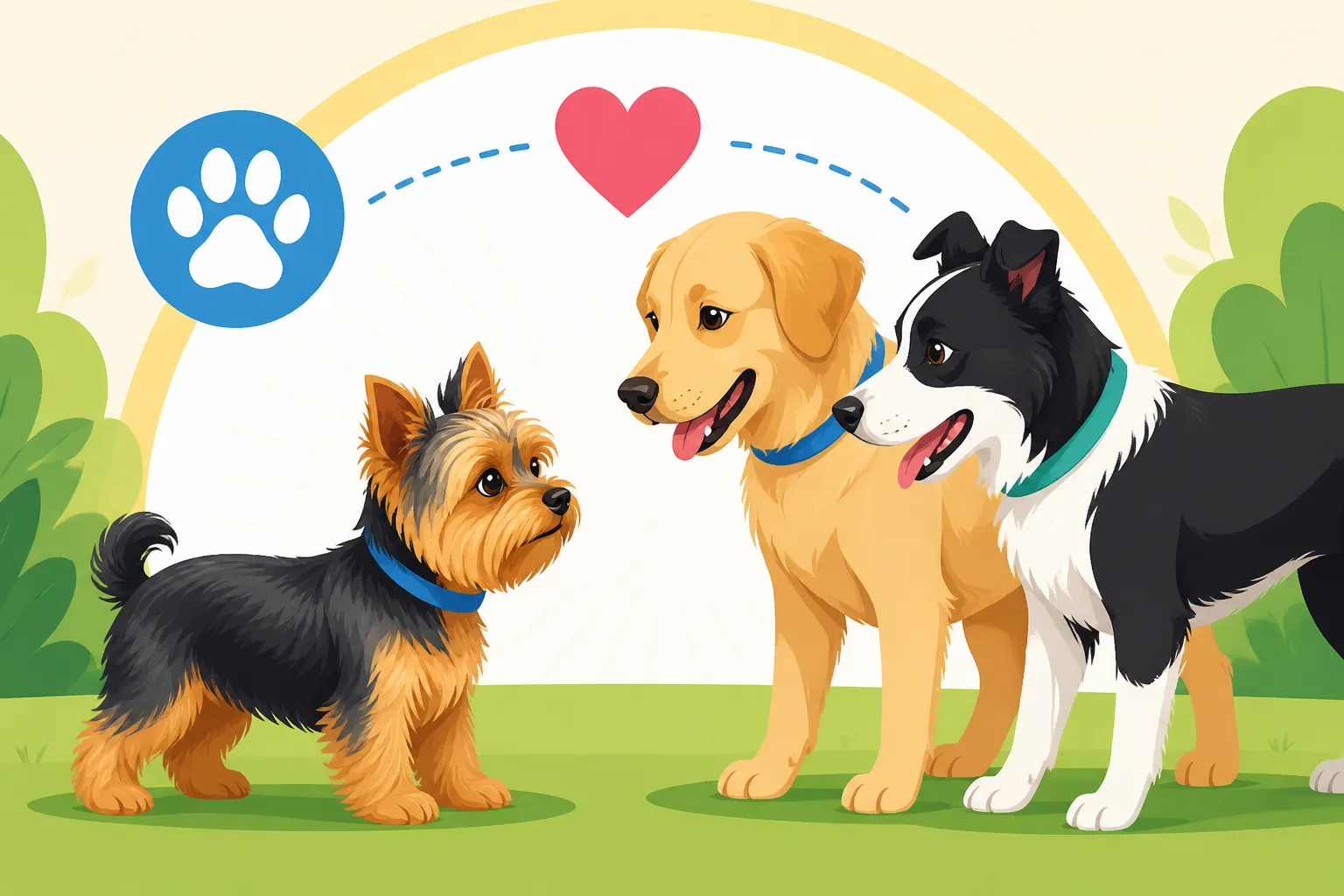
Bringing two dogs together, especially when one is a feisty, confident Yorkshire Terrier, can feel like navigating a minefield. You want your beloved Yorkie to make friends, but their small stature and sometimes larger-than-life personality can lead to misunderstandings with bigger or more boisterous pups. This comprehensive guide will walk you through the careful steps to introduce your Yorkie to other dogs successfully, aiming for a peaceful, and hopefully, friendly coexistence.
Understanding Your Yorkie's Social Dynamics
Before you even think about a physical introduction, it's crucial to understand the unique social wiring of a Yorkshire Terrier. They're not just small dogs; they come with a distinct set of instincts and behaviors that will heavily influence how they interact with new canine companions.
The Yorkie Personality: Big Dog in a Small Body
Many Yorkie owners will tell you their little companion acts like they're a Rottweiler in a tiny, silky package. This isn't just an adorable quirk; it's deeply rooted in their terrier heritage. Yorkshire Terriers were originally bred to hunt rats and other small vermin in textile mills. This history gifted them with incredible courage, tenacity, and often, a surprisingly high prey drive. They can be incredibly confident, sometimes to the point of being feisty or even bossy, especially when they feel threatened or believe they need to assert themselves.
This "big dog" mentality means your Yorkie might not back down from a dog significantly larger than themselves, which can be both admirable and, frankly, terrifying for an owner. They don't always grasp their size disadvantage, and this can lead to situations where they might initiate or escalate a conflict they can't physically win. Understanding this inherent boldness is key to managing introductions. You need to be their advocate and protector, ensuring they don't get into situations where their confidence outweighs their physical capability. It’s also important to recognize that some of their behaviors, like excessive barking or nipping, might be misinterpreted by other dogs, leading to tension. Many people refer to this as Yorkie Small Dog Syndrome Explained, and while it's not a formal diagnosis, it accurately describes the confident, sometimes overcompensating, behavior seen in many smaller breeds.
Importance of Early Socialization
The single most impactful thing you can do for your Yorkie's future social success is to ensure they receive proper, positive socialization from a young age. The critical socialization window for puppies is typically between 3 and 16 weeks. During this time, every positive experience with new sights, sounds, people, and other friendly, vaccinated dogs helps shape their view of the world as safe and welcoming. A well-socialized Yorkie puppy is more likely to grow into an adult who is confident, adaptable, and less prone to fear-based aggression or excessive shyness.
If you have a Yorkshire Terrier puppy, prioritize safe and structured interactions. Enroll them in puppy classes where they can meet other puppies of various sizes in a controlled environment, always under the watchful eye of a trainer. Expose them to calm, gentle adult dogs that have a history of being good with puppies. For more guidance, check out our Yorkshire Terrier Puppy Training Schedule and How to Socialize a Yorkie Puppy guides. If your Yorkie is an adult and missed out on early socialization, don't despair! It might take more time and patience, but positive experiences can still help them learn to be more comfortable around other dogs. The process will simply be slower and more deliberate, focusing on positive reinforcement and gradual exposure rather than immersion.
Essential Preparations Before the Introduction
Preparation is not just about avoiding disaster; it's about setting the stage for success. A rushed, unplanned introduction often leads to stress, fear, or aggression, making future positive interactions much harder. Think of it as preparing for a delicate diplomatic meeting, not a free-for-all playdate.
Health and Safety Checks
Before any face-to-face meeting, ensuring both dogs are healthy and up-to-date on vaccinations is paramount. This isn't just good practice; it's a non-negotiable safety measure. You don't want to risk the spread of preventable diseases, especially with a breed as delicate as a Yorkie, who can be more susceptible to certain illnesses. Ensure your Yorkie has had all their core vaccinations, including distemper, parvovirus, adenovirus, and rabies. Ideally, they should also be protected against Bordetella (kennel cough) and leptospirosis, especially if they will be interacting with many different dogs in varied environments. Discuss this with the other dog owner as well, confirming their dog's health status.
Beyond vaccinations, both dogs should be free of fleas, ticks, and internal parasites. A discomforting itch or an upset stomach can easily make a dog irritable and less tolerant of a new companion. Consider a general check-up with your vet if it's been a while, just to ensure your Yorkie is in peak health for social interactions. This also includes ensuring any existing injuries or discomforts are managed. A dog in pain is more likely to react defensively.
Choosing the Right Environment
The environment where you introduce your Yorkie to another dog plays a massive role in how the interaction unfolds. The golden rule is neutral territory. Never, ever, attempt the first introduction in one dog's home or yard. Dogs are naturally territorial, and introducing a new dog into their perceived space can trigger protective instincts, leading to aggression. A neutral space minimizes this territorial stress and allows both dogs to feel more relaxed.
Think about places like a quiet park area before peak hours, a large, fenced tennis court (if allowed and clean), or even a spacious, empty parking lot away from traffic. The area should be:
- Spacious: Plenty of room for both dogs and their handlers to move freely, create distance, and circle each other without feeling cornered.
- Secure: A safely fenced area is ideal if you plan to move to off-leash interaction later. Otherwise, ensure you have strong control with leashes.
- Distraction-free: Avoid areas with heavy foot traffic, other dogs, squirrels, or loud noises. The fewer external stimuli, the more focused both dogs can be on each other and their handlers. This focus is critical for reading subtle body language cues.
Gathering Your Gear
Being prepared with the right tools can make all the difference between a smooth introduction and a chaotic one. Don't underestimate the power of good equipment.
- Harnesses and Leashes: Both dogs should be on harnesses, not just collars. A harness distributes pressure evenly across the chest and back, reducing the risk of tracheal collapse (a common concern for Yorkies) if they pull suddenly. It also provides better control for you. For more on this, read our guide on Why Harnesses Are Better Than Collars for Yorkies. Use a standard 6-foot leash, avoiding retractable leashes, which offer poor control and can be dangerous in close quarters.
- High-Value Treats: These are your secret weapon for positive reinforcement. Think small, soft, smelly treats that your Yorkie absolutely adores, like cooked chicken, cheese, or specialized training treats from brands like BAXTER & Bella. These aren't for bribing; they're for rewarding calm, positive behavior. Make sure you have plenty for both dogs, and that the other dog also has treats they love. For ideas, check out Best Treats for Training a Yorkie.
- Chew Toys or Distractions (Optional but Recommended): Sometimes, a brief, mild distraction can diffuse tension. Having a favorite, non-resource-guarded chew toy for each dog might be useful after a successful initial interaction, if they need a calming activity side-by-side. However, avoid toys that could trigger competition initially.
- Water: Keep water handy for both dogs, especially if it's a warm day or the introduction takes a bit of time. A quick drink can help calm nerves.
- Poop Bags: Always be a responsible pet owner!
Consider bringing a long line (15-30 ft) if you plan to move to off-leash interaction in a large, open, but unfenced area, as this provides a safety net without restricting movement too much. You can find excellent options for harnesses, leashes, and treats on Amazon, making it easy to gather everything you need.
The Step-by-Step Introduction Process
Patience is your most valuable tool here. There are no shortcuts to a good dog-dog relationship, especially with a breed that can be as sensitive and assertive as a Yorkie. Take your time, read the body language, and be prepared to go at the pace of the more cautious dog.
Parallel Walking and Scent Swapping
Before your Yorkie and the other dog ever see each other, you can facilitate an introduction through scent. Dogs experience the world largely through their noses, and scent is a powerful form of communication.
- Scent Swapping: A day or two before the planned meeting, exchange items with the other dog owner. This could be a blanket, a favorite toy, or even a bandana that each dog has slept with or worn. Introduce the new scent item to your Yorkie in a calm, positive way. Let them sniff it, associate it with a treat, and observe their reaction. Do they seem curious, relaxed, or stressed? This allows them to "meet" each other olfactorily without the pressure of a physical presence. Many online dog training programs, like those from BAXTER & Bella, emphasize the importance of gradual introductions like this.
- Parallel Walking: This is often the very first step in a physical introduction. Choose your neutral territory. Each handler should walk their dog separately, maintaining a significant distance initially – far enough that neither dog is reacting negatively (barking, lunging, stiff body language). The goal is for them to be aware of each other's presence without direct interaction.
- Walk in the same general direction, parallel to each other.
- Keep leashes loose. Tension on the leash can translate down to the dog, making them feel anxious or constrained.
- Occasionally, allow the dogs to briefly sniff where the other dog has walked, absorbing their scent trails.
- Reward calm behavior (looking at the other dog and then back at you, ignoring the other dog, walking loosely) with high-value treats.
- Gradually decrease the distance between you and the other dog, always being mindful of both dogs' body language. If either dog shows signs of stress, increase the distance again. The aim is to build positive associations with the other dog's presence. Continue this for 10-20 minutes, or longer if needed, on multiple occasions if possible.
Controlled Visual Introduction
Once the parallel walk has gone smoothly, and both dogs seem comfortable in each other's distant presence, you can move to a controlled visual introduction. This step still involves distance but allows for brief, direct visual contact.
- Arcing Approaches: Instead of walking straight towards each other, which can be perceived as confrontational by dogs, approach each other in a wide arc. This non-direct path is less threatening.
- Brief Stops and Looks: Have the handlers stand a comfortable distance apart (perhaps 10-15 feet, depending on the dogs' comfort levels). Allow the dogs to briefly look at each other.
- Positive Reinforcement: As soon as they look calmly or disengage, reward them with a treat and praise. The goal is for them to associate seeing the other dog with good things happening.
- Keep it Short: These initial visual interactions should be very brief – just a few seconds at a time. End on a positive note before either dog becomes overstimulated or stressed. You want to leave them wanting more, or at least feeling relaxed about the encounter.
- Observe Body Language: Pay close attention to subtle cues. Are tails wagging loosely, or stiffly? Are ears relaxed or pinned back? Is their body soft or tense? We'll dive deeper into body language soon, but for now, remember that subtle signs of stress mean you need to slow down.
Supervised On-Leash Greetings
This is often the most nerve-wracking step. It's where the dogs finally get to physically meet, even if briefly. This step should only be attempted if all previous stages have been calm and positive.
- Loose Leashes are Key: Both handlers should have a loose leash. A tight leash signals tension to your dog and restricts their natural movement and communication, potentially leading to frustration or fear.
- Short, Controlled Greetings: Allow the dogs to approach each other for a sniff, focusing on the rear-end first, as this is how dogs naturally greet. Keep the interaction to just a few seconds. "Sniff and move on" is the mantra.
- Keep Moving: Avoid allowing the dogs to stand nose-to-nose for too long, as this can be confrontational. After a brief sniff, gently guide your Yorkie and the other dog to walk away from each other for a few steps, then turn and walk back for another brief sniff. This keeps the energy moving and prevents any one dog from feeling trapped or overly scrutinized.
- Positive Reinforcement: Reward calm, polite sniffing and disengagement. If they glance at you after sniffing, that's a perfect moment to give a treat!
- Intervene Early: If you see any signs of tension (stiff bodies, staring, growling, ears pinned back, raised hackles, excessive lip licking or yawning), calmly and gently separate the dogs by walking them in opposite directions. Do not yank on the leash or scold your dog, as this will only add to the stress. Simply create distance and try again later, or end the session if they're too stressed.
- Multiple Short Sessions: It's much better to have several short, positive on-leash greetings than one long, stressful one. Build up the duration gradually over several meetings.
Moving to Off-Leash Interaction (If Appropriate)
Only consider this step if all on-leash interactions have been consistently positive, relaxed, and safe. This means both dogs have shown clear signs of comfort and interest in each other without any tension or fear.
- Secure, Neutral Space: This is non-negotiable. The area must be safely fenced with no escape routes. A large, open, grassy area is ideal. Avoid dog parks for initial off-leash interactions, as they often have too many variables and unknown dogs.
- Remove Leashes Calmly: Once inside the secure area, calmly remove both dogs' leashes. Do not make a big deal of it or release them in an excited burst, as this can heighten arousal.
- Supervise Intensely: Your role shifts from directing to observing and intervening if necessary. Watch every interaction. Look for:
- Play Bows: A classic sign of invitation to play.
- Loose, Wiggling Bodies: Indicates comfort and happiness.
- Mutual Chasing: Taking turns chasing each other.
- Self-Handicapping: A larger dog lowering itself or playing less intensely to match the Yorkie's size and energy, showing good manners.
- Breaks in Play: Dogs should pause, shake off, or wander away briefly before re-engaging. Constant, intense play without breaks can lead to overstimulation.
- Be Ready to Intervene: Keep an eye out for warning signs (stiff bodies, prolonged staring, growling, yelping, one dog relentlessly pursuing another). If play becomes too rough or one dog seems overwhelmed, calmly step in and separate them. You can use a verbal interrupter (like a clap) or physically step between them without yelling or grabbing. Take a short break, then try again if both seem ready, or end the session.
- Keep it Positive and Short: Again, shorter, positive sessions are better. Don't push them to play for hours. End on a high note before either dog gets tired or cranky.
- Provide Water: Offer water breaks, as play can be physically demanding.
Remember, not every dog will be a playmate. Some will simply tolerate each other, and that's perfectly fine. The goal is safety and comfort, not necessarily best friends forever.
Reading Canine Body Language
Understanding what your Yorkie and the other dog are "saying" to each other through their body language is the most important skill you can develop for successful introductions. Dogs communicate constantly, and learning to interpret their signals will help you intervene before problems escalate and reward positive interactions.
Recognizing Positive Signals
When dogs are happy, comfortable, and feeling friendly, their bodies reflect that ease. Look for a combination of these signals:
- Loose, Relaxed Body: No stiffness in the posture. Muscles appear soft, not taut. The dog might even have a slight "wiggle" or fluidity to their movements.
- Soft Eyes: Pupils are not dilated, and there's no hard stare. The dog might blink often, or have a relaxed, almond shape to their eyes.
- Relaxed Mouth: The mouth might be slightly open, or if closed, not tightly clenched. A gentle "smile" (not a baring of teeth) or relaxed panting can indicate comfort.
- Loose, Mid-Height Tail Wag: A tail wagging widely, often involving the whole body, indicates happiness. The tail might be at a natural height, not rigidly held high or tucked low. A high, stiff, fast wag can actually indicate arousal or anxiety, not happiness, so look for looseness.
- Play Bows: This is an unmistakable invitation to play. The dog lowers its front end to the ground while keeping its rear end up, often with a wagging tail.
- Turning Away/Sniffing Ground: Paradoxically, a dog that turns its head or body slightly away, or sniffs the ground, is often demonstrating appeasement or a desire to de-escalate. It's a polite way of saying, "I mean no harm."
- Mutual Consent: Dogs should take turns engaging. One dog shouldn't be constantly chasing or pestering the other without reciprocal interest. Look for an equal exchange of attention and play.
Identifying Stress and Warning Signs
These are the signals that tell you to create distance, slow down, or intervene. Learning these can prevent conflicts.
- Stiff Body Posture: Muscles are tense, body is rigid, sometimes leaning forward or backward. This is a primary warning sign.
- Hard Stare: Direct, prolonged eye contact, often with dilated pupils. This is confrontational and a precursor to aggression.
- Closed Mouth/Tightly Pulled Lips: A mouth tightly closed, or lips pulled back showing just the front teeth, signals tension or discomfort.
- Tail Held High and Stiff: A tail held high like a flag, with only the tip wagging, indicates high arousal, not necessarily happiness. A tail tucked low between the legs signifies fear or submission.
- Ears Pinned Back or Forward: Ears flattened against the head (fear/anxiety) or rigidly pointed forward (alertness/potential aggression) are concerning.
- Lip Licking/Yawning (Out of Context): If a dog is licking its lips or yawning when no food is present or they aren't tired, these are stress signals, indicating discomfort.
- Piloerection (Raised Hackles): The hair standing up on a dog's back, usually over the shoulders and down the spine, indicates arousal, fear, or aggression.
- Whale Eye: When a dog turns its head away, but its eyes are still looking at the source of stress, showing the whites of its eyes.
- Growling/Snapping/Lunging: These are clear warnings. A growl is a dog communicating "back off." It's a crucial signal that should be heeded immediately. Do not punish a growl, as this can teach a dog to skip the warning and go straight to biting.
- Freezing: Becoming completely still. This often precedes a reactive burst.
Pay attention to your Yorkie's specific communication style. Some Yorkies might be more vocal, others more subtle. It's your responsibility to be their interpreter and ensure their safety. If you witness any of these stress signals, immediately and calmly create distance between the dogs. Don't wait for things to escalate.
Common Challenges and Troubleshooting
Even with the best preparation, introductions don't always go perfectly. Being ready to address common issues can help you navigate difficulties and keep everyone safe.
Managing Overexcitement or Fear
Overexcitement: Some Yorkies, despite their size, can be incredibly exuberant when meeting new dogs. This can manifest as relentless barking, jumping, or trying to herd the other dog. While it might seem friendly, it can quickly overwhelm or annoy another dog, especially a more reserved one.
- What to do: If your Yorkie is overexcited, immediately create distance. Use calming techniques like asking for a "sit" or "stay" (if they know it) and rewarding calm behavior. Practice "look at me" commands to redirect their focus. Short breaks are crucial to allow them to de-escalate. You might need to make initial meetings even shorter and more structured, gradually increasing exposure. Brands like BAXTER & Bella offer excellent online training resources that focus on impulse control and managing high energy.
- Validation: It's tough when your little dynamo just wants to play, but their manners aren't quite there yet. Remember, it's about teaching them how to engage appropriately, not stifling their joy.
Fear: Conversely, some Yorkies can be quite fearful, trembling, hiding behind your legs, or even snapping out of fear. This can be due to a lack of early socialization, a past negative experience, or simply an anxious temperament.
- What to do: Never force your fearful Yorkie into an interaction. Allow them to approach on their own terms, or not at all. Keep interactions extremely brief and at a distance where they feel safe. Reward any curiosity or calm observation with high-value treats. Work on building confidence through positive experiences away from other dogs, then slowly reintroduce the concept. Our guide on How to Build Confidence in a Timid Yorkie can provide more detailed strategies.
- Validation: Seeing your little one scared is heartbreaking. It takes immense patience and understanding to help a fearful dog, but with consistent positive reinforcement, they can often learn to feel more secure.
Dealing with Aggression or Resource Guarding
Aggression, whether it's snapping, growling, or lunging, is a serious behavior that needs immediate attention. Resource guarding (protecting toys, food, or even a person from another dog) can also lead to conflict. For more information, read our comprehensive guide on Yorkie Aggression: Causes and Solutions.
- What to do:
- Immediate Separation: At the first sign of aggression, calmly and safely separate the dogs. Do not put yourself in the middle of a fight. Use leashes to guide them away from each other or physically block their line of sight.
- Do Not Punish: Punishing aggression (e.g., yelling, hitting) will only suppress the outward signs, making the dog more likely to bite without warning in the future. It doesn't address the underlying cause.
- Identify Triggers: Was it over a toy? Food? A person? A specific body language cue? Understanding the trigger is crucial.
- Professional Help: For any persistent aggression or resource guarding, consult a certified professional dog trainer or a veterinary behaviorist. These issues are complex and often require expert guidance to resolve safely and effectively. This is not something to try and fix on your own.
- Validation: Dealing with aggression is incredibly stressful and can feel isolating. It’s important to remember that it's not a reflection of your love for your dog, and seeking professional help is the most responsible and loving thing you can do.
Introducing a Yorkie to a Resident Dog
Bringing a new Yorkie into a home with an existing dog, or vice versa, requires an even more careful approach than playdates, as these dogs will now share a living space.
- Slow Integration: Do not just bring the new Yorkie home and let them loose. The process should mirror the outdoor introduction steps, but extended over days or even weeks.
- Separate Spaces Initially: For the first few days, keep the dogs in separate areas of the house. Use baby gates or crates. This allows them to get used to each other's scents and sounds without the pressure of direct interaction.
- Scent Swapping (Again): Continue swapping bedding, toys, or even just rubbing a cloth on one dog and letting the other sniff it.
- Parallel Walks Around the Neighborhood: This is an excellent way for them to bond in a neutral, shared activity before sharing a home.
- Controlled, Supervised Meetings: Allow very short, on-leash greetings in a neutral common area of the house. Reward calm behavior.
- Mealtimes and Resources: Feed them in separate rooms or crates to prevent any resource guarding issues. Ensure there are enough toys, beds, and water bowls for both, minimizing competition.
- Never Leave Unsupervised: Until you are absolutely certain both dogs are comfortable and safe together, never leave them alone together. Even a quick trip to the mailbox is too long.
- Maintain Routines for Resident Dog: Ensure the resident dog's routine isn't completely disrupted. They need to feel secure that their world isn't being turned upside down.
- Professional Guidance: If you encounter significant resistance or aggression, don't hesitate to seek advice from a professional. Our article How to Introduce a New Yorkie Puppy to a Resident Dog offers a deeper dive into this specific scenario.
- Validation: This is a big change for everyone in the household, and it's normal for it to take time. Don't rush it, and celebrate every small step forward.
Nurturing Lasting Friendships
Once your Yorkie has successfully been introduced to another dog, the work isn't entirely over. Nurturing that relationship takes ongoing effort and understanding.
Continued Positive Experiences
Consistency is key to solidifying a good relationship between dogs. Regular, positive interactions reinforce the idea that other dogs are fun, not frightening or threatening.
- Scheduled Playdates: Arrange regular playdates with dogs your Yorkie already knows and likes. Consistency with familiar, well-behaved dogs can build their social skills and confidence. These shouldn't be every day, but often enough to maintain the bond.
- Varying Environments: Once they are comfortable, gradually introduce new, calm, and safe environments for their interactions. This helps generalize their positive association with other dogs beyond a single location. Think of a quiet walking trail or a friend's fenced yard.
- Supervision Remains Crucial: Even with established friends, always supervise play. Energy levels can change, and what was once friendly roughhousing can sometimes escalate if dogs become overstimulated or tired. Your presence ensures safety and allows you to intervene if necessary, keeping interactions positive.
- Positive Reinforcement Continues: Reward calm, polite, and playful interactions. A quick "good boy!" and a treat (perhaps from Amazon, as they have a wide selection) after a nice sniff or a play bow can go a long way in reinforcing desired behaviors.
- Consider Group Classes: If your Yorkie enjoys the company of other dogs, consider enrolling them in a group obedience class or an agility class. This provides structured, positive interaction and helps them learn to focus around other dogs.
Respecting Individual Preferences
It’s important to remember that just like people, not all dogs will be best friends. Some might be boisterous playmates, others polite acquaintances, and some might simply tolerate each other's presence. And that's perfectly okay.
- Don't Force Friendships: Never force your Yorkie to interact with a dog they clearly dislike or are afraid of. Respect their cues. Pushing them into uncomfortable situations can create negative associations and damage trust. Your Yorkie might naturally prefer certain play styles or temperaments. For example, some Yorkies prefer playing with dogs of similar size and energy levels, while others, once confident, enjoy gentle giants. Their Yorkie Energy Level also plays a part here – some are more eager for constant play, while others prefer shorter bursts.
- Recognize Tolerance: Sometimes, coexistence is the best you can hope for, especially with resident dogs. If they can peacefully ignore each other, lie in the same room without tension, or share a walk calmly, that's a huge win! Not every dog needs to be a wrestling buddy.
- Advocate for Your Yorkie: You are your Yorkie's advocate. If another dog is being too pushy, too rough, or displaying concerning behavior, it’s your responsibility to remove your Yorkie from the situation. Don't worry about offending the other owner; your dog's safety and well-being come first.
By understanding your Yorkie's unique personality, preparing thoroughly, executing introductions with patience and care, and constantly reading their body language, you can foster positive and safe interactions with other dogs. It's a journey, not a destination, but a fulfilling one for both you and your furry companion.
Here’s a quick summary of body language to help you monitor interactions:
| Positive Interaction Signs | Stress or Warning Signs |
|---|---|
| Loose, relaxed body posture | Stiff, rigid body posture |
| Soft, blinking eyes | Hard stare, "whale eye" |
| Loose, wagging tail (often whole body) | Tail tucked or high and stiff |
| Relaxed mouth, gentle pant | Tightly closed mouth, lip licking (out of context) |
| Play bows, inviting gestures | Yawning (out of context), freezing |
| Taking turns during play | Growling, snapping, prolonged staring |
| Mutual sniffing, especially rear | Raised hackles (piloerection) |
| Breaks in play, shaking off | Excessive panting, drooling (stress) |
| Turning away/averting gaze | Direct, confrontational approach |
Disclaimer
The information provided in this article is for general informational purposes only and is not a substitute for professional veterinary advice. Always consult with a qualified veterinarian or professional dog trainer for any health concerns or behavioral issues your Yorkshire Terrier may have.