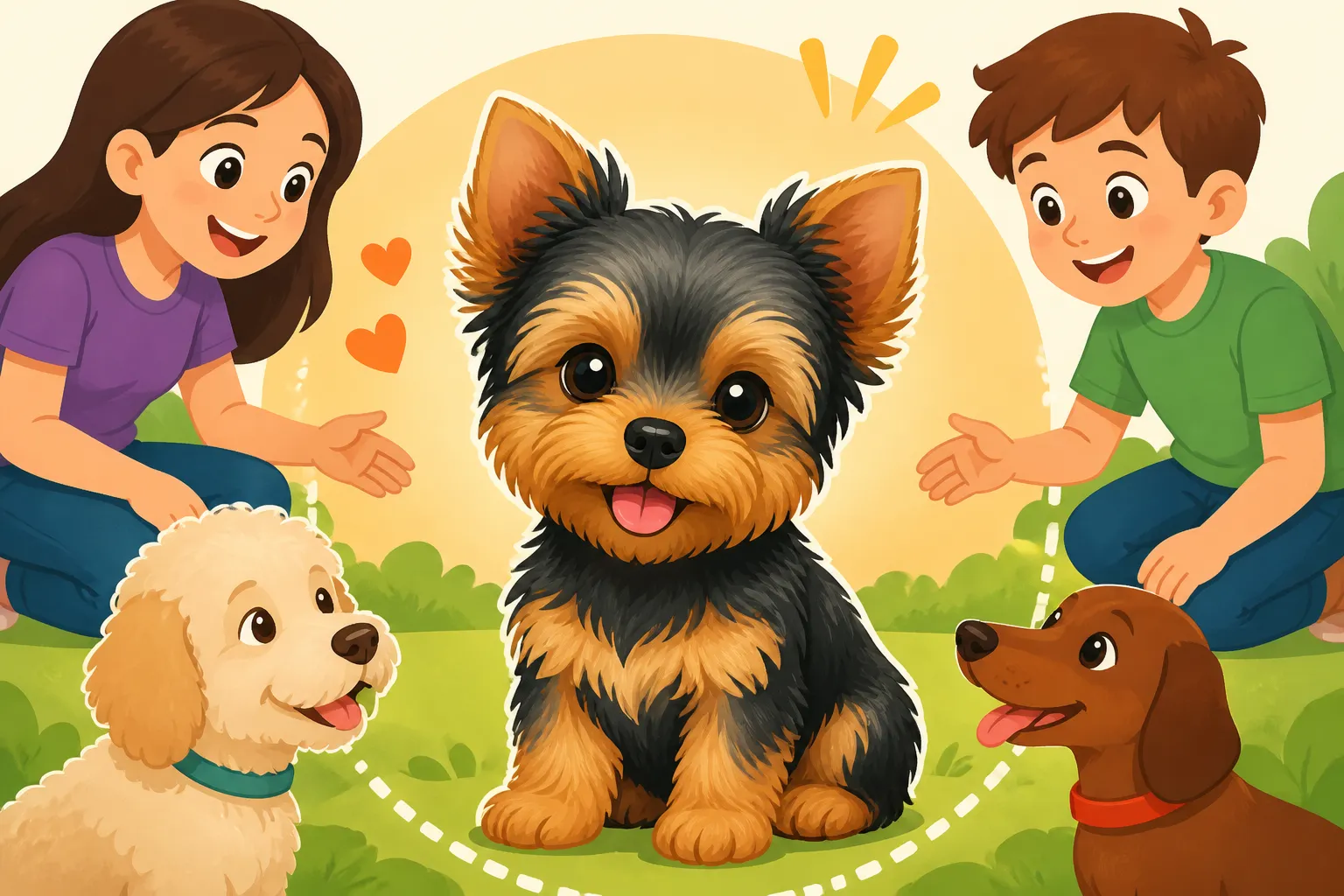
How to Socialize a Yorkie Puppy
Bringing a Yorkie puppy home is an absolute joy, but let's be real – it also comes with a lot of questions, especially about how to make sure they grow up to be happy, confident, and well-behaved companions. Many new Yorkie parents worry about their tiny pups being overwhelmed or getting hurt, sometimes leading to inadvertently overprotecting them. This can, unfortunately, result in a shy, fearful, or even aggressive adult dog. This comprehensive guide is here to walk you through the essential steps and practical tips for successfully socializing your Yorkshire Terrier puppy, ensuring they develop into a delightful, well-adjusted member of your family and the wider world.
Why Socialization is Absolutely Crucial for Your Yorkie Puppy
It’s easy to think that because Yorkies are small and often stay close to their humans, extensive socialization isn't as important as it would be for a larger, more independent breed. But that couldn't be further from the truth! Proper socialization is perhaps more critical for small breeds like Yorkshire Terriers precisely because they can be more prone to fear-based behaviors or "small dog syndrome" if not exposed correctly and positively.
Preventing Behavioral Problems Down the Line
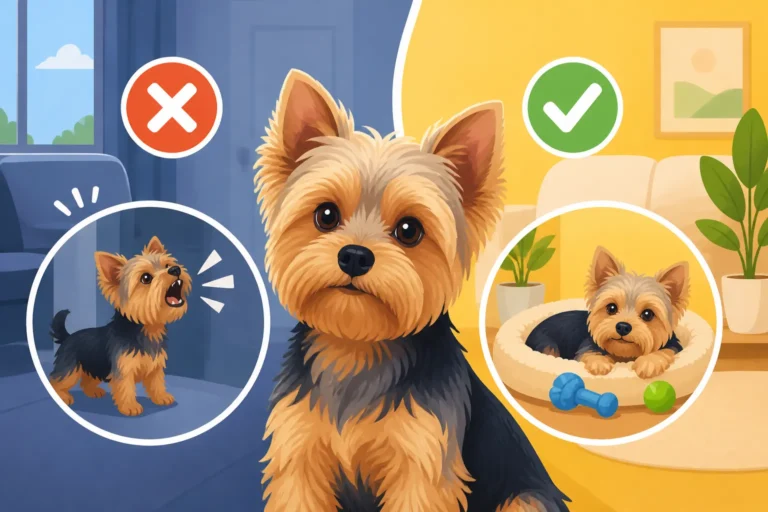
Imagine a scenario: you have a tiny, adorable Yorkie puppy, and you keep them mostly at home, only letting them interact with a select few people and perhaps one other calm pet. While this might feel safe, what happens when you suddenly need to take them to the vet, or a friend with kids comes over, or you encounter a boisterous Golden Retriever on your walk? For an unsocialized Yorkie, these everyday occurrences can be terrifying. This fear often manifests as undesirable behaviors: excessive barking, growling, lunging, snapping, or even trying to bite. These aren't signs of a "mean" dog, but rather a dog who is genuinely scared and trying to protect themselves.
A lack of early, positive exposure can pave the way for a host of issues, including generalized anxiety, fear of strangers, fear of other dogs, noise phobias (like thunderstorms or fireworks), and even aggression. It’s a sad truth that many behavioral issues in adult dogs could have been prevented with thoughtful and consistent socialization during their puppyhood. Taking the time now to properly introduce your Yorkie puppy to the world is an investment in their future happiness and your peace of mind. Without it, you might find yourself constantly trying to manage a dog who is stressed out by routine events, which is no fun for anyone. For more insight into common canine challenges, you might want to read our guide on Yorkshire Terrier Behavior Problems and Solutions.
Building a Confident and Well-Adjusted Dog
On the flip side, a well-socialized Yorkie puppy grows into a confident, adaptable, and genuinely happy adult dog. They understand that the world isn't a scary place and that new experiences can actually be enjoyable. When your Yorkie has met a variety of people, heard different sounds, and explored new environments during their formative weeks, they learn to process these stimuli without panic. This confidence translates into a dog who is relaxed during vet visits, happy to meet new human friends, tolerant of different dogs at the park, and generally more resilient to changes in routine.
Think of it this way: a confident Yorkie is a joy to live with. They're more likely to enjoy walks, car rides, and trips to pet-friendly places. They'll be less prone to stress-related illnesses and generally have a higher quality of life. This isn't about creating a dog who loves everyone and everything – that's unrealistic – but rather a dog who can calmly observe and cope with the unfamiliar, without resorting to fear-based reactions. It’s about equipping them with the emotional tools they need to navigate a human world. Building this foundation early is key to a long, happy life together.
The Golden Window: When to Start Yorkie Puppy Socialization
Timing is everything when it comes to puppy socialization. There’s a specific period where puppies are most receptive to new experiences, and leveraging this "golden window" is critical for optimal development.
Understanding the Critical Socialization Period
The most crucial period for socialization in puppies generally occurs between 3 and 16 weeks of age. During this time, a puppy's brain is like a sponge, soaking up every experience and forming lasting impressions about the world. They are naturally curious and less fearful, making them highly receptive to new sights, sounds, smells, people, and other animals. If they have positive experiences during this window, they’re far more likely to accept similar things as normal and non-threatening later in life.
However, once this window starts to close, typically around 12-16 weeks, puppies can become more cautious or even fearful of novel situations. This isn't to say that socialization stops then – it absolutely continues throughout their life – but it becomes much harder to introduce new things without significant effort and careful management if the early foundation isn't there. Many veterinarians now advocate for smart, safe socialization even before a puppy has completed all their vaccinations, emphasizing the behavioral risks of isolation outweighing the relatively low infectious disease risks in controlled environments. Always consult your vet for their specific guidance on balancing health risks with socialization needs in your local area.
Early Steps: What You Can Do from Day One
Even before your puppy has had all their vaccinations and can safely explore the great outdoors, there’s so much you can do at home to kickstart their socialization. The key is exposure, not immersion. You want to introduce them to new things in a controlled, positive, and non-overwhelming way.
From the moment your Yorkie puppy arrives home, typically around 8-10 weeks, start with gentle introductions. Let them meet various people (family members, trusted friends) one or two at a time, ensuring interactions are calm and rewarding. Have different people, including men, women, and even older, gentle children, offer treats or play with a toy. Expose them to different sounds within your home: the vacuum cleaner, the doorbell, the washing machine, music, and even people talking loudly or laughing. Don't force interaction; instead, create positive associations. For example, turn on the vacuum cleaner in another room while your puppy is happily munching on a treat. You want them to associate these sounds with positive experiences, not fear.
Another excellent step is crate training. Introducing a crate as a safe, comfortable den right away can help with everything from potty training to creating a secure space during potentially stressful events. Our guide on How to Crate Train a Yorkie offers detailed advice. Remember, short, frequent, positive exposures are far better than infrequent, overwhelming ones.
| Socialization Checklist for Yorkie Puppies (8-16 Weeks) | Exposure Type | Goal | Daily/Weekly Target | Notes |
|---|---|---|---|---|
| People | Diverse individuals | Positive interactions with strangers | 2-3 new people/week | Different ages, genders, hats, glasses, voices. Offer treats. |
| Sounds | Household/Outdoor | Calm reaction to various noises | Ongoing | Vacuum, doorbell, TV, traffic, children playing, music. |
| Surfaces | Different textures | Comfort on varied grounds | Ongoing | Carpet, tile, wood, grass, concrete, gravel, grates. |
| Objects | Novel items | Curiosity, not fear, of new things | 1-2 new objects/day | Umbrellas, strollers, bicycles, shopping carts, bags. |
| Environments | New places | Adaptability to different surroundings | 1-2 new places/week | Pet store (carried), park (carried/on leash), friend's house. |
| Other Dogs | Vaccinated, calm | Polite greeting, appropriate play | 1-2 sessions/week | Small, calm dogs initially. Puppy classes are ideal. |
| Handling | Gentle touching | Comfortable with vet exams/grooming | Daily | Paws, ears, mouth, belly. Pair with treats. |
Practical Steps for Socializing Your Yorkie Puppy
Once your veterinarian gives the green light, and even before then in controlled settings, it’s time to widen your Yorkie’s world. The goal is positive association with everything new.
Introducing Your Yorkie to Diverse People and Experiences
Your Yorkie needs to understand that not all humans are "their human." To do this, you need to expose them to a broad range of people in a safe and controlled manner. Think about all the different types of people your dog might encounter: men with deep voices, women with high-pitched voices, children, people wearing hats, people with glasses, people in wheelchairs, people carrying bags, people of different ethnicities. Each of these can present a novel stimulus that an unsocialized puppy might find alarming.
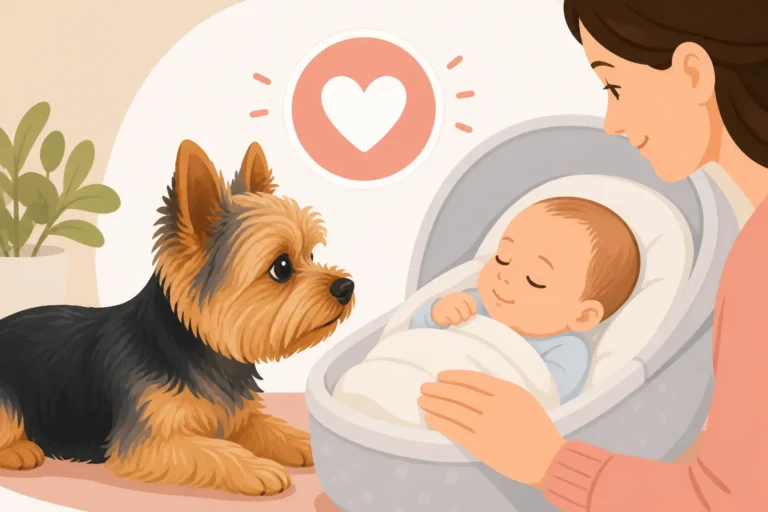
Start with small, low-key interactions. Invite a friend over who your puppy hasn’t met yet. Ask them to ignore the puppy at first, allowing the pup to approach them on their own terms. Once the puppy shows curiosity, your friend can gently offer a high-value treat – tiny pieces of cooked chicken or cheese work wonders for Yorkies. The key is never to force an interaction. If your puppy seems overwhelmed, take a step back. Keep interactions short and positive. When introducing children, always supervise closely. Teach children how to gently interact with a small dog and remind them that the puppy might be fragile. Sometimes, having children sit on the floor and remain still while the puppy explores them can be a great first step. Remember, the world is full of different people, and your Yorkie should learn that most of them are friendly and fun, especially if they come with treats!
Beyond people, consider experiences. Take your Yorkie for short car rides (safely secured in a Best Carrier for a Yorkshire Terrier or car seat), visit a quiet pet-friendly store (carrying them at first, or using a stroller made for small dogs), or just sit on a park bench and observe the world go by. The sights and sounds of a busy street, the smell of a park, the feel of different textures under their tiny paws – all contribute to a rich tapestry of experiences that build resilience.
Safe and Positive Encounters with Other Dogs and Animals
This is where many Yorkie owners get nervous, and understandably so. Because of their small size, Yorkies can be vulnerable to larger, more boisterous dogs. However, avoiding other dogs altogether is a recipe for a fearful and potentially aggressive adult Yorkie. The trick is smart, managed interactions.
The absolute best way to introduce your Yorkie puppy to other dogs is through puppy classes. These classes, often found at local pet stores or training facilities, are specifically designed for puppies within the crucial socialization window. They provide a safe, supervised environment where pups can learn appropriate play behaviors with dogs of similar size and temperament. The trainers are invaluable in guiding these interactions and teaching you how to read dog body language.
If puppy classes aren't an option, seek out friends or family members who have calm, fully vaccinated adult dogs that are known to be good with puppies. A carefully controlled playdate in a secure, neutral yard can be incredibly beneficial. Always supervise closely. Watch for signs of stress in your Yorkie (tucked tail, flattened ears, trying to hide) or overly rough play from the other dog. Keep initial interactions short and positive. Never let a large dog "tower over" or overwhelm your small Yorkie. The goal is for your Yorkie to learn that other dogs can be fun companions, not threats. For more detailed advice, check out our article on How to Introduce a Yorkie to Other Dogs.
What about other animals, like cats? If you have a multi-pet household, introducing a Yorkie to a cat requires patience and supervision. Start with scent swapping, then move to supervised visual contact through a baby gate. Always ensure the cat has an escape route and high places to retreat to. Never leave them unsupervised until you are 100% confident they are comfortable and safe with each other. Our guide on How to Introduce a Yorkie to Cats offers more in-depth strategies.
Desensitizing Your Puppy to Sounds and Environments
The world is a noisy and ever-changing place, and your Yorkie needs to be able to cope with it all without becoming a nervous wreck. Desensitization means gradually exposing your puppy to various sounds and environments in a way that helps them habituate to these stimuli, rather than react fearfully.
Think about the everyday sounds that might startle a sensitive pup: sirens, construction noises, car alarms, skateboards, loud children, sudden banging, even just the rustle of leaves or the sound of an Amazon delivery truck. You can proactively desensitize your puppy by playing recordings of these sounds at a very low volume while they are engaged in a positive activity, like eating a meal or playing with a favorite toy. Gradually increase the volume over days or weeks, always observing your puppy’s comfort level. If they show any signs of fear, lower the volume or take a break. The goal is for them to barely notice the sound or associate it with something good.
Beyond sounds, exposing your Yorkie to different environments is just as crucial. Take them to places with various sights and smells. This could be a pet-friendly hardware store where they can ride in a cart (safely lined with a blanket, of course), a quiet park, or even just a walk around a new neighborhood. The key is variety and positive reinforcement. Always bring treats! Let them sniff around, explore, and praise their bravery. Short, positive outings are far more effective than long, overwhelming ones. Remember, your presence and calm demeanor are your puppy’s most important anchors in an unfamiliar world. For specific tools that can aid in training and desensitization, an online retailer like Amazon offers a wide range of sound machines, puzzle toys, and different types of leashes and harnesses suitable for small breeds.
Tools and Techniques for Successful Socialization
Effective socialization isn't just about exposing your puppy; it's about how you do it. Using the right tools and techniques can make a world of difference in building a confident, happy Yorkie.
Positive Reinforcement and High-Value Treats
When it comes to training and socialization, positive reinforcement is your best friend, especially for a sensitive breed like the Yorkie. This means rewarding desired behaviors, rather than punishing unwanted ones. For a puppy exploring a new sound or meeting a new person, even just not reacting negatively is a win that deserves a reward.
High-value treats are critical. These aren't your everyday kibble; they're tiny, incredibly delicious morsels that your Yorkie goes wild for. Think small pieces of cooked chicken, cheese, or specialized training treats from brands like Zuke's or Wellness. When your puppy calmly observes a new person, offer a treat. When they hear a strange noise and don't panic, offer a treat. The goal is to create a strong positive association: "New thing = yummy treat!" This teaches them that new experiences are not only safe but also rewarding.
Another form of positive reinforcement is praise and gentle petting. A happy, encouraging tone from you can go a long way in boosting your puppy’s confidence. Keep training sessions short, fun, and frequent. A Yorkie puppy has a short attention span, so a few 5-minute sessions throughout the day are much more effective than one long, tedious one. For ideas on what specific treats to use, consult our guide on Best Treats for Training a Yorkie. Always have a supply ready during socialization outings!
Puppy Classes and Structured Socialization Programs
While one-on-one socialization with trusted friends and family is important, nothing quite replaces a well-run puppy class. These classes are specifically designed to introduce puppies to a variety of appropriate stimuli in a controlled, safe environment. Look for classes that prioritize positive reinforcement and focus on safe, supervised play. A good puppy class will typically:
- Offer controlled off-leash play: Puppies learn how to interact with different dog personalities and body language, and you learn how to identify appropriate vs. inappropriate play.
- Expose puppies to various surfaces and objects: Tunnels, wobble boards, different flooring – all help build confidence and body awareness.
- Introduce gentle handling exercises: Prepares your pup for vet visits and grooming.
- Provide opportunities to meet diverse people: Guests or different trainers allow pups to interact with a variety of human types.
- Address common puppy behaviors: Topics like potty training, nipping (our article How to Stop a Yorkie from Biting can help here too), and basic obedience are usually covered.
Many reputable trainers, both in-person and through online platforms like BAXTER & Bella, offer structured puppy programs that include comprehensive socialization guidance. These programs often provide a detailed curriculum, expert advice, and a supportive community for new puppy parents. Participating in such a program can provide invaluable peace of mind and significantly bolster your Yorkie’s early development.
Essential Gear for Safe Exploration
Equipping yourself with the right gear ensures that your socialization efforts are not only effective but also safe for your tiny Yorkie. Their small size makes them more vulnerable, so protection is paramount.
First and foremost, a well-fitting harness is a must. Never use a collar for walks or leash training with a Yorkie, as their delicate tracheas are prone to injury, like collapsing trachea. A good harness distributes pressure across their chest and shoulders, protecting their neck. Look for lightweight, comfortable harnesses specifically designed for toy breeds. You'll find a great selection on Amazon or at your local pet supply store.
A lightweight, thin leash (around 4-6 feet long) is also essential. Avoid heavy, thick leashes that might feel cumbersome to your small pup. For car travel, a secure carrier or a specialized car seat will keep them safe during trips to new places. This prevents them from becoming a projectile in a sudden stop and minimizes distractions for the driver.
Consider a stroller for very young puppies or in crowded areas. This allows them to experience new sights, sounds, and smells from a safe vantage point without the risk of being stepped on or overwhelmed. It's a fantastic way to expose them to busy environments before they are ready to walk on the ground amongst many people or larger dogs. Finally, always have a small pouch of high-value treats and a favorite small toy on hand to reinforce positive experiences during your outings.
Overcoming Common Socialization Challenges
Even with the best intentions, you might encounter bumps in the road during your Yorkie's socialization journey. It's completely normal, and understanding how to address these challenges effectively is key.
Handling Fear, Shyness, or Over-Excitement
Some Yorkies, despite early positive exposure, might naturally be more timid or fearful, while others might react with excessive barking or over-excitement when confronted with new stimuli. Recognizing these signs early is crucial.
If your Yorkie shows signs of fear (tail tucked, ears back, shivering, trying to hide, excessive licking of lips), never force them into an interaction. This will only intensify their fear. Instead, create distance from the trigger, allow them to observe from afar, and reward them with treats and praise for calmly observing. This is where the concept of "desensitization and counter-conditioning" comes in. Gradually, very slowly, decrease the distance to the trigger, always ensuring your Yorkie remains below their "fear threshold." If they start showing signs of fear, you've gone too far, too fast. This process takes immense patience. Our article on How to Socialize a Shy Yorkie provides more specific techniques.
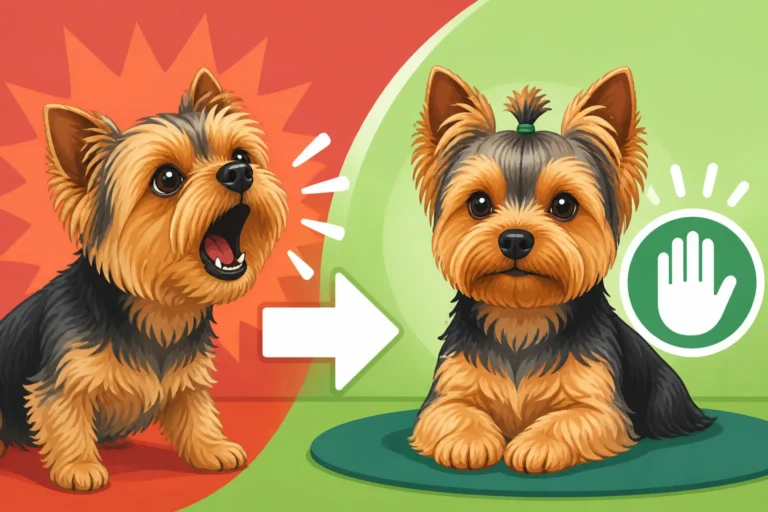
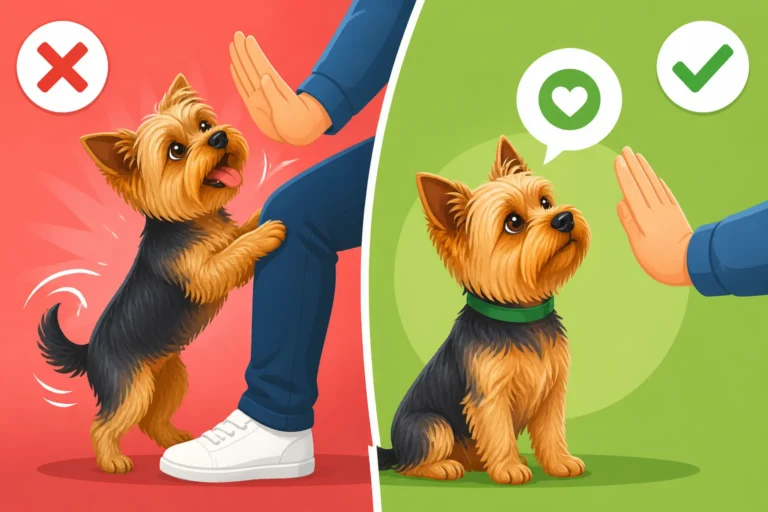
For the over-excited Yorkie who barks incessantly or jumps up, the approach is different. Management is key here. Avoid situations where they become over-stimulated. When meeting new people, keep them on a leash and teach them a "sit" or "stay" command before allowing interaction. Reward calm behavior. If they get too excited, turn away, and only re-engage when they've settled. The goal is to teach them that calm behavior gets them what they want (attention, treats), while frantic behavior does not. Consistency is paramount for both fear and over-excitement responses. You are effectively teaching them a new, more appropriate coping mechanism. Our guide How to Build Confidence in a Timid Yorkie might also be helpful.
Addressing "Small Dog Syndrome"
"Small dog syndrome" isn't a medical condition but a behavioral pattern often seen in small dogs whose owners inadvertently allow or even encourage undesirable behaviors. This can include excessive barking at larger dogs, jumping up on people, growling, or even nipping, often stemming from a lack of proper boundaries and socialization, or from feeling vulnerable.
Because Yorkies are so small and cute, it’s easy to pick them up and carry them away from perceived threats (like a bouncy Golden Retriever) or to laugh off a growl directed at a stranger. While done with good intentions, this teaches the Yorkie that their reactive behaviors are effective or even acceptable. It can empower them to believe they need to be "in charge" or aggressively protect themselves because their human isn't teaching them how to cope.
To combat small dog syndrome, treat your Yorkie like any other dog, regardless of size. This means consistent training, clear boundaries, and appropriate socialization. Teach them basic obedience commands like "sit," "stay," "come," and "leave it." Make them walk on a leash politely, rather than being carried everywhere. Encourage polite greetings with other dogs, ensuring these interactions are supervised and safe. Don't reward nervous or aggressive behaviors by comforting them or picking them up. Instead, calmly remove them from the situation and redirect their attention. Enroll in obedience classes and follow a Yorkshire Terrier Puppy Training Schedule to instill good manners and confidence. Remember, a confident Yorkie doesn't feel the need to act "tough" or overly reactive.
Continuing Socialization Beyond Puppyhood
Socialization isn't a one-and-done event that ends when your Yorkie turns 4 months old. It's a lifelong process. While the critical window closes, dogs continue to learn and adapt throughout their lives. The early foundation makes ongoing socialization much easier, but you still need to actively maintain it.
Continue to expose your adult Yorkie to new places, people, and experiences regularly. Vary your walking routes, introduce them to new friends (human and canine) under controlled circumstances, and keep up with occasional visits to pet-friendly establishments. If you notice your Yorkie becoming anxious or reactive to something new, revert to the desensitization and counter-conditioning techniques you used when they were a puppy. Keep all interactions positive and reward calm, confident behavior.
Regular training refreshers are also vital. Even if your Yorkie knows their basic commands, practicing them in different environments with varying distractions helps maintain their focus and confidence. Consider enrolling in advanced obedience classes or trying dog sports like agility, which can be fantastic for mental stimulation and continued positive exposure. A well-socialized adult Yorkie is a joy – they're adaptable, resilient, and ready for whatever adventures life throws their way. Continuous exposure also helps prevent issues like Yorkshire Terrier Separation Anxiety Solutions by building a dog that is secure in a variety of situations, not just when you are present.
Disclaimer
Please remember that the information provided in this article is for educational purposes only and should not be considered a substitute for professional veterinary advice. Always consult with a qualified veterinarian or certified professional dog trainer for any health concerns or before making any decisions about your pet's health or training regimen. Individual dogs may react differently to specific foods, training methods, or environments.