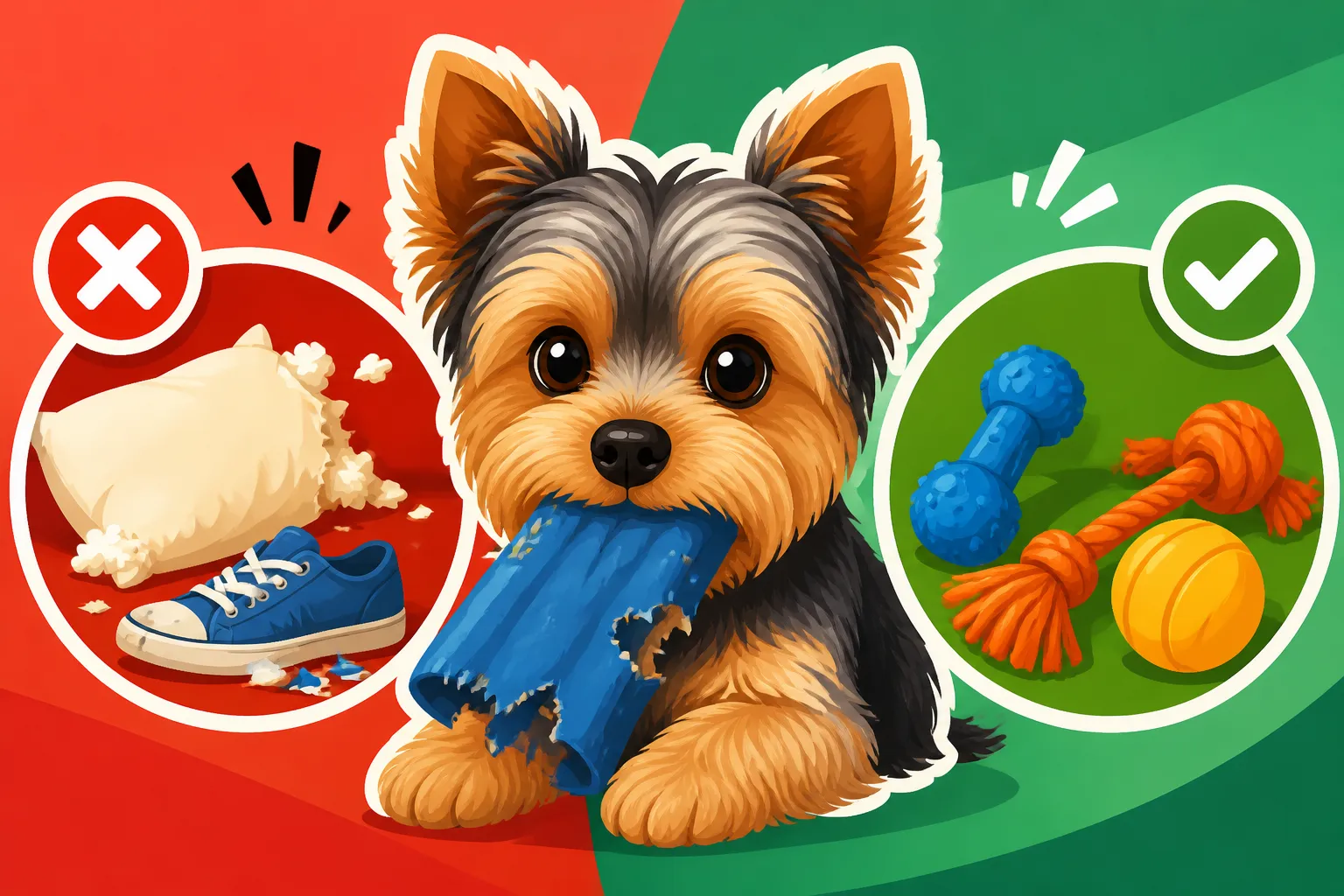
How to Stop Yorkie Chewing
It’s incredibly frustrating when your tiny, adorable Yorkshire Terrier decides that your favorite shoe, the leg of your antique coffee table, or even the corner of your brand-new rug is their next chew toy. This destructive behavior isn't just annoying; it can be costly and even dangerous for your little companion. This comprehensive guide will delve into why Yorkies chew, how to curb inappropriate chewing habits, and provide actionable strategies to ensure your home and your precious pup stay safe and happy.
Understanding Why Your Yorkie Chews
Chewing is a completely natural behavior for dogs, stemming from instinctual needs and developmental stages. For a Yorkshire Terrier, despite their small size, these instincts are just as strong as any other breed. Before we can tackle the "how to stop," it's crucial to understand the "why." Pinpointing the root cause is the first step toward finding a lasting solution for your furry friend.
Teething Discomfort in Puppies
Just like human babies, Yorkie puppies go through a teething phase that can be incredibly uncomfortable. From about 3 weeks to 6 months of age, those tiny, needle-sharp puppy teeth erupt, and then fall out, making way for their permanent adult teeth. During this period, puppies experience soreness, itching, and general discomfort in their gums.
To alleviate this irritation, puppies naturally seek out things to chew on. The pressure of chewing provides relief, much like a teething ring for a baby. If you've got a little furball gnawing on everything in sight, from your fingers to furniture, it's highly likely they're trying to soothe their aching gums. Providing appropriate alternatives during this time is paramount. You can learn more about managing a young pup's health in our comprehensive Yorkshire Terrier Puppy Health Guide.
Boredom and Lack of Mental Stimulation
Yorkies are intelligent, energetic little dogs, and despite their small stature, they have significant mental and physical exercise needs. If a Yorkie isn't getting enough stimulation, either through play, walks, or training, they can become bored. Boredom often leads to destructive behaviors, and chewing is a classic example.
Imagine being stuck in a room with nothing to do all day. Your Yorkie might start "making their own fun" by exploring objects with their mouth. Chewing provides a release for pent-up energy, helps alleviate stress, and can be a self-soothing mechanism. This is especially true if your Yorkie is left alone for long periods without adequate enrichment. A lack of activity can easily spiral into a household full of chewed-up items.
Anxiety and Stress Relief
Yorkshire Terriers are known for being quite bonded to their humans, which can sometimes manifest as separation anxiety. When left alone, or when experiencing other stressors like new environments or loud noises, chewing can become a coping mechanism. It helps to release endorphins, which can have a calming effect on an anxious dog.
If you notice your Yorkie only chews when you're away, or if their chewing is accompanied by other signs of anxiety like excessive barking, pacing, or house-soiling, then stress is likely a major factor. Addressing the underlying anxiety, such as through strategies for Yorkshire Terrier Separation Anxiety Solutions, will be key to resolving the chewing.
Exploration and Investigation
For puppies and even young adult Yorkies, the world is a fascinating place to explore, and their mouths are their primary tools for investigation. Much like a human baby puts everything in their mouth to learn about its texture and taste, a Yorkie will do the same. This exploratory chewing isn't necessarily destructive in intent, but it can quickly become so if they pick the wrong objects.
This type of chewing often happens when a new item is introduced into their environment, or when they discover something previously out of reach. They might not be trying to destroy it, but rather to understand it. However, because their teeth are so strong and their curiosity is boundless, even exploratory chewing can quickly turn into a ruined possession.
Puppy Chewing: Navigating the Teething Phase
Puppy chewing is a rite of passage for all dog owners, and Yorkie owners are no exception. While it can be frustrating, understanding this phase and implementing preventative measures early on can save you a lot of headaches (and shoes!).
Teething Timeline and Stages
A Yorkie puppy's teething journey typically begins around 3-4 weeks of age when their milk teeth start to emerge. By about 8 weeks, they usually have a full set of 28 tiny, sharp puppy teeth. Then, starting around 12 weeks (3 months), those puppy teeth begin to fall out, making way for 42 permanent adult teeth. This process continues until about 6-7 months of age.
During the periods when teeth are erupting and falling out, your puppy's gums will be sore and itchy. You might notice them drooling more, having a decreased appetite, or even finding tiny lost puppy teeth around the house. This is when the urge to chew becomes almost irresistible. Recognizing these stages helps you anticipate their needs and provide relief before they find your favorite slippers. This critical developmental period is covered in more detail in our Common Yorkie Puppy Illnesses guide.
Providing Pain Relief and Safe Chew Options
The best way to manage puppy teething is to provide plenty of appropriate, safe chew items designed to soothe their gums. Look for toys that can be frozen, as the cold sensation can numb the gums and offer immense relief. Brands like Nylabone offer puppy-specific chews that are softer than adult versions but still durable enough for growing teeth. Kong Puppy Teething Sticks, available on Amazon, are also fantastic because you can stuff them with a bit of plain yogurt or peanut butter and then freeze them, creating a long-lasting, soothing treat.
Rotate these toys regularly to keep your puppy interested. A toy that was ignored yesterday might be a favorite today if it's new again. Always supervise your puppy with new chew toys to ensure they are safe and don't pose a choking hazard. For specific recommendations, check out our guide on the Best Toys for Yorkshire Terriers.
Puppy-Proofing Your Home
Prevention is always better than cure, especially with a teething puppy. Puppy-proofing your home means making it safe for your Yorkie and protecting your belongings from their curious mouths. This involves getting down on their level and looking for anything that could be chewed or swallowed.
- Remove temptations: Put away shoes, bags, remote controls, books, and anything valuable or dangerous.
- Secure electrical cords: Use cord protectors, tie them up, or run them through PVC pipes to prevent electrocution.
- Block off access: Use baby gates to restrict your puppy's access to certain rooms where temptations might be harder to remove.
- Elevate items: Keep laundry baskets, houseplants, and anything else chewable off the floor and out of reach.
A well-puppy-proofed home not only protects your belongings but also keeps your little Yorkie safe from ingesting harmful items, which can lead to emergency vet visits and significant health concerns.
Adult Yorkie Chewing: Behavioral and Environmental Factors
While teething is a temporary phase, adult Yorkies can also develop problematic chewing habits. These behaviors often stem from deeper issues and require a more nuanced approach than simply providing a chew toy.
Stress, Anxiety, and Fear
Adult Yorkies, being highly sensitive and intelligent, can experience stress or anxiety for various reasons, and chewing often serves as an outlet. Separation anxiety is a common culprit; if your Yorkie starts chewing furniture or doorframes only when you leave, it's a clear sign they're distressed. Other stressors can include changes in routine, new pets or family members, loud noises (like thunderstorms or fireworks), or even feeling insecure in their environment.
When a Yorkie is fearful or anxious, the act of chewing can release tension and provide a sense of control or comfort. This isn't out of malice, but a genuine coping mechanism. Identifying the source of their stress is critical. Observing their behavior patterns, considering recent changes, and even consulting with a vet or a professional dog trainer about Yorkshire Terrier Behavior Problems and Solutions can help uncover the underlying cause.
Lack of Exercise and Mental Stimulation
It's easy to underestimate the exercise needs of a small dog like a Yorkie. Many people assume their tiny legs mean they don't need much activity, but that's a misconception. A bored Yorkie with pent-up energy will often resort to chewing. They need both physical exercise and mental challenges to stay happy and well-behaved.
Daily walks, even short ones, are essential, but also consider playtime with toys, puzzle feeders, and training sessions. Mental stimulation is just as important as physical exertion. Engaging their minds with new commands or interactive toys can prevent them from looking for "work" in destructive ways. Without proper outlets, that energetic terrier spirit can easily turn to chewing on your baseboards. Our guide on Yorkshire Terrier Exercise Needs offers great tips.
Learned Behavior and Habit Formation
Sometimes, chewing isn't driven by discomfort or anxiety, but simply by habit. If a Yorkie was allowed to chew inappropriate items as a puppy, or if they discovered that chewing something like a shoe gets your attention (even negative attention), they might continue the behavior into adulthood. They've learned that chewing works for them, either by providing stimulation or by eliciting a response from you.
Breaking a learned habit requires consistency and patience. It means interrupting the behavior every single time it happens, redirecting them to an appropriate chew toy, and rewarding them for chewing the right things. This is where solid obedience training, which you can explore in How to Train a Yorkshire Terrier, becomes incredibly valuable in establishing clear boundaries.
Effective Strategies to Manage and Prevent Chewing
Once you've got a handle on why your Yorkie might be chewing, it's time to put some concrete strategies into action. These methods focus on prevention, redirection, and consistent training to shape their behavior positively.
Consistent Supervision and Management
The most straightforward way to prevent inappropriate chewing is to supervise your Yorkie, especially when they are young or prone to destructive habits. This doesn't mean hovering over them 24/7, but rather being actively engaged when they are out and about in the house. If you can't supervise them directly, contain them in a safe, puppy-proofed area like a playpen or a crate.
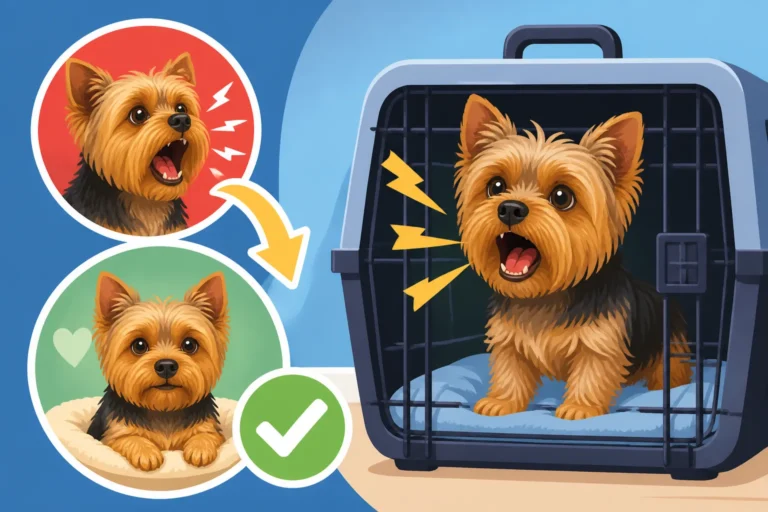
Using a crate effectively is a game-changer for many Yorkie owners. A properly introduced and sized crate should be a safe den, not a punishment. When your Yorkie is in their crate, they should have access to appropriate chew toys, water, and feel secure. This containment prevents them from practicing bad habits when you're not there to interrupt. For guidance on creating a positive crate experience, refer to our Yorkshire Terrier Crate Training Guide.
Providing Appropriate Chew Toys
This cannot be stressed enough: your Yorkie needs things to chew. The goal isn't to stop chewing entirely, but to redirect it to acceptable items. A variety of textures, shapes, and sizes of chew toys will keep your Yorkie engaged. Consider different types:
- Rubber Chews: Durable and often hollow for stuffing with treats (like a classic Kong). Brands like Kong or West Paw offer excellent options.
- Nylon Chews: Long-lasting and satisfying for strong chewers, but ensure they don't splinter into sharp pieces (e.g., Nylabone).
- Edible Chews: Dental chews (like Greenies or Virbac C.E.T. VeggieDents, found on Amazon or Chewy) that help clean teeth while satisfying the urge to chew. Always choose size-appropriate options and supervise.
- Puzzle Toys: These combine mental stimulation with chewing, making them incredibly effective for bored Yorkies.
Rotate toys regularly to keep them novel and exciting. If a toy loses its appeal, put it away for a few days and then reintroduce it. This keeps your Yorkie interested and prevents them from getting bored with their designated chew items. A good rule of thumb is to have at least 3-5 appropriate chew toys readily available at all times.
Using Taste Deterrents
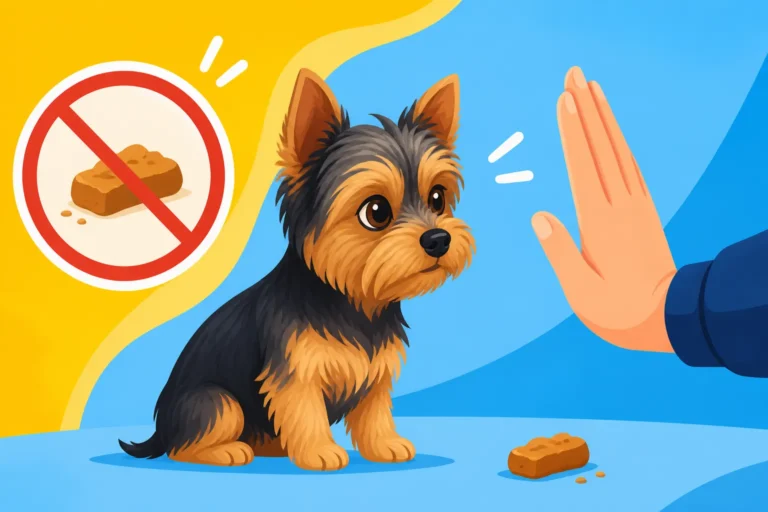
Sometimes, a little help from taste deterrents can discourage chewing on specific off-limits items like furniture legs or electrical cords. Products like bitter apple spray or similar "no chew" sprays are readily available and can make surfaces unappetizing to your Yorkie. The key is to apply them before your Yorkie starts chewing.
How to Use Taste Deterrents Effectively:
- Test in an inconspicuous area: Ensure the spray won't stain or damage the item.
- Apply liberally: You want the taste to be strong enough to be unpleasant.
- Reapply regularly: The taste can fade, especially with cleaning, so keep it fresh.
- Combine with redirection: When your Yorkie approaches the treated item, gently redirect them to an appropriate chew toy and reward them. The spray is a deterrent, not a solution in itself.
It's important to note that some Yorkies are not bothered by these sprays, so you might need to try a few different brands or methods. Always supervise your dog when using deterrents to ensure they don't find a workaround or simply tolerate the taste.
Increasing Physical Activity and Mental Engagement
A tired Yorkie is a good Yorkie, and an engaged Yorkie is less likely to be a destructive one. Incorporate a good mix of physical and mental activities into your Yorkshire Terrier Daily Care Routine.
Physical Activity Ideas:
- Daily walks: Even 15-20 minute walks, twice a day, can make a huge difference. Let them sniff around; it's mentally stimulating!
- Playtime: Fetch, tug-of-war (with appropriate rules), or chasing a laser pointer (used sparingly) indoors or in a secure yard.
- Dog parks (with caution): If socialized, a small dog park can be great, but ensure it's safe for small breeds like Yorkies.
Mental Engagement Ideas:
- Puzzle feeders: Instead of a regular bowl, make them work for their meals with a puzzle toy.
- Training sessions: Even 5-10 minutes a day of practicing tricks or basic obedience commands can tire them out mentally.
- Scent games: Hide treats around the house and let your Yorkie use their nose to find them.
A balanced routine that addresses both their physical energy and their clever minds will significantly reduce their desire to chew out of boredom.
Redirecting Chewing: Providing Appropriate Alternatives
The cornerstone of solving inappropriate chewing is teaching your Yorkie what they can chew on. This positive reinforcement approach is far more effective than simply punishing them for chewing the "wrong" things.
The Power of Positive Reinforcement
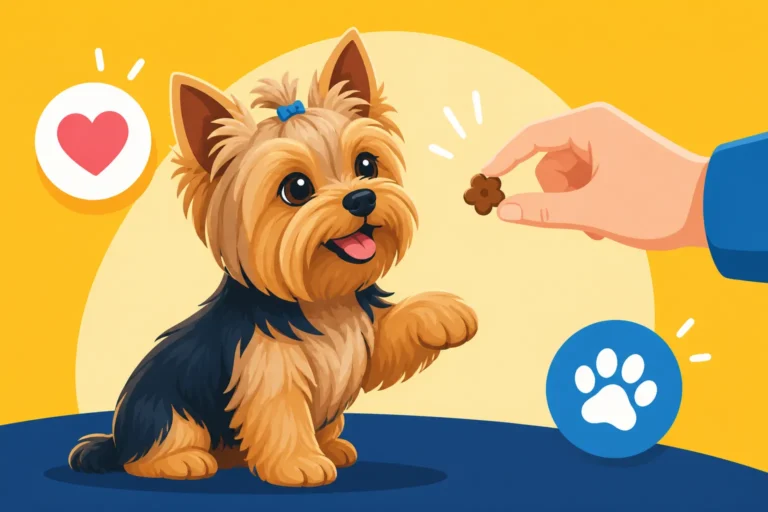
When you catch your Yorkie chewing on something they shouldn't, avoid yelling or harsh punishment. This can create fear and anxiety, potentially worsening the behavior or leading to new issues. Instead, interrupt them calmly (a gentle "eh-eh" or clap) and immediately redirect them to an appropriate chew toy. As soon as their mouth touches the toy, praise them enthusiastically ("Good chew!") and offer a small, high-value treat.
This teaches them that choosing the right item leads to rewards and positive attention. Consistency is key. Every single time they go for an inappropriate item, redirect. Every single time they choose an appropriate chew toy, reward. Companies like BAXTER & Bella, known for their online puppy training programs, often emphasize this positive reinforcement strategy for all behavioral issues, including chewing.
Interactive and Puzzle Toys
Interactive toys are invaluable for mental stimulation and keeping your Yorkie busy. These aren't just for puppies; adult Yorkies can benefit immensely from the challenge.
Types of Interactive Toys:
- Food-dispensing toys: These require your Yorkie to manipulate the toy to get kibble or treats out. They can keep a Yorkie occupied for significant periods.
- Snuffle mats: These fabric mats have hidden pockets and folds where you can hide treats, encouraging sniffing and problem-solving.
- Slow feeders: While not strictly "chew" toys, they make mealtime last longer and engage your Yorkie's mind.
By making your Yorkie work for their rewards, you're tapping into their natural foraging instincts, which can be incredibly satisfying for them and reduce the urge for destructive chewing. These types of toys are widely available on platforms like Amazon, offering a vast selection to suit any Yorkie's preferences.
Long-Lasting Edible Chews
Beyond dental chews, there are other long-lasting edible chews that can keep your Yorkie happily occupied. These should always be size-appropriate and given under supervision to prevent choking hazards or excessive consumption.
Consider options like:
- Yak cheese chews: Made from hardened yak and cow milk, these are very durable.
- Bully sticks: High in protein and digestible, they are a favorite for many dogs.
- Natural bones (e.g., smoked marrow bones): Ensure they are appropriately sized and non-splintering. Avoid cooked bones.
When selecting edible chews, always choose reputable brands and consult your vet if you have concerns about your Yorkie's dental health or digestive system. These provide an excellent, satisfying outlet for chewing that also offers a treat component.
Here's a quick comparison of some popular chew toy categories:
| Chew Toy Type | Pros | Cons | Best For |
|---|---|---|---|
| Rubber/Stuffable | Durable, good for stuffing, soothing for gums | Some determined chewers can destroy them | Puppies, anxious chewers, boredom |
| Nylon Chews | Very durable, good for strong chewers | Can be too hard for some dogs, may cause dental issues | Persistent chewers, dental health |
| Edible Dental | Helps clean teeth, digestible, satisfying | Can be consumed quickly, may cause digestive upset if overfed | Daily chewing, promoting dental hygiene |
| Interactive/Puzzle | Mental stimulation, slow feeding, reduces boredom | Requires owner involvement for setup, can be messy | Intelligent dogs, reducing boredom and anxiety |
| Yak Cheese/Bully Sticks | Long-lasting, digestible, natural ingredients | Can be expensive, some odor, supervision required | Satisfying strong chewers, natural option |
When to Seek Professional Help for Chewing
While many chewing issues can be managed with consistent training and environmental adjustments, there are times when it's best to call in the experts. Recognizing these signs can save you time, frustration, and potentially prevent your Yorkie from harming themselves.
Persistent Destructive Chewing
If you've diligently applied all the strategies—supervision, appropriate toys, exercise, redirection—and your Yorkie continues to chew destructively, especially on dangerous items like electrical cords, drywall, or metal, it's a red flag. Persistent, uncontrollable destruction suggests a deeply ingrained behavioral issue or a high level of anxiety that you might not be able to address on your own.
A professional dog trainer specializing in positive reinforcement or a veterinary behaviorist can help identify the root cause of the behavior and develop a customized training plan. They can provide insights into your Yorkie's specific triggers and teach you advanced techniques to manage and modify the behavior effectively.
Self-Harm or Ingesting Harmful Objects
If your Yorkie starts chewing on themselves excessively, causing skin irritation, hot spots, or even open wounds, this is a serious concern requiring immediate attention. Similarly, if you notice your Yorkie ingesting non-food items like fabric, rocks, or plastic (a condition known as pica), it's dangerous and can lead to internal blockages or poisoning.
These behaviors indicate significant stress, anxiety, or potentially an underlying medical condition. A vet can rule out medical causes for self-chewing or pica. If it's behavioral, a veterinary behaviorist is often the most appropriate professional to consult, as they can diagnose and treat complex behavioral disorders, sometimes including medication if necessary. For concerns about harmful ingestions, our guide on Yorkie Emergency Symptoms to Never Ignore can provide critical information.
Sudden Onset or Changes in Chewing Behavior
A sudden, unexplained change in your Yorkie's chewing habits, especially if they've never been a destructive chewer before, warrants investigation. If an adult Yorkie suddenly starts chewing everything in sight, it could be a sign of:
- Pain or discomfort: Dental issues, upset stomach, or other physical ailments can sometimes manifest as increased chewing. Yorkie Dental Disease Prevention is crucial as poor dental health can lead to discomfort and excessive chewing.
- New anxieties: A recent traumatic event, a change in household dynamics, or a new fear could be triggering the behavior.
- Cognitive decline: In older Yorkies, a sudden onset of destructive behaviors might be a sign of canine cognitive dysfunction.
Any sudden shift in behavior should prompt a visit to your veterinarian first to rule out any medical issues. If health concerns are eliminated, then consulting a professional trainer or behaviorist is the next logical step to address the behavioral components. A professional can help decipher what your Yorkie is trying to tell you through their chewing.
Conclusion: Patience and Consistency are Key
Dealing with Yorkie chewing can feel like an uphill battle, but it's a common challenge that many small dog owners face. Remember, chewing is a natural instinct, and your goal isn't to eliminate it entirely but to channel it toward appropriate outlets. By understanding the reasons behind your Yorkie's chewing, consistently implementing management and redirection strategies, and providing ample physical and mental stimulation, you can successfully curb destructive habits. Patience, consistency, and a proactive approach are your best tools in helping your Yorkie become a well-behaved, happy companion who chews only what's meant for them.
Disclaimer
Please note that the information provided in this guide is for informational purposes only and does not constitute veterinary advice. Always consult with a qualified veterinarian or certified professional dog trainer for any health concerns or behavioral issues specific to your Yorkshire Terrier.