How to Teach a Yorkie to Leave It
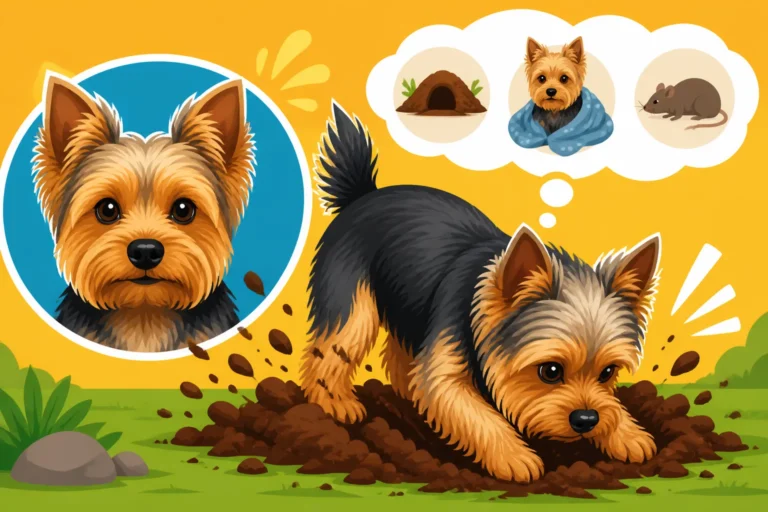
It's incredibly frustrating, and let's be honest, downright scary, when your tiny Yorkshire Terrier decides that the discarded chicken bone on the sidewalk or that suspicious-looking pill on the floor is the most delicious thing they've ever seen. Their quick reflexes and curious noses often lead them to dangerous situations. This comprehensive guide is here to walk you through, step-by-step, how to teach your Yorkie the crucial "Leave It" command, safeguarding them from potential hazards and instilling excellent manners.
Why the "Leave It" Command is Absolutely Essential for Your Yorkie
For such a small dog, Yorkies have a surprisingly big personality and an even bigger curiosity. This combination, while charming, can also lead them into perilous situations. The "Leave It" command isn't just a fancy trick; it's a vital life skill that every Yorkshire Terrier owner needs to teach for their dog's safety and well-being.
Protecting Your Yorkie from Hazards
Imagine walking your little companion, enjoying a beautiful day, when suddenly they lunge for something shiny and interesting on the ground. Before you can even react, it's in their mouth. For a Yorkie, with their delicate digestive systems and small size, ingesting the wrong thing can quickly become a medical emergency. The "Leave It" command empowers you to prevent these frightening scenarios.
Whether it’s toxic plants in your neighbor’s garden, dropped medication in your home, broken glass on the street, or even discarded human food like chocolate or grapes which are highly poisonous to dogs, "Leave It" acts as an immediate deterrent. Without this command, you're constantly playing a game of "catch me if you can" with your Yorkie and whatever undesirable item they've found. This skill is critical for protecting them from everything from mild stomach upset to life-threatening poisoning or choking hazards. Learning Yorkie Emergency Symptoms to Never Ignore can give you peace of mind, but preventing the emergency in the first place is always the goal.
Promoting Good Manners and Safety
Beyond preventing harm, "Leave It" is also a cornerstone of good canine manners. Picture this: you have guests over, and they accidentally drop a piece of food. Instead of your Yorkie snatching it up, a simple "Leave It" command ensures they wait politely, avoiding awkward apologies or potential gastric distress. It teaches impulse control, which is a valuable skill that extends to many other aspects of their behavior, like not jumping on people or charging out the door.
This command also helps prevent resource guarding, a behavior where a dog becomes possessive over items, food, or even people. By teaching your Yorkie that letting go of an item, or leaving it alone, results in an even better reward from you, you build trust and discourage possessiveness. This is particularly important for small breeds like Yorkies, who can sometimes develop "small dog syndrome" if not properly trained and socialized. It's a key component in comprehensive How to Train a Yorkshire Terrier programs, as it lays the groundwork for more advanced obedience and a harmonious household.
Understanding the "Leave It" Command: More Than Just "No"
It's easy to think that "Leave It" is just a fancier way of saying "No," but it’s actually a far more sophisticated and effective command. "No" often doesn't teach your Yorkie what to do instead, and it can be associated with punishment or frustration. "Leave It," on the other hand, is about clear communication, positive reinforcement, and teaching your dog to make a better choice.
The Psychological Underpinnings of "Leave It"
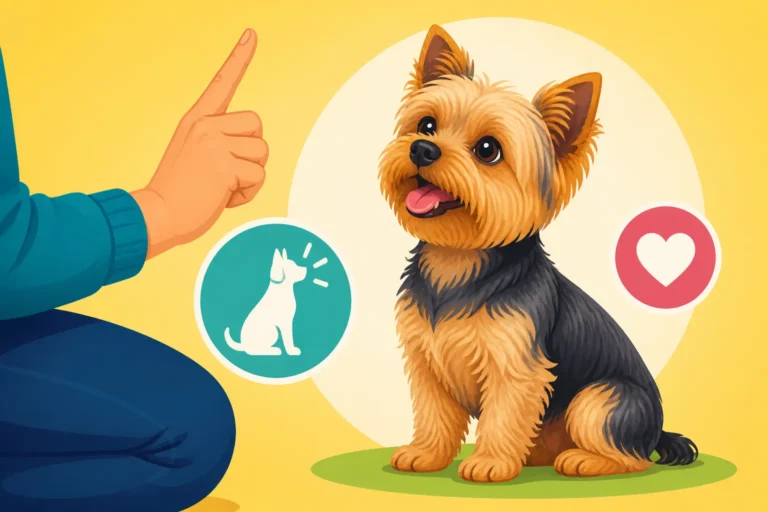
At its heart, "Leave It" works by teaching your Yorkie that ignoring a tempting item leads to a superior reward from you. It's not about forbidding, but about redirecting their attention and rewarding their compliance. This is a crucial distinction. When you tell your Yorkie to "Leave It," you're asking them to actively disengage from an object and focus on you, knowing that something better is coming their way.
This command taps into their natural desire for reward and strengthens your bond as the provider of good things. Instead of fearing your reprimand, your Yorkie learns to trust that listening to you results in a positive outcome. It builds their confidence and impulse control, making them a more well-behaved and safer companion. It helps them understand that while a discarded treat on the ground might be good, your treat is always better. This positive association is key for long-term success.
Essential Tools and Treats for Training Success
Before you dive into training, gathering the right tools will set you up for success. You wouldn't try to build a house without a hammer, right? The same goes for training your Yorkie.
- High-Value Treats: These are non-negotiable. For a Yorkie, "high-value" usually means something small, soft, super tasty, and perhaps a bit smelly. Think tiny pieces of cooked chicken, cheese, or specialized training treats from brands like Zuke's Mini Naturals or Wellness Soft Puppy Bites. The treat you offer must be more appealing than the item you want them to leave. You can find a fantastic selection of these on platforms like Amazon, making it easy to experiment and find your Yorkie's absolute favorite.
- Clicker (Optional but Recommended): A clicker marks the exact moment your Yorkie does something right. This precision helps them understand exactly what behavior is being rewarded. While not strictly necessary, many trainers find it accelerates learning, especially for intelligent breeds like Yorkies.
- Safe Training Environment: Start in a quiet area of your home with minimal distractions. As your Yorkie progresses, you'll gradually introduce more challenging environments.
- Leash and Harness: A lightweight harness and leash, like those often recommended for Why Harnesses Are Better Than Collars for Yorkies, can be very useful for outdoor practice, providing gentle control without putting pressure on their delicate trachea.
Here's a quick comparison of treat types to help you decide:
| Treat Type | Pros | Cons | Best Use Case |
|---|---|---|---|
| Soft, Meaty Treats | Highly palatable, easy to chew quickly, strong scent | Can be messy, some contain allergens | Early training, high-distraction environments |
| Hard, Crunchy Kibble | Less messy, good for quick rewards | Lower value, some Yorkies may not find it enticing | Maintenance training, low-distraction environments |
| Cheese/Cooked Meat | Very high value, irresistible for most dogs | Can be unhealthy in large amounts, messy, requires prep | Breakthrough moments, proofing the command |
| Store-bought Training Treats | Convenient, portioned, often soft and flavorful | Varies in quality/ingredients, can be costly | Everyday training sessions, general reinforcement |
Step-by-Step Guide to Teaching "Leave It" to Your Yorkie
Teaching "Leave It" is a gradual process that requires patience and consistency. You'll start in a controlled environment and slowly build up to real-world situations. Remember, the goal is to make it a positive experience for your Yorkie, associating the command with good things.
Starting with Low-Distraction Practice
The initial stages are all about building a solid foundation in a calm, distraction-free setting.
-
The Hand-Over-Treat Method (Phase 1: Basic Understanding):
- Start by holding a low-value treat (like a piece of their regular kibble) in your closed fist. Let your Yorkie sniff and try to get it. They might lick, paw, or even whine.
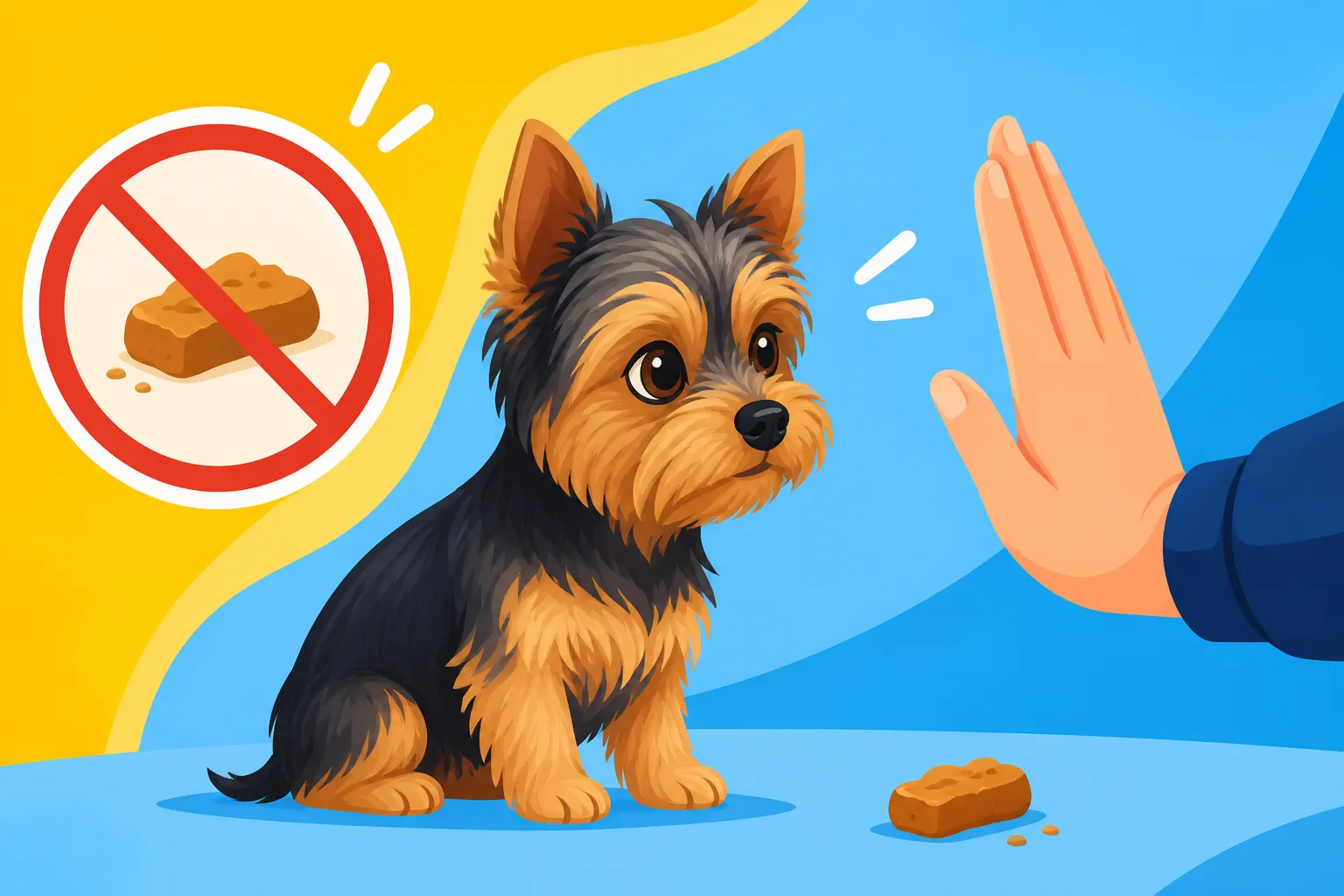
- The moment they stop trying to get the treat and look away, even for a split second, say "Yes!" or click, and immediately open your hand to give them a much higher-value treat from your other hand. This is crucial: they get rewarded for disengaging from the item, not for getting the item itself.
- Repeat this 10-15 times in a session. You want them to quickly learn that ignoring the "off-limits" item leads to a better reward.
- Once they consistently look away quickly, you can start adding the verbal cue. As soon as they look away, say "Leave It," then "Yes!"/click, and reward with the high-value treat.
-
Introducing a Non-Enticing Object (Phase 2: Object-Based Practice):
- Place a low-value, non-enticing object (like a plain toy they don't care much about, or a piece of dry kibble that's not their favorite) on the floor and cover it with your hand.
- When your Yorkie shows interest, say "Leave It."
- The moment they stop trying to get the object and look at you, say "Yes!"/click and immediately reward them with a high-value treat from your other hand.
- Gradually lift your hand off the object for shorter periods. If your Yorkie tries to go for it, quickly cover it again and repeat "Leave It." The key is to prevent them from getting the forbidden item.
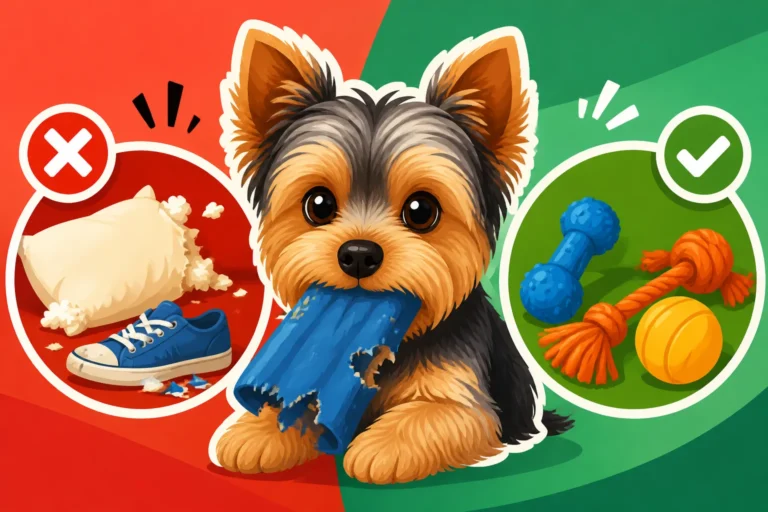
- Only reward when they don't touch the object and instead turn their attention to you. Practice this until they can consistently leave a boring item alone when you say the command, even if your hand isn't covering it. This also helps curb behaviors like How to Stop Yorkie Chewing on inappropriate items.
Gradually Increasing the Challenge
Once your Yorkie is a pro at leaving boring items, it's time to up the ante. This is where the real work begins.
-
Introducing More Tempting Items:
- Now, swap out the boring kibble for something slightly more interesting – maybe a piece of their favorite dry treat, a dropped sock, or a toy they usually enjoy.
- Place the item on the floor. Be ready.
- Say "Leave It." If they hesitate or look at you, "Yes!"/click, and reward with an even higher value treat than the one on the floor.
- If they go for the item, quickly cover it with your foot or hand, making sure they can't get it. Do not scold them, just prevent access. Wait for them to disengage, then try again.
- Repeat, gradually increasing the temptation. You might even use a piece of cooked chicken as the "leave it" item, but be ready with a super high-value reward like a smear of peanut butter or a dollop of cream cheese on a spoon to reinforce their good choice.
-
Adding Distractions and New Environments:
- Once your Yorkie reliably leaves tempting items alone in a quiet room, start adding minor distractions. Have another family member walk by, or turn on a quiet TV.
- Practice in different rooms of your house, then move to a fenced yard, and eventually to a quiet part of your neighborhood while on a leash.
- Remember to always have those high-value treats ready! The distraction level should increase slowly, so your Yorkie can consistently succeed. This is also great practice for How to Socialize a Yorkshire Terrier in various settings.
-
Proofing the Command:
- This is the stage where "Leave It" becomes truly reliable. Practice with the most tempting items you can think of (within safe limits, of course).
- Vary the distance. Can they leave an item alone if it's right under their nose? What about a few feet away?
- Vary who gives the command. Can other family members get the same compliance?
- The more scenarios you expose them to with successful "Leave It" outcomes, the stronger the command becomes.
Troubleshooting Common "Leave It" Hurdles
Even with the best intentions, you might hit some bumps in the road. Don't get discouraged – it's completely normal!
- My Yorkie Just Ignores Me or Snatches the Item:
- Solution: The item you're asking them to leave is probably too high-value, or your reward isn't appealing enough. Go back to an easier step with a less tempting "leave it" item, and make sure your reward is irresistible. Always aim for success; if they're failing, you've made it too hard too fast.
- Another possibility is that they've successfully snatched items in the past. This reinforces the "go for it" behavior. You must be faster than them and prevent access to the forbidden item. Use your foot to cover it, or a leash to gently guide them away.
- My Yorkie Tries to Resource Guard the Item:
- Solution: This indicates a deeper training issue. "Leave It" should never feel like you're taking something away from them forcefully. It should always be a trade. If you're encountering resource guarding, stop this specific training and seek guidance from a professional trainer. In the meantime, focus on positive interactions around food and toys. Never punish them for guarding, as this can make it worse.
- My Yorkie Gets Bored or Frustrated:
- Solution: Keep training sessions short and fun – think 5-10 minutes, a few times a day. End on a positive note, even if it means doing a command they already know well, like "sit." If you're getting frustrated, take a break. Your Yorkie can sense your mood, and it won't help their learning.
- If you find yourself needing more structured guidance or encounter persistent challenges, online training resources can be a huge help. Programs like BAXTER & Bella offer comprehensive modules and support that can be invaluable for tricky behaviors, including perfecting "Leave It" in real-world scenarios.
Integrating "Leave It" into Your Yorkie's Daily Life
The true test of any command is how well it holds up in everyday situations. For "Leave It," this means moving beyond structured training sessions and into the unpredictable world outside.
Real-World Scenarios and Practice Opportunities
Once your Yorkie has a solid grasp of "Leave It" in a controlled setting, you need to actively seek out opportunities to practice it in real-life. This isn't about setting them up to fail, but about reinforcing the command where it matters most.
- On Walks: This is perhaps the most critical application. When you're out and about, Yorkies are often fascinated by everything they encounter on the ground. Keep your eyes peeled for discarded food wrappers, random bits of trash, or anything that might pique their interest. As you approach a tempting item, say "Leave It" before your Yorkie has a chance to fixate on it. When they look at you and walk past, reward lavishly! This prevents them from potentially encountering harmful items that could lead to serious Yorkshire Terrier Health Problems to Know.
- During Visitor Arrivals: If you have guests over, inevitably someone might drop a crumb or a piece of food. This is a perfect, albeit slightly stressful, time to practice. Anticipate the drop, or have a controlled "drop" with a friend, and use your command. Your Yorkie learning to patiently wait instead of scavenging will impress your guests and keep them safe.
- Around the House: Accidents happen. A dropped pill, a fallen piece of toast, or even a child's small toy can be a magnet for a curious Yorkie. Incorporate "Leave It" into these everyday occurrences. Make it a routine part of your Yorkshire Terrier Daily Care Routine to monitor for potential hazards and use the command proactively. For instance, if you're cooking, drop a safe, boring item on purpose (like a piece of plain kibble) and practice "Leave It" to reinforce their good habits.
- During Playtime: Use "Leave It" to teach your Yorkie to disengage from a toy when asked. This is great for impulse control and prevents resource guarding. For example, if they're playing with a squeaky toy, ask them to "Leave It" for a moment, then reward them with a treat and immediately give the toy back. This teaches them that "Leave It" doesn't mean "you'll never see this again," but rather "wait, then something good happens."
Consistency, Patience, and Positive Reinforcement
The "Leave It" command, like any dog training, thrives on these three pillars. You simply cannot expect your Yorkie to grasp it overnight or be perfect every single time.
- Consistency is Key: Every member of the household needs to use the same command, the same hand signals (if any), and the same rewarding methods. If one person lets the Yorkie snatch a dropped crumb, it undermines all the hard work everyone else has put in. Discuss and agree upon your training approach with everyone living with your Yorkie. Consistency reinforces the learning pattern and avoids confusion for your small but mighty companion. For more guidance on training principles, check out our full guide on How to Train a Yorkshire Terrier.
- Patience is a Virtue: There will be days when your Yorkie seems to forget everything they've learned, or when that discarded wrapper on the street is just too tempting. Don't get frustrated. Take a deep breath, go back to basics if needed, and remember that training is a journey, not a destination. Celebrate small victories and don't dwell on setbacks. Your Yorkie is doing their best to understand what you want.
- Positive Reinforcement Always Wins: Always reward the desired behavior. Never punish your Yorkie for not leaving an item. Punishment can create fear, damage your bond, and make them less likely to listen in the future. Instead of scolding, focus on preventing them from getting the forbidden item and then immediately redirecting them to a successful "Leave It" scenario where you can reward them. The more positive experiences they have with "Leave It," the more reliable the command will become, ultimately making your Yorkie safer and more pleasant to live with.
Disclaimer
This guide offers general advice for training your Yorkshire Terrier. Every dog is an individual, and results may vary. If you encounter significant behavioral challenges or your Yorkie exhibits aggression or extreme anxiety, consult with a certified professional dog trainer or veterinary behaviorist for personalized guidance. This information is not a substitute for professional veterinary advice or treatment.