How to Teach a Yorkie to Heel
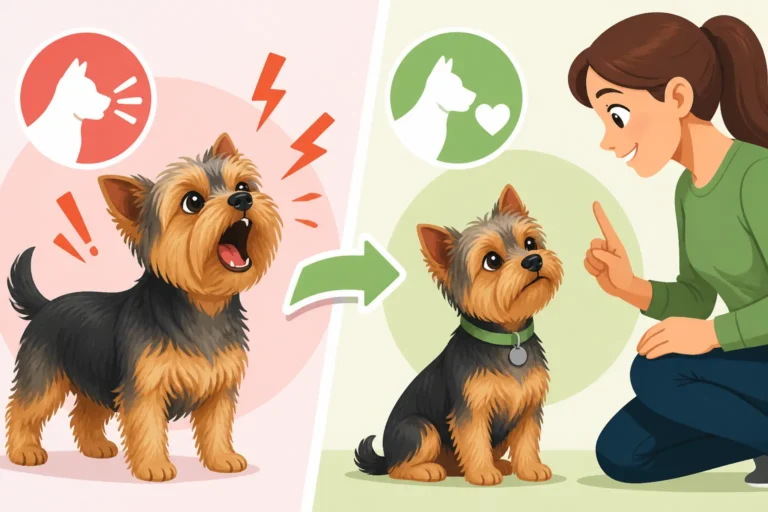
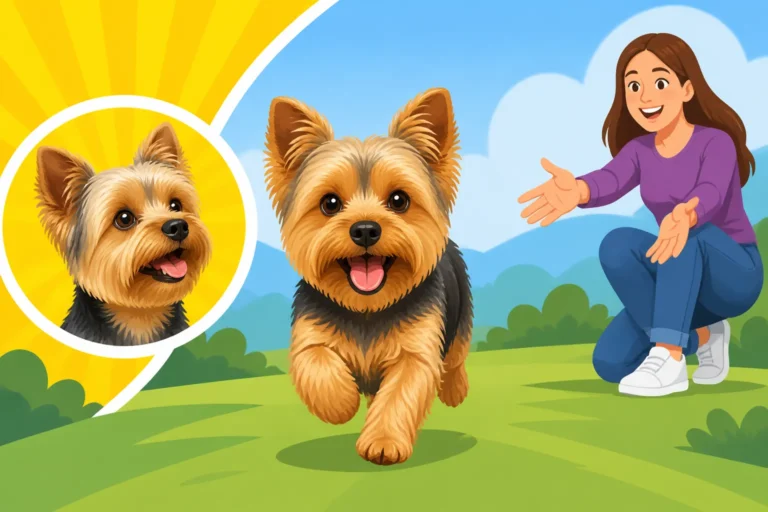
Walking a Yorkie should be a joy, a pleasant stroll where you and your tiny companion move in sync. But let's be honest, often it feels more like a miniature sled dog competition, with your little dynamo pulling with all their might, making every outing a test of your arm strength and patience. This guide is dedicated to helping you teach your spirited Yorkshire Terrier the "heel" command, transforming chaotic walks into calm, enjoyable experiences for both of you.
Understanding the "Heel" Command and Why It's Crucial for Yorkies
The "heel" command is more than just getting your dog to walk beside you; it's about establishing a comfortable, consistent position that signifies attentive cooperation. For a small breed like a Yorkshire Terrier, mastering the heel can be a game-changer, not just for your sanity but for their safety and overall well-being. Many people assume that because Yorkies are tiny, they don't need formal leash training, but this couldn't be further from the truth. A well-trained Yorkie is a confident Yorkie, and a confident Yorkie is a happier Yorkie.
Defining What "Heel" Truly Means
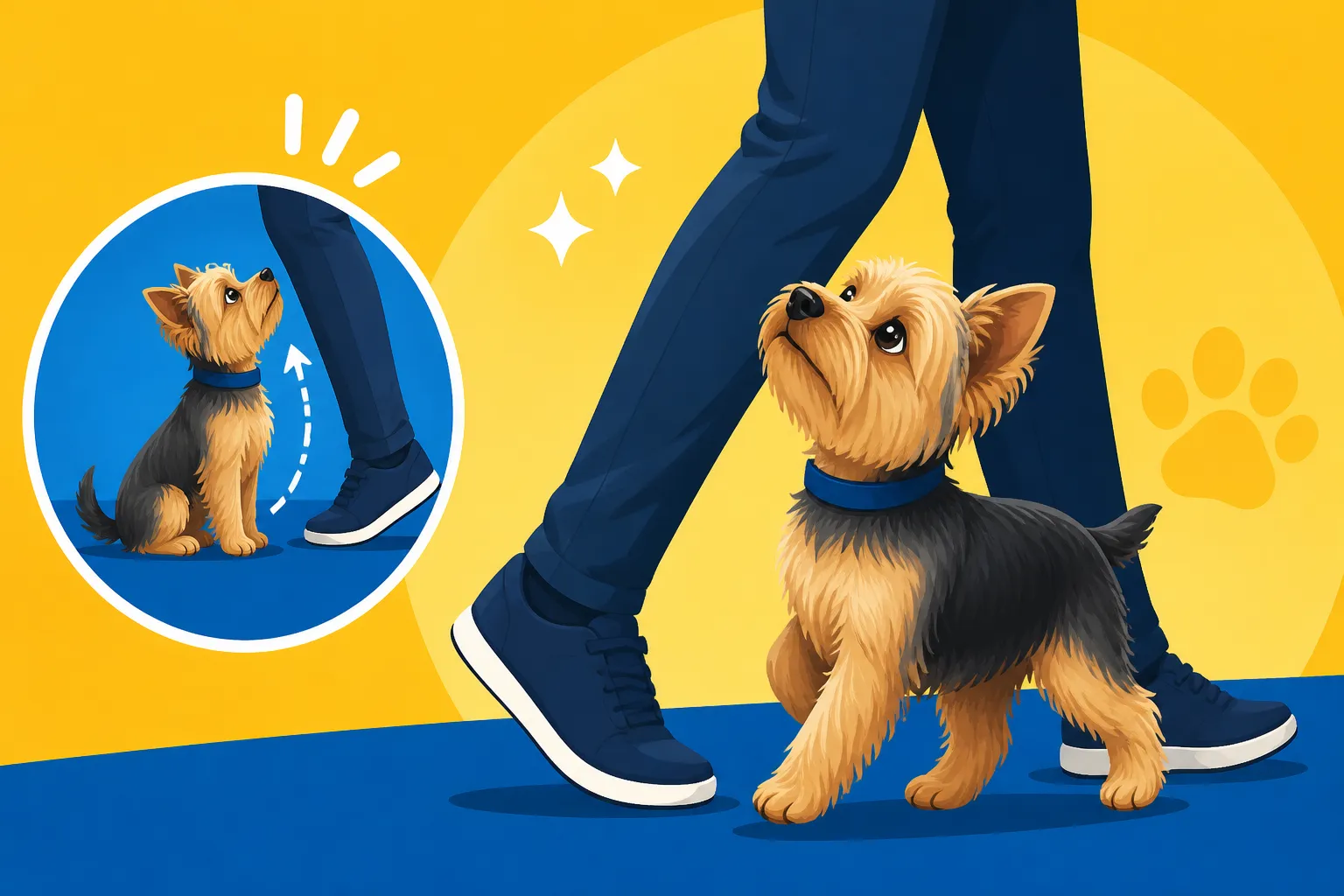
When we talk about "heel," we're aiming for your Yorkie to walk consistently by your side, typically with their shoulder aligned with your leg, without pulling on the leash. They should match your pace, stopping when you stop and turning when you turn, all while maintaining a loose leash. It's a structured exercise that builds a strong bond and clear communication between you and your pup. Think of it as a dance where you lead, and your Yorkie gracefully follows, rather than a tug-of-war. This isn't about rigid military precision; it's about a polite, attentive partnership during walks.
Why Heel Training is Essential for Small Breeds
You might wonder why such a tiny dog needs to learn something often associated with larger working breeds. The truth is, heel training is even more vital for small dogs like Yorkies. Their small size makes them more vulnerable to accidental trampling in crowded areas, or to being spooked and darting into danger. A Yorkie that pulls can also put immense strain on their delicate neck and trachea, especially if you're using a collar instead of a harness. A proper heel ensures they stay close, safe, and under control, reducing the risk of injuries and making public outings less stressful. Plus, it fosters a sense of discipline and respect, which is invaluable for a breed often prone to "small dog syndrome" where they believe they run the show! Learning to heel also reinforces good manners, preventing them from greeting every passing person or dog with an excited jump or bark, which can be frustrating for you and overwhelming for them.
Essential Tools and Preparation for Heel Training
Before you even think about stepping out the door, setting yourself and your Yorkie up for success is paramount. The right equipment and a prepared mindset can make all the difference in turning a challenging training session into a rewarding one. Don't skip these foundational steps; they lay the groundwork for effective learning.
Choosing the Right Harness and Leash
For a Yorkshire Terrier, a harness is almost always preferred over a collar for walking, especially during training. Their tiny tracheas are extremely delicate and susceptible to collapse if pressure is applied to the neck. A well-fitting, comfortable harness distributes pressure across their chest and shoulders, protecting their neck. When selecting a harness, look for options that fit snugly but don't chafe, with a D-ring clip either on the back or, for more control, on the front. Front-clip harnesses can be particularly effective for curbing pulling behavior during training, as they gently redirect your dog's attention back to you when they try to pull ahead. Brands like Ruffwear or Kurgo offer excellent, durable options that you can often find on Amazon.
As for the leash, a standard 4-6 foot nylon or leather leash is ideal. Avoid retractable leashes during training, as they teach your dog that pulling extends their freedom, which is the opposite of what we want for heel training. The goal is a consistent length that allows you to give clear cues without excess slack or tension. Consider a lightweight leash that won't overwhelm your small Yorkie. You might find some excellent choices on Amazon as well that are specifically designed for toy breeds. For more details on this, check out our guide on Best Harness for a Yorkshire Terrier.
High-Value Treats and a Positive Mindset
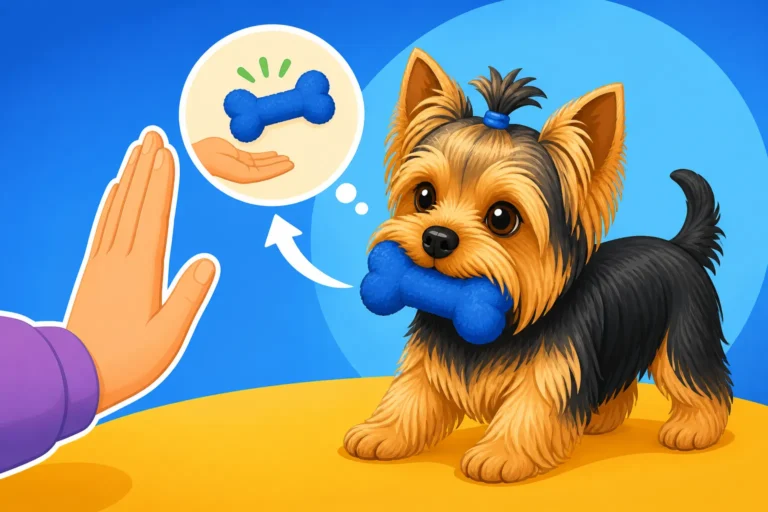
Yorkies are intelligent and can be food-motivated, so high-value treats are your secret weapon. These aren't just any treats; they should be small, soft, super palatable, and easy for your Yorkie to swallow quickly without distraction. Think tiny pieces of cooked chicken, cheese, or specialized training treats. The higher the value, the more your Yorkie will be eager to work for them. It's also crucial to approach training with a positive, patient, and consistent mindset. Frustration translates directly to your dog, making them less likely to learn. Keep sessions short, fun, and end them on a high note, even if it's just for a small success. Remember, building a positive association with walking nicely next to you is key. Consider exploring structured online training programs, such as those offered by BAXTER & Bella, which often emphasize positive reinforcement techniques that can be very effective for heel training.
Establishing a Controlled Training Environment
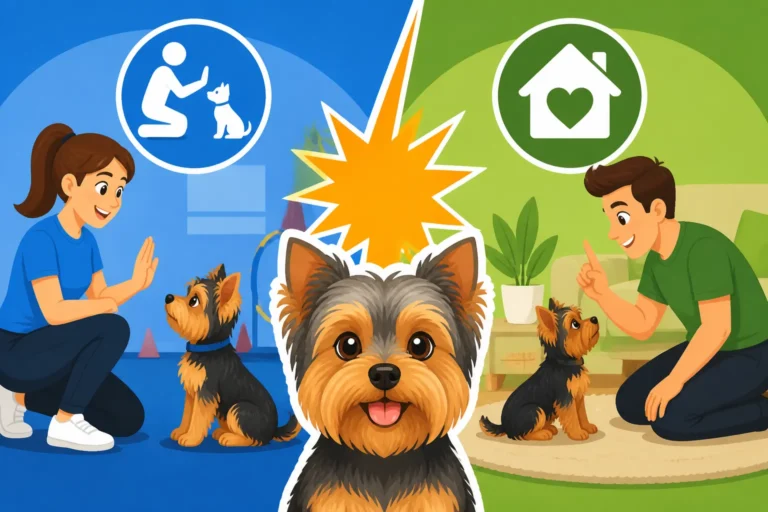
Start training in a quiet, low-distraction environment, like your living room or a fenced backyard. The world outside is full of tempting smells, sights, and sounds that can easily overwhelm a small dog like a Yorkie, especially when they're first learning a new command. Gradually introduce more distractions as your Yorkie becomes more proficient. The goal is to build their confidence and understanding of the heel command in a controlled setting before asking them to perform in a bustling park. Always ensure your Yorkie has gone to the bathroom before a training session, and that they're not overly hungry or tired, as these factors can significantly impact their focus and willingness to learn.
| Training Tool | Description | Why it's Important for Yorkies |
|---|---|---|
| Front-Clip Harness | Distributes pressure across chest, D-ring on front redirects pulling. | Protects delicate trachea, offers better control for small dogs, discourages pulling. |
| Standard 4-6 ft Leash | Fixed length leash, lightweight, easy to manage. | Avoids reinforcing pulling, provides consistent communication, won't weigh down your small dog. |
| High-Value Treats | Small, soft, incredibly tasty, easy to consume quickly. | Strong motivation for learning, reinforces positive behavior immediately. |
| Treat Pouch | Attaches to your waist, easy access to treats. | Allows for quick reward delivery, keeps hands free for leash and cues. |
| Clicker (Optional) | Device making a distinct sound to mark desired behavior. | Precise marker for desired actions, speeds up learning, though verbal markers work too. |
Step-by-Step Guide to Teaching Your Yorkie to Heel
Now that you're prepared with the right tools and mindset, it's time to dive into the practical steps of teaching your Yorkie to heel. Remember, consistency is crucial, and every tiny success should be celebrated. Break down the process into small, manageable steps to avoid overwhelming your little learner.
Step 1: Lure and Reward the Position
Begin by holding a high-value treat in your hand. Stand still and hold the treat by your side, near where you want your Yorkie's head to be when they are in the heel position. Lure your Yorkie into the correct position beside your leg, aligning their shoulder with your knee. The moment they are in position, say "Yes!" or "Good!" (or click your clicker if you're using one), and immediately give them the treat. Repeat this several times, always luring them into position and rewarding them. The goal here is to help them associate that specific spot beside you with positive reinforcement. Keep these initial sessions very short, perhaps 2-3 minutes at a time, to maintain their interest and focus. This foundation will make all subsequent steps much easier.
As they start to understand, you can add the verbal cue "Heel" just as they move into the position. Soon, they'll start to anticipate the position when they hear the word. This early stage is all about building a positive association. Avoid any harsh corrections or pulling on the leash; we want them to want to be in that spot. If your Yorkie is struggling to understand, try making an enticing noise with the treat or gently tapping your thigh to guide them.
Step 2: Taking a Few Steps in Heel Position
Once your Yorkie is reliably getting into the heel position when lured, it's time to add movement. With your Yorkie in the heel position, hold the treat at your side as before. Take just one or two steps forward, keeping your Yorkie at your side. The moment they take those steps with you in the correct position, mark the behavior ("Yes!" or "Good!") and reward them generously. Stop immediately after the reward. Gradually increase the number of steps you take before rewarding.
If your Yorkie starts to pull ahead, stop immediately. Stand still, wait for them to return to the heel position (you might need to re-lure them initially), and then resume walking. This teaches them that pulling makes the fun stop, while staying by your side keeps it going. The key is to make staying in position more rewarding than pulling. Practice short bursts of walking and stopping. This is also a great opportunity to practice what we discuss in How to Teach a Yorkie to Come When Called, as calling them back to your side is a key part of resetting if they stray.
Step 3: Integrating Distractions and Longer Walks
When your Yorkie is consistently heeling for several steps in a low-distraction environment, you can start gradually introducing more challenging situations. Begin by adding minor distractions within your home or yard, such as another family member walking by or a toy rolling past. As they succeed, move to a slightly busier outdoor area, like a quiet street or a park during off-peak hours. Always remember to go back to basics if your Yorkie struggles – a few steps, then reward, then gradually increase.
Keep your training sessions positive and upbeat. If your Yorkie gets distracted, don't get frustrated. Simply stop, regain their attention, re-lure them back to the heel position, and restart. The goal is to build resilience and focus. Always have those high-value treats ready, and be generous with praise. For more structured exercise and mental stimulation that can help with focus during walks, consider the advice in Yorkshire Terrier Exercise Needs. Regular, positive training helps reinforce good habits.
Step 4: Phasing Out the Lure and Hand Signal
As your Yorkie becomes more proficient, you can start to fade out the visible lure. Instead of holding the treat right at their nose, begin to hold it in a more discreet position, still using it to guide them. Eventually, your hand signal (if you choose to use one) and the verbal "Heel" command should be enough to prompt the correct behavior. Continue to reward heavily, especially for successful transitions to less visible cues. The treat becomes less of a lure and more of a confirmation of a job well done.
Once they reliably respond to your verbal cue, you can start to introduce variable rewards. This means you don't reward every single successful heel, but rather intermittently, keeping them motivated and guessing. Occasionally, still give them that jackpot treat for an exceptionally good heel. This keeps the behavior strong and prevents them from relying solely on a constant food bribe. Your ultimate goal is a Yorkie who heels happily and consistently because they enjoy walking politely with you, not just because they see a treat.
Troubleshooting Common Heel Training Challenges
Even the most dedicated Yorkie owners encounter bumps in the road during training. It's completely normal for your little friend to have days where they're less focused or to develop specific challenges. The key is to understand why these issues arise and how to address them patiently and effectively.
My Yorkie is Constantly Pulling Ahead
This is perhaps the most common challenge in leash training. Your Yorkie likely thinks that getting somewhere faster means pulling harder. To combat this, implement the "stop and go" method rigorously. The moment your Yorkie pulls ahead and creates tension on the leash, stop walking immediately. Become a tree. Don't say anything, don't pull back. Just stand still. Wait for the leash to slacken, even if it's for a split second, or for your Yorkie to look back at you. The instant that happens, mark and reward, then resume walking. If they pull again, stop again. This teaches them that pulling makes progress stop, while a loose leash means you continue moving. It requires immense patience, but it's incredibly effective.
Sometimes, a front-clip harness can work wonders here, as it physically turns them sideways when they pull, making it harder to forge ahead and naturally redirecting their attention to you. You can find many effective options on Amazon. Also, ensure your walks aren't always about destination; sometimes, let them sniff and explore on a longer lead after a successful heel training session, so they learn there’s a time for both structured walking and free exploration. This balance is crucial for a happy Yorkie. Our guide on Yorkie Leash and Harness Training has more tips.
My Yorkie Gets Distracted by Everything
Yorkies have keen senses and a lot of curiosity, so distractions are a big hurdle. If your Yorkie is easily distracted, it means you've likely progressed too quickly to a stimulating environment. Go back to basics in a quieter setting. Once they're solid there, slowly reintroduce distractions, one at a time, and from a distance. For example, if another dog is distracting, start by practicing heel far away from other dogs, rewarding heavily for any focus on you. Gradually, as your Yorkie improves, decrease the distance.
Another trick is to become more engaging than the distraction. Use your high-value treats and enthusiastic praise. Change direction frequently during your heel training; this keeps your Yorkie's attention on you, as they have to anticipate your next move. If they're particularly prone to barking at everything, try a "watch me" command to get their focus before the distraction fully takes hold. Building a strong "look at me" or "focus" command is incredibly helpful for managing distractions. You might also find some great resources from BAXTER & Bella on engaging your dog in high-distraction environments.
My Yorkie Won't Stay in Position
If your Yorkie keeps drifting away from the heel position, it could be a few things. First, are your rewards high-value enough? Maybe they're not motivated enough by the treats you're offering. Try something even more enticing. Second, are your training sessions too long? Yorkies have short attention spans, especially when learning something new. Keep it brief and positive.
Third, ensure your cues are clear and consistent. Are you always asking for the same position? Are you rewarding immediately when they are in the exact spot you want? Precision in your reward timing is critical. If they start to drift, use your lure to gently guide them back into position, reward, and then release them with a clear "okay" command. Then, try again. Don't be afraid to take a step back and reinforce Step 1 (lure and reward the position) until they're solid again. For complex behavioral issues, sometimes it helps to look at a broader resource like Yorkshire Terrier Behavior Problems and Solutions.
Dealing with Stubbornness or Refusal
Yorkies, despite their small size, can have big personalities and a streak of stubbornness. If your Yorkie seems to be refusing to engage or learn, first, check for underlying issues. Are they comfortable? Is the harness chafing? Are they tired, hungry, or need to potty? Rule out any physical discomfort.
If it's truly stubbornness, you need to make heel training incredibly fun and rewarding, more so than whatever they'd rather be doing. Use play, praise, and the absolute best treats. If they shut down, end the session on a positive note with a command they do know and succeed at, then try again later. Never punish or scold; this will only make them associate training with negativity. Sometimes, if a Yorkie is really digging in their heels (pun intended!), it might be a sign they need a break, or that you need to simplify the steps even further. Breaking down tasks into smaller micro-steps can make them less intimidating for your Yorkie. Remember, every little step in the right direction is a win, and celebrating those small victories will keep both of you motivated.
Advanced Heel Techniques and Maintaining Progress
Once your Yorkie is reliably heeling in various environments, you can start to refine their skills and ensure this important behavior remains strong throughout their life. Advanced techniques can add polish to their heel, and consistent practice will solidify it as a habit.
Practicing Different Paces and Turns
A truly polished heel isn't just about walking in a straight line. It's about your Yorkie matching your pace and movements seamlessly. Start by practicing variations:
- Speed Changes: Walk at a normal pace, then suddenly speed up, then slow down. Reward your Yorkie for adjusting their pace to match yours.
- Turns: Practice left turns, right turns, and even about-turns. Use a gentle body cue or a slight pull on the leash (not a yank!) in the direction you're turning, while giving your verbal "Heel" command. Reward generously when they successfully turn with you, staying in position.
- Halts: Practice stopping abruptly and having your Yorkie halt perfectly at your side. Mark and reward the instant they stop and stay in position.
These variations keep your Yorkie engaged and attentive to your movements, rather than just walking mindlessly. This kind of dynamic training is great for mental stimulation as well!
Introducing a "Heel Stay" or "Automatic Sit"
For an even more refined heel, you can work on two advanced concepts:
- Heel Stay: Once your Yorkie stops with you, ask for a "stay" for a few seconds before releasing them. This teaches them to remain in position even when you're stationary. Gradually increase the duration of the stay. This is a natural extension of How to Teach a Yorkie to Stay.
- Automatic Sit: Train your Yorkie so that every time you stop, they automatically sit in the heel position without being asked. This is a very useful default behavior. To teach this, every time you stop and they are in heel position, lure them into a sit and reward. With repetition, they'll start to offer the sit on their own when you stop. The moment their rear touches the ground, mark and reward!
These additions provide an extra layer of control and politeness, making your Yorkie an absolute joy to walk in any situation.
Keeping Heel Training Fun and Consistent
The key to long-term success is to keep heel training a positive, ongoing experience. Don't just train until they "get it" and then stop. Integrate short heel sessions into your daily walks. Use varied rewards – sometimes a treat, sometimes enthusiastic praise, sometimes a favorite toy for a quick game. The more unpredictable the reward, the more engaged your Yorkie will remain.
Avoid becoming complacent. If you notice your Yorkie starting to pull again, go back to basics with the "stop and go" method. Life happens, and sometimes a dog's training needs a refresher. Celebrate their successes, be patient with their struggles, and remember that consistent, positive reinforcement is the foundation of a strong, lasting heel command. For general obedience and good behavior, consistently applying the principles in Yorkshire Terrier Obedience Training Basics will greatly support your heel efforts.
Ultimately, teaching your Yorkie to heel is a journey that strengthens your bond and makes your shared adventures so much more enjoyable. Happy walking!
Disclaimer
This article is for general informational purposes only and does not constitute professional advice. Laws, prices and regulations vary by location and change over time. Consult a qualified professional for guidance on your specific situation.