Best Potty Training Method for Yorkies
Potty training a Yorkshire Terrier can sometimes feel like an uphill battle, leaving you scratching your head with persistent accidents and wondering if your tiny companion will ever truly grasp the concept. It's a deeply common struggle among Yorkie parents, often made more challenging by their small size, quick metabolisms, and sometimes strong-willed personalities. This comprehensive guide is designed to cut through the confusion, offering empathetic, realistic advice and proven methods to help you successfully house train your beloved Yorkie, paving the way for a much cleaner and happier life together.
Why Potty Training a Yorkie Feels Like a Unique Challenge
Let's be honest, those adorable little Yorkies come with a few quirks that can make house training a bit more demanding than with other breeds. It’s not just you; many Yorkie owners face similar frustrations. Understanding these inherent traits is the first step toward developing a training strategy that actually works for your furry friend, rather than against them.
Their Tiny Bladders and Fast Metabolisms
One of the biggest factors that makes potty training a Yorkie tricky is their size. Everything about them is small, including their bladders. A tiny bladder means less capacity to hold urine, and a fast metabolism means they process food and water quickly. This translates to more frequent potty breaks, often at unpredictable intervals, especially during puppyhood. Imagine trying to hold it when you feel the urge intensely, and you’re only the size of a teacup!
Puppies, particularly, need to go out constantly. It’s not an exaggeration to say that an 8-week-old Yorkie puppy might need to relieve themselves every 15-30 minutes when they're awake and active, and immediately after waking up, eating, or playing. This intense frequency can be exhausting for owners, leading to missed opportunities and accidents. It’s easy to get discouraged when you feel like you just took them out, only for them to squat inside moments later. Recognizing this biological reality is crucial – it’s not defiance, it’s physiology.
The Stubborn Streak and "Small Dog Syndrome"
While undeniably charming, Yorkshire Terriers can possess a strong, independent, and sometimes stubborn personality. They were originally bred to be ratters, a job that required tenacity and fearlessness, and these traits haven't disappeared with their transition to lapdog status. This inherent stubbornness can manifest during potty training, especially if they've developed a preference for going inside or if they haven't fully understood what's expected of them.
Sometimes, this stubbornness can be mistaken for or contribute to what's often colloquially termed "small dog syndrome." This isn't a medical condition but rather a behavioral pattern where smaller dogs act out due to a lack of proper training, socialization, or boundaries. If a Yorkie isn't consistently guided on where to potty, they might decide that anywhere is fair game, particularly if they’ve learned that they can get away with it without serious repercussions. Consistency and firm, yet gentle, leadership are paramount to overcoming this, ensuring they understand that you're the one setting the rules. If you're struggling with persistent issues, our guide on why is my Yorkie so hard to potty train might offer additional insights.
The Importance of Absolute Consistency
Perhaps more than any other breed, Yorkies thrive on routine and consistency, especially when it comes to potty training. Their small size means that every single accident inside feels like a much bigger deal, and every successful trip outside reinforces the correct behavior. However, any lapse in consistency – even just one day of relaxed supervision or missed potty breaks – can undo weeks of progress. This can be incredibly frustrating for busy owners who might occasionally miss a cue or cut a potty trip short.
For example, if you're meticulously taking your Yorkie out every hour on the hour, but then one afternoon you get distracted with a phone call and miss a break, an accident is almost guaranteed. And for a Yorkie, that one accident can set back their understanding of the "rules." It's not that they forget entirely, but it blurs the lines and makes it harder for them to generalize the "outside is for potty" rule. This is why having a clear, unwavering schedule, which we'll discuss, is non-negotiable for success.
Laying the Groundwork: Essential Potty Training Principles
Before diving into specific methods, it's vital to establish a solid foundation built on routine, supervision, and positive reinforcement. These are the cornerstones of successful potty training for any dog, but they are particularly critical for a Yorkshire Terrier.
Establishing a Predictable Routine and Schedule
Consistency in schedule is perhaps the most powerful tool you have in your Yorkie's potty training journey. Dogs are creatures of habit, and puppies especially thrive on predictability. Your goal is to make going potty outside (or on a designated pad) a natural, ingrained part of their daily rhythm. A structured day helps them anticipate when and where they should relieve themselves. Our article on a Yorkie Puppy Training Schedule provides a great framework for this.
Start by setting strict times for feeding, watering, playing, napping, and potty breaks. For a young Yorkie puppy, this means taking them out immediately upon waking up, after every meal or drink, after a play session, and just before bedtime. Don't wait for them to signal; just take them. A good rule of thumb is that a puppy can generally hold their bladder for one hour per month of age, plus one hour. So, a 3-month-old Yorkie might last around 4 hours, but this is a maximum, not a target. Aim for much more frequent trips than this. Keep a log if it helps you track patterns – when they eat, drink, and especially when they pee or poop. This data will reveal their natural rhythms, allowing you to fine-tune your schedule even further. Even as they get older, a consistent feeding and potty schedule remains beneficial.
| Age of Yorkie Puppy | Max Time Between Potty Breaks (Daytime) | Typical Potty Break Frequency |
|---|---|---|
| 8-10 Weeks | 1-2 hours | Every 15-30 mins awake, after sleep/eat/play |
| 11-14 Weeks | 2-3 hours | Every 30-60 mins awake, after sleep/eat/play |
| 15-20 Weeks | 3-4 hours | Every 1-2 hours awake, after sleep/eat/play |
| 5+ Months | 4-5 hours | Every 2-3 hours awake, after sleep/eat/play |
| Adult (6+ Months) | 6-8 hours | Every 4-6 hours, depending on activity/water |
Note: These are general guidelines. Individual Yorkies may vary. Always err on the side of more frequent breaks, especially during active periods.
Diligent Supervision and Confinement
When your Yorkie is not actively being taken out for a potty break, they should be under constant supervision or appropriately confined. "Constant supervision" means they are either on a leash with you, in a puppy-proofed room with you, or within your direct line of sight. If you can't watch them like a hawk, they should be in their crate or a secure playpen. The rationale here is simple: if you can't see them, you can't prevent accidents, and every accident is a missed opportunity for them to learn.
A dog crate can be an invaluable tool in potty training a Yorkie, as dogs naturally don't like to soil their sleeping area. Choose a crate that's just big enough for them to stand up, turn around, and lie down comfortably. If it's too large, they might use one end as a bathroom. You can use a divider if your puppy is still growing. During their supervised time outside the crate, look for classic "potty cues" such as sniffing the ground intently, circling, suddenly stopping play, or heading towards a secluded area. The moment you see these signs, calmly and quickly usher them to their designated potty spot. Our guide on how to crate train a Yorkie can provide more detailed steps.
The Power of Positive Reinforcement
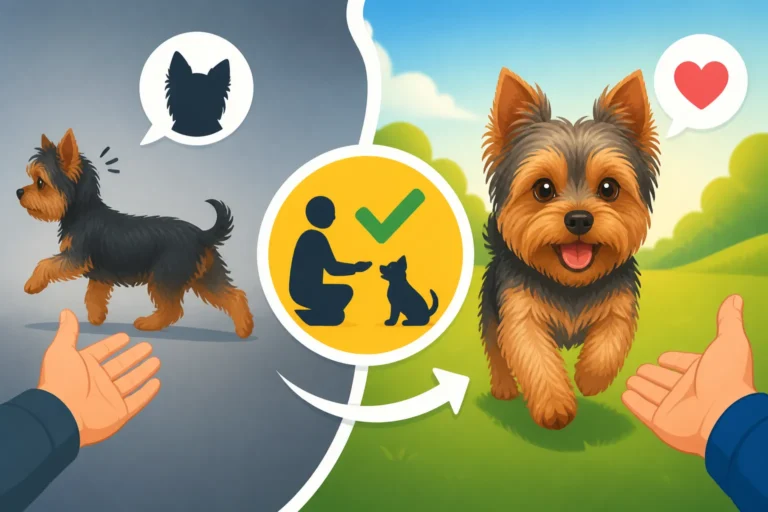
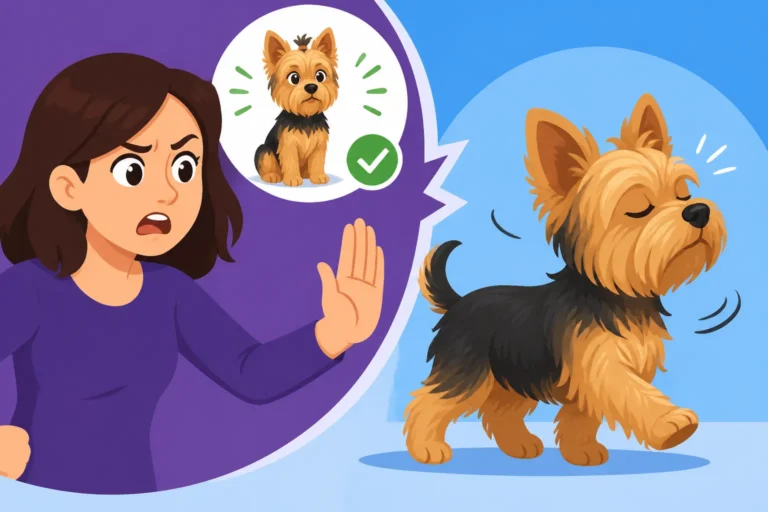
Punishment has no place in potty training. Yelling, scolding, or rubbing your Yorkie’s nose in an accident will only make them afraid of you, or teach them to hide their accidents, which makes training even harder. Instead, focus entirely on positive reinforcement. When your Yorkie successfully potties in the right spot, immediately praise them enthusiastically, offer a high-value training treat (like those discussed in Best Treats for Training a Yorkie), and engage in a short play session. Make it a celebration!
The timing of this reward is crucial – it must happen within 1-3 seconds of them finishing their business. This instantaneous feedback helps them connect the act of peeing or pooping in the correct place with the wonderful reward they receive. If you wait too long, they won't understand what they're being rewarded for. Consider having treats readily available by the door to their potty spot. You want your Yorkie to associate going potty outside (or on the pad) with the best things in their world: your approval, tasty treats, and fun playtime. This positive association makes them eager to repeat the desired behavior.
Comparing Potty Training Methods: Pads, Outdoors, and Hybrid Approaches
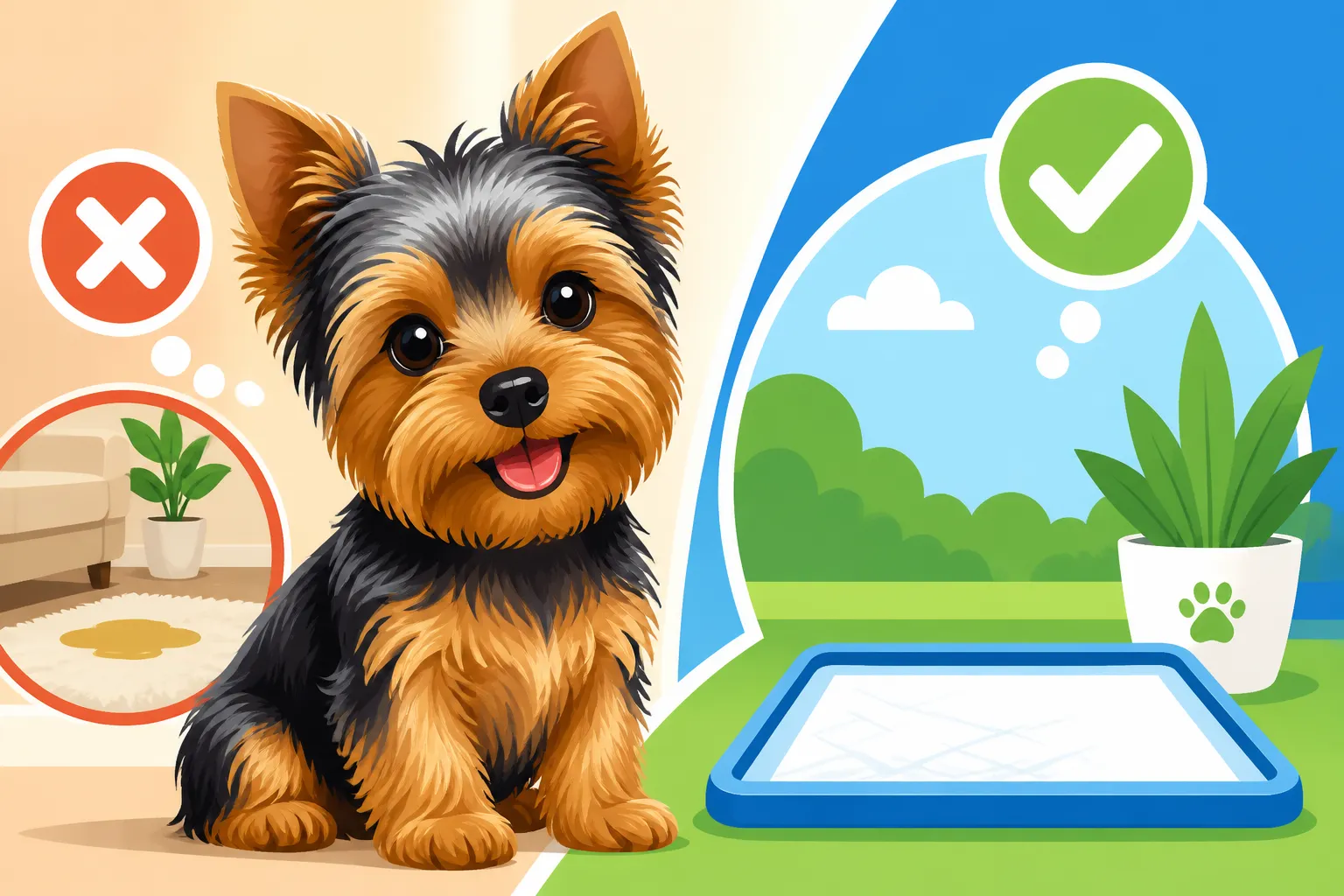
When it comes to where your Yorkie should do their business, you generally have three main options: strictly outdoors, strictly pee pads (also known as "potty pads" or "wee-wee pads"), or a hybrid approach that combines both. Each method has its pros and cons, and the "best" one truly depends on your lifestyle, living situation, and your Yorkie’s personality. Our detailed comparison in Pee Pad vs Outdoor Training for Yorkies offers even more perspective.
Outdoor Training: The Traditional Route
This is the classic method where your Yorkie learns to only relieve themselves outside the home. It’s often considered the gold standard as it fully eradicates indoor accidents and prepares your dog for public outings.
Advantages of Outdoor Training
The primary benefit is a completely clean home. There are no pads to deal with, no residual odors indoors, and it encourages your Yorkie to develop a robust bladder and bowel control. It also provides a great opportunity for exercise and mental stimulation, as every potty break becomes a mini-adventure. Think about those brisk morning walks or leisurely evening strolls; they're not just for potty, but for sniffing around and engaging with the world. For Yorkies, who benefit from regular, short bursts of activity, combining potty breaks with a brief walk is ideal. This method also teaches them to hold it for longer periods, which is beneficial for their overall health and your peace of mind when you're out for a few hours.
Step-by-Step Outdoor Training
- Immediate Leash Up and Go: The moment your Yorkie wakes up, after eating or drinking, or after playtime, immediately put them on a leash (a harness is usually better for a Yorkie's delicate neck, like those found on Amazon) and take them to their designated outdoor potty spot. Don't let them wander; go straight to the spot.
- Choose a Consistent Spot: Select a specific area in your yard or a patch of grass nearby and always take them to that exact spot. The familiar scent will encourage them to go there.
- Use a Potty Command: As they are sniffing around their spot, quietly repeat a consistent phrase like "Go potty!" or "Do your business!" This helps them associate the phrase with the action.
- Wait Patiently: Stand still and be boring. Don't play, talk on the phone, or distract them. Just wait. It might take a few minutes, especially if they are distracted by new smells or sounds.
- Praise and Reward INSTANTLY: The very second they finish, heap on the praise, give them their high-value treat, and perhaps a quick, happy play session. This reinforces the positive behavior.
- Return Inside: Once they've successfully pottied, you can either take them for a short walk (if it's a scheduled walk time) or immediately bring them back inside. This teaches them that potty time is for business, not extended play, which helps prevent them from dawdling.
- Confinement Between Breaks: When inside and not under active supervision, confine your Yorkie to their crate or a small playpen to prevent accidents.
Pee Pad Training: An Indoor Solution
Pee pad training involves teaching your Yorkie to eliminate on absorbent pads placed indoors. This can be a practical option for certain lifestyles or situations.
Advantages of Pee Pad Training
Pee pads offer convenience, especially if you live in a high-rise apartment in a bustling city like New York or Chicago, where quick outdoor access isn't always feasible. They are also helpful for puppies who haven't completed their vaccinations and shouldn't be exposed to outdoor pathogens, or for senior Yorkies who might have reduced bladder control. During inclement weather, like heavy rain or snow, having an indoor option is a huge plus. Some owners simply prefer this method for its ease of cleanup and contained mess. For Yorkie owners with mobility issues, it can be a lifesaver.
Step-by-Step Pee Pad Training
- Designate a Potty Spot: Choose a quiet, accessible corner in your home and consistently place the pee pad there. Ideally, it should be away from their food and sleeping areas.
- Regular Pad Visits: Just like outdoor training, take your Yorkie to the pad immediately upon waking, after eating/drinking, after play, and before bed.
- Lead and Command: Lead them to the pad, use your "Go potty!" command, and wait patiently.
- Reward Success: As soon as they potty on the pad, offer immediate praise and a high-value treat.
- Clean Accidents Thoroughly: If an accident happens off the pad, clean it immediately with an enzymatic cleaner to eliminate odors that might attract them back to the same spot. Never scold them.
- Gradual Pad Reduction (Optional): If you eventually want to transition to outdoor training, you can gradually move the pad closer to the door, then outside, and eventually remove it.
Hybrid Training: The Best of Both Worlds?
The hybrid approach combines elements of both outdoor and pee pad training. Your Yorkie learns to use both options depending on the situation.
Advantages of Hybrid Training
This method offers maximum flexibility. It's fantastic for those who want their Yorkie to be comfortable going outside but also need an indoor backup for emergencies, long workdays, or bad weather. For example, if you work a full eight-hour day, expecting a young Yorkie to hold it for that long is unrealistic and unhealthy. A pee pad provides a safe, acceptable outlet during your absence. Many urban dwellers find this method indispensable, allowing their Yorkie to enjoy city parks while also having a convenient indoor option. It can also be a gentle transition method, starting with pads and slowly introducing more outdoor potty breaks.
How to Implement Hybrid Training
- Start with One Method Primarily: It’s often best to establish proficiency with one method first (e.g., pee pads) and then introduce the other. This prevents confusion.
- Designate Specific Potty Times/Situations: Teach your Yorkie that certain times are for outdoor potty (e.g., morning, evening walks), and other times or situations (e.g., during the workday, middle of the night) are for the pee pad.
- Use Different Cues (Optional but helpful): You might use "Outside potty!" for outdoor breaks and "Pad potty!" for indoor breaks to help differentiate.
- Consistency is Key: No matter which option they use, the principles of immediate praise and reward remain the same. Ensure the pee pad is always in the same spot indoors and the outdoor spot is consistent as well.
- Address Any Confusion: If your Yorkie starts having accidents in between, revisit the schedule and reinforce the distinction between the two options. It might mean temporarily increasing supervision.
Overcoming Common Hurdles and Setbacks
Even with the best intentions and consistent effort, potty training a Yorkie can present its fair share of challenges. It's easy to feel defeated when faced with a regression or a persistent problem, but remember, every dog learns at their own pace.
Dealing with Accidents and Regression
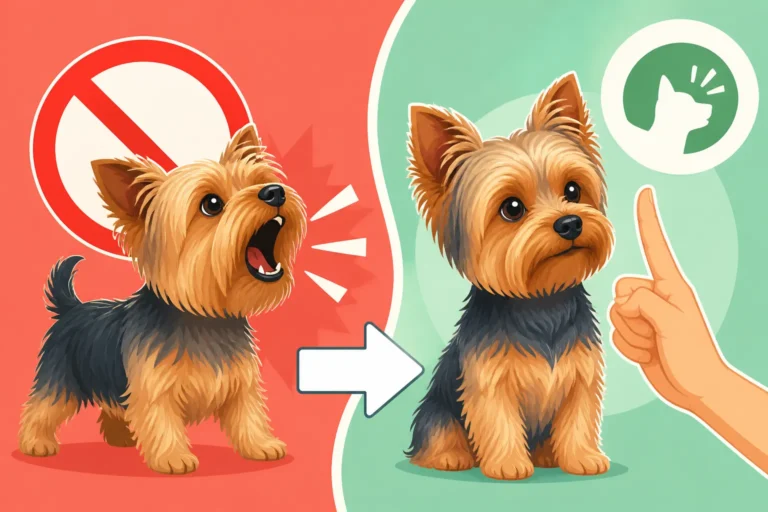
Accidents will happen, especially during the early stages of training. The key is how you react. If you catch your Yorkie in the act of peeing or pooping inside, calmly but quickly interrupt them with a gentle clap or a verbal "Oops!" or "No!" and immediately scoop them up and take them to their designated potty spot (outdoor or pad). If they finish there, praise and reward them. If you discover an accident after the fact, simply clean it up thoroughly with an enzymatic cleaner like Nature's Miracle or Rocco & Roxie, which breaks down the odor-causing molecules, preventing your Yorkie from being attracted back to the same spot. Never punish them for an accident you didn't witness, as they won't associate the punishment with the act.
Potty training regression, where your Yorkie suddenly starts having accidents again after a period of success, is also quite common. This can be frustrating, making you feel like you're back at square one. Regression can be caused by several factors, including changes in routine (a new work schedule, a vacation), stress (moving, new pet), a lapse in your consistency, or even an underlying medical issue. If your perfectly trained Yorkie suddenly starts having frequent accidents, a vet visit is always a good idea to rule out urinary tract infections, bladder stones (which are common in Yorkies, check out Yorkshire Terrier Bladder Stones Signs and Care), or other health problems. If health issues are ruled out, it's time to go back to basics: increase supervision, reinforce the routine, and boost your positive reinforcement. Our article on Yorkie Potty Training Regression offers more in-depth solutions.
When Your Yorkie Refuses to Go
Sometimes, your Yorkie might refuse to potty in the designated spot, whether it's outside or on the pad. You take them out, wait, nothing happens, and then minutes after coming back inside, they have an accident. This is incredibly common and usually boils down to a few things:
- Distractions: Outdoors, new smells, sounds, or even a leaf blowing by can be far more interesting than going potty. If this is the case, keep them on a short leash, stand still, and remain boring until they do their business. Limit playtime until after they've pottied.
- Too Much Freedom Indoors: If they didn't go outside, bring them back in and immediately put them back in their crate for 10-15 minutes. Then, take them out again. Repeat this cycle until they go. This teaches them that the only way to earn freedom is to potty in the right place.
- Weather Aversion: Some Yorkies are real divas when it comes to rain, cold, or even wet grass. If this is an issue, consider a lightweight raincoat or boots for them. Or, if using a hybrid method, lean on the pee pad option during harsh weather. Our guide on How to Potty Train a Yorkie in Winter can provide specific tips for cold climates.
- Fear or Anxiety: A new environment, loud noises, or unfamiliar people/dogs can make a Yorkie anxious and reluctant to relieve themselves. If you suspect fear, try to find a quieter, more secluded potty spot, and build their confidence through positive experiences.
Remember that patience and persistence are your greatest allies. Potty training a Yorkie isn't always a straight line to success; there will be detours and bumps. But by understanding their unique needs, staying consistent, and celebrating every small victory, you and your tiny companion will achieve reliable house training. Tools like a puppy camera (found on Amazon) can also help you monitor your Yorkie when you're in another room, allowing you to catch accidents before they happen. For more advanced online guidance, consider training programs like BAXTER & Bella, which offer structured curricula and support that can be very beneficial for overcoming specific challenges.
Disclaimer
The information provided in this guide is for general educational purposes only and should not be considered a substitute for professional veterinary advice. Always consult with a qualified veterinarian or certified professional dog trainer for any concerns about your Yorkshire Terrier's health or behavior.