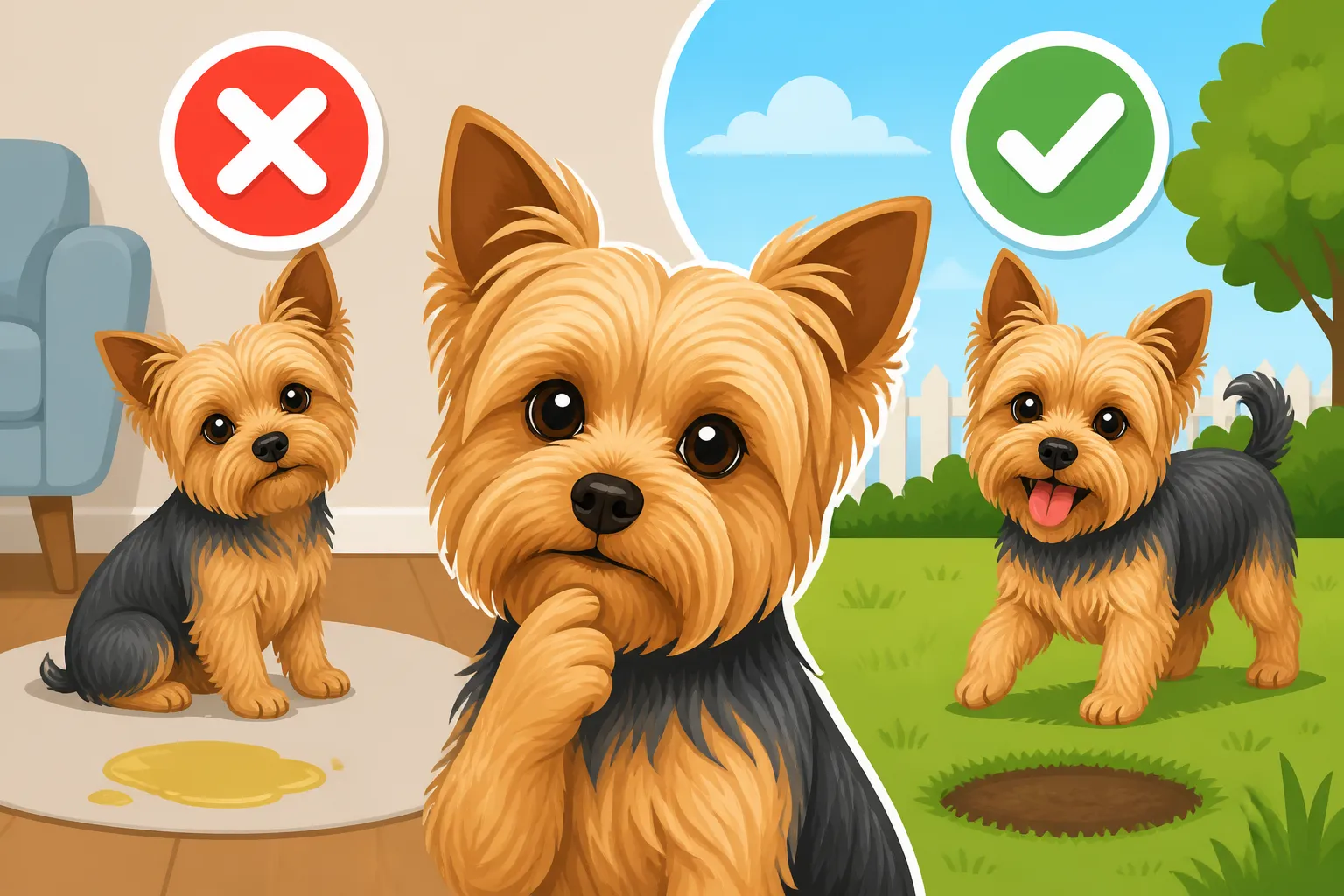
Yorkie Won’t Go Potty Outside: Fixes
It’s incredibly frustrating when your adorable Yorkshire Terrier steadfastly refuses to do their business outside, opting instead for your pristine rug or a corner of the kitchen floor. You’ve tried taking them out, praising them, even coaxing them, but nothing seems to stick, leaving you feeling like you’re failing at one of the most basic aspects of pet ownership. This comprehensive guide is here to unravel the mystery of why your Yorkie might be boycotting the great outdoors for potty breaks and equip you with practical, empathetic fixes to finally achieve outdoor potty success.
Understanding Why Your Yorkie Refuses Outdoor Potty Breaks
When a tiny Yorkie, known for their spirited personalities, digs their heels in about pottying outside, it's rarely out of spite. More often, there are underlying reasons for their reluctance. Understanding these root causes is the first crucial step toward finding an effective solution. You can't fix a problem if you don't know why it's happening, right?
Previous Potty Habits and Comfort Zones
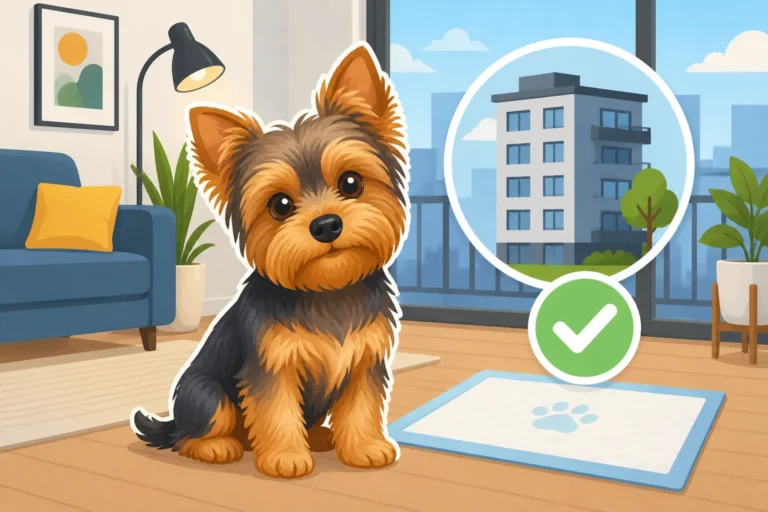
Many Yorkies are introduced to pee pads or indoor potty solutions as puppies, especially if they came from a breeder who used them or if they live in an apartment where frequent outdoor access isn't always practical. While convenient in the short term, this can inadvertently teach your Yorkie that indoors is the "correct" place to relieve themselves.
When your Yorkie has been consistently using a pee pad or a specific spot indoors, they develop a strong habit. They associate that texture, that smell, and that specific location with relieving themselves. Suddenly asking them to go on grass or pavement, with all its new sights, sounds, and smells, can be genuinely confusing and even intimidating for them. Imagine being told your restroom is now a bustling park – it would take some getting used to! This established routine can be hard to break, as dogs are creatures of habit. They might also find the artificial turf of a pee pad more comfortable or familiar than the natural ground.
Fear, Anxiety, and Environmental Factors
Yorkies are small dogs, and the outside world can seem like a giant, overwhelming place. They often have a lot of big feelings in a tiny package! What might seem like a normal backyard to you can be a sensory overload for them. Loud noises like traffic, sirens, construction, or even children playing can be genuinely terrifying. Other dogs barking, strange smells, or even unfamiliar people walking by can make them feel vulnerable and anxious.
Consider the weather, too. A sudden downpour, a chilly breeze, or even a patch of wet grass can be enough to make a small Yorkie reconsider their outdoor potty mission. They have thin coats, especially the more refined "show cut" styles, and can get cold or wet easily. Some Yorkies are particular about getting their paws wet or dirty. If their previous experiences outside have been negative or frightening, they'll naturally avoid replicating those situations, leading to continued indoor accidents. This is why addressing Yorkie Separation Anxiety: Signs and Fixes or general anxiety can sometimes be part of the solution for successful potty training.
Scent Marking and Territorial Behavior
Sometimes, the issue isn't about fear or habit, but about communication. Yorkies, despite their small size, retain many of the instincts of their larger terrier ancestors, including a strong drive to mark their territory. If your Yorkie is peeing in multiple spots inside, especially vertical surfaces, it might not just be an accident – it could be marking. This is particularly common in intact males, but spayed females can also exhibit this behavior.
Scent marking serves to communicate presence and ownership. If your Yorkie perceives certain indoor areas as their territory, they might feel compelled to mark them. This can also be exacerbated if there are other pets in the house, new visitors, or changes in the home environment that trigger their territorial instincts. Understanding How to Stop a Yorkie from Marking requires a different approach than simple potty training. Thoroughly cleaning marked areas with an enzymatic cleaner (like Rocco & Roxie or Nature's Miracle, widely available on Amazon) is crucial to eliminate the scent and reduce the likelihood of remarking.
Health Considerations and Medical Issues
While not always the primary reason, it's vital to rule out any underlying health issues that might be contributing to your Yorkie's inability or unwillingness to hold it until they get outside. Urinary tract infections (UTIs) are a common culprit, causing increased frequency and urgency, making it difficult for your dog to wait. Bladder stones can also cause similar symptoms. Diabetes or kidney disease can lead to increased thirst and urination.
Even something like arthritis or joint pain (common in small breeds like Yorkies, especially Yorkshire Terrier Patellar Luxation: Signs and Care) could make the act of squatting painful, leading them to relieve themselves quickly wherever they are, or simply being reluctant to move outdoors. If your Yorkie has suddenly started having accidents or if you notice other symptoms like excessive licking, straining, or changes in appetite, a vet visit is absolutely essential. A clean bill of health provides peace of mind and confirms that the problem is behavioral, not medical. You can find more information about common issues in our Yorkshire Terrier Health Problems to Know guide.
Strategies for Successful Outdoor Potty Training
Once you've considered the "why," it's time to implement a proactive plan. The key to success with any Yorkie training is consistency, patience, and positive reinforcement. They are smart, but they are also sensitive and can be stubborn!
Establishing a Consistent Outdoor Routine
Consistency is paramount. Just like humans, dogs thrive on routine. Take your Yorkie out at specific times every single day, without fail, even if you think they won't need to go. This includes first thing in the morning, last thing at night, after waking from naps, after meals, and before you leave the house. A good schedule might look something like this:
| Time of Day | Action | Rationale |
|---|---|---|
| 7:00 AM | First thing out | Bladder is full after sleep |
| 7:30 AM | After breakfast | Digestion stimulates bowel movement |
| 11:00 AM | Mid-morning break | Regular check-in, prevents accidents |
| 1:00 PM | After lunch (if applicable) | Another post-meal opportunity |
| 4:00 PM | Afternoon break | Continues consistency |
| 6:30 PM | After dinner | Post-meal relief |
| 9:00 PM | Before bedtime | Empties bladder for the night |
| Overnight | As needed, especially for puppies | Young puppies can't hold it long |
When you take your Yorkie out, always go to the same designated spot in your yard or area. This helps them associate that specific location with going potty. Use a consistent phrase like "Go potty!" or "Do your business!" every time. This verbal cue, repeated consistently, will eventually prompt them to go on command. This routine also helps to predict when they'll need to go, which is essential for preventing accidents. For further guidance, check out our Yorkshire Terrier Potty Training Guide.
Positive Reinforcement and High-Value Rewards
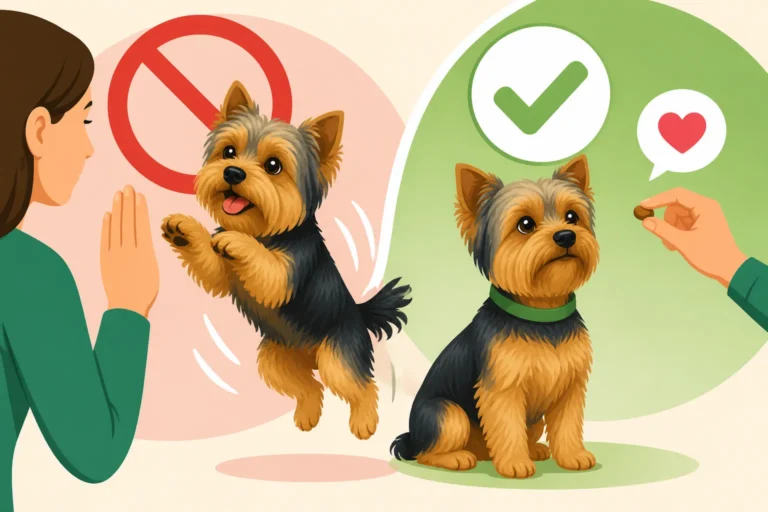
Yorkies respond incredibly well to positive reinforcement. When your Yorkie successfully potties outside, it's time for a celebration! Immediately offer enthusiastic praise ("Good potty!"), a small, high-value treat (something they absolutely love, like tiny pieces of cooked chicken or cheese), and perhaps a quick, happy play session. The timing is crucial: the reward must happen within a few seconds of them finishing their business, so they can connect the reward to the act of going potty outside.
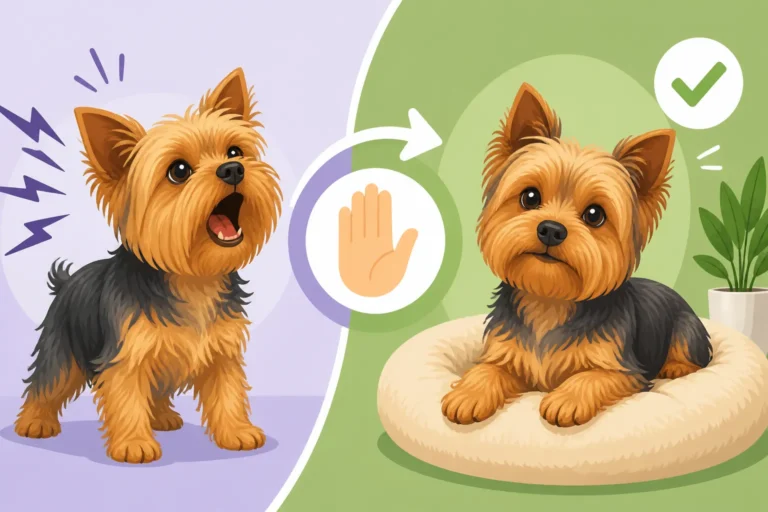
Avoid scolding or punishing your Yorkie for accidents indoors. They don't understand that you're angry about the pee; they'll only learn to associate your presence with fear or anxiety when they relieve themselves. This can lead to them hiding their accidents or becoming reluctant to go in front of you at all, even outside. If you catch them in the act indoors, calmly interrupt them, say "No potty inside!" (or your chosen phrase), and immediately take them outside to their designated spot. If they finish outside, reward them lavishly. If they don't, bring them back in and try again in 10-15 minutes. Companies like BAXTER & Bella offer excellent online training resources that emphasize positive reinforcement methods, which can be a game-changer for stubborn Yorkies.
Managing Indoor Access and Supervision
While you're working on outdoor potty training, manage your Yorkie's indoor access to prevent accidents and establish good habits. This means supervision, supervision, supervision! When you're home, keep your Yorkie on a leash and tethered to you, or keep them in the same room as you so you can constantly watch them. This way, you can spot the signs that they need to go out (sniffing around, circling, sudden interest in a corner) and quickly whisk them outside.
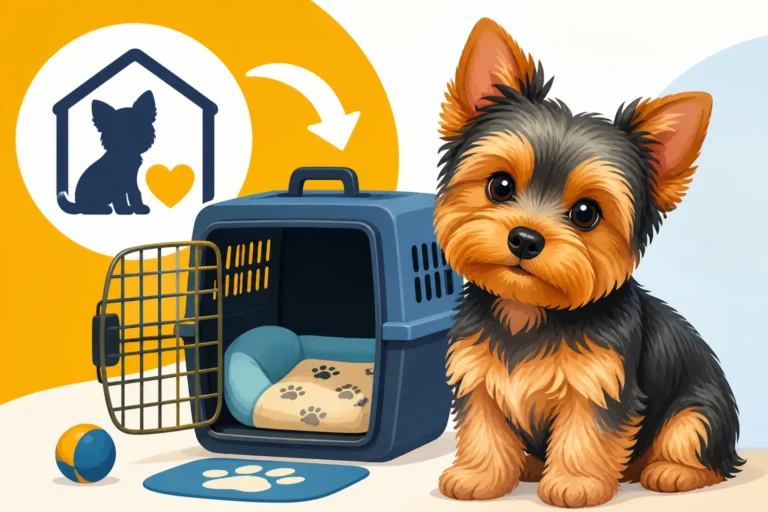
When you can't actively supervise (e.g., when you're busy with chores, on a call, or step out for a short period), use a crate or a small, confined area like a playpen. A crate should be just big enough for your Yorkie to stand up, turn around, and lie down comfortably. Dogs naturally don't want to soil their sleeping area, so this encourages them to hold it. Make sure the crate is comfortable with a soft bed. Never use the crate as punishment. For more on this, read our Yorkshire Terrier Crate Training Guide. Gradually, as they get better at holding it and consistently going outside, you can increase their freedom indoors.
Troubleshooting Common Roadblocks and Advanced Tips
Even with the best intentions, you might hit some snags. Yorkies are known for their strong will, but don't give up! Persistence is key.
Dealing with Distractions and Environmental Overload
Sometimes, your Yorkie isn't refusing to go outside; they're simply too distracted to remember why they're out there. The world is full of fascinating smells, sounds, and sights for a small dog! They might spend their entire outdoor time sniffing a bush, watching a squirrel, or trying to greet a passerby, completely forgetting their mission.
To combat this, take them to a quiet, boring spot initially. Keep them on a short leash, limiting their ability to wander and get distracted. Walk them in small circles in the designated potty area. Resist the urge to play or engage in anything exciting until after they've done their business. Once they've gone, then you can offer praise, treats, and perhaps a short, fun walk around the yard as a secondary reward. If a particular noise or sight consistently spooks them, try to schedule potty breaks during quieter times or find an alternative, more secluded spot. You might also want to explore How to Socialize a Yorkie Puppy to help them feel more comfortable with new environments.
Overcoming Weather Aversion
As mentioned, many Yorkies are fair-weather potty-goers. Rain, snow, extreme heat, or even just wet grass can deter them. This is a very real challenge!
- Rainy Days: Invest in a good quality dog raincoat and tiny dog booties (you can find a wide selection on Amazon). Take them out briefly, cover them with an umbrella, and encourage them to go quickly in a sheltered spot if possible. Some people even train their Yorkies to use a covered potty area on a patio.
- Cold Weather: A warm dog sweater or coat is essential for tiny Yorkies in colder climates. Again, booties can protect their sensitive paws from cold or icy ground. Keep outdoor trips short and efficient. For more tips on keeping them warm, see How to Keep a Yorkie Warm in Winter.
- Hot Weather: Ensure they have access to shade, and go out during cooler parts of the day (early morning, late evening). Carry water if you're on a longer walk, and watch for signs of overheating.
Making the outdoor experience as comfortable as possible will significantly increase your Yorkie's willingness to go.
Addressing Potty Training Regression
It's disheartening when your Yorkie seems to be doing great, and then suddenly starts having accidents again. Potty training regression is common and can be caused by several factors:
- Changes in Routine: A new schedule, moving to a new home, a new family member (human or pet), or even you going back to work after being home can disrupt their established habits.
- Stress or Anxiety: Any change can cause stress. If your Yorkie is feeling anxious, they might revert to old behaviors or have accidents. This is where understanding Yorkie Separation Anxiety: Signs and Fixes becomes crucial.
- Inconsistent Training: Sometimes, owners ease up on the strict routine too soon, giving the dog more freedom before they're truly reliable.
- Undetected Medical Issues: Always rule out a UTI or other health problem if regression is sudden and severe.
When regression occurs, go back to basics. Re-implement the strict schedule, intense supervision, and confinement/crating. Treat them like a brand-new puppy being house-trained from scratch, even if it feels like a step backward. It’s important to remember that this isn’t a personal failing; it’s a bump in the road that can be overcome with renewed commitment. You might find our article on Yorkie Potty Training Regression particularly helpful here.
Advanced Solutions and Tools
Sometimes, standard methods need a little boost.
- Potty Bells: Hanging a set of bells by the door and teaching your Yorkie to ring them when they need to go out can be incredibly effective. Every time you take them out, gently take their paw and tap the bells, then open the door. Soon, they'll associate the bells with going outside.
- Enzymatic Cleaners: I cannot stress this enough – regular household cleaners often don't eliminate the odor enzymes that attract dogs back to the same "accident" spot. An enzymatic cleaner breaks down these odors, making the spot less appealing for future indoor potty breaks. Brands like Nature's Miracle or Simple Green Pet Stain & Odor Eliminator are popular and available at most pet stores and on Amazon.
- Professional Help: If you’ve tried everything and are still struggling, consider consulting a certified professional dog trainer or a veterinary behaviorist. They can observe your Yorkie's specific behaviors and offer tailored strategies. Online platforms like BAXTER & Bella also provide structured courses and personalized support that can guide you through persistent challenges. They can often identify nuances you might be missing and provide hands-on guidance.
- Indoor Potty Transition: If your Yorkie is heavily reliant on pee pads, you can try a gradual transition. Move the pee pad closer and closer to the door over several days, then eventually place it just outside the door. This can help bridge the gap between indoor and outdoor elimination.
It’s easy to feel defeated when your Yorkie won’t cooperate with outdoor potty training. But remember, they want to please you; they just need clear, consistent guidance and understanding. With patience, persistence, and a dash of empathy for their tiny perspective, you and your Yorkie will be celebrating successful outdoor potty breaks in no time!
Disclaimer
Please note that the information provided in this guide is for educational purposes only and should not replace professional veterinary advice. Always consult with your veterinarian for any health concerns or before making significant changes to your pet's care routine.