How to Keep a Yorkie Warm in Winter
The chilly bite of winter can be a real worry for us Yorkie parents, can't it? Their tiny bodies just aren't built for harsh temperatures, and seeing them shiver or hesitate to go outside truly pulls at your heartstrings. This comprehensive guide is here to walk you through everything you need to know and do to ensure your beloved Yorkshire Terrier stays cozy, safe, and happy when the mercury drops, from head-to-paw protection to creating a snug sanctuary at home.
Understanding Your Yorkie's Vulnerability to Cold
It’s easy to look at a fluffy Yorkie and think their long, silky coat offers ample protection against the cold. But the truth is, beneath that beautiful hair, they're quite susceptible to chilly weather. Their small stature and unique physiology mean they don’t handle low temperatures the same way a larger, more robust breed might. This isn't just about comfort; it's about their health and well-being.
Why Small Breeds Get Colder Faster
Have you ever noticed how quickly a little dog starts to shiver compared to a big husky? It’s not your imagination. Small dog breeds like Yorkshire Terriers have a much larger surface area to volume ratio than their larger counterparts. Think about it: a small dog has more skin exposed to the cold relative to its body mass, which means they lose heat much more rapidly. They simply don't have the body mass or a thick undercoat to generate and retain warmth efficiently when the temperature drops.
Furthermore, Yorkies typically have very little body fat, which acts as a natural insulator for many other breeds. Their fine, single-layer coat, while lovely to look at, doesn't provide the same kind of thermal barrier as a dense double coat. It's akin to you wearing a light silk scarf in a snowstorm – it looks nice, but it's not going to keep you truly warm. Their tiny legs also mean they’re closer to the cold ground, which can wick away body heat faster.
These factors combined mean that even a moderately cold day can feel quite severe to your Yorkie. They're not being dramatic when they start lifting their paws or shivering; their little bodies are genuinely struggling to maintain a safe core temperature. Understanding this inherent vulnerability is the first step in becoming their best winter advocate.
Health Risks of Exposure to Cold
Beyond just being uncomfortable, prolonged exposure to cold can lead to serious health issues for your Yorkshire Terrier. One of the most significant concerns is hypothermia, which occurs when a dog's body temperature drops dangerously low. Mild hypothermia can cause lethargy and weakness, but severe cases can lead to organ failure, cardiac arrest, and can even be fatal if not addressed promptly. Symptoms can include intense shivering, cold ears and paws, lethargy, stumbling, and difficulty breathing. If you suspect your Yorkie is suffering from hypothermia, it's an emergency, and you should seek veterinary attention immediately. You can read more about various health concerns in our guide on Yorkshire Terrier Health Problems to Know.
Another common, yet often overlooked, risk is frostbite, especially on their delicate paws, ears, and tail. These areas have less fur and blood flow, making them prime targets for tissue damage when exposed to freezing temperatures. If you notice discoloration, swelling, or blistering on their extremities after being out in the cold, contact your vet right away. The pain from cold can also exacerbate existing conditions. For older Yorkies, the cold can make joint pain from conditions like arthritis much worse, limiting their mobility and quality of life. Our Yorkshire Terrier Senior Care Guide offers more insights into caring for aging pups.
Beyond these acute dangers, repeated exposure to cold can suppress their immune system, making them more susceptible to respiratory infections and other illnesses. It’s a bit like us catching a cold after being out in the elements too long. Keeping them warm isn't just about their immediate comfort; it's a crucial part of preventing a range of health complications that can significantly impact their long-term well-being.
Recognizing Signs of Cold and Hypothermia
Being a vigilant Yorkie parent means being able to read their subtle cues. Our pups can't tell us in words that they're cold, so we need to be tuned into their body language. The most obvious sign is shivering or trembling, which is their body's attempt to generate heat. However, it's important to differentiate this from other causes of trembling; sometimes, a Yorkie might shake or tremble for reasons other than cold, like excitement or anxiety. Our article Why Do Yorkies Shake and Tremble delves deeper into these possibilities.
Beyond shivering, look for your Yorkie curling up tightly, tucking their paws, or seeking out warm spots like a sunny patch or snuggling into blankets. They might be reluctant to go outside for walks or even resist moving from their bed. Their ears and paws might feel unusually cold to the touch. In more serious cases, signs of mild hypothermia include lethargy, weakness, stiff muscles, a slower heart rate, and pale gums. Their breathing might become shallow, and they could appear disoriented or clumsy.
If you observe these more severe symptoms, it’s a red flag. These are significant indicators that their body temperature has dropped to an unsafe level. Remember, early intervention is key. If your Yorkie exhibits any of these serious signs, wrap them in warm blankets and contact your veterinarian immediately for guidance. Recognizing these critical Yorkie Emergency Symptoms to Never Ignore can be life-saving.
Essential Winter Gear for Your Yorkie
When winter truly bites, just keeping your Yorkie indoors isn't always enough, especially for potty breaks or short walks. That's where a carefully chosen wardrobe and some thoughtful accessories come in. Think of it as suiting up your tiny adventurer for the elements, giving them the extra layer of warmth and protection their delicate bodies crave. It’s not just about looking cute, though they certainly do; it’s about providing practical warmth.
Choosing the Right Winter Coat or Sweater
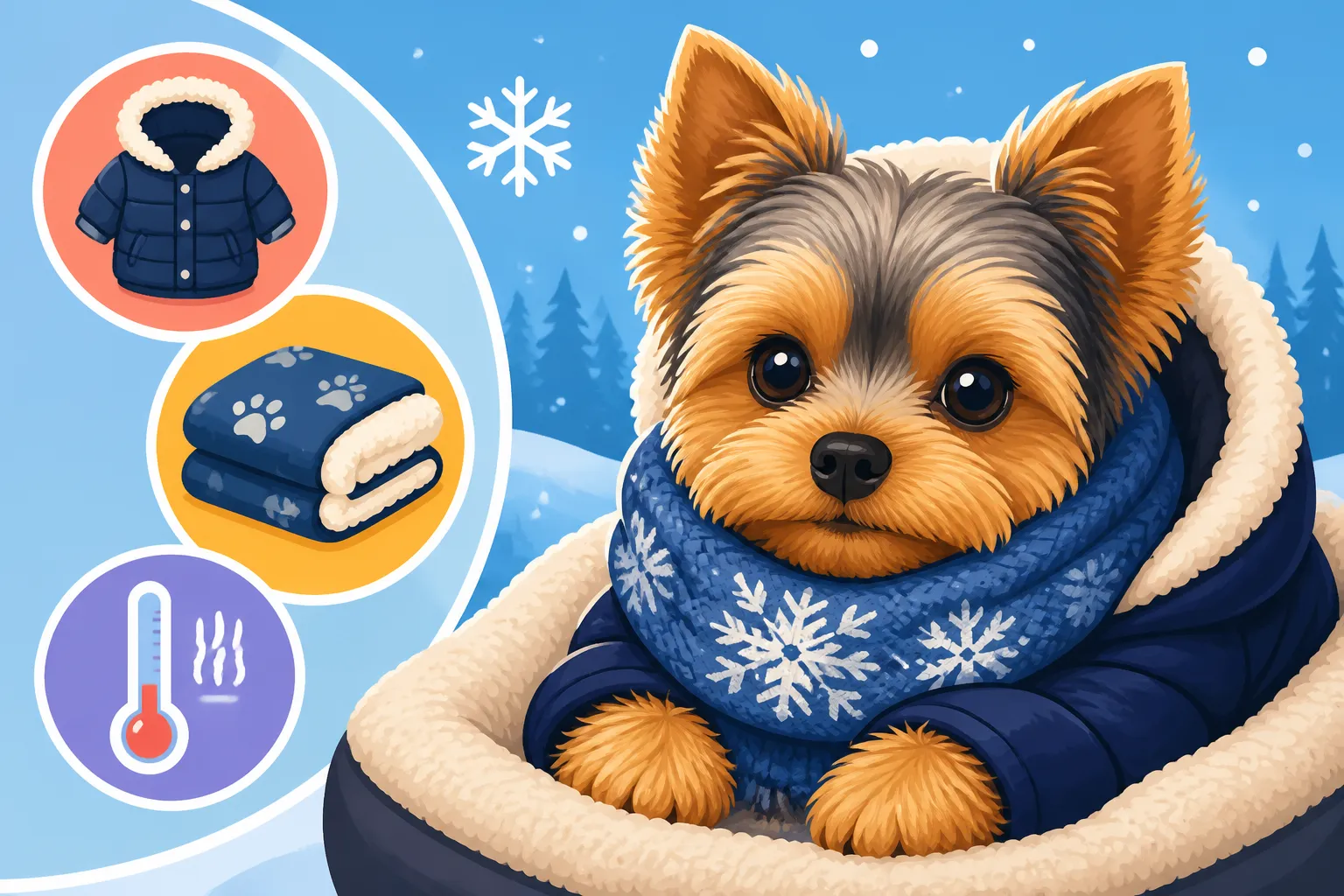
Finding the perfect winter coat or sweater for your Yorkie isn't just about aesthetics; it's about functionality and fit. Given their small size and fine hair, a good outer layer is paramount. Look for materials that offer excellent insulation, such as fleece, wool blends, or insulated, water-resistant fabrics. Remember, their primary goal is to trap body heat, so a snug fit, without being restrictive, is ideal. Many popular pet brands offer a great selection. You can find a vast array of options, from simple sweaters to waterproof parkas, on retailers like Chewy or Amazon, making it easy to compare styles and features right from home.
When selecting a coat, consider the coverage. The best options will cover your Yorkie's back from neck to tail and ideally extend over their belly to protect that vulnerable underside. A high collar can also provide extra warmth for their neck, which is often exposed. For very cold or wet conditions, a waterproof or water-resistant exterior is a must to keep them dry, as wet fur loses its insulating properties quickly. For those living in areas with true winter, consider a coat with an interior lining that adds an extra layer of warmth. Don't forget to check our guide on the Best Clothes for a Yorkshire Terrier for more specific recommendations.
Always prioritize comfort and mobility. Your Yorkie should be able to walk, run, and go potty without their coat getting in the way. Ensure the leg holes aren't too tight and that there's no chafing around the armpits or belly. Adjustable straps or Velcro closures can help achieve a custom fit, which is especially important for a breed with such unique proportions. Try a few different styles and sizes to see what works best for your individual dog, as every Yorkie has their own comfort preferences.
Paw Protection and Booties
While a cozy coat protects their torso, their paws are often the first to suffer from cold, ice, and harsh chemicals. Think about walking barefoot on a freezing, salty sidewalk – that’s essentially what your Yorkie is doing! Paw protection, typically in the form of booties, is incredibly important for several reasons. Firstly, they act as an insulating barrier against freezing ground temperatures, preventing frostbite and discomfort. Secondly, they protect against sharp ice shards, abrasive salt, and de-icing chemicals, which can cause painful cracks, burns, or even be toxic if ingested when your Yorkie licks their paws after a walk.
Finding booties that actually stay on a Yorkie's tiny feet can be a challenge, I won't lie. Look for lightweight, flexible options with good traction and secure fastening systems, like multiple Velcro straps or drawstrings. Brands like Muttluks or Ruffwear often have smaller sizes and designs meant to stay put, though you might need to try a few pairs to find the perfect fit. Measure your Yorkie's paws carefully before purchasing, and remember that front and back paws can sometimes differ in size.
If booties are a complete no-go for your pup (some Yorkies are just not having it!), paw balm can offer a degree of protection. Products like Musher's Secret create a protective wax barrier on their pads, helping to moisturize and shield them from drying and cracking. While not as robust as booties, it’s a good alternative to consider. Even with balm, it's crucial to wipe their paws thoroughly after every outdoor excursion to remove any residual salt or chemicals, ensuring their delicate pads remain healthy.
Indoor Comfort and Warmth Solutions
Even when safely inside, a Yorkie can still feel the chill, especially if your home has drafts or you keep your thermostat on the lower side. Creating warm and inviting indoor spaces is just as important as outdoor gear. A cozy bed is essential. Consider an orthopedic or self-warming bed, often made with reflective materials that use your dog's own body heat to keep them warm. Donut beds or beds with high sides also provide a sense of security and help trap heat. You can explore options like these on Amazon.
Beyond the bed, think about strategic placement. Place their sleeping area away from drafty windows or doors. If your floors are cold, a plush rug or a raised bed can provide an extra layer of insulation from the chill coming up from below. For Yorkies who love to burrow, a "cave" bed or a soft blanket they can dig into will be a huge hit. Some even enjoy a small, heated pet mat or bed, which provides a consistent, low level of warmth. Just ensure any heated product is specifically designed for pets and has safety features to prevent overheating.
Another simple yet effective solution is ensuring they have access to their favorite blankets. Yorkies adore burrowing, and having a soft blanket to snuggle into on the couch or in their bed provides immense comfort and warmth. Consider a small, portable pet tent or a cozy carrier as a designated warm spot in various rooms, giving them options to retreat from any cool spots in the house.
Adjusting Outdoor Routines for Winter
Winter doesn't mean your Yorkie needs to become a total recluse, but it does mean adjusting your usual outdoor habits. Their safety and comfort must always be the top priority. Gone are the days of leisurely strolls on sunny afternoons; winter walks require a bit more planning and a lot more awareness of the conditions.
Shorter, More Frequent Walks
When the temperature drops, especially below freezing, those long, rambling walks you both enjoy simply aren't safe or comfortable for your Yorkie. Instead, opt for shorter, more frequent outings. A quick 5-10 minute potty break, rather than a 30-minute excursion, can make all the difference in preventing them from getting too cold. It’s a balancing act: they still need to relieve themselves and get a tiny bit of fresh air and mental stimulation, but without risking overexposure.
Pay close attention to your Yorkie during these shorter stints. Are they lifting their paws frequently? Shivering excessively? Rushing their business and trying to get back inside? These are all clear signals that they’re cold and need to head back in immediately. Don't push them to stay out longer than they're comfortable. For their exercise needs, consider supplementing outdoor time with engaging indoor play, like fetch in the hallway or puzzle toys. Our guide on Yorkshire Terrier Exercise Needs offers great indoor ideas to keep them active and stimulated.
The goal is to get their necessary business done quickly and efficiently. Dress them in their warm coat or sweater and booties every time, even for what seems like a "just a minute" dash outside. Those minutes add up, and their small bodies lose heat rapidly. Consistency in layering will help ensure their comfort and protection, even for the briefest of outdoor adventures.
Post-Walk Care and Drying
The moment you step back inside after a winter walk, your job isn't quite done. Post-walk care is crucial, especially if there's any moisture or ice involved. First things first: immediately remove their coat and booties. Their coat might be damp or even have ice particles clinging to it, and keeping it on can actually make them colder as it loses its insulating properties.
Next, focus on their paws. Even with booties, moisture can sometimes sneak in, and if you haven't used booties, they've been directly exposed to the elements. Use a soft, absorbent towel to thoroughly dry their paws. Pay special attention to the areas between their paw pads, where ice balls or snow can accumulate and cause irritation or frostbite. Inspect their pads for any cracks, redness, or signs of irritation from salt or chemicals. A quick rinse with lukewarm water can help remove stubborn salt residue, but ensure you dry them completely afterward.
Don't forget the rest of their body, particularly their belly and legs, which might have picked up snow, slush, or salt. A gentle wipe-down with a damp cloth, followed by a thorough drying, will prevent skin irritation and keep them comfortable. For Yorkies with longer hair, regular brushing, perhaps with a tool like a deShedding tool from Furminator (a popular grooming brand available at Chewy or Petco), can help prevent mats from forming when their coat gets wet and then dries, which can be a real pain to untangle. This diligent post-walk routine not only ensures their immediate comfort but also contributes to their long-term skin and coat health during the harsh winter months.
Avoiding Icy and Salty Surfaces
This might seem obvious, but it's incredibly important for Yorkies: actively avoid walking on icy patches or areas heavily treated with road salt and de-icing chemicals. Icy surfaces pose a significant risk of slips and falls, which for a tiny Yorkie, could mean serious injury like a sprain, fracture, or even a more severe orthopedic issue such as Yorkshire Terrier Luxating Patella, a condition many small breeds are prone to. Their delicate joints and tiny stature make them particularly vulnerable to impact injuries.
Beyond the physical danger of falling, de-icing chemicals are a serious concern. Many common de-icers contain compounds that are irritants to paw pads, causing burns, dryness, and cracking. If ingested when your Yorkie licks their paws, these chemicals can lead to gastrointestinal upset, vomiting, or even more severe toxicity. Even "pet-friendly" options can still cause irritation, so it's always best to be cautious.
When you're out and about, try to stick to paths that are clear of ice and salt. If you live in an urban area where this is unavoidable, keeping your Yorkie's walks extremely short and using protective booties becomes even more critical. Consider carrying them over particularly hazardous stretches if possible. If you notice any redness, limping, or excessive licking of paws after a walk, it's a clear sign they may have been exposed to something irritating. Our article How to Protect a Yorkie's Joints provides further tips on keeping their musculoskeletal system healthy.
Home Environment Modifications for Winter Warmth
Our homes are our safe havens, and for a Yorkie, they need to be extra cozy during the winter. While we might be comfortable with a slightly cooler indoor temperature, our tiny companions have different needs. A few thoughtful adjustments can transform your house into a warm, inviting retreat for your pup, safeguarding them from drafts and providing ample opportunities to snuggle up.
Creating Warm Sleeping Spots
A warm, secure sleeping area is non-negotiable for your Yorkie in winter. They need a place where they can escape the ambient chill and truly warm up. As mentioned earlier, self-warming beds are fantastic. These often contain a Mylar or thermal-reflective layer that bounces your dog’s own body heat back to them, creating a warm, snug spot without any electricity. For extra coziness, consider placing a favorite soft blanket or two inside their bed, giving them the option to burrow and create a little den.
Location is key. Keep their primary bed off the floor if possible, or at least away from exterior walls, windows, and entryways where cold drafts are most likely to sneak in. If their bed is near a cold tile or hardwood floor, adding a small rug underneath can provide an additional insulating layer. Some Yorkies love a heated pet bed or pad. If you go this route, always ensure it’s designed specifically for pets, has a low wattage, and includes an automatic shut-off or temperature control feature to prevent overheating. Never use human heating pads, as they can get too hot for a small dog.
Another popular choice is a covered bed or crate. Many Yorkies feel safe and warm in an enclosed space. A soft crate liner and a cozy blanket can turn a simple wire crate into a five-star winter hotel. You can even place a blanket over the top of the crate to further block drafts and retain warmth. Just remember, their comfort is paramount, so observe where they naturally gravitate to in the house and make those spots extra inviting. Our guide on the Best Bed for a Yorkshire Terrier can help you choose the ideal option.
Managing Indoor Temperatures and Drafts
While you might be bundled up on the couch, your Yorkie is living much closer to the floor, where cold air tends to settle and drafts can be surprisingly strong. Maintaining a comfortable ambient temperature in your home is important. While there’s no magic number, generally, keeping your home above 68-70°F (20-21°C) will ensure most small dogs are comfortable, assuming they have warm bedding options. If you prefer to keep your thermostat lower, be extra diligent about providing sweaters, warm beds, and draft-free zones for your Yorkie.
One of the biggest culprits for indoor chill are drafts. Walk around your home, especially near windows, doors, and even electrical outlets, to feel for cold air currents. Simple solutions like draft stoppers for doors and windows can make a huge difference. You can also use weatherstripping or caulk to seal gaps in window frames. If your Yorkie's bed is often placed near a window, consider moving it or adding thick curtains to block the cold.
Remember that heating vents can also be a source of discomfort. While they provide warmth, direct hot air can be drying to their skin and respiratory system. Ensure their sleeping areas aren't directly in the path of a blast of hot air, or consider a vent deflector to redirect the airflow. It’s all about creating a consistently warm, even environment rather than hot spots and cold spots, ensuring your Yorkie doesn't have to constantly adjust to fluctuating temperatures within the house.
Hydration and Nutrition Considerations
During winter, we often think about keeping our Yorkies warm, but hydration and nutrition also play a vital role in their overall ability to cope with colder temperatures. It might seem counterintuitive, but dogs can actually get dehydrated faster in winter. The dry indoor air from heating systems and decreased thirst cues can lead them to drink less. Ensure fresh water is always available and consider adding a little warm water to their bowl to encourage drinking. Ceramic or stainless steel bowls might keep water cooler, so a plastic bowl might be preferred by some Yorkies in winter.
When it comes to nutrition, a slight adjustment to their diet might be beneficial, but always consult your vet before making significant changes. Some active dogs might burn more calories staying warm, requiring a small increase in food intake. However, for many Yorkies, whose outdoor activity decreases significantly in winter, maintaining their regular caloric intake might be sufficient, or even a slight reduction if they become very sedentary, to prevent weight gain. The key is to provide a high-quality, nutrient-dense food that supports a healthy immune system and provides the energy they need to thrive. Brands like Ollie, known for their fresh, human-grade ingredients, could be a good option to ensure optimal nutrition.
Consider adding a joint supplement, especially for older Yorkies, as cold weather can exacerbate joint stiffness and discomfort. Glucosamine and chondroitin are common ingredients that support joint health. You can find many reputable options at pet supply stores or online. Good nutrition isn't just about weight management; it supports their overall vitality, helping their body fight off illness and maintain a healthy coat, which is another layer of insulation. Ensuring they are well-nourished and hydrated is part of a holistic approach to keeping them healthy and warm all winter long.
Recognizing When It's Too Cold to Go Outside
This is a critical aspect of winter care for Yorkies. It's not always about a hard-and-fast temperature; wind chill, precipitation, and your individual dog's health can dramatically change what's "too cold." Being able to make an informed decision about outdoor time protects your Yorkie from unnecessary risk and discomfort.
Temperature Guidelines for Yorkies
There's no single magic number, but generally, for small breeds like Yorkies, temperatures below 45°F (7°C) start to become uncomfortable, even with a coat. Below 32°F (0°C), the risk of hypothermia and frostbite increases significantly, and outdoor excursions should be kept extremely brief – strictly for potty breaks. When temperatures drop below 20°F (-6°C), it's truly too cold for any prolonged outdoor time for a Yorkie, regardless of how bundled up they are. At this point, the risk far outweighs any benefit.
It’s helpful to think in tiers rather than a single cutoff:
| Temperature Range | Risk Level | Recommended Action for Yorkies |
|---|---|---|
| 45°F (7°C) – 35°F (2°C) | Low to Moderate | Comfortable with layers. Short to moderate walks (15-20 min) are generally fine with a warm coat/sweater. Monitor for shivering. |
| 34°F (1°C) – 25°F (-4°C) | Moderate | Use caution. Outdoor time should be brief (5-10 min) and strictly for potty breaks. A warm, waterproof coat and booties are essential. Watch for signs of cold like lifting paws or reluctance to move. |
| 24°F (-4°C) – 15°F (-9°C) | High | Minimal outdoor time. Only extremely brief (2-5 min) potty breaks. Absolutely essential to have a heavy-duty, insulated, waterproof coat and paw protection. Closely monitor for any signs of discomfort or hypothermia. |
| Below 15°F (-9°C) | Extreme | Avoid going outside. This is dangerously cold for Yorkies. Try to use indoor potty solutions (pee pads) if possible. If a quick outdoor break is unavoidable, carry your Yorkie out and back, only allowing them on the ground for the quickest possible relief. |
These are general guidelines. Factors like your Yorkie's age, overall health (e.g., if they have a condition like Yorkshire Terrier Hypothyroidism), and body condition (are they underweight?) can alter their tolerance. Always err on the side of caution.
Assessing Wind Chill and Precipitation
While the air temperature is a key factor, it's certainly not the only one. Ignoring wind chill and precipitation can lead you to underestimate just how cold your Yorkie is truly feeling. Wind chill can make an otherwise tolerable temperature feel much colder, significantly increasing the rate at which your Yorkie loses body heat. A brisk wind on a 35°F day can feel like 25°F or even colder to their small, exposed bodies. Always check the "feels like" temperature, not just the actual temperature, before heading out.
Precipitation, whether it's rain, sleet, or snow, adds another layer of danger. Wet fur loses its insulating properties almost immediately, making your Yorkie more vulnerable to the cold. If their coat gets wet, their body temperature can drop very quickly, even if the air temperature isn't extremely low. This is why a waterproof or water-resistant coat is so important for any winter outing, even if it's just a light drizzle.
Even dry snow can be problematic. While it might seem soft, it's still freezing cold moisture that can cling to their fur and paws, leading to discomfort and risk of frostbite. Ice is even worse, posing slipping hazards and being excruciatingly cold on unprotected paw pads. So, before you open the door, take a moment to assess the complete picture: what's the temperature, how strong is the wind, and is there any moisture in the air or on the ground? A little forethought here can prevent a lot of discomfort and potential danger for your little one.
Alternative Indoor Activities
When outdoor conditions are truly prohibitive, it's time to get creative with indoor activities to keep your Yorkie happy, exercised, and mentally stimulated. Just because they can't go for a long walk doesn't mean they should become couch potatoes. A bored Yorkie can quickly become a destructive Yorkie!
One of the easiest ways to provide exercise is through indoor games. Fetch in a long hallway, a vigorous game of tug-of-war (with appropriate toy size!), or even just chasing you around the house can burn off energy. Hide-and-seek with treats or their favorite toy is a fantastic way to engage their nose and brain. Use puzzle toys that dispense treats, encouraging them to "work" for their rewards; these are excellent for mental stimulation, which can be just as tiring as physical exercise. For a quick brain booster, practice basic obedience commands like "sit," "stay," and "down" or teach them new tricks. You can learn more about How to Teach a Yorkie Tricks in our extensive guide.
Consider enrolling in indoor dog classes if available in your area. Many pet training facilities offer agility courses or basic obedience classes that provide a warm, safe environment for your Yorkie to socialize and get exercise. Even setting up a mini-agility course in your living room with cushions and blankets can be a fun activity. Remember, interaction with you is key. Yorkies thrive on attention and companionship, so spending quality time playing, training, and cuddling indoors will go a long way in keeping their spirits up during the colder months.
Advanced Tips for Senior or Health-Compromised Yorkies
Our older Yorkies and those with underlying health conditions require an even higher level of care and vigilance during winter. Their bodies are often less resilient, making them more susceptible to the adverse effects of cold. What might be a minor inconvenience for a young, healthy Yorkie could be a significant health risk for a senior or sick pup.
Extra Layering and Protection
For senior Yorkies or those with health issues like heart conditions, arthritis, or a weakened immune system, more is definitely more when it comes to winter protection. Their ability to regulate body temperature naturally might be compromised, meaning they need all the help they can get. This often translates to extra layering. Consider starting with a lightweight, breathable base layer, like a thin fleece vest, under their main winter coat. This adds an extra pocket of warmth.
For very frail or thin Yorkies, even a small indoor sweater can make a big difference in maintaining their core temperature, especially if your home gets chilly. Look for sweaters made from soft, non-irritating materials like cashmere or a soft wool blend, ensuring they don't itch or chafe their delicate skin. When venturing outside, if you absolutely must, consider a full-body snowsuit for maximum coverage, protecting their legs and belly even more comprehensively than a standard coat. These typically cover a larger surface area and are often waterproof.
Always remember that these extra layers should still allow full freedom of movement and shouldn't be too tight, which could restrict circulation. The goal is comfort and warmth, not constriction. Regular checks beneath the layers to ensure their skin isn't getting irritated or overly warm (though unlikely in winter, still good practice) are also important. The key is to create a snug cocoon of warmth around them, ensuring that every part of their body is shielded from the cold.
Monitoring for Aches and Pains
Cold weather notoriously exacerbates joint pain and stiffness, particularly for senior Yorkies who may already be dealing with arthritis or other orthopedic issues like Yorkshire Terrier Hip Dysplasia. You might notice they are more reluctant to jump on and off furniture, move more slowly, or even whimper when touched in certain areas. They might struggle more on walks, showing a noticeable limp or stiffness, which might be new or worsened by the cold. Our guide on How to Tell If a Yorkie Is in Pain can help you identify these subtle cues.
Keep a close eye on their mobility and demeanor. If your Yorkie seems less active, less eager to play, or shows signs of discomfort, it’s crucial to address it. Ensure their warm sleeping spots are easily accessible and that they don't have to jump too high to get into their favorite bed or onto the couch. Pet stairs or ramps can be invaluable for protecting their joints and making their lives easier.
If you observe increased pain or stiffness, a visit to your veterinarian is in order. They can assess your Yorkie’s condition and recommend appropriate pain management strategies, which might include anti-inflammatory medications, joint supplements, or even physical therapy tailored to their needs. Staying ahead of their discomfort will significantly improve their quality of life during the colder months, allowing them to remain as comfortable and happy as possible.
Consulting Your Vet for Winter Care
Your veterinarian is your best resource for tailored advice on winter care, especially for a senior or health-compromised Yorkie. They know your dog’s specific medical history, pre-existing conditions, and individual vulnerabilities. Before winter truly sets in, it’s a wise idea to schedule a check-up, particularly for older pups. This allows your vet to assess their overall health, address any lingering concerns, and proactively discuss strategies for the colder months.
During this consultation, you can ask about specific dietary adjustments, recommended joint supplements (such as those containing glucosamine and chondroitin, like Cosequin or Dasuquin, commonly found at pet stores and online), or any necessary medication adjustments to manage conditions that might worsen in cold weather. For instance, if your Yorkie has a heart condition, your vet might advise stricter limits on outdoor exposure or specific medications. Our guide on When to Take Your Yorkie to the Vet provides further context for when to seek professional advice.
Don't hesitate to reach out to your vet if you notice any unusual symptoms or a significant change in your Yorkie’s behavior or comfort level during winter. Even seemingly minor changes could indicate a problem that warrants professional attention. Your vet can provide personalized guidance on everything from managing specific health conditions to recommending the best protective gear or even indoor exercise routines. Proactive communication with your vet ensures your beloved Yorkie receives the specialized care they need to navigate winter safely and comfortably.
Disclaimer
This article is for general informational purposes only and does not constitute professional advice. Laws, prices and regulations vary by location and change over time. Consult a qualified professional for guidance on your specific situation.