Yorkshire Terrier Food For Allergies
It’s truly disheartening to see your precious Yorkshire Terrier suffering from constant itching, tummy troubles, or persistent ear infections, and not know why. You've tried different things, perhaps switched foods hoping for a miracle, only to be met with the same frustrating symptoms. The truth is, pinpointing the cause can feel like a detective mission, especially when food allergies are suspected. This guide aims to cut through the confusion, helping you understand what food allergies mean for your Yorkie and how to find a diet that brings them relief and joy.
Understanding Yorkshire Terrier Food Allergies: Symptoms and Diagnosis
When your tiny Yorkie is constantly scratching, licking their paws, or dealing with an upset stomach, it's easy to jump to conclusions. Food allergies in Yorkshire Terriers can be incredibly frustrating for both you and your furry friend because the symptoms often mimic other common health issues. It's not just about a picky eater; it's about a genuine reaction from their immune system to something in their diet.
Common Signs Your Yorkie Might Have a Food Allergy
Unlike a simple food sensitivity, which might just cause a mild upset stomach, a true food allergy involves your dog's immune system mistakenly identifying a protein in their food as a threat. This triggers a widespread inflammatory response, which can manifest in various ways that go beyond just a little indigestion.
One of the most common indicators is persistent skin irritation. This isn't just a seasonal itch; we're talking about relentless scratching, licking, and chewing, often leading to red, inflamed skin, hot spots, or even secondary bacterial or yeast infections. You might notice your Yorkie constantly licking their paws until they're raw, rubbing their face on the carpet, or shaking their head due to recurrent ear infections. These ear infections often involve a thick, yeasty discharge and a strong odor, and they seem to come back no matter how many times you treat them. Another tell-tale sign is chronic gastrointestinal upset. This can look like frequent vomiting, diarrhea, excessive gas, or even struggling with irregular bowel movements. Some Yorkies might even experience unexplained weight loss or a lack of energy if their body isn't properly absorbing nutrients due to the ongoing inflammation. It's a spectrum, and sometimes it's just one subtle symptom that makes you wonder, "Is this normal?" but more often, it's a combination of these frustrating issues. For a deeper dive into general health concerns, consider reading about Yorkshire Terrier Health Problems to Know.
The Diagnostic Journey: Working with Your Veterinarian
If you suspect a food allergy, the first and most crucial step is a thorough examination by your veterinarian. They'll rule out other potential causes for your Yorkie’s symptoms, such as environmental allergies, fleas, mites, or other underlying health conditions. This is where the detective work truly begins.
The gold standard for diagnosing food allergies is an elimination diet, also known as a novel protein or hydrolyzed protein diet trial. Your vet will guide you through this process, which typically involves feeding your Yorkie a very specific, limited ingredient diet for a period of 8 to 12 weeks. During this time, it's absolutely critical to feed nothing else. No treats, no table scraps, no flavored medications, not even dental chews unless they are approved by your vet as part of the trial. The idea is to introduce a protein source your Yorkie has never encountered before (a "novel protein" like venison, duck, rabbit, or kangaroo) or a "hydrolyzed protein" where the proteins are broken down into such tiny pieces that the immune system can’t recognize them as allergens. If the symptoms disappear or significantly improve during the trial, and then reappear when the old food is reintroduced (a "challenge"), it strongly suggests a food allergy. It's a commitment, but the relief your Yorkie experiences is well worth the effort. Blood tests and skin tests are available, but they are generally less reliable for diagnosing true food allergies compared to a well-executed elimination diet.
Navigating Diet Changes: Types of Hypoallergenic Diets for Yorkies
Once a food allergy is diagnosed, the real work of managing it begins, and that primarily means a carefully selected diet. The good news is that there are several effective types of hypoallergenic diets specifically designed to help dogs with food sensitivities and allergies. The key is finding the right one that addresses your Yorkie's specific triggers.
Novel Protein Diets and Limited Ingredient Diets
Novel protein diets are a fantastic starting point for many Yorkies with food allergies. The concept is simple: feed a protein source that your dog has likely never eaten before, thereby minimizing the chance of an allergic reaction. Common allergens like chicken, beef, dairy, and wheat are often the culprits, so switching to something entirely different can make a world of difference. You'll often find options like venison, duck, salmon, lamb, or even exotic meats like kangaroo or alligator in these formulations. The goal is to avoid any proteins that your Yorkie's immune system has previously encountered and reacted to.
Paired closely with novel protein diets are Limited Ingredient Diets (LIDs). These diets aim to keep the ingredient list as short and simple as possible, typically featuring one single source of animal protein and one single source of carbohydrate. For instance, you might see a duck and potato formula, or salmon and sweet potato. The fewer ingredients, the easier it is to pinpoint what might be causing a reaction, and also what isn't causing one. Many high-quality brands offer LIDs, and you can often find a wide selection of these specialized foods on platforms like Chewy, making it easier to compare options and read reviews from other pet parents. When selecting a LID, always check the ingredient list carefully for hidden allergens, such as chicken fat or common grain fillers that might still trigger a reaction.
Hydrolyzed Protein Diets: When Nothing Else Works
Sometimes, a novel protein isn't enough, or your Yorkie has reacted to multiple common proteins. This is where hydrolyzed protein diets come into play, offering a more advanced solution for severe or complex food allergies. In these diets, the animal proteins (often chicken or soy) are broken down into microscopic fragments through a process called hydrolysis.
These fragments are so tiny that the immune system, which normally reacts to larger protein molecules, doesn't recognize them as allergens. It's like sneaking a piece of a puzzle past a guard who's only looking for the full picture. Because the immune system can't identify the protein as a threat, it doesn't trigger an allergic response. These diets are highly digestible and are often prescribed by veterinarians as a last resort or for very sensitive cases. They are generally considered prescription diets, meaning you'll need a vet's authorization to purchase them. Brands like Royal Canin Hydrolyzed Protein or Purina Pro Plan Veterinary Diets HA Hydrolyzed are common examples. While they might be pricier, the relief they provide for a severely allergic Yorkie is often invaluable. They are also incredibly useful during the initial elimination diet phase, as they remove almost all protein allergenicity from the equation.
Choosing the Right Food: Key Ingredients and What to Avoid
Once you understand the types of diets available, the next step is scrutinizing the ingredient list. This can feel overwhelming, but knowing what to look for and what to steer clear of will empower you to make the best choices for your allergic Yorkie. Remember, consistency is key – finding the right food means committing to it.
Identifying Common Allergens to Avoid
When dealing with a Yorkie food allergy, understanding the most common culprits is your superpower. While any ingredient can cause an allergy, some are far more frequent offenders. The usual suspects include common proteins like chicken, beef, dairy products (like cheese or yogurt), and eggs. Grains such as wheat, corn, and soy are also high on the list. It’s not that these ingredients are inherently "bad," but for an allergic dog, they trigger an adverse immune response.
It's crucial to read food labels meticulously. Don't assume a "lamb formula" is free of chicken if it doesn't explicitly state it. Many foods, even those marketed as specific protein diets, might contain "hidden" allergens in their ingredient list, often as unnamed "animal fat" or "meat meal" which can derive from various sources. Cross-contamination in manufacturing facilities is also a real concern, so look for brands that specifically cater to allergy-prone dogs or have stringent quality controls. If your vet has identified a specific allergen through the elimination diet, like chicken, you must diligently avoid every single product that lists chicken or chicken meal or chicken fat anywhere in its ingredients. This also extends to treats, dental chews, and even certain medications or supplements that might contain filler ingredients. This vigilance is paramount to your Yorkie's comfort. You can often find detailed ingredient breakdowns and customer reviews on platforms like Amazon, which can help you make an informed decision.
Desirable Ingredients for an Allergic Yorkie
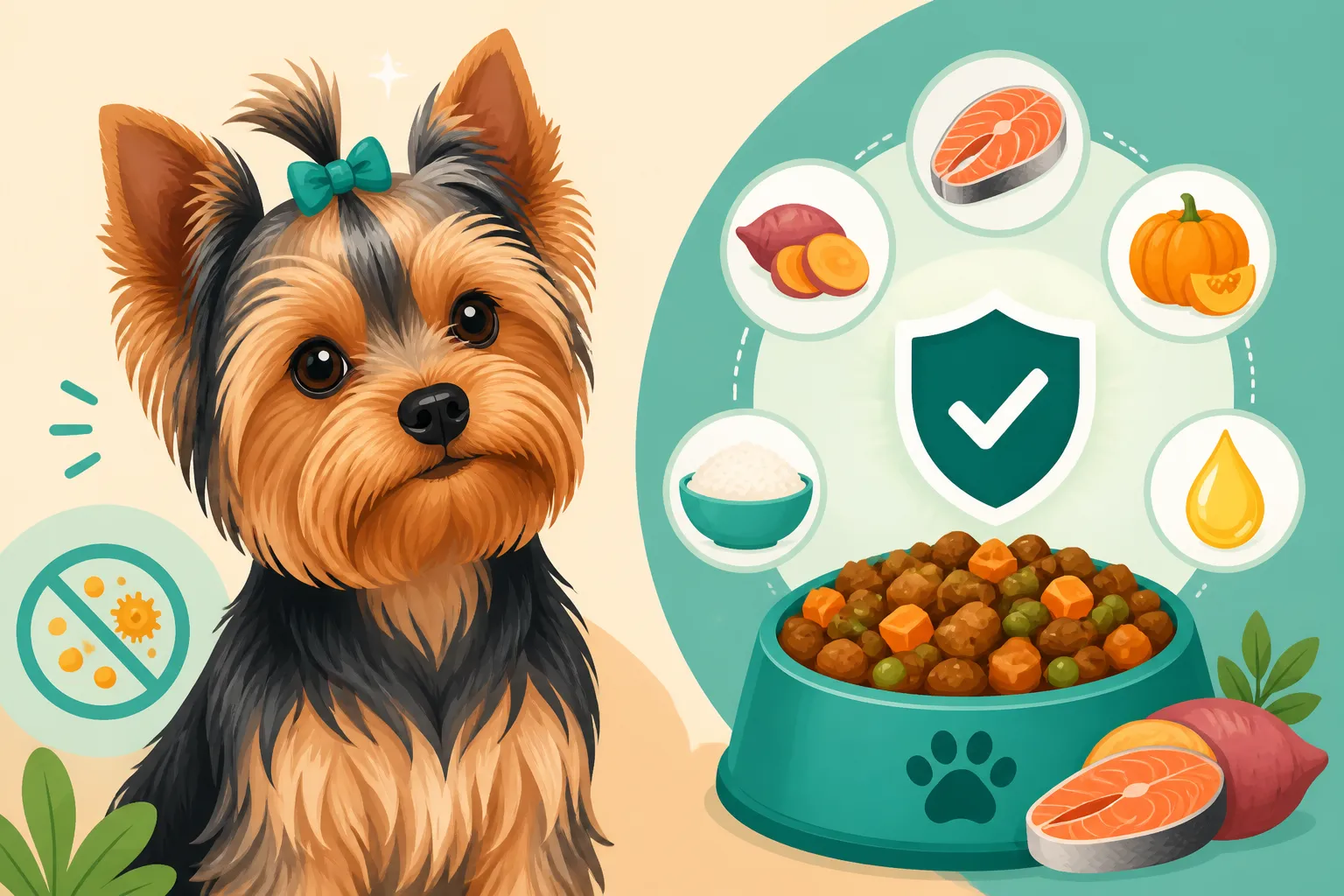
So, what should you be looking for? The focus shifts to simplicity, quality, and novelty. Opt for foods with a single, clearly identifiable novel protein source such as duck, salmon, venison, rabbit, or lamb (if your Yorkie hasn't reacted to lamb previously). The carbohydrate source should also be limited and easily digestible, like sweet potato, potato, tapioca, or peas. These ingredients are less likely to trigger an allergic response and provide essential energy.
Beyond the main protein and carb, look for healthy fats, particularly omega-3 fatty acids from sources like fish oil. These fatty acids are fantastic for skin and coat health, helping to reduce inflammation and support the skin barrier, which is often compromised in allergic dogs. Probiotics and prebiotics can also be beneficial, as they support a healthy gut microbiome, which plays a significant role in immune function and overall digestion. Always ensure the food is nutritionally complete and balanced for your Yorkie's life stage. Some brands, like Ollie, offer fresh, human-grade food options with limited, whole ingredients which can be an excellent choice for sensitive dogs, as you have full transparency of what goes into your dog's bowl. Remember that even the best food needs to be introduced gradually. A sudden switch can upset any dog's stomach, allergic or not. Introduce the new food slowly over 7-10 days, mixing increasing amounts with their old food until they're fully transitioned.
Here's a quick comparison of common dietary approaches for allergic Yorkies:
| Diet Type | Primary Goal | Common Ingredients | Pros | Cons | Best For |
|---|---|---|---|---|---|
| Novel Protein Diet | Introduce unexposed proteins | Duck/Potato, Venison/Sweet Potato, Salmon/Quinoa | Avoids common allergens, widely available. | Still requires careful label reading; some novel proteins might not be truly novel. | Initial stages of food allergy diagnosis, or known single allergen. |
| Limited Ingredient Diet (LID) | Minimize ingredient list | Single protein & carb (e.g., Lamb & Rice) | Reduces exposure to multiple potential allergens, simpler. | May still contain "hidden" ingredients; can be restrictive over time. | Identifying specific allergens, long-term maintenance after diagnosis. |
| Hydrolyzed Protein Diet | Break down proteins for immune bypass | Hydrolyzed soy/chicken protein, corn starch | Highly effective for severe allergies, easily digestible. | Prescription-only, higher cost, less palatable for some dogs. | Severe or multi-allergen allergies, elimination diet trials. |
| Grain-Free Diet | Avoid common grain allergens | Meat, peas, lentils, sweet potatoes | Avoids wheat, corn, soy; often higher in protein. | Not always necessary; some grain-free alternatives have been linked to DCM concerns (consult vet). | Yorkies with diagnosed grain allergies or sensitivities. |
Long-Term Management and Monitoring Your Yorkie's Health
Finding the right food is a huge victory, but managing a Yorkie with food allergies is an ongoing commitment. It’s not a one-and-done situation; it requires continuous vigilance and a deep understanding of your dog’s specific needs to ensure they stay happy, healthy, and symptom-free.
Consistency and Avoiding Dietary Cheats
The single most important aspect of long-term management for an allergic Yorkie is unwavering consistency with their diet. This means only feeding the prescribed or chosen hypoallergenic food. Any deviation, no matter how small or well-intentioned, can trigger a flare-up and undo weeks or months of progress. Imagine your Yorkie finally getting relief from their itchy skin, only for you to offer a tiny piece of cheese as a treat – suddenly, they're back to scratching, and you're back to square one, trying to figure out if it was the cheese or something else.
This level of discipline means being mindful of everything your Yorkie ingests. This includes treats (opt for single-ingredient treats that align with their hypoallergenic diet, or make your own!), dental chews, table scraps (a definite no-go!), and even what they might sneak off the floor during a walk. If you have other pets, ensure their food is kept out of reach of your allergic Yorkie, as even a few kibbles from another dog's bowl can cause a reaction. Communication with family, friends, and pet sitters is also vital. Everyone who interacts with your Yorkie needs to understand the strict dietary requirements. If you're struggling to find suitable treats, many online retailers like Chewy or Amazon carry specialized hypoallergenic treats, but always double-check the ingredient list. Remember that even something like a new chew toy could potentially contain allergens if your Yorkie ingests small pieces. For more tips on managing a sensitive stomach, read How to Manage a Yorkie's Sensitive Stomach.
Monitoring and Adjusting the Diet Over Time
Even with the perfect food, continuous monitoring of your Yorkie’s health is crucial. Keep a close eye on their skin, coat, ears, and digestive health. Are they still scratching? Is their coat shiny and healthy? Are their bowel movements regular and firm? Any re-emergence of symptoms should prompt a call to your veterinarian. It’s possible that new allergies could develop over time, or that an initial diagnosis wasn’t entirely comprehensive.
Your Yorkie's nutritional needs can also change with age, activity level, or if they develop other health conditions. What works for a puppy might not be ideal for a senior Yorkie, for example. Regular vet check-ups are essential to ensure their diet is still meeting all their nutritional requirements and that they are maintaining a healthy weight. Sometimes, small adjustments, such as adding a veterinarian-approved supplement (like a probiotic or omega-3 fatty acid supplement, especially helpful for Yorkie Eye Problems Explained), can provide additional support without compromising the hypoallergenic diet. Don't hesitate to consult your vet if you notice any changes or have questions about their long-term dietary plan. They are your best resource for ensuring your Yorkie thrives. Understanding Yorkie Weight: Healthy Range by Age can also help you monitor their overall health effectively.
Final Thoughts on Yorkie Food Allergies
Dealing with food allergies in your Yorkshire Terrier can be a challenging journey, filled with trial and error, frustration, and a lot of label reading. But remember, you're not alone in this, and with patience, diligence, and the right veterinary guidance, you can find a dietary solution that brings your little companion immense relief and improves their quality of life. It’s all about becoming an expert on your own Yorkie, listening to their body, and consistently providing the nourishment that supports their unique needs.
Disclaimer
This article is intended for informational purposes only and is not a substitute for professional veterinary advice. Always consult with your veterinarian for any health concerns or before making any dietary changes for your Yorkshire Terrier.