Yorkshire Terrier Feeding Guide by Age
One of the biggest worries for any Yorkshire Terrier parent is making sure our tiny companions get the right nutrition. It’s not just about tossing some kibble in a bowl; these little dogs have unique dietary needs that change drastically as they grow. This comprehensive guide will walk you through everything you need to know about feeding your Yorkshire Terrier at every stage of their life, from a curious puppy to a graceful senior, ensuring they stay happy, healthy, and full of that signature Yorkie sass.
Understanding Your Yorkie's Nutritional Needs: A Foundation
Before we dive into specific age groups, it’s crucial to grasp the foundational nutritional requirements that underpin a healthy Yorkshire Terrier diet. These little guys might be small, but their bodies are complex, needing a precise balance of nutrients to thrive. Their high metabolism and predisposition to certain health issues mean their diet isn't something to take lightly.
Essential Macronutrients for Yorkies
Just like us, Yorkies need a good balance of protein, fats, and carbohydrates. These aren't just buzzwords on a dog food bag; they are the building blocks that fuel your Yorkie's energetic lifestyle, maintain their silky coat, and support all their bodily functions. Without the right balance, you might start seeing issues with their energy, coat quality, or even more serious health concerns.
Protein is paramount for Yorkshire Terriers. It's essential for muscle development, tissue repair, and supporting a robust immune system. Given their active nature and the rapid growth experienced by puppies, high-quality animal-based protein sources are non-negotiable. Look for ingredients like chicken, turkey, lamb, or fish listed as the first few ingredients on any dog food label. It’s not just about the percentage of protein, but the digestibility and biological value of that protein. A growing Yorkie puppy, for instance, needs a higher percentage of protein compared to a more sedentary senior. Without adequate protein, Yorkies can experience muscle wasting and a dull, brittle coat, which is the last thing we want for their beautiful hair.
Fats, often misunderstood, are equally vital. They provide a concentrated source of energy, absorb fat-soluble vitamins (A, D, E, K), and are crucial for skin health and that signature luxurious Yorkie coat. Healthy fats, particularly Omega-3 and Omega-6 fatty acids, contribute to cognitive function and reduce inflammation. Sources like fish oil, flaxseed, and chicken fat are excellent additions. However, given their small size, it's a fine line between enough fat and too much, which can lead to weight gain or pancreatitis. The key is balance and quality – not just any fat, but the right kind of fat.
Carbohydrates offer quick energy and dietary fiber, supporting a healthy digestive system. However, not all carbs are created equal. Complex carbohydrates from sources like sweet potatoes, peas, and brown rice are preferable to fillers like corn or wheat, which can be harder for some Yorkies to digest and may contribute to allergies. The fiber content in good carbohydrates aids in regular bowel movements and can help manage blood sugar levels, which is particularly important for a breed prone to Yorkshire Terrier Hypoglycemia: Signs and Care. These ingredients provide sustained energy without the spikes and crashes associated with simple sugars.
Micronutrients and Water Importance
Beyond the big three, a host of vitamins, minerals, and, crucially, water, work together to keep your Yorkie in tip-top shape. These micronutrients, though needed in smaller amounts, play indispensable roles in everything from bone density to nerve function, and a lack thereof can have cascading negative effects.
Vitamins and minerals are the unsung heroes of canine nutrition. Calcium and phosphorus, for example, are essential for strong bones and teeth, especially critical during puppyhood when growth is rapid. Antioxidant vitamins like C and E bolster the immune system, helping to protect cells from damage. B vitamins are vital for energy metabolism and nervous system health. A high-quality commercial dog food formulated for small breeds will typically include a balanced array of these micronutrients. However, if your Yorkie has specific health concerns, your vet might recommend supplements, but it’s crucial never to supplement without professional guidance, as too much of a good thing can be detrimental. For instance, too much calcium can lead to skeletal problems in growing puppies.
Water, often overlooked, is perhaps the most critical nutrient of all. It constitutes a significant portion of your Yorkie’s body weight and is involved in virtually every bodily process, including nutrient transport, temperature regulation, and waste elimination. Dehydration can quickly become serious for small breeds like Yorkies. Always ensure your Yorkie has access to fresh, clean water, whether from a bowl or a pet fountain. Regularly cleaning their water bowl prevents bacterial buildup, ensuring they are always encouraged to drink. Think about it – on a hot day, or after a lively play session, that fresh water is even more important than their next meal.
Feeding Your Yorkshire Terrier Puppy: The Crucial Early Months
Bringing home a Yorkshire Terrier puppy is an exciting time, but it comes with a huge responsibility: ensuring they get the absolute best start in life nutritionally. Puppyhood is a period of intense growth and development, and their feeding schedule and food choices will lay the groundwork for their adult health. It’s a delicate balance, and mistakes here can have long-lasting effects.
Newborn to 8 Weeks: Mother's Milk and Weaning
For the first few weeks of their lives, a Yorkie puppy's primary source of nutrition is, and should be, their mother's milk. Mother's milk provides essential antibodies, fats, proteins, and sugars perfectly tailored for their rapid development and immune system boost. It’s nature’s perfect food. During this period, interference is generally discouraged unless there are specific health concerns for the mother or the puppies.
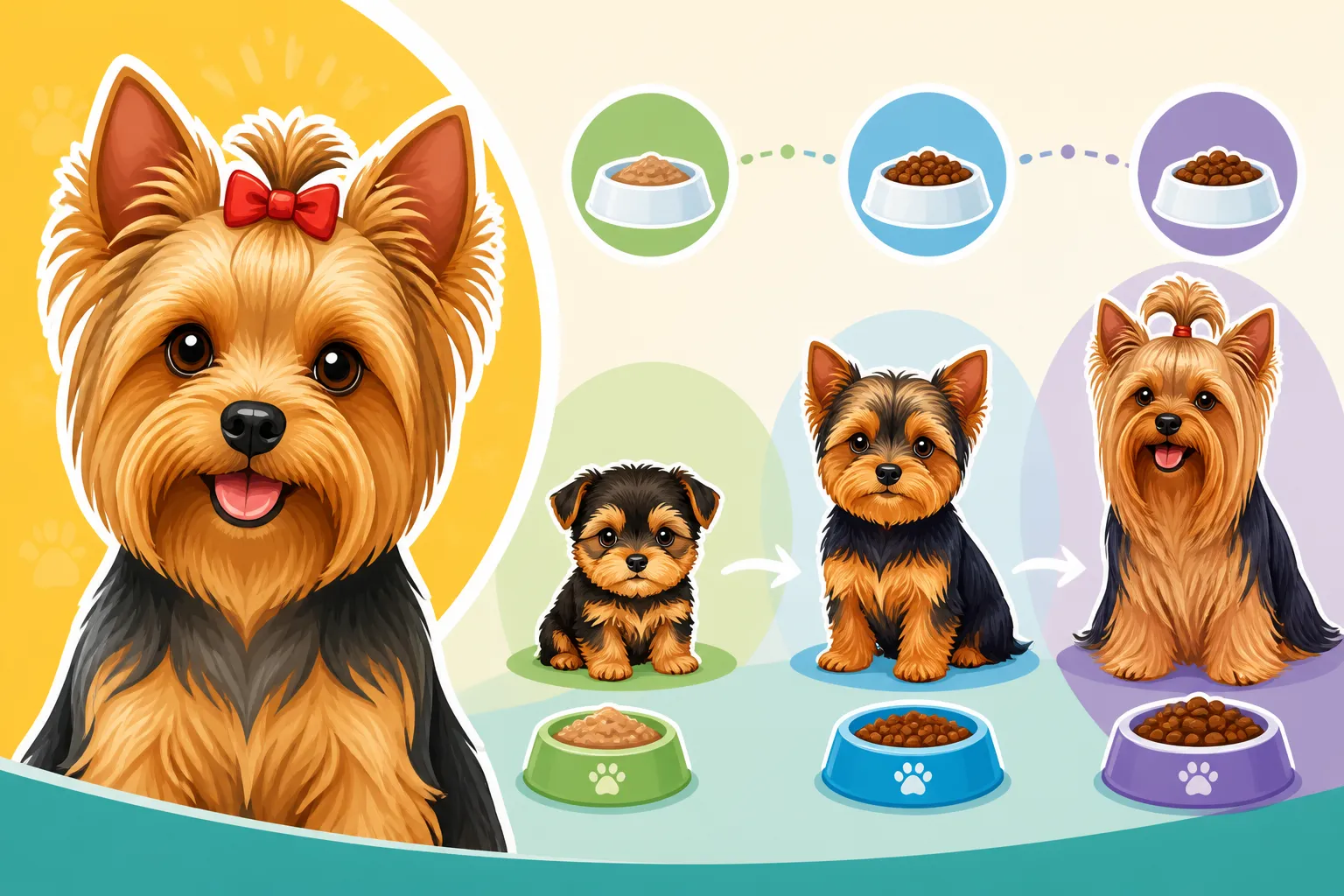
Around 3-4 weeks of age, puppies will naturally start showing interest in solid food – this is the beginning of the weaning process. This transition needs to be gradual and gentle to avoid upsetting their tiny digestive systems. Start by offering a "slurry" made from high-quality puppy kibble softened with warm water or puppy milk replacer. Imagine a thick, oatmeal-like consistency. Place small amounts in a shallow dish several times a day. At first, they might just lick it or step in it, but soon, their natural curiosity and hunger will lead them to consume it. Gradually, over the next few weeks, you'll reduce the amount of liquid, making the food firmer until they are eating unsoaked kibble by about 7-8 weeks of age. This gentle transition helps them adjust to new textures and flavors without causing stomach upset.
8 Weeks to 6 Months: Growth Spurt Fuel
Once your Yorkie puppy is fully weaned, typically around 8 weeks, their diet shifts entirely to commercial puppy food. This stage is characterized by incredibly rapid growth, requiring a high-calorie, nutrient-dense diet specifically formulated for small breed puppies. These specialized foods are designed to support bone development, brain function, and overall growth without overwhelming their small stomachs.
During this period, frequent, small meals are key. A Yorkie puppy aged 8 weeks to about 3-4 months should typically be fed three to four times a day. Their tiny stomachs can’t handle large quantities, and frequent meals help prevent dangerous drops in blood sugar, a condition known as hypoglycemia, which Yorkie puppies are particularly vulnerable to. A typical feeding schedule might be breakfast, lunch, dinner, and a small snack before bed. Always measure the food precisely according to the recommendations on the food bag, adjusting for your puppy’s individual activity level and growth rate. Overfeeding can lead to obesity, while underfeeding can stunt growth.
Many reputable brands offer excellent small breed puppy formulas. Brands like Royal Canin’s Yorkshire Terrier Puppy formula are specifically designed for the breed’s unique needs, including their tiny jaws and the texture of their evolving adult coat. You can often find these specialized foods on sites like Chewy or Amazon, which offer a wide selection and convenient delivery. Remember, consistency is vital. Changing foods too often or too abruptly can lead to digestive upset.
6 Months to 12 Months: Puppy to Adolescent
As your Yorkie puppy moves past the six-month mark, their growth rate might begin to slow down slightly, but they are still very much in a developmental phase. This period is often referred to as adolescence, and while they might look more like mini adults, their nutritional needs are still distinct from a fully grown dog. They are burning a lot of energy, exploring their world, and developing their final adult body structure.
Continue with high-quality small breed puppy food, but you might be able to reduce the frequency of meals from four to three times a day, depending on your puppy's energy levels and appetite. Some vets recommend transitioning to two meals a day towards the end of this phase, closer to their first birthday. However, keep monitoring their weight and energy. If they seem to be losing weight or lacking energy, an extra small meal might still be beneficial. Pay close attention to the feeding guidelines on the food packaging, as they often provide a range for puppies of different weights. These guidelines are a starting point, and you might need to adjust based on your specific puppy’s metabolism and activity.
During this stage, mental and physical development are still in full swing. Nutritional support for brain development, often from DHA (an Omega-3 fatty acid), remains important. Keep an eye on their stool quality – firm, consistent stools are a good indicator of proper digestion. If you notice persistent diarrhea or constipation, it’s a sign to consult your veterinarian. This is also a good time to ensure they are maintaining a healthy weight as they approach adulthood, avoiding both puppy fat and being too thin. A healthy weight protects their developing joints and prevents long-term health issues.
Transitioning to Adult Food: A Gentle Shift
The transition from puppy food to adult food is a significant milestone in your Yorkie's life. It’s not just about a change in label; it’s a shift in nutritional composition to match their slowing growth rate and different metabolic needs. Rushing this process can lead to digestive upset, so a thoughtful, gradual approach is always best.
When and How to Make the Switch
Generally, most Yorkshire Terriers are ready to transition from puppy food to adult food around 9 to 12 months of age. Some smaller or slower-maturing individuals might benefit from staying on puppy food a little longer, up to 14-15 months, but this is less common. The key indicators are their growth slowing down and reaching their near-adult size and weight. Your veterinarian can provide the best guidance on the exact timing, as they can assess your individual Yorkie’s development.
The "how" of the transition is crucial. Never switch cold turkey. A sudden change can shock your Yorkie's digestive system, leading to diarrhea, vomiting, and a very unhappy pup. The golden rule is a gradual, seven-day transition. Start by mixing a small amount of the new adult food with their current puppy food.
Here’s a typical seven-day schedule:
- Days 1-2: 75% puppy food, 25% adult food
- Days 3-4: 50% puppy food, 50% adult food
- Days 5-6: 25% puppy food, 75% adult food
- Day 7 onwards: 100% adult food
During this period, observe your Yorkie closely. Look for any changes in appetite, energy levels, or stool consistency. If you notice any digestive upset, slow down the transition. For example, if diarrhea occurs on day 3, go back to the day 1-2 ratio for another couple of days before slowly progressing again. Some very sensitive Yorkies might need an even slower, 10-14 day transition. Patience is your best friend here. This slow introduction allows their digestive enzymes to adapt to the new ingredients, making the switch much smoother.
Choosing the Right Adult Formula
Selecting the right adult dog food for your Yorkshire Terrier involves careful consideration. Just because it's labeled "adult" doesn't mean it's suitable for your small breed. Yorkies have specific needs that differ from larger breeds, and their food should reflect that.
Firstly, look for foods specifically formulated for "small breeds" or "toy breeds." These formulas often have smaller kibble sizes, which are easier for their tiny mouths to chew and digest, preventing choking hazards. More importantly, they are usually calorie-dense and nutritionally balanced to match the higher metabolic rate of small dogs, but without excess calories that could lead to obesity. Remember, a few extra pounds on a Yorkie is equivalent to a significant weight gain on a larger dog.
Consider the ingredients list carefully. Prioritize foods with high-quality, named animal protein sources (like "chicken meal" or "deboned salmon") as the first ingredient. Avoid generic "meat meal" or excessive fillers. Healthy fats, like chicken fat or salmon oil, should also be present. Complex carbohydrates from sources like sweet potatoes, brown rice, and peas are good. For Yorkies, known for their sensitive stomachs, avoiding common allergens like corn, wheat, and soy might be beneficial. If your Yorkie has shown signs of allergies, choosing a limited ingredient diet might be a good starting point, often found on reputable pet food retailers like Chewy. Companies like Ollie, known for their fresh, human-grade ingredients, also offer customized meal plans that can be excellent for sensitive pups, though they tend to be a higher price point.
It's also a good idea to consult your veterinarian before finalizing your choice. They can recommend specific brands or formulations based on your Yorkie's individual health, activity level, and any potential predispositions, such as their vulnerability to Yorkshire Terrier Dental Disease: Signs and Care, for which certain kibble shapes can offer some dental benefits. Don't just pick the prettiest bag; pick the one that truly nourishes your beloved companion.
Feeding an Adult Yorkshire Terrier: Maintaining Peak Health
Once your Yorkshire Terrier has reached adulthood, typically between 12 months and 7-8 years of age, their feeding routine settles into a pattern aimed at maintaining their ideal weight, energy levels, and overall health. This stage is about consistency and careful portion control, adapting slightly as their activity levels may fluctuate.
Daily Calorie Requirements
Adult Yorkshire Terriers, despite their small stature, have a relatively high metabolism compared to larger breeds. This means they burn calories faster and require a nutrient-dense diet. However, it's a delicate balance; overfeeding even slightly can quickly lead to weight gain, which puts undue stress on their tiny joints and can exacerbate conditions like Yorkshire Terrier Luxating Patella: Signs and Care.
On average, a healthy adult Yorkie weighing between 4 and 7 pounds requires approximately 150 to 250 calories per day. This is a general guideline, and the exact amount will vary based on several factors:
- Activity Level: A highly active Yorkie who loves long walks and play sessions will need more calories than a more sedentary couch potato.
- Metabolism: Just like people, individual dogs have different metabolic rates.
- Age: Younger adults might be more active than those approaching their senior years.
- Spay/Neuter Status: Spayed or neutered dogs often have slightly lower caloric needs due to hormonal changes.
The most accurate way to determine your Yorkie's specific caloric needs is to consult with your veterinarian. They can help you calculate a precise daily intake based on your dog’s ideal weight and lifestyle. Always use a measuring cup to portion out food accurately. Eyeballing it can easily lead to overfeeding. A high-quality small breed adult formula, rich in protein and healthy fats, will provide the necessary energy without excessive fillers.
Scheduled Feeding versus Free Feeding
When it comes to adult Yorkies, scheduled feeding is almost universally recommended over free feeding (leaving food out all day). There are several compelling reasons for this:
- Weight Management: Scheduled meals allow for precise portion control, making it much easier to manage your Yorkie's weight. With free feeding, it's easy for them to overeat, leading to obesity.
- Hypoglycemia Prevention: For Yorkies, who are prone to hypoglycemia (low blood sugar), scheduled meals at consistent times help stabilize blood sugar levels throughout the day. Skipping meals or having long gaps can be dangerous for some individuals.
- Digestive Health: Regular meal times help establish a predictable digestive rhythm, which can lead to more consistent potty breaks and easier house training.
- Monitoring Appetite: If your Yorkie suddenly stops eating their scheduled meal, it's a clear indicator that something might be wrong. With free feeding, it can be much harder to notice a decrease in appetite, delaying potential vet visits for underlying health issues.
- Bonding: Meal times are a great opportunity for bonding and reinforce your role as the provider.
Most adult Yorkies do well on two meals a day – once in the morning and once in the evening. This ensures they don't go too long between meals. If your Yorkie is particularly small, very active, or prone to hypoglycemia, your vet might recommend three smaller meals. Always stick to a consistent schedule, as dogs thrive on routine.
Managing Treats and Snacks
Treats are an undeniable part of our relationship with our dogs – they're great for training, rewarding good behavior, and just showing affection. However, for a small breed like a Yorkshire Terrier, treats can quickly add up in terms of calories and derail a carefully balanced diet.
The general rule of thumb is that treats should make up no more than 10% of your Yorkie’s total daily caloric intake. For a Yorkie needing 200 calories a day, this means only 20 calories from treats – a very small amount! Be mindful of the size and caloric content of each treat. Many commercial treats designed for "all dogs" are far too large and calorie-dense for a tiny Yorkie. Always break larger treats into tiny, pea-sized pieces.
Opt for low-calorie, healthy treats. Good options include:
- Commercial Training Treats: Look for small, soft treats specifically designed for small dogs or training purposes. Many reputable brands on Amazon offer these.
- Plain Cooked Chicken or Turkey: Lean protein, cooked and shredded into tiny bits, is a fantastic, healthy motivator.
- Vegetables: Small pieces of carrots, green beans, or cucumber can be great, crunchy, low-calorie options. Always check which human foods are safe for dogs before offering them.
- Dental Chews: While some dental chews can be higher in calories, they offer the dual benefit of promoting dental health. Just be sure to factor them into your daily calorie count and choose an appropriate size for a Yorkie.
Avoid giving table scraps, as these can be high in fat, sugar, or ingredients that are harmful to dogs. Also, be aware of "hidden" calories in things like peanut butter, cheese, or even small pieces of fruit, which can quickly add up. If your Yorkie is prone to weight gain, consider using a portion of their daily kibble as treats to avoid adding extra calories.
Senior Yorkie Nutrition: Adapting to Aging Needs
As our beloved Yorkshire Terriers enter their golden years, typically around 7-8 years old, their nutritional needs begin to shift once more. Just like aging humans, senior Yorkies might experience a decrease in metabolism, reduced activity levels, and potentially new health challenges that require specific dietary adjustments. It’s about tailoring their food to keep them comfortable, healthy, and happy in their later life.
Addressing Age-Related Changes
One of the most common changes in senior Yorkies is a slowdown in metabolism and activity. This often means they require fewer calories to maintain a healthy weight. Continuing to feed them the same amount of food they ate as a spry adult can quickly lead to weight gain, which exacerbates joint pain from conditions like arthritis or contributes to other age-related issues. Monitoring their weight regularly and adjusting portion sizes downwards is crucial.
Senior dog food formulas are often designed with these changes in mind. They typically contain:
- Fewer Calories: To prevent weight gain.
- Reduced Fat: Again, to manage calorie intake.
- Increased Fiber: To promote digestive regularity, as older dogs can sometimes experience constipation.
- Joint Support: Many senior diets are fortified with glucosamine and chondroitin to support joint health and mobility, which is especially beneficial for breeds prone to Yorkie Knee Problems Explained.
- Antioxidants: Higher levels of antioxidants can help combat cellular aging and support the immune system.
However, not all senior Yorkies are the same. Some older dogs might actually become underweight due to dental problems, decreased appetite, or underlying health conditions. For these dogs, a calorie-dense, highly palatable food might be more appropriate. This is why a one-size-fits-all approach doesn't work; individual assessment is key.
Dietary Adjustments for Health Conditions
As Yorkies age, they can become more susceptible to certain health conditions that directly impact their dietary needs. This is where working closely with your veterinarian becomes paramount. They can help diagnose issues and recommend therapeutic diets specifically formulated to manage these conditions.
Common health issues in senior Yorkies that may require dietary changes include:
- Kidney Disease: This is a common concern in older dogs. Diets for kidney disease are typically lower in protein (but with high-quality protein), phosphorus, and sodium to reduce the workload on the kidneys.
- Heart Disease: Low-sodium diets are often recommended to help manage fluid retention associated with heart conditions.
- Dental Disease: Many senior Yorkies suffer from significant Yorkie Dental Disease Prevention. If chewing becomes painful, switching to a soft, wet food or softening kibble with water can make eating more comfortable.
- Diabetes: Diabetic diets are often high in fiber and complex carbohydrates to help regulate blood sugar levels.
- Cognitive Decline: Some senior diets include ingredients like MCTs (medium-chain triglycerides) or antioxidants to support brain health and combat canine cognitive dysfunction.
- Sensitive Stomachs: Older dogs can develop more sensitive digestive systems. A highly digestible diet with prebiotics and probiotics can be beneficial.
For conditions like these, your vet might prescribe a prescription diet, which is specifically formulated for therapeutic purposes. These are not just "senior" foods; they are medically designed to help manage specific illnesses. For example, Royal Canin and Purina Pro Plan both offer a range of veterinary diets for various conditions. Never put your Yorkie on a prescription diet without a vet's diagnosis and recommendation. The goal is to improve their quality of life, alleviate symptoms, and slow the progression of disease through targeted nutrition.
Special Dietary Considerations and Common Issues
Yorkshire Terriers are a unique breed with certain predispositions that often require special attention to their diet. Understanding these common issues and how nutrition plays a role can help you proactively manage your Yorkie’s health and well-being.
Sensitive Stomachs and Allergies
Many Yorkie parents know the frustration of a dog with a sensitive stomach. Episodes of vomiting, diarrhea, or soft stools can be a recurring nightmare. While sometimes it's due to eating something they shouldn't, often it points to a food sensitivity or allergy.
Food sensitivities typically manifest as digestive upset, while food allergies can also cause skin issues, like itching, redness, or chronic ear infections. The most common food allergens for dogs are proteins like beef, dairy, chicken, lamb, and wheat. If you suspect your Yorkie has a food sensitivity or allergy, a diagnostic elimination diet is the gold standard. This involves feeding a novel protein source (one your dog has never eaten before, like duck, venison, or kangaroo) or a hydrolyzed protein diet (where proteins are broken down into tiny pieces too small to trigger an immune response) for 8-12 weeks. During this time, absolutely no other foods, treats, or flavored medications can be given. Once symptoms clear, ingredients are reintroduced one by one to identify the culprit.
For ongoing management, choosing a limited ingredient diet (LID) can be beneficial. These diets simplify the ingredient list, making it easier to avoid potential allergens. Brands like Natural Balance or Zignature offer excellent LID options. Some Yorkie owners also find success with fresh food diets, like those offered by Ollie, which use whole, human-grade ingredients and allow for greater control over what goes into your dog’s bowl. Always ensure any new food is introduced gradually to avoid further digestive upset.
Weight Management: Overweight and Underweight Yorkies
Maintaining an ideal weight is paramount for a Yorkie's long-term health. Given their small size, even a slight deviation from their ideal weight can have significant consequences.
Overweight Yorkies: An overweight Yorkie is prone to a host of problems, including:
- Increased risk of Yorkie Knee Problems Explained like luxating patella
- Diabetes
- Heart disease
- Breathing difficulties (especially relevant for a breed prone to Yorkie Breathing Problems Explained like tracheal collapse)
- Reduced lifespan
If your Yorkie is overweight, the strategy is typically twofold: reduce calorie intake and increase exercise. Switch to a "light" or "weight management" dog food, which usually has fewer calories and higher fiber content to help them feel full. Accurately measure portions and strictly limit treats. Instead of food treats, use praise, play, or small pieces of low-calorie vegetables like carrots or green beans. Increase their daily activity with more walks and playtime, but always be mindful of their tiny joints and stamina. Consult your vet to rule out any underlying medical causes for weight gain and to create a safe weight loss plan.
Underweight Yorkies: While less common than obesity, an underweight Yorkie can also be a concern. This could be due to:
- Picky eating habits
- High metabolism
- Underlying dental problems making eating painful
- Illness (parasites, hyperthyroidism, digestive issues, etc.)
If your Yorkie is underweight, the first step is always a vet check-up to rule out any medical conditions. If healthy, strategies might include switching to a more calorie-dense food (e.g., a puppy formula for a short period), offering smaller, more frequent meals, or enhancing food palatability with warm water or a vet-approved food topper. Some owners find that adding a small amount of cooked, lean protein like chicken can entice a picky eater. Again, brands like Ollie, with their fresh, palatable meals, can sometimes help stimulate the appetite of an underweight or picky eater.
Addressing Yorkie Hypoglycemia
Hypoglycemia, or low blood sugar, is a serious and potentially life-threatening condition for Yorkshire Terriers, especially puppies or very small adults. Their small size and high metabolism mean they can burn through glucose reserves quickly.
Signs of hypoglycemia include:
- Lethargy and weakness
- Trembling or shaking (often mistaken for just being cold or nervous)
- Disorientation or staggering
- Lack of coordination
- Seizures
- Loss of consciousness
If you suspect your Yorkie is experiencing hypoglycemia, it's an emergency. Immediately rub a small amount of a sugary syrup (like Karo syrup, honey, or even pancake syrup) on their gums. This rapid absorption of sugar can temporarily raise their blood glucose. Then, contact your vet immediately.
Prevention is key. Consistent, scheduled meals, especially for puppies or very small adults, help maintain stable blood sugar levels. Avoid long gaps between meals. Always provide a high-quality, nutrient-dense diet. If your Yorkie is prone to hypoglycemia, your vet might recommend specific dietary adjustments or even having a glucose-rich supplement on hand. It's a critical aspect of Yorkie Hypoglycemia: Emergency Signs awareness.
Choosing the Right Food and Feeding Practices
Navigating the vast world of dog food can feel overwhelming, with countless brands, types, and claims. Making an informed decision about your Yorkie's food is one of the most important aspects of their care.
Deciphering Dog Food Labels
Dog food labels are packed with information, but knowing how to interpret them is crucial. Don't just look at the marketing; dive into the guaranteed analysis and ingredient list.
- Ingredient List: Ingredients are listed in descending order by weight. Look for a named animal protein source (e.g., "deboned chicken," "lamb meal") as the first one or two ingredients. Avoid foods where grains or vague "meat by-products" are at the top. Be wary of generic terms like "meat meal" or "poultry fat" – specific names are always better.
- Guaranteed Analysis: This section shows the minimum percentages of crude protein and crude fat, and maximum percentages of crude fiber and moisture.
- Protein: For puppies, aim for at least 28-30%; for adults, 25-28%; for seniors, it might vary based on health, but often a similar range or slightly less if kidney issues are present.
- Fat: For puppies, 15-20%; for adults, 12-18%.
- Fiber: Around 3-5% is generally good for digestive health.
- AAFCO Statement: Look for a statement from the Association of American Feed Control Officials (AAFCO). This statement confirms that the food is "complete and balanced" for a specific life stage (e.g., "for growth," "for maintenance," or "for all life stages"). This indicates the food meets recognized nutritional standards. Without this statement, the food might not provide all the necessary nutrients.
- Calorie Content: Often listed as "kcal/kg" (kilocalories per kilogram) or "kcal/cup." This helps you accurately portion food for your Yorkie's specific caloric needs.
Always remember that marketing terms like "premium," "holistic," or "natural" are unregulated and don't necessarily guarantee quality. Focus on the facts on the label.
Exploring Different Food Types
Beyond kibble, there are several other food types available, each with its own pros and cons for a Yorkshire Terrier.
- Dry Kibble: This is the most common and often most economical option. Good quality kibble is complete and balanced, and the crunchy texture can help with Yorkie Dental Disease Prevention. Look for small-breed specific kibble that's easier for their tiny mouths to manage.
- Wet Food: Canned food is highly palatable and can be great for picky eaters or dogs with dental issues who find chewing painful. It also adds moisture to their diet. However, it's often more expensive per serving and less calorie-dense than kibble, requiring larger portions. It doesn't offer the same dental benefits.
- Freshly Cooked Food (e.g., Ollie): Services like Ollie deliver pre-portioned, human-grade, cooked meals to your door. This can be an excellent option for sensitive stomachs, picky eaters, or those seeking fewer processed ingredients. The downside is typically a higher cost and shorter shelf life. The increased palatability can be a game-changer for some Yorkies.
- Raw Food (BARF diet): Raw diets consist of uncooked meat, bones, and organs, sometimes with vegetables and fruits. Proponents claim it’s a more natural diet. However, raw feeding comes with significant risks, including bacterial contamination (to both dog and humans), nutritional imbalances if not prepared correctly, and potential dental damage from bones. It requires extensive research and often collaboration with a veterinary nutritionist to ensure it’s balanced and safe.
- Homemade Food: Cooking for your Yorkie at home allows for control over ingredients, which can be beneficial for allergies. However, it's incredibly difficult to formulate a complete and balanced homemade diet without the guidance of a board-certified veterinary nutritionist. Nutritional deficiencies can lead to serious health problems over time.
Reputable Brands and Where to Buy
Choosing reputable brands is key to ensuring consistent quality and nutritional integrity. Look for companies that invest in research, perform feeding trials, and employ veterinary nutritionists.
Some generally well-regarded brands that often have good small breed options include:
- Royal Canin: Known for its breed-specific formulas, including one for Yorkshire Terriers.
- Purina Pro Plan: Offers various formulas, including small breed specific options, often recommended by vets.
- Hill's Science Diet: Another vet-recommended brand with a range of life-stage and sensitive stomach options.
- Wellness Core: Known for its grain-free, protein-rich formulas, often good for active small breeds.
- Taste of the Wild: Focuses on natural ingredients and novel proteins.
- Ollie: For those interested in fresh, human-grade food delivered to their home.
You can purchase dog food from a variety of sources:
- Pet Specialty Stores: Stores like Petco or PetSmart offer a wide selection and knowledgeable staff.
- Online Retailers: Sites like Chewy and Amazon provide a vast selection, competitive pricing, and the convenience of home delivery. They are excellent resources for comparing brands and reading reviews.
- Veterinary Clinics: For prescription diets or specific recommendations.
- Supermarkets: While convenient, the selection might be more limited, and quality can vary.
Always check for recalls of any food brand you are considering. You can usually find this information on the FDA website or through reputable pet food news sources.
| Yorkie Life Stage | General Feeding Frequency | Typical Food Type | Key Nutritional Focus | Important Considerations |
|---|---|---|---|---|
| Newborn to 3-4 Weeks | On demand (mother's milk) | Mother's milk | Antibodies, rapid growth | Weaning begins around 3-4 weeks with slurry. |
| 8 Weeks to 6 Months | 3-4 times daily | Small breed puppy kibble | High protein, fat for growth, DHA for brain | Hypoglycemia risk, precise portioning crucial. |
| 6 Months to 12 Months | 2-3 times daily | Small breed puppy kibble | Sustained growth, approaching adult needs | Transition readiness based on growth rate. |
| 12 Months to 7-8 Years | 2 times daily | Small breed adult kibble/wet food | Maintenance, ideal weight, balanced energy | Scheduled feeding, limit treats, monitor activity. |
| 7-8 Years + (Senior) | 2 times daily | Small breed senior/therapeutic diet | Joint support, lower calories, specific health needs | Vet consultation for health conditions, dental care. |
Monitoring Your Yorkie's Health Through Diet
Your Yorkshire Terrier's diet isn't just about filling their belly; it's a powerful tool for maintaining their health and detecting potential issues early. Paying close attention to how your Yorkie eats and how their body responds to their food can provide invaluable insights into their overall well-being.
Signs of Good versus Poor Nutrition
A well-nourished Yorkie will generally exhibit certain characteristics that are clear indicators of good health. Conversely, several warning signs can point to a diet that isn't quite right or an underlying health problem.
Signs of Good Nutrition:
- Bright, Clear Eyes: Free from excessive discharge or redness. Healthy eyes reflect internal health.
- Shiny, Soft Coat: A hallmark of the Yorkshire Terrier is their beautiful, silky coat. A healthy diet, rich in omega fatty acids, will keep it lustrous and free from excessive dryness, dandruff, or dullness.
- Healthy Skin: Supple, clear skin without flakiness, redness, or excessive itching. A good diet supports a strong skin barrier.
- Good Energy Levels: Your Yorkie should be playful, alert, and eager for walks and activities appropriate for their age.
- Normal Stool: Consistent, firm, well-formed brown stools are the best indicator of good digestion and nutrient absorption.
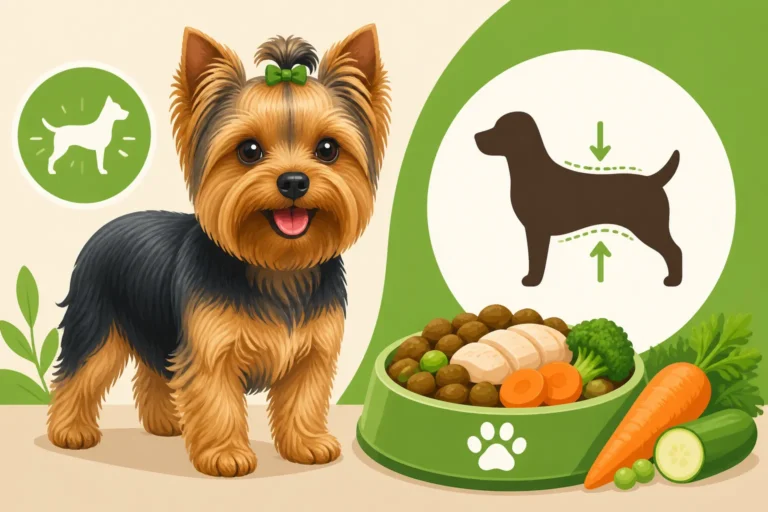
- Ideal Body Condition: You should be able to easily feel their ribs but not see them protruding. There should be a visible waist tuck.
- Good Appetite: Eager to eat at meal times without being overly ravenous or excessively picky.
Signs of Poor Nutrition (or underlying issues):
- Dull, Dry, or Brittle Coat: This is often one of the first visible signs of nutritional deficiencies, particularly in essential fatty acids. Excessive shedding can also be a sign.
- Flaky, Itchy Skin: Can indicate allergies, sensitivities, or a lack of essential nutrients for skin health.
- Lethargy or Hyperactivity: Lack of energy can mean insufficient calories or nutrients, while hyperactivity could indicate a diet high in fillers or certain additives.
- Poor Stool Quality: Chronic diarrhea, constipation, overly soft stools, or stools with mucus or blood are strong indicators of digestive issues or dietary problems. This is a common symptom that prompts discussions about Yorkshire Terrier Health Problems to Know.
- Weight Loss or Gain: Unexplained changes in weight without a change in diet or exercise warrant a vet visit.
- Vomiting or Regurgitation: Occasional vomiting can happen, but frequent or chronic vomiting suggests a dietary intolerance or a more serious medical condition.
- Bad Breath: While dental disease is a major cause, a poor diet can also contribute to bad breath. This emphasizes the importance of a good Yorkie Dental Disease Prevention routine.
- Picky Eating or Lack of Appetite: While some Yorkies are naturally picky, a sudden or persistent refusal to eat can be a sign of illness.
When to Consult Your Vet
Your veterinarian is your most important partner in your Yorkie's health journey. Don't hesitate to reach out to them if you notice any concerning changes related to their diet or overall health. Early intervention can make a significant difference in managing health issues.
You should consult your vet if you observe:
- Persistent Digestive Issues: Chronic vomiting, diarrhea, or constipation that lasts more than 24-48 hours, or recurs frequently.
- Sudden Changes in Appetite: A complete refusal to eat for more than a day, or a significant decrease in appetite. Conversely, a sudden, insatiable appetite can also be a red flag for conditions like diabetes or malabsorption.
- Unexplained Weight Changes: Rapid weight loss or gain without a change in diet or exercise.
- Significant Skin or Coat Problems: Severe itching, hair loss, chronic ear infections, or skin lesions.
- Lethargy or Behavioral Changes: A sudden drop in energy, increased irritability, or signs of pain.
- Suspected Allergies or Sensitivities: If you think a specific food might be causing problems, your vet can guide you through an elimination diet.
- Symptoms of Hypoglycemia: Shaking, weakness, disorientation, or collapse – this is an emergency and requires immediate veterinary attention.
- Transitioning Seniors: When your Yorkie enters their senior years, a vet visit is crucial to discuss any dietary changes, as well as to check for any age-related health issues that might require a specific diet. This ties into the general advice for Yorkshire Terrier Senior Care Guide.
Your vet can provide personalized advice, recommend specific diagnostic tests, or prescribe therapeutic diets if necessary. They can also provide a realistic assessment of your Yorkie’s body condition score and help you set appropriate feeding goals.
The Importance of Regular Check-ups
Beyond reactive vet visits for concerns, routine veterinary check-ups are fundamental to ensuring your Yorkie's nutritional plan remains optimal throughout their life. These annual or bi-annual appointments allow your vet to catch subtle changes before they become serious problems.
During a routine check-up, your vet will perform a thorough physical examination, assess your Yorkie’s weight and body condition, and discuss any changes you've noticed at home. They can offer advice on portion sizes, recommend specific food types based on your Yorkie's current health status and age, and screen for common Yorkie health problems through blood work or other diagnostics. For instance, they might check for signs of Yorkshire Terrier Liver Shunt: Signs and Care, which can significantly impact dietary needs, or for early indicators of kidney disease in older dogs.
These check-ups are also the perfect opportunity to ask any questions you have about diet, treats, supplements, or new feeding trends you might have heard about. They can confirm if your current food is still the best choice or if it's time for an adjustment. Think of these visits as proactive maintenance, ensuring that your Yorkie's feeding plan continues to support a long, vibrant life. A proactive approach is always better than waiting until a major issue arises, especially for a breed as delicate as the Yorkshire Terrier.
Disclaimer
The information provided in this guide is for general informational purposes only and does not constitute veterinary advice. Always consult with a qualified veterinarian for any health concerns or before making any changes to your Yorkshire Terrier's diet, medication, or exercise routine. Individual needs may vary.