Yorkshire Terrier Coat Care and Haircuts
Keeping your Yorkshire Terrier's gorgeous coat in top condition can feel like a full-time job, from the tangles that appear out of nowhere to deciding on the perfect trim. This comprehensive guide will walk you through everything you need to know about caring for your Yorkie's unique hair, exploring daily routines, popular haircuts, DIY tips, and how to tackle common coat-related challenges to ensure your furry friend always looks and feels their best.
Understanding the Unique Yorkshire Terrier Coat
The Yorkshire Terrier's coat is one of its most defining and beautiful features, but it's also quite distinct from many other breeds. Understanding its specific characteristics is the first step toward providing the best care and appreciating why certain grooming practices are essential. This isn't just about aesthetics; a well-cared-for coat contributes significantly to your Yorkie's overall health and comfort.
Is it Hair or Fur? Decoding the Yorkie Coat
One of the most common questions about Yorkshire Terriers is whether they have hair or fur. Unlike most dogs that have a double coat consisting of a soft undercoat and coarser guard hairs, Yorkies possess a single layer of fine, silky hair that is very similar in texture to human hair. This distinction is crucial for several reasons. Firstly, it means Yorkies shed very minimally, which is why they are often considered a good option for people with allergies, making them a popular choice for many households. The hair continually grows, much like human hair, rather than shedding in seasonal cycles. This continuous growth, while great for reducing allergens, also means it requires regular trimming to prevent it from becoming too long, unmanageable, and prone to matting. Understanding this fundamental difference sets the stage for appropriate grooming techniques and expectations.
The Standard Coat: Color, Texture, and Growth
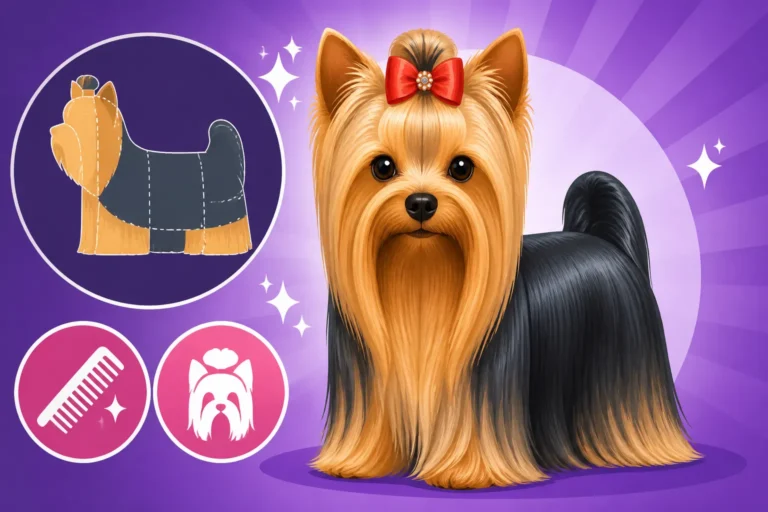
The American Kennel Club (AKC) breed standard describes the ideal Yorkshire Terrier coat as being fine, silky, and glossy, with a distinct steel blue and tan coloration. From the back of the neck to the tail, the hair should be dark steel blue, not silver blue or black, and free from any bronzing. The tan color should be a rich, golden tan, darker at the roots than at the ends, and should not be mixed with sooty or black hairs. This luxurious, flowing coat is meant to hang long and straight on either side of the body, parted down the middle from the nose to the tip of the tail.
In terms of texture, a true Yorkie coat feels like fine silk. It's not woolly, cottony, or wiry. This delicate texture is prone to tangling and matting if not properly maintained. The constant growth means that without regular attention, the coat can quickly become overgrown, trapping dirt, debris, and moisture against the skin, leading to skin irritation or infections. This characteristic growth pattern is why grooming isn't just about looking good, but about hygiene and preventing discomfort for your little companion.
Common Coat Variations and What They Mean
While the AKC standard dictates a specific look, many pet Yorkies exhibit variations in their coat that are perfectly normal and don't affect their health or charm. Some Yorkies might have a softer, cottony coat that is even more prone to matting than the silky standard. Others might have a slightly coarser or wavier texture. Their coloration can also vary; some might be darker, almost black and tan, as puppies, gradually lightening to the traditional blue and tan as they mature. You might even encounter "Parti Yorkies" which have white, black, and tan patches, or "Golden Yorkies" with distinct golden hues, although these colors are not recognized in the traditional breed standard. These variations often arise from genetics and don't necessarily indicate a "lesser" Yorkie, but they do influence the specific care routine required. For example, a cottony coat will demand even more diligent daily brushing to prevent knots. Understanding your individual Yorkie's coat type will help you tailor their grooming to their specific needs.
The Essentials of Daily Yorkie Coat Care
Daily coat care for your Yorkshire Terrier is not just about keeping them looking sharp; it's a vital part of their health and well-being. Because their hair continuously grows and is so fine, it's particularly susceptible to tangles, mats, and collecting debris. Establishing a consistent daily routine can prevent many common problems and make professional grooming appointments much smoother, or even allow you to tackle more grooming at home.
Daily Brushing Techniques and Tools
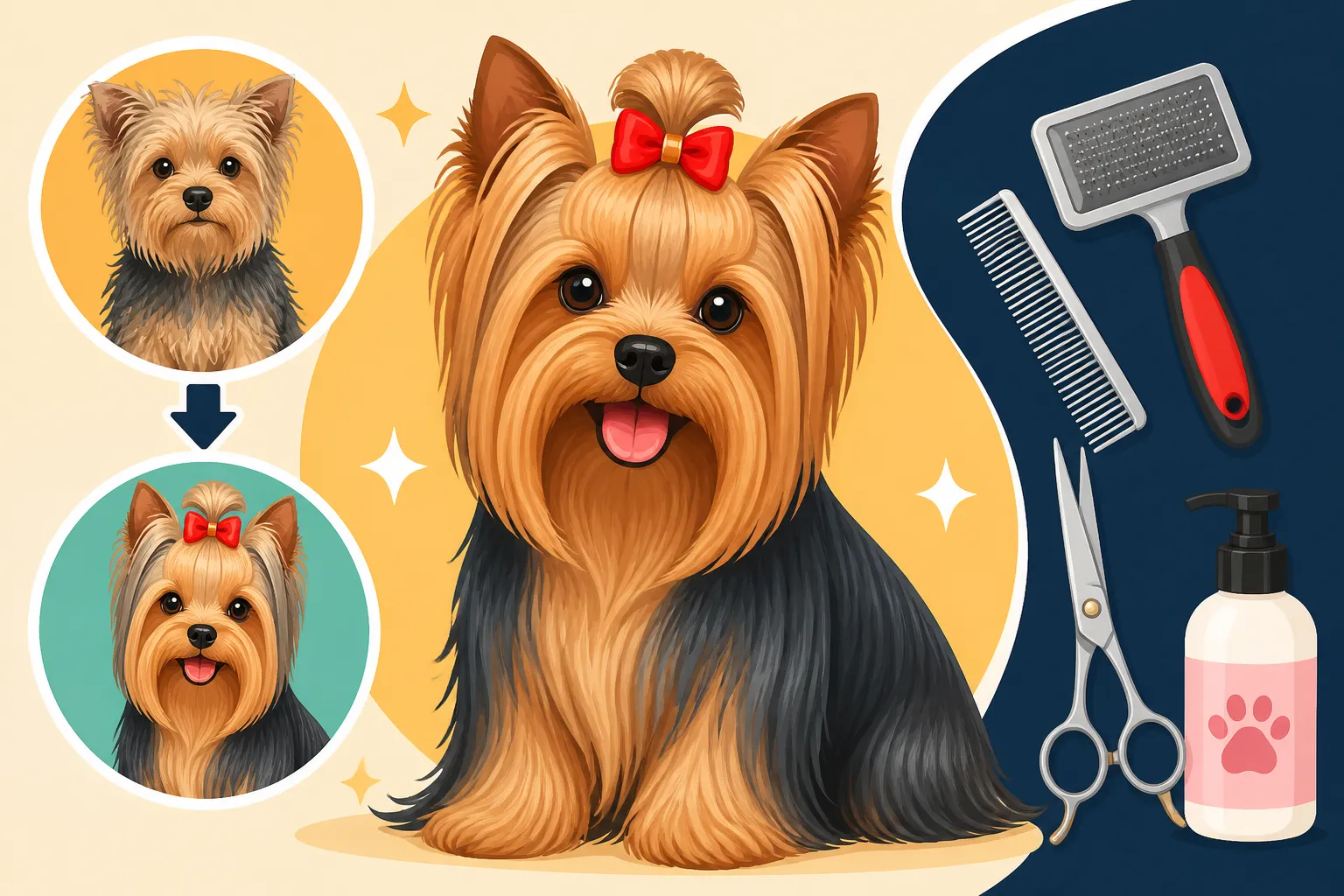
Consistent daily brushing is the cornerstone of good Yorkie coat care. Without it, their silky hair can quickly become a matted mess, especially in high-friction areas like behind the ears, under the legs, and on the belly. For effective brushing, you’ll need the right tools. A good quality pin brush, often available on sites like Amazon or Chewy, is excellent for working through the longer sections of their coat, gently separating strands. You’ll also want a fine-toothed metal comb or a Greyhound comb to tackle smaller tangles and ensure you’ve reached the skin without causing discomfort. Always mist the coat with a detangling spray or a conditioning spray before brushing. This helps to lubricate the hair, reduce static, and prevent breakage.
When brushing, start from the ends of the hair and work your way up to the roots, using gentle, long strokes. Be sure to part the hair and brush in sections, ensuring you're reaching all the way down to the skin. Missing the roots is a common mistake that leads to mats forming close to the body, which can be painful to remove. Pay extra attention to areas where mats frequently develop, such as the armpits, groin, and behind the ears. For more detailed guidance, check out our article on How to Brush a Yorkie's Coat. This daily ritual not only keeps their coat healthy but also provides a wonderful bonding opportunity between you and your Yorkie.
Preventing Matting and Tangles
Matting is the enemy of the Yorkie coat, and prevention is far easier than trying to untangle a dense mat. As mentioned, daily brushing with the right tools and a detangling spray is your primary defense. However, there are other strategies you can employ. Consider keeping your Yorkie's hair at a manageable length, especially if they are very active or if you find daily long-coat grooming too time-consuming. Even a "puppy cut" can significantly reduce the incidence of matting. Regular baths, followed by thorough drying and brushing, are also crucial because clean hair mats less easily than dirty hair.
Small actions throughout the day can also make a difference. If your Yorkie wears a harness, ensure it fits well and doesn't rub excessively, as friction is a major contributor to matting, particularly around the chest and armpits. Removing any burrs, twigs, or debris immediately after outdoor play prevents them from embedding deeper into the coat. Additionally, if you notice a small tangle forming, address it immediately rather than letting it grow into a larger, more stubborn mat. A little proactive effort each day will save you a lot of headache and your Yorkie a lot of discomfort.
Regular Bathing for a Healthy Coat
Bathing is an integral part of maintaining a healthy Yorkie coat, not just for cleanliness but also for preventing skin issues and keeping the hair manageable. The frequency depends on your Yorkie's lifestyle and coat type, but generally, a bath every 1-3 weeks is sufficient. Too frequent bathing with harsh shampoos can strip their skin of natural oils, leading to dryness and irritation, while too infrequent bathing can allow dirt and oil buildup, which promotes matting and dullness.
Always use a high-quality shampoo and conditioner specifically formulated for dogs, preferably one that is moisturizing and detangling. Look for brands that are gentle and pH-balanced. Before bathing, always thoroughly brush your Yorkie to remove any existing tangles. Wetting a matted coat will only tighten the mats, making them nearly impossible to remove. Use lukewarm water and lather gently, avoiding getting water and soap in their eyes and ears. Rinse thoroughly until no suds remain. After the bath, gently blot excess water with a towel, then use a dog-specific hairdryer on a cool or low setting, brushing as you dry to prevent tangles. For shampoo recommendations, our article on Best Shampoo for Yorkshire Terriers offers some great options.
Popular Yorkshire Terrier Haircuts and Styles
One of the joys of owning a Yorkshire Terrier is the versatility of their coat when it comes to styling. While the long, flowing show coat is beautiful, it's often not practical for the average pet owner or an active dog. Thankfully, there are many adorable and functional haircuts that can keep your Yorkie comfortable, clean, and looking fantastic. The right haircut can significantly reduce your daily grooming burden while still showcasing their charming personality.
The Classic Puppy Cut
The "Puppy Cut" is hands down the most popular and practical haircut for pet Yorkshire Terriers, and for good reason. This style involves trimming the hair all over the body to a uniform, shorter length – typically between ½ to 1 inch. The goal is to create a soft, rounded, and youthful appearance that resembles a Yorkie puppy, regardless of their actual age. The hair on the face is often left slightly longer and rounded to enhance their sweet expression, while the ears are kept neat and clean.
The benefits of a puppy cut are numerous. Firstly, it drastically reduces the chances of matting and tangles, making daily brushing much quicker and easier. This is especially beneficial for active Yorkies who love to play outdoors. Secondly, it helps keep your Yorkie cleaner, as less hair means less dirt and debris clinging to their coat. Thirdly, it's generally cooler for them in warmer weather. While you might still need to give regular trims, the overall maintenance is considerably lower than a long show coat. Many owners appreciate this style for its adorable look and practical benefits, allowing them more time to enjoy their companion. For more specific details, consider reading our guide on Yorkie Puppy Cut: What to Know.
The Practical Kennel Cut
Similar in concept to the puppy cut, the "Kennel Cut" is another practical, low-maintenance option for Yorkshire Terriers, often favored by owners who want the shortest possible length while still retaining a bit of the Yorkie's characteristic softness. In a kennel cut, the hair on the body is clipped very short, sometimes as short as ¼ to ½ inch, giving them a very tidy and compact appearance. The face might be trimmed neatly or left slightly longer, similar to the puppy cut, to maintain their expressive features.
This cut is particularly advantageous for Yorkies who live in very warm climates, those prone to severe matting, or owners who simply want the absolute easiest grooming routine. With such short hair, matting becomes almost a non-issue, and drying time after baths is significantly reduced. It's also a great option for older Yorkies or those with health issues where extensive grooming might be stressful. While it might not have the fluffy appeal of a puppy cut, the kennel cut prioritizes practicality and hygiene, ensuring your Yorkie is comfortable and clean with minimal fuss.
Sporting a Stylish Top Knot
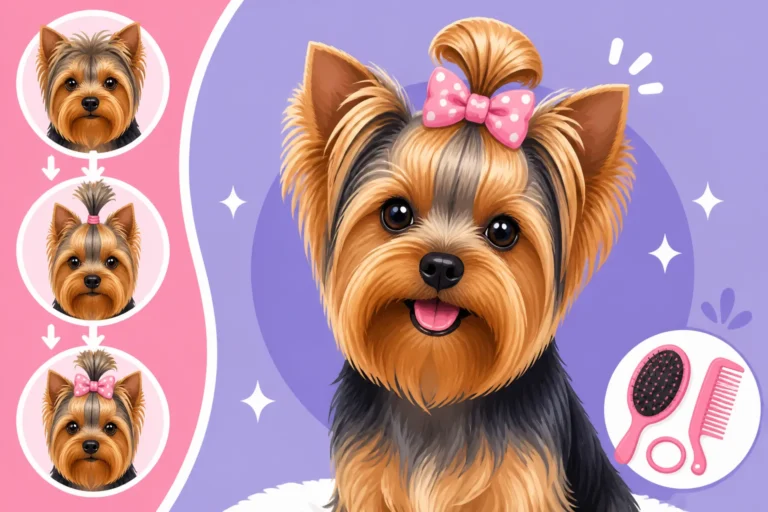
Regardless of whether your Yorkie has a long show coat or a shorter body cut, the "top knot" is an iconic and functional element of their grooming. This style involves gathering the long hair on top of the head and securing it with a small elastic band or clip, often adorned with a bow. The primary purpose of the top knot isn't just aesthetics; it's crucial for keeping the hair out of your Yorkie's eyes. Without it, the long facial hair can irritate their eyes, obstruct their vision, and contribute to tear staining.
Creating a top knot requires a bit of practice. You'll need a fine-toothed comb to section off the hair from the outer corner of each eye, forming a neat rectangle on top of their head. Gather this hair smoothly and secure it firmly but not too tightly with a small, coated elastic band. Avoid rubber bands designed for humans, as they can pull and break delicate dog hair. You can add a decorative bow or clip if you wish. Even Yorkies with shorter body cuts often have their facial hair left a bit longer specifically for a top knot. It’s a signature Yorkie look that is both charming and essential for their comfort and eye health.
| Haircut Style | Length (Body) | Face Style | Maintenance Level | Primary Benefit |
|---|---|---|---|---|
| Long Show Coat | Floor-length | Long, with top knot | Very High | Classic breed aesthetic, elegant appearance |
| Puppy Cut | ½ to 1 inch | Rounded, slightly longer, with top knot | Moderate | Adorable, reduced matting, easy daily care |
| Kennel Cut | ¼ to ½ inch | Neat, short, can have tiny top knot | Low | Maximum practicality, minimal matting, cooler |
| Teddy Bear Cut | 1-2 inches | Rounded, fluffy | Moderate-High | Soft, fluffy appearance, slightly longer than puppy |
| Top Knot (Alone) | Varies (usually long) | Hair tied on head, body length varies | Moderate | Keeps hair out of eyes, signature Yorkie look |
DIY Home Grooming for Your Yorkie's Coat
Taking on some or all of your Yorkie's grooming at home can be incredibly rewarding. Not only does it save money, but it also strengthens your bond and allows you to customize their look exactly how you like it. However, it requires patience, the right tools, and a good understanding of what you're doing. Jumping in without preparation can lead to uneven cuts, nicks, or even a stressful experience for your furry friend.
Gathering Your Grooming Arsenal
Before you even think about picking up the clippers, assemble all your necessary tools. Having everything within reach will make the process smoother and less stressful for both you and your Yorkie. Here’s a basic list of what you'll need:
- Brushes and Combs: A slicker brush, pin brush, and a fine-toothed metal comb (like a Greyhound comb) are essential for detangling and smoothing.
- Clippers: Investing in a good quality, quiet set of pet clippers is crucial. Look for reputable brands like Wahl or Andis, which are often available on platforms like Chewy or Amazon. Make sure they come with various guard comb attachments for different hair lengths. Our guide on Best Clippers for Grooming a Yorkie can help you choose.
- Shears/Scissors: You’ll need a few types: blunt-nosed grooming scissors for delicate areas like around the eyes and paws, thinning shears for blending and softening lines, and straight grooming shears for precise trimming.
- Nail Trimmers: Either guillotine or scissor-style, along with a styptic powder in case of accidental quicking.
- Ear Cleaner and Cotton Balls: For regular ear hygiene.
- Shampoo and Conditioner: Dog-specific, moisturizing formulas.
- Detangling Spray: Essential for easy brushing and preventing breakage.
- Hair Dryer: A pet-specific dryer or a human dryer on a cool setting.
- Grooming Table (optional but recommended): A non-slip surface at a comfortable height makes a huge difference.
Having all these items ready before you start ensures a seamless and safe grooming session.
Step-by-Step Trimming Guide
Once your tools are ready and your Yorkie is brushed and bathed, you can begin trimming. Always start with a clean, dry, and thoroughly brushed coat.
- Body Trim: Attach the desired guard comb to your clippers (e.g., ½ inch for a puppy cut). Start clipping from the back of the neck, moving with the grain of the hair towards the tail. Be gentle and consistent, using smooth, even strokes. Work your way down the sides, chest, and belly. Be extra careful around sensitive areas like armpits and groin. For a natural look, you can often go slightly shorter on the belly and chest, and keep the legs a bit longer.
- Legs and Paws: Use scissors or a longer guard comb for the legs to maintain a fluffy, cylindrical shape. For the paws, carefully trim the hair between the paw pads using blunt-nosed scissors to prevent slipping and to keep dirt from accumulating. Trim around the edges of the paws to create a neat, rounded look, ensuring the hair isn't dragging on the ground.
- Tail: Trim the tail hair to a length that matches the body or is slightly longer, shaping it to a plume or a neat brush, depending on your preference.
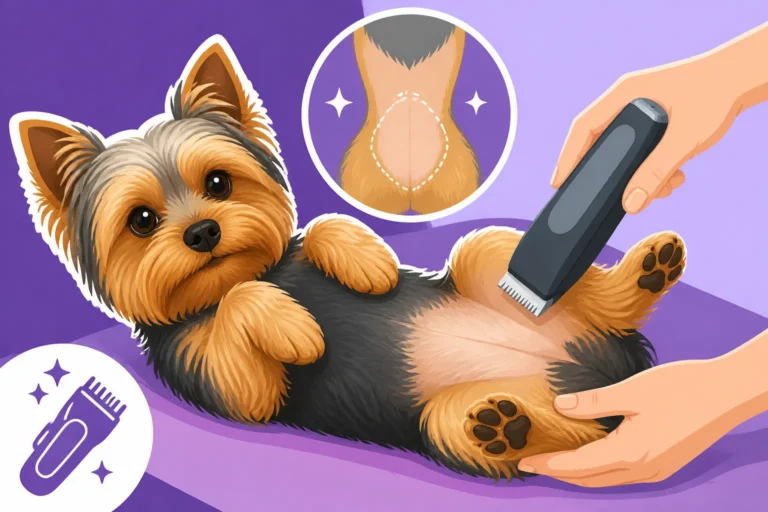
- Sanitary Trim: This is crucial for hygiene. Carefully use clippers with a short guard or blunt-nosed scissors to trim the hair very short around the anus and genitals. This helps prevent fecal matter and urine from clinging to the fur.
- Finishing Touches: Use thinning shears to soften any harsh lines or blend different lengths. Stand back and observe your Yorkie from all angles to catch any missed spots or uneven areas. Reward your Yorkie throughout the process with praise and treats to make it a positive experience.
Remember, practice makes perfect. Don't expect a professional-quality trim on your first try, and always prioritize your Yorkie's safety and comfort over perfection.
Handling Facial Hair and Sanitary Areas
These are arguably the most challenging and crucial areas for at-home grooming due to their delicate nature.
Facial Hair: The hair around a Yorkie's face, especially around the eyes, needs constant attention. If left untrimmed, it can poke their eyes, lead to irritation, and contribute to tear staining. When trimming the face, always use blunt-nosed scissors and ensure your Yorkie is still. You can carefully comb the hair forward over their eyes, then trim a straight line just above their eyes, taking care not to snip whiskers. Trim the hair around the muzzle to a neat, rounded shape that suits their face. Remember the top knot – it's key to keeping hair out of their eyes. Gently clean around their eyes daily with a damp cloth to help prevent How to Clean Yorkie Tear Stains.
Sanitary Areas: As mentioned in the step-by-step, the sanitary trim is essential. To perform this, gently hold your Yorkie to expose the anal and genital areas. Using clippers with a very short guard (e.g., #10 or #15 blade) or blunt-nosed scissors, carefully trim the hair short in these regions. Always pull the skin taut to prevent nicks and ensure you can see what you’re doing. This prevents urine and feces from matting in the hair, which can lead to uncomfortable skin irritations or infections. Regular checks and trims of these areas will keep your Yorkie clean and healthy.
Professional Grooming: When and Why
While home grooming is a fantastic way to bond and save money, there's often a point where professional grooming becomes a necessary or highly beneficial part of your Yorkie's care routine. Professional groomers have specialized training, tools, and expertise that can provide a level of care and styling beyond what most owners can achieve at home.
Benefits of a Skilled Groomer
A skilled professional groomer offers several key advantages. Firstly, they have the experience to handle even the most challenging coats and temperaments. If your Yorkie is prone to severe matting, a professional can often humanely demat or safely shave down a badly matted coat, preventing pain and skin issues. Secondly, they possess high-quality professional-grade equipment, including powerful dryers, sharp clippers, and a wide array of specialized scissors, which are often superior to home kits. This means a smoother, more even cut and a faster, less stressful experience for your dog.
Beyond just haircuts, groomers provide a full-service experience that includes thorough bathing, conditioning, ear cleaning, nail trims, and often anal gland expression. They are also trained to spot potential health issues on the skin, ears, or paws that you might miss. A groomer can achieve precise, aesthetically pleasing cuts, whether you want a show-quality trim or a perfectly sculpted Yorkie Teddy Bear Cut: What to Know. Their expertise ensures your Yorkie leaves not only looking pristine but feeling comfortable and healthy.
Frequency and Cost Considerations
The frequency of professional grooming largely depends on your Yorkie's coat style and how much at-home care you provide. For Yorkies with long, traditional coats or elaborate show styles, professional grooming might be necessary every 4-6 weeks to maintain their pristine look and prevent matting. For those sporting shorter, more practical cuts like a puppy cut or kennel cut, you might be able to stretch it to every 6-8 weeks, especially if you're diligent with home brushing and bathing in between.
The cost of professional grooming varies significantly based on location, the groomer's experience, the services included, and your dog's size and coat condition. In major cities, a full-service groom for a Yorkie might range from $60 to $100 or more. If your dog is severely matted, expect additional fees for dematting services. While it's an investment, consider it an essential part of your Yorkie's health budget, much like veterinary care. Regular professional grooming can actually save you money in the long run by preventing severe matting that might require veterinary intervention or more expensive emergency grooming sessions.
Finding the Right Groomer for Your Yorkie
Choosing the right groomer is crucial for your Yorkie's comfort and the quality of their care. Start by asking for recommendations from other Yorkie owners, your veterinarian, or local pet supply stores. Look for groomers who specialize in small breeds or have extensive experience with long-haired dogs. When you find a potential groomer, don't hesitate to visit their facility beforehand. Observe the cleanliness, safety protocols, and how the staff interacts with the animals.
Ask about their grooming process, their experience with Yorkies, and how they handle anxious or sensitive dogs. A good groomer should be transparent about their pricing and services. Ensure they use high-quality, pet-safe products. It’s also wise to inquire about their policy on matted dogs and how they prevent stress during grooming. A trial session for a simple bath or nail trim can be a good way to see if your Yorkie connects well with the groomer before committing to a full haircut. Building a trusting relationship with a professional groomer is invaluable for your Yorkie's long-term coat health and happiness.
Tackling Common Yorkie Coat Problems
Even with the best intentions and a consistent grooming routine, Yorkshire Terriers can still experience a range of coat-related issues. These problems are often frustrating for owners, but understanding their causes and effective solutions can help you restore your Yorkie's coat to its former glory and alleviate any discomfort.
Dealing with Excessive Shedding
While Yorkies are known for their minimal shedding, "excessive" shedding can still be a concern for some owners. It’s important to first define what "excessive" means for a Yorkie. They don't have seasonal blowouts like double-coated breeds. If you notice significantly more hair than usual coming out during brushing, or finding tufts of hair around the house, it warrants investigation.
Several factors can contribute to increased shedding in a Yorkie. Stress, changes in diet, hormonal imbalances, allergies, or underlying medical conditions can all impact coat health. For instance, a poor-quality diet lacking essential nutrients can lead to a dull, brittle coat that sheds more easily. Ensure your Yorkie is on a high-quality, balanced diet. Regular brushing, even daily, can help remove any loose hairs before they fall out around the house, which might give the appearance of more shedding. If the shedding is sudden, accompanied by skin irritation, bald patches, or changes in behavior, a vet visit is essential to rule out health issues. Sometimes, simply ensuring proper hydration and a calm environment can make a noticeable difference.
Managing Dry, Itchy Skin and Dull Coats
Dry, itchy skin and a dull, lackluster coat are common problems that can make your Yorkie uncomfortable and affect their appearance. These issues often go hand-in-hand and can be indicative of several underlying causes.
- Environmental Factors: Low humidity, especially in winter, can dry out your Yorkie's skin. Over-bathing with harsh shampoos can strip natural oils, leading to dryness and irritation. Using lukewarm water and a good quality, moisturizing dog shampoo and conditioner, like those found on Chewy, can help.
- Allergies: Yorkies can suffer from environmental allergies (pollen, dust mites) or food allergies. These often manifest as itchy skin, redness, excessive licking, and a dull coat. Identifying and avoiding allergens, or working with your vet on allergy management, is key.
- Nutritional Deficiencies: A diet lacking essential fatty acids (Omega-3 and Omega-6) can lead to dry skin and a dull coat. Incorporating supplements like fish oil, or feeding a high-quality food rich in these nutrients, can make a significant improvement. Some premium dog food brands, like Ollie, focus on fresh, whole ingredients that support skin and coat health.
- Parasites: Fleas, mites, and other parasites cause intense itching, which can damage the coat and skin. Regular parasite prevention is crucial.
For persistent dry skin and dullness, consulting your veterinarian is always recommended to rule out medical conditions such as hypothyroidism or skin infections. They can help diagnose the root cause and recommend specific treatments or dietary changes.
Addressing Skin Irritations and Allergies
Skin irritations and allergies can be particularly distressing for Yorkies, leading to constant scratching, licking, and chewing, which further damages the coat.
- Allergens: As mentioned, environmental allergens (like grass, pollen, or dust) are a common culprit. Food allergies can also cause skin issues. Common food allergens for dogs include beef, dairy, wheat, and chicken. An elimination diet, done under veterinary guidance, can help identify food sensitivities.
- Contact Dermatitis: This occurs when your Yorkie comes into contact with an irritant, such as certain cleaning products, plants, or fabrics. Observe when and where the irritation occurs to identify potential triggers.
- Infections: Constant scratching due to allergies can break the skin, leading to secondary bacterial or yeast infections. These infections often present as red, inflamed, greasy, or smelly patches of skin, sometimes with hair loss.
- Hormonal Imbalances: Conditions like hypothyroidism can manifest as skin problems, including dry, flaky skin and symmetrical hair loss.
Treatment for skin irritations and allergies usually involves a multi-pronged approach: identifying and avoiding triggers, using medicated shampoos, topical treatments, antihistamines, or corticosteroids prescribed by your vet. Dietary changes, including specialized hypoallergenic foods, can also be beneficial. Addressing these issues promptly is essential not only for your Yorkie's comfort but also to prevent the problem from escalating into more severe skin conditions or coat damage. Regular grooming and a close eye on your Yorkie's skin are your best defense. If you notice signs your Yorkie is scratching excessively, it's wise to consult your vet. For a broader overview, you might find our article on Yorkshire Terrier Health Problems to Know helpful.
Seasonal Coat Care Considerations for Your Yorkie
Just like our own hair and skin, a Yorkshire Terrier's coat can be affected by the changing seasons. What works perfectly in summer might not be ideal for winter, and vice versa. Adjusting your grooming and care routine seasonally ensures your Yorkie remains comfortable, healthy, and stylish all year long.
Summer Care: Keeping Cool and Comfortable
Summer brings sunshine and outdoor adventures, but also heat and humidity, which can impact your Yorkie’s coat. The primary goal during warmer months is to keep them cool and prevent heatstroke.
- Shorter Haircuts: This is the most effective way to help your Yorkie regulate their body temperature. A shorter puppy cut or even a kennel cut can remove excess hair that traps heat, allowing air to circulate closer to their skin. While their hair does provide some insulation, an overly long or dense coat can quickly become uncomfortable in the heat.
- Increased Bathing: More outdoor play often means more dirt and sweat. Slightly more frequent baths can help keep their coat clean and free of irritants. After swimming or playing in damp areas, ensure their coat is thoroughly dried to prevent skin infections.
- Sun Protection: Yorkies, especially those with very short hair or lighter coloration, can be susceptible to sunburn. Limit their exposure during peak sun hours (10 AM to 4 PM) and consider pet-safe sunscreen for sensitive areas if they will be outdoors for extended periods. A lightweight, breathable vest or shirt can also offer UV protection.
- Paw Care: Hot pavement can burn delicate paw pads. Keep the hair between their paw pads trimmed short to prevent overheating and to ensure maximum traction on slick surfaces.
Remember, even with a short haircut, Yorkies can still overheat. Always provide plenty of fresh water and shade, and never leave them unattended in a hot car.
Winter Care: Protecting Against the Cold
When temperatures drop, your Yorkie's coat care needs shift to providing warmth and protection from harsh winter elements.
- Longer Coat Lengths: While a short cut is fine for summer, consider letting your Yorkie's coat grow a little longer in winter. A slightly longer coat provides a natural layer of insulation against the cold. If they usually sport a very short kennel cut, you might opt for a puppy cut or even allow it to grow a bit more for added warmth.
- Protective Gear: Even with a longer coat, small Yorkies are sensitive to cold. A warm dog sweater or coat is often essential for outdoor excursions. Ensure it covers their body effectively without restricting movement. Booties can protect their paws from ice, snow, salt, and de-icing chemicals, which can be irritating or even toxic.
- Moisture and Static Control: Indoor heating can dry out the air, leading to static electricity in your Yorkie's coat, which can cause breakage and discomfort. Using a hydrating conditioner during baths and a leave-in conditioning spray before brushing can help combat dryness and static.
- Paw Pad Protection: Regularly check their paw pads for cracks or dryness from cold weather. Moisturizing balms can help keep them supple. After walks, wipe their paws thoroughly to remove any salt, ice melt, or debris.
Allergy Season and Environmental Factors
Spring and fall can be challenging for Yorkies due to increased environmental allergens like pollen, mold, and dust. These can trigger skin irritations that affect their coat.
- Increased Bathing (Targeted): During peak allergy season, more frequent baths with a soothing, hypoallergenic shampoo can help wash away allergens from their coat before they have a chance to irritate the skin. Some vets recommend using a topical allergy rinse or wipe-down after outdoor excursions.
- Daily Wiping: After walks, use a damp cloth to wipe down your Yorkie’s paws, belly, and face to remove pollen and other irritants. This simple step can significantly reduce their exposure to allergens they might track indoors.
- Air Quality: Using an air purifier in your home can help reduce airborne allergens like pollen and dust mites, creating a more comfortable indoor environment for your sensitive Yorkie.
- Dietary Support: Ensure your Yorkie’s diet is rich in Omega fatty acids, which support skin barrier health and can help manage allergic reactions. Brands like Ollie often include these beneficial ingredients. If seasonal allergies are severe, consult your vet for medication or other management strategies. Vigilance and proactive cleaning can make a big difference in keeping your Yorkie comfortable during challenging allergy seasons.
Nutrition and Health's Impact on Coat Quality
It's easy to focus solely on external grooming when thinking about your Yorkie's coat, but the truth is, a truly healthy, vibrant coat starts from within. What your Yorkshire Terrier eats and their overall health status play a monumental role in the luster, texture, and strength of their hair. A dull, dry, or brittle coat is often one of the first visible signs that something might be amiss internally.
The Link Between Diet and a Shiny Coat
Just like humans, dogs need a balanced diet rich in specific nutrients to maintain healthy skin and a shiny coat. Protein is the building block of hair, so a high-quality protein source, such as chicken, lamb, or fish, is essential. Look for dog foods where a named meat source is the first ingredient. Fats, particularly essential fatty acids like Omega-3 and Omega-6, are absolutely critical. These fats contribute to the natural oils in the skin, which keep the hair hydrated, supple, and glossy. A deficiency in these fats can lead to dry, flaky skin and a dull, coarse coat.
Vitamins and minerals also play their part. Biotin, zinc, and vitamins A and E are particularly important for skin and coat health. A complete and balanced dog food designed for small breeds will typically contain all these necessary nutrients. Many commercial dog food brands, including those found on Chewy, offer formulations specifically targeted at skin and coat health. If your Yorkie's coat lacks shine, start by evaluating their diet. Consider switching to a premium dog food with real meat ingredients and healthy fats. Fresh food options, like those offered by Ollie, are also gaining popularity for their potential benefits to overall health and coat quality due to less processing and higher quality ingredients.
Supplements for Optimal Coat Health
Even with a good diet, some Yorkies might benefit from targeted supplements to boost their coat health, especially if they have naturally dry skin, suffer from allergies, or are prone to dullness.
- Fish Oil (Omega-3 Fatty Acids): This is perhaps the most popular and effective supplement for coat health. Omega-3s, typically derived from fish like salmon or cod, have anti-inflammatory properties that can soothe itchy skin, reduce dryness, and promote a lustrous coat. They can also help with overall health, including joint and heart function. Always choose a high-quality, mercury-free fish oil supplement specifically formulated for dogs.
- Coconut Oil: Rich in medium-chain triglycerides, coconut oil can be given orally or applied topically to moisturize skin and hair. When given orally, it can improve digestion and nutrient absorption, indirectly benefiting the coat. When applied topically (sparingly), it can help with dry patches and add shine.
- Biotin (Vitamin B7): Often found in doggy vitamins, biotin is known to support hair growth and strengthen nails. While most dogs get enough biotin from their diet, some with persistently brittle or dull coats might see improvement with supplementation.
- Probiotics: A healthy gut microbiome can positively impact nutrient absorption and the immune system, which in turn can influence skin and coat health. If your Yorkie has a sensitive stomach, a probiotic supplement might indirectly lead to a healthier coat.
Before introducing any new supplement, always consult your veterinarian. They can help you determine if a supplement is necessary, recommend the appropriate dosage, and ensure it won't interact negatively with any existing medications or health conditions.
Recognizing Health Issues Through Coat Changes
Your Yorkie's coat is a wonderful barometer of their overall health. Changes in its appearance or texture can often be the first indicator of an underlying medical problem, making vigilance crucial for responsible pet ownership.
- Dullness or Brittleness: As mentioned, this often points to nutritional deficiencies, but it can also be a sign of systemic illness, parasites, or hormonal imbalances (like hypothyroidism).
- Excessive Dryness or Oiliness: Persistently dry, flaky skin can indicate allergies, dehydration, or a lack of essential fatty acids. Conversely, an excessively greasy coat, especially if accompanied by a strong odor, might signal a bacterial or yeast skin infection.
- Hair Loss (Alopecia): While some shedding is normal, localized or widespread hair loss, especially if it's patchy, symmetrical, or accompanied by skin redness, itching, or scabs, is a significant red flag. Causes can range from fleas and mites, fungal infections (like ringworm), allergies, hormonal disorders (Cushing's disease, hypothyroidism), stress, or even immune-mediated diseases.
- Changes in Color or Texture: Unexpected changes in coat color (e.g., rust-colored stains from excessive licking, or unusual graying) or a sudden change in texture (e.g., from silky to coarse or cottony) can also warrant veterinary attention.
If you observe any significant or persistent changes in your Yorkie's coat, especially if accompanied by other symptoms like lethargy, changes in appetite, increased scratching, or behavioral alterations, do not hesitate to contact your veterinarian. Early detection and treatment of health issues are always in your Yorkie's best interest. Paying close attention to their coat is one of the easiest ways to monitor their well-being. Keeping their coat long and silky is not only beautiful but helps you notice small changes quickly. You might also want to review our article on Signs Your Yorkshire Terrier Is Sick to help identify other potential health concerns.
Disclaimer
Please remember that the information provided in this guide is for educational purposes only and should not replace professional veterinary advice. Always consult with a qualified veterinarian or professional groomer for any health concerns or before making significant changes to your Yorkshire Terrier's diet, care routine, or grooming schedule.