Yorkie Puppy Cut: What to Know
Many Yorkshire Terrier owners dream of that iconic, long, flowing coat, but the reality of maintaining it can be a significant challenge, especially for busy families or those with active pups who love to get into everything. If you're tired of constant matting, brushing, and the never-ending battle with tangles, or simply adore a neat, low-maintenance look, then the puppy cut might be exactly what you and your furry friend need. This comprehensive guide will walk you through everything you need to know about the adorable and practical Yorkie puppy cut, from what it is to how to achieve and maintain it.
Understanding the Yorkie Puppy Cut Aesthetic
The puppy cut for a Yorkshire Terrier is less about age and more about a specific style that mimics the soft, fluffy look of a young Yorkie. It’s a favorite among owners who prioritize ease of care and comfort for their dogs over the traditional show-ring length.
Defining the Puppy Cut Style
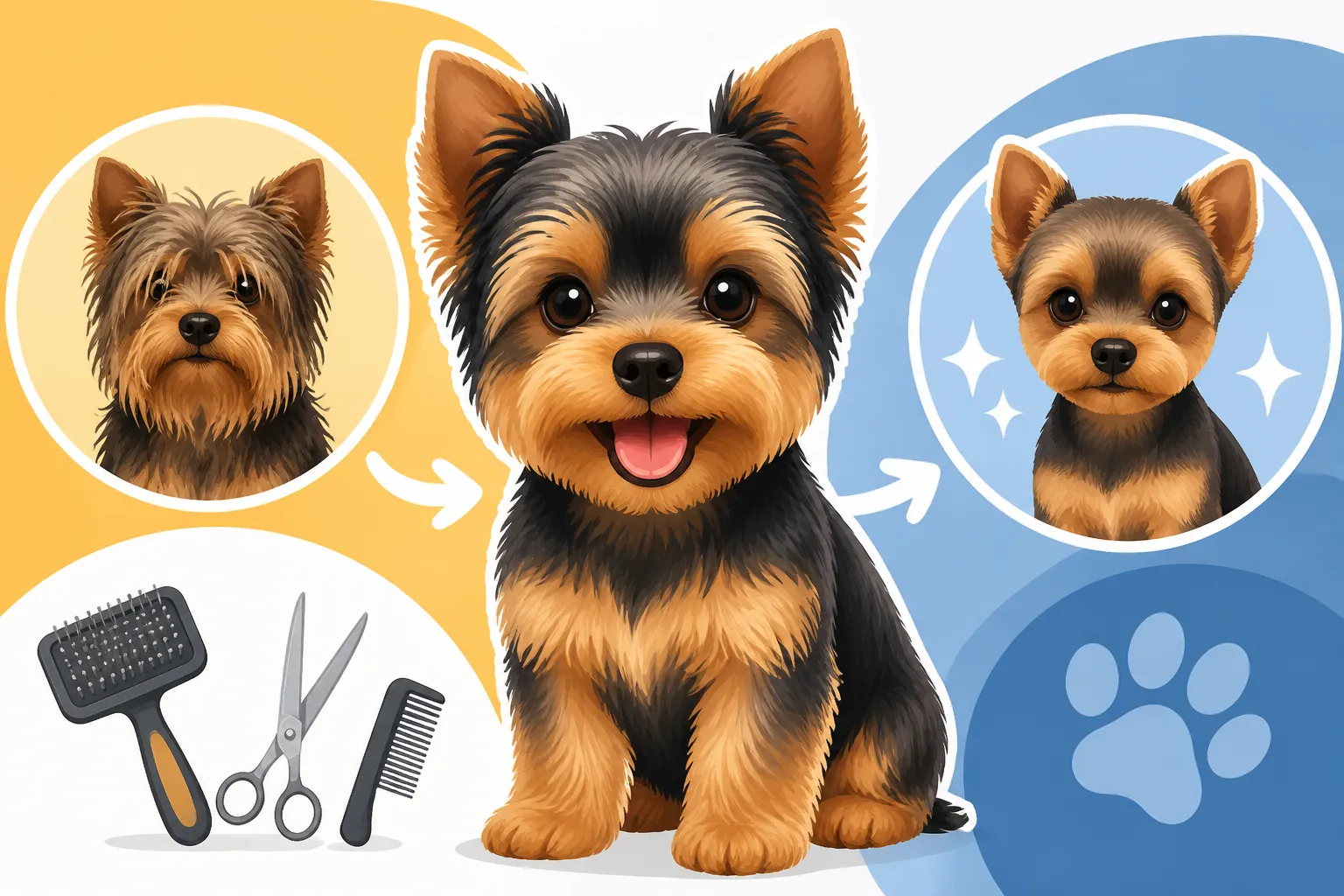
At its core, the puppy cut involves trimming your Yorkie's coat to a uniform, shorter length all over their body. Typically, this means leaving about one-half to one inch of hair, sometimes even shorter depending on preference. The goal is to create a soft, even texture that's easy to manage. Unlike the classic long show coat that requires daily brushing and meticulous care to prevent matting, the puppy cut gives your Yorkie a clean, youthful appearance that's significantly less demanding. Imagine a plush, cuddly teddy bear – that’s the essence of the puppy cut. It often includes neatly trimmed hair around the face, ears, and paws to complete the tidy look.
Why the Puppy Cut is So Popular
The popularity of the puppy cut stems from a few key factors that resonate deeply with many Yorkie owners. First and foremost, it’s incredibly practical. The shorter length drastically reduces the chances of mats and tangles, which can be painful for your dog and a headache for you to remove. This is especially true for active Yorkies who love to play outdoors or explore. Owners often find that their dogs seem more comfortable and agile with less hair weighing them down or getting in their eyes. Secondly, let's be honest, it's just undeniably cute! The puppy cut accentuates their adorable features, giving them a perpetually youthful and playful look that melts hearts. For those who own Teacup Yorkie: What to Know or smaller Yorkies, this cut can make them appear even more petite and charming. Finally, for many, it’s about simplifying the grooming routine. Instead of dedicating significant time each day to brushing and detangling, a puppy cut allows for quicker, less frequent grooming sessions.
Major Benefits of Choosing a Puppy Cut
Deciding on a puppy cut for your Yorkshire Terrier offers a multitude of advantages that go beyond just aesthetics. It genuinely contributes to your dog’s overall well-being and simplifies your life as an owner.
Simplified Grooming Routine
One of the most immediate and appreciated benefits of the puppy cut is the dramatic reduction in grooming time and effort. Yorkies with their long, silky coats are prone to matting, especially behind the ears, under the armpits, and on their legs. These mats can pull on their skin, causing discomfort, pain, and even skin infections if left unattended. With a shorter puppy cut, the hair simply doesn't have enough length to form significant mats, making daily brushing a breeze. You'll still need to brush them regularly, perhaps a few times a week, but these sessions will be much quicker and less strenuous for both of you. It also means less dirt, debris, and allergens getting trapped in their coat, contributing to a cleaner home environment and potentially alleviating some minor allergy symptoms if you or your family members are sensitive. This simplified routine is a game-changer for busy individuals or families who want to provide excellent care without a huge time commitment. You can learn more about general maintenance in our Yorkshire Terrier Grooming Guide.
Enhanced Comfort and Hygiene
Beyond the visual appeal, the puppy cut significantly improves your Yorkie's comfort, particularly during warmer months. A heavy, long coat can trap heat, making it harder for your small dog to regulate their body temperature. By keeping their hair short, you help them stay cooler and more comfortable, reducing the risk of overheating during walks or playtime outside. This cut also promotes better hygiene. Shorter hair around the sanitary areas means less chance of feces or urine getting stuck in their coat, which is not only unpleasant but can also lead to skin irritation or infection. Similarly, hair around their paws, when kept short, is less likely to pick up mud, dirt, or stickers from outside, meaning cleaner paws and less tracking of grime into your home. It's a win-win for both cleanliness and your dog's personal comfort, allowing them to move freely and feel light.
Promoting Skin and Coat Health
Believe it or not, a puppy cut can actually contribute to better skin and coat health for your Yorkie. When a coat is consistently matted, it restricts airflow to the skin, creating a damp, warm environment that’s ripe for bacterial and fungal growth. Mats can also hide skin issues, making them harder to spot until they become severe. A shorter coat allows for better air circulation and makes it easier for you to visually inspect your dog’s skin for any redness, irritation, parasites, or dry patches. During baths, shampoo and conditioner can penetrate more effectively, leading to a deeper clean. Furthermore, some Yorkies, especially older ones, might develop skin conditions or have allergies that benefit from a shorter coat that's easier to medicate topically and keep clean. Regularly trimming also removes split ends and damaged hair, promoting healthier new growth, even if the desired long, silky texture isn't the primary goal. Taking care of their skin is a crucial part of How to Keep a Yorkshire Terrier Healthy.
Achieving and Maintaining the Puppy Cut
Giving your Yorkie a puppy cut, whether at home or with a professional, requires understanding a few key steps and tools. It’s an ongoing process, not a one-and-done deal.
Essential Tools and Techniques for Grooming
If you're considering DIY grooming for your Yorkie's puppy cut, gathering the right tools is paramount. You'll need a good quality set of dog clippers, preferably with different blade sizes (a #7F or #10 blade is often used for the body, leaving about 1/8 to 1/16 inch of hair, respectively). Over comb attachments can also achieve slightly longer lengths, like 1/2 inch or 1 inch. Invest in sharp grooming scissors, particularly blunt-nosed ones for safety around delicate areas like the face and paws. A fine-toothed comb and a slicker brush are essential for detangling and preparing the coat before clipping. Many owners find reliable clippers and grooming supplies on platforms like Amazon or Chewy, which offer a wide range of options suitable for home use.
When it comes to technique, always start with a clean, thoroughly brushed, and dry dog. This prevents dulling your blades and ensures an even cut. Use the clippers in the direction of hair growth, starting from the back and moving towards the head, being careful around joints and loose skin. For the face, paws, and sanitary areas, it's often best to use scissors or a smaller clipper blade with extreme caution. Remember, slow and steady wins the race. Don't rush, and take breaks if your Yorkie gets fidgety. For detailed guidance on home grooming, check out our guide on How to Groom a Yorkshire Terrier at Home.
Regular Schedule for Puppy Cut Maintenance
Maintaining the puppy cut look is all about consistency. While it's lower maintenance than a long coat, it's not no-maintenance. Most Yorkies with a puppy cut will need grooming every 4 to 8 weeks to keep the length consistent and tidy. The exact frequency depends on how quickly your dog’s hair grows and your personal preference for length. Some owners prefer a slightly longer puppy cut and can go closer to 8 weeks, while others like a very short, neat look and opt for 4-week intervals.
Between grooming appointments or DIY sessions, daily or every-other-day brushing with a slicker brush and comb is still highly recommended. This prevents any small tangles from forming and distributes natural oils, keeping the coat healthy. Regular bathing, perhaps every 2-4 weeks with a good quality dog shampoo, is also crucial. After baths, ensure your Yorkie is completely dry and brushed out to prevent matting as the hair dries. Don't forget nail trims every 2-4 weeks and ear cleaning as needed, which are important aspects of overall hygiene regardless of coat length. Our article on How Often Yorkies Need Grooming provides further insights into establishing a grooming routine.
| Aspect | Puppy Cut | Long Show Coat |
|---|---|---|
| Grooming Frequency | Every 4-8 weeks (trim) | Daily brushing, professional trim every 2-3 weeks |
| Daily Maintenance | Brush 2-3 times/week | Daily brushing, detangling |
| Matting Risk | Low | High |
| Comfort in Heat | High | Lower |
| Hygiene | Excellent | Requires more vigilance |
| Time Commitment | Low | High |
| Appearance | Cute, Tidy, Youthful | Elegant, Traditional |
DIY Puppy Cut Versus Professional Grooming
Deciding whether to tackle the puppy cut yourself or enlist the help of a professional groomer is a common dilemma for Yorkie owners. Both options have their unique advantages and considerations.
Advantages and Disadvantages of Home Grooming
Doing a puppy cut at home can be incredibly rewarding, both for your bond with your Yorkie and your wallet. The most significant advantage is cost savings. Regular professional grooming appointments, especially for a breed like a Yorkie, can add up quickly. By doing it yourself, you only pay for the initial tools and ongoing product refills. Secondly, it allows for flexibility in scheduling. You can groom your Yorkie whenever it's convenient for you and your dog, without having to adhere to a groomer's availability. For Yorkies who get anxious at the groomer's, a familiar home environment can make the experience less stressful.
However, home grooming comes with its own set of challenges. The learning curve for safely and effectively using clippers and scissors on a small, squirming dog can be steep. There's a risk of accidental nicks or cuts if you're not experienced. Achieving an even, professional-looking cut takes practice. You also need to invest in quality equipment, which can be an upfront cost. If your Yorkie is particularly nervous or prone to aggression during grooming, it might be safer to leave it to a professional. You might want to refer to How to Brush a Yorkie's Teeth and How to Clean a Yorkie's Ears as these are often done in conjunction with coat grooming.
When to Seek Professional Grooming Services
Professional groomers possess the skills, specialized tools, and experience to give your Yorkie a flawless puppy cut safely and efficiently. If you’re a first-time Yorkie owner, lack confidence with clippers, or simply prefer to leave it to the experts, a professional groomer is an excellent choice. They can handle difficult or anxious dogs with a calm demeanor and proper restraint techniques. They also often spot potential skin or health issues that might go unnoticed by an untrained eye. Moreover, groomers can provide a wider range of styling options and ensure the cut is perfectly balanced and aesthetically pleasing.
While professional grooming does incur a cost, it buys you peace of mind and often a superior result. It's especially advisable if your Yorkie’s coat is severely matted, as detangling can be painful and may require specialized techniques or even shaving down to the skin, which is best done by a pro. When choosing a groomer, look for someone experienced with small breeds and positive reviews. Asking for recommendations from local Yorkie owners or your veterinarian is a great start. You can also discuss Yorkie Grooming Costs Explained with them upfront to set expectations.
Common Misconceptions and Additional Considerations
Before committing to the puppy cut, it's helpful to clear up some common misunderstandings and think about broader aspects of your Yorkie’s care.
The Puppy Cut is Not Just for Puppies
Despite its name, the "puppy cut" isn't exclusively for young Yorkshire Terriers. It's a style suitable for Yorkies of all ages! Many adult and senior Yorkies rock the puppy cut because of the practical benefits it offers. For older dogs, in particular, a shorter coat can make them more comfortable, easier to clean if they have accidents, and reduce the physical stress of long grooming sessions. So, don't let the name mislead you; it's a versatile and popular choice for any Yorkie owner looking for a cute, manageable, and comfortable coat. If you're caring for an older Yorkie, our Yorkshire Terrier Senior Care Guide has more helpful information.
Understanding Coat Regrowth and Texture Changes
One thing to be aware of is how your Yorkie's coat might change over time, especially after regular short cuts. A Yorkie's coat is single-layered and fine, similar to human hair, and traditionally grows very long. While a puppy cut keeps it short, some owners notice that repeated clipping can sometimes alter the texture, making it slightly coarser or thicker over time compared to a coat that's always been kept long and silky. This isn't a universal experience, and many Yorkies maintain a lovely soft texture even with regular puppy cuts. However, it's something to keep in mind, particularly if you ever envision growing out your Yorkie's coat to full length again for a show or traditional look. Regrowing a clipped coat back to its original length and texture can take a considerable amount of time and dedicated care.
Alternative Yorkie Haircuts to Consider
While the puppy cut is incredibly popular, it's not the only option available for your Yorkie. If you're looking for something slightly different, there are several other styles to explore, each with its own charm and maintenance level.
The Teddy Bear Cut is similar to the puppy cut but often leaves the hair slightly longer on the legs and face, giving a rounder, more "fluffy" appearance resembling a teddy bear. This cut still offers good manageability but with a bit more length for that extra dose of cuteness.
The Kennel Cut is an even shorter, more practical cut, often using a very short blade (like a #10) all over the body. It’s ideal for maximum low maintenance, especially if your Yorkie is very active or prone to skin issues that require easy access to their skin.
For those who love the classic Yorkie look but want some practicality, a Modified Show Cut might be an option. This involves keeping the body hair at a medium length, perhaps two to three inches, while still maintaining the long facial hair, often tied up in a topknot. It’s a balance between traditional elegance and everyday manageability, though it still requires more frequent brushing than a true puppy cut. The choice really comes down to your lifestyle, your Yorkie's comfort, and your personal aesthetic preferences.
Ensuring Overall Health and Happiness
A great haircut is just one piece of the puzzle when it comes to a thriving Yorkshire Terrier. Their diet, exercise, and routine health checks play an equally vital role in their well-being, influencing everything from their energy levels to the quality of their coat.
The Role of Nutrition in Coat Health
What your Yorkie eats has a profound impact on the luster, strength, and overall health of their coat, regardless of whether they sport a puppy cut or a long show coat. A diet rich in high-quality protein, essential fatty acids (especially Omega-3 and Omega-6), vitamins, and minerals is crucial. These nutrients support healthy skin, which in turn produces a vibrant, strong coat. Look for dog foods where meat is the first ingredient, and healthy fats like salmon oil or flaxseed are included. Some popular brands like Royal Canin often have breed-specific formulas tailored for small dogs, and even fresh food services like Ollie prioritize high-quality ingredients that can contribute to a healthier coat.
Conversely, a diet lacking in essential nutrients can lead to a dull, dry, brittle coat that is more prone to breakage and matting. It can also exacerbate skin issues like dryness and itching. If your Yorkie has a sensitive stomach or allergies, you might need to experiment with different food formulations, like grain-free or limited ingredient diets, in consultation with your vet. A healthy diet not only makes their coat look good but also supports their immune system and overall vitality, contributing to a longer, healthier life. Our guide on Best Dog Food for Yorkshire Terriers offers more detailed recommendations.
Exercise and Mental Stimulation for a Happy Yorkie
Even with a fresh puppy cut, your Yorkie needs regular exercise and mental stimulation to stay happy and well-adjusted. Don't let their small size fool you; Yorkies are terriers at heart, full of energy and curiosity. Daily walks, playtime in a secure yard, or even indoor games like fetch or hide-and-seek are essential. Exercise helps them burn off energy, maintain a healthy weight, and strengthens their muscles, which is vital for preventing common issues like Yorkshire Terrier Luxating Patella: Signs and Care.
Mental stimulation is just as important. Yorkies are intelligent dogs who can get bored easily. Puzzle toys, training sessions to learn new tricks (like those mentioned in How to Train a Yorkshire Terrier), and even interactive play can keep their minds engaged and prevent behavioral problems stemming from boredom, such as excessive barking or destructive chewing. A well-exercised and mentally stimulated Yorkie is a happier, calmer dog, making grooming sessions and daily life much more enjoyable for everyone involved.
Regular Vet Check-ups and Preventative Care
Beyond grooming and daily care, consistent veterinary check-ups are fundamental to your Yorkie's long-term health. These regular visits, typically once a year for adult dogs and more frequently for puppies and seniors, allow your vet to perform thorough physical examinations, catch potential health issues early, and ensure your Yorkie is up-to-date on vaccinations and parasite prevention. Yorkies, like many purebreds, are prone to certain genetic conditions, and early detection is key to effective management. For instance, dental disease is very common in Yorkies, and your vet can provide advice on prevention and recommend professional cleanings as needed. Learning about Yorkshire Terrier Health Problems to Know can help you be more proactive.
Your vet is also your best resource for personalized advice on nutrition, exercise, and grooming techniques. They can address any specific concerns you have, from skin irritations beneath the coat to dietary needs that support their coat health. Preventative care, including proper flea and tick control and heartworm medication, is crucial regardless of your Yorkie’s haircut. Think of your vet as a partner in ensuring your Yorkie lives the longest, healthiest, and happiest life possible.
Disclaimer
This article provides general information and is not a substitute for professional veterinary advice. Always consult with a qualified veterinarian regarding your Yorkie's specific health, diet, and grooming needs.