How to Clean a Yorkie’s Ears
One of the trickiest parts of owning a delightful Yorkshire Terrier is keeping up with their unique grooming needs, and their ears are no exception. Many Yorkie parents find themselves frustrated, wondering if they're cleaning their little companion's ears correctly, or if they’re even using the right products. It's a common worry – those adorable floppy or erect ears can be surprisingly prone to issues if not maintained properly. This comprehensive guide is here to walk you through everything you need to know about safely and effectively cleaning your Yorkie's ears, helping you keep them healthy, comfortable, and free from irritation.
Why Yorkie Ear Care is So Crucial
You might think, "They're just ears, how complicated can it be?" But with a Yorkie, their ears, whether they stand proudly upright or charmingly flop over, are a high-maintenance area that demands regular attention. Neglecting this small but vital part of their anatomy can lead to significant discomfort and expensive vet visits down the line. It's not just about hygiene; it’s about preventing pain and preserving your little one’s overall well-being.
Understanding Yorkie Ear Anatomy
To truly grasp why ear care is so important for your Yorkshire Terrier, it helps to understand a little about their ear structure. Unlike human ears, which have a relatively straight ear canal, a dog's ear canal takes a sharp "L" shape. This unique design, while protective in some ways, also makes them a perfect trap for dirt, moisture, wax, and debris. This deep, winding canal can hold onto things that shouldn't be there, creating an ideal breeding ground for bacteria and yeast, especially if air circulation is limited.
Furthermore, many Yorkies have a significant amount of hair growing inside their ear canals. This hair, while soft and part of their lovely coat, can also exacerbate the problem by trapping even more debris and moisture, further reducing airflow. Imagine trying to keep a damp, dark, hairy cave clean – that's essentially what you're up against without proper routine care. This makes regular, gentle cleaning an absolute necessity to prevent minor irritations from escalating into full-blown infections.
Common Ear Problems Yorkies Face
Because of their specific ear anatomy and sometimes dense ear hair, Yorkshire Terriers are unfortunately prone to several ear-related issues. Recognizing these early on is key to preventing them from becoming severe.
One of the most frequent culprits is ear infections, often caused by bacteria or yeast. You might notice your Yorkie constantly scratching at their ear, shaking their head vigorously, or holding one ear at an odd angle. There might be a foul odor emanating from the ear, or you could see redness, swelling, or a discharge that can range from yellowish to dark brown. These infections are incredibly uncomfortable for your dog and can become chronic if not treated promptly and effectively.
Another common issue, often related to the hair in their ears, is the buildup of wax and debris. This isn't just unsightly; it can block the ear canal, making it harder for your dog to hear and creating an environment ripe for infection. Some Yorkies also experience ear mites, tiny parasites that cause intense itching and produce a dark, crumbly discharge that looks a bit like coffee grounds. While less common with good hygiene, they're a miserable experience if contracted. If you ever see any of these signs, especially a strong odor or discharge, it’s always best to consult your veterinarian rather than trying to diagnose and treat it yourself. Delaying professional care can lead to more serious and harder-to-treat conditions.
Essential Tools for Effective Ear Cleaning
Before you even think about tackling those cute little ears, you need to make sure you have the right arsenal of tools. Using the wrong products or none at all can do more harm than good, potentially pushing debris deeper into the ear or causing irritation. Think of it like a delicate science experiment; preparation is half the battle.
Choosing the Right Ear Cleaner
This is perhaps the most critical component of your ear-cleaning kit. Not all ear cleaners are created equal, and what works for one dog might not be suitable for another, especially a sensitive Yorkie. You want to look for a veterinary-approved ear cleaner specifically formulated for dogs. These solutions are designed to be gentle, non-irritating, and effective at breaking down wax and debris without causing discomfort.
Many reputable brands offer excellent ear cleaning solutions. You can often find a good selection on platforms like Chewy or Amazon, but always check the ingredients and read reviews. Avoid anything that contains alcohol, hydrogen peroxide, or harsh chemicals, as these can dry out or irritate your Yorkie's delicate ear canal. Ingredients like witch hazel, aloe vera, and gentle cleansers are often good signs. Some cleaners are designed to dry the ear canal after cleaning, which can be beneficial, particularly if your Yorkie enjoys swimming or is prone to moisture-related issues. If your vet has previously recommended a specific brand, stick with it, as they know your dog’s specific needs best. Remember, the goal is to clean, not to strip or irritate.
Gathering Your Supplies
Once you've got your ear cleaner sorted, it’s time to gather everything else you'll need. Having all your supplies laid out beforehand will make the process smoother and less stressful for both you and your Yorkie.
Here's a checklist of what you should have on hand:
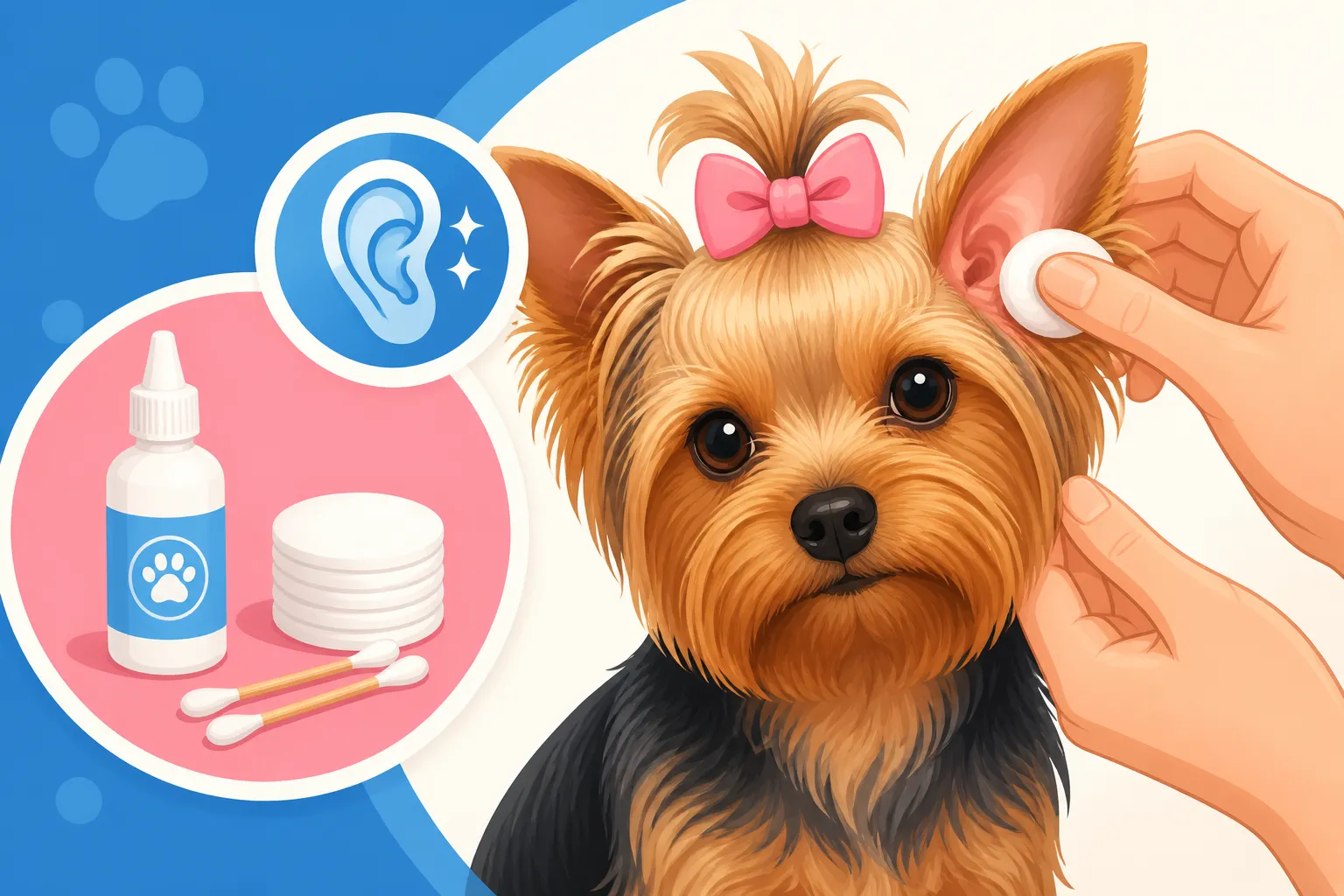
- Veterinary-approved ear cleaner: As discussed, choose wisely!
- Cotton balls or gauze squares: These are essential for wiping away discharge and cleaner. Avoid cotton swabs (Q-tips) as they can push debris further into the ear canal and potentially damage the eardrum.
- Clean towels: Have a few ready. One for wrapping your Yorkie if they’re squirmy, and others for wiping up any excess cleaner or shaking.
- Treats: Crucial for positive reinforcement! High-value treats will make this a much more pleasant experience for your pup.
- Optional: Hemostats or blunt-nosed tweezers: Only if you feel comfortable plucking ear hair, and only if advised by your vet or groomer. We'll talk more about this later.
- Optional: Dog grooming wipes: For a quick clean-up of the outer ear flap after the main cleaning.
By having everything neatly organized, you can perform the cleaning efficiently, minimizing the time your Yorkie has to be still. This pre-planning makes a huge difference in how your dog perceives the entire process.
Step-by-Step Guide to Cleaning Your Yorkie's Ears
Now that you're well-equipped, let's get down to the actual cleaning process. This isn't something to rush through. A calm, gentle approach is essential to ensure your Yorkie remains comfortable and cooperative. Remember, patience and positive reinforcement are your best friends here.
Preparing Your Yorkie and the Environment
Before you even open that bottle of ear cleaner, set the stage for success. Choose a quiet, well-lit area where you won't be interrupted. A bathroom counter or a sturdy table covered with a towel often works well, as it provides a good height and a surface that's easy to clean.
Bring your Yorkie to the chosen spot and make it a positive experience right away. Offer a small treat and lots of calm praise. If your Yorkie is prone to wiggling, you might want to gently wrap them in a towel, leaving only their head exposed, or have a helper hold them securely. The goal is to make them feel safe and contained, not trapped. Gently lift their ear flap to expose the inner ear, noting any excessive hair, redness, or discharge. If you see signs of infection (strong odor, significant redness, swelling, or pus-like discharge), pause the cleaning and instead make an appointment with your vet. Trying to clean an infected ear can be painful for your Yorkie and potentially worsen the condition. For a general Yorkshire Terrier Health Problems to Know, keeping an eye on their ears is a crucial part of their overall wellness checks.
The Gentle Cleaning Process
With your Yorkie prepped and comfortable (or as comfortable as they can be), it's time for the cleaning itself. Take your time, and remember, a light touch is key.
- Administer the Cleaner: Hold your Yorkie's ear flap up and gently squeeze a generous amount of the ear cleaning solution into the ear canal until it's full. Don't worry, you won't hurt them by filling it up; the L-shaped canal prevents the liquid from reaching the eardrum if it’s intact. You’ll hear a squishy sound, which is perfectly normal.
- Massage the Base of the Ear: Keeping the ear flap held up, gently massage the base of the ear, just below the opening. You should hear that squishy sound again as the cleaner works its way through the canal, breaking up wax and debris. Massage for about 20-30 seconds. Your Yorkie might actually enjoy this part!
- Allow Them to Shake: Once you've massaged thoroughly, step back and allow your Yorkie to shake their head. This is instinctual and helps dislodge and bring up all that loosened gunk. It's a good idea to have a towel ready, as the cleaner and debris will likely spray out.
- Wipe Away Debris: After the shake, use a fresh cotton ball or gauze square to gently wipe out the visible outer parts of the ear canal and the inner side of the ear flap. You'll likely see some brownish-yellow discharge and wax coming out. Continue wiping with fresh cotton balls until no more visible dirt or wax comes out. Remember, never insert anything beyond what your finger can comfortably reach into the ear canal. The goal is to clean out what comes out of the ear, not to dig into it.
- Repeat if Necessary: If the ear is particularly dirty, you might need to repeat steps 1-4. For routine cleaning, once is usually sufficient.
Always remember to clean both ears, even if only one appears dirty. Cross-contamination can easily occur, and a proactive approach is always best for Yorkie Ear Infections: Prevention.
Post-Cleaning Care and Rewards
You're almost done! The cleaning itself might be over, but the final steps are just as important for reinforcing a positive experience and ensuring your Yorkie's comfort.
Once you’ve finished cleaning both ears, give your Yorkie a thorough wipe down with a clean, dry towel. This helps remove any lingering moisture and makes them feel fresh. Then, and this is crucial, lavish them with praise and high-value treats! Associate ear cleaning with something positive and rewarding. This helps build trust and makes future cleaning sessions much easier. A good snuggle or a favorite game can also go a long way in making them forget any momentary discomfort.
Establishing a consistent routine is key. For most Yorkies, a weekly or bi-weekly ear cleaning is sufficient, depending on their individual wax production and activity levels. If your Yorkie has particularly hairy ears, you might need to clean them more frequently or consider carefully trimming or plucking the excess hair. Talk to your groomer or vet about the best approach for managing ear hair. This regular care, coupled with positive reinforcement, will transform ear cleaning from a dreaded chore into a manageable part of your Yorkshire Terrier Daily Care Routine.
When to Seek Professional Veterinary Help
While routine ear cleaning is an important part of your Yorkie's care, there are times when a professional touch is absolutely necessary. It's vital to know the difference between routine maintenance and a potential medical issue that requires veterinary attention. Ignoring serious signs can lead to chronic problems and unnecessary suffering for your beloved pet.
Recognizing Signs of Infection or Serious Issues
Your vigilance during ear cleaning can be the first line of defense against more serious health concerns. It’s important to familiarize yourself with the signs that indicate something is amiss and warrants a trip to the vet.
Look out for any of the following symptoms:
- Excessive scratching or rubbing: If your Yorkie is constantly pawing at their ears or rubbing them against furniture or the floor, it's a strong indicator of discomfort or itchiness beyond simple wax buildup.
- Head shaking: While a little head shaking after ear cleaner is normal, persistent, violent head shaking points to irritation or pain.
- Foul odor: A healthy ear should have minimal to no odor. A strong, pungent, or yeasty smell is a red flag for infection.
- Redness or swelling: Inflamed skin inside the ear flap or visible swelling around the ear opening suggests irritation or infection.
- Discharge: While some brownish wax is normal, any discharge that is yellow, green, black, or has an unusual texture (like pus or "coffee grounds") is a sign of infection or mites.
- Pain when touched: If your Yorkie cries out, snaps, or recoils when you try to touch or clean their ear, they are likely in pain.
- Hearing loss or balance issues: In severe cases, a deep ear infection can affect hearing or even balance.
- Changes in behavior: Lethargy, loss of appetite, or general irritability can also be subtle signs that your Yorkie is not feeling well, potentially due to an ear issue.
If you observe any of these symptoms, especially a combination of them, do not attempt to self-treat with over-the-counter remedies unless specifically advised by your vet. You could inadvertently worsen the condition or mask symptoms, making diagnosis more difficult. Instead, schedule an appointment with your veterinarian promptly. Early intervention is crucial for effective treatment and preventing complications. Remember that When to Take Your Yorkie to the Vet for ear issues is usually sooner rather than later.
The Role of Your Vet in Ear Health
Your veterinarian is your most valuable partner in ensuring your Yorkie's ear health. They have the expertise and tools to properly diagnose and treat underlying issues that you simply cannot address at home.
During a vet visit for ear concerns, your vet will perform a thorough examination, often using an otoscope to look deep into the ear canal, past the bend that makes it so challenging for us to see. They can identify ear mites, foreign objects, ruptured eardrums, or tumors – things that are impossible to spot with the naked eye. If an infection is suspected, they might take a swab of the discharge for microscopic analysis (cytology) to determine whether it’s bacterial, yeast, or both. This allows them to prescribe the most effective medication, such as specific antibiotic or antifungal ear drops.
For Yorkies with excessive ear hair that regularly contributes to infections, your vet or a professional groomer can safely pluck or trim the hair. This needs to be done carefully to avoid pain or irritation. Your vet can also offer guidance on the best ear cleaning products for your specific Yorkie, especially if they have chronic issues or allergies. They might recommend specific brands like Epi-Otic or Zymox for ongoing maintenance or treatment. Don't hesitate to lean on your vet's knowledge; they are there to help you keep your Yorkie healthy and happy. Regular check-ups are also vital to How to Keep a Yorkshire Terrier Healthy overall.
Preventing Future Ear Problems
An ounce of prevention is worth a pound of cure, especially when it comes to your Yorkie's sensitive ears. Establishing a proactive routine and addressing potential underlying causes can significantly reduce the frequency and severity of ear problems, saving both you and your furry friend a lot of discomfort and hassle.
Regular Maintenance and Grooming Practices
Consistency is the name of the game for preventing ear issues. Integrating ear care into your regular grooming routine will make a world of difference.
Routine Cleaning Schedule: As mentioned, aim for weekly to bi-weekly ear cleanings, even if the ears look fine. This helps to prevent wax and debris from accumulating to problematic levels. If your Yorkie loves water activities, such as swimming or baths, you might want to clean their ears after each exposure to help dry out the canal and prevent moisture-related infections.
Managing Ear Hair: Many Yorkies have a significant amount of hair growing inside their ear canals. While not all vets or groomers agree on the necessity of plucking ear hair, if your Yorkie is prone to ear infections, removing some of this hair can greatly improve airflow and reduce moisture buildup. This is a task that often requires a skilled hand. You can learn How to Groom a Yorkshire Terrier at Home for basic ear hair trimming around the outer flap, but for deep ear canal hair, it's generally best left to a professional groomer or your veterinarian. They can use specialized tools like hemostats to gently pluck the hair, minimizing discomfort. Never attempt to pluck ear hair without proper training, as it can be painful and lead to irritation if done incorrectly.
Regular Grooming Appointments: Professional groomers are experts in maintaining your Yorkie's coat and ears. They can often spot early signs of trouble and provide a thorough cleaning and hair removal if needed. Discuss your Yorkie's ear health with them during your regular Yorkshire Terrier Grooming Guide appointments. They can be a great resource for maintaining ear health between vet visits.
Addressing Underlying Causes
Sometimes, ear problems aren't just about hygiene; they can be symptoms of bigger issues. Being aware of these can help you tackle the root cause rather than just the symptoms.
Allergies: Just like humans, dogs can suffer from allergies, and often, the first place they manifest is in their skin and ears. Food allergies, environmental allergies (pollen, dust mites), or even flea allergies can cause inflammation and itchiness in the ears, leading to secondary infections. If your Yorkie has chronic ear problems despite diligent cleaning, talk to your vet about allergy testing or a hypoallergenic diet trial. Changing their food to a limited ingredient diet, perhaps one like Ollie that focuses on fresh, whole ingredients, might make a significant difference if food allergies are at play.
Diet and Nutrition: A balanced, high-quality diet plays a crucial role in overall skin and coat health, which includes the ears. Poor nutrition can compromise the immune system, making your Yorkie more susceptible to infections. Ensure your Yorkie is eating a premium dog food appropriate for their age and activity level. If you're concerned about their diet, consult your vet for recommendations. Some dog foods are specifically formulated to support skin and coat health, which can indirectly benefit their ears.
Environmental Factors: Consider your Yorkie's environment. Is there excessive dust or allergens in your home? Regular vacuuming and air purifiers can help. If your Yorkie spends a lot of time outside in damp conditions, ensure their ears are dried thoroughly. Certain climates or seasons can also exacerbate allergies and, consequently, ear issues. By addressing these underlying factors, you're not just preventing ear infections; you're contributing to your Yorkie's holistic health.
Common Myths and Misconceptions About Yorkie Ear Care
When it comes to pet care, there's a lot of well-intentioned advice floating around that can actually be harmful. Ear care for Yorkies is no exception. It's important to separate fact from fiction to ensure you're providing the best care for your furry companion.
Debunking DIY Home Remedies
The internet is rife with suggestions for "natural" or "cheap" ways to clean dog ears. While many of these are harmless for humans, they can be dangerous for your Yorkie.
Myth 1: Vinegar or rubbing alcohol are good ear cleaners. Absolutely not! While vinegar (diluted apple cider vinegar) has some mild antimicrobial properties, it is acidic and can irritate a dog's sensitive ear canal, especially if there's any existing inflammation or open sores. Rubbing alcohol is even worse; it’s extremely drying and can cause intense burning and pain if it gets into an irritated ear or touches the eardrum. These substances can strip the ear of its natural protective oils, leaving it more vulnerable to infection. Stick to veterinary-approved solutions that are pH-balanced and specifically formulated for canine ears.
Myth 2: You can use cotton swabs (Q-tips) to clean deep in the ear. This is a major no-no. As mentioned before, a dog's ear canal is L-shaped. Using a cotton swab pushes debris deeper into the canal, potentially creating a blockage or impacting existing wax. Even worse, you could accidentally puncture your Yorkie's eardrum, leading to severe pain, infection, and permanent hearing damage. Reserve cotton swabs only for cleaning the visible folds of the outer ear flap, never for inserting into the canal. Always use cotton balls or gauze pads for the inner ear.
Myth 3: If their ears look clean, they don't need cleaning. This is a subtle but pervasive myth. The outer ear might look pristine, but as we discussed, the L-shaped canal can harbor hidden grime, moisture, and wax. Regular, preventative cleaning helps to keep this unseen area clear before problems even arise. Waiting until you see visible dirt or your Yorkie is scratching means you're already behind the curve. Consistent care, even when things look good, is the best strategy.
The Truth About Ear Hair Plucking
Ear hair management in Yorkies is a topic that often sparks debate among owners, groomers, and even veterinarians. Let's clarify some common points.
Myth 1: All Yorkies need their ear hair plucked. This isn't universally true. The need to pluck ear hair depends entirely on the individual Yorkie. Some Yorkies have very little hair in their ear canals and excellent natural airflow, rarely experiencing problems. For these dogs, plucking might be unnecessary and could even cause irritation. However, for Yorkies with dense hair that traps moisture and debris, leading to recurrent infections, plucking can be a beneficial preventative measure. The key is to assess your individual dog's needs in consultation with your vet or a professional groomer.
Myth 2: Plucking ear hair is always painful. When done correctly and gently by an experienced professional, plucking ear hair should cause minimal discomfort, often no more than a slight pinch. The hair within the ear canal tends to be finer and looser than body hair. However, if done incorrectly, roughly, or too aggressively, it can certainly be painful and cause inflammation. This is why DIY ear hair plucking without proper instruction is strongly discouraged. It’s also why many groomers prefer to use specialized powders to help grip the hair and numb the skin slightly, making the process smoother.
Myth 3: You should never trim ear hair, only pluck it. Trimming the hair around the outer ear canal can certainly help with aesthetics and some airflow. However, trimming the hair inside the ear canal with scissors is dangerous. You risk cutting the delicate skin inside the ear or even puncturing the eardrum. If you want to manage hair within the canal, plucking is the safer, more effective method, again, preferably done by a professional. Think of it this way: for Yorkshire Terrier Coat Care and Haircuts, you can do a lot at home, but some things are best left to the pros. Ultimately, the decision on whether to pluck ear hair should be made after considering your Yorkie's specific ear health history and in discussion with your trusted veterinarian or professional groomer.
Disclaimer
The information provided in this article is for general informational purposes only and is not a substitute for professional veterinary advice. Always consult with a qualified veterinarian regarding any health concerns or before making any decisions about your pet's medical care.