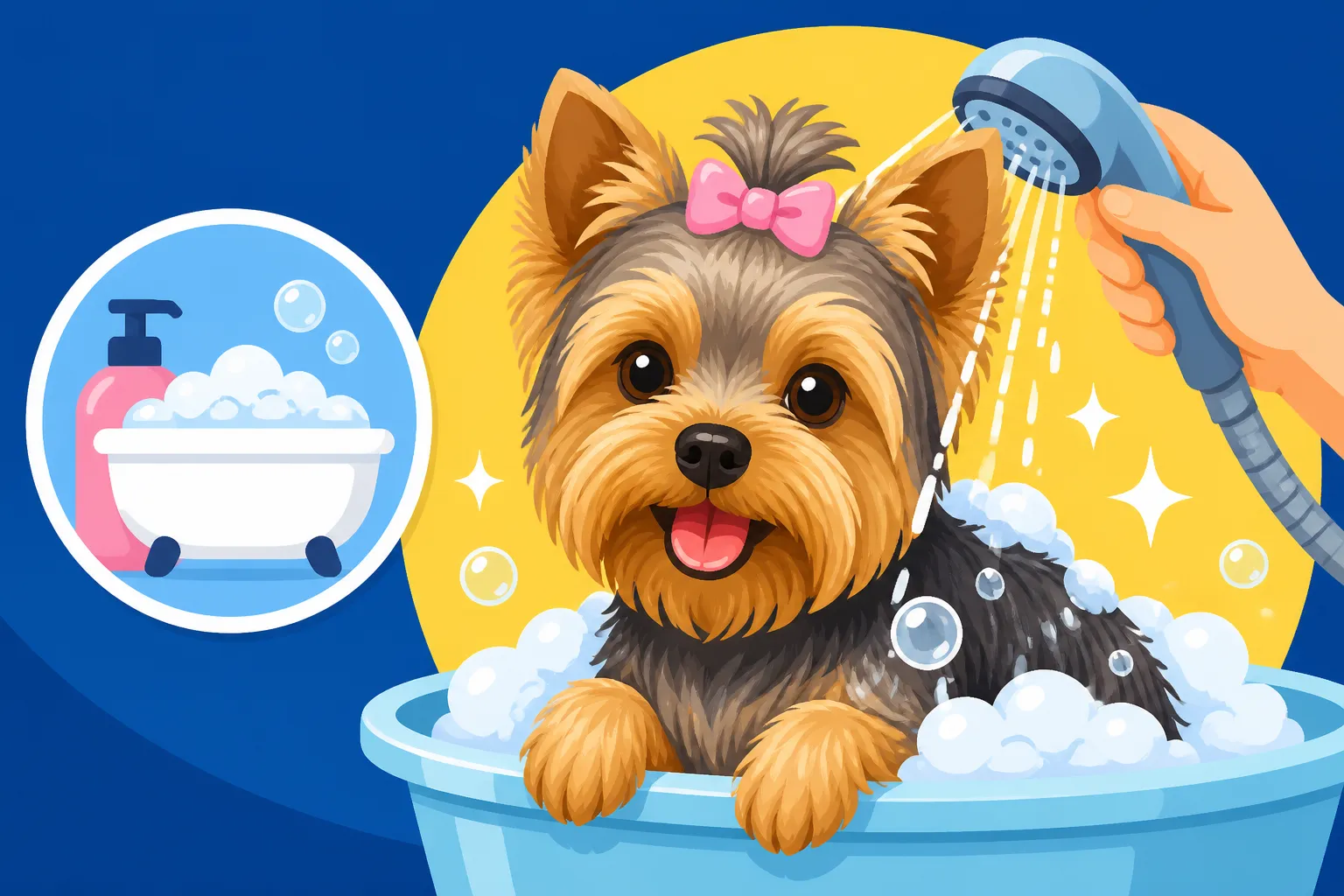
How to Bathe a Yorkie
Bathing your Yorkshire Terrier can often feel like wrestling a wet, fluffy cloud that’s suddenly developed an aversion to water. Many Yorkie parents know the struggle: you try to get them clean, but their delicate coats mat easily, they shiver at the slightest chill, and sometimes they act like you’re trying to dunk them in a lion’s den! It's frustrating when you just want your beloved companion to be clean and comfortable, but the process itself seems to cause so much fuss. This comprehensive guide is here to walk you through every step of bathing your Yorkie, turning a dreaded chore into a manageable, even enjoyable, routine for both of you. We'll cover everything from preparing your pup to picking the right products and handling those post-bath zoomies, ensuring your little one emerges fresh, clean, and happy.
Understanding Your Yorkie's Unique Bathing Needs
Before we even think about turning on the water, it's crucial to understand why bathing a Yorkshire Terrier isn't quite the same as bathing a Labrador or even a Poodle. Their specific physical characteristics and temperament mean they have very particular needs during bath time. Ignoring these can lead to a stressed-out pup, matted fur, or even skin irritation, making future baths even more challenging.
The Delicate Yorkie Coat
One of the most striking features of a Yorkshire Terrier is their long, silky, single coat, which is famously described as being more akin to human hair than traditional dog fur. This isn't just a fancy description; it profoundly impacts how you should approach their grooming. Unlike dogs with double coats that shed seasonally, Yorkies have a continuous-growth coat that doesn't have an undercoat. This means less shedding, which is fantastic for allergy sufferers, but it also means their coat is incredibly prone to tangles and mats if not properly cared for.
Imagine trying to wash your own long hair after not brushing it for days – that’s precisely what it feels like for your Yorkie if you skip the pre-bath brush. Their fine, silky strands can intertwine almost instantly when wet, creating knots that become incredibly difficult, and painful, to remove once dry. Furthermore, this single layer offers less insulation than a double coat, making them more susceptible to feeling cold during and after a bath. The texture itself is also quite absorbent, which means they can get thoroughly soaked, and take longer to dry, increasing the risk of chills if not dried meticulously.
Small Size, Big Sensitivities
Yorkies are tiny, typically weighing between 4 and 7 pounds, and this small stature makes them particularly vulnerable in many situations, including bath time. Their small bodies lose heat quickly, making them prone to getting chilled, especially when wet. This isn't just about comfort; a significant drop in body temperature can be detrimental to their health, particularly for puppies or senior Yorkies. The sound of running water, the height of a sink or tub, and the slippery surfaces can also be incredibly intimidating for such a small creature.
Many Yorkies are also naturally quite sensitive and can develop strong anxieties around water or the bathing process if not introduced to it gently and positively. They might shiver not just from cold, but from fear or stress. Their delicate joints, like those prone to patellar luxation, also mean you need to be extra careful when lifting them or placing them on surfaces, ensuring they don't jump or slip. It’s all about creating an environment where they feel safe and secure, rather than overwhelmed by the sheer scale and strangeness of the bathing setup.
Importance of Regular Grooming Beyond the Bath
While baths are essential for cleanliness, they are just one component of a comprehensive grooming routine for your Yorkshire Terrier. Think of it like this: a bath cleans the canvas, but daily care keeps the masterpiece intact. Consistent, gentle brushing is paramount to prevent the mats and tangles that make bathing a nightmare. Brushing helps distribute natural oils, keeps the coat free of debris, and stimulates circulation, promoting overall skin and coat health.
Beyond the coat, regular maintenance of their nails, ears, and teeth is also critical. Long nails can be painful and affect their gait, while dirty ears can harbor infections. And let’s not forget dental hygiene; Yorkies are notoriously prone to dental disease, so brushing their teeth regularly is non-negotiable. If you're looking for more detailed advice on maintaining their pearly whites, our guide on a How to Brush a Yorkie’s Teeth is a fantastic resource. All these grooming steps work in conjunction. A well-maintained coat, trimmed nails, and clean ears contribute to a happier, healthier Yorkie who will be less stressed by the occasional full bath because they're already accustomed to being handled.
Essential Supplies for a Stress-Free Yorkie Bath
You wouldn't attempt to bake a complicated cake without the right ingredients and tools, right? The same principle applies to bathing your Yorkie. Having all your supplies ready and within reach before you even get your dog wet is not just a convenience; it’s a critical step in ensuring the process is as smooth and stress-free as possible for both of you. A frantic scramble for a towel while your shivering pup stands in a tub of suds is a scenario we all want to avoid!
Shampoos and Conditioners Tailored for Yorkies
Choosing the right shampoo and conditioner is perhaps the most important decision you’ll make when preparing for bath time. Given their human-like hair and sensitive skin, generic dog shampoos simply won't cut it and can often do more harm than good. You're looking for products specifically formulated for delicate skin and coats, ideally tearless, pH-balanced, and hypoallergenic.
- Tearless Formulas: This is non-negotiable. Yorkies have large, expressive eyes, and accidental shampoo splashes are inevitable. A tearless formula will prevent stinging and discomfort, making the experience much more positive.
- pH-Balanced: A dog's skin pH is different from a human's. Using shampoos designed for dogs ensures the product won't strip their natural oils or irritate their skin.
- Hypoallergenic/Sensitive Skin Formulas: Many Yorkies have sensitive skin or are prone to allergies. Look for shampoos with natural, soothing ingredients like oatmeal, aloe vera, or tea tree oil (in safe dilutions). Brands often available on platforms like Chewy or Amazon specialize in these types of formulas, offering a wide array of choices from reputable manufacturers. Avoid harsh chemicals, artificial fragrances, and dyes that can cause irritation or dryness.
- Conditioner is a Must: For a Yorkie’s long, fine coat, conditioner is not optional; it’s absolutely essential. It helps detangle, moisturize, and seal the hair cuticle, making it softer, shinier, and less prone to future matting. Look for a leave-in or rinse-out conditioner that complements your chosen shampoo. Some excellent options are available from brands like Earthbath or BioSilk, which often focus on natural, gentle ingredients.
Grooming Tools and Accessories
Once you've got your bathing liquids sorted, gather your tools. Having everything laid out and ready will save you a lot of hassle once your Yorkie is in the tub.
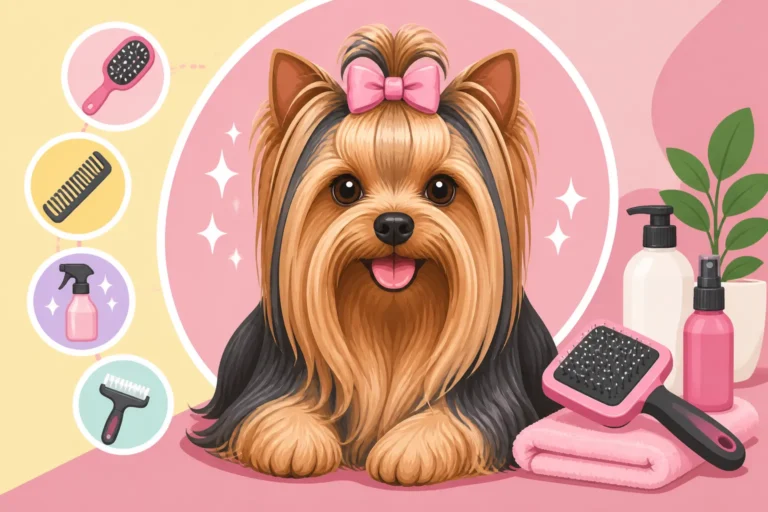
- Brushes and Combs: You’ll need a good quality pin brush or slicker brush for pre-bath detangling, and a fine-toothed comb for checking for any missed knots, especially around the face and ears. Our guide on Best Brush for a Yorkshire Terrier offers great tips on selecting the right brush.
- Non-Slip Mat: Yorkies can easily slip and injure themselves in a wet tub. A rubber non-slip mat at the bottom of the sink or tub will provide traction and make them feel much more secure.
- Small Towels: Have several soft, absorbent towels ready. Yorkies get soaked, and you’ll want to gently blot away as much water as possible before drying.
- Dog-Specific Blow Dryer (with cool setting): A regular human blow dryer can be too hot and damage your Yorkie’s delicate skin and coat. Invest in a dryer designed for pets, or at least one with a low-heat/cool setting. Air drying is often too slow and can lead to chills or skin issues.
- Cotton Balls: These are crucial for protecting your Yorkie’s ears from water, which can lead to ear infections. Gently place them just inside the ear canal (don't push them too far in).
- Small Cup or Sprayer: A small, unbreakable cup or a detachable shower sprayer makes wetting and rinsing much easier and more controlled than a strong, direct stream of water from the faucet.
- Treats: Positive reinforcement is key! Have some high-value treats on hand to reward good behavior before, during, and after the bath.
Creating a Safe and Comfortable Bathing Space
The physical environment where you bathe your Yorkie significantly impacts their comfort level. A chaotic, cold, or intimidating space will only exacerbate any existing anxiety.
- Location Matters: For most Yorkies, a kitchen sink or a utility sink is ideal. It brings them up to a comfortable height for you, reducing strain on your back, and they often feel more secure in a smaller basin than a large bathtub. If using a bathtub, consider getting a small, elevated dog tub to place inside it.
- Temperature Control: Ensure the room is warm, especially in colder months. Close windows and turn up the heat slightly if needed. The water temperature should be lukewarm, similar to what you'd use for a baby's bath – test it on your wrist.
- Minimize Distractions: Choose a time when your household is quiet. Turn off loud music or TVs. If other pets or children tend to get overexcited, ensure they are in a separate room. The goal is to create a calm, predictable environment.
- Safety First: Beyond the non-slip mat, ensure there are no sharp objects or electrical cords near the bathing area. Keep all your supplies within arm's reach but out of your Yorkie’s immediate grasp. Having everything prepped prevents you from having to turn away, even for a second, leaving your pup unattended in the water.
Step-by-Step Guide to Bathing Your Yorkshire Terrier
Now that you've got all your supplies and a calm environment, it’s time for the main event! Remember, patience and a gentle touch are your best allies. Rushing through the process or being heavy-handed will only make your Yorkie dread future baths.
Pre-Bath Preparation: The Key to Success
This stage is absolutely non-negotiable for a Yorkie. Skipping pre-bath prep is like trying to untangle a ball of yarn after it's been soaked and dried – nearly impossible without causing damage.
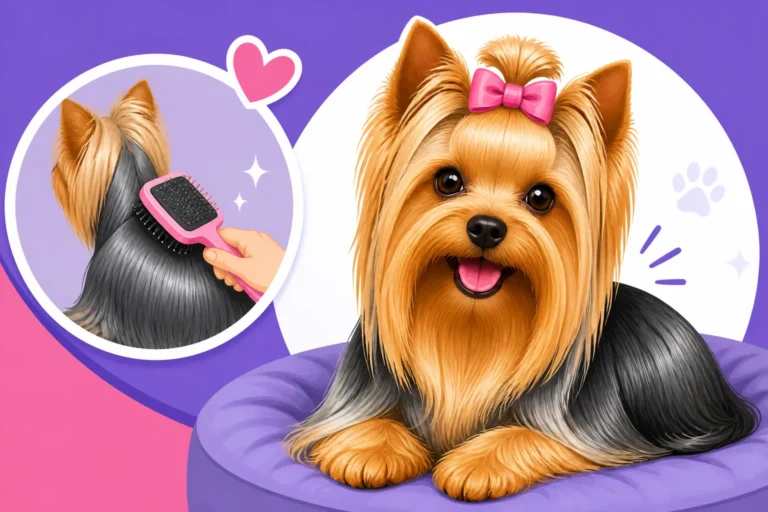
- Thorough Brushing and Detangling: This is the most critical step. Using your pin or slicker brush, meticulously brush your Yorkie's entire coat to remove any loose hair, dirt, and, most importantly, any tangles or mats. Pay extra attention to common problem areas like behind the ears, under the armpits, and around the tail and legs. If you encounter a mat, do not wet it. Water will only tighten mats, making them impossible to remove without cutting them out. Gently work out tangles with a wide-toothed comb and a detangling spray before any water touches their fur. Our article on How to Prevent Yorkie Matting can provide more in-depth techniques for preventing those stubborn knots.
- Nail Trimming: While not directly related to the bath itself, trimming your Yorkie’s nails before a bath is a good practice. Longer nails can scratch you (or them) if they get antsy, and they can also make it harder for your Yorkie to get good traction on surfaces, even with a non-slip mat. If you're unsure how to do this safely, you might find our guide on How to Trim a Yorkie’s Nails helpful.
- Ear Protection: Gently place a cotton ball into each of your Yorkie’s ear canals. Make sure they are inserted just enough to block water, but not so deep that you can't easily retrieve them. This prevents water from entering the ear, which can lead to painful ear infections.
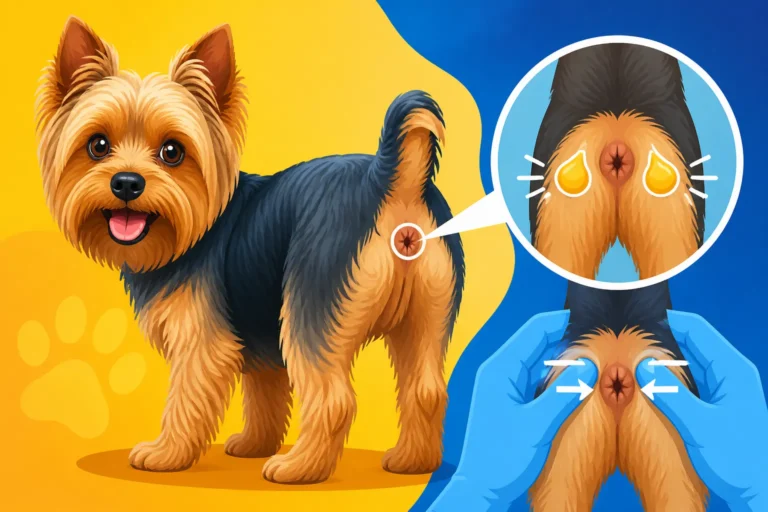
- Anal Gland Check (Optional but Recommended): Some Yorkies may need their anal glands expressed periodically. If you know your dog requires this and are comfortable doing it yourself, bath time is a good opportunity, as the warm water can help relax the area. However, if you’re unsure or uncomfortable, leave this to your vet or a professional groomer.
The Gentle Washing Process
With your Yorkie prepped, it's time to get wet. Always speak to your Yorkie in a calm, reassuring voice throughout this entire process.
- Gentle Wetting: Place your Yorkie gently onto the non-slip mat in the sink or tub. Using your small cup or sprayer, slowly and gently wet their coat, starting from their neck and working your way down to their tail. Avoid directly spraying their face, especially their eyes and nose. Many Yorkies are particularly sensitive to water around their faces. You want their coat to be thoroughly saturated, but not drowning them.
- Shampoo Application: Apply a small amount of your chosen shampoo. For Yorkies, it's often best to dilute the shampoo slightly with water in a separate cup before applying it. This makes it easier to distribute evenly and rinse out completely. Gently massage the shampoo into their coat, working from neck to tail, being careful not to rub vigorously, which can create tangles. Use your fingertips to work the shampoo through the hair, ensuring it reaches the skin. Be mindful around their eyes and nose, using a washcloth for their face if needed.
- Thorough Rinsing: This is arguably the most crucial step of the wash. Residual shampoo can irritate your Yorkie’s sensitive skin, leading to dryness, itching, or dandruff. Using your cup or sprayer, rinse their coat meticulously. Start from the head and work your way down, ensuring all traces of shampoo are removed. You’ll know they’re rinsed when the water runs clear and their coat no longer feels soapy. You might need to rinse several times, especially if they have a very dense or long coat. Don't forget to rinse their belly and paws thoroughly.
- Conditioner Application: Once fully rinsed, apply a pea-sized amount of conditioner (again, dilute it slightly if it's very thick). Gently work it through their coat, paying extra attention to the ends and any areas prone to tangles. Let it sit for the time recommended on the product label, usually 2-5 minutes, allowing it to penetrate and soften the hair.
- Final Rinse: Rinse the conditioner out completely, just as you did with the shampoo. Again, ensure no residue is left behind. Their coat should feel soft and silky, not slick.
Drying Your Yorkie Safely and Thoroughly
Proper drying is crucial to prevent chills, matting, and potential skin issues like "hot spots." Don't underestimate this step.
- Towel Drying: As soon as you finish rinsing, gently lift your Yorkie out of the tub and immediately wrap them in a soft, absorbent towel. Blot and squeeze their fur to remove as much excess water as possible. Do not rub vigorously, as this can tangle their delicate coat and irritate their skin. You might need to use a second dry towel to get them even drier.
- Blow Drying: This is where your dog-specific blow dryer comes in handy. Set it to a low or cool setting. Never use high heat, as it can burn their skin, which is much more delicate than human skin, and damage their coat. Keep the dryer moving constantly, never focusing on one spot for too long.
- Brush While You Dry: As you blow dry, use your pin brush or slicker brush to gently brush their coat. This helps to separate the strands, speed up drying, and prevent any new tangles from forming as the hair dries. Work in small sections, starting from the roots and working your way to the tips. This technique ensures a smooth, tangle-free finish.
- Check for Damp Spots: Pay special attention to areas like the armpits, belly, and behind the ears, which can hold moisture. Ensure your Yorkie is completely dry, right down to the skin, before allowing them to run around, especially in cooler temperatures. A damp coat can lead to chills or skin irritation.
- Cotton Ball Removal: Once completely dry, gently remove the cotton balls from their ears. Reward your Yorkie with plenty of praise and a tasty treat for being such a good sport! This positive reinforcement will build good associations with bath time.
Common Bathing Challenges and Troubleshooting
Even with the best intentions and preparations, bathing a Yorkie can present its own unique set of challenges. It's perfectly normal to encounter some hurdles, especially when you're both learning the routine. Knowing how to troubleshoot these common issues can save you a lot of frustration and make the process smoother in the long run.
Dealing with Matting and Tangles
Mats are the bane of every long-haired dog owner's existence, and Yorkies are particularly susceptible. These tight clumps of fur can pull on the skin, causing pain, irritation, and even skin infections if left untreated.
- Prevention is Key: The absolute best way to deal with mats is to prevent them from forming in the first place. This means consistent, ideally daily, brushing. Pay extra attention to high-friction areas like under the harness, behind the ears, and where their legs rub against their body. Our Yorkshire Terrier Coat Care and Haircuts goes into much more detail on how to keep their coat in top condition.
- Never Bathe a Matted Yorkie: I cannot stress this enough. If your Yorkie has mats, do not get them wet. Water will act like glue, tightening the mats and making them almost impossible to remove without causing significant pain to your dog or having to shave the area.
- Gentle Detangling Before Bath: If you find a small tangle before a bath, use a detangling spray designed for dogs. Hold the hair at the base of the mat close to the skin to minimize pulling, and gently work the tangle out with your fingers or a wide-toothed comb, starting from the ends and gradually working your way towards the skin. Sometimes a small blunt-tipped scissor can be used to carefully cut a mat if you know what you are doing and can safely get under the mat without cutting the skin. If the mats are severe or numerous, it’s always best to consult a professional groomer. They have specialized tools and techniques to remove mats safely and with the least amount of discomfort for your Yorkie.
Overcoming Bath-Time Anxiety and Fear
Some Yorkies, despite our best efforts, develop a fear or dislike for bath time. This can manifest as shivering, struggling, trying to escape, or even nipping.
- Start Young and Positive: If you have a puppy, introduce them to bathing slowly and positively. Even just sitting them in a dry sink with some treats can build positive associations. For more tips on early care, refer to our Yorkshire Terrier Puppy Care Guide guide.
- Desensitization: For an anxious adult Yorkie, break the bath into tiny, manageable steps. Start by just getting them comfortable in the bathroom, then in the dry tub/sink, then with a little water, and so on. Reward profusely at each successful step.
- Positive Reinforcement: High-value treats are your best friend. Offer them frequently for calm behavior. Speak in a soothing, happy voice. Never scold or punish your Yorkie for being scared, as this will only worsen their anxiety.
- Make it a Spa Experience: Warm towels, gentle massaging, and a quiet environment can all contribute to a more pleasant experience. Some dogs respond well to calming pheromone sprays or diffusers in the bathing area. Consider using a lick mat with peanut butter (xylitol-free!) stuck to the tub wall to distract them.
- Consistency: A predictable routine can reduce anxiety. Try to bathe your Yorkie at the same time and in the same way each time, so they know what to expect. If anxiety persists and you're struggling, a professional groomer might be able to offer specific techniques or a vet could advise on anti-anxiety aids.
Preventing Skin Irritation and Post-Bath Issues
After a bath, you want your Yorkie to feel clean and comfortable, not itchy or irritated. Several factors can lead to post-bath skin problems.
- Rinse, Rinse, Rinse: As mentioned, shampoo residue is a major culprit. It can dry out the skin, cause itching, and lead to flaky skin. Always err on the side of over-rinsing rather than under-rinsing.
- Choose Gentle Products: Stick to tearless, pH-balanced, and hypoallergenic shampoos and conditioners specifically designed for dogs. Avoid human products or harsh detergents. If your Yorkie has specific sensitivities, your vet might recommend a medicated shampoo. For dogs with skin conditions or chronic itching, specialized products found at stores like Chewy can make a huge difference.
- Thorough Drying: Damp skin and a wet coat create a perfect breeding ground for bacteria and yeast, potentially leading to hot spots or other skin infections. Ensure your Yorkie is completely dry, especially in areas where skin folds or hair is thick.
- Monitor for Reactions: After each bath, keep an eye on your Yorkie’s skin for any redness, excessive scratching, or bumps. If you notice any signs of irritation, switch products, consult your vet, or adjust your bathing frequency. Persistent itching or skin problems might indicate underlying allergies or other health issues, warranting a visit to the veterinarian.
How Often to Bathe Your Yorkie and Maintenance Between Washes
Finding the right bathing frequency for your Yorkshire Terrier can feel like a balancing act. You want them clean and fresh, but over-bathing can strip their natural oils, leading to dry skin and a dull coat. Conversely, too few baths can lead to matting, odor, and skin problems.
Establishing a Bathing Schedule
There’s no one-size-fits-all answer for how often to bathe a Yorkie, as it depends on several individual factors. However, a general guideline for most Yorkshire Terriers is typically every 2 to 4 weeks.
Let’s break down the factors that influence this schedule:
- Lifestyle: Does your Yorkie spend a lot of time outdoors, rolling in dirt and leaves, or are they mostly an indoor lap dog? An adventurous Yorkie will naturally need more frequent baths than a pampered indoor companion. If they frequently visit the dog park or daycare, their coat will likely pick up more grime.
- Coat Length: Yorkies with longer, flowing coats tend to attract more dirt and become tangled more easily, often requiring more regular washing and conditioning to maintain their pristine appearance. Those with a short "puppy cut" might get away with slightly less frequent baths.
- Skin Condition: Yorkies with oily skin might benefit from more frequent baths with a veterinarian-recommended shampoo to help manage oil production. Conversely, those with very dry or sensitive skin might need fewer baths, or specific moisturizing shampoos and conditioners, to prevent further irritation. Always consult your vet if your Yorkie has persistent skin issues; they may recommend specialized products or a different bathing schedule.
- Allergies: If your Yorkie suffers from environmental allergies, more frequent baths (sometimes even weekly) with a hypoallergenic shampoo might be recommended by your vet to wash away allergens from their coat. Our guide on Yorkie Allergies: Signs and Relief might offer additional insights into managing their sensitivities.
Generally, aiming for every 2-3 weeks is a good starting point. You'll quickly learn what works best for your individual dog and their specific needs. For a quick reference, here's a general bathing frequency guide:
| Factor | Suggested Bathing Frequency | Notes |
|---|---|---|
| Active/Outdoor | Every 2-3 weeks | For Yorkies who love to play outside, get dirty. |
| Indoor/Sedentary | Every 3-4 weeks | For Yorkies who primarily stay indoors and maintain a cleaner coat. |
| Long Coat | Every 2-3 weeks | To prevent matting and keep the coat silky. |
| Short Coat | Every 3-4 weeks | Easier to maintain, less prone to immediate tangles. |
| Sensitive Skin | Monthly (or as advised by vet) | Use hypoallergenic shampoo; avoid over-bathing. |
| Allergies | Weekly (as advised by vet) | To remove allergens from the coat; use vet-prescribed or hypoallergenic shampoos. |
Daily Grooming for a Healthy Coat
While baths are important, what you do between washes is just as, if not more, critical for maintaining your Yorkie’s coat health and overall hygiene. This is where the magic truly happens, preventing the dreaded mats and keeping their coat looking its best.
- Daily Brushing: This cannot be stressed enough. Daily, gentle brushing with a good quality pin brush or slicker brush is paramount. It removes loose hair, prevents tangles from escalating into mats, distributes natural skin oils throughout the coat, and helps stimulate circulation to the skin. Take your time, working through small sections of hair at a time, especially in areas prone to matting like behind the ears, under the legs, and around the tail. Consistent brushing will drastically reduce the need for aggressive detangling during bath time and keep their coat looking magnificent.
- Checking for Debris: After walks or outdoor play, always check your Yorkie’s coat for burrs, stickers, leaves, or any other foreign objects that can get caught in their fine hair and quickly lead to tangles. A quick once-over with a comb can prevent a larger problem later.
- Eye and Face Cleaning: Yorkies are prone to tear stains, especially those with lighter coats. Gently wipe around their eyes daily with a soft, damp cloth or a specialized tear stain remover to prevent buildup and irritation. Our article on How to Clean Yorkie Tear Stains delves into common issues and prevention. Also, ensure their beard and mouth area are clean, especially after meals, to prevent food residue from matting their facial hair or causing odors.
Spot Cleaning and Quick Freshen-Ups
Sometimes, your Yorkie doesn't need a full bath, just a little touch-up. Spot cleaning can keep them fresh between full washes and extend the time between bigger grooming sessions.
- Paws and Legs: If your Yorkie only gets muddy paws or dirty lower legs after a walk, simply rinse those areas in a small basin of warm water. You can use a mild dog shampoo if needed, but a thorough rinse and towel dry are often sufficient.
- Facial Cleansing: For a messy face after eating or drinking, use a damp washcloth with a tiny drop of tearless shampoo to gently clean their beard and around their muzzle. Rinse thoroughly with a clean, damp cloth.
- Sanitary Trim: Keeping the hair around their private areas neatly trimmed is crucial for hygiene. This prevents urine and fecal matter from clinging to the fur, which can cause odors and skin irritation. You can gently trim this area with blunt-nosed scissors or clippers between baths.
- Dry Shampoo or Deodorizing Sprays: If your Yorkie is starting to smell a bit stale but isn't truly dirty, a dog-specific dry shampoo or deodorizing spray can offer a quick refresh. Simply spray a small amount, work it through their coat, and brush it out. These products absorb excess oils and odors, leaving your Yorkie smelling much fresher without the need for a full bath. Brands like Burt's Bees or Earthbath offer natural dry shampoos and deodorizing sprays that are gentle on sensitive skin. Remember, these are temporary fixes and not a substitute for proper bathing and grooming, but they can definitely help you stretch out the time between full washings.
Specialized Bathing Considerations
While the general guidelines for bathing a Yorkie apply across the board, certain life stages or conditions necessitate a more tailored approach. Whether you're welcoming a tiny puppy, caring for a wise senior, or deciding between home baths and professional grooming, understanding these nuances can make a world of difference.
Bathing a Yorkie Puppy
Introducing a Yorkie puppy to bath time needs to be handled with extreme care and patience. A negative first experience can instill a lifelong fear of water and grooming. Their little bodies are also much more fragile and sensitive than adult dogs.
- Start Early, Start Gentle: Begin introducing your puppy to the bathroom environment as early as possible, even before their first bath. Let them sniff around, hear the water running, and stand in the dry tub or sink. Offer lots of treats and praise.
- Timing is Key: Ensure your puppy is healthy, warm, and not overly tired or agitated. A calm puppy is more likely to accept the new experience. Make sure they’ve recently had a potty break.
- Warmth and Security: Puppies lose heat very quickly. Ensure the room is extra warm and the water is comfortably lukewarm. Use a non-slip mat to prevent slipping. Many puppies feel more secure if you hold them gently but firmly against your body while you wash them, rather than letting them stand alone.
- Quick and Efficient: Keep the first few baths very short. The goal isn't necessarily perfect cleanliness, but a positive introduction. Focus on gentle wetting, a quick shampoo, and a thorough rinse.
- Positive Reinforcement: Shower your puppy with praise and high-value treats throughout the process. Make it fun! After the bath, immediately wrap them in a warm towel, dry them gently but thoroughly, and then engage in some playtime or cuddles. This helps build positive associations with the entire grooming experience. For more specific advice, our Yorkshire Terrier Puppy Care Guide is an excellent resource.
Senior Yorkies and Those with Health Conditions
As Yorkies age, their needs change, and bath time might need to be adapted to accommodate physical limitations or health concerns. The same applies to Yorkies dealing with chronic health issues.
- Gentle Handling: Older Yorkies, or those with conditions like patellar luxation (a common joint issue in Yorkies) or arthritis, might experience pain or discomfort when being lifted, standing for extended periods, or slipping. Support their joints and body carefully. Use extra padding on surfaces if needed.
- Temperature Sensitivity: Senior dogs can be more susceptible to chills. Ensure the bathing area is extra warm, and use comfortably warm water. Dry them thoroughly and quickly, perhaps with an additional warm towel straight from the dryer. Our Yorkshire Terrier Senior Care Guide offers broader advice on caring for your aging companion.
- Skin and Coat Changes: Older Yorkies may have drier or more sensitive skin, or their coat texture might change. Use ultra-mild, moisturizing, and hypoallergenic shampoos. If they have specific skin conditions, your vet might recommend a medicated shampoo.
- Reduced Mobility: For Yorkies with significant mobility issues, consider using a handheld shower sprayer to reduce the need for them to shift positions. A small, sturdy stool inside the tub can also help them feel more stable if they need to stand. If standing is difficult, a very shallow bath where they can sit might be more comfortable.
- Health Conditions: Yorkies with conditions like Yorkshire Terrier Tracheal Collapse: Signs and Care (tracheal collapse) might have difficulty breathing if they get too stressed or inhale water. Be extra cautious around their neck and chest. For those with Yorkshire Terrier Hypoglycemia: Signs and Care (low blood sugar), ensure they've eaten recently to avoid any stress-induced episodes. Always consult your veterinarian if you have concerns about bathing a Yorkie with a specific health condition; they can provide tailored advice.
Professional Grooming vs. At-Home Baths
Deciding whether to bathe your Yorkie at home or take them to a professional groomer is a common dilemma for many owners. Both options have their benefits, and often, a combination of both works best.
-
Benefits of At-Home Baths:
- Cost Savings: Regularly taking your Yorkie to a professional groomer can add up. Bathing at home is generally more economical.
- Bonding: It can be a wonderful bonding experience, especially if your Yorkie enjoys the attention and feels secure with you.
- Control: You have complete control over the products used, the water temperature, and the entire process, which is great for Yorkies with extreme sensitivities or specific medical needs.
- Convenience: You can bathe your Yorkie whenever it's most convenient for you and them.
-
Benefits of Professional Grooming:
- Expertise: Professional groomers have experience with all types of coats and temperaments, including anxious or matted Yorkies. They know specialized techniques to reduce stress and get the job done efficiently.
- Specialized Equipment: Grooming salons have high-velocity dryers that are much more effective at drying long coats completely, preventing chills and matting. They also have professional tubs and tables that are ergonomically designed.
- Full Service: Beyond just bathing, groomers can perform nail trims, ear cleaning, sanitary trims, and even breed-specific haircuts (like a popular puppy cut). If you're struggling with these tasks, a professional can be a lifesaver.
- Detection of Issues: A good groomer often spots skin issues, lumps, or other health concerns you might miss, acting as an extra set of eyes on your pet's health.
- Severe Matting: If your Yorkie has severe matting, a professional groomer is the safest and most humane option for removal.
Ultimately, the choice depends on your comfort level, your Yorkie's temperament, and your budget. Many owners choose to do basic maintenance baths at home and visit a professional groomer every few months for a full trim and pampering session. This hybrid approach often provides the best of both worlds.
Disclaimer
The information provided in this guide is intended for general informational purposes only and does not constitute veterinary advice. Always consult with a qualified veterinarian for any health concerns or before making any decisions about your pet's medical care or grooming routine, especially if your Yorkshire Terrier has existing health conditions or unusual skin sensitivities.