Daily Grooming Routine for a Long-Haired Yorkie
If you're a proud parent to a long-haired Yorkshire Terrier, you know the daily struggle is real. That gorgeous, flowing coat that turns heads can also become a tangled, matted mess in what feels like mere minutes. Keeping it pristine and, more importantly, comfortable for your little companion, requires a consistent, realistic grooming routine. This guide is here to walk you through exactly that, helping you maintain that signature Yorkie elegance without turning grooming into a dreaded chore.
The Imperative of Daily Grooming for Your Long-Haired Yorkie
Let's be honest, the thought of daily grooming can feel overwhelming, especially when life gets busy. But for a long-haired Yorkie, it's not just about aesthetics; it's a critical part of their health and well-being. Skipping even a day can quickly lead to painful problems that are much harder to resolve later.
Why Skipping a Day Is Not an Option
Imagine waking up with a hundred tiny knots in your hair, all pulling at your scalp with every movement. That's essentially what happens to a long-haired Yorkie whose coat is neglected. Their fine, silky hair, much like human hair, is incredibly prone to tangling and matting. These aren't just minor inconveniences; they can rapidly escalate into severe issues. Small knots can quickly gather more loose hair and dirt, forming dense mats that pull on their delicate skin. These mats can restrict blood flow, harbor parasites, and cause skin infections due or moisture trapped underneath, leading to painful hot spots or dermatitis. If mats form in sensitive areas like armpits, groin, or behind the ears, they can make movement painful, making your Yorkie reluctant to play or even walk. Neglecting their coat, even for a short period, essentially guarantees discomfort and potential veterinary bills down the line. To avoid these painful scenarios, consistent daily attention is key, as outlined in our comprehensive Yorkshire Terrier Grooming Guide.
Understanding the Yorkie Coat Type
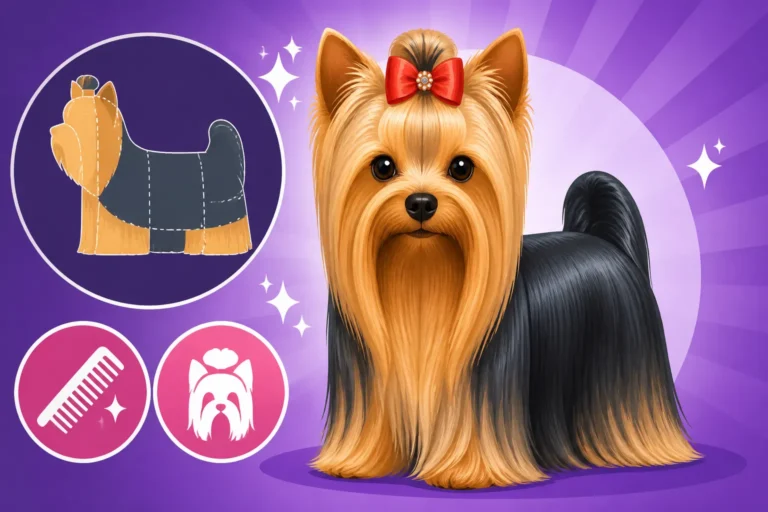
The unique texture of a Yorkshire Terrier's coat is both its crowning glory and its biggest grooming challenge. Unlike many other dog breeds with a double coat of coarse guard hairs and a soft undercoat, Yorkies possess a single layer of fine, silky hair that's remarkably similar to human hair. This means it continues to grow indefinitely and doesn't shed in seasonal bursts like most dogs. While this is fantastic news for allergy sufferers, it also means their coat is highly susceptible to static, breakage, and picking up every tiny piece of debris or burr from the floor or yard. The silky texture, while beautiful, lacks the natural oils and coarseness that might help other breeds resist tangles. It's why they can go from perfectly brushed to knotty in an instant after a playful romp or even just a good night's sleep. Maintaining its health also links to their overall well-being, including good nutrition. While our focus here is on hands-on grooming, remember that a balanced diet, perhaps incorporating high-quality food, contributes to a shiny, resilient coat.
Assembling Your Daily Grooming Arsenal
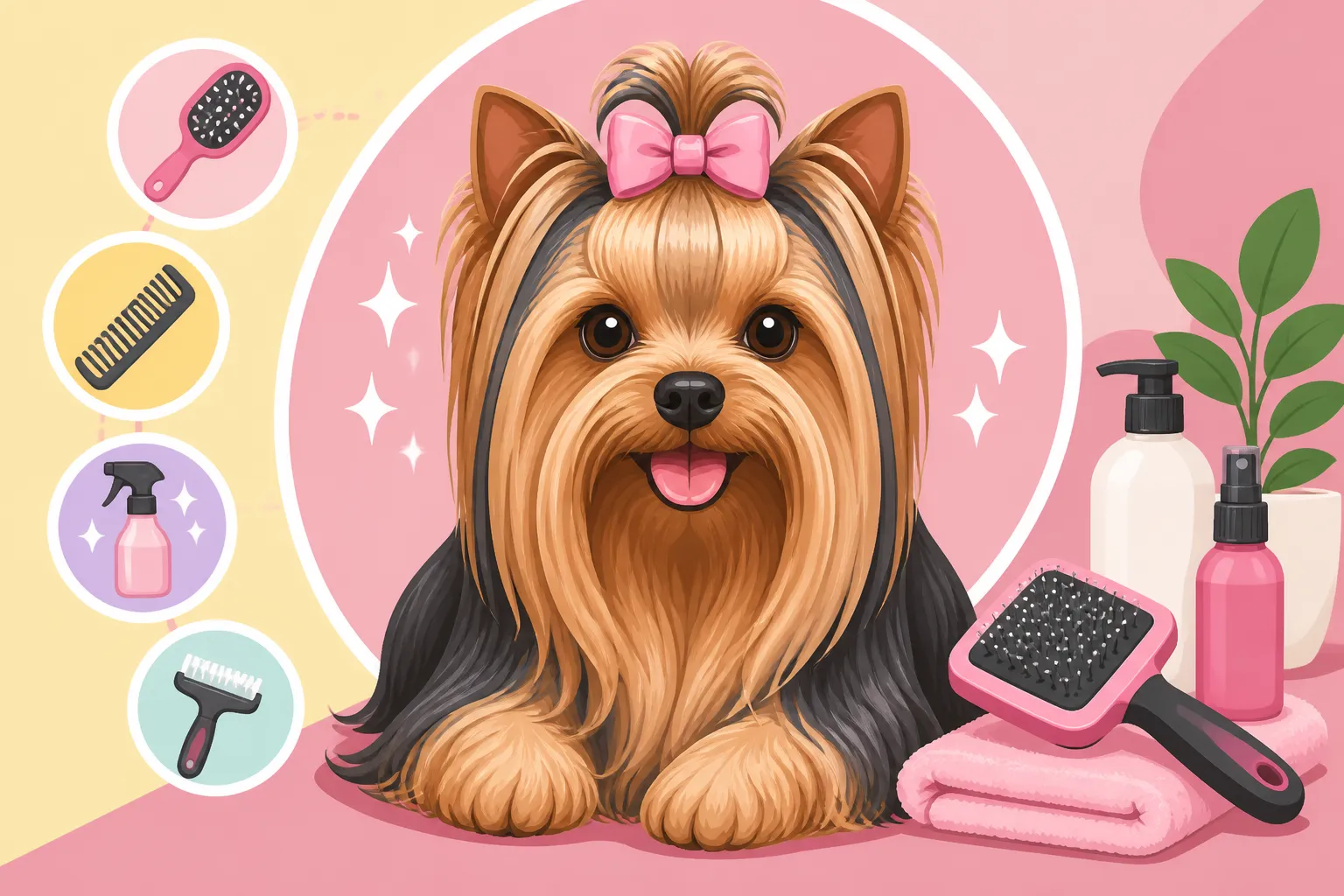
Before you even think about tackling that beautiful coat, you need to arm yourself with the right tools. Investing in good quality grooming equipment isn't just a splurge; it's a necessity that will make your daily routine smoother, more effective, and far less stressful for both you and your Yorkie. Think of it as building your personal mini-salon kit right at home.
Must-Have Brushes and Combs
Your brushing toolkit needs to be comprehensive to handle all aspects of a long-haired Yorkie's coat.
- Pin Brush: This is your primary tool for general brushing and initial detangling. It has widely spaced metal pins with rounded tips, designed to glide through the coat, remove loose hair, and stimulate the skin without scratching. It's excellent for opening up the coat and getting through the top layers. When selecting one, look for pins that aren't too sharp and have a comfortable handle for you to grip.
- Slicker Brush: The slicker brush features fine, short wires packed closely together on a flat or curved surface. It’s incredibly effective for working out smaller tangles, removing mats, and getting right down to the skin to catch any loose undercoat (even though Yorkies don't have a traditional undercoat, they do shed individual hairs). Always use a slicker brush with a light touch, "brushing out" rather than "raking" to prevent skin irritation. For a deeper dive, check out our guide on Best Brush for a Yorkshire Terrier.
- Metal Comb (Greyhound Comb): This is arguably the most important tool for finishing and ensuring thoroughness. A good quality metal comb, often called a Greyhound comb, has teeth of varying widths. The wider teeth are for initial passes through thicker sections, while the finer teeth are for checking for any missed tangles, especially around sensitive areas like the face, ears, and paws. If the comb glides smoothly through the entire coat from root to tip, you've done a fantastic job. You can easily find a good quality slicker brush or a sturdy metal comb on sites like Chewy or Amazon.
Essential Sprays and Tools
Beyond brushes, a few other items will elevate your grooming game and make the process much kinder to your Yorkie's delicate hair.
- Detangling Spray: Never, ever dry-brush a Yorkie's long coat. A good quality detangling spray is crucial. It lubricates the hair, reducing friction and breakage as you brush, making it much easier to work through knots without causing pain. A light mist over the section you're working on will make a world of difference.
- Conditioning Spray: This helps add moisture, reduce static, and impart a lovely shine to the coat. Some conditioning sprays also have light detangling properties. Use it sparingly after brushing for a finishing touch.
- Nail Clippers or Grinder: While not a daily item, maintaining your Yorkie's nails is part of their overall routine. Overly long nails can be uncomfortable, affect their gait, and even cause foot problems. A quick check and trim every week or two (or more frequently if you're just nipping the tips) will keep them at a healthy length.
- Soft Toothbrush and Dog-Specific Toothpaste: Yes, daily dental care is vital for Yorkies! Their small mouths are prone to dental disease. A quick brush with dog-specific toothpaste (never human toothpaste!) can prevent plaque buildup and keep their breath fresh. Our guide on Yorkshire Terrier Dental Care Guide offers more detailed insights.
- Small Scissors (Blunt-Nosed): These are useful for carefully trimming stray hairs around the eyes, paws, and sanitary areas. Always choose blunt-nosed scissors for safety and use extreme caution. If you're not confident, leave these more delicate trims to a professional groomer.
Your Step-by-Step Daily Long-Haired Yorkie Grooming Routine
Consistency is the secret sauce here. Establishing a predictable routine makes grooming less of a battle and more of a bonding experience for you and your Yorkie. Aim for a quiet time of day when you're both relaxed.
The Gentle Daily Brush-Out
This is the cornerstone of your daily routine and the most time-consuming part, but it’s invaluable for preventing mats.
- Light Mist of Detangling Spray: Before you even pick up a brush, lightly mist your Yorkie's coat with detangling spray. Don't drench them; a fine mist is enough to provide lubrication. Focus on areas prone to tangles like behind the ears, armpits, and under the tail.
- Sectioning the Coat: Trying to brush the entire coat at once is a recipe for frustration. Instead, gently part the hair and work on small sections, layer by layer, starting from the bottom (legs, belly) and working your way up to their back. You can hold the top layers with clips if it helps.
- Brushing Technique: Bottom Up: Begin brushing at the very ends of the hair, gently working any small tangles out. Once the ends are smooth, move a little higher up the hair shaft and brush again. Continue this process, gradually moving closer to the root until the entire section is tangle-free. This "line brushing" technique ensures you're not just brushing the surface hair and compacting mats underneath.
- Pin Brush First, Then Slicker: Start with your pin brush for the initial pass, especially if there are noticeable tangles. Once the major tangles are out, switch to the slicker brush to ensure you're getting down to the skin and smoothing out the finer hairs. Always use gentle strokes.
- Finishing with the Metal Comb: After brushing each section with both brushes, take your metal comb. Start with the wider teeth and then move to the finer teeth. Comb through the section from root to tip. If the comb snags, go back with your slicker brush and detangling spray until it glides through effortlessly. This final comb-through is crucial for catching any hidden tangles that the brushes might have missed. For a deeper dive into the nuances of this, check out our guide on How to Brush a Yorkie's Coat.
Eye, Ear, and Dental TLC
These quick checks are vital for your Yorkie's comfort and health. They only take a minute but can prevent bigger issues.
- Eyes: Yorkies are prone to tear staining and eye discharge. Gently wipe around their eyes daily using a soft, damp cloth or a vet-approved eye wipe. Pay attention to any excessive discharge, redness, or irritation. Regular cleaning helps prevent crust buildup and reduces the chance of stains becoming permanent. For persistent issues, our article on Yorkie Eye Discharge: Causes might offer further insights.
- Ears: Lift your Yorkie's ears and take a quick look inside. They should be clean and free of excessive wax, redness, or any foul odor. If you see a little dirt, gently wipe the outer folds with a cotton ball dampened with a vet-approved ear cleaner. Never insert anything into the ear canal. If you notice persistent redness, strong odor, or your Yorkie is shaking their head or scratching their ears, it’s time for a vet visit. For more detailed ear care, refer to How to Clean a Yorkie's Ears.
- Teeth: After their coat is looking fabulous, dedicate 30-60 seconds to their pearly whites. Using a soft, dog-specific toothbrush and enzymatic dog toothpaste, gently brush the outer surfaces of their teeth. Focus on the gum line, where plaque tends to accumulate. Even a quick daily brush is far better than nothing at all and will significantly contribute to their long-term oral health. This proactive approach can prevent issues like dental disease, which is unfortunately common in small breeds. More tips can be found in How to Brush a Yorkie's Teeth.
Paw and Sanitary Checks
Don't forget these often-overlooked but crucial areas. They're prime spots for matting and discomfort.
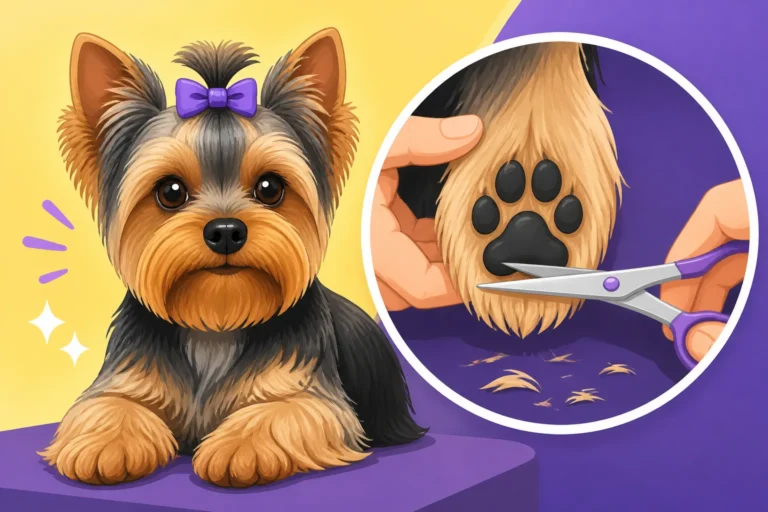
- Paws: Carefully inspect your Yorkie’s paws. Check between their paw pads for any trapped debris, mats, or irritation. Long hair between the pads can accumulate dirt, cause slipping on smooth floors, and contribute to painful mats. If the hair is long, you can carefully trim it flush with the pads using blunt-nosed scissors, taking extreme care not to cut the skin.
- Sanitary Area: The hair around their rear end needs to be kept short and clean to prevent fecal matter from getting trapped and forming mats, which is unsanitary and uncomfortable. While you might not trim this daily, a quick check to ensure it’s clean and free of tangles is important. If you’re not comfortable trimming this area yourself, ask your professional groomer to keep it tidy.
Overcoming Common Long-Haired Yorkie Grooming Hurdles
Even with the best intentions and tools, grooming a long-haired Yorkie can present challenges. These tiny bundles of energy can be wiggly, and their fine hair is incredibly prone to knotting. But don't despair – with patience and the right approach, you can navigate these hurdles successfully.
Battling Mats and Tangles
Mats are the arch-nemesis of a long-haired Yorkie parent. They seem to appear out of nowhere and can be incredibly stubborn. The key is to address them immediately when they are small.
- Patience is Your Best Friend: Never pull or rip through a mat. This is painful for your Yorkie and can damage their skin. Your watchword here is gentleness and persistence.
- Techniques for Working Out Small Mats: For small, isolated mats, douse the mat with detangling spray. Using your fingers, try to gently tease the mat apart, strand by strand, from the outer edges inwards. Once you've loosened it a bit, use the fine teeth of your metal comb or the slicker brush to carefully work through it, holding the hair at the base of the mat to prevent pulling on the skin. Work slowly, taking breaks if your Yorkie gets uncomfortable. You'll find more detailed strategies in our article How to Prevent Yorkie Matting.
- When to Trim (As a Last Resort): Sometimes, a mat is too tight and dense to safely brush out. In such cases, the kindest option is to carefully cut it out. Use blunt-nosed scissors and slide them under the mat, parallel to the skin, never pointing towards the skin. Be extremely cautious as the skin can often be pulled into the mat. If you are at all unsure, or if the mat is large, close to the skin, or in a sensitive area, please consult a professional groomer or your vet. They have specialized tools and expertise to remove mats safely and painlessly.
Dealing with a Wiggly Yorkie
A squirming Yorkie can turn grooming into an Olympic sport. Training and positive reinforcement are crucial.
- Make it a Positive Experience: Start grooming sessions early in puppyhood, even if they're just short periods of gentle handling and brushing. Associate grooming with positive things like praise, gentle petting, and delicious treats. Brands like Greenies or Zuke's offer great training treats that are small and motivating.
- Safe Restraint: A non-slip mat on a table can give you better control and prevent your Yorkie from jumping off. For more challenging pups, a grooming arm with a gentle belly strap can keep them secure and still, allowing you to use both hands. Never leave your Yorkie unsupervised on a grooming table. If your Yorkie is truly resistant, enlist the help of another family member to hold and reassure them during the session.
- Keep Sessions Short and Sweet: If your Yorkie has a short attention span, break up the grooming into multiple mini-sessions throughout the day. Instead of one long, arduous session, do 10 minutes in the morning and 10 minutes in the evening. This prevents them from becoming overwhelmed and associating grooming with negative feelings.
The Top Knot and Facial Hair
The hair around a Yorkie’s face and eyes needs special attention to keep them comfortable and prevent health issues.
- Keeping Hair Out of Eyes: Long hair falling into your Yorkie's eyes can cause irritation, infections, and obstruct their vision. It's not just an aesthetic choice; it's a health imperative.
- Basic Top Knot Creation: To create a simple top knot, gather the hair on top of your Yorkie’s head, from just between their eyes to the back of their skull. Gently pull it up into a small ponytail. Secure it with a small, coated elastic band (not a regular rubber band, which can pull and break hair) or a cute bow. Make sure it's not too tight. Change the top knot's position daily to prevent breakage and bald spots in one area. For a full visual guide, our Yorkie Top Knot Tutorial is a must-read.
- Trimming Around the Eyes: If your Yorkie doesn't tolerate a top knot, or if stray hairs still cause problems, you can carefully trim the hair around their eyes. Again, use blunt-nosed scissors, point them away from the eye, and only snip the very tips. If you're hesitant, have your professional groomer handle this delicate task during their regular visit.
| Grooming Task | Frequency | Essential Tools | Key Benefit |
|---|---|---|---|
| Brushing & Combing | Daily | Pin brush, slicker brush, metal comb, detangling spray | Prevents mats, distributes oils, stimulates skin |
| Eye Cleaning | Daily | Soft cloth/wipe, eye cleaner | Prevents tear stains, irritation |
| Dental Brushing | Daily | Dog toothbrush, dog toothpaste | Prevents dental disease, fresh breath |
| Ear Check | Daily (quick) | Cotton ball/wipe, vet-approved ear cleaner | Detects issues early |
| Paw/Sanitary Check | Daily | Fingers, blunt-nosed scissors (as needed) | Prevents debris buildup, matting |
| Top Knot Re-do | Daily | Small elastic, bow | Keeps hair out of eyes, neat appearance |
When Professional Grooming Becomes Indispensable
While daily at-home grooming is paramount, there comes a point where even the most dedicated Yorkie parent needs to call in the professionals. Professional groomers offer expertise, tools, and a perspective that can be hard to replicate at home.
Recognizing the Limits of At-Home Care
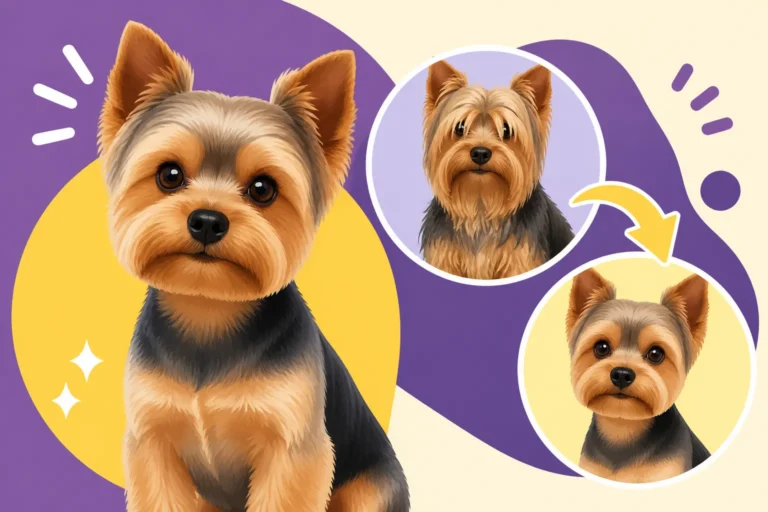
You might be a superstar with the brush, but there are certain situations where professional intervention is simply the best and safest option. Sometimes, despite your best efforts, mats can become too severe, too extensive, or too close to the skin to be safely removed at home without causing pain or injury. Professional groomers have specialized clippers and techniques to humanely de-mat a heavily tangled coat. Moreover, maintaining a truly even and stylish haircut that keeps your Yorkie's long hair manageable is a skill best left to those with training. Many Yorkie parents opt for regular professional trims, like a "puppy cut" or "teddy bear cut," which keep the coat shorter and significantly reduce the daily grooming burden, making your life easier between full professional sessions. Even with the most diligent at-home routine, a professional groomer can be an invaluable partner in maintaining your Yorkie's coat, often every 4-6 weeks, depending on the cut and your home maintenance. Don't feel guilty about seeking help; it's part of responsible pet ownership. For more detailed information, check out our guide on How to Groom a Yorkshire Terrier at Home.
The Benefits of a Trusted Groomer
A skilled groomer is more than just a stylist; they are an essential part of your Yorkie's care team.
- Expert Handling of Sensitive Areas: Groomers are trained to safely and effectively handle delicate areas like ears, paw pads, and sanitary regions. They can trim these areas precisely to prevent issues without risking nicks or cuts.
- Specialized Tools and Techniques: They have access to professional-grade clippers, shears, and bathing equipment that achieve a far superior finish than what most of us have at home. Their powerful dryers can thoroughly dry a thick coat, preventing skin issues.
- Thorough Cleaning and Health Checks: A professional groomer provides a deep, thorough bath with appropriate shampoos and conditioners for your Yorkie's coat type. They also typically include nail trims, ear cleaning, and often anal gland expression, which are crucial for overall hygiene. A good groomer will also perform a head-to-tail check, potentially noticing lumps, skin irritations, or other health concerns that you might have overlooked, giving you an early heads-up to consult your vet. This holistic approach is why professional grooming is a significant part of keeping your Yorkie healthy and happy.
Disclaimer
This article is intended for informational purposes only and does not constitute veterinary advice. Always consult with a qualified veterinarian for any health concerns or before making any decisions about your pet's health or treatment plan.