How to Do a Yorkie Feet Trim
Dealing with overgrown hair on your Yorkshire Terrier's feet can be a real headache, not to mention a serious health hazard for your little companion. That fluffy charm can quickly turn into uncomfortable matting, slippery paws, and a magnet for dirt and debris. It's frustrating when you want your Yorkie to look their best and feel comfortable, but the thought of wielding clippers near those tiny toes feels daunting. This comprehensive guide is here to walk you through exactly how to safely and effectively trim your Yorkie's feet at home, ensuring their comfort, hygiene, and overall well-being.
Why Foot Trims are Essential for Your Yorkie's Health and Comfort
Many Yorkie parents don't realize just how crucial regular foot trims are until they encounter issues. It's not just about aesthetics; those adorable little paws are working hard, and excess hair can seriously impede their function and lead to discomfort or even injury. Think about walking around with hair constantly tickling between your toes, or worse, getting tangled and pulling. Our Yorkies feel the same way! Keeping their paw hair in check is a fundamental part of responsible Yorkshire Terrier Grooming Guide and overall care.
Preventing Painful Matting and Tangles
One of the most common and painful issues for Yorkies with untrimmed feet is matting. The fine, silky hair characteristic of the breed, especially when wet or dirty, can quickly clump together between their paw pads and around their toes. These mats pull at the skin, causing constant irritation, pain, and can even lead to skin infections if left unchecked. Imagine a tiny knot forming and tightening with every step your Yorkie takes; it's excruciating. Regular trimming removes the excess hair before it has a chance to form these stubborn, painful tangles. It's especially important for those beautiful long-haired Yorkies, where the hair can grow quite long, almost like little slippers, making them more prone to matting.
Moreover, if your Yorkie gets their paws wet from dew-covered grass, a puddle, or even just a bath, that moisture combined with long hair creates a perfect storm for mats to form and tighten as they dry. These aren't just surface tangles; they can become incredibly dense and deep, requiring professional intervention to remove, which can be stressful and costly. Keeping the hair trimmed short in this area helps it dry faster and prevents the initial clinging that leads to mat formation. It's a proactive step that saves both you and your Yorkie a lot of heartache and discomfort in the long run.
Enhancing Traction and Preventing Slips
Have you ever watched your Yorkie prance across a smooth floor, only for their little paws to slide out from under them? Excess hair growing between their paw pads significantly reduces their natural traction. The paw pads are designed to grip surfaces, much like the tread on a tire. When long hair covers these pads, it acts like a layer of slipperiness, preventing them from getting a proper grip. This can be particularly dangerous on hardwood, laminate, or tiled floors.
Slipping isn't just a minor inconvenience; repeated slips can lead to serious injuries, especially for a breed prone to joint issues like Yorkshire Terrier Patellar Luxation: Signs and Care or even hip problems. A sudden fall could sprain a joint, pull a muscle, or even cause a fracture. For older Yorkies, who might already have less stability, this risk is even higher. Keeping the hair trimmed flush with the paw pads allows their natural grip to function as intended, giving them better stability and confidence as they move. This improved traction contributes significantly to their overall safety and can help How to Protect a Yorkie's Joints as they age.
Maintaining Overall Hygiene
Yorkies, with their low-to-the-ground stature and luscious coats, are notorious for picking up everything on their walks. Untrimmed paw hair acts like tiny mops, soaking up dirt, mud, dust, allergens, and even small debris like burrs or sticky seeds. When they come inside, all that grime gets tracked through your home, and your Yorkie might even ingest it while grooming themselves. This isn't just messy; it can introduce bacteria, parasites, or allergens, potentially leading to skin irritation or digestive upset.
By regularly trimming the hair on their feet, you minimize the surface area available for dirt and debris to cling to. This makes cleaning their paws after outdoor excursions much simpler and more effective. A quick wipe with a damp cloth becomes truly effective when there isn't a forest of hair concealing all sorts of outdoor treasures. It's a small change that makes a big difference in maintaining a cleaner home environment and, more importantly, a healthier, happier Yorkie. This meticulous approach to hygiene is part of a broader commitment to How to Keep a Yorkshire Terrier Healthy.
Gathering Your Yorkie Feet Trim Tools
Before you even think about bringing clippers near your precious Yorkie's paws, it's essential to have all your tools laid out and ready. Rushing or scrambling for equipment in the middle of a trim can make both you and your Yorkie anxious, leading to a less safe and less successful experience. Having the right tools also makes the process much smoother and more efficient.
Essential Grooming Equipment Checklist
Here’s a rundown of what you’ll need to assemble before starting your Yorkie's foot trim:
- Small, Quiet Clippers: For trimming the hair between the paw pads. Cordless mini clippers designed for small areas are ideal as they are less noisy and intimidating. Many reputable brands offer these, and you can find a good selection on platforms like Amazon or Chewy.
- Blunt-Nosed Grooming Scissors: For carefully trimming hair around the toes and the top of the foot. The blunt tips are a critical safety feature to prevent accidental pokes or cuts.
- Fine-Tooth Comb or Slicker Brush: To brush out the hair and ensure there are no tangles before trimming. A clean, brushed coat makes for a much easier trim.
- Styptic Powder or Cornstarch: This is a non-negotiable safety item. Accidents can happen, and if you nick the quick of a nail or the skin, styptic powder will quickly stop the bleeding. Cornstarch can work in a pinch if you don't have styptic powder.
- High-Value Treats: Positive reinforcement is key! Your Yorkie will associate grooming with good things, making future sessions much easier.
- A Non-Slip Surface: A grooming mat or even a towel on a stable surface will give your Yorkie better footing and reduce their anxiety.
- Good Lighting: Crucial for seeing what you're doing and avoiding mistakes. Natural light is best, but a well-lit room works too.
- Patience and Calm Demeanor: This isn't a tool you can buy, but it's perhaps the most important. If you're stressed, your Yorkie will pick up on it.
Choosing the Right Clippers and Scissors
Selecting the appropriate tools can make a significant difference in your grooming experience and your Yorkie's comfort. For trimming between the paw pads, electric clippers are generally safer and more efficient than scissors, especially for thick or matted hair.
-
Clippers: Look for small, quiet, cordless clippers specifically designed for "finishing" or "detail work" on paws and faces. These are often called "trimmer" or "mini-trimmer" models. They usually have a narrow blade (around 1 inch wide) which allows for precise maneuvering in tight spaces. Brands like Wahl, Andis, and Oster offer excellent mini clippers that are relatively quiet, which is a huge plus for easily spooked Yorkies. Battery-operated versions are also fantastic for portability and avoiding tangled cords. You can explore a wide variety of these on Amazon or Chewy, reading reviews to find one that suits your specific needs and budget. Remember, you don't need a heavy-duty shaver; something nimble and quiet is far more valuable for paw trims. While this guide focuses on feet, if you're looking for more general grooming tools, you might want to consider the Best Clippers for Grooming a Yorkie.
-
Scissors: For the hair around the toes and on top of the foot, blunt-nosed grooming scissors are paramount. Never use sharp-tipped scissors near your Yorkie's delicate paw skin. The blunt tips drastically reduce the risk of accidental injury if your Yorkie suddenly moves. Choose a pair that fits comfortably in your hand and feels sharp enough to cut hair cleanly without pulling. Stainless steel blades are durable and easy to clean. Again, a quick search on Chewy or Amazon will yield many suitable options. It's often helpful to have both a straight pair and a curved pair; the curved ones can make it easier to follow the natural contours of the paw.
| Tool Type | Purpose | Key Features | Recommended Brands (Examples) |
|---|---|---|---|
| Mini Clippers | Hair between paw pads | Small, quiet, cordless, narrow blade (1-1.5 inches) | Wahl, Andis, Oster |
| Blunt-Nosed Scissors | Hair around toes and top of foot | Blunt tips, sharp blades, ergonomic grip | Hertzko, Safari, Groomer's Best |
| Fine-Tooth Comb | Detangling, checking for mats | Stainless steel, dense teeth | Safari, Andis |
| Styptic Powder | Stopping bleeding from nicks or quicks | Hemostatic agent | Kwik Stop, Miracle Care |
| High-Value Treats | Positive reinforcement | Small, easily digestible, irresistible | Zuke's, Stella & Chewy's |
Step-by-Step Guide to Trimming Your Yorkie's Feet
Alright, you've got your tools, you're calm and ready. Now, let's get down to the actual trimming process. Take your time, be gentle, and remember that short, positive sessions are always better than one long, stressful one.
Preparing Your Yorkie for the Trim
Preparation is half the battle when it comes to grooming a Yorkie. A well-prepared Yorkie is a cooperative Yorkie.
First things first, make sure your Yorkie is relaxed. A good walk or play session before grooming can help expend some of their energy, making them more amenable to sitting still. Start with a gentle brushing of their entire coat, paying special attention to their legs and feet to remove any tangles or debris. If the hair is particularly matted, you may need to carefully work out the mats with a comb, using a detangling spray if necessary, before you even think about clippers. You want the hair on their feet to be clean and dry. A bath beforehand can be helpful, but ensure their paws are completely dry before trimming, as wet hair can clog clippers and lead to uneven cuts.
Once their coat is brushed, gently examine each paw. Spread their toes apart to see the hair growing between the pads. Feel for any hidden mats or foreign objects. This also gets your Yorkie accustomed to having their paws handled. Reward them generously with treats during this examination, even if it's just for letting you touch their paw. The more positive associations you build around paw handling, the easier future trims will be. Remember, consistency in handling their paws, even outside of grooming sessions, can make a world of difference. This is a great habit to start when you're going through their Yorkshire Terrier Puppy Health Guide as well.
The Paw Pad Precision Trim
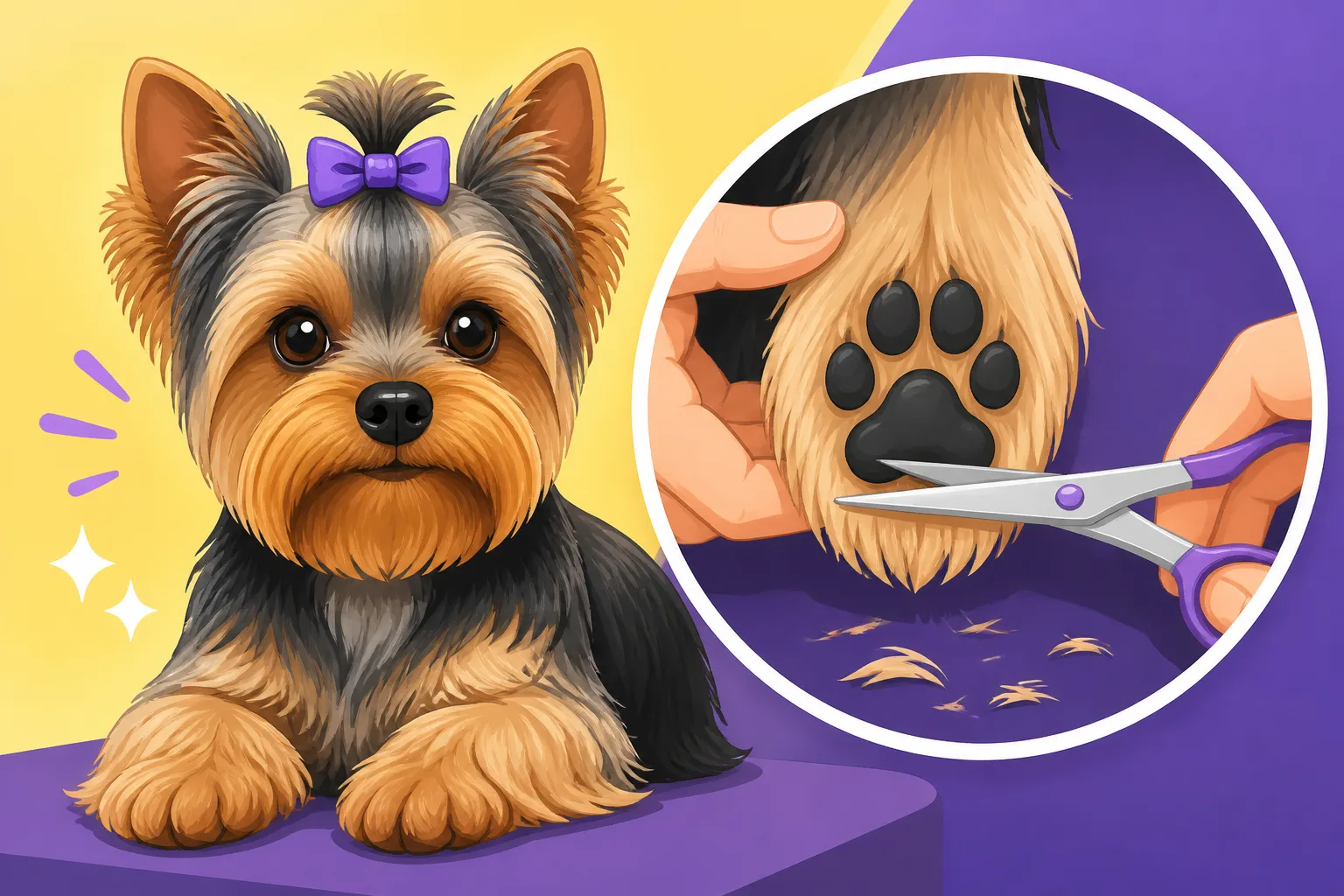
This is where the clippers come in. The goal here is to carefully trim the hair that grows between the paw pads so it's flush with the pads themselves. This maximizes traction and prevents matting.
- Hold the Paw Gently but Firmly: Support your Yorkie's paw with one hand. Gently spread their toes apart to expose the hair between the pads. Be careful not to squeeze too hard or cause discomfort.
- Use Your Clippers Safely: Turn on your small, quiet clippers. If your Yorkie is nervous, let them sniff the clippers while they're off, then turn them on briefly so they can get used to the sound. Offer a treat. When ready, hold the clippers flat against the paw pad, moving in the direction of hair growth. Start in the center of the paw, between the main pads, and work your way outwards.
- Stretch the Pads: As you trim, use your thumb and forefinger to gently stretch the paw pads taut. This helps to flatten the skin, making it easier to get a clean trim and reducing the risk of nicking the delicate skin. Work slowly and methodically, only trimming small sections at a time.
- Trim Flush: The hair should be trimmed so it is even with the surface of the paw pads. You don't want to dig down into the skin or cut too close, which can cause irritation. The idea is to remove the "fluff" that protrudes beyond the pads.
- Check for Completion: Once you've gone over the area, gently run your fingers through the paw pads. There shouldn't be any long wisps of hair poking out. If you see any, carefully go back over them.
Trimming Hair Around the Toes and Top of the Foot
Now, we move to the hair surrounding the paw pads and on top of the foot. This is where your blunt-nosed scissors will be your best friend.
- Trim Around the Paw Pads: After using the clippers between the pads, switch to your blunt-nosed scissors. Carefully trim any hair that extends beyond the outer edge of the paw pads. Angle your scissors parallel to the paw pad, trimming the hair so it doesn't touch the ground when your Yorkie stands. This creates a neat, tidy outline and prevents tracking in dirt. Always point the blunt tips away from the paw.
- Trim Hair Around the Toes: Gently separate each toe and carefully trim the hair that grows around the individual toes. Again, you want this hair to be short enough that it doesn't get tangled or pick up debris. Be extremely careful here, as the skin between the toes is very delicate and easy to nick. Small, precise snips are the key. If the hair is particularly long, you might need to comb it out first to see exactly what you're cutting.
- Shape the Top of the Foot: For the hair on top of the foot, especially if your Yorkie has a longer coat, you'll want to shape it to be neat and tidy. Comb the hair downwards over the foot, then use your blunt-nosed scissors to trim it to a desired length. Many people opt for a "round" or "cat-like" paw shape for Yorkies, where the hair follows the natural curve of the paw, creating a compact, clean appearance. The goal is to prevent long hair from dragging on the ground or covering the nails entirely. If you typically keep your Yorkie's coat long, you'll still want to keep the feet neat and tidy – it's crucial for their comfort, even with a long Yorkie show cut or simply a beautiful, flowing coat.
Finishing Touches and Rewards
You're almost there! These last steps ensure a successful trim and reinforce positive associations.
- Check for Evenness and Missed Spots: Once you’ve finished trimming, step back and examine all four paws. Are they even? Did you miss any long tufts of hair? Gently comb through the trimmed areas to check for any stragglers. If you need to make corrections, do so carefully and calmly.
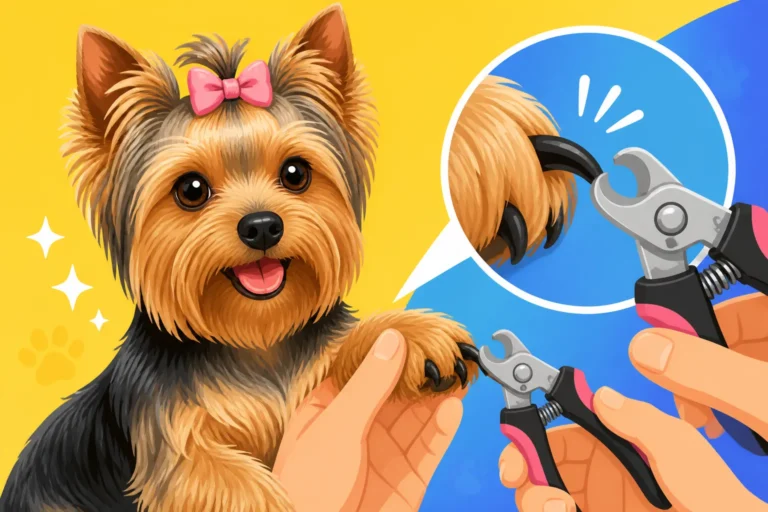
- Inspect Nails: While you're at it, take a moment to inspect their nails. Overgrown nails can cause just as many issues as overgrown paw hair, pushing against the ground and causing pain or gait problems. If needed, this is the perfect time to give their nails a trim, following a guide like How to Trim a Yorkie's Nails.
- Generous Rewards: The absolute final and most important step is to lavish your Yorkie with praise and high-value treats. Let them know they did a fantastic job. A short play session or some cuddles afterward can also help reinforce the positive experience. The more pleasant you make these grooming sessions, the less resistance you'll face next time. Building this trust is paramount, especially when introducing puppies to grooming routines as part of their Yorkie Puppy Training Schedule.
Common Challenges and Troubleshooting Tips
Even with the best intentions and all the right tools, grooming at home can present its unique set of challenges. Yorkies, despite their small size, often have big personalities and can be quite opinionated about having their paws handled. Don't get discouraged; these are common hurdles that many Yorkie parents face.
Dealing with a Wiggly Yorkie
A squirmy Yorkie is perhaps the biggest challenge when attempting a paw trim. Their natural curiosity and high energy can make it feel like you're trying to trim a fuzzy, bouncing bean. The key is to manage their energy and expectations.
First, timing is everything. Don't try to trim their feet when they're bursting with energy or right before mealtime. A tired Yorkie is a calmer Yorkie, so a brisk walk or a vigorous play session about 30 minutes before grooming can help tire them out. Also, ensure they've had a potty break. A full bladder can make any dog restless.
Second, short and sweet sessions. If your Yorkie is particularly antsy, don't try to do all four paws at once. Break it down. Maybe you do one paw today, another tomorrow. Even just focusing on one area, like between the pads on one paw, and then rewarding heavily, can build up their tolerance over time. The goal is to end on a positive note, even if you haven't completed the full trim.
Third, secure but comfortable restraint. You might need a second person to gently hold your Yorkie while you trim. This person can also distract them with treats or gentle petting. If you're alone, you might try sitting on the floor with your Yorkie between your legs, or using a grooming arm with a noose (available on Amazon or Chewy) if you have a grooming table. Always prioritize safety; never use force or positions that could injure your Yorkie. The restraint should be firm enough to prevent wiggling but gentle enough that they don't panic. If your Yorkie is prone to Yorkshire Terrier Separation Anxiety Solutions, you might find they are calmer with you during grooming, but still benefit from extra positive reinforcement.
Avoiding Nicks and Cuts
Nicking your Yorkie's paw is every owner's worst nightmare, and it's surprisingly easy to do if you're not careful. The skin on their paw pads and between their toes is delicate and folds easily.
Always use the right tools: As mentioned, blunt-nosed scissors are non-negotiable for trimming around the toes and on top of the foot. For between the pads, clippers are generally safer than scissors because they are less likely to pinch or cut loose skin.
Stretch the skin: This is a golden rule. Whether using clippers or scissors, gently stretch the skin and pads taut. This flattens the surface you're working on, reducing folds and making it easier to see what you're cutting.
Go slow and take small snips/passes: Rushing is when most accidents happen. Work slowly, making small, deliberate snips or passes with the clippers. You can always take off more hair, but you can't put it back on.
Good lighting is paramount: Ensure you have excellent lighting so you can clearly see the skin and hair, minimizing shadows that can hide crucial details.
Keep styptic powder handy: Even with the utmost care, accidents can happen. Having styptic powder (or cornstarch) within arm's reach means you can immediately address any nicks and stop bleeding quickly, preventing panic for both you and your Yorkie. A small nick can bleed quite a bit, but styptic powder works wonders.
When to Seek Professional Help
While home grooming can save you money on Yorkie Grooming Costs Explained, there are times when calling in a professional groomer or your vet is the smartest and safest option.
Severe matting: If the hair on your Yorkie's feet is severely matted, especially if it's tight against the skin or causing pain, attempting to remove it yourself can be very risky. You could easily cut their skin beneath the mat. Professional groomers have specialized tools and techniques to safely remove severe matting, often requiring a very short shave of the affected areas.
Aggression or extreme fear: If your Yorkie becomes aggressive, panics, or is extremely fearful during grooming attempts, it's best to consult a professional. Forcing the issue can damage your bond and make future grooming impossible. A professional groomer has experience with difficult dogs and can often get the job done more safely. In some cases, a vet might even suggest light sedation for grooming if anxiety is extreme.
Lack of confidence: If you simply don't feel confident or comfortable using clippers and scissors around your Yorkie's delicate paws, don't risk it. A hesitant hand is more prone to accidents. There's no shame in admitting you'd prefer to leave this task to someone with more experience. Your Yorkie's safety and comfort are the top priorities. Many groomers are also happy to demonstrate techniques or offer advice if you explain you're trying to learn.
Frequency and Maintenance for Healthy Yorkie Feet
Keeping your Yorkie's feet neat and tidy isn't a one-and-done task. It requires ongoing attention and a consistent schedule. Understanding how often to trim and what to look for will ensure their paws remain healthy and comfortable year-round. This proactive approach is a cornerstone of effective Yorkshire Terrier Daily Care Routine.
Establishing a Regular Grooming Schedule
For most Yorkshire Terriers, especially those with fast-growing hair or active outdoor lifestyles, a paw trim every 2-4 weeks is generally recommended. However, this isn't a hard-and-fast rule, and the ideal frequency can depend on several factors:
- Hair Growth Rate: Some Yorkies' hair grows faster than others. You'll quickly learn your individual dog's growth rate.
- Coat Type: While all Yorkies have silky hair, some may have slightly denser or finer hair which can affect how quickly mats form.
- Activity Level: Yorkies who spend more time outdoors, especially in grassy or dirty areas, will pick up more debris and be more prone to matting, requiring more frequent checks and trims.
- Weather Conditions: During wet seasons, you might find yourself needing to trim more often to prevent mud and moisture accumulation. In snowy conditions, longer paw hair can collect ice balls, so a trim is essential.
The best way to establish a schedule is to incorporate paw checks into your weekly routine. When you're brushing your Yorkie, take an extra minute to lift each paw, spread the toes, and visually inspect the hair between the pads and around the toes. If you notice the hair starting to obscure the pads or hang long enough to collect dirt, it's time for a trim. Consistency is key, whether you do it yourself or schedule regular appointments with a professional groomer. Remember that How Often Yorkies Need Grooming applies to feet as much as it does to their entire coat.
Signs Your Yorkie Needs a Foot Trim
Beyond simply looking at the length of their hair, your Yorkie might give you subtle cues that their paws are overdue for a trim. Being attuned to these signs can prevent discomfort and potential health issues.
- Slipping and Sliding: If your Yorkie is consistently losing traction on smooth floors, that's a huge indicator that the hair between their paw pads is too long and needs to be trimmed. This isn't just a sign; it's a safety warning.
- Excessive Licking or Chewing at Their Paws: While licking can sometimes indicate allergies or other paw problems, often it's a sign of irritation from overgrown hair, mats, or something stuck between their toes. Your Yorkie is trying to "fix" the problem themselves.
- Reluctance to Walk or Put Weight on a Paw: This is a more serious sign and could indicate a painful mat, a foreign object embedded in the hair, or even an injury caused by slipping. If you observe this, immediately inspect their paw. If you can't identify the cause or if they continue to limp, it's time for a vet visit.
- Matted Hair Between Pads or Toes: This is the most obvious visual cue. If you see clumps of hair forming between the pads or around the toes, it's definitely time for a trim. Don't wait until they become painful, dense mats.
- Dirt or Debris Clinging to Paws: After a walk, if you find an unusual amount of mud, leaves, burrs, or other outdoor debris stuck to their paw hair, it means the hair is too long and acting as a collector. A good trim will help keep them cleaner.
By staying vigilant and incorporating these simple checks into your routine, you can ensure your Yorkie's feet remain in tip-top shape, contributing significantly to their overall health, happiness, and comfort.
Disclaimer
The information provided in this guide is for general informational purposes only and does not constitute veterinary advice. Always consult with a qualified veterinarian or professional groomer for any health concerns or before making significant changes to your pet's care routine. While every effort has been made to provide accurate and up-to-date information, individual results may vary, and safe grooming practices depend on various factors including your pet's temperament and health status.