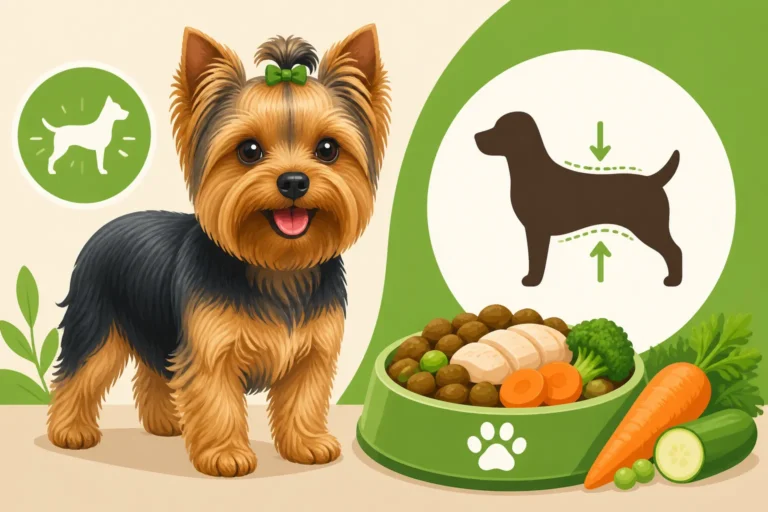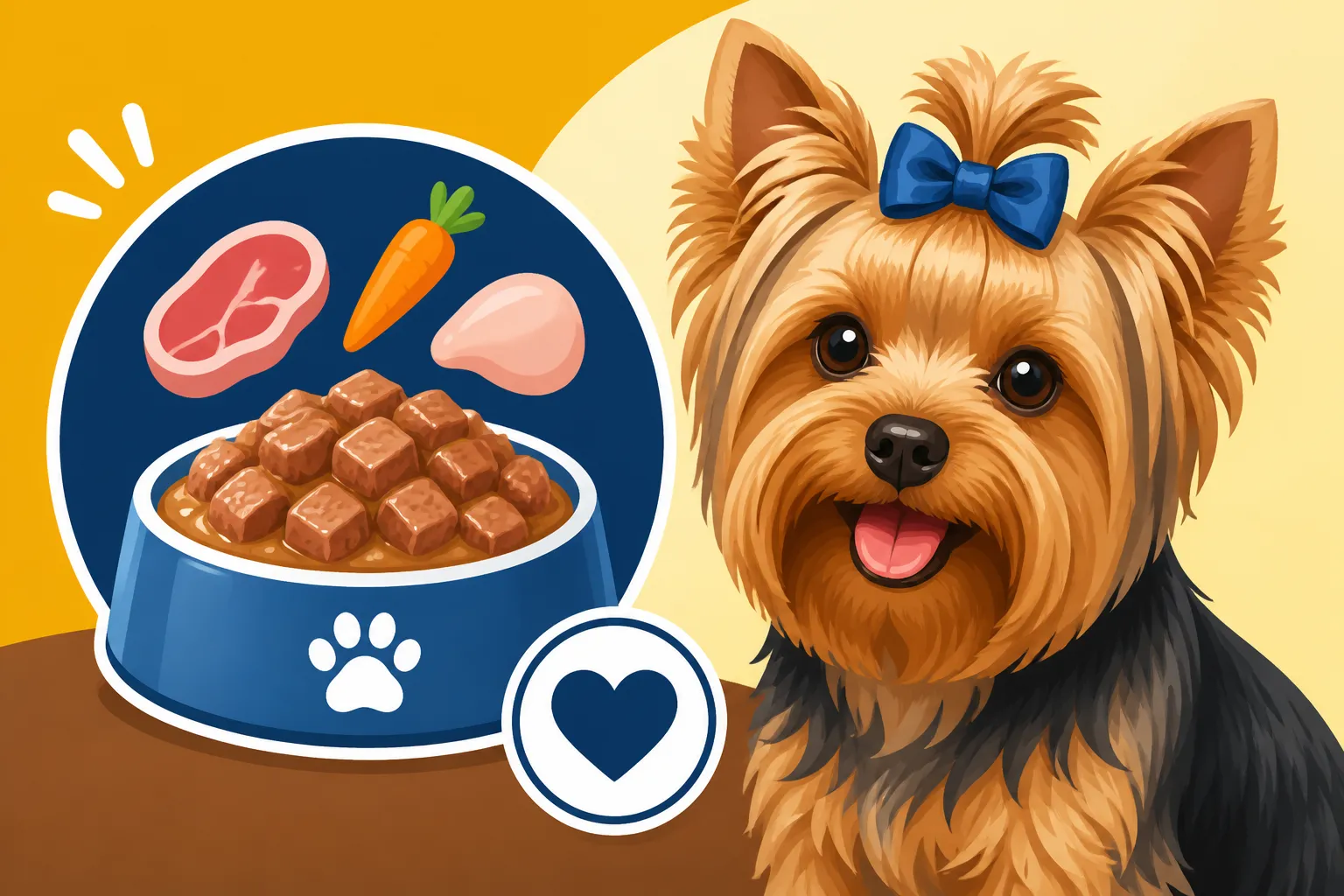
Best Wet Food for Yorkies
Many Yorkshire Terrier parents find themselves staring at a full bowl of kibble, only for their precious pup to turn their nose up at it day after day. It's a common frustration, especially with a breed known for its discerning palate and sometimes finicky eating habits. Beyond the mealtime drama, dry kibble can also present challenges like inadequate hydration and a texture that's difficult for their tiny teeth to manage. This guide is here to walk you through everything you need to know about selecting the best wet food for your Yorkie, transforming mealtime from a chore into a delightful, nutritious experience that supports their unique health needs.
Why Wet Food Can Be a Game-Changer for Your Yorkshire Terrier
When we think about our Yorkies, we often picture their vibrant personalities, their luxurious silky coats, and their endearing small stature. What we might not always consider is how their physiology, particularly their petite size and often delicate digestive systems, can make certain types of food more beneficial than others. This is where wet food truly shines, offering a host of advantages that dry kibble simply can't match for many Yorkshire Terriers.
Addressing Picky Eaters and Hydration Needs
Let's be honest, many Yorkies are notorious for being picky eaters. It’s not a myth; it’s a reality many of us face daily! You meticulously select a "premium" kibble, only for your little furball to sniff it disdainfully and walk away. This can be incredibly frustrating and even worrisome, as you want to ensure they're getting the nutrients they need. Wet food often comes with a much more enticing aroma and a softer, more palatable texture that even the most stubborn Yorkies find hard to resist. The rich scent and moist consistency mimic the natural appeal of freshly prepared food, making it far more appealing to their discerning noses and taste buds.
Beyond tempting picky eaters, wet food offers a significant hydration boost. Yorkies, like many small breeds, can sometimes struggle to drink enough water throughout the day. This can lead to issues ranging from mild dehydration to more serious urinary tract problems over time. Because wet food is typically composed of 70-85% moisture, it actively contributes to your Yorkie's daily fluid intake with every meal. This added hydration is crucial for supporting kidney function, maintaining healthy urine concentration, and ensuring their bodily systems are operating optimally. It’s like getting a little extra drink with every bite, which is especially important for a breed that might not always be eager to lap up water from their bowl. This can be particularly beneficial for senior Yorkies or those with specific health concerns where hydration is paramount, as discussed in our comprehensive guide on Yorkshire Terrier Senior Care Guide.
Managing Dental Sensitivities and Small Mouths
Anyone who owns a Yorkie knows their tiny mouths and delicate teeth require special consideration. Dental disease is incredibly common in this breed, often starting at a young age, and can lead to significant pain, infection, and even other health complications if left unaddressed. Chewing hard kibble can be uncomfortable or even painful for Yorkies with sensitive gums, loose teeth, or existing dental issues. The small size of their jaw also means that chewing even appropriately sized kibble can be a struggle.
Wet food, with its soft, easily chewable consistency, bypasses many of these issues. It reduces the strain on their teeth and gums, making mealtime a comfortable experience rather than a painful one. While wet food doesn't replace the need for regular dental care like brushing and vet cleanings – we have a whole guide on Yorkshire Terrier Dental Care Guide – it certainly alleviates immediate discomfort caused by hard kibble. For Yorkies with missing teeth, severe gum inflammation, or recovering from dental procedures, wet food is often a necessity, allowing them to eat without pain and receive vital nutrition. Consider how much easier it is for you to eat a soft meal when you have a toothache – it's the same for our little companions.
Supporting Overall Health and Nutrient Absorption
A well-balanced diet is the cornerstone of your Yorkie's long-term health, influencing everything from their energy levels to the luster of their coat. Wet food often contains fewer carbohydrates and fillers compared to many dry kibble formulations. This can be particularly beneficial for Yorkies, who thrive on diets rich in quality protein and healthy fats. The higher protein content in many wet foods supports lean muscle mass and provides sustained energy, which is important for such an active little breed.
Furthermore, the ingredients in wet food are often less processed than those found in kibble. This can mean higher bioavailability of nutrients, meaning your Yorkie's body can more easily absorb and utilize the vitamins, minerals, and amino acids present in their food. For breeds prone to certain conditions, like the occasional bout of Yorkshire Terrier Hypoglycemia: Signs and Care, a nutrient-dense meal that's easily digestible can make a real difference. Some fresh-prepared wet food options, like those from Ollie, often boast human-grade ingredients, which can be a comfort to pet parents looking for the utmost quality and transparency in their dog's diet. This type of formulation can contribute to a healthier gut microbiome, leading to better digestion, firmer stools, and a reduced likelihood of stomach upset, which is always a win in a small dog's life.
What to Look For in High-Quality Wet Food for Yorkies
Navigating the seemingly endless aisles of dog food can feel overwhelming. Every brand claims to be the best, and the jargon on the labels can be confusing. For a Yorkshire Terrier, choosing the right wet food isn't just about what sounds good; it's about understanding what truly nourishes their unique physiology. We need to cut through the marketing fluff and focus on the fundamental elements that define a genuinely high-quality meal for our tiny companions.
Prioritizing Wholesome Ingredients
The foundation of any good dog food, wet or dry, lies in its ingredients. For your Yorkie, you want to see real, identifiable food sources at the top of the list. Look for a named animal protein as the very first ingredient. This could be "chicken," "beef," "turkey," "salmon," or "lamb." Generic terms like "meat meal" or "poultry by-product" are generally less desirable as they can be inconsistent in quality and source. A specific protein source ensures you know exactly what your Yorkie is consuming and can help identify potential allergens if issues arise.
Beyond the primary protein, a high-quality wet food will feature a variety of wholesome vegetables and fruits. Ingredients like sweet potatoes, carrots, peas, blueberries, and cranberries provide essential vitamins, minerals, and antioxidants, supporting everything from immune health to cognitive function. Healthy fats, such as salmon oil or flaxseed, are also crucial for a Yorkie's signature silky coat and overall skin health. These fats are rich in Omega-3 and Omega-6 fatty acids, which play a vital role in reducing inflammation and promoting a gleaming, healthy mane. You might notice these listed explicitly, or as part of a named protein source like salmon. Remember, the clearer the ingredient list, the better.
Understanding Nutritional Balance and AAFCO Standards
While quality ingredients are paramount, they also need to be balanced correctly. This is where the Association of American Feed Control Officials (AAFCO) comes in. AAFCO sets nutritional standards for pet food in the United States. When you see a statement on a wet food label like "Formulated to meet the nutritional levels established by the AAFCO Dog Food Nutrient Profiles for [life stage]," it's a good sign. This means the food contains all the essential nutrients in the correct proportions for your Yorkie's particular life stage – whether they are a growing puppy, a thriving adult, or a wise senior.
For Yorkies, specifically, maintaining stable blood sugar levels is often a concern due to their predisposition to Yorkshire Terrier Hypoglycemia: Emergency Signs. A nutritionally balanced wet food will provide a consistent source of energy without excessive carbohydrates that can cause blood sugar spikes. It's about a careful blend of protein, fats, and complex carbohydrates to support their high metabolism. Always check the guaranteed analysis on the label, paying attention to protein and fat percentages. For instance, a quality wet food for an adult Yorkie will typically have a higher protein content (often 8-12% minimum on a 'as fed' basis) and moderate fat, along with a good moisture percentage.
Avoiding Harmful Fillers and Artificial Additives
Just as important as what is in your Yorkie's wet food is what isn't. Certain ingredients offer little to no nutritional value and can sometimes even be detrimental to their health, especially in a small breed with a sensitive digestive system. Avoid wet foods that list corn, wheat, or soy as primary ingredients. While not inherently toxic, these are often used as cheap fillers and can be common allergens for some dogs, leading to digestive upset or skin issues.
Similarly, steer clear of artificial colors, flavors, and preservatives. These additives are often included to make the food look more appealing to human eyes or extend shelf life, but they offer no health benefits to your Yorkie. Natural preservatives like mixed tocopherols (Vitamin E) are preferable. Excessive amounts of salt or sugar, while rare in reputable dog foods, should also be avoided. The goal is a clean, natural diet that provides pure nourishment. Brands like Ollie, for instance, focus heavily on fresh, human-grade ingredients without these unnecessary additives, aiming to provide a wholesome meal. You can often find a wide selection of such quality foods on platforms like Chewy, making it easier to filter for specific ingredient preferences.
Top Considerations When Choosing Wet Food for Your Yorkie
Choosing the perfect wet food for your Yorkshire Terrier isn't a one-size-fits-all decision. What works beautifully for one Yorkie might not be ideal for another, largely due to their individual age, specific health needs, and even their personal texture preferences. Taking these factors into account will help you narrow down the options and find a food that truly caters to your beloved companion.
Age and Life Stage Specific Formulas
Just like humans, a Yorkie's nutritional needs evolve throughout their life. A growing puppy requires different proportions of nutrients than an active adult or a less mobile senior.
Puppy Formulas
Yorkshire Terrier puppies are bundles of energy, and they're growing at a rapid pace! Their bodies need a lot of protein and healthy fats to support this intense development. Look for wet food specifically labeled for "puppies" or "all life stages." These formulas are typically higher in calories, protein, and essential fatty acids, which are crucial for brain development, strong bones, and building lean muscle. They also often contain added DHA, an Omega-3 fatty acid vital for cognitive and vision development. Ensuring your Yorkie puppy gets the right start with their diet can significantly impact their long-term health and vitality. Our guide on Yorkshire Terrier Puppy Health Guide elaborates further on their specific needs.
Adult Formulas
Once your Yorkie reaches about 10-12 months of age, they'll typically transition to an adult formula. These foods are designed to maintain their health, energy levels, and ideal weight without promoting excessive growth. The protein and fat content will generally be slightly lower than puppy formulas, but still robust enough to fuel their active terrier spirit. Look for formulas that emphasize lean protein and easily digestible carbohydrates to support their metabolism and digestive health. Many adult Yorkies thrive on a consistent diet that provides balanced nutrition day in and day out, helping to prevent common issues like weight gain or nutrient deficiencies.
Senior Formulas
As your Yorkie enters their golden years, typically around 7-9 years old, their activity levels might decrease, and their metabolism can slow down. Senior formulas often feature reduced calorie content to prevent weight gain, while still providing high-quality protein to maintain muscle mass. They might also include ingredients beneficial for joint health, like glucosamine and chondroitin, and antioxidants to support a healthy immune system. For an older Yorkie who might have fewer teeth or a more sensitive digestive system, the soft consistency of wet food is even more critical. Transitioning to a senior-specific wet food can help manage age-related changes and support their comfort and well-being in their later years. You can learn more about specific needs in our Yorkshire Terrier Senior Care Guide.
Addressing Specific Health Concerns
Some Yorkies may have particular health challenges that necessitate a specialized diet. This is where working closely with your veterinarian becomes crucial, as they can recommend prescription diets or guide you towards the best over-the-counter options.
Sensitive Stomachs and Allergies
If your Yorkie experiences frequent digestive upset, loose stools, or skin irritations, they might have a sensitive stomach or food allergies. In these cases, look for wet foods with limited ingredients, often referred to as "limited ingredient diets" (LIDs). These typically contain a single novel protein source (like duck or venison) and a single carbohydrate source to minimize potential allergens. Hypoallergenic formulas are also available, often featuring hydrolyzed proteins that are broken down into tiny molecules, making them less likely to trigger an allergic reaction. Avoiding common allergens like beef, chicken, dairy, wheat, and corn can make a world of difference for these sensitive pups. When searching on platforms like Amazon or Chewy, you can often filter for these specific dietary needs.
Weight Management
Yorkies are small, and even a few extra pounds can put a significant strain on their tiny joints and increase their risk of other health issues, such as diabetes. If your Yorkie needs to shed some weight, choose a wet food specifically formulated for "weight management" or "light" diets. These foods are lower in calories and fat but still provide a feeling of fullness thanks to higher fiber content. The high moisture content of wet food itself can be beneficial for weight loss, as it helps your Yorkie feel satisfied with fewer calories. It's always best to consult with your vet to determine an appropriate weight loss plan and the right portion sizes for your individual Yorkie.
Dental Health and Other Issues
While wet food's soft texture is excellent for sensitive mouths, it doesn't actively clean teeth. However, if your Yorkie has severe dental disease, soft food is often the only way they can eat comfortably. For Yorkies prone to Yorkshire Terrier Bladder Stones: Signs and Care, some specialized wet foods can help manage urinary pH to prevent stone formation. Similarly, if your Yorkie has liver issues, a low-protein prescription diet may be necessary. Always prioritize your veterinarian's advice when dealing with specific medical conditions. They can help you navigate brands like Purina Pro Plan Veterinary Diets or Royal Canin Veterinary Diet, which offer specialized wet food formulations for various health concerns.
Texture and Palatability Preferences
Even with the best ingredients and nutritional profile, if your Yorkie won't eat it, it's not the right food! Yorkies can be particular about texture. Some prefer smooth pâtés, others chunkier stews, and some might even enjoy a shredded meat consistency.
Pâté vs. Chunks in Gravy vs. Shredded
Wet food comes in a variety of textures. Pâté styles are smooth and uniform, often easy for very small puppies or senior dogs with minimal teeth to lap up. Chunks in gravy offer a more varied texture with identifiable pieces of meat surrounded by a savory sauce – this can be very appealing for Yorkies who enjoy a bit more to chew. Shredded formulas offer long, thin strands of meat, often in a light broth, which can be highly palatable for dogs that prefer a more natural, less processed appearance. It might take some trial and error to discover your Yorkie's preferred texture. Don't be afraid to try different types until you find one they consistently enjoy. A little variety within a consistent brand or nutritional profile can also keep things interesting for your picky eater.
How to Introduce and Transition Your Yorkie to Wet Food
Switching your Yorkie's food, even from one type of wet food to another, isn't something to do overnight. Their digestive systems, especially in a small breed like the Yorkshire Terrier, can be quite sensitive to sudden changes. A rapid switch can lead to upset stomachs, vomiting, or diarrhea – something no pet parent wants to deal with! A gradual transition is key to ensuring a smooth, stress-free adjustment for your furry friend.
The Gradual Transition Method
The goal is to slowly introduce the new wet food by mixing it with their current food, gradually increasing the proportion of the new food over several days. This allows your Yorkie's digestive system to adapt to the new ingredients and textures without getting overwhelmed.
Step-by-Step Transition Guide
A common and effective transition schedule spans about 7-10 days, though some highly sensitive Yorkies might benefit from an even slower, 2-week transition. Here’s a typical breakdown:
- Days 1-2: Start by replacing only about 25% of their current food with the new wet food. For example, if your Yorkie usually eats one full serving of their old food, replace a quarter of that volume with the new wet food. Mix it thoroughly so they can't easily pick out just one type of food.
- Days 3-4: Increase the new wet food to about 50% of the meal, mixing it equally with the old food. At this stage, you should be seeing how their digestive system is responding. Are their stools normal? Is their appetite good?
- Days 5-6: Now, move to 75% new wet food and only 25% old food. Your Yorkie should be largely accustomed to the new food by now.
- Day 7 and beyond: If everything has gone smoothly, you can now feed 100% of the new wet food.
Remember, this is a guideline. If you notice any signs of digestive upset, such as diarrhea, vomiting, or a lack of appetite at any point, slow down the transition. Go back to the previous ratio for a few extra days until their system settles, then try to progress again. Patience is truly a virtue here.
Monitoring for Any Digestive Upset
During the transition, it's crucial to be a diligent observer of your Yorkie's behavior and physical signs. They can't tell you if something feels off, so it's up to you to notice the subtle cues.
What to Watch For
The primary indicators of a successful transition are consistent appetite, normal energy levels, and healthy stool.
- Stool Consistency: This is your most important barometer. Their stool should remain firm and well-formed. Any signs of soft stools, diarrhea, or straining indicate that you've probably transitioned too quickly, or perhaps the new food isn't agreeing with them.
- Vomiting: Any vomiting, especially more than once, is a clear sign of digestive distress and means you should slow down the transition or consult your vet.
- Appetite Changes: While Yorkies can be picky, a sudden and sustained refusal to eat the new food, even when mixed, might mean they genuinely dislike it, or it's causing discomfort.
- Changes in Energy or Behavior: Lethargy or unusual behavior during a food transition could also be a subtle sign that their system isn't happy.
If persistent issues arise, it’s always best to consult your veterinarian. They can help rule out any underlying health issues and provide specific dietary recommendations, especially if your Yorkie has a particularly sensitive stomach or other Common Yorkshire Terrier Genetic Conditions. They might suggest specific brands or ingredient profiles better suited for their unique needs. Products available on Chewy often come with detailed ingredient lists and customer reviews that can also help in making informed decisions.
| Wet Food Type | Description | Pros for Yorkies | Cons for Yorkies | Recommended Use |
|---|---|---|---|---|
| Pâté | Smooth, uniform texture, often resembling a finely ground loaf. | Very easy to lap up, great for puppies, seniors, or Yorkies with dental issues. High palatability due to rich consistency. | Can be less visually appealing if your Yorkie prefers "chunks." May stick to teeth if dental care isn't consistent. | Puppies, seniors, Yorkies with severe dental problems or missing teeth. Picky eaters. |
| Chunks in Gravy | Features distinct pieces of meat (chunks) suspended in a savory gravy or broth. | Satisfying texture for Yorkies who like to chew. Gravy adds extra moisture and flavor, often highly appealing. | Chunks might be too large for tiny mouths if not properly sized. Some gravies can contain fillers if not a premium brand. | Most adult Yorkies without severe dental issues. Good for picky eaters who enjoy variety in texture. |
| Shredded | Consists of long, thin strands of real meat, often in a light broth. | Mimics a "homemade" feel, highly palatable. Easy to digest and provides good moisture content. | Can be slightly more expensive. Might not be suitable for Yorkies who need a completely smooth texture. | Yorkies who appreciate a more natural meat texture. Good for moderate dental sensitivities or to boost hydration. |
| Fresh-Prepared | Often delivered refrigerated, made with human-grade ingredients, gently cooked. Examples include Ollie. | Excellent palatability, high moisture content, superior nutrient bioavailability. No artificial ingredients or fillers. Ideal for sensitive stomachs. | Higher cost and requires refrigeration. Shorter shelf life once opened. | Yorkies with sensitive stomachs, allergies, or extreme pickiness. Pet parents prioritizing human-grade quality. |
| Limited Ingredient Diet (LID) | Formulated with a minimal number of ingredients, usually one novel protein and one carbohydrate source, to minimize allergen exposure. | Excellent for Yorkies with food sensitivities or allergies. Helps identify specific allergens if an elimination diet is needed. | Limited flavor variety. May require veterinary guidance to ensure complete nutrition if used long-term without rotation. | Yorkies with diagnosed food allergies, chronic digestive upset, or skin issues. |
Disclaimer
The information provided in this article is for general informational purposes only and is not intended as a substitute for professional veterinary advice, diagnosis, or treatment. Always seek the advice of your veterinarian or other qualified animal health provider with any questions you may have regarding a medical condition or diet for your Yorkshire Terrier. Never disregard professional veterinary advice or delay in seeking it because of something you have read in this article.