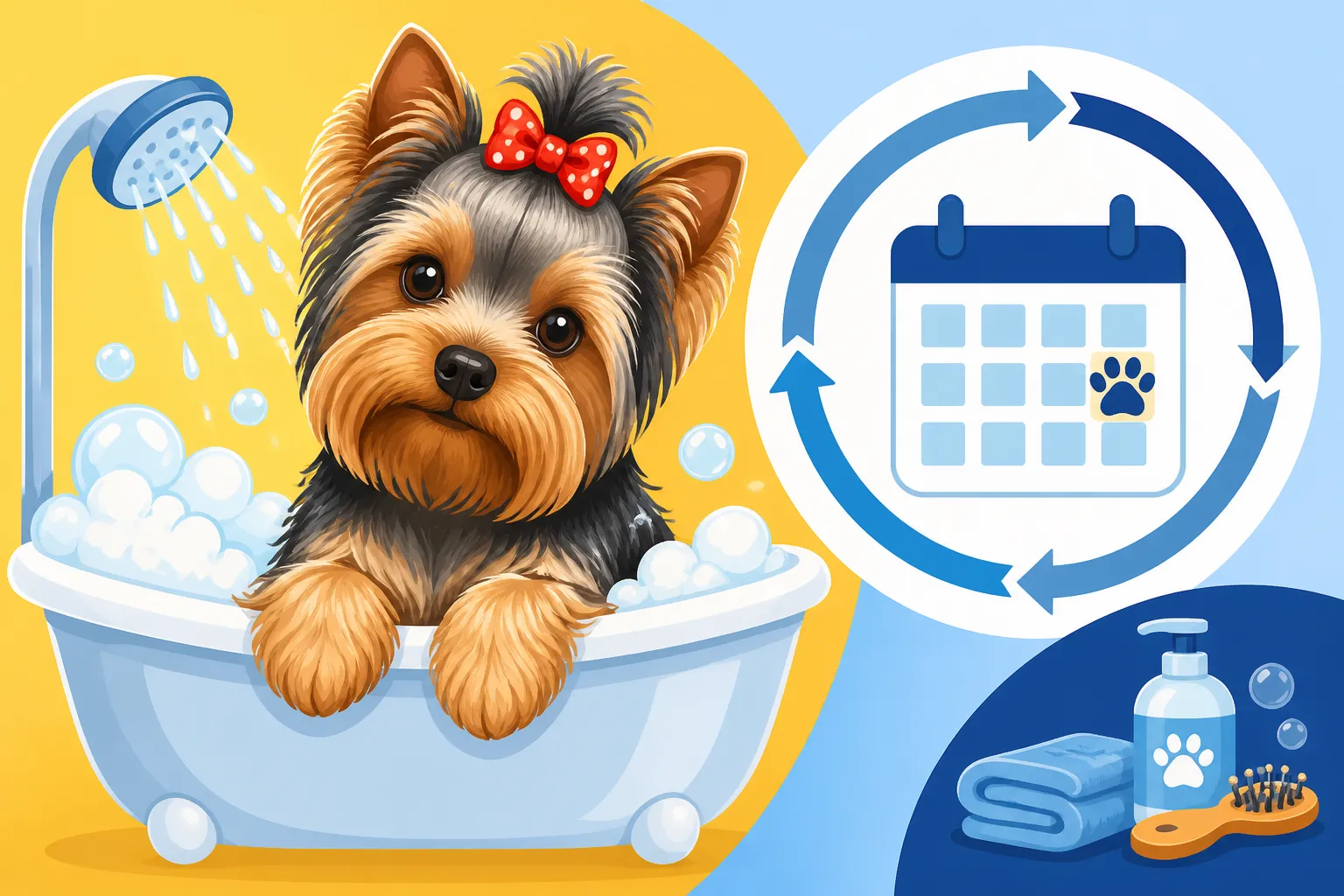
How Often to Bathe a Yorkshire Terrier
One of the most common head-scratchers for new (and even experienced!) Yorkshire Terrier parents is figuring out the perfect bathing routine. You want your little furball to be clean and smell delightful, but you've probably heard horror stories about dry skin, matted coats, or even skin infections if you bathe them too often or not enough. This guide is designed to cut through the confusion, helping you understand the unique needs of your Yorkie’s coat and skin so you can establish a bathing schedule that keeps them happy, healthy, and impeccably groomed.
The Importance of Regular Bathing for Your Yorkshire Terrier's Well-being
It’s easy to think of bathing as just a way to make your Yorkie smell nice, but for a breed with such a distinctive coat and sensitive skin, it’s a crucial part of their overall health regimen. Neglecting proper bathing can lead to a host of problems, from uncomfortable skin conditions to a dull, matted coat that’s a nightmare to manage. On the other hand, over-bathing can strip their skin of natural oils, leaving it dry, flaky, and itchy. Finding that sweet spot is essential.
Understanding the Yorkie Coat and Skin
Unlike many breeds with a double coat, Yorkshire Terriers boast a single layer of fine, silky hair that's remarkably similar to human hair in texture. This unique characteristic is part of what makes them so appealing, especially to those with allergies, as it minimizes shedding. However, this beautiful coat also comes with its own set of care requirements. It grows continuously and is prone to tangling and matting if not properly maintained, which includes regular bathing.
Beneath that gorgeous coat lies sensitive skin that requires gentle care. Yorkies can be susceptible to various skin issues, including dryness, allergies, and hot spots, especially if their grooming routine isn't tailored to their needs. The skin acts as a protective barrier, and when it’s compromised by dirt, allergens, or harsh chemicals, it can lead to discomfort and more serious health problems. Therefore, every bath needs to be a thoughtful act of care, designed to clean without causing irritation.
The structure of their hair also means it collects dirt, debris, and environmental pollutants quite easily. If left unwashed, these particles can embed themselves in the coat, leading to tangles that become harder and more painful to remove. Over time, this buildup can also create a breeding ground for bacteria, leading to unpleasant odors and potential skin infections. Regular, appropriate bathing helps to keep their coat clean, free from irritants, and manageable.
Preventing Skin Irritations and Odor
One of the most immediate benefits of regular bathing is the prevention of unpleasant odors. Yorkies, like all dogs, can develop a distinct "doggy smell," especially if they spend time outdoors or have oily skin. This odor isn't just a nuisance; it can often be an indicator that their coat and skin need attention. A buildup of natural oils, dirt, and bacteria contributes to this smell, and a good bath washes it all away, leaving your Yorkie fresh.
Beyond just smell, accumulated grime and allergens can lead to significant skin irritation. Pollen, dust mites, and even residue from pet-safe cleaning products on your floors can settle on your Yorkie’s coat and then irritate their skin. Regular bathing, particularly with a hypoallergenic or soothing shampoo, helps remove these irritants before they can cause persistent itching, redness, or secondary infections. Think of it as a reset button for their skin, washing away all the environmental challenges they’ve encountered.
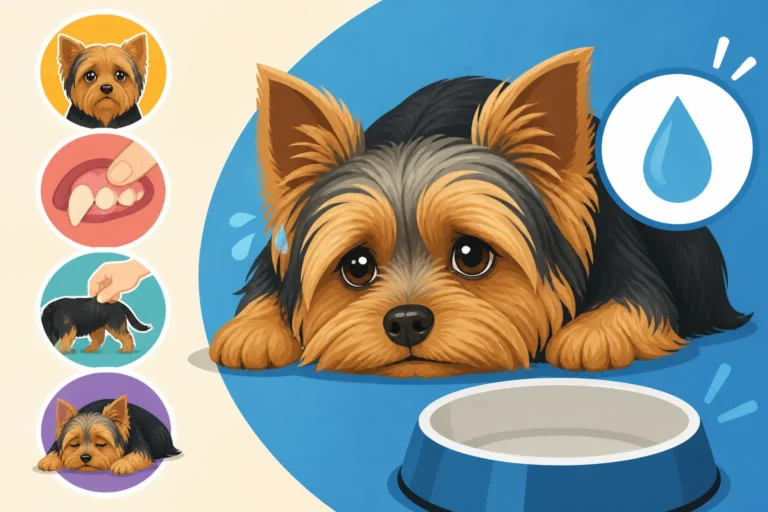
Ignoring skin irritations can quickly escalate into more serious problems. A Yorkie that constantly scratches or licks at an itchy patch can break the skin, making it vulnerable to bacterial or yeast infections. These infections often require veterinary intervention and can be quite uncomfortable for your dog. A consistent bathing schedule, combined with a close inspection of their skin during the bath, allows you to catch any potential issues early and address them before they become major concerns. Maintaining healthy skin is key to avoiding these types of issues.
Maintaining Overall Health and Hygiene
Proper hygiene extends beyond just the skin and coat. During a bath, you have a prime opportunity to thoroughly inspect your Yorkie’s entire body. This includes checking their ears for any signs of infection, looking at their eyes for discharge, and examining their paw pads for cuts or foreign objects. Many subtle health changes can be spotted during this hands-on grooming time, making it an invaluable part of your preventative care routine.
Regular bathing is also crucial for preventing matting, which can severely impact your Yorkie's comfort and health. Mats aren't just cosmetic; they can pull on the skin, causing pain and even restricting movement. Severe matting can also hide skin infections, parasites, or injuries. By regularly bathing and then thoroughly brushing your Yorkie, you keep their coat free of these painful tangles, ensuring their comfort and allowing their skin to breathe properly. Learn more about Yorkshire Terrier Coat Care and Haircuts to keep their fur pristine.
Finally, consistent bathing contributes significantly to your Yorkie's overall sense of well-being. A clean dog is generally a more comfortable and happier dog. They’ll be less itchy, less prone to skin ailments, and more eager to cuddle up with you. It’s not just about aesthetics; it’s about providing a foundational level of care that supports their physical health and emotional happiness. This dedication to regular hygiene is a hallmark of responsible pet ownership.
Factors That Influence Your Yorkie's Bathing Schedule
There's no one-size-fits-all answer to "how often should I bathe my Yorkie?" The ideal frequency is highly personal and depends on several factors unique to your dog and your living situation. What works for a show dog living indoors might not work for a playful pup who loves rolling in the mud at the dog park. Understanding these variables will help you tailor a bathing schedule that truly meets your Yorkie's individual needs.
Lifestyle and Activity Level
The more active and outdoorsy your Yorkie is, the more frequently they'll likely need a bath. A Yorkie who spends most of their time indoors, enjoys short, clean walks on paved surfaces, and generally stays out of mischief will naturally stay cleaner for longer. Their exposure to dirt, mud, dust, and other environmental grime will be minimal, allowing for a less frequent bathing schedule. Perhaps a bath every 3-4 weeks might suffice for such a pampered indoor companion.
Conversely, if your Yorkie is an adventurer, loves exploring grassy parks, enjoys playing in the dirt, or frequently encounters other dogs, their coat will pick up dirt and odors much faster. Outdoor playtime means exposure to pollen, sticky burrs, mud, and whatever else might be lurking on the ground. For these more active pups, a bath every 1-2 weeks might be necessary to keep their coat clean and free of irritants. This is especially true after a particularly muddy romp or a trip to the beach.
Consider also your own lifestyle and how much time you can dedicate to grooming. If you're someone who can commit to frequent baths and thorough brushing, you might opt for a more rigorous schedule. However, if your schedule is packed, you might want to find a balance, perhaps relying on more frequent spot cleaning and brushing between less frequent full baths. The goal is always a clean, healthy dog, but the path to get there can vary.
Coat Type and Length
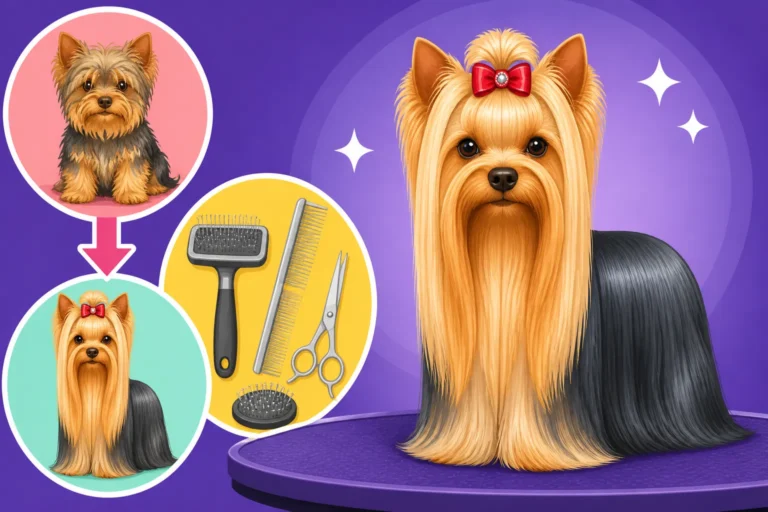
A Yorkie's coat length plays a significant role in how often they need bathing. If your Yorkie sports a long, flowing show coat, it will require much more diligent and frequent bathing and conditioning to keep it free of tangles, looking pristine, and prevent breakage. These long coats act like natural mops, picking up every speck of dust and debris. A weekly bath, combined with daily brushing, is often recommended for Yorkies with a long coat.
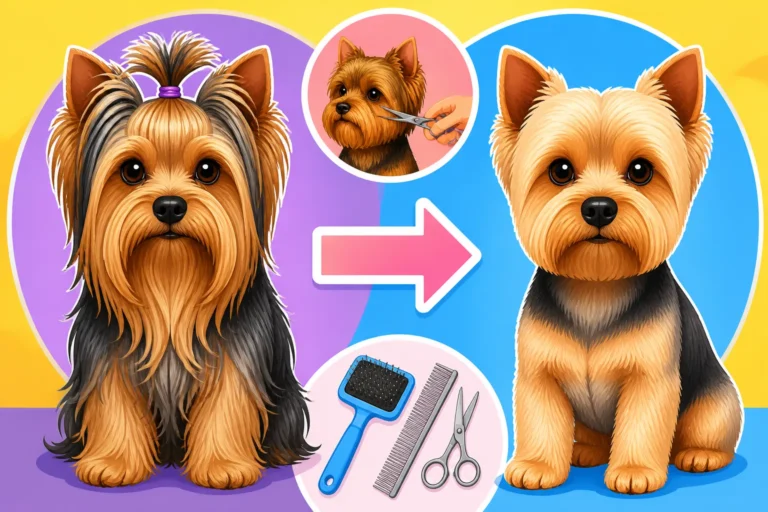
Many pet parents opt for a shorter "puppy cut" or "teddy bear cut" for their Yorkies, which can make grooming a bit easier. While these shorter styles are less prone to severe matting and collecting debris, they still require regular bathing to maintain skin health and freshness. A shorter coat won't trap as much dirt as a long one, so the bathing frequency might be slightly less, perhaps every 2-3 weeks, depending on their activity. You can learn more about different styles in our Yorkshire Terrier Coat Care and Haircuts guide.
The texture of the coat also matters. A true silky Yorkie coat might repel dirt a bit better than a coarser, cottony coat. Dogs with a cottony texture may find their coats absorbing more moisture and dirt, potentially leading to faster matting and needing slightly more frequent baths. Regardless of coat type, a good conditioner after shampooing is vital to keep the hair soft, manageable, and reduce static, making subsequent brushing much easier.
Skin Sensitivities and Allergies
Just like people, some Yorkies have more sensitive skin or are prone to allergies. For these dogs, bathing isn't just about cleaning; it's about soothing and protecting their delicate skin. If your Yorkie suffers from environmental allergies, more frequent bathing (e.g., weekly or bi-weekly) with a hypoallergenic or medicated shampoo recommended by your vet can help wash away allergens from their coat before they can irritate the skin. Brands like Earthbath or Douxo S3 offer excellent sensitive skin formulations available on platforms like Chewy.
However, if your Yorkie has very dry skin or a specific skin condition that is exacerbated by frequent washing, your vet might recommend a less frequent bathing schedule, perhaps every 3-4 weeks, using a specialized moisturizing shampoo. It’s a delicate balance: you want to remove irritants, but not strip away essential moisture. Always consult your veterinarian if your Yorkie exhibits persistent itching, redness, or skin flakiness to determine the root cause and the best bathing approach.
For Yorkies with known allergies, integrating an omega-3 supplement into their diet might also help improve skin and coat health from the inside out, reducing the severity of dry, itchy skin. A healthy diet contributes significantly to skin integrity. If you're exploring dietary options, reputable brands like Ollie offer fresh food subscriptions that could potentially benefit overall skin health. Remember, bathing is one piece of the puzzle; diet and veterinary care are equally important when dealing with sensitivities.
Age of Your Yorkshire Terrier
A Yorkie's age significantly impacts their bathing needs, requiring adjustments as they move through different life stages. A young puppy’s delicate skin and developing immune system mean a different approach compared to a robust adult or a fragile senior. Always consider their current life stage when determining the best bathing frequency.
Yorkshire Terrier Puppies: A Gentle Start
Yorkie puppies, especially those under 12 weeks old, have very sensitive skin and are more susceptible to chilling. For very young puppies, it’s generally best to limit full baths unless absolutely necessary due to extreme dirtiness or a medical recommendation. Frequent spot cleaning with a warm, damp cloth and a gentle puppy-specific shampoo is often preferred. If a full bath is unavoidable, use lukewarm water, a tearless puppy shampoo, and dry them thoroughly and quickly to prevent hypothermia.
As they get a little older, typically after their initial round of vaccinations and once they're more accustomed to their new home (around 3-4 months), you can start introducing more regular baths. However, still err on the side of caution. A bath every 3-4 weeks might be appropriate, gradually increasing or decreasing frequency based on how dirty they get and how their skin reacts. This is also a crucial time for positive reinforcement, making bath time a pleasant experience so they don't develop an aversion to it later.
It’s vital during puppyhood to use only shampoos specifically formulated for puppies. These are typically milder and designed not to irritate their eyes or delicate skin. Avoid adult dog shampoos or human products, as these can be too harsh. Introducing them gently to water and the bathing process will lay the groundwork for a lifetime of stress-free grooming. Our Yorkshire Terrier Puppy Health Guide offers more insights into their early care.
Adult Yorkies: Finding the Right Balance
For most healthy adult Yorkies with a typical indoor-outdoor lifestyle, a bathing frequency of every 2-4 weeks is a good general guideline. This range allows for proper cleaning to remove dirt, oils, and environmental allergens, while also preventing the stripping of essential natural skin oils. If your Yorkie's coat tends to get oily quickly or they have a very active lifestyle, leaning towards the every two-week mark might be more appropriate.
If your adult Yorkie has a longer coat that you want to maintain in pristine condition, weekly baths might be necessary, coupled with daily thorough brushing and conditioning. This level of maintenance helps prevent mats and keeps their silky hair looking its best. The key here is consistent application of a good quality shampoo and conditioner designed for long, fine coats.
Ultimately, observe your adult Yorkie's coat and skin. Are they starting to look dull, feel greasy, or smell a bit "doggy"? Are they scratching more than usual? These are all signs that it might be time for a bath. Conversely, if their skin appears dry or flaky after a bath, you might be bathing them too often or using a product that's too harsh. It's a continuous process of observation and adjustment.
Senior Yorkies: Adjusting Care for Older Companions
As Yorkies age, their skin and coat can undergo changes, often becoming drier and more fragile. Their mobility might also decrease, making standing for long periods or dealing with slippery surfaces in the tub more challenging. For senior Yorkies, the goal is gentle, comfortable care that prioritizes their well-being. Bathing frequency might need to be adjusted to every 3-6 weeks, or even less, depending on their individual needs and health. Our Yorkshire Terrier Senior Care Guide provides more detail on age-specific care.
When bathing a senior Yorkie, use extra caution. Ensure the water temperature is perfectly lukewarm, use a non-slip mat in the tub, and support them gently throughout the process. Opt for moisturizing, hypoallergenic shampoos that won't strip their already delicate skin of moisture. Consider adding a conditioner to help keep their coat soft and pliable, reducing friction during brushing. The drying process should also be thorough but gentle, avoiding harsh towel rubbing.
It's also important to be mindful of any underlying health conditions. Arthritis might make certain positions painful, and older Yorkies might be more prone to chills. If your senior Yorkie has significant health issues, consult your vet before making changes to their bathing routine. They might recommend specific products or techniques to ensure their comfort and safety. Comfort is paramount for our aging furry friends.
Establishing the Ideal Bathing Frequency for Different Yorkie Life Stages
Finding the ideal bathing frequency for your Yorkshire Terrier isn't a fixed rule but rather a dynamic process that evolves with their age, lifestyle, and individual needs. It's about finding that sweet spot where their coat is clean and healthy without over-stressing their skin or making grooming a chore. Let's break down the general guidelines for each life stage.
| Life Stage | Recommended Bathing Frequency | Considerations | Recommended Products |
|---|---|---|---|
| Puppies | Every 3-4 weeks (or as needed) | Very sensitive skin, susceptible to chills, positive reinforcement crucial. | Tearless puppy shampoo, warm towels. |
| Adults | Every 2-4 weeks | Varies with activity, coat length, and skin condition. | Breed-specific shampoo/conditioner, sensitive skin formula if needed. |
| Seniors | Every 3-6 weeks (or as needed) | Fragile skin, reduced mobility, focus on comfort and moisturizing. | Moisturizing/hypoallergenic shampoo, non-slip mat. |
Yorkshire Terrier Puppies: A Gentle Start
When your Yorkie is just a tiny puppy, their skin is incredibly delicate and their immune system is still developing. This means you need to be very cautious about bathing. As a general rule, avoid full baths for puppies under 8-10 weeks old unless they've gotten into something truly messy. Instead, focus on spot cleaning with a warm, damp cloth. You can gently wipe down their paws, belly, and face if they get dirty, using only plain water or a small amount of puppy-safe, no-rinse cleanser.
Once your puppy is a bit older and has settled into their new home, typically around 3-4 months, you can start introducing full baths, but keep them infrequent, perhaps once every 3-4 weeks. The key is to make it a positive, non-stressful experience. Use a calm voice, plenty of praise, and high-value treats. The first few baths should be quick, focusing on getting them accustomed to the water, the feel of shampoo, and the sound of a hairdryer on a low, cool setting.
Always use a shampoo specifically formulated for puppies. These are much milder than adult formulas and are often "tearless" to protect their sensitive eyes. Ensure the water is lukewarm, not hot or cold, and that you have plenty of warm towels ready to wrap them up immediately after the bath. Thorough drying is critical to prevent chilling, which can be dangerous for small puppies. Remember, the goal is cleanliness and positive association.
Adult Yorkies: Finding the Right Balance
For most adult Yorkshire Terriers, a bathing schedule of every 2 to 4 weeks strikes a good balance. This frequency is usually sufficient to remove accumulated dirt, dander, and oils, keeping their coat healthy and fresh without stripping away essential natural oils that protect their skin. This range can be adjusted based on the factors we discussed earlier: a highly active Yorkie who loves the outdoors might need a bath every two weeks, while a more sedentary indoor companion might comfortably go for three to four weeks between washes.
If your adult Yorkie has a longer coat, perhaps a show coat or a full-length pet coat, weekly bathing might be necessary to maintain its silky texture and prevent matting. Long coats are magnets for dirt and can quickly become tangled. In these cases, using a high-quality shampoo followed by a rich conditioner is crucial to keep the hair hydrated and easy to brush. Regular conditioning helps prevent tangles and static, which are common foes of long Yorkie hair.
Always pay close attention to your Yorkie's skin and coat condition when deciding on bathing frequency. If you notice persistent itching, dryness, or excessive oiliness, it might be a sign that your current schedule or products need adjustment. A healthy adult Yorkie's coat should feel soft and silky, and their skin should be clear, without redness or flakiness. Brands like TropiClean or Chris Christensen offer excellent lines of shampoos and conditioners designed for sensitive skin and silky coats, readily available on Amazon.
Senior Yorkies: Adjusting Care for Older Companions
As your Yorkshire Terrier gracefully enters their senior years, their physical needs will change, and their bathing routine should adapt accordingly. Senior Yorkies often have drier, more fragile skin, and their coats might become thinner or more brittle. Their immune systems can also be weaker, making them more susceptible to chills. For these reasons, less frequent bathing, perhaps every 3 to 6 weeks, might be more appropriate, focusing on comfort and gentle care.
When bathing a senior Yorkie, prioritize their comfort and safety. Use a non-slip mat in the tub to prevent falls, and ensure the water temperature is warm and soothing. Opt for ultra-moisturizing, hypoallergenic shampoos that are gentle on aging skin and won't cause further dryness. A good quality conditioner is also vital to keep their coat soft and manageable, reducing static and making brushing less painful. Remember that older joints might ache, so minimize the time they need to stand during the bath.
Thorough and gentle drying is paramount for senior Yorkies. They are more prone to getting chilled, which can lead to discomfort or even illness. Wrap them immediately in a warm towel, and use a hairdryer on a low, cool setting, keeping it moving constantly. Always monitor their body language for signs of stress or discomfort. If your senior Yorkie has significant health issues like severe arthritis or heart conditions, consult your veterinarian for specific recommendations on bathing techniques and frequency to ensure their safety. You can find more targeted advice in articles like How to Care for a Senior Yorkie.
Essential Steps for a Stress-Free Yorkie Bath at Home
Bathing your Yorkshire Terrier doesn't have to be a wrestling match. With the right preparation, tools, and a calm approach, it can become a bonding experience for both of you. A systematic approach ensures thorough cleaning while minimizing stress for your furry friend. Remember, consistency and positive reinforcement are key to making bath time a pleasant routine.
Gathering Your Supplies and Preparing the Environment
Before you even think about putting your Yorkie near water, gather all your supplies. There’s nothing worse than having a wet dog in the tub and realizing you forgot the shampoo! You’ll need a good quality dog shampoo (and conditioner, especially for Yorkies), a soft washcloth for their face, several clean, absorbent towels, a non-slip mat for the tub or sink, a small cup or sprayer for rinsing, and cotton balls for their ears. Having everything within arm's reach makes the process smoother and faster.
Next, prepare the bathing area. Whether you’re using a kitchen sink, a laundry tub, or your shower, make sure it’s safe and comfortable. Place a non-slip mat down so your Yorkie feels secure and won't slip and panic. Adjust the water temperature to lukewarm – test it on your inner wrist to ensure it's not too hot or too cold. Close any doors or create a barrier to prevent an escape attempt from a sudsy pup! This confined, secure space helps them feel safer during the process.
Finally, give your Yorkie a thorough brushing before the bath. This step is non-negotiable for Yorkies, particularly if they have a longer coat. Brushing pre-bath helps to remove any loose hair, dirt, and, most importantly, detangle any mats. Water can tighten and worsen mats, making them nearly impossible to brush out after the bath without causing pain. A good pre-bath brush will make the washing and post-bath drying much easier. You can find excellent brushes on Amazon for this task.
The Washing Process: Gentle and Thorough
With everything ready, it’s time for the wash. Gently place your Yorkie into the tub or sink, talking to them in a calm, reassuring voice. Gradually wet their coat using your cup or sprayer, starting from their back and working your way down, avoiding their face initially. Ensure their entire body is thoroughly saturated with lukewarm water.
Once their coat is wet, apply a small amount of dog shampoo, starting at their neck and working your way down their body, including their legs and tail. Lather gently, massaging the shampoo into their coat and down to their skin. Be careful not to scrub too vigorously, as Yorkies have delicate skin. This is also a good opportunity to check their skin for any unusual bumps, rashes, or dry patches. Remember to use only a dime-sized amount of shampoo as these small dogs don't need much.
The most crucial part is rinsing. Residue from shampoo can irritate the skin and dull the coat, so rinse, rinse, rinse! Use your cup or sprayer to thoroughly wash out all the shampoo, again starting from the neck down. Keep rinsing until the water runs clear and you can no longer feel any slickness on their coat. For their face, use a damp washcloth with plain water to gently clean around their eyes and mouth, avoiding getting water or soap directly into their eyes or nose. For deep insights, you can check out our guide on How to Bathe a Yorkie.
Drying Your Yorkie: Preventing Chilling and Matting
After rinsing, gently squeeze excess water from your Yorkie's coat. Then, wrap them immediately in a clean, absorbent towel. You'll likely need more than one towel for a thorough job. Gently blot and squeeze the water out of their fur; avoid vigorous rubbing, which can tangle their delicate hair and create mats. The goal is to get them as dry as possible with towels before moving to the next step.
Once towel-dried, it's time to use a hairdryer. For Yorkies, a hairdryer is highly recommended to ensure they are completely dry, especially if they have a longer coat. Set your hairdryer to a low, cool setting. High heat can burn their sensitive skin and damage their hair. Keep the dryer moving constantly, never focusing on one spot for too long. While drying, use a slicker brush or a pin brush to gently brush their coat. This helps to further detangle and straighten the hair, preventing mats as it dries.
Continue drying and brushing until their coat is completely dry to the touch, all the way down to the skin. Any dampness can lead to skin irritation, fungal growth, or chilling. Once dry, give them a final thorough brush-through to ensure their coat is smooth and silky. Offer praise and a treat for their cooperation. This careful drying process is vital for preventing problems and ensuring your Yorkie feels comfortable and looks fabulous.
Selecting the Best Bathing Products for Your Yorkie
Choosing the right bathing products for your Yorkshire Terrier isn't just about grabbing any bottle off the shelf. Given their unique hair-like coat and often sensitive skin, specific formulations can make a significant difference in their comfort, coat health, and overall hygiene. Investing in quality products designed for their needs will pay dividends in their appearance and well-being.
Shampoos and Conditioners Tailored for Yorkie Coats
For Yorkshire Terriers, you'll want to look for shampoos specifically designed for long-haired breeds or those with sensitive skin. Avoid harsh detergents, artificial fragrances, and dyes, which can strip natural oils and irritate their skin. Many excellent brands offer formulations with natural ingredients like oatmeal, aloe vera, or tea tree oil, which can soothe and moisturize. Some popular choices include Earthbath Oatmeal & Aloe, Burt's Bees for Dogs, or a tearless puppy shampoo for younger or extra-sensitive Yorkies. You can easily find a great selection of these on Chewy or Amazon.
A conditioner is not optional for a Yorkie, especially if they have a longer coat. Their hair is prone to tangling and breakage, and a good conditioner helps to moisturize, detangle, and add shine, making subsequent brushing much easier. Look for conditioners that are lightweight, leave-in options, or rinse-out formulas that are easy to wash out completely. Conditioners specifically for silky or long coats will often contain ingredients like argan oil, silk proteins, or vitamins that nourish the hair. Leaving conditioner on for a few minutes before rinsing can significantly improve manageability. Explore options in our Best Shampoo for Yorkshire Terriers guide.
If your Yorkie has specific skin issues, such as allergies or very dry skin, your veterinarian might recommend a medicated shampoo. These shampoos are formulated to treat particular conditions and should only be used under veterinary guidance. Even with medicated shampoos, a follow-up conditioner is often recommended to restore moisture and maintain coat health. Always read labels carefully and choose products free from parabens and sulfates where possible.
Grooming Tools to Complement Bath Time
Beyond just shampoo and conditioner, having the right grooming tools at hand will make your Yorkie's bath and post-bath routine much more effective. A slicker brush or a pin brush is essential for pre-bath detangling and post-bath drying. For their fine hair, brushes with flexible pins are ideal as they are gentle on the skin and help to smooth the coat without pulling. A good comb with both wide and narrow teeth is also invaluable for working through tangles and checking for any missed spots.
For rinsing, a handheld sprayer attachment for your sink or tub can be a game-changer. It provides better control over water flow and pressure, making it easier to thoroughly rinse all the shampoo from their dense coat without spraying water everywhere or causing your Yorkie discomfort. If a sprayer isn't an option, a small plastic cup works perfectly well for careful rinsing, particularly around sensitive areas.
Don't forget the drying tools. In addition to highly absorbent towels, a pet-specific force dryer or a standard human hairdryer set to a cool, low setting is critical for completely drying a Yorkie’s coat. Proper drying prevents matting and chills. Nail clippers (guillotine or scissor style, whichever you prefer) and styptic powder (just in case!) should also be part of your bathing kit, as nail trimming is often done as part of a full grooming session. Learn how to use these in our guide on How to Trim a Yorkie's Nails.
Dealing with Tear Stains and Face Washing
Tear stains are a common aesthetic concern for many Yorkies, especially those with lighter-colored fur around their eyes. These reddish-brown marks are caused by porphyrins, pigments found in tears, saliva, and urine. While bathing, it's the perfect opportunity to address these. Using a dedicated tear stain remover specifically designed for dogs can help lighten and remove existing stains. Apply it gently with a cotton pad, being careful not to get any product directly into their eyes. Regular cleaning is the best prevention.
For general face washing, always use a soft, damp washcloth with plain water. Avoid getting any shampoo, even tearless varieties, directly into your Yorkie's eyes or nose. You can gently wipe around their eyes, mouth, and chin to remove any food debris or discharge. If their face gets particularly dirty, a small amount of tearless puppy shampoo on the washcloth, followed by a thorough rinse with plain water, can be effective. Always dry their face gently with a soft towel immediately after cleaning. Our article on How to Clean Yorkie Tear Stains offers a detailed approach.
Beyond tear stains, some Yorkies may experience occasional eye discharge or crusting. During bath time, carefully use a warm, damp cloth to soften and remove any dried discharge from the corners of their eyes. If you notice excessive or discolored discharge, or if their eyes appear red or irritated, consult your vet, as this could be a sign of an underlying issue like allergies, irritation, or an infection. Always prioritize their eye health. For more on eye issues, see Yorkie Eye Discharge: Causes.
Common Bathing Blunders to Avoid with Your Small Dog
Even with the best intentions, it's easy to make mistakes during bath time, especially with a small, delicate breed like a Yorkshire Terrier. These blunders can range from causing skin irritation to creating a negative association with bathing, making future grooming sessions a struggle. Knowing what to avoid is just as important as knowing what to do.
Over-Bathing or Under-Bathing Risks
One of the most common pitfalls is bathing your Yorkie either too frequently or not frequently enough. Over-bathing can strip their skin of its natural protective oils, known as sebum. This can lead to dry, itchy, flaky skin, which then becomes more susceptible to irritation, redness, and even secondary infections. Think of it like washing your own hair too often – it can become dry and brittle. For a Yorkie, this discomfort can lead to excessive scratching, perpetuating a cycle of skin problems.
On the flip side, under-bathing also carries significant risks. If your Yorkie isn't bathed often enough, especially if they have a long coat or an active lifestyle, dirt, grime, and dead skin cells will accumulate. This buildup can clog pores, leading to skin irritations, hot spots, and an unpleasant odor. More critically, an unclean coat is a matted coat waiting to happen. Mats pull on the skin, causing pain, restricting movement, and can hide parasites or infections. It’s a delicate balance to strike between maintaining cleanliness and protecting their sensitive skin.
The key to avoiding both extremes is attentive observation and adjustment. Pay attention to your Yorkie's skin and coat condition, their smell, and their overall comfort. If their coat looks greasy or they're scratching more, it might be time for a bath. If their skin seems dry after a bath, you might be overdoing it or using the wrong products. It's a continuous learning process, and every Yorkie is an individual with unique needs that might change over time.
Using Incorrect Products or Techniques
Another significant blunder is using human shampoos or conditioners on your Yorkie. Human products are formulated for a different pH level than a dog’s skin, and using them can disrupt your Yorkie's skin barrier, leading to dryness, irritation, and discomfort. Always use shampoos and conditioners specifically designed for dogs, preferably those labeled for sensitive skin or long coats, as discussed in the previous section.
Applying too much shampoo, or not rinsing thoroughly enough, are also common mistakes. A small amount of concentrated dog shampoo goes a long way, especially on a small Yorkie. If you use too much, it’s harder to rinse out completely, leaving behind residue that can irritate the skin and dull the coat. Take your time during the rinsing phase, ensuring every trace of soap is washed away. This often takes longer than you'd expect, but it's crucial for preventing skin problems and maintaining a healthy, shiny coat.
Finally, rough handling or improper drying techniques can turn bath time into a dreaded event. Scrubbing too hard can irritate delicate skin, and allowing water to get into their ears can lead to ear infections. Always be gentle, speaking in a calm, soothing voice. When drying, avoid rubbing vigorously with a towel, which can create tangles and matts. Instead, blot and squeeze, then use a hairdryer on a cool, low setting, keeping it moving constantly. A negative experience can create lifelong aversion to bathing, so make it as positive as possible.
Neglecting Post-Bath Care
The bath isn’t over when your Yorkie is dry. Neglecting post-bath care can undermine all your efforts during the wash. One major oversight is not thoroughly brushing their coat after it's completely dry. Even if you brushed before the bath, the washing process can still create minor tangles. A thorough post-bath brush-through ensures that every strand is smooth, preventing any nascent mats from forming as the coat settles. This is especially vital for preventing knots in longer coats.
Another common mistake is failing to check ears, eyes, and nails immediately after the bath. While their coat is clean and they are relatively still, it's the perfect opportunity for these essential grooming tasks. Use a soft cotton ball or a specific ear cleaner to gently wipe out their ear canals. Inspect their eyes for any residual shampoo or irritation. And if their nails are due for a trim, now is the time to carefully clip them. These checks are a vital part of Yorkshire Terrier Daily Care Routine and contribute to their overall health.
Lastly, make sure your Yorkie is completely warm and dry before allowing them back into their normal routine or a colder environment. A damp Yorkie, especially a puppy or senior, can quickly get chilled, which could lead to health issues. Ensure they're not just dry on the surface but completely dry down to the skin. Offering a special treat and praise after the entire process helps reinforce a positive association with grooming, making the next bath even easier.
Beyond the Bath: Daily and Weekly Grooming Practices
While bathing is a crucial part of your Yorkie’s hygiene, it's just one piece of the puzzle. Their unique coat and small stature require consistent, often daily, attention to other grooming aspects to truly thrive. Integrating these practices into your routine will keep your Yorkie looking their best, feeling comfortable, and staying healthy between baths.
Daily Brushing for a Healthy Coat
For a Yorkshire Terrier, especially one with a longer coat, daily brushing is non-negotiable. Their fine, silky hair is incredibly prone to tangles and mats, which can become painful if left unattended. Daily brushing removes loose hair, dirt, and debris that accumulates throughout the day, preventing small knots from turning into large, difficult-to-remove mats. It also distributes natural oils through the coat, promoting a healthy sheen and preventing dryness.
To brush effectively, use a high-quality pin brush or slicker brush. Always start at the ends of the hair and work your way up to the skin, section by section. For long coats, you might want to use a technique called "line brushing," where you hold up sections of hair and brush underneath, working your way down. Be gentle, particularly around sensitive areas like the armpits, behind the ears, and the groin, where mats tend to form easily. If you encounter a tangle, use a detangling spray and gently work it out with your fingers or a wide-toothed comb, rather than pulling.
Daily brushing is not just about aesthetics; it's a preventative health measure. It allows you to inspect your Yorkie's skin daily for any lumps, bumps, rashes, parasites, or changes that might indicate a health issue. It's also a wonderful bonding opportunity, offering a quiet, comforting ritual that strengthens your connection with your beloved pet. This regular tactile interaction makes your Yorkie more accustomed to being handled, which is beneficial for vet visits and professional grooming. For a deeper dive, read How to Brush a Yorkie's Coat.
Ear and Eye Care Routines
Yorkies are prone to certain ear and eye issues, making regular checks and cleaning a vital part of their weekly (or even daily) grooming routine. For their ears, inspect them weekly for any signs of redness, swelling, discharge, or unpleasant odor. Healthy Yorkie ears should be clean and odorless. If you notice any of these symptoms, it could indicate an ear infection, and a vet visit would be in order.
To clean their ears, use a vet-approved ear cleaning solution and cotton balls or soft wipes. Never use cotton swabs inside the ear canal, as this can push debris further in or damage the delicate inner ear structures. Simply apply a small amount of cleaner to a cotton ball and gently wipe the visible parts of the ear. This helps remove wax buildup and dirt that can lead to infections. If your Yorkie has floppy ears (some do if not docked or taped), ensure you lift the ear flap to allow for air circulation. Find more information in How to Clean a Yorkie's Ears.
Eye care for Yorkies often involves dealing with tear stains and general discharge. Gently wipe around their eyes daily with a soft, damp cloth or a specialized pet eye wipe to remove any crust, sleep, or tear residue. This helps prevent tear stains from setting in, especially on lighter-colored fur. If tear staining is a persistent problem, ensure their diet is good and consult your vet to rule out any underlying causes like blocked tear ducts or allergies. Maintaining clean eyes not only keeps them looking neat but also prevents potential irritation or infection.
Dental Hygiene and Nail Trimming
Dental care is one of the most overlooked aspects of pet grooming, yet it's incredibly important for a Yorkie's overall health. Small breeds like Yorkshire Terriers are particularly prone to dental disease, which can lead to painful infections, tooth loss, and even impact their internal organs. Ideally, you should aim to brush your Yorkie’s teeth daily or at least several times a week using a dog-specific toothbrush and enzymatic toothpaste. Never use human toothpaste, as it contains ingredients toxic to dogs. Our Yorkshire Terrier Dental Care Guide can help you get started.
If daily brushing isn't feasible, incorporating dental chews, water additives, or specialized dental diets can help, but they are generally less effective than brushing. Regular veterinary dental check-ups and professional cleanings are also crucial, especially as your Yorkie ages. Don't underestimate the impact of good dental hygiene on their quality of life and longevity.
Nail trimming should be done every 2-4 weeks, or as needed, to prevent their nails from growing too long. Overgrown nails can cause discomfort, make walking painful, lead to paw deformities, and even get caught and torn, which is very painful. Use sharp, dog-specific nail clippers. If you’re unsure how to do it, ask your vet or a professional groomer for a demonstration. Be careful not to cut into the quick (the pink part inside the nail), as this can cause bleeding and pain. If you accidentally cut the quick, have styptic powder on hand to stop the bleeding. Regular trims make the quick recede, making future trims easier and less stressful for both of you.
When Professional Grooming Becomes a Smart Choice
Even for the most dedicated Yorkie owner, there comes a time when professional grooming is not just a luxury but a sensible and often necessary choice. Professional groomers have the expertise, equipment, and experience to handle specific grooming challenges that can be difficult to manage at home, ensuring your Yorkie receives comprehensive care.
Recognizing When a Pro is Needed
There are several clear indicators that it might be time to call in a professional groomer. The most obvious is severe matting. If your Yorkie's coat has developed tight, extensive mats that you can't gently brush out yourself, attempting to remove them at home can be painful and dangerous, potentially cutting their skin. Professional groomers are skilled at safely and humanely dematting or, if necessary, shaving down a matted coat, prioritizing your dog's comfort and health.
Another sign is if your Yorkie has specific skin or coat conditions that require specialized attention. Perhaps they have very sensitive skin, persistent dandruff, or an unusual coat texture that you find challenging to manage. Professional groomers are knowledgeable about a wide range of products and techniques and can offer solutions tailored to these unique needs. They can also often spot early signs of skin issues that might warrant a vet visit.
Lastly, if your Yorkie becomes excessively stressed or aggressive during home grooming sessions, it might be time to hand the reins over to a professional. Some dogs simply don't tolerate home grooming well, and forcing the issue can damage your bond and make them even more fearful. Professional groomers are experienced in handling anxious or reactive dogs and can often make the experience much less stressful for everyone involved. They have specialized tools and training to make the process smoother.
What to Expect from a Professional Groomer
When you take your Yorkie to a professional groomer, you can expect a comprehensive service that goes beyond what most owners can achieve at home. A full grooming session typically includes a thorough bath using professional-grade shampoos and conditioners appropriate for your Yorkie's coat type and skin needs. They’ll also receive a meticulous blow-dry, which is crucial for preventing mats and achieving that fluffy, salon-quality finish.
Beyond the wash and dry, professional groomers will also perform a full haircut and styling according to your preferences (e.g., puppy cut, teddy bear cut, or maintaining a longer coat). They'll trim nails, clean ears, and often express anal glands if needed – a task many owners prefer to leave to the experts. Many groomers also include a dental check and can advise you on your Yorkie’s overall hygiene, identifying any potential issues you might have missed.
A good professional groomer will also prioritize your Yorkie's comfort and safety. They use specialized tables, restraints (for safety, not punishment), and tools designed to minimize stress and prevent injury. They are also trained to recognize and respond to signs of discomfort or anxiety in dogs. For those considering the long-term budget, our Yorkie Grooming Costs Explained can help manage financial expectations.
Balancing Home and Professional Care
For many Yorkie owners, the ideal approach is a combination of home grooming and professional grooming. Regular professional grooming appointments, perhaps every 4-8 weeks, can keep your Yorkie's coat in excellent condition, manage their style, and address the more complex tasks like intricate clipping or anal gland expression. This ensures they always look and feel their best.
Between professional appointments, you, as the owner, play a vital role in maintaining their coat and hygiene. Daily brushing, weekly ear and eye cleaning, and regular teeth brushing are all tasks that can and should be done at home. This home care not only keeps your Yorkie clean but also extends the life of the professional groom and helps prevent major issues like matting or dental disease from developing. It truly is a partnership in your Yorkie's well-being.
Finally, communicate openly with your professional groomer. Let them know about any skin sensitivities, fears, or specific preferences you have for your Yorkie's cut. A good groomer will listen to your concerns and provide advice on how you can best care for your Yorkie at home. They are a valuable resource in your pet care team, offering expertise and support to ensure your Yorkshire Terrier always looks, feels, and smells fantastic.
Disclaimer
The information provided in this guide is for general informational purposes only and does not constitute veterinary advice. Always consult with a qualified veterinarian for any health concerns or before making any decisions about your pet's medical care or grooming routine, especially concerning specific products or frequencies for individual health conditions.