How to Give a Yorkie a Show Cut
Dreaming of that magnificent, flowing coat you see on Yorkshire Terriers strutting their stuff in the show ring? It’s a vision of canine elegance, but trying to achieve that precise, immaculate "show cut" at home can feel like a monumental task, especially when you’re used to more practical, shorter pet trims. Many Yorkie parents feel intimidated by the sheer length and meticulous styling required. This comprehensive guide will walk you through every step, from understanding the breed standard to selecting the right tools and mastering the techniques needed to give your Yorkie that stunning, competition-ready appearance.
Understanding the Yorkshire Terrier Show Cut Standard
When we talk about a "show cut" for a Yorkshire Terrier, we're not just talking about a cute style; we're talking about adhering to a very specific breed standard that highlights the Yorkie's unique characteristics. This isn't your everyday puppy cut or teddy bear trim. This is the epitome of the breed's elegance, designed to showcase the quality of their coat, their structure, and their overall presence. Without understanding these foundational elements, it’s nearly impossible to achieve the desired look.
Key Characteristics of a Show Coat
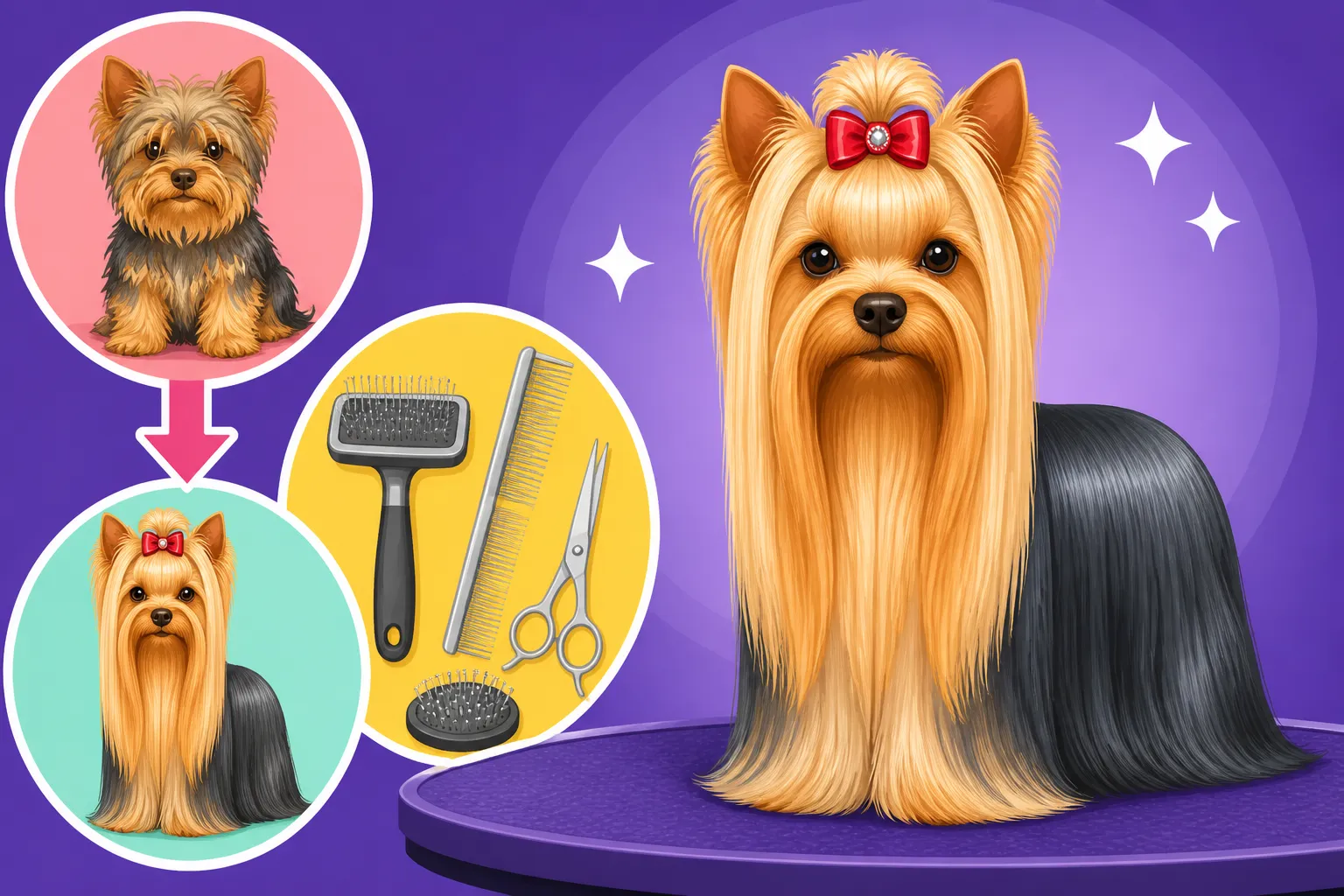
The hallmark of a show Yorkshire Terrier is, undeniably, its coat. The American Kennel Club (AKC) breed standard for the Yorkshire Terrier describes the coat as long, perfectly straight, glossy, and fine. It should literally hang evenly on each side, parting down the middle of the back from the head to the tip of the tail. The length is crucial – ideally, it should reach the ground, or at least be long enough to create that flowing, curtain-like effect. The color standard is a dark steel blue, extending from the back of the neck to the root of the tail, never blending with fawn or bronze. On the head, chest, and legs, the hair should be a rich, bright tan, darker at the roots and gradually lightening to the tips. This specific color combination and texture are what judges evaluate, so maintaining this pristine state is paramount. Any waves, curls, or coarse texture are considered undesirable.
The Importance of a Pristine Topknot
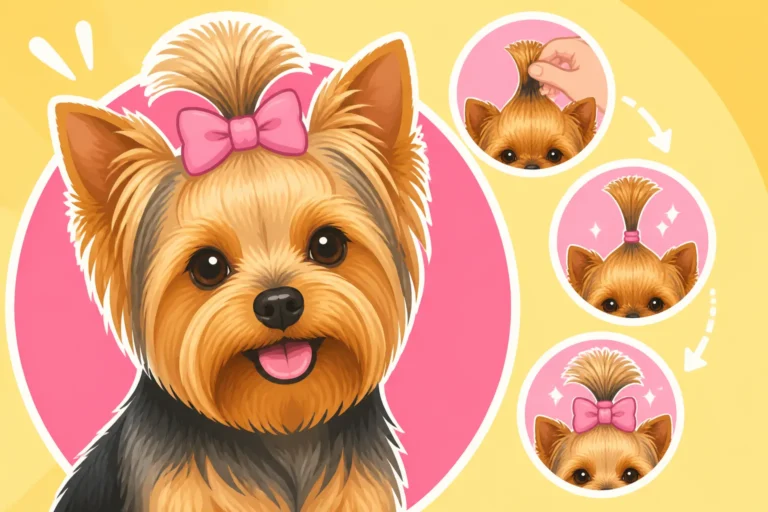
Beyond the body coat, the topknot is arguably the most recognizable and critical feature of a show Yorkie. It’s not just about a bow; it's about the perfectly tied hair that frames their face, showcasing their bright, intelligent eyes. The hair on the head should be long, falling evenly on either side of the head, and tied with a single bow in the center of the skull. This isn’t a small, decorative clip; it’s a substantial amount of hair gathered neatly. The goal is to keep the hair out of the dog's eyes while presenting a polished, aristocratic look. Improperly tied topknots can obscure vision, lead to matting, or detract from the overall presentation, giving a messy or unfinished impression. The hair itself must be healthy, clean, and tangle-free to fall correctly and hold the tie securely without damaging the delicate strands.
Why the Show Cut is Different from Pet Cuts
The difference between a show cut and a pet cut is immense, primarily driven by practicality versus presentation. Pet cuts, like the popular "puppy cut" or "teddy bear cut," prioritize ease of maintenance, comfort for the dog in daily life, and a generally adorable appearance. They involve shortening the coat all over, preventing mats, and reducing grooming time for busy owners. While these are perfectly suitable and lovely for companion Yorkies, they completely disregard the breed standard for showing. A show cut requires significant dedication to maintain that ground-length, immaculate coat. This means daily brushing, wrapping the hair to protect it, and frequent bathing and conditioning to keep it silky. There's minimal trimming, only enough to neaten the edges, clean up the feet, and ensure the coat presents a perfect rectangle from the side. Judges penalize any deviation from the standard, making the long, flowing coat a non-negotiable element. For a deeper dive into general grooming, you might want to check out our comprehensive guide on Yorkshire Terrier Grooming Guide.
Essential Tools and Supplies for a Show Cut
Achieving a show-quality groom isn't just about technique; it starts with having the right equipment. Skimping on tools will only make the process more difficult, frustrating, and potentially damaging to your Yorkie's delicate coat. Think of it like a chef needing sharp knives – you need specialized tools for specialized tasks. Investing in quality products from reliable brands can make a world of difference.
Grooming Table and Restraint
First and foremost, a sturdy grooming table is indispensable. Trying to groom a Yorkie on the floor or a regular household surface is an exercise in futility. A proper grooming table provides a raised, stable, non-slip surface that puts your dog at a comfortable working height, saving your back and giving you better control. Most tables come with a grooming arm and loop restraint. This restraint is critical for keeping your Yorkie safely in place, preventing them from jumping off or squirming excessively, which could lead to accidental nips with scissors. Ensure the loop is snug but not tight around their neck or torso. Brands like Master Equipment or Flying Pig Grooming offer excellent, durable grooming tables suitable for small breeds.
Brushes, Combs, and Scissors
This is where your investment truly matters for a show coat. You’ll need a variety of tools:
- Pin Brush: A high-quality pin brush with polished, rounded pins (not plastic-tipped) is your primary tool for daily brushing and detangling. Look for brands like Chris Christensen for their exceptional quality. This helps to gently separate the long strands without pulling or breaking them.
- Slicker Brush: While the pin brush is for the body, a small, soft slicker brush can be useful for quickly fluffing and removing loose hair from the face and feet, where the coat might be a bit shorter or need more lift.
- Steel Greyhound Comb: This comb is vital for checking for tangles and ensuring the coat is thoroughly brushed from root to tip. It has both wide and fine teeth. The wide teeth are for initial detangling, and the fine teeth are for working through any remaining knots and ensuring straightness. You'll use this comb constantly to section hair and ensure it falls perfectly.
- Straight Shears: A good pair of sharp, professional-grade straight shears (7-8 inches) is necessary for trimming the bottom edges of the coat, creating that floor-length, even line. Precision is key here.
- Thinning Shears: These shears have one or two blades with teeth, designed to remove bulk and blend lines without creating harsh cut marks. They're invaluable for tidying around the feet and ears without making it look "chopped."
- Blunt-nosed Scissors: Small, blunt-nosed scissors are safer for trimming hair around the eyes and paw pads, reducing the risk of accidental injury.
When purchasing grooming tools, especially shears, prioritize quality. Good shears will be sharp, well-balanced, and hold an edge longer. You can often find a wide selection of these professional grooming supplies on platforms like Amazon or Chewy.
Shampoos, Conditioners, and Styling Products
The products you use directly impact the health, texture, and manageability of a show coat. You need products that clean thoroughly without stripping natural oils, add moisture and shine, and help keep the coat straight and tangle-free.
- Shampoo: Choose a moisturizing, clarifying shampoo specifically formulated for long-coated breeds or those that enhance coat color (e.g., bluing shampoos for the steel blue). Avoid harsh detergents.
- Conditioner: A rich, deep-conditioning treatment is non-negotiable. It helps hydrate the coat, reduce static, and make detangling much easier. Many professional groomers use leave-in conditioners or coat oils to protect the hair.
- Detangling Spray: A good detangling spray applied during or after bathing can work wonders for stubborn knots and helps the comb glide through the hair.
- Coat Oil/Serum: Products like mink oil or specialized coat serums are used to add shine, prevent breakage, and weigh the hair down to encourage that straight, silky drape. These are often used for wrapping the coat between shows.
- Rubber Bands/Latex Bands: For the topknot, small, strong, elastic rubber bands or latex bands are used. Avoid regular human hair ties, which can snag and damage delicate Yorkie hair. You'll also need hair wraps (often made from tissue paper or silk) to protect the long body hair.
- Bows: For the topknot, simple, elegant bows that complement the coat color are preferred.
Remember, healthy skin leads to a healthy coat. If your Yorkie has sensitive skin, consider using hypoallergenic shampoos or consulting your vet for product recommendations. Many quality pet product brands offer lines specifically for long-coated show dogs. For instance, products from brands like Chris Christensen, Earthbath, or Isle of Dogs are often highly recommended for their nourishing formulas.
Step-by-Step Guide to Achieving the Show Cut
Now that you have your arsenal of tools and products, it's time to put them to use. Giving a show cut is a process that requires patience, a gentle touch, and an understanding of how to work with a Yorkie's delicate hair. Rushing through it will only lead to frustration and a less-than-perfect result.
Pre-Grooming Preparation: Bathing and Drying
Before any trimming or styling can begin, the coat must be impeccably clean and perfectly dry. This is not optional. Dirt and tangles will dull your scissors and make it impossible to get an even cut.
- Thorough Detangling (Before Bath): This is perhaps the most crucial pre-bath step. Using your pin brush and greyhound comb, gently work through every single tangle and mat. Start from the ends of the hair and work your way up to the roots, holding the hair at the base to prevent pulling on the skin. If you find a stubborn mat, use a detangling spray and slowly pick it apart with your fingers or the wide teeth of your comb. Never bathe a matted dog, as water will only tighten the mats, making them impossible to remove without shaving. You can learn more about how to keep a Yorkie's coat long and silky by looking into methods for preventing matting.
- Bathing: Once tangle-free, place your Yorkie in the tub. Use a shower sprayer for thorough wetting. Apply a high-quality shampoo, working it gently into the coat. Lather thoroughly but avoid harsh scrubbing motions that can tangle the hair again. Rinse meticulously, ensuring no shampoo residue remains, as this can cause skin irritation and dull the coat. Follow with a generous amount of conditioner, letting it sit for several minutes to deeply penetrate the hair shaft. Rinse the conditioner well.
- Drying: This is where the magic of the straight, flowing coat truly begins. Gently squeeze excess water from the coat with your hands, then blot with a soft, absorbent towel. Avoid rubbing vigorously. Apply a leave-in conditioner or coat oil if desired. Now, with a force dryer (a stand dryer is ideal if you have one, or a low-heat hairdryer with a nozzle), begin drying the coat while brushing it straight. This technique, called "line drying," involves drying small sections of hair at a time, brushing from the skin out, ensuring each strand is perfectly straight and dry before moving on. This is what gives the show coat its flat, sleek appearance. Don't stop until the coat is 100% dry; any remaining dampness will cause waves.
Mastering the Topknot and Face Trim
The topknot is the crowning glory of a show Yorkie. It requires precision and practice to get right.
- Defining the Topknot Section: Using your fine-toothed comb, draw a line from the outside corner of one eye, across the top of the head, to the outside corner of the other eye. Then, draw a line from the outer corner of each eye, up towards the center of the skull. All the hair within this V-shape, extending back to the occipital bone (the bump at the back of the skull), is the topknot hair. The goal is to gather as much hair as possible to create a full topknot.
- Tying the Topknot: Thoroughly brush all the gathered hair straight up and forward, ensuring it's free of tangles. Use a small, strong latex band to secure the hair in a single, tight pony-tail-like tie, centered on the very top of the head. Wrap the band around several times until it's secure but not painfully tight. You can then add a decorative bow over the band if desired, or simply leave the neatly tied hair. For tips on daily topknot maintenance, you can also refer to our guide on Yorkie Top Knot Tutorial.
- Face Trim: With your blunt-nosed scissors, carefully trim any stray hairs around the eyes that might poke or irritate. The goal is to keep the area clean and clear without significantly altering the length. The hair on the muzzle should be kept long and tan, blending seamlessly with the topknot. Avoid trimming the whiskers, as they are important sensory organs. You may gently neaten the very tips of the ear furnishings (the long hair on the ears) with thinning shears to create a clean, elegant edge, but avoid cutting into the main ear leather.
Scissoring the Body and Leg Hair
This step requires a steady hand and an eye for straight lines. Remember, you're not cutting for style, but for perfection of the breed standard.
- Setting the Length: The ideal show coat should skim the ground or appear to be just long enough to do so. Have your Yorkie stand squarely on the grooming table. Using your straight shears, begin by trimming the very ends of the coat along the bottom, creating a perfectly straight, horizontal line parallel to the floor. It's often easier to do this in sections, ensuring the coat hangs naturally. Step back frequently to check for evenness.
- Chest and Belly: The hair on the chest and belly should also be kept long, blending seamlessly with the side coat. You might use thinning shears to lightly neaten any wispy hairs on the very underside of the belly if they are prone to getting soiled, but again, avoid significant shortening.
- Legs and Feet: The hair on the legs should be long, falling naturally to meet the floor. You will need to trim the hair between the paw pads to prevent slipping and to keep the feet clean. Use your blunt-nosed scissors for this. Then, with thinning shears or straight shears, carefully neaten the outline of the feet, trimming any stray hairs that stick out beyond the natural paw outline. The goal is to make the feet appear small and neat, like a cat's.
Nail Trimming and Ear Cleaning
These are crucial finishing touches that contribute to the overall polished appearance and health of your Yorkie.
- Nail Trimming: Carefully trim your Yorkie's nails using small, sharp nail clippers designed for small dogs. Be extremely cautious to avoid cutting the quick (the pink part inside the nail), which is painful and will cause bleeding. If you're unsure, just trim the very tip. If your Yorkie has black nails, it can be harder to see the quick, so trim in tiny increments. Regular nail trimming is vital for proper paw health and gait.
- Ear Cleaning: Check your Yorkie's ears for any dirt, wax buildup, or odor. Using a veterinarian-approved ear cleaning solution and a cotton ball (never use Q-tips inside the ear canal), gently clean the visible parts of the ear. Some Yorkies, especially those with long ear furnishings, may need hair plucked from their ear canals to prevent infections. This is best done by a vet or professional groomer if you're not experienced, as it can be uncomfortable for your dog if not done correctly. Maintaining good ear hygiene is an important part of Yorkshire Terrier Health Problems to Know.
Maintaining the Show Coat Between Grooming Sessions
The truth about a show coat is that the work doesn't end when the grooming session is over. In fact, maintaining that pristine coat between shows is an ongoing, daily commitment. It's a lifestyle choice, not just a haircut. Neglect, even for a day or two, can undo weeks of careful grooming.
Daily Brushing and Conditioning Routine
A show Yorkie's coat requires daily attention to prevent tangles and mats that can quickly develop, especially given its length and fine texture.
- Morning Routine: Every morning, before your Yorkie engages in any active play, dedicate time to a full brush-out. Lay your Yorkie on their side and spray the coat with a light detangling or conditioning spray. Work through the coat section by section with your pin brush, starting from the ends and moving towards the roots. Follow with a greyhound comb to ensure no small tangles were missed. Then, flip your Yorkie over and repeat on the other side. This daily ritual is paramount.
- Topknot Re-tie: The topknot should also be untied, brushed, and re-tied daily to prevent matting at the base and to ensure the hair remains straight and clean. Change the position of the rubber band slightly to avoid constant pressure on the same hair follicles.
- Evening Check: Before bedtime, give the coat a quick once-over, especially areas prone to matting like behind the ears, armpits, and under the legs. Address any small tangles immediately. Consistent, gentle care is the only way to keep a show coat in top condition.
Protecting the Coat from Damage
A Yorkie's show coat is incredibly delicate and prone to breakage, tangles, and matting from everyday activities. Protecting it is key.
- Wrapping the Coat: For Yorkies with ground-length coats, wrapping the hair in sections is a common practice among show dog owners. This involves lightly oiling sections of hair, folding them, and securing them with tissue paper or silk wraps. This keeps the hair off the ground, prevents breakage, and protects it from dirt, urine, and food. You'll often see show dogs with their coats wrapped when not in the ring. This is crucial to keep the coat healthy and long.
- Protective Clothing: Consider using doggy pajamas or body suits, especially during outdoor excursions or when your Yorkie is playing. These can help keep the coat clean and prevent snags.
- Environment: Limit activities that could damage the coat, such as running through brush, rolling in dirt, or playing roughly with other dogs. A show Yorkie's life is often a bit more sheltered to preserve their stunning coat. For overall coat care tips, refer to the Yorkshire Terrier Coat Care and Haircuts guide.
| Grooming Tool | Primary Use | Key Feature for Show Cut |
|---|---|---|
| Pin Brush | Daily detangling, general brushing | Gentle, polished pins prevent breakage |
| Steel Greyhound Comb | Sectioning, precise detangling, checking for knots | Dual-sided (wide/fine teeth) for thoroughness |
| Straight Shears | Trimming body coat to floor length | Sharp, precise blades for clean, even lines |
| Thinning Shears | Blending, tidying face/feet, removing bulk | Creates a natural, soft finish without harsh lines |
| Blunt-Nosed Scissors | Trimming paw pads, around eyes | Safety feature for delicate areas |
| Force Dryer | Drying and straightening coat | Powerful, controlled airflow for line drying |
| Latex Bands | Securing topknot | Small, strong, and gentle on delicate hair |
| Coat Wraps (e.g., silk) | Protecting long coat between grooming | Prevents matting, breakage, and keeps coat clean |
Diet and Supplements for Coat Health
While external care is vital, a healthy coat truly starts from within. What your Yorkie eats plays a significant role in the shine, strength, and overall quality of their hair.
- High-Quality Diet: Feed your Yorkie a high-quality dog food rich in essential fatty acids (Omega-3 and Omega-6), protein, and vitamins. Look for formulas that specifically support skin and coat health. Brands like Orijen, Blue Buffalo, or Royal Canin often have breed-specific or coat-health formulas that are well-regarded. If you're ever looking for a convenient, fresh option, services like Ollie provide customized meal plans that often promote excellent skin and coat health.
- Supplements: Consider adding a fish oil supplement (like salmon oil) to your Yorkie's diet. These are excellent sources of Omega-3 fatty acids, which are crucial for a shiny, healthy coat and skin. Biotin and other B vitamins can also support hair growth and strength. Always consult your veterinarian before adding any supplements to your dog's diet to ensure they are appropriate and correctly dosed for your specific Yorkie. Proper nutrition is a cornerstone of overall health, as detailed in our guide on How to Keep a Yorkshire Terrier Healthy.
Achieving and maintaining a show cut for your Yorkshire Terrier is a labor of love, a testament to dedication, and a true art form. It's not just about aesthetics; it's about honoring the breed's heritage and ensuring your Yorkie looks and feels their absolute best. With the right tools, techniques, and consistent care, you too can transform your beloved companion into a show-stopping marvel.
Disclaimer
The information provided in this guide is for general educational purposes only and should not be considered a substitute for professional veterinary advice. Always consult with a qualified veterinarian or professional groomer for any health concerns or before making significant changes to your pet's care routine.