Yorkshire Terrier Best Dog Food
Choosing the right food for your beloved Yorkshire Terrier can feel like navigating a minefield. Many Yorkie parents worry constantly about whether their little companion is getting all the nutrients they need, especially with their sometimes finicky appetites, sensitive stomachs, and predisposition to certain health issues. It's a valid concern – their small size means their nutritional needs are surprisingly complex and vital for their overall health and longevity. This comprehensive guide is here to cut through the confusion and help you understand precisely what constitutes the best dog food for your Yorkshire Terrier, ensuring they thrive for years to come.
Understanding Your Yorkie's Unique Nutritional Needs
Yorkshire Terriers are not just tiny versions of larger dogs; their physiology is distinctly different, leading to unique dietary requirements. Ignoring these differences can lead to various health problems, from energy dips to more serious long-term conditions. It’s critical to understand that what works for a Golden Retriever certainly won't cut it for a Yorkie.
Why Small Breeds Have Different Requirements
One of the most significant factors is their metabolism. Yorkies have a higher metabolic rate than larger dogs, meaning they burn through calories much faster. This isn't just about energy; it affects their blood sugar levels. They need a diet that provides a steady release of energy to prevent dangerous drops in blood glucose, a condition known as hypoglycemia, which can be particularly common in puppies and smaller adult Yorkies. Because of their fast metabolism, their food needs to be dense in nutrients and energy, but in smaller portions that their tiny stomachs can handle.
Furthermore, their small mouth size and delicate jaws necessitate appropriately sized kibble or easily digestible textures. Large kibble can be a choking hazard or simply too difficult for them to chew, leading to dental issues or refusal to eat. Also, small breeds are prone to dental problems, so the texture and type of food can play a role in maintaining good oral hygiene. It's a fine balance, as you want dental benefits from kibble, but it needs to be small enough for them to manage.
Key Macronutrients for a Thriving Yorkie
Just like humans, dogs need a balanced intake of protein, fats, and carbohydrates, but the ratios are crucial for a Yorkie. Protein is the cornerstone of their diet, supporting muscle development, repair, and overall body function. Look for foods with a high percentage of protein, ideally from animal sources, making up at least 25-30% of the caloric content for adult Yorkies, and even higher for puppies.
Fats are another vital energy source and are essential for a healthy coat, skin, and organ function. They should comprise around 15-20% of your Yorkie's diet. Healthy fats, especially Omega-3 and Omega-6 fatty acids, contribute to cognitive function and reduce inflammation. Carbohydrates provide quick energy, but the right kind matters. Complex carbohydrates from sources like sweet potatoes, peas, and brown rice offer sustained energy without spiking blood sugar, unlike simple carbs. While they don't need a huge amount, a good quality carbohydrate source is important for balanced nutrition.
Essential Vitamins and Minerals
Beyond the main macros, a slew of micronutrients keeps your Yorkie in tip-top shape. Calcium and phosphorus are crucial for strong bones and teeth, especially in growing puppies. However, the ratio must be carefully balanced to prevent developmental issues. Antioxidants, like vitamins E and C, found in fruits and vegetables, help boost their immune system and protect against cellular damage.
Trace minerals such as zinc, selenium, and copper play roles in everything from coat health to immune function. Additionally, Omega fatty acids, often derived from fish oil or flaxseed, are non-negotiable for their skin, coat, and cognitive health. Many Yorkshire Terrier owners are keen to learn about specific health issues, and understanding their diet is key to prevention. For more details on maintaining overall wellness, consider reading our guide on How to Keep a Yorkshire Terrier Healthy.
Deciphering Dog Food Labels: What to Look For and Avoid
Navigating the overwhelming aisles of pet food or scrolling through countless options online can be a daunting task. The packaging often boasts buzzwords that don't always translate to quality. Learning to read and understand a dog food label is perhaps the most important skill for any Yorkie parent dedicated to their pet's health.
High-Quality Protein Sources
When you look at the ingredient list, the first few items are the most abundant. For a Yorkie, you want to see a named meat source as the very first ingredient. This could be "chicken," "beef," "lamb," "salmon," or "turkey." This indicates that whole, identifiable meat forms the primary protein source. "Meat meal" (e.g., "chicken meal," "lamb meal") can also be a good quality protein source, as it's a concentrated form of meat with the water removed, making it higher in protein per serving.
What you want to avoid are vague terms like "meat by-products," "animal digest," or simply "meat." These terms can indicate a mix of less desirable animal parts or proteins from unknown sources, which might not be as digestible or nutritious for your sensitive Yorkie. Specificity is key to quality when it comes to protein sources. For growing Yorkies, protein is especially crucial, and our Best Puppy Food for Yorkies guide offers tailored advice.
Healthy Fats and Complex Carbohydrates
After quality protein, look for healthy fat sources. These are typically listed as "chicken fat," "salmon oil," "flaxseed," or "canola oil." These provide essential fatty acids for skin, coat, and energy. Avoid generic "animal fat" if possible, as it's less traceable. For carbohydrates, prioritize complex, easily digestible sources. Ingredients like sweet potatoes, peas, brown rice, barley, or oats are excellent choices, offering sustained energy and fiber.
Steer clear of foods that list corn, wheat, or soy as primary ingredients, especially in the first few spots. While not inherently bad for all dogs, these are common allergens and fillers that offer less nutritional value for Yorkies compared to more nutrient-dense alternatives. They can also contribute to digestive upset in sensitive dogs. If your Yorkie has a sensitive stomach, finding the right food is paramount; our article on Best Food for a Yorkie with a Sensitive Stomach provides further insights.
Ingredients to Steer Clear Of
Beyond the major macronutrients, certain additives are best avoided for your Yorkie's long-term health. Artificial colors, flavors, and preservatives have no nutritional benefit and can sometimes trigger allergies or sensitivities. Look for natural preservatives like mixed tocopherols (Vitamin E) or ascorbic acid (Vitamin C). BHA, BHT, and ethoxyquin are chemical preservatives commonly found in lower-quality foods and should be avoided.
Excessive fillers, such as corn gluten meal or large amounts of cellulose, primarily serve to bulk up the food without adding significant nutritional value. Sugars and high-fructose corn syrup are also unnecessary and can contribute to dental problems, weight gain, and energy crashes. Your Yorkie deserves ingredients that actively contribute to their health, not just fill their bowl.
Here's a quick reference table to help you make informed decisions about ingredients:
| Ingredient Category | What to Look For (Good) | What to Avoid (Bad) |
|---|---|---|
| Protein Sources | Named meats (chicken, salmon), named meat meals | Generic "meat," "meat by-products," "animal digest" |
| Fat Sources | Salmon oil, chicken fat, flaxseed, canola oil | Generic "animal fat" |
| Carbohydrates | Sweet potato, peas, brown rice, barley, oats | Corn, wheat, soy (especially as primary ingredients) |
| Preservatives | Mixed tocopherols (Vitamin E), ascorbic acid (Vitamin C) | BHA, BHT, Ethoxyquin |
| Additives | Natural flavors, essential vitamins, chelated minerals | Artificial colors, artificial flavors, added sugars |
Exploring Different Types of Dog Food for Yorkies
The market offers a dizzying array of dog food formats, each with its own set of advantages and disadvantages. Understanding these can help you choose the best fit for your Yorkie’s preferences, lifestyle, and health needs. Whether you prefer the convenience of kibble or the freshness of a home-prepared meal, there’s an option out there.
Dry Kibble: Pros, Cons, and Considerations
Dry kibble is by far the most popular choice for many dog owners, and for good reason. It's convenient, shelf-stable, and often the most budget-friendly option. For Yorkshire Terriers, the size of the kibble is crucial; it must be small enough for their tiny mouths to comfortably chew and digest. Many premium brands offer small-breed formulas with appropriately sized pieces. The crunchy texture can also provide some dental benefits, helping to scrape away plaque.
However, kibble can sometimes be less palatable for picky eaters, and its lower moisture content means you need to ensure your Yorkie has constant access to fresh water. While some kibble brands are truly excellent, like Royal Canin Yorkshire Terrier Adult Dry Dog Food or Hill's Science Diet Small Paws, you still need to scrutinize the ingredient list carefully. You can find a vast selection of high-quality small-breed kibble on platforms like Chewy or Amazon, making comparison shopping relatively easy. For insights into how much to feed them, see our How Much to Feed a Yorkshire Terrier guide.
Wet or Canned Food: Hydration and Palatability
Wet food often comes in a pate, stew, or shredded form, and it's a godsend for many picky Yorkies. Its higher moisture content is excellent for hydration, which can be particularly beneficial for dogs who don't drink enough water. The rich aromas and soft textures are usually far more appealing than dry kibble, making it a great option for tempting a reluctant eater or providing a special treat. You can feed wet food exclusively, or mix a small amount with kibble to enhance its appeal and add moisture.
The downside to wet food is that it can be more expensive than kibble and typically doesn't offer the same dental benefits. Once opened, it needs to be refrigerated and used within a few days. Brands like Wellness Core Small Breed Turkey & Duck Pate or Merrick Lil' Plates are formulated specifically for small breeds and provide excellent nutrition in a palatable wet format.
Fresh and Gently Cooked Food: A Growing Trend
The fresh food movement has gained significant traction, and for good reason. These diets consist of gently cooked, human-grade ingredients that are minimally processed, often delivered frozen or refrigerated. Many pet parents report improvements in coat health, energy levels, and digestion when switching to fresh food. It's often highly palatable, making it another fantastic option for picky Yorkies. Companies like Ollie customize meal plans based on your dog's age, weight, and activity level, delivering precisely portioned, fresh meals right to your door.
While fresh food offers undeniable benefits in terms of ingredient quality and digestibility, it does come at a higher cost compared to traditional kibble. It also requires refrigeration and can take up freezer space. However, for those seeking to provide the absolute best, or for Yorkies with persistent digestive issues or allergies, a fresh diet can be a game-changer.
Raw and Homemade Diets: Considerations and Risks
Raw food diets, often referred to as BARF (Biologically Appropriate Raw Food) or prey model diets, aim to mimic what a dog might eat in the wild. These diets typically consist of raw meat, bones, organs, and some fruits and vegetables. Proponents claim numerous health benefits, from improved digestion to shinier coats. Similarly, homemade diets allow you complete control over ingredients.
However, both raw and homemade diets require extensive research and careful planning to ensure they are nutritionally complete and balanced. Without proper formulation, deficiencies or excesses of certain nutrients can occur, leading to serious health problems. The risk of bacterial contamination (e.g., Salmonella) from raw meat is also a significant concern for both your pet and your household. If you're considering a raw or homemade diet, it is absolutely essential to consult with a veterinary nutritionist to ensure it meets all your Yorkie's specific needs and minimize health risks. This is especially true for Yorkshire Terriers, who can be prone to conditions like hypoglycemia, which a poorly balanced diet could exacerbate. Our guide on How to Prevent Hypoglycemia in Yorkies emphasizes dietary management as a key preventative measure.
Tailoring Food Choices to Your Yorkie's Life Stage and Health
Just like humans, a Yorkie's nutritional needs evolve throughout their life. What's perfect for a boisterous puppy might not be ideal for a calm senior. Tailoring their diet to their specific life stage and any health conditions is crucial for optimal health.
Puppy Power: Fueling Growth and Development
Yorkshire Terrier puppies are bundles of energy, and their little bodies are growing at an incredible rate, requiring a diet specifically formulated for puppies. Puppy food is typically higher in protein, fat, and calories to support this rapid development. Look for formulas specifically labeled "puppy" or "all life stages" from reputable brands. These diets are also often fortified with DHA for brain and vision development.
Because Yorkie puppies are so small, they are particularly susceptible to hypoglycemia (low blood sugar). They need to eat small, frequent meals throughout the day, often 3-4 times, to maintain stable blood glucose levels. Skipping meals or feeding too little can lead to a dangerous drop in blood sugar. Providing a high-quality puppy food and sticking to a consistent feeding schedule is one of the best ways to keep your Yorkie puppy healthy. For a full breakdown of their early needs, check out our Yorkshire Terrier Puppy Health Guide.
Adult Yorkies: Maintaining Optimal Health
Once your Yorkie reaches about 10-12 months of age, they can typically transition to an adult formula. The goal here is maintenance: providing all the necessary nutrients without excessive calories that could lead to weight gain. An adult diet should still feature high-quality protein, healthy fats, and digestible carbohydrates. Portion control becomes even more critical for adult Yorkies to prevent obesity, which can exacerbate other health problems.
Many adult Yorkies thrive on a quality small-breed specific kibble or a combination of wet and dry food. Pay attention to their activity level; a very active Yorkie might need slightly more calories than a couch potato. Regularly monitor their weight and adjust food portions accordingly. A healthy adult Yorkie should have a noticeable waist and you should be able to feel their ribs without them being prominent.
Senior Yorkies: Supporting Aging Bodies
As your Yorkie enters their golden years, typically around 7-8 years old, their metabolism may slow down, and they might become less active. Senior dog food formulas are often designed with fewer calories to prevent weight gain, and they usually contain added joint support ingredients like glucosamine and chondroitin. They might also include easily digestible proteins and prebiotics/probiotics to support gut health.
Older Yorkies may also experience dental issues or a decreased sense of smell, making wet food or softened kibble more appealing and easier to eat. If your senior Yorkie is showing signs of discomfort or reduced mobility, discussing a specialized senior diet with your vet is a wise step. Our in-depth guide to Yorkshire Terrier Senior Care Guide offers more tips on keeping your older companion comfortable and healthy.
Addressing Specific Health Concerns with Diet
Diet plays a pivotal role in managing many common Yorkshire Terrier health problems.
For Yorkies with sensitive stomachs or food allergies, a limited ingredient diet (LID) or a novel protein diet may be recommended. These foods typically contain a single source of protein (e.g., duck, venison, or rabbit) and a single carbohydrate source to minimize potential allergens. Brands like Natural Balance or Zignature offer excellent LID options.
Dental disease is incredibly common in Yorkies. While diet alone can't prevent it, certain foods can help. Hard kibble designed for dental health can mechanically clean teeth, and some specialized dental diets contain ingredients that reduce plaque and tartar buildup. Regularly brushing your Yorkie's teeth is still the most effective preventative measure, but a good diet complements it. For more comprehensive information, see our Yorkshire Terrier Dental Care Guide and Yorkie Dental Disease Prevention.
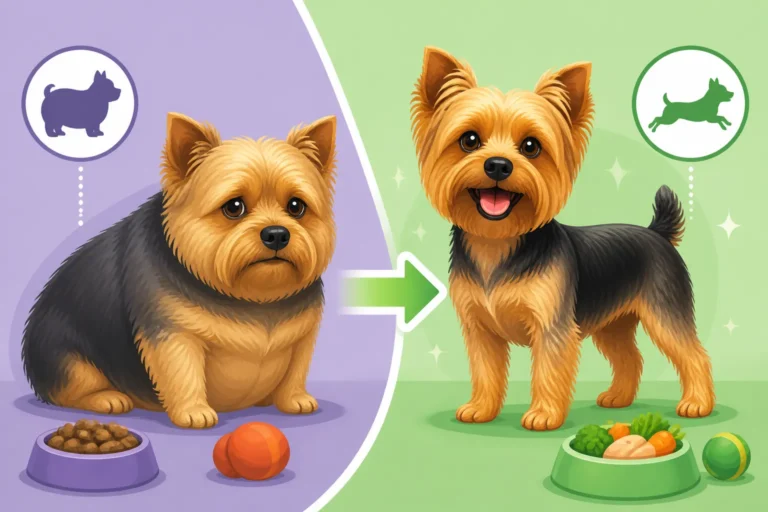
For weight management, whether your Yorkie needs to lose a few pounds or gain some, diet is key. Low-calorie, high-fiber diets can help overweight Yorkies feel full while consuming fewer calories. Conversely, for underweight Yorkies, a highly palatable, nutrient-dense food with a higher fat content can help them safely gain weight. Always consult your veterinarian before making significant dietary changes, especially if your Yorkie has an underlying health condition.
Disclaimer
The information provided in this article is for general informational purposes only and is not a substitute for professional veterinary advice. Always consult with a qualified veterinarian or veterinary nutritionist regarding your Yorkshire Terrier's specific dietary needs, health conditions, and any changes to their diet.