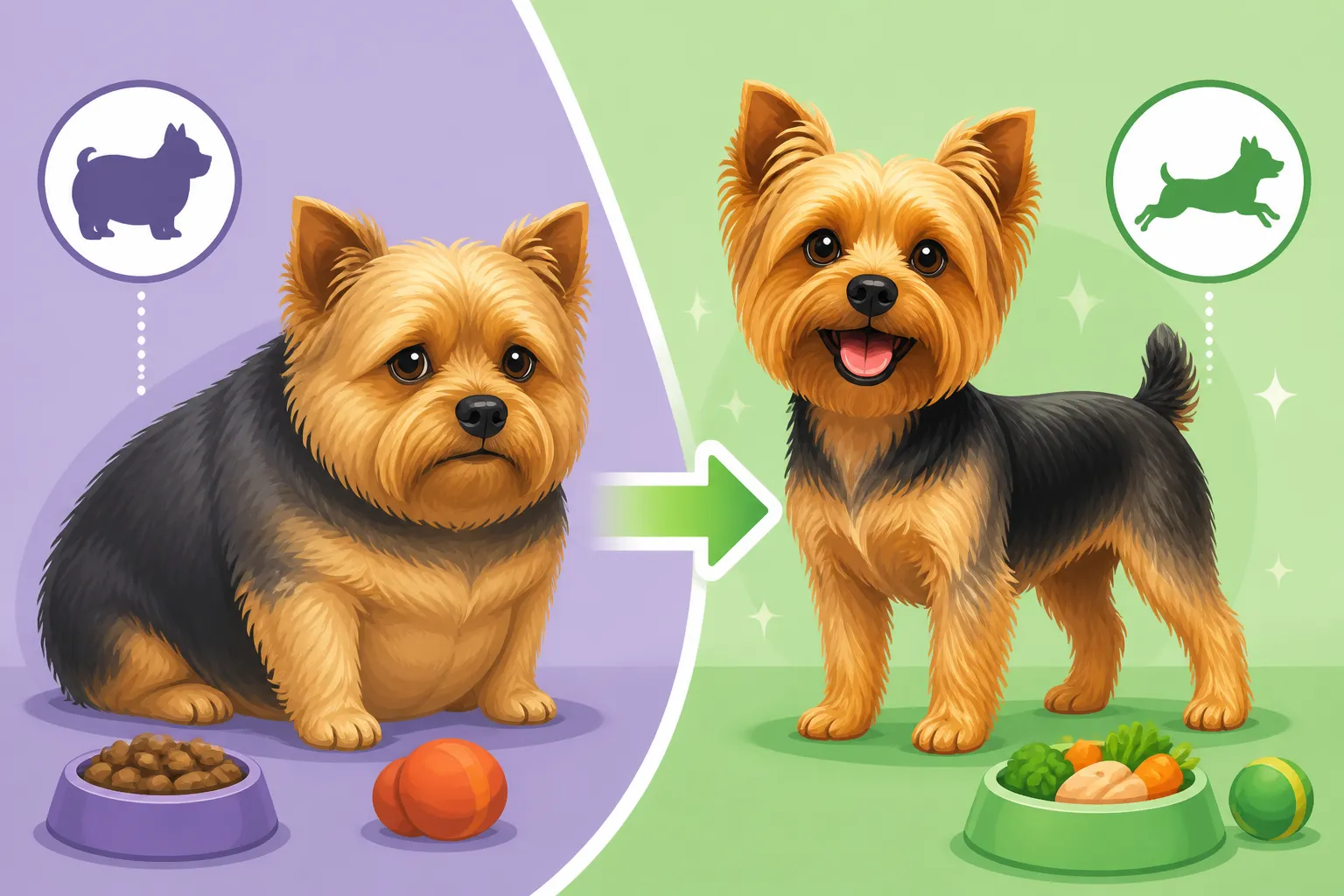
How to Slim Down an Overweight Yorkie
Yorkies might be small, but they sure do know how to pack on the pounds if we're not careful. It’s incredibly common for these little dynamos to gain a bit of extra weight, often without us even realizing it until it starts to affect their playful spirit or, worse, their health. If you've noticed your beloved Yorkshire Terrier looking a little rounder than usual or struggling with their usual zoomies, you’re not alone. This comprehensive guide is here to walk you through exactly how to safely and effectively slim down an overweight Yorkie, helping them regain their vitality and live their happiest, healthiest life.
Recognizing Your Yorkie's Weight Problem
It’s easy to think a little extra fluff on a small dog is cute, but for a Yorkshire Terrier, every ounce truly counts. These little companions are typically expected to weigh between 4 to 7 pounds (around 1.8 to 3.2 kg) when they’re fully grown. Some variations exist, of course; a robust male might lean towards the higher end, while a petite female might stay closer to the lower. The key isn’t just hitting a number, but understanding that this range is quite narrow, meaning that even a pound or two over can represent a significant percentage of their total body weight, placing undue stress on their tiny frames.
Think about it this way: if a human adult gained 20% of their body weight, we'd definitely notice. For a Yorkie, gaining just one pound could be a 15-20% increase! This seemingly small amount can lead to big problems. It's not about body shaming our fur babies, but about ensuring their longevity and quality of life. Knowing this ideal range is your first step in gauging if your little one is creeping into the "overweight" category. Remember that the goal is not to make them skinny, but lean and healthy.
Sometimes, especially with Teacup Yorkie: What to Know or even larger "standard" Yorkies, there's a misunderstanding of what a healthy weight looks like. Breeders might even market "chunky" puppies as robust, but a truly healthy Yorkie should have a trim physique. Regularly checking their weight at home with a small pet scale, or during vet visits, can give you an objective baseline to track against their ideal range.
Body Condition Scoring: A Visual Guide
Beyond just the numbers on a scale, a more holistic and often more accurate way to assess your Yorkie’s weight is through Body Condition Scoring (BCS). This method involves both looking at and feeling your dog to evaluate their fat reserves. Vets frequently use a 9-point scale, where 1 is emaciated and 9 is morbidly obese, with 4-5 being ideal. You can easily do a simplified version at home, which is incredibly useful because it accounts for individual variations in bone structure and muscle mass that a simple weight number might miss.
When you run your hands along your Yorkie’s sides, you should be able to feel their ribs without pressing too hard, almost like feeling the knuckles on the back of your hand. If you can’t easily feel them, or if there's a thick layer of fat, that’s a red flag. From above, your Yorkie should have a distinct waist, an hourglass shape where their body tucks in slightly behind the ribs. If they look more like a furry sausage or a barrel, with no discernible waist, it's a strong indicator of excess weight. Lastly, look at their belly: it should tuck up slightly when viewed from the side, not hang low or drag.
If you’re unsure, take a look at various online charts or even ask your vet to demonstrate. It's a skill that improves with practice, and it's far more informative than just stepping on a scale. Often, my clients tell me, "But he doesn't look that big!" until they learn how to properly assess the tuck and feel the ribs. For a more detailed look, you might want to check out information on Yorkie Weight: Healthy Range by Age which often includes visual guides to help you understand what a healthy Yorkie physique truly entails.
Health Risks Associated with Excess Weight
Let's be blunt: an overweight Yorkie isn’t just a "fluffy" Yorkie; it's a Yorkie at a significantly higher risk for a whole host of serious health issues. This isn't about vanity; it's about life quality and longevity. Extra weight places immense strain on their tiny joints, exacerbating conditions like Yorkshire Terrier Patellar Luxation: Signs and Care, a common knee problem in the breed, or even contributing to arthritis down the line. It's like asking a small child to carry a heavy backpack all day, every day – it takes a toll.
Beyond joint issues, obesity significantly increases the risk of metabolic diseases such as diabetes, which can be devastating and require lifelong management. It can also worsen respiratory problems, making conditions like Yorkshire Terrier Collapsing Trachea: Signs and Care more severe, leading to increased coughing and breathing difficulties, especially in warmer weather or during exertion. Overweight Yorkies also face a higher risk for certain cancers, heart disease, high blood pressure, and liver problems. It can even complicate routine procedures, as anesthesia is riskier for heavier dogs. This also highlights the importance of good Yorkshire Terrier Dental Care Guide, as dental issues can be exacerbated by overall poor health.
It’s a tough truth, but recognizing these risks is the driving force behind making a change. We want our Yorkies to be with us for as long as possible, living vibrant, pain-free lives. Addressing their weight is one of the most proactive and impactful steps you can take as a pet parent to prevent these heartbreaking health problems from developing or progressing. Being overweight is one of the biggest Yorkshire Terrier Health Problems to Know for this breed, and fortunately, it's one we can actively manage.
Crafting a Tailored Diet for Weight Loss
This is where many pet parents get overwhelmed. The market is flooded with dog food options, and finding the right one for weight loss can feel like a daunting task. For an overweight Yorkie, you're generally looking for foods that are lower in calories and fat, but still high in protein and fiber. High protein helps maintain muscle mass during weight loss, while fiber helps your Yorkie feel full and supports healthy digestion. Avoid foods with excessive fillers, artificial ingredients, or a high carbohydrate content from grains like corn or wheat, which can contribute to weight gain.
Choosing the Right Food for Weight Management
Many reputable brands offer "weight management" or "light" formulas specifically designed for dogs needing to shed pounds. Look for ingredients lists that start with a quality animal protein (chicken, turkey, lamb, fish) and include wholesome vegetables and fruits. Sometimes, switching to a fresh food diet, like the meal plans offered by services such as Ollie, can be incredibly beneficial because these diets are often less processed and portion-controlled to your dog’s specific needs. Brands like Royal Canin or Hill's Science Diet also offer prescription weight loss formulas that your vet might recommend for more challenging cases. You can often find a great selection of these specialized foods on sites like Chewy or Amazon, making it convenient to compare ingredients and prices.
Always consult your veterinarian before making a drastic change to your Yorkie's diet. They can help you determine the exact caloric needs for safe weight loss, taking into account your dog's age, current weight, target weight, and any underlying health conditions. This personalized guidance is invaluable. For more detailed insights, exploring Best Dog Food for Yorkshire Terriers might give you additional perspectives on quality ingredients and reputable brands to consider.
Portion Control and Feeding Schedules
This might be the single most critical factor in your Yorkie's weight loss journey. It's not enough to just pick the right food; you have to feed the right amount. Many dog food bags give general guidelines, but these are often for active, ideally-weighted dogs, and can lead to overfeeding, especially for small, less active breeds like Yorkies. Remember, even a tablespoon too much twice a day can add up quickly for a tiny dog.
Your vet will likely recommend a specific daily caloric intake to aim for. Once you have that number, you'll need to measure your chosen food precisely. Don't eyeball it; invest in a digital kitchen scale to weigh out portions accurately, or use exact measuring cups rather than a scoop that might vary. Divide the total daily amount into two or three smaller meals. This prevents your Yorkie from getting overly hungry and can also help stabilize their blood sugar levels, which is especially important for smaller breeds prone to issues like Yorkie Hypoglycemia: Emergency Signs. Establishing a consistent feeding schedule is also helpful, allowing their digestive system to anticipate meals and helping to prevent begging.
Consider using slow feeder bowls if your Yorkie tends to gobble their food down too quickly. This can make them feel more satisfied with smaller portions by extending mealtime. Avoiding free-feeding (leaving food out all day) is absolutely essential when trying to manage weight. It's too easy for them to graze and consume far more calories than they need without you even realizing it. A strict feeding schedule is a cornerstone of How Much to Feed a Yorkshire Terrier for optimal health.
Smart Snacking and Treat Alternatives
For many of us, treats are a way to show affection, train, or just spoil our pups. But those tiny morsels add up! A single small dog biscuit can be equivalent to a human eating a donut when scaled to their body size. When your Yorkie is on a weight loss plan, treats need to be re-evaluated. This doesn't mean no treats at all, but rather being much smarter and more mindful about what and how much you give.
Swap out high-calorie commercial treats for healthier, low-calorie alternatives. Small pieces of plain, cooked chicken breast, green beans, carrots, or apple slices (without seeds) make excellent, guilt-free treats. Always check if human foods are safe for dogs before offering them. Even with healthy options, moderation is key. Calculate treats into their total daily caloric intake, ensuring you're not exceeding their daily allowance. You can even use a portion of their daily kibble as treats for training, which doesn't add any extra calories.
Consider puzzle toys or KONGs stuffed with a small amount of their regular food or a tiny bit of plain yogurt (if your dog tolerates dairy) to provide mental stimulation and a rewarding "snack" that lasts longer. This satisfies their desire for something extra without derailing their diet. For specific recommendations on healthier options, look into Best Low-Calorie Treats for Yorkies. Your Yorkie might protest at first, especially if they're used to richer treats, but with consistency, they'll learn to love their healthier options.
Implementing an Effective Exercise Routine
Exercise is the other half of the weight loss equation, but for a tiny Yorkie, it's not about marathon runs. It's about consistent, appropriate activity that burns calories and builds muscle without overexerting their small bodies or delicate joints. What works for a Labrador certainly won't work for a Yorkie! The key is to tailor the exercise to your individual dog's age, current fitness level, and any existing health concerns. A senior Yorkie with Yorkie Knee Problems Explained will have different needs than a spry young adult.
Tailoring Exercise to Your Yorkie's Needs
Start slowly, especially if your Yorkie has been largely sedentary or is significantly overweight. Just like with humans, sudden, intense exercise can lead to injury. Begin with short, gentle walks, perhaps just 10-15 minutes, two to three times a day. As their stamina improves and they start to lose weight, you can gradually increase the duration or intensity. The goal is to get their heart rate up a bit, but not to the point of heavy panting or exhaustion. Short bursts of play followed by rest are often more effective and safer for Yorkies than a long, continuous jog.
Pay close attention to your Yorkie during exercise. If they lag behind, start panting heavily, or show any signs of discomfort, it's time to rest. Always carry water for them on walks, especially in warmer weather, as small dogs can overheat quickly. Remember, consistency is more important than intensity when starting out. Regular, moderate activity is what truly helps them shed those pounds and improve their overall fitness. For general guidance on what's appropriate, see Yorkshire Terrier Exercise Needs.
Indoor Activities for Active Yorkies
Sometimes, weather, schedule, or your Yorkie's preference might make outdoor exercise less feasible. But that doesn't mean you can skip their daily activity! Many fantastic ways exist to get your Yorkie moving and burning calories right inside your home. These activities are particularly helpful for maintaining a consistent routine, regardless of external factors.
One of the simplest and most effective indoor exercises is a game of fetch in a hallway or a large room. Use soft, lightweight toys that are easy for them to pick up and carry. Even a gentle toss and retrieve can get their heart pumping. Another excellent option is hide-and-seek: hide small, healthy treats (as discussed earlier) around the house and let your Yorkie sniff them out. This engages both their body and their mind, providing valuable mental stimulation. Interactive toys, like those that dispense treats or require problem-solving, can also keep them entertained and moving. You can find a good selection of these on sites like Amazon.
Agility training at home with household items can also be fun and provide a great workout. Set up a mini obstacle course using pillows for jumps, a tunnel made from a blanket over chairs, or weave poles from PVC pipes. Just be mindful of their size and joint health, keeping jumps low and movements safe. Even chasing a laser pointer (though some debate its effectiveness for all dogs, it can get some Yorkies moving!) or simply having them follow you around the house with a peppy step can contribute to their daily activity goal.
Safe Outdoor Adventures and Playtime
While indoor activities are great, getting outside offers fresh air, new smells, and different terrain, which can be incredibly enriching for your Yorkie. However, their small size means you need to prioritize safety during outdoor adventures. Always use a well-fitting harness rather than a collar, as Yorkies are prone to tracheal issues like Yorkshire Terrier Tracheal Collapse: Signs and Care, and a collar can put dangerous pressure on their delicate necks.
Daily walks are paramount. Aim for at least 20-30 minutes, split into two or three sessions if your Yorkie's stamina allows. Explore different routes in your neighborhood to keep things interesting. Let them sniff and investigate—this "sniffing time" is mentally stimulating and contributes to their overall energy expenditure. Dog parks can be an option, but extreme caution is advised. Only introduce your Yorkie to other small, gentle dogs, and always supervise interactions closely. Larger, boisterous dogs, even if friendly, can accidentally injure a tiny Yorkie.
Consider short hikes on easy trails, especially if you have a dog backpack or stroller for when their little legs get tired. This allows them to experience nature safely. Remember, pavement can get very hot and hurt their paw pads, so always check the temperature of the asphalt with your hand. Early morning or late evening walks are often best during warmer months. During colder weather, a warm dog sweater or jacket is essential to prevent them from getting too cold. Making outdoor time enjoyable and safe will encourage more consistent exercise.
Overcoming Weight Loss Challenges and Maintaining Success
Yorkies, bless their little hearts, can sometimes be both picky eaters and champion beggars. These traits can make a weight loss journey feel incredibly frustrating. If your Yorkie turns their nose up at their new, healthier food, don't immediately give in and offer their old, higher-calorie option. Dogs are masters of training us! Offer the new food, leave it down for 15-20 minutes, and if they don't eat it, pick it up until the next mealtime. A healthy dog won't starve themselves, and they'll eventually eat what's offered when truly hungry. Consistency is key here.
Dealing with a Picky Eater or Beggar
For the expert beggars, this is where your resolve will be tested. Those big, pleading eyes can melt even the sternest heart. But remember the health risks we discussed earlier. Establish a strict rule: no human food scraps, ever. Period. Even tiny bits of table food are often far too rich and calorie-dense for a Yorkie’s diet. Instead, redirect their begging with a healthy, low-calorie treat you’ve already portioned out for the day, or by initiating a short play session. This teaches them that begging doesn't get them human food, but other positive interactions.
Ensure everyone in the household, and even visitors, is on board with the new rules. A single softie can undermine weeks of hard work. Communication with family members about Is My Yorkie Overweight is crucial for consistency. If you're struggling, talk to your vet about strategies or consider consulting a professional dog trainer specializing in behavior modification.
Monitoring Progress and Adjusting the Plan
Weight loss is rarely a straight line, and your Yorkie’s journey will likely have its ups and downs. Regular monitoring is essential to ensure the plan is working and to make necessary adjustments. Weigh your Yorkie once a week, ideally at the same time of day (e.g., before their first meal) using the same scale. Keep a log of their weight, food intake, and exercise. This data will be invaluable.
Don’t get discouraged by small fluctuations or plateaus. If your Yorkie isn't losing weight after a few weeks, or if the loss is too slow (aim for 1-2% of their body weight per week, which for a Yorkie might be just a few ounces), it's time to re-evaluate. You might need to slightly reduce their caloric intake further, increase their exercise, or even explore different food options. This is another moment to consult your vet. They might suggest a different prescription diet or check for underlying medical conditions that could be hindering weight loss, such as How to Prevent Pancreatitis in Yorkies, which can be linked to diet, or other hormonal imbalances.
Conversely, if your Yorkie is losing weight too rapidly, you might need to slightly increase their food portion to ensure safe, steady progress. The goal is sustainable weight loss, not a crash diet. Consistent monitoring helps you stay on track and celebrate those small victories, like when you can finally feel those ribs more easily or see that subtle waistline returning.
Long-Term Weight Management and Lifestyle Changes
Once your Yorkie reaches their ideal weight, the journey isn't over; it transitions into maintenance. This means the healthy habits you've built — careful portion control, nutritious food choices, and regular exercise — become their new normal. It’s not a temporary fix but a permanent lifestyle change for both of you. You might need to slightly increase their caloric intake from their weight loss diet to maintain their new, healthy weight, but this will still be a far cry from their previous eating habits.
Continue to monitor their weight regularly, perhaps once or twice a month, to catch any creeping pounds before they become a significant issue. Adjust their food and exercise as needed, considering changes in their age, activity level, or health. For example, a Yorkshire Terrier Senior Care Guide will highlight different nutritional needs and exercise capacities as they age. Don't fall back into old habits, as it's far easier to prevent weight gain than to lose it again.
This long-term commitment is an act of love. By maintaining their healthy weight, you are significantly improving their chances of a longer, happier, and healthier life, free from the burdens that excess weight can bring. It’s a commitment to their well-being, ensuring they can continue to be your energetic, loving companion for many years to come.
Here's a quick comparison of body condition scores:
| Body Condition Score (BCS) | Appearance | Ribs/Spine/Waist Feel | Recommendations |
|---|---|---|---|
| 1-3 (Underweight) | Ribs, spine, hip bones visible; no fat. | Easily palpable, sharp; bones protrude. | Increase caloric intake; consult vet for health check. |
| 4-5 (Ideal) | Ribs palpable with slight fat cover; visible waist. | Easily palpable with minimal fat; waist clearly visible. | Maintain current diet and exercise routine. |
| 6-7 (Overweight) | Ribs palpable with difficulty; waist absent/minimal. | Requires pressure to feel; moderate fat cover; slight waist. | Reduce calories; increase exercise; monitor closely; consult vet. |
| 8-9 (Obese) | Ribs not palpable; no waist; abdominal distention. | Cannot feel ribs; heavy fat cover; no waist; belly distended. | Significant caloric restriction; structured exercise; vet supervision critical. |
Remember, this is a general guide. Your vet's assessment is always the most accurate, especially when paired with a good understanding of Yorkie Feeding Schedule by Age to ensure proper nutrition at every life stage.
Disclaimer
This article is intended for informational purposes only and is not a substitute for professional veterinary advice, diagnosis, or treatment. Always seek the advice of your veterinarian or other qualified health provider with any questions you may have regarding a medical condition or treatment plan for your Yorkshire Terrier.