How Often to Bathe a Yorkie Puppy
Bringing home a tiny Yorkshire Terrier puppy is an absolute joy, but it also comes with a lot of questions, especially when it comes to their delicate grooming needs. One of the most common dilemmas new Yorkie parents face is figuring out just how often they should be bathing their little furball without causing more harm than good. You want your puppy to be clean and smell fresh, but you're also worried about stripping their skin of natural oils or causing irritation. This comprehensive guide is here to walk you through everything you need to know about establishing a safe and effective bathing routine for your adorable Yorkie puppy, ensuring their skin stays healthy and their coat remains gloriously soft.
Understanding Your Yorkie Puppy's Skin and Coat Needs
Yorkie puppies, with their signature long, silky coats, are a bit different from many other breeds. Their hair isn't like typical dog fur; it's more akin to human hair, which means it requires specific care to stay healthy and vibrant. Understanding these unique characteristics is the first step in setting up a proper bathing schedule.
The Delicate Nature of Puppy Skin and Coat
A Yorkie puppy's skin is incredibly delicate and sensitive, especially when they are very young. It’s thinner and more prone to irritation than an adult dog's skin. This sensitivity means that harsh chemicals, overly hot water, or even too frequent bathing can easily disrupt their skin's natural pH balance. When this balance is thrown off, you might notice dryness, flakiness, or even a dullness to their coat. The goal is to nurture this delicate balance, not strip it away.
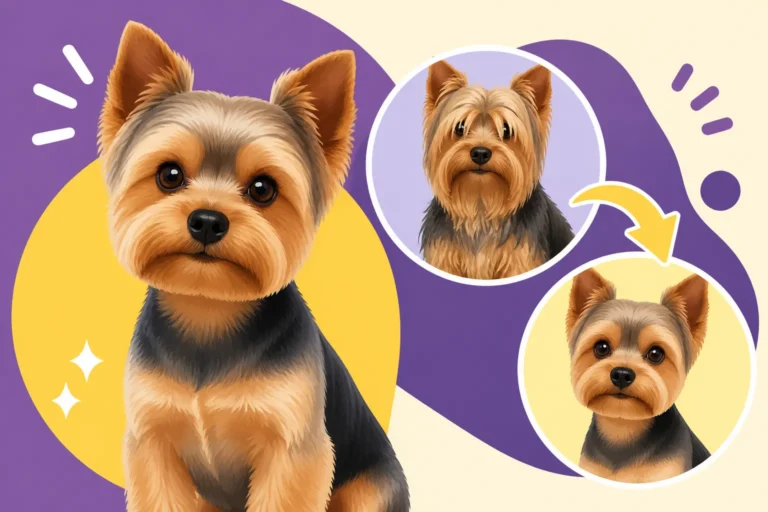
Their coat, which starts as a dark black and tan, gradually lightens and softens over the first year or two, developing into the characteristic steel blue and rich tan of an adult Yorkie. This fine, single coat lacks an undercoat, making it prone to tangles and mats if not properly maintained. The texture also means that dirt and debris can cling more easily, yet paradoxically, over-washing can make it brittle and more susceptible to damage. It's a fine line to walk, and getting it right from puppyhood sets the foundation for a lifetime of a beautiful, healthy coat. You can dive deeper into the general care of their coat in our detailed Yorkshire Terrier Grooming Guide.
Why Over-Bathing is a Problem
It’s tempting to bathe a puppy frequently, especially when they're exploring and getting into mischief. However, over-bathing your Yorkie puppy can lead to a host of problems. The most significant issue is the stripping of natural oils. These oils, produced by your puppy's sebaceous glands, are vital for keeping their skin moisturized and protected, and their coat shiny and supple. When these oils are repeatedly washed away, their skin can become dry, itchy, and irritated, leading to discomfort and potentially more serious skin conditions.
Moreover, a compromised skin barrier can make your puppy more susceptible to bacterial or fungal infections. Think of it like washing your own hair too often with harsh shampoo – it becomes dry, brittle, and your scalp might get itchy. The same principle applies to your Yorkie. The coat itself can suffer too; it might become dry, dull, and much more prone to tangling and matting. Rather than having that flowing, silky mane, you could end up with a brittle, frizzy mess that’s harder to manage. This is why finding the perfect balance is absolutely essential for your little one's well-being.
Establishing the Right Bathing Frequency for Your Yorkie Puppy
Determining the "right" bathing frequency isn't a one-size-fits-all answer. It's a blend of general guidelines tailored to your specific puppy's needs and lifestyle. The goal is cleanliness without compromising their natural skin and coat health.
General Guidelines for Yorkie Puppy Baths
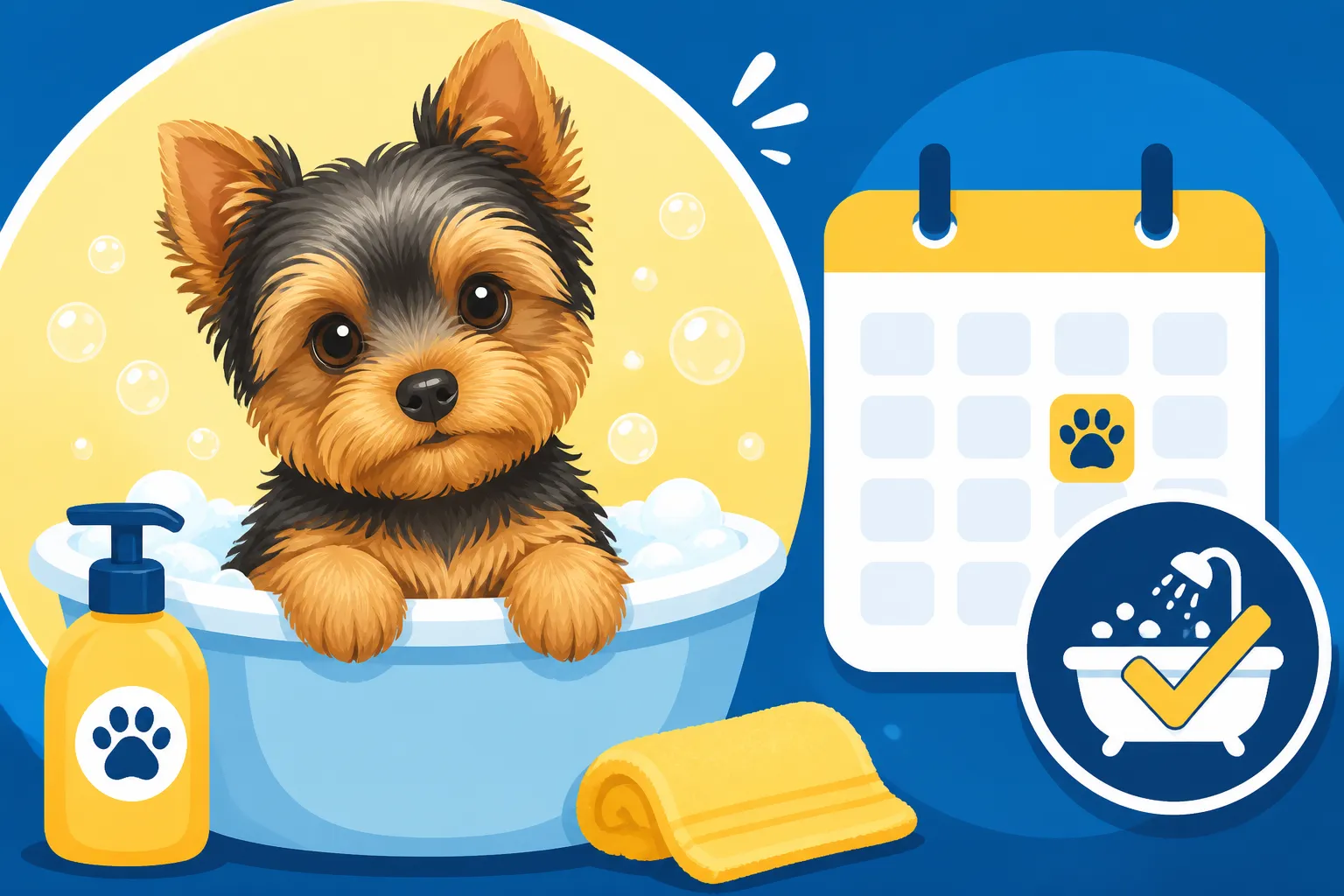
For most Yorkshire Terrier puppies, a good starting point is to aim for a full bath every two to four weeks. This frequency typically allows enough time for natural oils to replenish while keeping their coat clean and free of excessive build-up. However, this is just a guideline. A puppy under 8-10 weeks old, for example, might only need a quick sponge bath if they get particularly messy, or just a gentle wipe-down. Very young puppies regulate their body temperature less effectively, and a full bath can make them too cold, so it's best to keep it minimal and quick.
Always remember that consistency in routine is often more important than rigid adherence to a calendar date. If your puppy typically stays indoors and isn't prone to getting overly dirty, leaning towards the longer end of the 3-4 week spectrum is perfectly fine. Conversely, a more adventurous pup might need a bath closer to the two-week mark. You’ll become more attuned to your specific puppy's needs as you spend more time with them.
Factors That Influence Bathing Frequency
Several factors can and should influence how often you decide to bathe your Yorkie puppy. Being mindful of these will help you adjust your routine for optimal health and cleanliness.
Activity Level and Environment
A Yorkie puppy who spends most of their time indoors, perhaps enjoying plush beds and gentle play, will naturally stay cleaner than a puppy who loves to explore the backyard, dig in the garden, or romp in grassy parks. If your little one, let’s call him "Buster," is an avid outdoor adventurer, you might find his coat accumulates more dirt, leaves, or even mud. In Buster's case, a bath every two weeks might be more appropriate. On the other hand, a more reserved "Daisy," who prefers indoor cuddles and only short, clean walks, might easily go three to four weeks between full baths. Always consider what your puppy gets into on a daily basis.
Coat Condition and Length
The length and condition of your Yorkie puppy's coat are significant indicators. If their hair is growing long and prone to tangling, or if it feels greasy and heavy, these are signs that a bath might be due. A longer coat, especially if not brushed daily, can trap more debris and become matted more easily. Mats, if not brushed out before a bath, can tighten and become even harder to remove after washing. Regularly brushing your Yorkie’s coat, perhaps even daily, is crucial for preventing mats and can extend the time needed between baths. Our guide on How to Brush a Yorkie's Coat offers excellent tips for this essential maintenance.
Allergies or Skin Sensitivities
Some Yorkie puppies may develop allergies or have particularly sensitive skin. In these cases, your veterinarian might recommend a specific bathing schedule, perhaps more frequent with medicated shampoos, or less frequent if their skin is easily irritated. Always consult your vet if you notice persistent itching, redness, flaky skin, or any unusual odors. They can help identify underlying issues and recommend appropriate products. For instance, if your puppy has allergies, a soothing oatmeal-based shampoo might be recommended, and you can find many high-quality options on platforms like Chewy or Amazon. Recognizing Yorkie Skin Problems and Solutions early can make a big difference in their comfort.
The Step-by-Step Guide to Bathing Your Yorkie Puppy Safely and Effectively
Bathing your Yorkie puppy doesn't have to be a dreaded chore. With the right preparation and a gentle approach, it can even become a bonding experience. The key is to make it as positive and stress-free as possible for your little one.
Gathering Your Supplies
Before you even think about turning on the water, gather all your supplies. There's nothing worse than having a wet, slippery puppy and realizing you forgot the towel!
You'll need:
- Puppy-specific shampoo and conditioner: Look for tear-free, mild formulas. Products from brands like Earthbath, Bio-Groom, or Burt's Bees are often gentle and readily available on sites like Chewy.
- Two large, soft towels: One for initial drying, another for wrapping up.
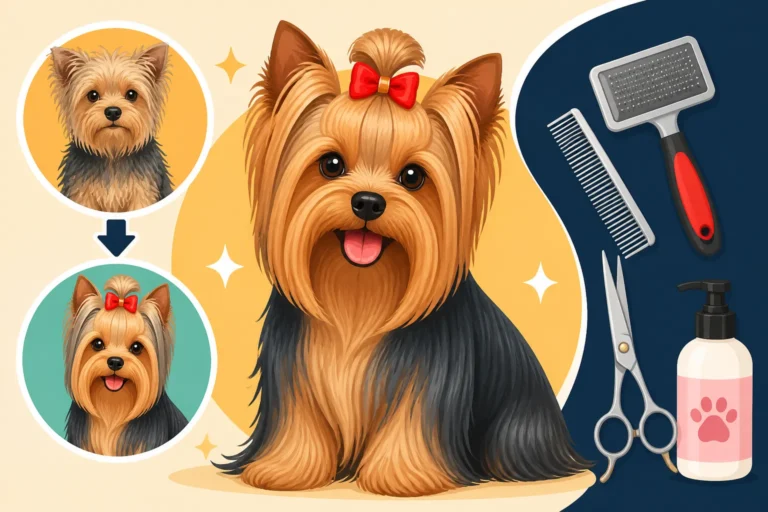
- A slicker brush and a metal comb: Essential for pre-bath detangling.
- Cotton balls: To gently plug their ears to prevent water from entering, reducing the risk of ear infections.
- A non-slip mat: For the bottom of the tub or sink, to prevent slips and make your puppy feel more secure.
- Treats: Small, high-value treats for positive reinforcement.
- A low-heat blow dryer (optional but recommended): Specifically designed for pets, or a regular dryer on the cool/low setting.
Having everything within arm's reach will make the process much smoother for both you and your puppy. You can find comprehensive lists and reviews for grooming tools in our How to Groom a Yorkshire Terrier at Home article.
The Bathing Process from Start to Finish
Once you have your supplies, you're ready to begin. Remember to speak in a calm, soothing voice throughout the entire process.
Pre-Bath Preparation
This step is absolutely critical, especially for a Yorkie's fine hair. Before any water touches your puppy, thoroughly brush their entire coat with a slicker brush, followed by a metal comb to check for any hidden tangles or mats. If you skip this step, water will tighten any existing mats, making them nearly impossible to remove without cutting them out, which can be painful for your puppy. Pay special attention behind the ears, under the legs, and around the tail. Once their coat is free of tangles, gently place cotton balls in their ears to prevent water from getting in, which can lead to uncomfortable ear infections.
Water Temperature and Location
Choose a safe, confined space for the bath – a kitchen sink with a sprayer works wonderfully for small puppies, or a small laundry tub. Ensure the water is lukewarm, like a baby's bath. Test it on your inner wrist; it should feel pleasant, not hot or cold. Place your non-slip mat in the basin. Gently introduce your puppy to the water, starting with their paws, and continuously offer praise and a few small treats to build a positive association.
Washing Technique
Once your puppy is comfortable in the water, wet their coat thoroughly, working from neck to tail, being careful to avoid their face. Apply a small amount of puppy-specific shampoo, such as one recommended in our Best Shampoo for Yorkshire Terriers guide. Lather gently, massaging the shampoo into their coat and skin with your fingertips. Again, work from neck down, avoiding the eyes and inside the ears. For their face, use a damp washcloth with a tiny bit of shampoo, gently wiping away any dirt, then rinsing with a clean damp cloth.
Rinsing Thoroughly
This might be the most important part! Residual shampoo can irritate your puppy's skin and cause flakiness. Rinse, rinse, and rinse again. Continue rinsing until the water runs completely clear and you can no longer feel any slipperiness from the shampoo. Imagine you're rinsing your own hair – you want it squeaky clean. This step takes patience, but it's crucial for preventing skin irritation.
Conditioning and Final Rinse
After rinsing out the shampoo, apply a small amount of puppy-specific conditioner. Work it through their coat, allowing it to sit for the recommended time (usually a minute or two). Conditioner helps to moisturize their delicate hair, making it softer, shinier, and easier to brush, which is essential for preventing mats in their long coats. Rinse the conditioner out just as thoroughly as the shampoo, ensuring no residue remains.
Drying Process
Once rinsing is complete, gently lift your puppy out and immediately wrap them in a soft, absorbent towel. Blot their coat rather than rubbing vigorously, as rubbing can cause tangles. Once they're mostly towel-dry, you can use a pet-specific blow dryer on a low, cool setting, or a regular hairdryer on its lowest heat and speed. Keep the dryer moving constantly, holding it several inches away from their skin, to prevent any hot spots. Simultaneously, brush their coat with a slicker brush as you dry, to help straighten the hair and prevent tangles. Continue until they are completely dry, as dampness can lead to skin irritation or chills, especially for a small breed like a Yorkie.
Post-Bath Care and Maintenance
The bath isn't over when the water is off! Post-bath care is just as vital for your puppy's comfort and health.
After your Yorkie puppy is thoroughly dry, give them another gentle brush-through to ensure there are no lingering tangles. This is also a good time to tend to other grooming needs. Gently clean their ears with a veterinarian-approved ear cleaner on a cotton ball – never use Q-tips. You can also carefully trim their nails if needed; our guide on How to Trim a Yorkie's Nails provides detailed instructions. Make sure to reward your puppy with praise, cuddles, and their favorite treats for being so brave and cooperative.
Between baths, regular daily brushing is your best friend for maintaining their coat. This helps prevent mats, distributes natural oils, and keeps their hair clean. Incorporating this into their daily routine, along with general hygiene like keeping their face and sanitary areas clean, will significantly contribute to their overall health and reduce the need for more frequent full baths. Think of it as a comprehensive approach to How to Keep a Yorkshire Terrier Healthy.
When to Deviate from the Routine and Seek Professional Help
While a consistent bathing schedule is important, there will be times when you need to adjust or seek professional intervention. Life with a puppy is full of surprises, after all!
Urgent Bathing Situations
Sometimes, a bath just can’t wait for the calendar. If your Yorkie puppy rolls in something particularly stinky or dirty (think mud, garbage, or even something more unpleasant), or if they get into something potentially irritating or toxic, an immediate bath is necessary. In these "emergency" situations, focus on using a gentle, puppy-safe shampoo and rinse thoroughly to remove the offending substance. If there's any concern about toxic exposure, contact your vet before bathing to ensure you're not inadvertently spreading an irritant or making the situation worse.
Similarly, if your vet recommends a medicated bath for a specific skin condition, fleas, or fungal infection, you'll need to follow their instructions, which might involve more frequent bathing for a short period. Always prioritize veterinary advice in such scenarios.
Recognizing Skin or Coat Problems
Your puppy's skin and coat are good indicators of their overall health. If you notice persistent scratching, redness, excessive flaking, unusual bumps, scabs, or a dull, greasy, or dry coat despite proper bathing, it's time to consult your veterinarian. These can be signs of allergies, parasites, infections, or other underlying health issues that require medical attention. Do not attempt to self-diagnose or treat with over-the-counter products without veterinary guidance, as you could worsen the problem. A healthy Yorkie puppy should have clear skin, free from redness or irritation, and a soft, shiny coat. Being aware of Common Yorkie Puppy Illnesses can help you identify when something isn't quite right.
The Role of Professional Grooming
Even if you prefer to bathe your Yorkie puppy at home, there's immense value in professional grooming. Professional groomers have specialized tools, expertise, and often, high-quality products that can give your Yorkie a thorough cleaning and a perfect trim. For puppies, early positive experiences with a professional groomer can make future grooming sessions much easier. A groomer can also identify potential skin or coat issues that you might miss. Many puppy owners take their Yorkie for their first professional groom around 12-16 weeks of age after they've had their initial vaccinations. They can handle tricky areas like face trims, sanitary clips, and even special coat treatments. Choosing a reputable groomer, perhaps one recommended by your vet or fellow Yorkie owners in your area (like those in Dallas or San Diego, for example), can be a huge asset to your puppy's grooming routine and overall well-being.
Yorkie Puppy Bathing Frequency Overview
Here's a quick summary to help you determine the best bathing frequency for your individual Yorkie puppy:
| Factor | Recommended Bathing Frequency | Considerations |
|---|---|---|
| Typical Yorkie Puppy (Indoor, moderate activity) | Every 2-4 weeks | Maintain natural oils, prevent dryness. |
| Very Young Puppy (Under 10 weeks) | As needed (spot cleaning) | Delicate skin, temperature regulation. Avoid full baths unless absolutely necessary. |
| Active/Outdoor Puppy (prone to dirt) | Every 2 weeks | More exposure to dirt and debris. |
| Long/Mat-prone Coat | Every 2-3 weeks, with daily brushing | Prevents matting, keeps coat manageable. Regular brushing is key. |
| Skin Sensitivities/Allergies | Vet-recommended schedule | May require special shampoos or more/less frequent baths based on condition. |
| Foul Odor/Visible Dirt | Immediately (spot clean or full bath) | Address immediate cleanliness needs. |
Remember, this table provides general guidance. Always observe your puppy's individual needs and consult your vet for specific concerns.
Disclaimer
The information provided in this article is for general informational purposes only and does not constitute veterinary advice. Always consult with a qualified veterinarian for any health concerns or before making any decisions about your pet's health or treatment.