How to Keep a Yorkie Smelling Fresh
It’s a scenario many Yorkie parents know all too well: you’ve just cuddled your adorable little companion, only to catch a whiff of something less-than-fresh. Despite their charming appearance, Yorkshire Terriers can sometimes develop a distinct odor, leaving you wondering what went wrong and how to fix it. This comprehensive guide is here to walk you through the common culprits behind a smelly Yorkie and provide actionable steps to keep your beloved furry friend smelling wonderfully clean and fresh, day in and day out.
Understanding Why Your Yorkie Might Not Smell So Fresh
Before we dive into solutions, it’s important to understand why your Yorkie might be developing an unpleasant smell. It’s rarely just about needing a bath; often, there are underlying reasons, both health-related and environmental, that contribute to their scent. Ignoring these could mean the smell keeps returning, no matter how often you try to wash it away.
Common Causes of Odor in Yorkies
Yorkies, like all dogs, can be prone to specific issues that manifest as odors. These aren't just minor nuisances; they often signal something needs attention.
Dental Issues
One of the most frequent culprits behind bad breath, and sometimes a general "stinky dog" smell, is poor dental hygiene. Yorkies are particularly susceptible to dental disease due to their small mouths and crowded teeth. Plaque and tartar can build up rapidly, leading to gum inflammation, infections, and even tooth decay. This creates a breeding ground for bacteria, which release volatile sulfur compounds—the same stuff that causes bad breath in humans. If you notice a really strong, foul odor coming from your Yorkie's mouth, it's a huge red flag.
Imagine your Yorkie, usually so eager for kisses, suddenly turning their head away, or you catching a whiff of something truly offensive when they yawn. This isn't just unpleasant; it's a sign of a potential oral infection that could impact their overall health. Regular dental care is non-negotiable for these little guys. You can find more detailed information in our guide on Yorkshire Terrier Dental Care Guide.
Skin and Coat Problems
A Yorkie’s beautiful, silky coat is one of their most distinctive features, but it also requires diligent care. This long, fine hair can easily trap dirt, pollen, and environmental allergens, which can lead to skin irritation or even infections. If the skin beneath the coat becomes inflamed, yeasty, or bacterial, it will certainly produce an odor. Excessive scratching, redness, or greasy patches of fur are clear indicators.
Sometimes, allergies can manifest as skin problems, causing itchiness and leading your Yorkie to scratch and lick excessively. This can break the skin barrier, allowing bacteria or yeast to take hold, resulting in a musty or sickly sweet smell. Even just a neglected coat that’s matted can trap moisture and debris close to the skin, fostering bacterial growth and a less-than-pleasant aroma.
Ear Infections
Yorkies' ears, though often covered by their long hair, are another common source of odor. Moisture, wax, and debris can easily get trapped in the ear canal, especially if the hair inside the ears isn't regularly plucked or trimmed. This warm, dark, and humid environment is perfect for yeast and bacteria to flourish, leading to painful infections and a distinctive, often yeasty or pungent smell.
You might notice your Yorkie shaking their head, scratching their ears frequently, or tilting their head to one side. Upon closer inspection, the inside of their ears might look red, swollen, or have a dark, waxy discharge. If you smell something distinctly unpleasant coming from their ears, it’s definitely time to investigate and probably visit the vet. Learning How to Clean a Yorkie's Ears properly can be a game-changer for prevention.
Anal Gland Issues
This is often the most unpleasant smell and usually the most alarming for pet parents. Dogs have two small anal glands located on either side of their anus, which typically express naturally when they defecate. These glands contain a strong-smelling, fishy liquid that helps them mark their territory. However, if these glands don't express properly, they can become impacted, infected, or even rupture, leading to a truly foul, fishy odor.
You might notice your Yorkie scooting their rear end across the floor, licking excessively at their behind, or suddenly emitting a terrible smell that seems to come from nowhere. This is a common issue for smaller breeds and definitely requires veterinary attention, as impacted glands can be quite painful.
Diet and Digestion
What goes in often comes out, not just in terms of waste, but also in overall body odor. A poor-quality diet, or one that doesn't agree with your Yorkie, can lead to digestive upset, excessive flatulence, and even skin issues that contribute to a general "off" smell. Ingredients that are hard to digest or cause allergic reactions can wreak havoc on their system, impacting their gut health and, subsequently, their scent.
For instance, some Yorkies might have sensitivities to certain proteins or grains, leading to digestive issues and skin irritation. If your Yorkie is regularly gassy or has loose stools, it might be contributing to their overall body odor. Exploring Best Dog Food for Yorkshire Terriers can help you find a diet tailored to their needs.
Environmental Factors Contributing to Odor
It’s not always about internal health. Sometimes, the world your Yorkie lives in can contribute significantly to their scent.
Bedding and Toys
Think about it: your Yorkie spends a good portion of their day lounging on their bed, snuggling with their favorite toys, and rubbing against furniture. All the oils, dander, and small bits of dirt that come off their coat, even when clean, transfer to these items. Over time, these soft furnishings can accumulate a surprising amount of grime and odor-causing bacteria, creating a stale or "doggy" smell that quickly transfers back to your freshly bathed Yorkie.
It’s a common cycle: you bathe your pup, they jump on their favorite unwashed bed, and within hours, they don’t smell quite as fresh anymore. The same goes for toys, especially plush ones that get slobbered on and dragged around.
Outdoor Exposure
Yorkies love to explore, and their long, low-to-the-ground coats can act like little dust mops. Whether they’re rolling in grass, sniffing around bushes, or encountering puddles, they’re picking up environmental odors and debris. Pollen, dust, mud, and even other animals' scents can cling to their fur.
Even a short walk can bring back all sorts of smells from the outside world. If your Yorkie loves to roll in something particularly smelly – like goose poop or other delightful outdoor finds – that fresh bath might not last long at all without a quick rinse or localized cleaning.
The Ultimate Freshness Routine: Head to Tail Care
Now that we understand the sources of those pesky odors, let’s talk about a proactive, comprehensive routine to keep your Yorkie smelling delightful. This isn't just about masking smells; it's about addressing the root causes through consistent, loving care.
Bathing Your Yorkie for Maximum Cleanliness
Bathing is obviously a crucial component, but there's a right way and a wrong way to do it. Simply getting them wet and soapy isn't enough; you need to ensure a thorough clean that addresses their specific coat type.
Choosing the Right Shampoo
Selecting the proper shampoo is paramount for Yorkies. Their skin can be sensitive, and their long coat requires a formula that cleans effectively without stripping natural oils or causing irritation. Look for shampoos specifically designed for dogs with sensitive skin or for long-haired breeds. Hypoallergenic, oatmeal-based, or gentle conditioning shampoos are often excellent choices. Avoid harsh chemicals, artificial fragrances, or human shampoos, which can upset their skin's pH balance and lead to dryness or irritation, ultimately contributing to skin problems and odor.
Brands like Earthbath, TropiClean, or even specific veterinary-recommended lines can be found readily on platforms like Chewy or Amazon. When considering the Best Shampoo for Yorkshire Terriers, prioritize ingredients that nourish the skin and coat. Some Yorkie parents even use a separate conditioner to help maintain their coat's silkiness and prevent tangles, which can also trap dirt and moisture.
Bathing Technique
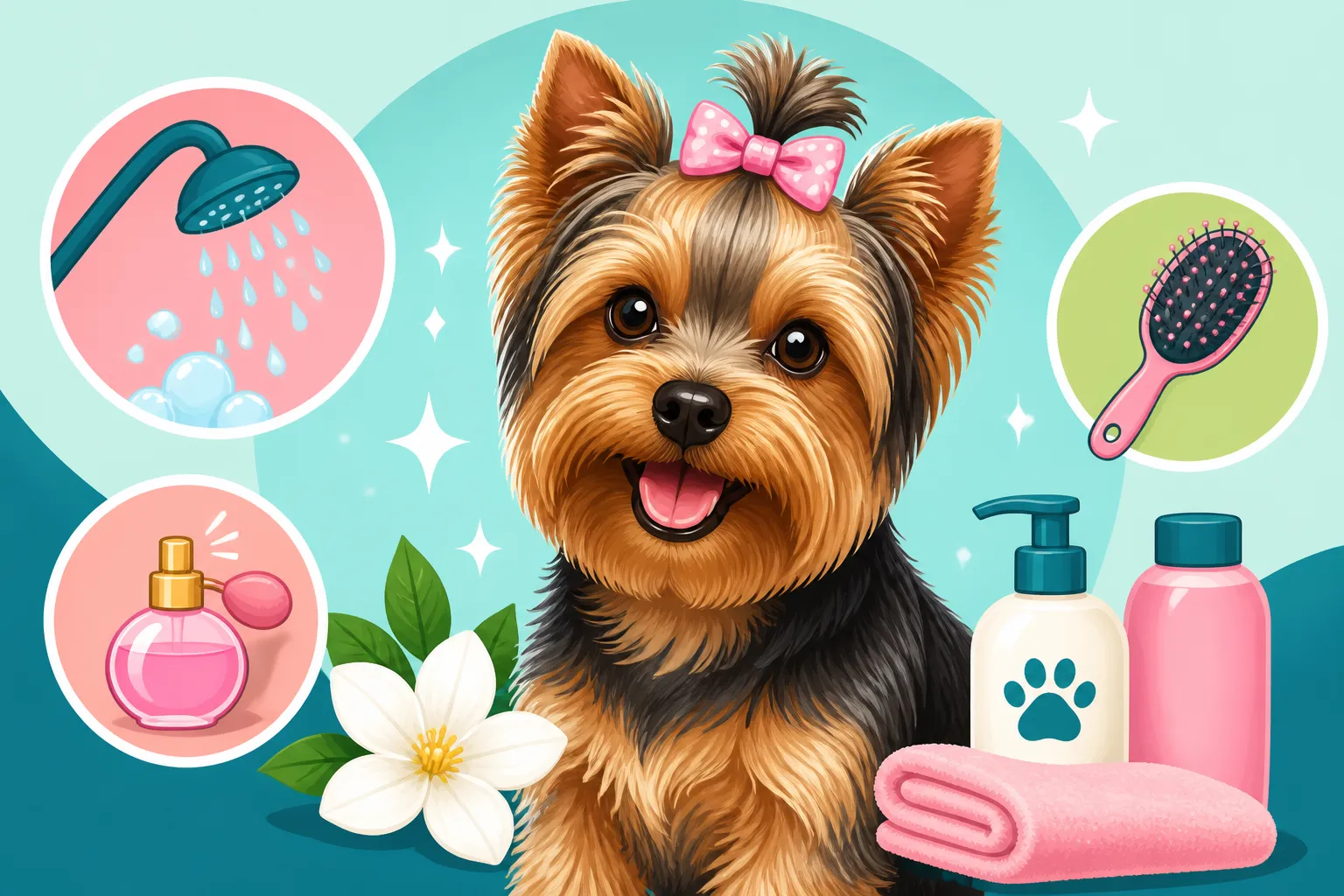
For a Yorkie, a proper bath involves more than just a quick scrub. First, thoroughly brush their coat before bathing to remove any loose hair and tangles. Wet them completely with lukewarm water, making sure to saturate their dense undercoat. Apply shampoo and work it into a rich lather, paying close attention to often-neglected areas like their belly, armpits, paws, and around their ears and tail. Gently massage the shampoo into their skin, allowing it to penetrate and lift dirt and oils.
After a thorough lathering, rinse, rinse, rinse! This is arguably the most important step. Any shampoo residue left on their skin can cause irritation, dryness, and a dull coat. Continue rinsing until the water runs clear and you can't feel any slickness on their fur. Once rinsed, gently squeeze excess water from their coat and blot them with a clean, absorbent towel. Follow up with a low-heat blow dryer, brushing as you go to prevent tangles and ensure their skin and coat are completely dry. Damp fur can quickly become a breeding ground for yeast and bacteria, leading to a musty smell. Our guide on How to Bathe a Yorkie has more detailed steps.
Daily and Weekly Grooming Habits
Beyond the bath, consistent daily and weekly grooming is essential for preventing odors and maintaining a healthy coat and skin.
Brushing and Detangling
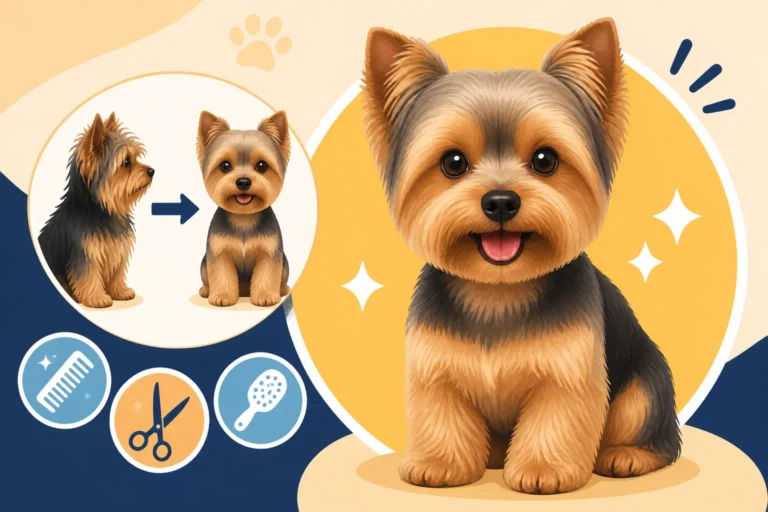
A Yorkie's long, flowing coat needs daily brushing to prevent mats and tangles. These aren't just cosmetic issues; mats can pull on the skin, causing pain and creating pockets where moisture and debris get trapped, leading to skin infections and odors. Use a slicker brush and a metal comb to work through their coat, ensuring you reach all the way down to the skin. Pay special attention to areas prone to matting, such as behind the ears, under the legs, and around their sanitary regions.
Daily brushing also distributes natural oils, keeps the coat clean, and allows you to inspect their skin for any unusual redness, bumps, or flaky patches that could indicate a problem. This consistent routine is key to keeping their coat healthy and fresh-smelling, and also helps minimize shedding around your home.
Dental Care
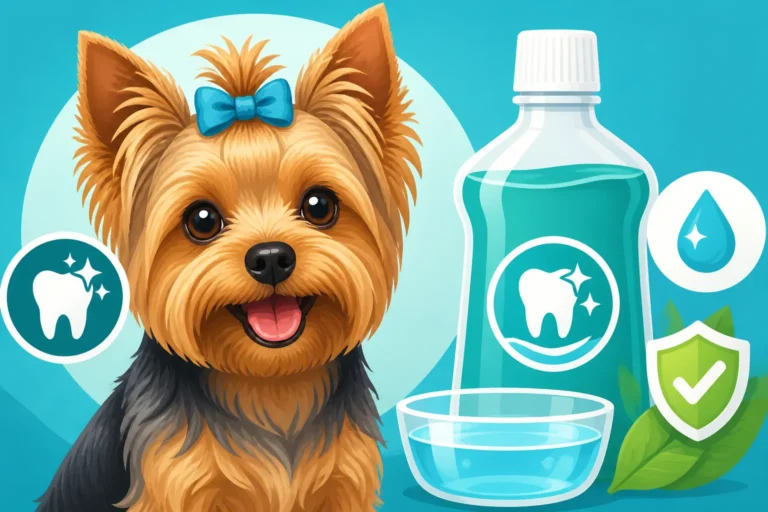
As we discussed, dental issues are a prime source of bad breath. To combat this, aim to brush your Yorkie’s teeth daily, or at least several times a week. Use a dog-specific toothbrush and enzymatic toothpaste (never human toothpaste). Start slow, making it a positive experience with praise and treats. Even a few seconds of brushing can make a significant difference in preventing plaque and tartar buildup.
In addition to brushing, dental chews or water additives can complement your routine, though they are not a substitute for brushing. Brands like Greenies or Virbac offer dental chews designed to help reduce plaque. You can find a good selection of these on Chewy or Amazon. For those wondering How Often Yorkies Need Dental Cleaning, it's more frequent than you might think, and preventative home care is your first line of defense.
Ear Cleaning
Regular ear cleaning helps prevent the buildup of wax and debris that can lead to infections and odor. Aim to clean your Yorkie's ears once a week, or more often if they are prone to ear issues or spend a lot of time outdoors. Use a veterinarian-approved ear cleaning solution and cotton balls or soft gauze. Never use cotton swabs, as they can push debris further into the ear canal or damage the eardrum.
Gently squirt the solution into the ear canal, massage the base of the ear for 30 seconds to help break up wax, then allow your Yorkie to shake their head. Finally, wipe away any loosened debris with cotton balls. If you notice any redness, discharge, strong odor, or if your Yorkie seems painful, consult your vet immediately, as these are signs of an active infection. Check out our guide on Yorkie Ear Infections: Prevention for more tips.
Paw and Sanitary Trims
These small but mighty grooming tasks make a big difference in cleanliness and odor control. Hair between your Yorkie’s paw pads can trap dirt, moisture, and even tiny pieces of debris, leading to discomfort and potential infections. Regularly trimming this hair helps keep their paws clean and prevents that "dirty paw" smell from permeating your home.
Similarly, maintaining a clean sanitary trim around their rear end is crucial. Long hair in this area can easily become soiled with urine or feces, leading to unpleasant odors and potential skin irritation. A quick, careful trim with blunt-nosed scissors or small clippers can prevent this common problem, ensuring they stay clean and fresh between baths.
Beyond the Bathtub: Lifestyle and Diet for a Fresh Yorkie
Keeping a Yorkie smelling fresh isn't solely about grooming tools and bath time; it’s a holistic approach that includes their diet and the cleanliness of their living space.
The Role of Diet in Odor Control
A healthy inside often translates to a healthy, better-smelling outside. The right nutrition is foundational.
High-Quality Food
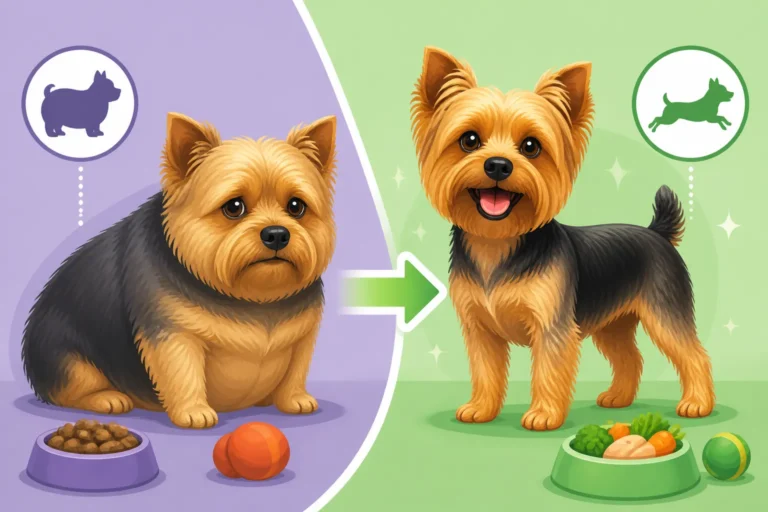
As mentioned earlier, diet plays a significant role in your Yorkie's overall health and, by extension, their odor. Feeding a high-quality, easily digestible dog food can significantly reduce flatulence, improve skin and coat health, and minimize unpleasant body odors. Look for foods with real meat as the first ingredient, healthy fats, and digestible carbohydrates. Avoid foods with excessive fillers, artificial colors, or by-products, as these can be difficult for small dogs to digest and may contribute to skin issues or digestive upset.
Consider brands that focus on natural ingredients, like those offered by Ollie, which provides fresh, human-grade dog food, or premium kibble brands available on Chewy. If your Yorkie has a sensitive stomach or allergies, a limited ingredient diet might be beneficial. Consulting with your veterinarian about the best food for your individual Yorkie can help address any diet-related odor concerns. Our article on Best Dog Food for Yorkshire Terriers offers an in-depth look at options.
Hydration
Adequate hydration is often overlooked but is vital for a healthy, odor-free dog. Water helps flush toxins from the body, supports healthy organ function, and contributes to overall skin health. Ensure your Yorkie always has access to fresh, clean water. Using a ceramic or stainless steel bowl, and cleaning it daily, helps keep the water appealing and free from bacterial film that can develop in plastic bowls.
If your Yorkie isn't a big drinker, you might consider adding a little low-sodium chicken broth to their water, or incorporating wet food into their diet to increase their water intake. Proper hydration can support a healthy digestive system and contribute to a healthier skin barrier, which are both key to preventing odors.
Maintaining a Clean Environment
Your Yorkie's personal space can quickly become a source of odor if not managed properly.
Regular Cleaning
To truly keep your Yorkie fresh, their environment needs to be just as clean as they are. This means regularly washing their bedding, blankets, and plush toys. Aim for at least once a week, or more frequently if they get particularly dirty or have accidents. Use a pet-safe, unscented detergent to avoid irritating their sensitive skin.
Vacuuming floors and furniture frequently, especially in areas where your Yorkie spends a lot of time, helps remove pet dander, loose hair, and dust that can contribute to stale odors. Wiping down hard surfaces with pet-safe cleaners can also prevent the buildup of oils and grime. Don’t forget their food and water bowls; wash these daily to prevent bacterial growth.
Air Quality
Good air quality in your home can also make a big difference. Open windows when possible to air out your home, especially on nice days. Consider using an air purifier with a HEPA filter to remove airborne allergens, dander, and odors. Avoid using strong air fresheners or scented candles, as these can be irritating to your Yorkie's sensitive respiratory system and only mask odors rather than eliminate them. Natural alternatives like baking soda, which can be sprinkled on carpets before vacuuming, or odor-absorbing charcoal bags, can be effective and pet-friendly solutions.
When to Call the Vet: Persistent Odors
Sometimes, despite your best efforts with grooming and environmental maintenance, a persistent or unusual odor simply won't go away. This is a clear signal that it’s time to consult your veterinarian.
Identifying Underlying Health Issues
If you’ve been diligent with bathing, grooming, and cleaning their environment, and your Yorkie still smells bad, it’s highly likely there’s an underlying medical condition. These can range from chronic skin allergies and infections to more serious internal issues. A vet can properly diagnose the problem, which might include skin scrapings, ear swabs, blood tests, or a thorough dental exam.
For example, a strong, sweet smell could indicate diabetes, while a urine-like smell might point to kidney issues. A consistently yeasty smell, even after cleaning, could mean a stubborn yeast infection on their skin or in their ears. Do not try to self-diagnose or treat these issues at home; a professional veterinary opinion is crucial for your Yorkie's well-being. Our article on Yorkshire Terrier Health Problems to Know covers many potential concerns.
The Importance of Regular Check-ups
Regular veterinary check-ups are not just for when your Yorkie is sick; they are a proactive measure to catch potential health problems early, including those that might manifest as odors. During these visits, your vet can examine their ears, skin, teeth, and anal glands, identifying and addressing issues before they become severe.
Think of it as preventive maintenance for your furry family member. A comprehensive annual or semi-annual exam allows your vet to monitor their overall health, recommend appropriate vaccinations, parasite control, and address any subtle changes you might not have noticed. Catching dental disease in its early stages, for instance, can prevent more painful and costly interventions down the line, and keep your Yorkie's breath much fresher! Keeping up with these check-ups is a vital part of the Yorkshire Terrier Daily Care Routine.
| Odor Source | Common Scent | Immediate Action | Long-term Prevention | When to See Vet |
|---|---|---|---|---|
| Dental Issues | Foul, pungent, rotten | Daily teeth brushing with dog toothpaste | Regular brushing, dental chews, professional cleanings | Persistent bad breath, red gums, difficulty eating |
| Skin/Coat Problems | Musty, yeasty, greasy | Targeted bathing with medicated shampoo | Regular brushing, appropriate diet, allergy management | Redness, scratching, hair loss, bumps, persistent smell |
| Ear Infections | Yeasty, pungent, sweet | Gentle ear cleaning (if mild) | Weekly ear cleaning, ear hair plucking (if needed) | Redness, discharge, head shaking, pain, persistent smell |
| Anal Gland Issues | Fishy, metallic | Warm compress (if impacted, gentle) | Regular expression (vet/groomer), high-fiber diet | Scooting, excessive licking, swelling, strong fishy smell |
| Environmental | Stale, "doggy," damp | Wash bedding/toys, vacuum, use pet-safe cleaners | Regular home cleaning, good air circulation, grooming | If environmental cleaning doesn't resolve an odor related to skin issues |
Keep Your Yorkie Smelling Wonderful!
Keeping your Yorkshire Terrier smelling fresh is truly a labor of love that involves a multi-faceted approach. It’s about more than just a quick bath; it’s a commitment to consistent grooming, a healthy diet, a clean environment, and proactive veterinary care. By understanding the common causes of odors and implementing a comprehensive freshness routine, you can ensure your little companion is not only looking their best but also smelling absolutely delightful, making those cuddles even more enjoyable.
Disclaimer
The information provided in this article is for general informational purposes only and is not a substitute for professional veterinary advice. Always consult with a qualified veterinarian for any health concerns or before making any decisions about your pet's health or treatment.