Yorkie Ear Infections: Prevention
There's nothing quite as frustrating as seeing your sweet Yorkshire Terrier constantly scratching at their ears, shaking their head, or perhaps even giving off that tell-tale "yeasty" smell. Ear infections are a surprisingly common and deeply uncomfortable issue for our little Yorkie companions, often leading to pain and distress if not addressed promptly and, ideally, prevented. This guide is here to walk you through the ins and outs of preventing ear infections in your beloved Yorkie, offering practical advice and proactive strategies to keep their delicate ears healthy and happy.
Understanding Why Yorkies Are Prone to Ear Infections
It's not just bad luck that many Yorkie parents find themselves dealing with recurring ear infections. Our little furry friends have certain anatomical and physiological traits that, while adorable, can unfortunately predispose them to these pesky problems. Understanding these factors is the first step in effective prevention.
Anatomy of a Yorkie's Ear
Imagine a deep, winding cave – that's somewhat analogous to your Yorkie's ear canal. Unlike human ear canals, which are relatively straight and open, a dog's ear canal takes a sharp turn, forming an "L" shape. This vertical canal leads down to a horizontal canal, ending at the eardrum. This unique structure creates a warm, dark, and often humid environment that's perfect for bacteria and yeast to flourish. For Yorkies, this is compounded by the significant amount of hair that grows inside their ear canals and around the opening.
This dense hair acts like a furry plug, trapping moisture, dirt, and debris. It significantly reduces airflow, turning the ear canal into an even more inviting breeding ground for pathogens. Think of it like a humid greenhouse; it's exactly what yeast and certain bacteria love. Without proper management, this hair can become a constant source of irritation and an obstacle to natural cleaning mechanisms within the ear, setting the stage for infection.
Common Causes and Risk Factors
Beyond their unique ear anatomy, several other factors contribute to ear infections in Yorkshire Terriers. Knowing these can help you pinpoint potential triggers for your own dog.
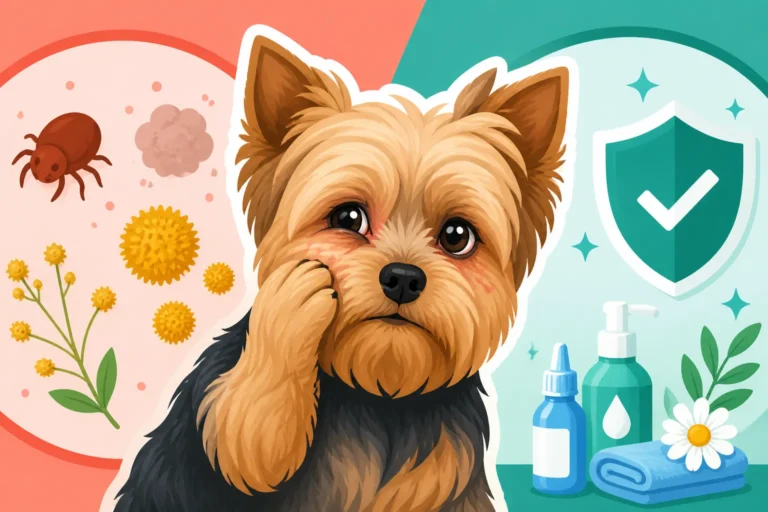
One of the most frequent culprits is moisture. Whether it's from bath time, swimming, or even just high humidity, water trapped deep within that L-shaped ear canal can soften the skin, disrupt its natural protective barrier, and encourage microbial growth. It's a classic scenario: a happy splash in the backyard kiddie pool, followed by days of head shaking. Another major factor is allergies. Yorkies, like many small breeds, can be prone to both environmental allergies (pollen, dust mites) and food allergies. When a Yorkie experiences an allergic reaction, it often manifests as inflammation and itchiness, not just on their skin, but prominently in their ears. This inflammation changes the ear canal's microenvironment, making it more susceptible to secondary bacterial or yeast infections. You might notice your Yorkie scratching their skin elsewhere, but the ears often bear the brunt of the internal itchiness.
Then there are parasites, particularly ear mites. These microscopic creatures cause intense itching and irritation, leading to scratching and head shaking, which can then damage the ear canal lining and open the door for infection. While less common in well-cared-for indoor dogs, they're still a possibility, especially if your Yorkie interacts with other animals. Foreign bodies, like grass awns or tiny seeds, can also find their way into the ear canal, causing acute irritation and infection. And finally, certain underlying health conditions or a weakened immune system can make a Yorkie more vulnerable. Even things like excess wax production or an imbalance in the ear's natural flora can tip the scales toward an infection. It's a complex interplay of factors, but understanding them empowers us to act. You can learn more about general health issues in our comprehensive guide on Yorkshire Terrier Health Problems to Know.
Essential Daily and Weekly Ear Care Routines
Proactive care is truly your best defense against ear infections. Establishing a consistent, gentle ear care routine can make a world of difference in keeping your Yorkie's ears healthy and infection-free.
Gentle Cleaning Techniques
Regular ear cleaning is paramount, but it needs to be done correctly to be effective and to avoid causing further irritation. For routine cleaning, aim for once a week, or more frequently if your Yorkie is prone to wax buildup or gets their ears wet often.
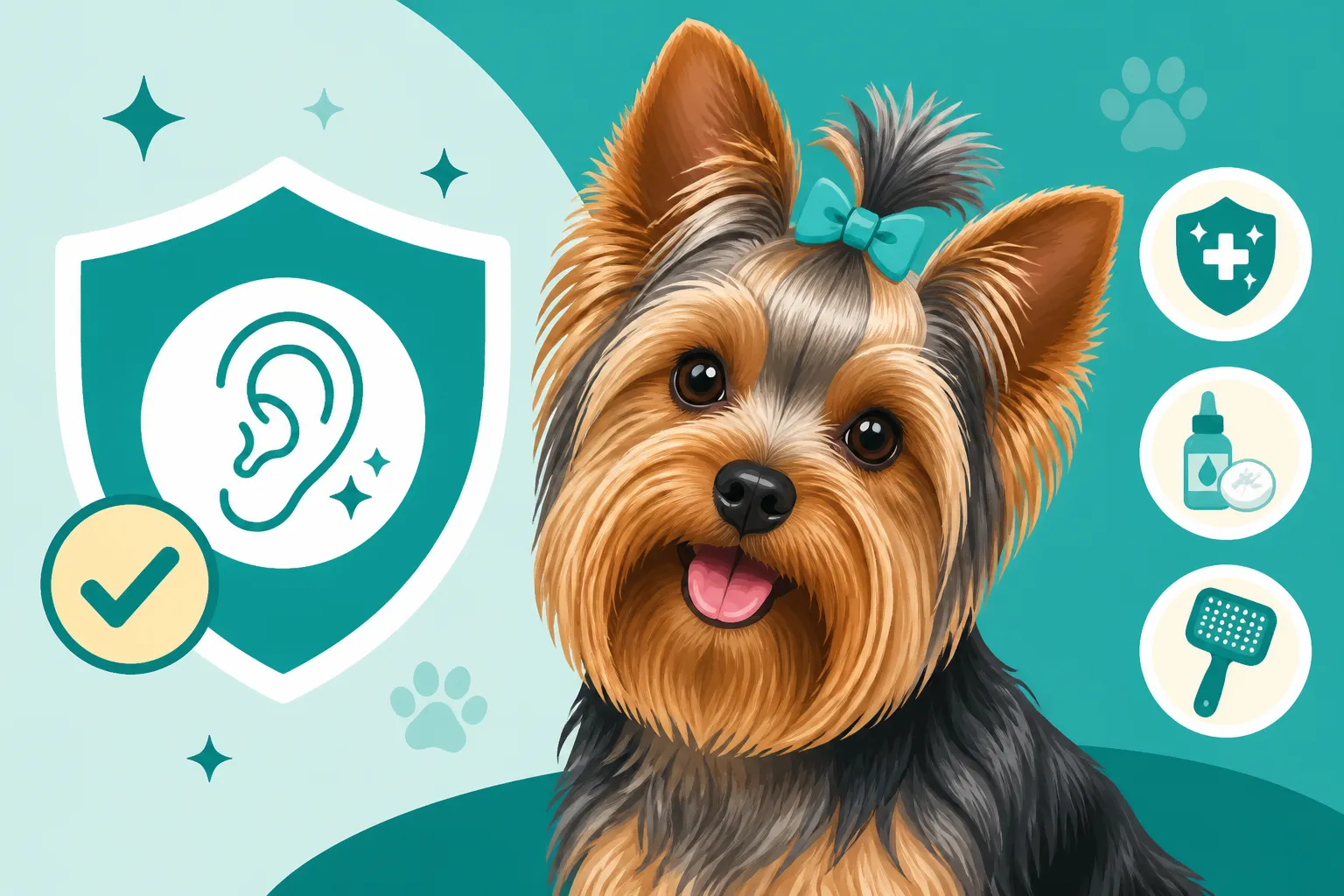
First, gather your supplies: a veterinarian-approved ear cleaning solution and some soft cotton balls or gauze. Avoid cotton swabs, as these can push debris deeper into the ear canal and potentially damage the eardrum. Look for solutions specifically formulated for dogs that are gentle and help break down wax. A good quality ear cleanser, often recommended by your vet, will contain agents that dissolve wax and dry out the ear canal without causing irritation. Products from brands like Virbac Epi-Otic or Zymox are often recommended by veterinarians for their efficacy and gentle formulations.
To clean: gently hold your Yorkie's ear flap upright. Carefully squirt the ear cleaning solution into the ear canal until it's full. Don't be afraid – it takes a surprising amount to fill it, and it won't hurt your dog. Then, gently massage the base of the ear for about 20-30 seconds. You'll likely hear a squishing sound, which means the solution is breaking up the wax and debris. This part is crucial for allowing the solution to work its magic. After massaging, release your Yorkie's head and let them shake it out. This helps dislodge the loosened gunk. Finally, use a clean cotton ball or gauze to wipe away any visible solution and debris from the outer ear and the top part of the ear canal. Remember, never go deeper than you can see. If your Yorkie shows signs of pain or discomfort during cleaning, or if you notice any unusual discharge or odor, stop immediately and consult your veterinarian. Consistency is key here; even if their ears look clean, a quick weekly cleanse can prevent issues from brewing. If you're looking for a more general approach to keeping your Yorkie healthy, check out our article on How to Keep a Yorkshire Terrier Healthy.
Managing Ear Hair Growth
That lovely silky hair that makes Yorkies so distinctive can be a double-edged sword when it comes to ear health. The hair growing inside and around their ear canals traps moisture, limits airflow, and provides a cozy home for bacteria and yeast. Therefore, managing this ear hair is a critical preventative step.
There are generally two approaches: plucking or trimming. Many Yorkie owners and professional groomers opt for plucking the hair from the inner ear canal. This is usually done with a special ear powder (which helps grip the hair) and blunt-nosed forceps. The goal is to remove small amounts of hair at a time, working gently and steadily. Plucking improves airflow dramatically and reduces the likelihood of moisture and debris getting trapped. However, it's vital to be very careful and gentle, as rough plucking can cause irritation or even minor trauma, which paradoxically could open the door for infection. If you're unsure or uncomfortable doing this yourself, a professional groomer or your veterinarian can certainly handle it. They are experienced and can do it quickly and with minimal discomfort for your dog.
Trimming the hair around the ear canal opening is another important step, whether you pluck the interior hair or not. Using blunt-nosed scissors or small clippers, carefully trim the hair that hangs over the ear canal. This further improves ventilation and makes it easier to clean the outer ear. It's especially important after baths or if your Yorkie has been in wet conditions to ensure this area dries quickly. The combination of regular, gentle cleaning and proactive ear hair management creates an environment less conducive to infections. Many professional groomers offer an "ear cleaning and plucking" service as part of their regular grooming package, which can be a huge relief for many busy Yorkie parents. Our comprehensive Yorkshire Terrier Grooming Guide offers more tips on keeping your Yorkie's coat and ears in top shape.
Lifestyle and Environmental Adjustments for Prevention
Beyond direct ear care, a holistic approach that considers your Yorkie's overall health and environment can significantly reduce their risk of ear infections. Often, ear problems are a symptom of a larger issue.
Addressing Allergies and Diet
As mentioned earlier, allergies are a huge contributor to ear infections in Yorkies. Just like some people get itchy eyes or a runny nose, many dogs' allergies manifest as skin irritation and, particularly, inflamed, itchy ears. This constant irritation leads to scratching, head shaking, and a compromised ear canal environment, all of which invite infection.
Identifying and managing your Yorkie's allergies is a game-changer for ear health. If you suspect allergies, common signs include excessive scratching, licking paws, red skin, and chronic ear issues. Both food and environmental allergies can be culprits. For food allergies, your vet might suggest an elimination diet using a novel protein source or a hydrolyzed protein diet for several weeks to identify triggers. Common food allergens include chicken, beef, dairy, and wheat. Switching to a high-quality, limited-ingredient dog food, or a veterinary-prescribed hypoallergenic diet, can often bring significant relief. Brands like Royal Canin Hydrolyzed Protein or Hill's Prescription Diet z/d are often recommended by vets for dogs with food sensitivities. You can explore more about Yorkie Allergies: Signs and Relief.
Environmental allergies are trickier to avoid entirely but can be managed. Regular bathing with a hypoallergenic shampoo can help remove environmental allergens from their coat. Air purifiers in your home can reduce dust mites and pollen. For more severe cases, your vet might recommend medications like antihistamines, corticosteroids, or newer allergy medications such as Apoquel or Cytopoint injections. Addressing the root cause of the inflammation, whether dietary or environmental, will often lead to a dramatic improvement in ear health, reducing the need for constant ear cleaning and medication. It's a journey, but a worthwhile one for your Yorkie's comfort.
Controlling Moisture and Parasites
These two factors are often overlooked but play a pivotal role in ear infection prevention. Moisture creates the ideal breeding ground, and parasites can kickstart the whole inflammatory cycle.
Moisture control starts at bath time. After bathing your Yorkie, take extra care to thoroughly dry their ears. Use a soft towel to gently pat the outer ear and the visible parts of the ear canal. A low-heat hairdryer, held at a safe distance and kept moving, can also be used for quick drying, but ensure it's not too hot and doesn't stress your dog. If your Yorkie enjoys swimming or gets wet frequently (e.g., from playing in sprinklers or rain), consider using a dog-specific ear drying solution after each water exposure. These solutions typically contain alcohol or other drying agents to quickly evaporate any trapped water. A quick squirt and a gentle massage can prevent a lot of heartache. Always be vigilant after any water activity.
When it comes to parasites, ear mites are the primary concern for ear health, though fleas and ticks can also cause generalized itching that leads to scratching around the ears. Maintaining a consistent, broad-spectrum parasite prevention regimen is essential. This usually involves monthly topical treatments (like Frontline or Advantage), oral medications (like Nexgard or Bravecto), or collars (like Seresto) that protect against fleas, ticks, and often mites. Your veterinarian can recommend the best product for your Yorkie based on their lifestyle and your local parasite prevalence. Regular vet check-ups will also include an ear examination where mites can be detected early. Prevention is far easier and more comfortable for your Yorkie than treating an established infestation. If you're concerned about Yorkshire Terrier Puppy Health Guide, parasite prevention is always a key component.
When to Seek Veterinary Care and Proactive Measures
Even with the best preventative care, sometimes an ear infection can still sneak in. Knowing when to call the vet and taking proactive steps for their overall health are crucial parts of keeping your Yorkie's ears healthy.
Recognizing Early Signs of Trouble
The sooner you recognize an ear infection, the faster it can be treated, preventing it from becoming more severe, painful, or chronic. Pay close attention to your Yorkie's behavior and the appearance of their ears.
Here are the key signs to watch for:
- Excessive scratching or pawing at the ears: This is often the first and most obvious sign of irritation or discomfort.
- Head shaking: Persistent or violent head shaking suggests something is bothering them deep in the ear canal.
- Redness or swelling: The inner flap of the ear and the visible part of the ear canal might appear red, inflamed, or swollen.
- Foul odor: A distinctive yeasty or sweet smell, or a generally unpleasant odor, is a strong indicator of bacterial or yeast overgrowth.
- Discharge: Look for any abnormal discharge – it could be brown and waxy, black and crumbly (often associated with ear mites), yellow, or pus-like.
- Pain or sensitivity: Your Yorkie might yelp, shy away, or become aggressive when you try to touch their ears.
- Rubbing ears on furniture or the floor: Another way they try to alleviate the itch.
- Changes in behavior: They might seem lethargic, irritable, or lose their appetite due to discomfort.
Don't wait if you notice these symptoms. While a little head shaking might be normal after a good scratch, persistent signs warrant a vet visit. Early intervention can prevent a mild irritation from escalating into a full-blown, painful infection that requires more aggressive treatment. For general information on recognizing illness, check our guide on Signs Your Yorkshire Terrier Is Sick.
Regular Vet Check-ups and Preventative Discussions
Your veterinarian is your best partner in keeping your Yorkie healthy, including their ears. Regular vet check-ups are not just for vaccinations; they're an opportunity for a professional assessment of your dog's overall health, including a thorough ear examination.
During these visits, your vet can visually inspect the ear canals, and if necessary, use an otoscope to look deep inside for signs of inflammation, foreign bodies, excessive wax, or parasites. They can also take a swab of ear discharge for cytology (microscopic examination) to identify whether bacteria, yeast, or mites are present, allowing for targeted treatment. This proactive approach means potential problems can be identified and addressed before they become serious infections. For example, if your vet notices early signs of inflammation, they might suggest a specific preventative ear wash or lifestyle adjustment before a full-blown infection sets in.
It's also a great time to discuss any concerns you have about your Yorkie's ear health. If your dog has a history of recurrent ear infections, your vet can help you create a long-term prevention plan, which might include specific cleaning solutions, dietary recommendations, or allergy management strategies. They can also advise on the proper technique for ear hair plucking or recommend a professional groomer.
Considering the potential for recurrent ear infections and other common Yorkshire Terrier Health Problems to Know, it's also wise to consider pet insurance. Plans from providers like Healthy Paws can significantly ease the financial burden of unexpected vet visits, diagnostics, and treatments for chronic conditions like ear infections. Knowing you have support like Healthy Paws can help you make the best decisions for your Yorkie's health without financial stress. Pet insurance can cover a substantial portion of costs for examinations, medications, and even specialized treatments if an infection proves stubborn. Investing in pet insurance, from a reputable provider such as Healthy Paws, can provide invaluable peace of mind when it comes to managing your Yorkie's health. You can find more details in our article on Pet Insurance for Yorkshire Terriers.
Here's a quick reference table to help you distinguish between normal ear signs and potential infection symptoms:
| Feature | Normal Yorkie Ear | Potential Ear Infection |
|---|---|---|
| Appearance | Clean, pale pink, minimal visible hair, no swelling | Red, swollen, crusty, visible debris, matted hair |
| Smell | No strong odor, neutral, clean | Yeasty, sweet, foul, pungent |
| Discharge | Minimal clear to light brown wax | Dark brown, black, yellow, pus-like, excessive wax |
| Behavior | Occasional scratch, no head shaking | Constant scratching, head shaking, rubbing, pain when touched |
| Response to Touch | Comfortable, tolerant | Sensitive, painful, recoiling, yelping |
| Hair inside ear | Clean, perhaps some fine hair (if not plucked) | Matted with discharge, dirty, excessive hair |
Disclaimer
The information provided in this article is for general informational purposes only and is not a substitute for professional veterinary advice. Always consult with a qualified veterinarian for any health concerns or before making any decisions related to your pet's health and treatment.