Yorkie Bad Breath: When to Worry
It’s a smell many Yorkie parents know all too well: that distinct, sometimes overpowering, odor emanating from your tiny companion’s mouth. While a mild case of "dog breath" might be par for the course, there are definitely times when that stench signals something far more serious than just needing a dental treat. This guide will walk you through discerning normal doggy odors from alarming ones, exploring the common culprits behind truly foul breath, and most importantly, helping you understand when it’s time to stop worrying and start calling your veterinarian.
Understanding What's Normal and What's Not
It’s easy to dismiss a bit of funk from your Yorkie’s mouth as just "dog breath," a common phrase we use to describe any less-than-fresh canine exhale. But just like with humans, there’s a wide spectrum, and some smells are much more innocent than others. Learning to differentiate between the two is key to your Yorkie's long-term health.
The Spectrum of "Dog Breath"
Let's be realistic: a dog's breath is rarely going to smell like a mint patch. After your Yorkie has just finished their kibble, or perhaps had a delightful roll in something questionable in the yard, a certain aroma is to be expected. This type of mild, transient odor is generally nothing to lose sleep over. It's often just the residual smell of food particles or the natural, albeit not entirely pleasant, scent of a healthy dog's oral microbiome. Think of it like morning breath for humans – it happens, it's not great, but it's usually harmless.
For instance, if your little one has just snacked on some delightful Stella & Chewy's freeze-dried raw bites, you might get a meaty aroma for a bit. Or, if they’ve been happily chewing on their favorite KONG toy, the scent might be slightly rubbery mixed with saliva. These are temporary and usually resolve themselves as their mouth clears. The key here is "mild" and "transient" – it comes and goes, and it’s not strong enough to clear a room.
When Bad Breath Becomes Halitosis
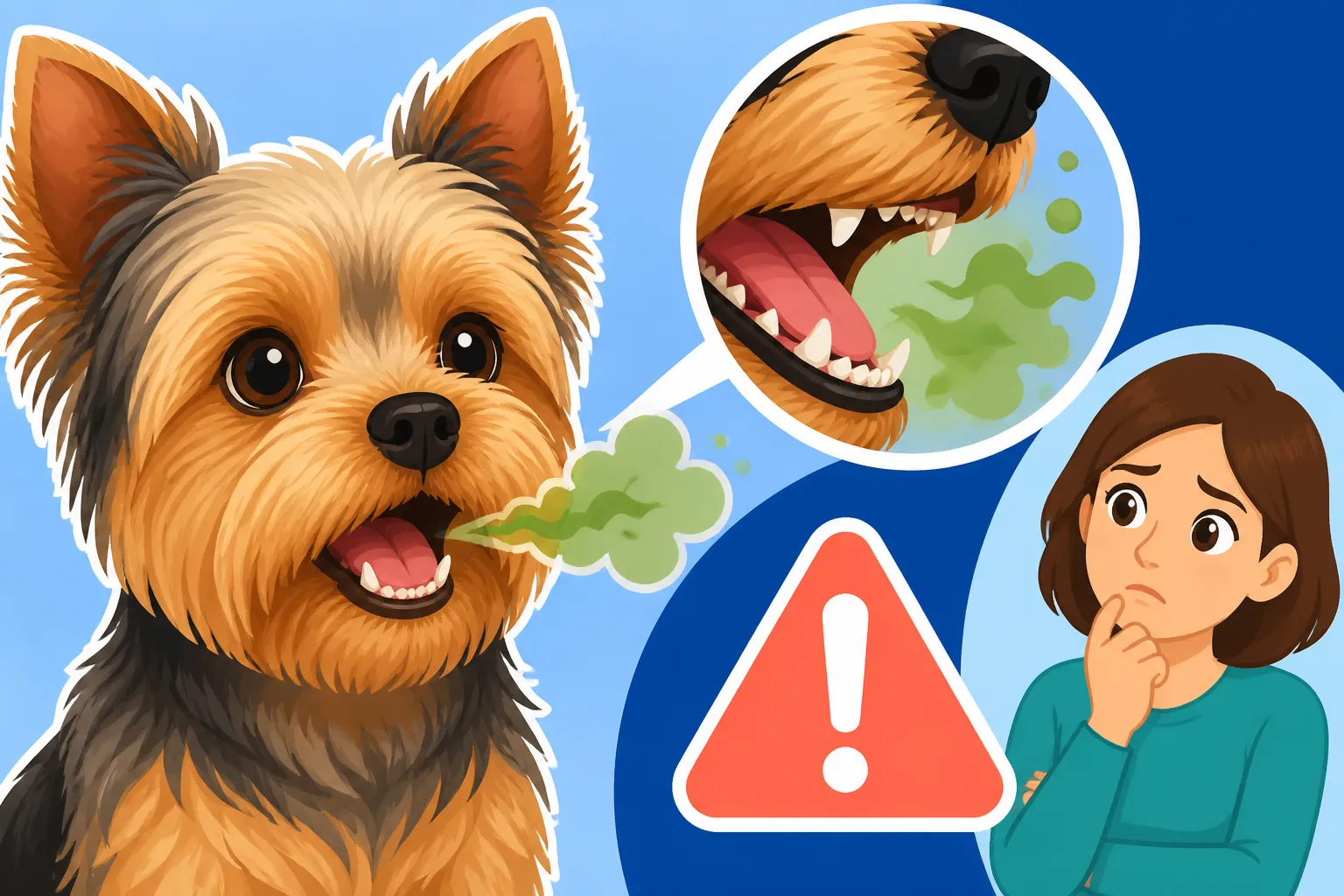
The transition from run-of-the-mill dog breath to concerning halitosis is often subtle, but once you notice it, it tends to be persistent and unmistakable. Halitosis isn't just a smell; it's a symptom, and it tells us that something isn't quite right. We're talking about odors that are persistently strong, offensive, and might even make you recoil.
Imagine a smell akin to rotten eggs, a decaying carcass, or a very strong fishy odor that lingers no matter what your Yorkie eats or drinks. These are red flags. Sometimes, the breath can take on a sweet or fruity scent, which might sound appealing, but it’s actually incredibly dangerous. Other times, it can smell distinctly like ammonia or urine. These specific, strong, and lasting odors are critical indicators that you need to investigate further. A sudden, drastic change in breath odor, especially if it's accompanied by other signs of discomfort, should never be ignored.
Common Culprits Behind Troubling Yorkie Breath
When your Yorkie's breath goes from mildly annoying to truly offensive, it's often a sign of an underlying issue. For our tiny Yorkshire Terriers, their small mouths and unique predispositions make them prone to certain problems.
Dental Disease is Number One
Hands down, the most common reason for truly foul breath in a Yorkshire Terrier is dental disease. These little guys are genetically predisposed to plaque and tartar buildup, often exacerbated by their crowded teeth. When food particles mix with bacteria in the mouth, they form plaque, which then hardens into tartar. This tartar creates a rough surface where more bacteria can thrive, leading to gum inflammation (gingivitis) and, eventually, periodontal disease.
You might notice yellow or brownish deposits on their teeth, especially along the gum line. Their gums may appear red, swollen, or even bleed when they chew or you try to brush their teeth. Your Yorkie might start showing signs of discomfort, like pawing at their mouth, dropping food, or being reluctant to eat hard kibble. If left untreated, dental disease is incredibly painful and can lead to tooth loss and even systemic infections as bacteria from the mouth enter the bloodstream. This is a topic so crucial that we have a dedicated guide on it: "Yorkshire Terrier Dental Disease: Signs and Care". Preventing this involves regular brushing with dog-specific toothpaste, and using dental chews approved by the Veterinary Oral Health Council (VOHC) as an adjunct, but not a replacement, for brushing.
Dietary Factors and Food Traps
What your Yorkie eats, or even what they get into, can certainly contribute to bad breath. Certain types of wet food, especially those that are sticky or have a strong odor, can leave a lingering scent on their breath. This is usually temporary and resolves with good oral hygiene. However, if your Yorkie has a habit of getting into the trash, eating poop (coprophagia), or munching on decomposing organic matter outside, their breath will reflect those unsavory choices. This kind of breath is usually very foul but might clear up once the offending item has passed through their system or their mouth is cleaned.
Beyond direct contact, a poor diet or one that causes gastrointestinal upset can sometimes manifest as bad breath. If your Yorkie is consistently experiencing digestive issues, the volatile compounds can sometimes travel up the esophagus, causing a sour or unpleasant odor. Ensuring your Yorkie is on a high-quality, balanced diet that supports their digestive health and provides some mechanical cleaning action through kibble can make a difference. Look for reputable brands formulated for small breeds or dental health.
Underlying Systemic Health Issues
While dental disease is the most frequent cause, it’s critical to remember that persistent bad breath can also be a symptom of more serious, underlying health conditions. This is where a vet visit isn't just recommended, it's absolutely crucial. These distinct odors can be the first clue to a problem you can’t see.
- Kidney Disease: If your Yorkie’s breath smells like urine or ammonia, it’s a strong indicator of kidney disease. When the kidneys aren't functioning properly, they can't filter waste products like urea from the blood effectively. This urea then builds up and can be expelled through the breath. This is a severe condition that requires immediate veterinary attention. You can learn more about general health concerns in our guide "Yorkshire Terrier Health Problems to Know".
- Liver Disease: A sweet, musty, or even fishy odor on the breath can signal liver issues. The liver is responsible for detoxifying the body, and if it's not working correctly, toxins can accumulate and produce these unusual smells. Yorkshire Terriers, unfortunately, can be prone to certain liver conditions like portosystemic shunts. For deeper insight, consider reading about "Yorkshire Terrier Liver Shunt: Signs and Care" or "Yorkshire Terrier Portosystemic Shunt: Signs and Care".
- Diabetes: A sweet or fruity scent, sometimes described as acetone-like, is a classic sign of diabetic ketoacidosis, a life-threatening complication of diabetes. This occurs when the body isn't producing enough insulin and starts breaking down fat for energy, producing ketones. If you smell this, it’s an absolute emergency.
- Respiratory Issues: Infections or inflammation in the respiratory tract, from nasal passages to lungs, can also cause bad breath. If your Yorkie is also coughing, sneezing, or showing other respiratory distress, the foul smell could be linked to an accumulation of bacteria or discharge. This is particularly relevant if you've ever wondered "Why Is My Yorkie Coughing".
- Gastrointestinal Problems: Persistent digestive upset, acid reflux, or other GI issues can sometimes cause foul breath. If your Yorkie is also experiencing "Why Is My Yorkie Vomiting" or "Why Is My Yorkie Diarrhea", these issues could be connected.
- Foreign Objects or Tumors: Less common but still possible, a foreign object lodged in the mouth, between teeth, or in the throat that has started to decay can cause a localized, extremely foul smell. Oral tumors, which can become necrotic (dying tissue), also produce a terrible odor.
When to Consult Your Veterinarian Immediately
Knowing when to transition from home remedies and observation to professional veterinary care is critical for your Yorkie's well-being. Don't hesitate if you observe specific red flags.
Red Flag Odors and Symptoms
If your Yorkie's breath takes on any of the truly alarming odors we discussed – a foul, rotting stench, a sweet or fruity smell, or a distinct urine-like ammonia scent – that's your immediate cue to contact your vet. These specific odors are rarely benign. Furthermore, pay close attention to any accompanying symptoms. Excessive drooling, pawing at the mouth, difficulty chewing, reluctance to eat, sudden lethargy, vomiting, diarrhea, noticeable changes in thirst or urination patterns, or unexplained weight loss combined with bad breath are all strong indicators of a serious problem.
For example, if your previously energetic Yorkie suddenly seems withdrawn, isn't finishing their meals, and their breath now smells putrid, you can’t afford to wait. This combination of symptoms points to more than just needing a tooth cleaning. These are the kinds of "Yorkie Emergency Symptoms to Never Ignore". This is also where having a reliable pet insurance policy, like one from Healthy Paws, can provide immense peace of mind. Knowing that you can pursue comprehensive diagnostic tests and treatments without immediate financial strain allows you to act swiftly and ensure your beloved Yorkie receives the best possible care when they need it most.
The Importance of Regular Vet Check-ups
Even if your Yorkie isn't showing alarming symptoms, regular veterinary check-ups are paramount, especially as they age. For our little Yorkies, a visit at least once a year, or even twice a year for seniors, allows your vet to perform a thorough physical exam, including an oral assessment. They can spot early signs of dental disease or other systemic issues that you might miss at home. This proactive approach can catch problems when they are much easier and less expensive to treat. If you're wondering "When to Take Your Yorkie to the Vet", recurring bad breath is a definite reason.
During these visits, your vet can assess the severity of any dental disease and recommend a professional dental cleaning under anesthesia. Many Yorkie parents worry about anesthesia, but for comprehensive oral care, it's often necessary. Your vet will perform pre-anesthetic blood work to ensure your Yorkie is healthy enough for the procedure. Remember, neglecting dental health can lead to far greater health risks than the risks associated with modern anesthesia protocols. Budgeting for these visits and potential treatments is part of responsible pet ownership, and you can explore this further in our guide on "Yorkshire Terrier Vet Costs and Health Budget".
How Your Vet Diagnoses the Cause
When you bring your Yorkie in for bad breath, your veterinarian will start with a comprehensive physical examination. This includes a thorough visual inspection of their mouth, gums, and teeth, looking for plaque, tartar, redness, swelling, lesions, or foreign objects. Sometimes, if the dog is in pain or uncooperative, a light sedation might be needed for a proper oral exam.
Beyond the mouth, the vet will likely recommend diagnostic tests, particularly if systemic disease is suspected.
| Odor Type | Associated Conditions | Common Diagnostic Tests | Urgency Level |
|---|---|---|---|
| Putrid/Rotten | Severe Dental Disease, Oral Tumors, Abscesses, Foreign Body | Oral Exam (may require sedation), Dental X-rays, Biopsy | High |
| Urine/Ammonia | Kidney Disease, Urinary Tract Infection | Blood Chemistry Panel (BUN, Creatinine), Urinalysis, Urine Culture | Very High |
| Sweet/Fruity | Diabetes (Ketoacidosis) | Blood Glucose, Urinalysis (ketones), Blood Gas | Emergency |
| Musty/Fishy | Liver Disease | Blood Chemistry Panel (ALT, ALP, Bilirubin, Bile Acids), Abdominal Ultrasound | Very High |
| Foul/General | GI Upset, Respiratory Infection, Eating Feces | Fecal Test, Chest X-rays, Culture of discharge | Moderate to High |
Blood tests, such as a complete blood count (CBC) and a chemistry panel, are crucial for checking organ function (kidneys, liver) and looking for signs of infection or inflammation. A urinalysis will assess kidney function and screen for diabetes. If an internal issue is suspected, your vet might recommend imaging, such as X-rays of the chest or abdomen, or an ultrasound, to look for tumors, organ abnormalities, or foreign bodies that aren't visible externally. Each step in this diagnostic process is vital to pinpointing the exact cause of your Yorkie’s troubling breath and ensuring they receive the most appropriate and effective treatment.
Proactive Steps for Fresh Breath and Overall Health
Preventing bad breath and the health issues it signals is always better than reacting to them. As a Yorkie parent, you have several powerful tools at your disposal to keep that little mouth as fresh as possible and ensure your furry friend lives a long, healthy life.
Daily Dental Care is Paramount
I cannot stress this enough: daily tooth brushing is the single most effective way to prevent dental disease in your Yorkshire Terrier. Using a soft, finger-sized toothbrush and a dog-specific enzymatic toothpaste, gently brush their teeth every day. Even if you can only manage a minute or two, focusing on the outside surfaces of the upper canines and molars where plaque tends to accumulate, it makes a world of difference. Consistency is key, and it's much easier to start this routine when they are puppies. For a step-by-step guide, check out "How to Brush a Yorkie's Teeth".
While brushing is king, dental chews and water additives can be helpful supplements. Look for chews that are specifically designed to reduce plaque and tartar, preferably those with the VOHC seal of approval. These aren't magic bullets and won't replace brushing or professional cleanings, but they can contribute to overall oral hygiene. Remember to choose chews that are appropriately sized for your Yorkie to prevent choking hazards.
Optimal Nutrition and Hydration
A high-quality diet plays a foundational role in your Yorkie's overall health, which in turn impacts their oral health and breath. Feeding a premium kibble formulated for small breeds often means the kibble size and texture are designed to provide some abrasive action, helping to scrape away plaque as your Yorkie chews. Some specific dental diets are even formulated with ingredients to reduce plaque formation. If you're looking for the best options, our article "Best Dog Food for Yorkshire Terriers" provides a comprehensive breakdown.
Beyond food, always ensure your Yorkie has access to fresh, clean water. Hydration is vital for good health, and drinking water helps rinse the mouth, wash away loose food particles, and prevent bacteria from settling. Avoid giving your Yorkie excessive human food scraps, especially sugary or sticky items, as these can promote bacterial growth and dental problems.
Regular Veterinary Care and Insurance
Maintaining a regular schedule of veterinary check-ups is not just a recommendation; it’s a non-negotiable part of responsible pet ownership. These routine visits allow your vet to proactively monitor your Yorkie’s health, catch potential issues like dental disease or early signs of systemic illness before they become critical, and offer preventive advice tailored to your dog’s needs. Your vet is your best partner in ensuring a long and healthy life for your Yorkie.
And let's talk about pet insurance for a moment. Just like with human health, unexpected veterinary bills can arise, especially when investigating something like persistent bad breath that turns out to be a serious systemic illness. Pet insurance, such as a plan from Healthy Paws, can be an absolute lifesaver. It helps mitigate the financial burden of diagnostic tests, treatments, and even emergency care, allowing you to prioritize your Yorkie's health without added stress. Many pet parents find that having a comprehensive plan gives them peace of mind, knowing they can say "yes" to necessary procedures like professional dental cleanings or extensive work-ups for liver or kidney issues, rather than making difficult choices based on cost. It truly empowers you to provide the best possible care throughout your Yorkie's life.
Disclaimer
This article is intended for informational purposes only and does not constitute medical advice. Always consult with a qualified veterinarian for any health concerns or before making any decisions about your pet's health or treatment.