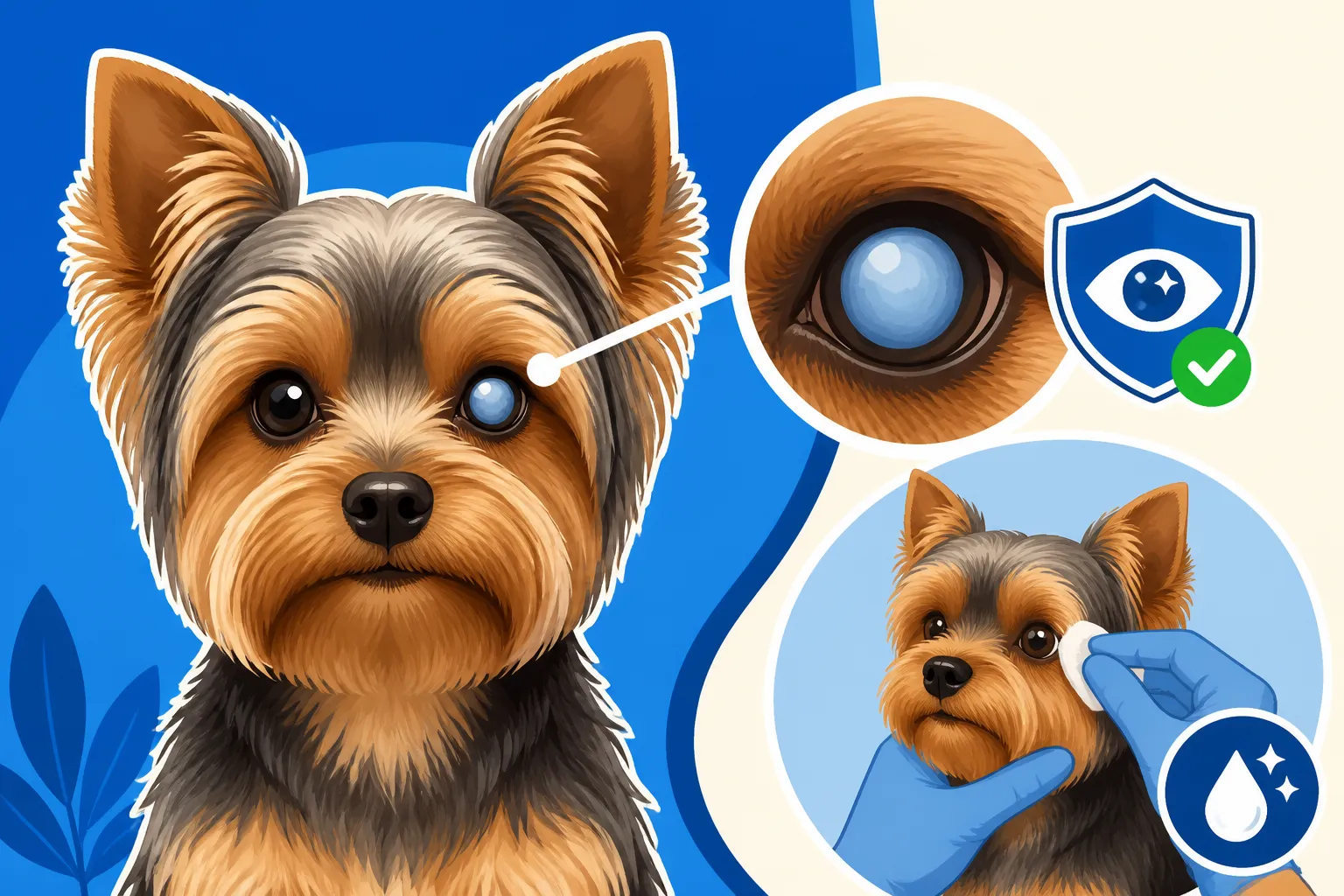
Yorkshire Terrier Cataracts: Signs and Care
It’s truly heartbreaking to see our beloved Yorkshire Terriers struggle with their vision, especially as they get older. That cloudy look in their eyes can be incredibly worrying, and the changes in their behavior might leave you feeling helpless and unsure of what’s happening. This comprehensive guide is here to shed light on cataracts in Yorkshire Terriers, helping you understand the signs, navigate diagnosis, explore treatment options, and provide the best possible care for your furry family member.
Understanding Yorkshire Terrier Cataracts
When you notice a subtle change in your Yorkie's eye, it's natural for your mind to jump to the worst conclusions. But understanding what a cataract truly is can help alleviate some initial fear and empower you to act knowledgeably. This condition, while serious, is often manageable, especially with early detection and the right approach.
What Exactly Are Cataracts in Yorkies?
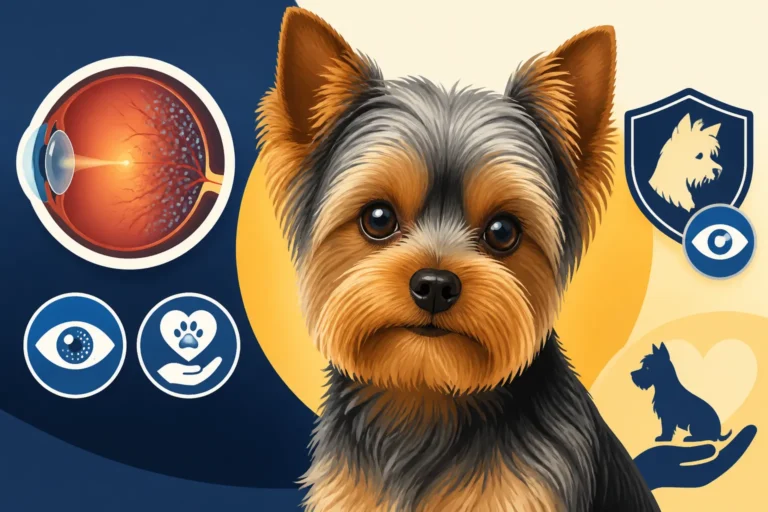
At its simplest, a cataract is a clouding of the eye's natural lens. Think of the lens in your Yorkie's eye like the lens in a camera – its job is to focus light onto the retina, allowing for clear vision. When a cataract develops, this lens becomes opaque, blocking light from reaching the retina effectively. The result is vision impairment, which can range from a slight blurriness to complete blindness, depending on the severity and maturity of the cataract.
Yorkshire Terriers, unfortunately, are among several breeds genetically predisposed to developing cataracts. These can manifest at different stages of life:
- Congenital cataracts are present at birth.
- Juvenile cataracts develop in young dogs, often before they are six years old.
- Senile cataracts are age-related, appearing in older Yorkies, much like in humans.
- Diabetic cataracts are a specific type that can progress very rapidly in dogs with diabetes mellitus. If your Yorkie has been diagnosed with diabetes, monitoring their eye health becomes an even more critical part of their overall care plan. It's a sudden and often dramatic change that can significantly impact their quality of life if not addressed quickly.
The Difference Between Cataracts and Nuclear Sclerosis
This is a really common point of confusion for many Yorkie owners, and it’s completely understandable why. You see a bluish-gray haze in your older dog's eyes and immediately fear the worst – that it's cataracts and they're losing their sight. However, it might be something called nuclear sclerosis, which is a normal, age-related change and usually doesn't significantly impact vision.
Nuclear sclerosis, sometimes called lenticular sclerosis, occurs when the fibers in the lens compress and harden over time. This makes the center of the lens appear cloudy or bluish-gray, but the lens remains transparent enough for light to pass through. Your Yorkie might still see perfectly fine, or experience only a minor reduction in their ability to focus on nearby objects. In contrast, cataracts actively block light, making the lens truly opaque and causing significant vision loss. A veterinary ophthalmologist can easily differentiate between the two with a thorough eye examination. It's always best to get a professional opinion to be sure.
Recognizing the Early Signs of Cataracts in Your Yorkie
As a loving pet parent, you know your Yorkie's every habit and nuance. This close bond makes you the best first line of defense in spotting any changes, especially subtle ones that could indicate a developing cataract. Early detection is crucial, so keeping a keen eye on both their physical appearance and their behavior can make a world of difference.
Visual Cues and Eye Appearance
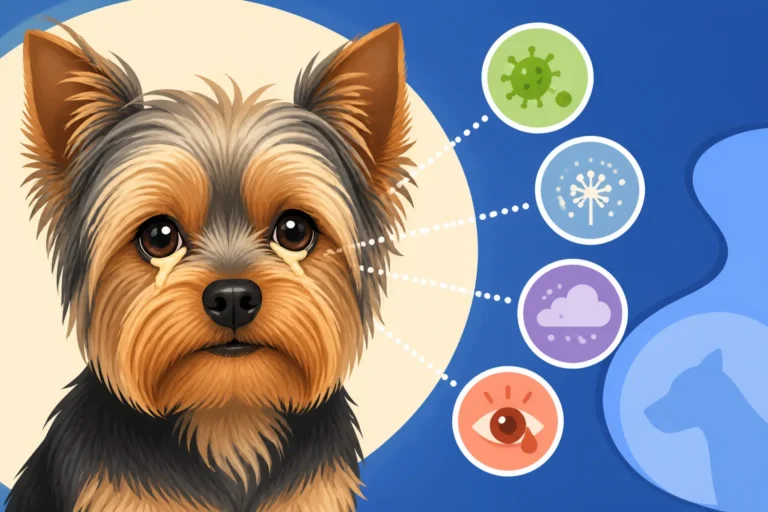
The most direct way to spot a cataract is by observing changes in your Yorkie's eyes themselves. While the classic "cloudy eye" is a tell-tale sign, it often starts subtly. You might initially notice a faint haziness, a slight bluish-grey tint that seems to be forming in the center of their pupil. As the cataract progresses, this cloudiness becomes more pronounced, eventually turning white or opaque. It can affect one eye or both.
Sometimes, the pupil might appear more dilated than usual, especially in brighter light, as the eye tries to compensate for the reduced light entering through the clouded lens. You might also perceive a subtle change in how your Yorkie reacts to light or even how they "see" colors, though this is harder for us to gauge. Regularly checking your Yorkie's eyes in good lighting, perhaps during a cuddle session or grooming, can help you catch these changes early. Remember, even a small, partial cataract can grow over time, so don't dismiss even minor observations.
Behavioral Changes Related to Vision Loss
Beyond the physical appearance of their eyes, cataracts often lead to noticeable shifts in your Yorkie’s behavior as their vision deteriorates. Since Yorkshire Terriers are such small, agile dogs, even minor vision impairment can make a big difference in their confidence and mobility. You might notice them:
- Hesitating or bumping into familiar objects: They might suddenly become tentative when walking through a room they know well, especially in low light. Bumping into furniture or misjudging steps could be an early indicator.
- Reluctance to go up or down stairs: This is a classic sign of vision issues. Stairs require good depth perception, which cataracts can severely impair.
- Increased clumsiness: Dropping toys they usually catch, struggling to find their food bowl, or having trouble navigating new environments are all signs.
- Increased anxiety or clinginess: Losing vision can be disorienting and frightening for dogs. Your Yorkie might become more anxious, startle easily, or stick closer to you for reassurance.
- Changes in play or activity levels: They might become less interested in games involving fetching or chasing, simply because they can't see the object well enough.
- Difficulty with night vision: One of the first things to go with cataracts is often night vision. Your Yorkie might be fine during the day but struggle significantly after dusk.
If you observe these behavioral changes, especially in conjunction with any visual cues, it’s definitely time to schedule a vet visit. Your Yorkie relies on you to be their eyes in these situations, and addressing the issue promptly can help maintain their comfort and safety.
Diagnosing Cataracts and What to Expect at the Vet
Spotting the signs is the first step, but confirming a diagnosis and understanding its implications requires professional veterinary care. It’s completely normal to feel a bit overwhelmed when considering specialized vet visits, but remember, these professionals are there to help your beloved Yorkie see as clearly and comfortably as possible.
The Importance of a Timely Veterinary Visit
As soon as you notice any of the visual or behavioral changes we've discussed, making an appointment with your veterinarian is paramount. Early detection of cataracts can sometimes lead to more successful treatment outcomes, especially if surgery is an option. Waiting too long might allow the cataract to mature, potentially making surgery more complicated or less effective, or even leading to secondary complications like glaucoma or uveitis (inflammation inside the eye).
Your primary vet will perform an initial examination and, if cataracts are suspected, will likely recommend a referral to a veterinary ophthalmologist. These specialists have advanced training and equipment specifically for diagnosing and treating eye conditions in animals. When choosing a specialist, don't hesitate to ask questions about their experience, their approach, and what to expect. Finding the right veterinary partner is key, and you can learn more about how to make that choice by reading our guide on How to Choose a Vet for a Yorkie.
Diagnostic Procedures and Tests
When you visit the veterinary ophthalmologist, they'll perform a series of tests to accurately diagnose the cataract and assess your Yorkie's overall eye health. This isn't just about looking at the cloudy lens; it's about understanding the entire ocular picture to ensure the best possible course of action.
Typical diagnostic procedures include:
- Thorough Ophthalmic Examination: This involves using specialized instruments like an ophthalmoscope to look inside the eye, examining the lens, retina, and optic nerve. They might also use a slit lamp biomicroscopy, which provides a magnified, three-dimensional view of the eye's structures, allowing them to precisely grade the cataract's maturity and identify any other issues.
- Electroretinography (ERG): This test measures the electrical activity of the retina in response to light. It's crucial for determining if the retina is functioning properly behind the cataract. If the retina is compromised, cataract surgery might not restore vision, making the procedure less beneficial.
- Ocular Ultrasound: An ultrasound can be used to visualize the structures behind a dense cataract, helping to rule out retinal detachment or other abnormalities that might not be visible otherwise.
- Blood Tests: Especially if diabetes is suspected or your Yorkie hasn't had recent blood work, the vet will likely recommend a full blood panel. As mentioned, diabetic cataracts can develop rapidly, so identifying underlying systemic diseases is a critical part of the diagnostic process. This helps ensure that any treatment plan addresses both the eye condition and the overall health of your Yorkie.
These tests, while comprehensive, are vital for providing an accurate diagnosis and formulating a treatment plan tailored specifically to your Yorkie's needs. They help determine if surgery is a viable option and predict the likelihood of a successful outcome.
Care and Treatment Options for Yorkie Cataracts
Hearing that your precious Yorkie has cataracts can be a heavy blow, but it's important to remember that there are effective ways to manage this condition. The approach chosen will depend on various factors, including the cataract's maturity, your Yorkie's overall health, and your family's circumstances. For many, surgery offers the best chance at restoring vision, but non-surgical options also play a vital role in supportive care.
Surgical Intervention: The Primary Solution
For most cases of vision-impairing cataracts, especially those that are progressive, phacoemulsification is the gold standard surgical treatment. This is essentially the same procedure used in human cataract surgery. During the procedure, a tiny incision is made, and a small ultrasonic probe is used to break up and remove the cloudy lens material. Once the cataract is removed, an artificial intraocular lens (IOL) is typically implanted to restore proper focusing ability.
The success rate for phacoemulsification in dogs is very high, often exceeding 90-95% for restoring functional vision, especially when the surgery is performed before the cataract becomes overly mature. However, it's a significant undertaking. Pre-operative considerations include ensuring your Yorkie is healthy enough for general anesthesia and that their eyes are free from other complicating conditions. Post-operative care is intensive and crucial for success, involving strict medication regimens (eye drops, oral medications) to control inflammation and prevent infection, often for several weeks. You'll also need to restrict your Yorkie's activity during recovery.
It's also important to be realistic about the costs involved. Veterinary ophthalmology procedures, particularly surgery, can be expensive. This is where pet insurance, such as a plan from Healthy Paws, can be incredibly beneficial, helping to cover a significant portion of the surgical and follow-up care expenses. Investing in surgery can give your Yorkie many more years of clear sight and an improved quality of life, but it requires a commitment of time, effort, and financial resources. You might want to consider the broader context of Yorkshire Terrier Vet Costs and Health Budget when planning.
Non-Surgical Management and Supportive Care
While surgery is often the most effective way to restore vision, it's not always the right choice for every Yorkie. Factors like advanced age, other serious health conditions that make anesthesia risky, or simply the financial constraints of the family can mean that non-surgical management is the more appropriate path. Even without surgery, there's a lot you can do to support your Yorkie.
Non-surgical approaches primarily focus on managing inflammation and preventing secondary complications, as well as adapting the environment for a visually impaired dog.
- Eye Drops and Medications: Your vet might prescribe anti-inflammatory eye drops to reduce any accompanying inflammation (uveitis), which can be painful and lead to further complications like glaucoma. Some antioxidant drops are marketed, but their effectiveness in reversing or preventing cataracts is not scientifically proven. They might offer some supportive benefits, but they are not a cure.
- Regular Monitoring: Consistent check-ups with your vet are essential to monitor the cataract's progression and watch for any signs of secondary issues like glaucoma, which can cause significant pain and permanent vision loss if not addressed.
- Environmental Adaptations: This is perhaps the most important aspect of non-surgical care. Creating a safe, predictable environment for your Yorkie will dramatically improve their quality of life. Keep furniture in consistent locations, use baby gates to block off stairs or unsafe areas, and consider tactile cues or scents to help them navigate. This type of thoughtful care is also vital for Yorkshire Terrier Senior Care Guide, especially as vision naturally declines with age.
Remember, even a Yorkie with significant vision loss can lead a happy, fulfilling life with your patience, understanding, and proactive support. Your love and commitment are the best medicine in these cases.
Living with a Visually Impaired Yorkie
Discovering your Yorkie is losing their sight can be a difficult adjustment for both of you. However, our tiny companions are incredibly resilient and adaptable. With a few thoughtful changes and a lot of patience, you can help your visually impaired Yorkshire Terrier continue to live a full, joyful, and safe life.
Adapting Your Home Environment
The key to helping a visually impaired Yorkie is creating a predictable and safe home. Imagine suddenly not being able to see in your own home – it would be disorienting and frightening. For your Yorkie, consistency is paramount.
- Maintain Consistency: Once you arrange your furniture and their bowls, bed, and potty area, try your best to keep them in the same spots. Moving things around frequently will confuse and stress them.
- Clear Pathways: Keep floors clear of clutter. A dropped shoe or a misplaced bag can become a tripping hazard for a dog who can't see it.
- Barrier Protection: Use baby gates to block off stairs, fireplaces, or any areas that could be dangerous. For a small dog like a Yorkie, a tumble down the stairs could cause serious injury.
- Sensory Markers: Consider using different textured mats (e.g., a rubber mat by the food bowl, a carpet remnant by the door) or even subtle scents (a dab of essential oil on their bed, different air fresheners in various rooms) to help them differentiate areas.
- Padded Protection: For very clumsy dogs, you can apply foam corner protectors to sharp furniture edges, just like you would for a toddler.
These simple adjustments can make a profound difference, allowing your Yorkie to confidently navigate their world and minimize potential injuries. It’s all about creating a 'mental map' of their environment through other senses.
Maintaining Quality of Life and Emotional Well-being
Beyond physical safety, your Yorkie's emotional well-being is incredibly important when they’re living with vision loss. They still crave interaction, play, and comfort, and you can provide this in abundance.
- Consistent Routine: Dogs thrive on routine, and this becomes even more critical for a visually impaired Yorkie. Regular feeding times, potty breaks, and playtime will help them feel secure and understand what to expect.
- Verbal Cues: Start using clear, consistent verbal cues for everything. "Step up," "watch out," "this way," "stop," or "find your toy" can guide them safely. Praise them enthusiastically when they respond correctly.
- Scent and Sound Rich Toys: Swap out visually stimulating toys for ones that make noise (squeakers, bells) or have interesting scents. Playing "find the treat" can be a great way to engage their other senses.
- Gentle Touch and Voice: Approach your Yorkie slowly, speaking softly, so they aren't startled. Always let them know you’re there before picking them up or petting them.
- Continued Socialization (with caution): Don't isolate your Yorkie. They still need interaction, but exercise caution around other dogs, especially larger ones, who might not understand your Yorkie's impaired vision. Always supervise interactions closely.
Remember, a visually impaired Yorkie isn’t broken; they just experience the world differently. With your love, patience, and these thoughtful adaptations, they can continue to enjoy a wonderful quality of life, demonstrating just how resilient and loving our little companions truly are. If you're wondering how to identify if they're struggling or in pain, our article on How to Tell If a Yorkie Is in Pain offers valuable insights.
Preventing and Managing Predisposing Factors
While not all cataracts can be prevented, especially those linked to genetics or certain diseases, there are definite steps you can take to minimize risks and manage predisposing factors. Being proactive is always the best approach when it comes to your Yorkie's health and longevity.
The Role of Genetics and Responsible Breeding
Genetics play a significant role in the development of cataracts in Yorkshire Terriers. Many cases, particularly juvenile cataracts, are hereditary. This is why choosing a reputable breeder is incredibly important. A responsible breeder will screen their breeding dogs for genetic eye conditions and should be transparent about the health history of their puppies' parents and grandparents. They should be able to provide OFA (Orthopedic Foundation for Animals) or Canine Eye Registration Foundation (CERF) certifications for eye health.
Never be afraid to ask a breeder about their health screening protocols. A good breeder will welcome your questions and provide documentation. Avoiding breeders who cannot provide such information or who seem evasive can help prevent bringing home a puppy with a higher risk of developing hereditary cataracts. Our guide on How to Find a Reputable Yorkie Breeder provides more details on what to look for. While you can't change your existing Yorkie's genetics, being aware of this predisposition helps you stay vigilant about their eye health.
Controlling Underlying Health Conditions
One of the most significant predisposing factors for cataract development in dogs is diabetes mellitus. In fact, diabetic cataracts can develop very rapidly, sometimes within weeks of a diabetes diagnosis. Therefore, managing any underlying health conditions, especially diabetes, is crucial for preventing or slowing the progression of cataracts.
If your Yorkie is diagnosed with diabetes, working closely with your veterinarian to meticulously manage their blood sugar levels through diet, insulin, and regular monitoring is absolutely vital. This isn't just about their overall health; it's a direct intervention that can protect their vision. Regular vet check-ups, as outlined in How to Keep a Yorkshire Terrier Healthy, are essential for early detection and management of all potential health issues, including those that could impact eye health. Be vigilant for signs of low blood sugar, too, as explained in Yorkie Hypoglycemia: Emergency Signs.
Other systemic conditions or severe eye trauma can also contribute to cataract formation, so ensuring your Yorkie receives comprehensive veterinary care throughout their life is the best way to safeguard their health, including their precious eyesight.
Nutritional Support and Antioxidants
While nutrition alone cannot prevent or cure cataracts, a balanced, high-quality diet rich in antioxidants can certainly play a supportive role in overall eye health. Antioxidants help protect the eye's cells from damage caused by free radicals, which are implicated in the aging process and various degenerative conditions, including cataracts.
Consider incorporating foods rich in:
- Vitamins C and E: These are powerful antioxidants found in many fruits and vegetables.
- Lutein and Zeaxanthin: These carotenoids are often found in leafy greens and are known to support macular health in humans, with similar benefits potentially extending to dogs.
- Omega-3 Fatty Acids: Found in fish oil, these have anti-inflammatory properties that can benefit overall eye health and reduce inflammation associated with certain eye conditions.
Many premium dog foods formulated for small breeds already include these beneficial nutrients. You can also discuss specific supplements with your vet, such as those from brands like Nutramax, if you feel your Yorkie could benefit from additional support. However, always consult your vet before adding any supplements to your Yorkie’s diet, as too much of a good thing can sometimes be harmful. Remember, these nutritional strategies are about prevention and support, not a replacement for veterinary treatment if cataracts have already formed.
Understanding Eye Conditions: Cataracts vs. Nuclear Sclerosis
| Feature | Cataracts | Nuclear Sclerosis |
|---|---|---|
| Appearance | Milky white, opaque clouding; can be dense | Bluish-grey haze, often in the center of the pupil |
| Vision Impact | Significant vision loss, can lead to blindness | Minimal to no impact on vision; normal aging change |
| Progression | Can progress rapidly (especially diabetic) or slowly | Develops gradually with age, stabilizes |
| Treatment | Surgery (phacoemulsification) is primary solution | No treatment usually required, not a disease |
| Underlying Cause | Genetic, diabetes, trauma, inflammation, age-related | Normal aging process, hardening of lens fibers |
| Age of Onset | Any age (congenital, juvenile, senile, diabetic) | Typically older dogs (6+ years) |
Disclaimer
This article is intended for informational purposes only and does not constitute veterinary advice. Always consult with a qualified veterinarian or veterinary ophthalmologist for any health concerns or before making any decisions about your Yorkshire Terrier's health or treatment plan.