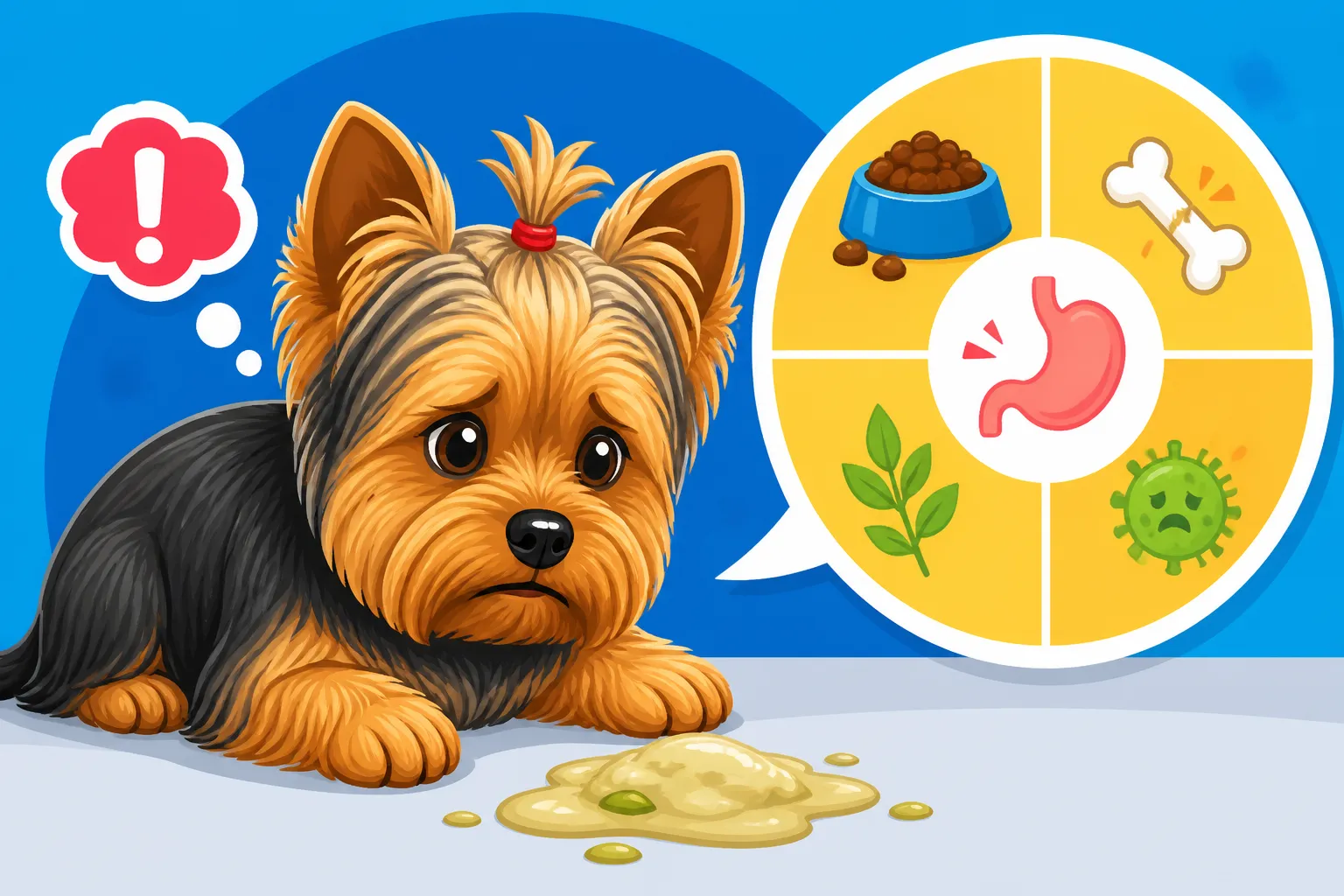
Why Is My Yorkie Vomiting
Seeing your beloved Yorkshire Terrier throw up can send a jolt of panic through any dog parent. It's truly heartbreaking and often terrifying to witness, especially with such a small, delicate breed. This isn't just a messy cleanup; it's a distress signal, and understanding what might be causing it is the first step toward helping your little companion feel better. This comprehensive guide will walk you through the various reasons your Yorkie might be vomiting, from the relatively harmless to the more serious, and equip you with the knowledge to react appropriately.
Understanding Vomiting in Yorkshire Terriers: Is It Serious?
When your Yorkie vomits, your mind probably races, imagining all sorts of terrible scenarios. And honestly, that's a completely natural reaction. Their tiny size can make any symptom feel amplified, and vomiting, in particular, can be a sign of anything from a minor tummy upset to a much more serious underlying health issue. The key is to try and differentiate between those moments where they've just eaten something a bit too quickly and those instances that warrant immediate veterinary attention. It’s not always straightforward, but paying close attention to the details can make a world of difference.
The Difference Between Vomiting and Regurgitation
Before diving into causes, it's really important to distinguish between vomiting and regurgitation, as they are often confused but indicate different issues. Vomiting is an active process where the abdominal muscles contract, expelling contents from the stomach and upper small intestine. You'll typically see retching and heaving, and the expelled material might be partially digested, yellow bile, or even foamy. It’s usually an unpleasant, noisy ordeal for your Yorkie.
Regurgitation, on the other hand, is a more passive process. It happens almost effortlessly, often soon after eating or drinking, with no real warning or abdominal contractions. The food expelled usually looks undigested and tube-shaped, as it comes from the esophagus before it even reaches the stomach. While regurgitation can be less immediately alarming than vomiting, persistent regurgitation still warrants a vet visit, as it can indicate problems with the esophagus, like megaesophagus, a condition where the esophagus loses its ability to push food down. For our purposes today, we're focusing on true vomiting.
When Vomiting is an Emergency
It's easy to jump to the worst conclusions when your Yorkie is sick, but not every bout of vomiting is a dire emergency. However, there are certainly red flags that should send you rushing to the vet. If your Yorkie is vomiting profusely, meaning multiple times within a short period, or if the vomiting is projectile, that’s a major concern. Other critical signs include blood in the vomit (which can look bright red or like dark coffee grounds), extreme lethargy, severe abdominal pain (they might yelp if you touch their belly or hunch over), collapse, or signs of dehydration like sunken eyes and dry gums. If your Yorkie has repeatedly tried to vomit but nothing comes up, this could indicate a serious condition like bloat, though less common in Yorkies, or a gastrointestinal blockage, which is extremely dangerous. Any of these symptoms, especially if combined with other signs of illness such as those covered in our guide on Yorkie Emergency Symptoms to Never Ignore, means you should seek immediate veterinary care.
Common Reasons Your Yorkie Might Be Vomiting
Most of the time, a single episode of vomiting in a otherwise healthy, energetic Yorkie isn't a huge cause for alarm. Just like us, dogs can have an upset stomach, and their digestive systems can be quite sensitive. However, understanding the frequent culprits can help you figure out what's going on and prevent future occurrences.
Dietary Indiscretion and Sudden Food Changes
This is probably the number one reason for a sudden bout of vomiting in many dogs, Yorkies included. Our little explorers have a knack for getting into things they shouldn't – a forgotten snack on the floor, raiding the trash, or even just eating too much grass in the yard. Their sensitive digestive systems aren't designed to handle these foreign items, leading to stomach upset and vomiting as their body tries to expel the irritant. My own Yorkie, Bella, once got into a discarded piece of pizza crust while we were out on a walk in Balboa Park, and it resulted in a very unsettled stomach later that evening.
Similarly, a sudden change in their regular diet can trigger vomiting. If you're switching dog foods, it's crucial to do it gradually over several days, mixing increasing amounts of the new food with decreasing amounts of the old. This allows their system to adjust. Many owners make the mistake of changing food overnight, only to find their Yorkie experiencing digestive distress. Always opt for high-quality food designed for small breeds, and consider discussing options with your vet if your Yorkie has a particularly sensitive stomach. You can find more detailed information in our guide on the Best Dog Food for Yorkshire Terriers.
Gastrointestinal Parasites
Worms and other internal parasites are unfortunately common, especially in puppies, and can wreak havoc on a Yorkie's digestive system. Roundworms, hookworms, whipworms, and even giardia or coccidia can cause vomiting, diarrhea, weight loss, and a dull coat. Puppies are particularly vulnerable, so regular deworming as part of their Yorkshire Terrier Puppy Health Guide is crucial. Even adult Yorkies can pick up parasites from contaminated soil, water, or other animals.
If your Yorkie has parasites, you might also notice changes in their stool, a pot-bellied appearance, or they might seem generally unwell. A quick trip to the vet for a fecal test can identify the culprit, and a deworming medication will usually clear it up fairly quickly. Regular veterinary check-ups are key to catching and preventing these issues.
Food Allergies and Sensitivities
Just like people, Yorkies can develop allergies or sensitivities to certain ingredients in their food. Common culprits include beef, chicken, dairy, wheat, and soy. While skin issues are a more common sign of food allergies, gastrointestinal symptoms like vomiting, diarrhea, and a gurgling stomach can also occur. The difference between an allergy and a sensitivity is that allergies involve an immune response, while sensitivities are more about digestive intolerance without an immune reaction.
If you suspect a food allergy, your vet might suggest an elimination diet, which involves feeding a novel protein (one your Yorkie hasn't eaten before, like duck or venison) or a hydrolyzed protein diet for several weeks to see if symptoms resolve. Then, ingredients are slowly reintroduced to identify the allergen. This can be a lengthy process, but it's often the best way to pinpoint the problem and get your Yorkie back to feeling their best. You can explore further information about managing these issues in our article on Yorkshire Terrier Food For Allergies.
Stress and Anxiety
It might sound strange, but emotional stress and anxiety can manifest as physical symptoms, including vomiting, in sensitive breeds like Yorkies. A sudden change in routine, moving to a new home, the introduction of a new pet or family member, loud noises like fireworks, or even separation anxiety can trigger an upset stomach. Yorkies are often deeply bonded with their owners, and anything that disrupts their sense of security can be unsettling.
If you notice your Yorkie vomits shortly after a stressful event, or if they exhibit other signs of anxiety like excessive barking, destructive chewing, or trembling, stress might be a contributing factor. Creating a calm, predictable environment, providing plenty of mental and physical stimulation, and even consulting with a professional dog behaviorist or vet about anxiety management strategies can help alleviate these symptoms. For more on dealing with emotional distress, consider reading our post on Yorkshire Terrier Separation Anxiety Solutions.
More Serious Causes of Yorkie Vomiting
While minor issues often explain vomiting, it's important to be aware of more serious conditions that can cause it. These situations usually involve other pronounced symptoms and require urgent veterinary attention.
Pancreatitis
Pancreatitis, an inflammation of the pancreas, is unfortunately a common and serious condition in Yorkies. This small but mighty organ is responsible for producing digestive enzymes and hormones like insulin. When it becomes inflamed, these enzymes can start attacking the pancreas itself, leading to severe pain, vomiting, diarrhea, loss of appetite, and lethargy. Pancreatitis is often triggered by a high-fat meal, which is why giving your Yorkie rich human foods can be so dangerous.
The diagnosis usually involves blood tests (like a canine pancreatic lipase immunoreactivity or cPLI test) and sometimes ultrasound imaging. Treatment typically involves hospitalization, intravenous fluids to combat dehydration, pain medication, anti-nausea drugs, and strict dietary management, often a very low-fat diet for the long term. This is a condition that warrants immediate veterinary care, as outlined in our guide on Yorkshire Terrier Pancreatitis: Signs and Care.
Liver Shunts (Portosystemic Shunt)
A portosystemic shunt (PSS), often referred to as a liver shunt, is a congenital (present from birth) condition that is disproportionately seen in smaller breeds like Yorkshire Terriers. In a healthy dog, blood from the intestines flows through the liver for detoxification before circulating to the rest of the body. With a shunt, an abnormal blood vessel bypasses the liver, allowing toxins to circulate directly. This leads to a buildup of toxins in the bloodstream, affecting various organs, especially the brain.
Symptoms can be varied and intermittent, including vomiting, diarrhea, poor growth, lethargy, disorientation, seizures, and unusual behavior, particularly after eating. Diagnosis involves specialized blood tests (bile acid stimulation test), sometimes with imaging like ultrasound or CT scans. Treatment can range from dietary management and medications to surgery to close the shunt. This is a very serious condition, and you can learn more about it in our comprehensive article on Yorkshire Terrier Portosystemic Shunt: Signs and Care.
Intestinal Obstructions and Foreign Bodies
Yorkies are notorious for their curiosity and small size, which unfortunately makes them prone to swallowing objects that can cause an intestinal obstruction. Toys, string, hair ties, parts of chews, or even stones can get lodged in their digestive tract, blocking the passage of food and fluid. This is an immediate emergency.
Symptoms of an obstruction include persistent vomiting (often of food, water, or bile), severe abdominal pain, lethargy, loss of appetite, and an inability to pass stool. If you suspect your Yorkie has swallowed something, or if they are repeatedly vomiting without passing any stool, get to the vet immediately. Diagnosis often involves X-rays, sometimes with contrast material, or ultrasound. Surgery is frequently required to remove the foreign object.
Toxin Ingestion
Our homes are full of potential hazards for small dogs. Common household items like certain plants, cleaning products, medications (human and pet), pest control products (like rodenticides or snail bait), and even certain human foods (chocolate, xylitol, grapes/raisins, onions, garlic) can be highly toxic to Yorkies. Due to their small body weight, even a tiny amount of a toxic substance can have devastating effects.
Symptoms of toxin ingestion vary widely depending on the substance but can include sudden and severe vomiting, diarrhea, lethargy, tremors, seizures, difficulty breathing, excessive drooling, or collapse. If you suspect your Yorkie has ingested something toxic, do not wait. Immediately contact your veterinarian or an emergency veterinary hospital. Have any information about the potential toxin ready, including the product name, ingredients, and the amount ingested. Time is of the essence in these situations.
When to Seek Veterinary Help for a Vomiting Yorkie
Deciding when to call the vet versus monitoring your Yorkie at home can be tough. It's always better to err on the side of caution, especially with such a small breed. If you're ever unsure, a quick call to your vet for advice is always a good idea. They know your dog's history and can provide personalized guidance.
Immediate Vet Visit Scenarios
There are definite situations where a vet visit isn't just recommended, it's absolutely critical. These are the red flags that suggest something potentially life-threatening is happening:
- Continuous Vomiting: If your Yorkie is vomiting multiple times within an hour or two, or if the vomiting persists for more than 12-24 hours.
- Bloody Vomit: Any vomit that contains fresh blood (bright red) or digested blood (dark, coffee-ground like). This indicates bleeding in the digestive tract.
- Severe Lethargy or Collapse: If your Yorkie is extremely weak, unresponsive, or collapses.
- Abdominal Pain: If their belly is hard, distended, or they cry out when touched.
- Fever or Other Severe Symptoms: If vomiting is accompanied by a high fever, seizures, disorientation, or difficulty breathing.
- Ineffective Retching: If your Yorkie is trying to vomit but nothing is coming up. This could be a sign of a blockage or, less commonly in Yorkies, bloat (gastric dilatation-volvulus).
- Known Toxin Ingestion: If you know or suspect your Yorkie has ingested a toxic substance or a foreign object.
In these cases, time is critical. Don't delay in getting to an emergency vet. Pet insurance providers like Healthy Paws can often alleviate some of the financial stress during these emergencies, allowing you to focus on your Yorkie's care rather than the cost.
What to Tell Your Veterinarian
When you call or arrive at the vet, being prepared with specific information can significantly help them diagnose the problem quickly. They'll likely ask a series of questions:
- When did the vomiting start? Be as precise as possible.
- How many times has your Yorkie vomited?
- What did the vomit look like? (Color, consistency, presence of food, bile, blood, foreign objects). Take a picture if you can.
- Has anything else changed? (Diet, new treats, new medications, new toys, exposure to plants or chemicals, recent travel, new pets/people).
- Is your Yorkie experiencing any other symptoms? (Diarrhea, lethargy, changes in appetite or thirst, abdominal pain, fever, coughing, difficulty breathing).
- When was the last time they ate and drank?
- Are they up to date on vaccinations and deworming?
This information is crucial for your vet to narrow down potential causes and determine the best course of action. They may need to do a physical exam, blood tests, fecal tests, or imaging like X-rays or ultrasound to get a full picture.
Here's a quick reference table to help you decide:
| Symptom Category | Signs to Watch For | Recommended Action |
|---|---|---|
| Mild | Single episode of vomiting, otherwise normal activity, appetite | Monitor closely, withhold food for a few hours, offer water. |
| Moderate | Vomiting 2-3 times in 12-24 hours, slight lethargy, reduced appetite | Contact your vet for advice, bland diet may be suggested. |
| Severe / Emergency | Continuous vomiting (many times in short period), bloody vomit, severe lethargy/collapse, severe abdominal pain, unsuccessful retching, known toxin ingestion | IMMEDIATE EMERGENCY VET VISIT |
At-Home Care and Prevention Strategies
Once you've determined that your Yorkie's vomiting isn't an emergency (and ideally after consulting your vet if you have any doubts), there are steps you can take at home to help them recover and prevent future episodes.
Initial At-Home Management for Mild Vomiting
If your Yorkie has only vomited once or twice and otherwise seems bright and active, you can try some simple at-home care:
- Withhold Food: The first step is usually to rest their stomach. Withhold all food for 6-12 hours. This gives their digestive system a chance to settle down. For puppies or very small Yorkies prone to Yorkshire Terrier Hypoglycemia: Signs and Care, consult your vet before withholding food, as they can become hypoglycemic quickly.
- Offer Small Amounts of Water: After a few hours of no vomiting, offer small amounts of fresh water frequently. Start with a tablespoon or two every 30 minutes to an hour. If they hold that down, you can gradually increase the amount. Dehydration is a major concern for small dogs with vomiting.
- Introduce a Bland Diet: If your Yorkie hasn't vomited for 6-12 hours and is holding down water, you can gradually introduce a bland diet. This typically consists of plain, boiled chicken breast (no skin, no bones, unseasoned) and plain white rice, in a 1:2 ratio (one part chicken to two parts rice). Offer a very small amount, about a tablespoon or two, every 3-4 hours.
- Monitor Closely: Continue to watch your Yorkie for any worsening symptoms, renewed vomiting, or signs of lethargy. If symptoms return or don't improve within 24-48 hours, or if new symptoms appear, it's time to call the vet.
Transitioning Back to Regular Food
Once your Yorkie has been eating the bland diet for a day or two without any vomiting, and their stool is normal, you can slowly transition them back to their regular food. This should also be a gradual process over several days.
- Day 1-2: 75% bland diet, 25% regular food.
- Day 3-4: 50% bland diet, 50% regular food.
- Day 5-6: 25% bland diet, 75% regular food.
- Day 7: Back to 100% regular food.
Monitor their stools and overall demeanor during this transition. If vomiting or diarrhea recurs, revert to the bland diet and consult your vet.
Long-Term Prevention Strategies
Preventing future episodes of vomiting often involves a combination of careful management and proactive care:
- Consistent, High-Quality Diet: Stick to a consistent, high-quality dog food appropriate for your Yorkie's age and activity level. Avoid frequent food changes. If a change is necessary, do it gradually.
- Secure Trash and Toxic Substances: Keep all household trash, cleaning supplies, human medications, and toxic plants out of your Yorkie's reach. Childproof locks on cabinets can be a lifesaver.
- Supervised Outdoor Time: Keep a close eye on what your Yorkie sniffs and potentially eats during walks or yard time. Pick up any discarded food items, small objects, or potentially toxic plants.
- Appropriate Toys: Provide durable, appropriately sized toys that cannot be easily chewed into small, swallowable pieces.
- Regular Veterinary Check-ups: Routine vet visits are crucial for overall health. They allow your vet to catch potential issues early, ensure your Yorkie is up-to-date on deworming, and discuss any recurring digestive concerns. Our guide on How to Keep a Yorkshire Terrier Healthy emphasizes the importance of these visits.
- Manage Stress: Identify and minimize stressors in your Yorkie's environment. Provide a safe, quiet space for them and consider calming aids if anxiety is a persistent issue.
- Pet Insurance: Having pet insurance, like a plan from Healthy Paws, can be an invaluable tool. It won't prevent vomiting, but it can significantly reduce the financial burden if a serious condition does arise, allowing you to focus on getting your Yorkie the best possible care without worrying about unexpected veterinary bills.
Vomiting in Yorkies can be frightening, but with careful observation, prompt action, and a good relationship with your veterinarian, you can help your tiny companion through it. Remember, your vigilance and care are their best defense.
Disclaimer
The information provided in this article is for general informational purposes only and is not a substitute for professional veterinary advice. Always consult with a qualified veterinarian for any health concerns or before making any decisions related to your pet's health and treatment.