Yorkie Feeding Schedule by Age
One of the biggest worries for any Yorkshire Terrier parent is making sure their tiny companion is getting exactly what they need to thrive. It can feel like a minefield trying to figure out the right food, how much to give, and when, especially when their needs change so rapidly from a tiny puppy to a spry senior. This comprehensive guide will walk you through precise feeding schedules and nutritional considerations for your Yorkie at every stage of their life, ensuring they stay happy and healthy.
The Unique Dietary Blueprint of a Yorkshire Terrier
Yorkies, with their petite stature and vibrant personalities, are far from generic in their dietary requirements. They aren't just small dogs; they're a breed with specific metabolic rates, sensitivities, and health predispositions that demand a thoughtful approach to their nutrition. Ignoring these unique needs can lead to a host of problems, from energy crashes to long-term health complications.
Why Size Matters for Yorkie Nutrition
It might seem obvious that a tiny dog eats less than a large one, but it's more nuanced than just portion size. Yorkshire Terriers have a very high metabolism for their size. This means they burn through calories much faster than a larger breed. Consequently, they need more frequent meals, especially as puppies, to maintain stable blood sugar levels. They also have tiny mouths and delicate digestive systems, which means kibble size, ingredient quality, and digestibility are paramount. A kibble that's too large can be a choking hazard or difficult to chew, leading to skipped meals or gastrointestinal distress.
Furthermore, their small stomachs can't handle large volumes of food at once. Overfeeding a Yorkie in one sitting can lead to discomfort, vomiting, or even bloat, which, while rarer in small breeds, is still a concern. The focus, therefore, must be on nutrient-dense, easily digestible meals spread throughout the day rather than a few large ones. This is crucial for puppies, as we'll discuss when talking about How to Prevent Hypoglycemia in Yorkie Puppies.
Essential Nutrients Your Yorkie Needs
Just like us, Yorkies require a balanced diet of proteins, fats, carbohydrates, vitamins, and minerals. However, the ratios and sources can make all the difference. High-quality animal protein sources like chicken, turkey, lamb, or fish are essential for muscle development and maintenance. Fats, particularly omega-3 and omega-6 fatty acids, are vital for their signature silky coat, skin health, and brain function. Good sources include fish oil, flaxseed, and certain animal fats.
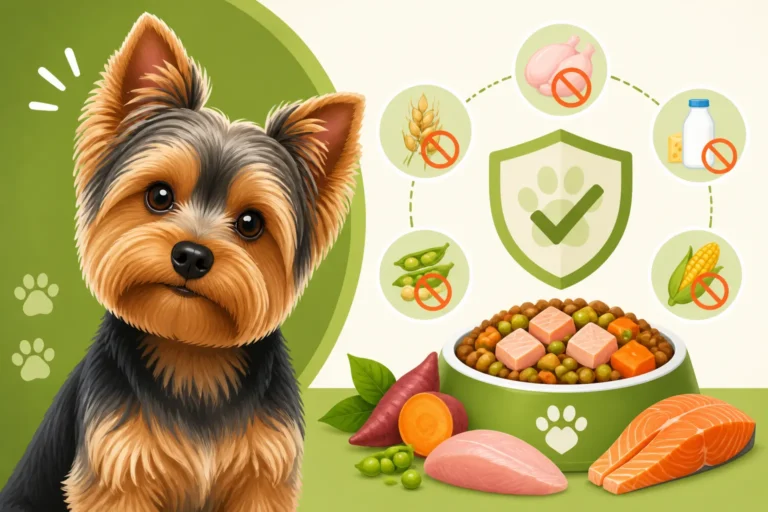
Complex carbohydrates from whole grains like brown rice, oats, or sweet potatoes provide sustained energy, while fiber helps with digestion. It's important to avoid excessive fillers like corn or soy, which offer little nutritional value and can sometimes trigger allergies in sensitive Yorkies. Vitamins and minerals, often found in fruits and vegetables, support everything from immune function to bone health. Choosing a complete and balanced dog food formulated for small breeds or toy breeds is generally the best approach, as these are designed to meet these specific needs. When looking for the Best Dog Food for Yorkshire Terriers, always check the ingredient list carefully.
Common Misconceptions About Yorkie Diets
Many new Yorkie parents fall prey to common misconceptions. One prevalent myth is that table scraps are harmless for such small dogs. In reality, human food, especially fatty, salty, or sugary items, can wreak havoc on a Yorkie's delicate system, leading to pancreatitis, obesity, or even toxic reactions. Another misconception is that all small breed foods are created equal. Ingredient quality varies wildly between brands. Some budget-friendly options might contain excessive fillers or by-products that offer poor nutrition.
Some owners also believe that free-feeding (leaving food out all day) is acceptable for Yorkies due to their high metabolism. While frequent meals are good, free-feeding can lead to overeating, poor appetite control, and make potty training more difficult. Scheduled meals allow you to monitor intake, notice changes in appetite, and establish a routine, which is beneficial for both digestion and behavior. Understanding these nuances helps lay the groundwork for a healthy feeding regimen, starting right from their puppy days.
Navigating Puppyhood: Feeding Schedules for Young Yorkies
Bringing a Yorkie puppy home is an exciting time, but their tiny size means their dietary needs are critical and change rapidly. The first few months are all about consistent, nutrient-rich feeding to support their incredible growth and prevent common puppy health issues like hypoglycemia.
From Weaning to Three Months
When you first bring your Yorkie puppy home, likely around 8 to 12 weeks old, they've just transitioned from their mother's milk to solid food. This is a fragile stage where they need frequent, small meals to maintain stable blood sugar and support rapid growth. Typically, puppies in this age range should be fed 3-4 times a day. The total daily amount of food will be specified on your chosen puppy food packaging, usually based on their projected adult weight or current puppy weight. Divide this daily amount into those 3-4 meals.
For example, if the bag recommends 1/2 cup per day, you might give 1/8 to a scant 1/4 cup per meal. Always use a high-quality puppy kibble specifically formulated for small or toy breeds. These foods are calorie-dense and have smaller kibble sizes, making them easier for tiny mouths to chew and digest. You can often find excellent options on platforms like Chewy, which makes it convenient to compare brands and read reviews from other Yorkie parents. Don't forget, freshwater should always be available, especially after meals. This period is also crucial for their overall development, as highlighted in our Yorkshire Terrier Puppy Health Guide.
Three to Six Months: Growth and Energy
As your Yorkie puppy grows from three to six months, they're still in a rapid growth phase, but their digestive system is maturing, and their risk of hypoglycemia decreases slightly (though it’s still present). You can often maintain the 3 meals a day schedule, which works well for most puppies this age. Continue to follow the feeding guidelines on your chosen puppy food, adjusting portion sizes as your puppy gains weight. It's vital to ensure they are consistently eating and gaining weight steadily.
This is a time of immense energy; your puppy will be exploring, playing, and learning, all of which burn a lot of calories. Regular meal times also help establish a routine, which is excellent for How to Potty Train a Yorkie Puppy and overall behavior. Keep an eye on their body condition – you should be able to feel their ribs easily but not see them prominently. If your puppy seems lethargic, isn't eating, or shows any signs of distress, consult your vet immediately.
Preventing Hypoglycemia with Proper Feeding
Hypoglycemia, or dangerously low blood sugar, is a very real and serious threat for Yorkie puppies, especially those under six months old. Their small bodies have limited glycogen stores, and a missed meal, excessive play, or stress can quickly deplete their energy reserves, leading to a blood sugar crash. This is why frequent, scheduled meals are so important. Feeding them small amounts regularly prevents these dangerous dips. You might also want to have a quick-acting sugar source on hand, like Nutri-Cal or even a little Karo syrup, as a preventative or emergency measure if you notice signs like lethargy, wobbliness, or confusion.
Beyond consistent meals, reducing stress, ensuring they stay warm, and limiting strenuous exercise, especially before meals, are also key preventative measures. Always choose a calorie-dense puppy food. Many veterinarians recommend keeping a small amount of kibble available overnight for very young puppies, or offering a final meal late at night to tide them over until morning. For more in-depth information on recognizing the signs, refer to Yorkie Hypoglycemia: Emergency Signs.
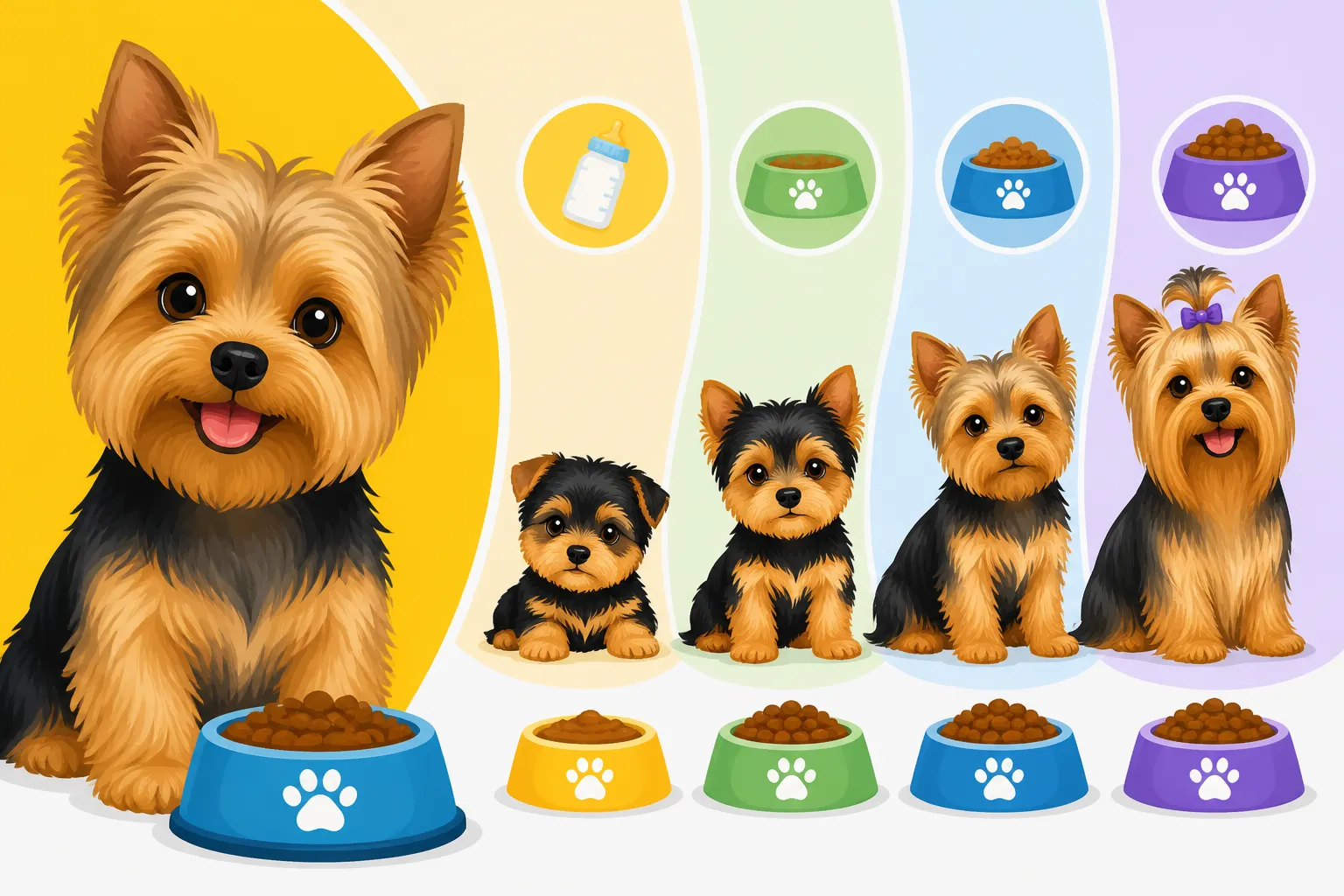
| Age Range | Meals Per Day | Food Type | Key Consideration |
|---|---|---|---|
| Newborn-8 Wks | 4-5 | Mother's Milk/Soft Puppy Food | Weaning, extremely small meals |
| 8 Wks-3 Mths | 3-4 | Small Breed Puppy Kibble | Hypoglycemia prevention, rapid growth |
| 3-6 Mths | 3 | Small Breed Puppy Kibble | Continued growth, energy demands |
| 6-12 Mths | 2-3 | Small Breed Puppy Kibble/Adult | Transition readiness, maturity |
| 1-7 Years | 2 | Small Breed Adult Kibble | Weight management, consistent health |
| 7+ Years | 2 | Small Breed Senior Kibble | Joint support, lower calories |
The Adult Yorkie: Maintaining Optimal Health Through Diet
Once your Yorkie sails past their first birthday, they're generally considered an adult, and their dietary needs will shift from rapid growth to maintenance. This is a significant milestone, and adjusting their feeding schedule and food type accordingly is essential for their long-term health and vitality.
Transitioning to Adult Formulas
Most Yorkshire Terriers reach their adult size and maturity around 9-12 months of age. At this point, the high calorie and nutrient density of puppy food is no longer necessary, and continuing to feed it can lead to unhealthy weight gain. It's time to transition your Yorkie to a high-quality adult small breed dog food. The best way to do this is gradually over 7-10 days. Start by mixing 25% new adult food with 75% old puppy food for a few days. Then, move to a 50/50 mix, followed by 75% new food and 25% old food, before finally feeding 100% adult formula.
This slow transition helps prevent digestive upset like diarrhea or vomiting, which can be common when abruptly changing a dog's diet. During this period, keep a close eye on their stool consistency and overall demeanor. If you notice any issues, slow down the transition further. Many premium brands, like Purina Pro Plan or Royal Canin, offer specific formulas for adult toy breeds, designed with appropriate calorie levels and kibble size. Platforms like Amazon make it easy to stock up on new food and have it delivered right to your door, ensuring a smooth transition.
Daily Feeding Routines and Portion Control
For adult Yorkies, two meals a day is the gold standard. This typically involves feeding once in the morning and once in the evening, spaced roughly 8-12 hours apart. This schedule helps maintain stable energy levels, supports digestion, and fits well into most family routines. The exact portion size will depend on the specific food you choose, your Yorkie's activity level, and their ideal weight. Always refer to the feeding guidelines on the dog food bag, which usually provide a chart based on your dog's weight.
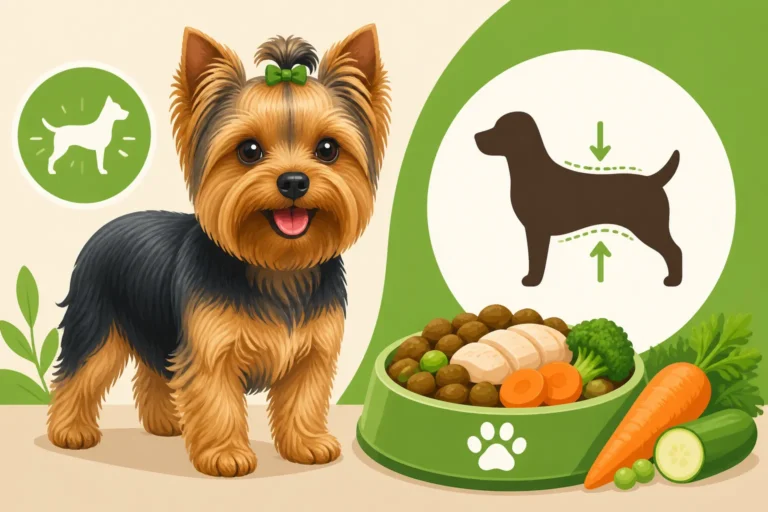
However, these are just starting points. It's crucial to monitor your individual Yorkie. Are they maintaining a healthy weight? You should be able to feel their ribs without seeing them, and they should have a discernible waistline when viewed from above. If they are gaining weight, slightly reduce their portion. If they seem too thin, increase it slightly. An active Yorkie might need a bit more, while a couch potato will need less. Regular weight checks at home or at the vet can help ensure you're getting the portions just right. Our guide on Yorkie Weight: Healthy Range by Age offers more insights into ideal body condition.
Selecting the Best Food for Adult Yorkies
Choosing the right adult food is paramount. Look for formulas specifically designed for small breeds. These will have smaller kibble sizes to prevent choking and promote easier chewing, and they’ll be nutritionally balanced for their higher metabolism. Prioritize foods with high-quality animal protein as the first ingredient, like "chicken meal" or "deboned salmon," rather than generic "meat by-products." Avoid artificial colors, flavors, and excessive fillers.
Some owners prefer grain-free options, but unless your vet specifically recommends it due to an allergy, grains are not inherently bad and can provide valuable nutrients. Wet food can also be a good option, especially for picky eaters or those with dental issues, but it often has a higher water content and lower calorie density, so you'll need to adjust portions accordingly. Fresh food delivery services, like Ollie, have gained popularity for offering customized, human-grade meal plans that can be excellent for Yorkies, providing high-quality, digestible nutrition. Remember, finding the "best" food often involves a bit of trial and error to see what your Yorkie thrives on, but always prioritize quality and suitability for their size.
Tailoring Diets for Senior Yorkshire Terriers
As our beloved Yorkies age, usually around 7-9 years old, their bodies undergo subtle changes that necessitate adjustments to their diet. They might slow down, their metabolism can decrease, and existing health issues may become more pronounced. Recognizing these shifts and adapting their nutrition is a key part of How to Care for a Senior Yorkie to ensure their comfort and longevity in their golden years.
Signs Your Yorkie Needs a Senior Diet
Several indicators suggest it's time to consider a senior-specific diet for your Yorkie. The most common sign is a decrease in activity level. If your once energetic companion is now more inclined to nap than play, their calorie needs will have dropped, making them prone to weight gain on an adult formula. Another sign is a change in appetite or digestive regularity. Older dogs can develop sensitive stomachs or become pickier eaters.
You might also notice changes in their coat quality, energy levels, or joint mobility. Senior diets are typically formulated with fewer calories to prevent obesity, higher fiber for digestive health, and often include joint-supporting supplements like glucosamine and chondroitin. If your Yorkie is showing any of these signs, it's a good time to talk to your veterinarian about transitioning them to a senior formula. This proactive approach can significantly improve their quality of life as they age, as detailed in our guide to Yorkshire Terrier Senior Care Guide.
Addressing Age-Related Dietary Challenges
Senior Yorkies often face specific dietary challenges. Dental disease is incredibly common in small breeds, and chewing hard kibble can become painful. If your senior Yorkie has significant dental issues, transitioning to a softer food, such as wet food or rehydrated freeze-dried food, can make meal times much more comfortable. Ensuring regular dental care, like what's outlined in our Yorkshire Terrier Dental Care Guide, is also paramount. Reduced metabolism means they're more susceptible to weight gain, which puts extra strain on aging joints. Therefore, precise portion control becomes even more critical.
Kidney function can also decline with age, so some senior diets are designed with lower protein levels, though this should always be discussed with a vet. Conversely, some seniors might lose their appetite, requiring highly palatable and nutrient-dense foods to maintain a healthy weight. Small, frequent meals (perhaps back to three times a day) might be beneficial for those with smaller appetites or sensitive digestion.
Supplements and Hydration for Golden Years
Beyond a specialized senior diet, supplements can play a crucial role in supporting an aging Yorkie's health. Glucosamine and chondroitin are widely recommended for joint health, helping to ease discomfort from arthritis. Omega-3 fatty acids, found in fish oil, support cognitive function, skin and coat health, and also have anti-inflammatory properties beneficial for joints. Probiotics can aid digestion, which can become less efficient in older dogs. Always consult your vet before adding any supplements to your Yorkie's diet to ensure they are appropriate and correctly dosed.
Hydration is also incredibly important. Older dogs can sometimes become less diligent about drinking water, or they might have underlying conditions that increase their need for fluids. Ensuring multiple fresh water bowls are available, offering filtered water, and even incorporating wet food into their diet can help boost their fluid intake. Recognizing these needs and adjusting their care accordingly is a loving commitment we make to our senior companions.
Beyond the Bowl: Treats, Troubles, and Top Tips
Feeding your Yorkie isn't just about what goes into their meal bowl; it also encompasses how you manage treats, address behavioral quirks around food, and what potentially dangerous items to avoid. A holistic approach ensures your Yorkie's diet is safe, effective, and supports their overall well-being.
The Role of Treats in a Yorkie's Diet
Treats are wonderful tools for training, bonding, and showing affection, but for tiny Yorkies, their caloric impact can be significant. Treats should never make up more than 10% of your Yorkie's daily caloric intake. Over-treating can quickly lead to obesity, which is a serious health risk for small dogs. Choose small, low-calorie treats specifically designed for small breeds. Many popular brands offer tiny training treats that are perfect for Yorkies.
Consider breaking larger treats into smaller pieces. Instead of giving a whole cookie, a tiny crumb can often be just as rewarding. Human food treats should be given sparingly, if at all, and only if you are absolutely certain they are safe for dogs (e.g., a tiny piece of plain cooked chicken or carrot). Always avoid anything with added sugar, salt, or artificial sweeteners like xylitol, which is highly toxic to dogs. Remember, treats are supplementary, not a main part of their diet.
Common Feeding Problems and Solutions
Yorkies can be notoriously picky eaters, which can be frustrating and concerning for owners. If your Yorkie suddenly turns up their nose at their food, first rule out any medical issues by consulting your vet. If medically cleared, try a few strategies. Warming up wet food slightly can enhance its aroma and palatability. Adding a low-sodium chicken broth or a small amount of cooked, plain chicken to their kibble can also entice them. Some owners find success with fresh food options, like those offered by Ollie, as they often have a more appealing texture and scent.
Another common issue is fast eating. Yorkies can sometimes gobble their food too quickly, leading to indigestion or even vomiting. Slow-feeder bowls, or simply spreading their kibble across a wider, flat plate, can help slow them down. Anxiety or resource guarding can also manifest around food. For anxiety, ensure a calm, quiet feeding environment. For resource guarding, consult a professional trainer to work on positive reinforcement techniques. Addressing these issues early can prevent them from becoming entrenched habits.
Foods to Keep Far Away from Your Yorkie
This is not just important, it's critical. Many common human foods are highly toxic or dangerous for dogs, especially for a small breed like a Yorkie where even a small amount can cause severe illness or death. Absolutely avoid:
- Chocolate: Contains theobromine, toxic to dogs.
- Grapes and Raisins: Can cause kidney failure.
- Xylitol: An artificial sweetener found in sugar-free gum, candies, and some peanut butters, causes rapid insulin release and liver failure.
- Onions, Garlic, Chives, Leeks: Alliums that can damage red blood cells.
- Avocado: Contains persin, which can be toxic in large amounts, especially the pit.
- Alcohol: Extremely dangerous, even in small amounts.
- Caffeine: Found in coffee, tea, and energy drinks, can be fatal.
- Macadamia Nuts: Can cause weakness, vomiting, tremors, and hyperthermia.
- Cooked Bones: Can splinter and cause internal damage.
- Fatty/Greasy Foods: Can lead to pancreatitis, a very painful and serious condition in Yorkies.
Always store these items securely out of your Yorkie's reach. Be diligent about crumbs on the floor and instruct all family members and guests about these dangerous foods. When in doubt, it’s always better to err on the side of caution and stick to dog-specific treats and foods. Being informed about these dangers is a fundamental part of responsible Yorkie ownership and helps keep your tiny friend safe.
Disclaimer
The information provided in this guide is for informational purposes only and does not constitute veterinary advice. Always consult with a qualified veterinarian regarding any health concerns, dietary changes, or before starting any new treatment or supplement for your Yorkshire Terrier. Individual dietary needs can vary based on factors like age, activity level, health conditions, and metabolism.