Yorkshire Terrier Exercise Needs
It's easy to look at a tiny Yorkshire Terrier and think they're perfectly content being a lap dog, requiring minimal effort beyond a quick stroll around the block. But if you’ve ever lived with one, you know that underneath that silky coat is a bundles of energy and a feisty terrier spirit! Many Yorkie owners struggle to understand just how much exercise their small companion truly needs to stay healthy and happy. This comprehensive guide will deep dive into the specific exercise requirements of Yorkshire Terriers, helping you craft a routine that keeps your little dynamo thriving, both physically and mentally.
Understanding the Yorkshire Terrier's Energy Levels and Instincts
Yorkshire Terriers might be small, but they carry a big personality and a surprising amount of energy. Originating as working dogs in 19th-century England, bred to catch rats in textile mills, their instincts are still very much intact. This isn't a breed content to simply sit on the sofa all day, no matter how much they might adore cuddle time. Understanding their innate drives is key to providing appropriate exercise.
The Terrier Drive: More Than Just a Lap Dog
Despite their delicate appearance, Yorkies are true terriers at heart. This means they possess a strong prey drive, a curious and bold nature, and a surprising amount of stamina for their size. If you've ever watched your Yorkie dart after a squirrel or "hunt" a toy with intense focus, you're seeing their terrier heritage in action. This inherent drive needs an outlet, and without proper physical and mental stimulation, it can manifest in undesirable behaviors like excessive barking, destructive chewing, or digging. It’s not about being "naughty"; it's about unmet needs. They need to explore, sniff, and "work" in some capacity, even if that work is just chasing a ball.
Many owners are surprised by this, often expecting a more docile companion based on the breed's small stature. But neglecting this fundamental aspect of their temperament is a disservice to the dog and often leads to frustrated owners. Providing varied exercise that taps into their natural instincts will lead to a much more content and well-behaved Yorkie. Think of it less as a chore and more as an opportunity to bond and watch your little dog truly shine.
Factors Influencing a Yorkie's Energy
While the terrier spirit is a constant, individual Yorkies can have varying energy levels, just like people. Several factors play a role in how much zoom-time your particular pup might need. Age is a huge one; puppies are typically bundles of boundless energy, while senior Yorkies naturally slow down. Genetics also play a part, with some bloodlines producing more active individuals than others. A Yorkie's overall health is another critical consideration; an underlying health issue, even a minor one like a toothache, can significantly reduce their desire to exercise.
Even environmental factors, like the weather or the presence of other dogs, can influence a Yorkie's enthusiasm for activity. For example, a chilly winter day might make an outdoor walk less appealing, while a sunny afternoon at the dog park could ignite a burst of playful energy. It's crucial to observe your own Yorkie and understand their unique rhythms and preferences rather than trying to fit them into a one-size-fits-all mold.
Common Misconceptions About Yorkie Exercise
One of the biggest misconceptions is that because Yorkies are small, they don't need much exercise. This couldn't be further from the truth! Many assume that simply puttering around the house or a quick potty break in the yard is sufficient. However, this often leads to a pent-up Yorkie with a surplus of energy that then gets channeled into less-than-ideal activities. Another myth is that their small legs can’t handle longer walks, or that they're too fragile for anything more than a gentle stroll. While caution is always advised due to their delicate bone structure and potential for conditions like Yorkie Knee Problems Explained, many Yorkies can enjoy moderate, consistent activity.
Some owners also believe that a small apartment means a Yorkie won't thrive, but the reality is that appropriate exercise can absolutely be provided in smaller living spaces; it just requires more intentionality. The key is quality over sheer quantity of space. A tiny dog in a big yard who is ignored will be less exercised than a tiny dog in an apartment whose owner takes them on regular walks and engages them in indoor play. Over-exercising is also a concern, especially for puppies and seniors, as well as those with specific health conditions like Yorkshire Terrier Collapsing Trachea Signs and Care. Finding that sweet spot is crucial.
The Importance of Regular Exercise for Your Yorkie's Well-being
Just like humans, regular physical activity is non-negotiable for a dog's overall health and happiness. For a Yorkshire Terrier, whose small size can sometimes lead owners to underestimate their needs, consistent exercise is paramount. It affects everything from their physical condition to their mental state and behavior. Neglecting this vital aspect of their care can lead to a host of problems that are easily preventable.
Physical Health Benefits
First and foremost, exercise is critical for maintaining your Yorkie's physical health. Regular activity helps keep their weight in check, which is incredibly important for a small breed susceptible to joint issues. An Overweight Yorkie puts undue strain on their delicate knees and hips, exacerbating conditions like patellar luxation. Exercise also strengthens muscles, improves cardiovascular health, and boosts circulation. It's a natural way to keep their metabolism humming and their energy levels stable.
Beyond weight management, activity can also contribute to a stronger immune system and better digestion. A well-exercised dog often has a healthier appetite and more regular bowel movements. It’s a foundational element of how to keep a How to Keep a Yorkshire Terrier Healthy. Think of it as preventative medicine that comes with wagging tails and joyful panting. Without it, you're not just risking a sluggish dog, but potentially setting them up for a lifetime of preventable health issues.
Mental Stimulation and Behavioral Health
For a terrier, exercise isn't just about moving their body; it's about engaging their sharp mind. These intelligent little dogs thrive on mental challenges, and physical activity often provides that stimulation. A walk isn't just a walk to a Yorkie; it's an olfactory adventure, a chance to see new sights, and an opportunity to interpret the world around them. This mental engagement helps prevent boredom, which is a major contributor to destructive behaviors. A bored Yorkie is a creative Yorkie, and their creativity often involves barking at shadows, chewing furniture, or becoming overly clingy.
Regular, appropriate exercise also helps to channel their natural terrier assertiveness into positive outlets. It reduces anxiety, frustration, and can significantly mitigate common Yorkshire Terrier Behavior Problems and Solutions. A tired Yorkie is usually a well-behaved Yorkie, more likely to settle down and enjoy quiet time after an engaging play session or walk. It fosters a sense of purpose and helps them feel more integrated into the family routine.
Preventing Common Yorkie Health Issues
Many health concerns prevalent in Yorkshire Terriers can be either prevented or managed more effectively with regular exercise. For example, conditions like Yorkshire Terrier Patellar Luxation Signs and Care or Legg-Calve-Perthes disease, which affect their joints, benefit greatly from strong surrounding muscles. Consistent, low-impact exercise helps maintain joint flexibility and strength, and can even slow the progression of some degenerative conditions. Of course, always consult your vet for specific recommendations, especially if your Yorkie has a diagnosed condition.
Furthermore, exercise contributes to better respiratory health, which is vital for a breed prone to tracheal issues. While exercise won't prevent conditions like collapsing trachea, a dog in good physical condition is generally more resilient. Maintaining a healthy weight through diet and exercise is also crucial in preventing diabetes and other metabolic disorders. Essentially, a proactive approach to exercise is a cornerstone of ensuring your Yorkie lives a long, healthy life, maximizing their Yorkie Lifespan How to Maximize It.
Tailoring Exercise to Your Yorkie's Age and Stage
Just as a human toddler needs different activities than a teenager or a senior, a Yorkie's exercise requirements evolve throughout their life. What's appropriate for a rambunctious puppy could be too much for an older dog, and vice-versa. Understanding these stages is critical to providing safe, effective, and enjoyable exercise. Forcing a senior dog to keep up with a puppy's pace is just as detrimental as under-exercising a young, energetic adult.
Yorkie Puppy Exercise Needs
Yorkie puppies are adorable little bundles of boundless energy, but their bodies are still developing. Over-exercising a puppy can cause serious, irreversible damage to their growth plates and developing joints. The general rule of thumb is about five minutes of exercise per month of age, twice a day, up to their adult size. So, a 3-month-old puppy might get 15 minutes, twice a day. This includes short, supervised play sessions and gentle exploration. Avoid long walks, jumping from heights, or strenuous activities that put stress on their joints.
Puppy exercise should be about exploration, short bursts of play, and positive socialization. Think about controlled playdates with other vaccinated, gentle puppies, or short sniffing walks around the garden. Mental stimulation, like puzzle toys or learning basic commands, is just as important as physical exercise for their development. A Yorkshire Terrier Puppy Health Guide will always emphasize gentle activity and plenty of rest. Remember, puppies need a lot of sleep to grow!
Adult Yorkie Exercise Regimen
Once your Yorkie reaches adulthood (usually around 10-12 months), they can handle a more consistent and robust exercise routine. Most adult Yorkies need at least 30-60 minutes of physical activity daily, broken into one or two sessions. This could be a brisk 20-30 minute walk, a vigorous game of fetch in a secure yard, or an engaging indoor play session. The goal is to provide enough activity to tire them out both physically and mentally.
For many adult Yorkies, two good walks a day, combined with some indoor playtime, hits the sweet spot. These walks offer not just physical movement but also vital mental stimulation from sniffing new scents and seeing the world. Consider variety: a trip to a dog-friendly park, a new walking route, or even trying a dog sport like agility (with proper guidance) can keep things interesting. Always gauge your individual Yorkie’s stamina and enthusiasm; some will be happy with less, others will crave more.
Senior Yorkie Activity Modifications
As your Yorkie enters their golden years (typically around 7-10 years old, depending on the individual and their health), their exercise needs will naturally change. They might not have the stamina for long, brisk walks, and their joints might be more sensitive. The key here is consistency and gentleness. Short, frequent walks are often better than one long one. Instead of pushing for speed, focus on gentle movement that maintains joint flexibility and muscle tone without causing discomfort.
Activities like gentle leash walks, swimming (if they enjoy it and it's safe), or therapeutic exercises recommended by your vet can be excellent. Pay close attention to their cues: are they lagging behind? Are they limping afterward? Are they panting excessively? These are all signs it's time to slow down or take a break. Providing comfort and support during and after exercise, perhaps with a warm bed or gentle massage, is also beneficial. Read more about How to Care for a Senior Yorkie to learn about all aspects of their well-being. Keeping them moving, even minimally, is crucial for their quality of life, but it must be done with empathy and awareness of their changing abilities.
Types of Exercise for Your Yorkshire Terrier
When people think of dog exercise, they often picture a big dog running freely in a field. While Yorkies enjoy their outdoor adventures, their small size and specific needs mean that exercise can, and should, take many forms. A varied routine not only keeps them engaged but also ensures a well-rounded approach to their physical and mental health. Let’s explore the different avenues for keeping your little terrier active.
Structured Walks and Outdoor Adventures
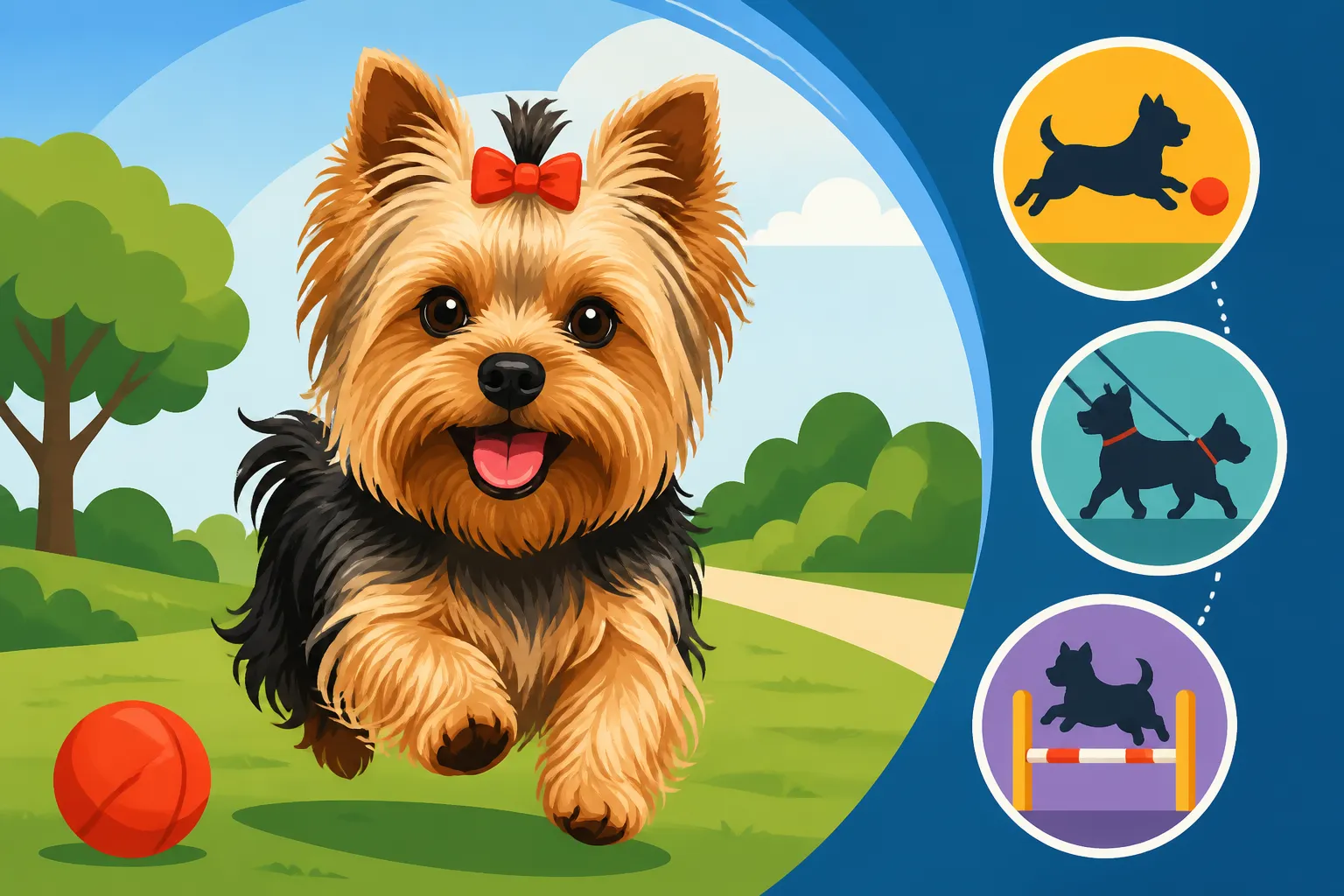
Daily walks are a cornerstone of a Yorkie's exercise routine. These aren't just for potty breaks; they're opportunities for exploration, socialization, and burning off physical energy. For a Yorkie, a 20-30 minute brisk walk, once or twice a day, is often ideal. Remember, their little legs take many more steps than your own, so a half-mile walk for you is a marathon for them! Always use a secure harness, like those readily available on sites like Chewy or Amazon, instead of a collar, to protect their delicate trachea.
Beyond regular neighborhood strolls, consider taking your Yorkie to dog-friendly parks, walking trails, or even a pet-friendly beach. The change of scenery, new smells, and varied terrain provide excellent mental stimulation. Just ensure the area is safe, free from hazards, and that your Yorkie is always on a leash or in a securely fenced area. Remember that smaller dogs can easily be overlooked by larger, more boisterous breeds, so always be vigilant. A secure carrier or stroller can also be helpful for longer outings, allowing them to participate in the adventure without overexerting themselves.
Indoor Play and Mental Games
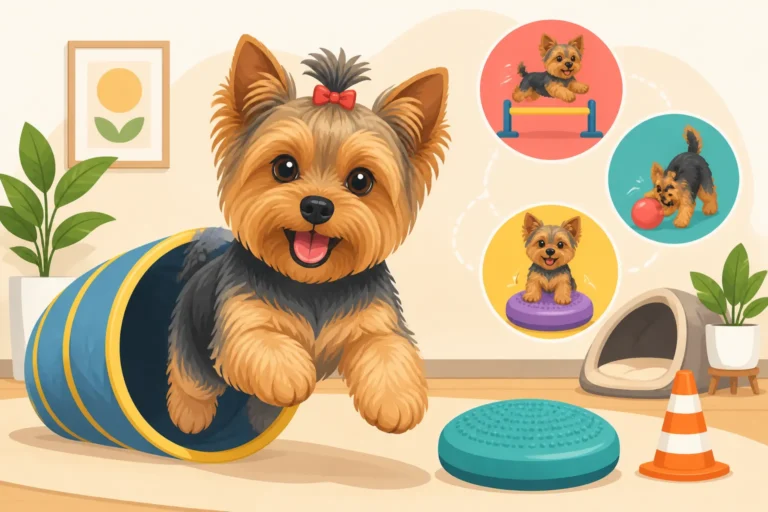
Don't underestimate the power of indoor play, especially on bad weather days or for shorter bursts of activity. Engaging your Yorkie with interactive toys or games can be just as tiring as a walk, especially when mental stimulation is involved. Games of fetch in the living room, hide-and-seek with their favorite toy, or even chasing bubbles can be fantastic outlets for their energy.
Puzzle toys, snuffle mats, and lick mats are excellent for providing mental enrichment. These activities challenge their problem-solving skills and can tire them out almost as much as physical exertion. Rotating toys, like those found at pet stores or online retailers, can keep things fresh and exciting, preventing boredom. Learning new tricks, like "sit," "stay," or even more complex commands, also provides significant mental exercise. For ideas, check out Mental Stimulation Games for Yorkies. These indoor activities are crucial for a well-balanced Yorkie, ensuring they’re not just physically tired but mentally satisfied too.
Socialization and Playdates
For many Yorkies, interacting with other dogs is a highlight of their day and a great form of exercise. Supervised playdates with other small, gentle dogs can provide excellent physical and social stimulation. Watching them chase and wrestle with a friend is pure joy, and it’s a natural way for them to burn off steam and practice their social skills. However, caution is paramount when mixing Yorkies with larger breeds, even if the larger dog is well-behaved. An accidental bump or rough play could easily injure a tiny Yorkie.
Dog parks can be a great resource, but always ensure there's a designated small dog area. If not, consider a calmer park during off-peak hours, or seek out organized small dog meetups. Early and positive How to Socialize a Yorkshire Terrier is vital for puppies to develop good social manners. A well-socialized Yorkie is generally a happier, more confident dog, and these interactions contribute significantly to their overall well-being.
Creating a Balanced Yorkie Exercise Schedule
Consistency is key when it comes to any dog's routine, and especially for a Yorkshire Terrier. A predictable schedule helps manage their energy levels, prevents anxiety, and ensures they get the regular activity they need. However, "balanced" doesn't mean rigid. It means creating a framework that meets their needs while also being flexible enough to adapt to daily life.
Daily Routine Recommendations
For most adult Yorkies, a good daily routine might look something like this:
- Morning (before or after breakfast): A 20-30 minute brisk walk. This helps them start the day with purpose, burn off overnight energy, and get their potty business done.
- Mid-day (optional, for high-energy dogs or if you're home): A 10-15 minute play session, either indoors with toys or a short stroll.
- Evening (before dinner or an hour after): Another 20-30 minute walk, perhaps with more sniffing opportunities to provide mental enrichment.
- Before Bed: A quick 5-10 minute potty break and a calm cuddle session or chew toy to wind down.
This totals around 40-70 minutes of structured exercise, plus additional mental activities. Remember, puppies and seniors will have different timings and durations, as discussed earlier. The goal is to avoid long stretches of inactivity, which can lead to boredom and pent-up energy, contributing to issues like Yorkie Separation Anxiety Solutions.
Here's a sample daily exercise schedule for an adult Yorkie:
| Time Slot | Activity | Duration | Notes |
|---|---|---|---|
| 7:00 AM | Morning Walk & Potty | 20-30 minutes | Brisk pace, explore smells, get body moving. |
| 10:00 AM | Interactive Play / Training Session | 15-20 minutes | Fetch, puzzle toys, learning new tricks. |
| 2:00 PM | Mid-day Potty Break / Short Walk | 10-15 minutes | A lighter walk, stretch legs. |
| 6:00 PM | Evening Walk & Potty | 20-30 minutes | Explore new routes, sniff extensively for mental stimulation. |
| 8:00 PM | Indoor Play / Relaxation | 15 minutes | Gentle tug-of-war, chew toy, cuddle time. |
| 10:00 PM | Last Potty Break | 5-10 minutes | Quick trip outside. |
Incorporating Variety and Fun
Even the most well-intentioned routine can become monotonous. To keep your Yorkie engaged and prevent boredom, mix things up! Vary your walking routes to introduce new sights and smells. Head to a different park on weekends. Introduce new toys periodically. Enrolling in a basic obedience class or even a fun "tricks" class can be a fantastic way to combine mental stimulation with physical activity and strengthen your bond.
Consider activities like urban agility (navigating city obstacles safely), hide-and-seek with treats (using brands like Zuke's or Wellness, which offer small, high-value training treats perfect for Yorkies), or even doggy daycare for a day or two a week if your Yorkie enjoys the company of other small dogs. The key is to make exercise an enjoyable, enriching experience rather than a chore. If you're having fun, your Yorkie will too!
Listening to Your Yorkie's Cues
No schedule is perfect for every dog, every day. It's crucial to be observant and responsive to your Yorkie's individual cues. Are they showing signs of being tired or lagging behind on a walk? Are they panting excessively on a warm day? Do they seem reluctant to play? These are all signals that you might need to adjust their activity level. On the flip side, if they're still bouncing off the walls after a walk, or exhibiting destructive behaviors, they might need more stimulation.
Pay attention to weather conditions; Yorkies are sensitive to both heat and cold. On very hot days, early morning or late evening walks are best, and short potty breaks might replace a long stroll. In cold weather, a warm coat or booties might be necessary. Always prioritize your dog's comfort and safety over sticking rigidly to a schedule. Being flexible and truly "listening" to your Yorkie is the hallmark of a great dog owner.
Essential Gear and Safety Tips for Yorkie Exercise
Given their delicate structure and spirited personalities, outfitting your Yorkie with the right gear and following crucial safety protocols is non-negotiable for exercise. The wrong harness or a forgotten safety measure can lead to injury or even tragedy. Investing in quality, appropriate equipment is part of being a responsible Yorkie parent.
Choosing the Right Harness and Leash
For a Yorkshire Terrier, a harness is almost always preferred over a collar for walks. Their tiny throats and delicate tracheas are highly susceptible to damage from pulling on a collar, potentially leading to or exacerbating a Yorkshire Terrier Collapsing Trachea. Look for a well-fitting, H-style harness or a vest harness that distributes pressure across their chest and shoulders, not their neck. Brands like Puppia, RC Pets, or Kurgo offer excellent options for small breeds, often found on platforms like Chewy or Amazon. Make sure it's snug enough that they can't slip out, but not so tight that it restricts movement or rubs.
Pair the harness with a lightweight, comfortable leash – a 4 to 6-foot standard leash is usually ideal. Avoid retractable leashes, as they offer less control and can be dangerous, especially with a small, fast-moving dog. A sturdy, yet light, lead will give you the control you need without adding unnecessary weight for your tiny companion. Always double-check the harness and leash for wear and tear before each outing. For more detailed advice, check out the guide on Best Harness for a Yorkshire Terrier.
Weather Considerations and Paw Protection
Yorkies are not built for extreme weather. Their single coat offers little insulation against cold, and their small size means they can overheat quickly in hot temperatures.
- Cold Weather: In colder climates, a warm dog sweater or coat is essential to prevent hypothermia. Booties can protect their sensitive paws from ice, snow, salt, and cold pavement. Limit outdoor time on frigid days, opting for shorter, more frequent trips outside.
- Hot Weather: On hot days, stick to early mornings or late evenings when temperatures are cooler. Avoid walking on asphalt or concrete during the day, as these surfaces can get extremely hot and burn delicate paw pads. Always do the "seven-second test": if you can't hold your hand on the pavement for seven seconds, it's too hot for your Yorkie's paws. Consider paw wax or dog booties for protection.
Never leave your Yorkie unsupervised outdoors in extreme temperatures, and never, ever leave them in a parked car, even with windows cracked, as temperatures can rise rapidly to dangerous levels.
Hydration and First Aid on the Go
Staying hydrated is crucial for active Yorkies. Always carry a portable water bottle and a collapsible bowl for your Yorkie, especially on walks longer than 15-20 minutes or on warmer days. Offer water frequently. Signs of dehydration can include excessive panting, dry gums, and lethargy.
It's also a good idea to carry a small, basic first-aid kit for dogs on longer adventures. This might include:
- Antiseptic wipes
- Gauze and non-stick bandages
- Self-adhering wrap (Vet Wrap)
- Tweezers (for splinters or ticks)
- Benadryl (liquid or small pills, consult your vet for dosage)
- Emergency contact info for your vet
- A small towel
Knowing basic canine first aid can make all the difference in an unexpected situation. Being prepared ensures that your Yorkie's exercise time remains safe and enjoyable for both of you.
Addressing Common Exercise Challenges and Solutions
Even with the best intentions, implementing a consistent exercise routine for your Yorkie can come with its own set of hurdles. From over-enthusiasm to sheer reluctance, Yorkies can present unique challenges. Understanding these common issues and having strategies to overcome them is crucial for maintaining a healthy and happy dog.
Over-Exercising and Under-Exercising Pitfalls
Finding the "just right" amount of exercise for your Yorkie is a delicate balance.
- Over-exercising: This is a real risk, especially for puppies, seniors, and Yorkies with underlying health conditions like heart issues or joint problems. Signs of over-exercise include excessive panting, lagging behind, limping, stiffness after activity, reluctance to move, or even vomiting. In severe cases, it can lead to heatstroke or exacerbate existing health issues. Always err on the side of caution, especially when first establishing a routine, and increase duration and intensity gradually. If you notice persistent signs of discomfort, it's time for a vet check-up to rule out conditions like Common Yorkshire Terrier Genetic Conditions.
- Under-exercising: This is perhaps the more common pitfall for Yorkies. A lack of physical and mental stimulation can lead to a host of behavioral problems. These might include destructive chewing, persistent barking (especially at imagined threats or when left alone), hyperactivity indoors, anxiety, or even aggression due to pent-up energy and frustration. An under-exercised Yorkie is also more prone to weight gain, which as we know, can lead to numerous health complications. If your Yorkie is consistently displaying these behaviors, it’s a strong signal that their exercise routine needs an upgrade.
The solution lies in careful observation and adaptation. Each Yorkie is an individual, and their needs can change daily based on weather, mood, and health.
Motivating a Reluctant Yorkie
Some Yorkies, for all their terrier spirit, can be a bit… stubborn or picky when it comes to exercise. Perhaps they hate the rain, are intimidated by new places, or simply prefer to cuddle. Here’s how to motivate them:
- Make it fun: Turn walks into "sniffaris" where they can explore at their own pace. Bring their favorite squeaky toy on walks. Play engaging games indoors that they can't resist.
- High-value treats: Use small, delicious treats as positive reinforcement for participation. Brands like Wellness or Pup-Peroni offer bite-sized options that are perfect for training and motivation.
- Consistency: A regular schedule helps them understand what to expect. Dogs thrive on routine.
- Positive association: If they're scared of a new environment, start with short visits, offering praise and treats. Gradually increase exposure as they become more comfortable.
- Gear check: Ensure their harness fits perfectly and isn't causing discomfort. An ill-fitting harness can make any dog reluctant to move.
- Health check: If your Yorkie suddenly becomes reluctant to exercise, a trip to the vet is in order. Pain, discomfort, or an underlying illness could be the cause. Even a minor issue like a dental problem can make them less enthusiastic about life in general.
Managing Behavioral Issues Related to Insufficient Exercise
If your Yorkie is already exhibiting behavioral issues, increasing and diversifying their exercise routine can be a significant part of the solution.
- Excessive barking: Often, a bored Yorkie barks to get attention or because they have too much energy. Longer, more engaging walks and more mental stimulation (puzzle toys, training) can reduce this. For targeted solutions, consider reading How to Stop a Yorkie from Barking.
- Destructive chewing: This is a classic sign of boredom and unmet energy. Ensure they have appropriate chew toys and plenty of opportunities to burn off steam.
- Hyperactivity/Zoomies: While sometimes just playful, persistent "zoomies" indoors can indicate they're not getting enough outdoor activity.
- Anxiety/Restlessness: Physical exercise helps release endorphins and reduce stress. A tired dog is a calm dog.
Remember, exercise isn't a magic bullet for all behavioral issues, but it's a foundational component of a holistic approach to managing and improving your Yorkie's behavior. Combine it with consistent training and a loving, structured environment.
Nutritional Support for an Active Yorkie
Exercise and nutrition go hand-in-hand. Just as you wouldn't expect a car to run on an empty tank or the wrong fuel, your active Yorkie needs the right sustenance to support their energy levels, muscle maintenance, and overall health. Providing optimal nutrition is a critical component of their care, ensuring they have the stamina for their daily activities and the nutrients to recover.
Fueling Your Yorkie for Activity
An active Yorkshire Terrier requires a high-quality diet that provides adequate protein for muscle maintenance and repair, healthy fats for energy and coat health, and appropriate carbohydrates for sustained energy. Look for dog foods that list a high-quality meat source (like chicken, beef, or lamb) as the first ingredient. For a comprehensive guide on selecting the best food, refer to Best Dog Food for Yorkshire Terriers.
The amount to feed will depend on their age, weight, and activity level. A very active Yorkie might need slightly more calories than a sedentary one, but it's crucial to avoid overfeeding, as excess weight puts strain on their small joints. Follow the feeding guidelines on your chosen dog food packaging, but always monitor your Yorkie's body condition and adjust accordingly. Brands like Royal Canin, Hill's Science Diet, and many independent fresh dog food brands like Ollie offer formulas specifically tailored for small breeds, sometimes even with specific nutrient profiles to support active dogs. Small, frequent meals are often better for Yorkies to help prevent hypoglycemia, especially for puppies or very energetic individuals.
Hydration Beyond the Water Bowl
While we discussed carrying water during exercise, daily hydration is an ongoing, crucial need. Always ensure your Yorkie has constant access to fresh, clean water at home. Some Yorkies are picky about water bowls; try different materials (stainless steel, ceramic) or even a pet water fountain to encourage more drinking.
Beyond the bowl, certain foods can contribute to hydration. Wet dog food, or fresh food options, have a higher moisture content than dry kibble, which can be beneficial. You can also add a splash of low-sodium chicken or beef broth to their dry kibble as a treat, or even incorporate certain dog-safe fruits and vegetables with high water content, like cucumber or watermelon, as occasional snacks. Proper hydration aids digestion, nutrient absorption, and helps regulate body temperature during and after exercise.
Supplements for Joint Health and Energy
For active Yorkies, particularly as they approach their senior years, certain supplements can provide additional support.
- Joint Supplements: Ingredients like glucosamine, chondroitin, and MSM are widely used to support joint health and can be especially beneficial for breeds prone to conditions like patellar luxation. Products like Cosequin or Dasuquin, or many store brands available at Chewy, are popular choices. Omega-3 fatty acids (fish oil) can also reduce inflammation and promote joint mobility, in addition to supporting skin and coat health. For more information, see Yorkie Joint Supplements Explained.
- Probiotics: For Yorkies with sensitive stomachs, a probiotic supplement can support gut health, which in turn aids in nutrient absorption and overall vitality. A healthy gut means more energy available for activity.
- Energy Boosters (with caution): Rarely, a vet might recommend specific supplements for Yorkies with low energy or those recovering from illness, but for a healthy, active Yorkie, a balanced diet is usually sufficient. Avoid giving human energy supplements without strict veterinary guidance.
Always consult your veterinarian before adding any supplements to your Yorkie's diet, especially if they are already on medication or have existing health conditions. Your vet can provide tailored recommendations based on your individual dog's needs and health status.
Disclaimer
The information provided in this article is for general informational purposes only and is not a substitute for professional veterinary advice, diagnosis, or treatment. Always seek the advice of your veterinarian or other qualified pet health provider with any questions you may have regarding a medical condition or the health and welfare of your pet. Never disregard professional veterinary advice or delay in seeking it because of something you have read in this article.