How to Do a Yorkie Belly Trim
Trimming your Yorkshire Terrier's belly can feel like a daunting task, especially when you're worried about accidental nicks or causing discomfort to your precious pup. Many Yorkie parents struggle with keeping this sensitive area tidy and hygienic, often fearing they might do more harm than good. This comprehensive guide will walk you through the entire process, providing clear, step-by-step instructions and essential tips to help you confidently and safely perform a belly trim on your Yorkie, ensuring both their comfort and your peace of mind.
Why a Belly Trim is Essential for Your Yorkie's Well-being
It might seem like just a cosmetic thing, but maintaining a neat belly on your Yorkshire Terrier goes far beyond aesthetics. This small, often overlooked area plays a huge role in your dog's overall hygiene, comfort, and even their health. Ignoring it can lead to a host of problems that are easily preventable with a little regular care.
Promoting Optimal Hygiene and Preventing Matting
One of the primary reasons for a belly trim is hygiene. Yorkies have long, silky coats that, if not properly maintained, can easily become matted. The hair on their belly, especially around the groin and armpits, is particularly prone to matting because it rubs against the ground, bedding, and their own legs. Mats can trap dirt, debris, and moisture, creating a breeding ground for bacteria and skin infections. If you've ever dealt with a matted Yorkie, you know how painful and stressful it can be for them, often requiring a professional groomer or even veterinary intervention to safely remove. A short, neat belly helps keep this area clean and dry, drastically reducing the chances of mats forming.
Think about it: when your Yorkie goes outside to potty, long belly hair can easily get soiled, bringing dirt and potential contaminants back into your home. A clean belly not only keeps your pup fresh but also contributes to a cleaner living environment for everyone. Regular trims are a preventative measure, saving you from bigger, more uncomfortable issues down the line. To learn more about maintaining their coat, check out our guide on How to Care for a Yorkie's Coat Between Grooms.
Enhancing Comfort and Reducing Skin Issues
Long, untrimmed belly hair can be incredibly uncomfortable for a Yorkie. It can drag, pull, and tangle, causing irritation with every movement. In warmer weather, excess hair can also contribute to overheating, as the belly is one area where dogs can dissipate some heat. By trimming the hair short, you allow their skin to breathe, which is crucial for preventing heat rash and other skin irritations.
Moreover, the skin on a Yorkie's belly is delicate. If it's constantly damp from urine, moisture, or even dew from grass, it can become inflamed, leading to conditions like dermatitis. A shorter trim helps the skin dry out faster after getting wet, minimizing the risk of these common skin problems. Regularly inspecting and trimming this area also gives you a chance to check for any rashes, bumps, ticks, or other abnormalities that might otherwise go unnoticed beneath a thick coat. Ensuring their comfort is paramount, and a clean, trimmed belly goes a long way.
Essential Tools for a Safe Yorkie Belly Trim
Before you even think about bringing clippers near your beloved Yorkie, it's crucial to have all the right tools on hand. Using the wrong equipment or being unprepared can make the process stressful for both of you and, more importantly, can lead to accidental injuries. Safety and efficiency start with a well-stocked grooming kit tailored for small dogs like Yorkies.
Choosing the Right Clippers and Scissors
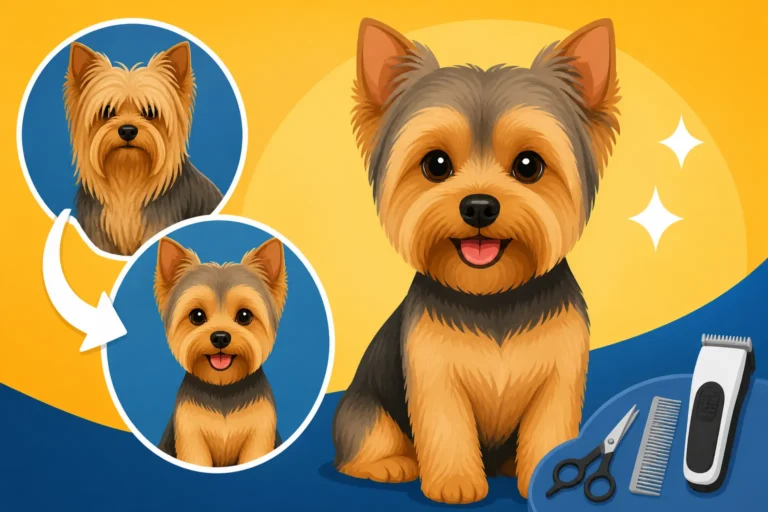
When it comes to trimming your Yorkie's belly, quality clippers are your best friend. Look for quiet, cordless clippers designed for small pets to minimize stress. A good example might be a set of pet clippers from brands like Wahl or Andis, many of which can be found readily available on online retailers like Amazon or Chewy. You'll want a fine-tooth blade, typically a #10 blade, for a close but safe trim on the belly. Anything too long won't be effective, and anything too short (like a #30 or #40) can irritate their sensitive skin, so a #10 is a good starting point for general belly hygiene. Always ensure the blades are clean, sharp, and cool to prevent "clipper burn."
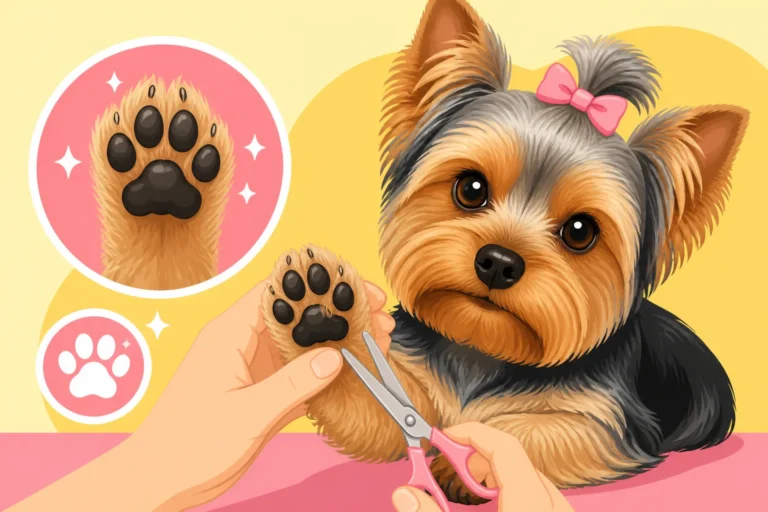
In addition to clippers, a small pair of blunt-nosed grooming scissors is indispensable for delicate areas or for tidying up edges. The blunt tips are a critical safety feature, significantly reducing the risk of accidentally poking your Yorkie's skin, especially around the nipples or genitals. These are perfect for those tiny, hard-to-reach spots where clippers might be too bulky.
Supplementary Grooming Essentials
Beyond the main cutting tools, a few other items will make your belly trim much smoother:
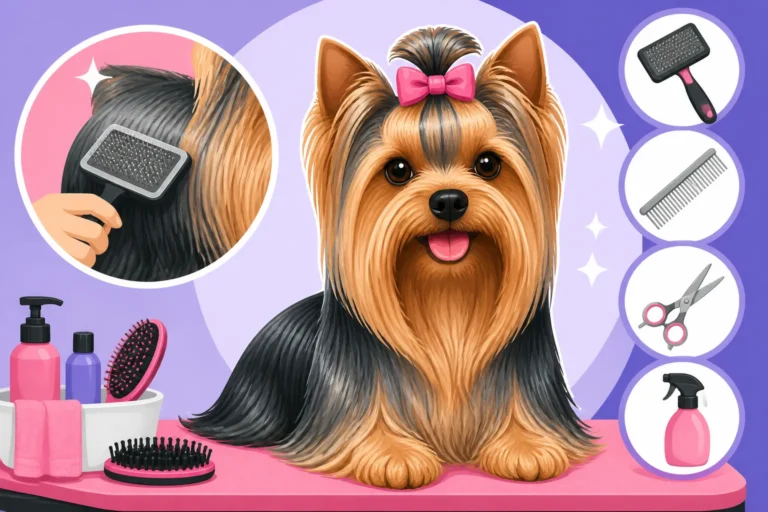
- Fine-Tooth Comb: Before you start clipping, you'll need to thoroughly comb out any tangles or mats. A fine-tooth metal comb, often referred to as a greyhound comb, works wonderfully for Yorkie hair. This ensures the clippers can glide through the fur without snagging, which is uncomfortable for your dog and can dull your blades.
- Grooming Spray or Conditioner: A light mist of a leave-in grooming spray can help detangle and smooth the hair, making it easier to comb and clip. It also reduces static, which can be a nuisance with fine Yorkie hair. Many good options are available from brands like BioSilk for Dogs, often found on Chewy.
- Non-Slip Mat: Yorkies can be squirmy! Placing a non-slip mat on your grooming table or even your lap helps them feel more secure and prevents slips and falls, which can be dangerous during grooming.
- Plenty of Treats: Positive reinforcement is key! Have a stash of small, high-value treats ready to reward good behavior throughout the process. This helps create a positive association with grooming.
- First-Aid Supplies: Accidents can happen, even with the utmost care. Keep styptic powder or cornstarch nearby to quickly stop any minor nicks or cuts. Also, a small antiseptic wipe for pets is a good idea.
Having all these tools organized and within reach before you begin will streamline the process and help you maintain a calm, confident demeanor, which your Yorkie will definitely pick up on. For a broader look at home grooming, consider reading our How to Groom a Yorkshire Terrier at Home guide.
Step-by-Step Guide to a Safe Yorkie Belly Trim
Now that you're armed with the right tools and understand why this trim is so important, let's get down to business. Taking your time, staying calm, and following these steps will help ensure a safe and successful belly trim for your Yorkshire Terrier.
Preparing Your Yorkie and Setting the Scene
Before any grooming session, preparation is paramount. Choose a quiet time when your Yorkie is relaxed and you won't be interrupted. A calm environment is essential; loud noises or sudden movements can startle your pup, making the task more difficult and potentially leading to accidents. Many people find a designated grooming table with a non-slip surface ideal, as it brings your Yorkie to a comfortable working height and can make them feel more secure. If you don't have a grooming table, your lap or a sturdy, elevated surface covered with a non-slip mat will work.
Start by giving your Yorkie a thorough brushing to remove any loose hair and work out any superficial tangles. This is also a good opportunity to check for any mats that might be hiding. If you find a stubborn mat, try to gently work it out with your fingers and a comb, using a dematting spray if necessary. Never try to clip through a mat with fine-tooth clippers, as this can pull painfully on their skin and cause injury. If a mat is too tight, it's safer to carefully cut it out with blunt-nosed scissors, always sliding the comb between the mat and the skin first as a protective barrier. A pre-trim bath might also be beneficial, as clean hair is easier to cut and results in a smoother finish. You can find tips in our How to Bathe a Yorkie article.
Mastering the Clipping Technique
Once your Yorkie is brushed, calm, and positioned comfortably, it's time to start clipping. Hold your clippers properly, ensuring a firm but comfortable grip.
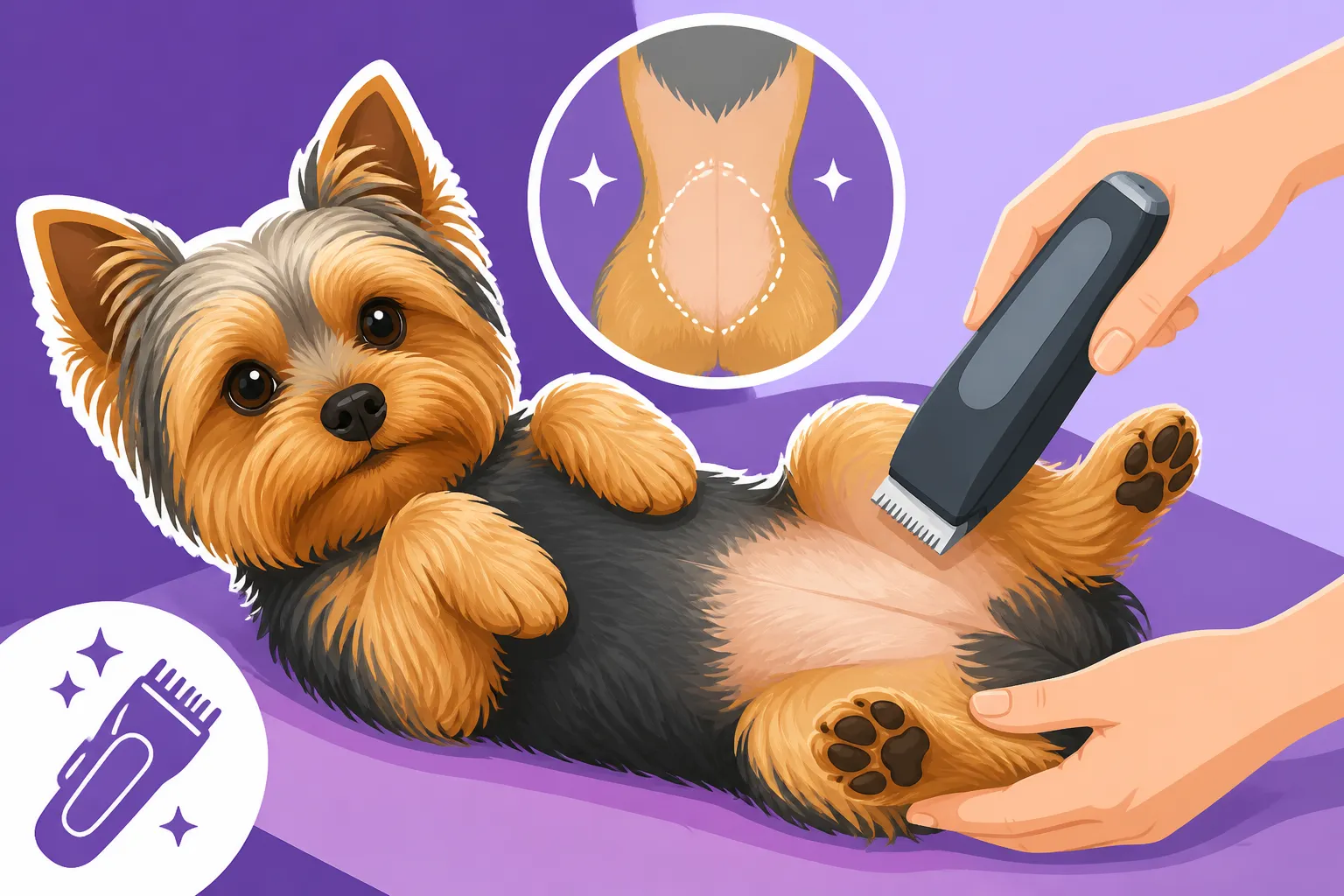
- Start with the chest/armpit area: Gently lay your Yorkie on their back or side, supporting their head and making sure they feel secure. Many owners find it easier to work with their Yorkie in their lap, gently cradled. Begin by trimming the hair in the chest area, working your way down towards the belly. This allows your Yorkie to get used to the sound and sensation of the clippers.
- Stretch the skin: This is a crucial safety step. With your free hand, gently stretch the skin taut in the area you are about to clip. This flattens any wrinkles or folds, making the surface smoother for the clippers and significantly reducing the risk of nicks, especially around sensitive areas like nipples or loose skin.
- Clip with the grain: Generally, you want to clip with the direction of hair growth (from head to tail). This provides a slightly longer, smoother finish. If you need a closer trim, you can go against the grain, but be extra cautious and mindful of the delicate skin. Use short, controlled strokes, allowing the clippers to do the work. Avoid pressing down too hard.
- Navigate sensitive zones: The belly contains several delicate areas.
- Nipples: These can be easily snagged. Always stretch the skin around them and carefully maneuver the clippers. If you're unsure, use blunt-nosed scissors for these spots, sliding a comb underneath for protection.
- Genital area: Be extremely cautious here. For male Yorkies, carefully pull back the sheath to expose the skin and clip the hair around it. For females, gently separate the skin folds to trim around the vulva. Again, blunt-nosed scissors with a comb as a barrier can be safer for these very sensitive parts.
- "Potty Patch": Many owners create a small, very short "potty patch" directly around the anus and vulva/penis to ensure maximum cleanliness. This helps prevent fecal matter or urine from clinging to the hair.
- Check blade temperature: Clippers can heat up quickly, especially with continuous use. Periodically touch the blade to your own inner forearm to ensure it's not too hot. If it feels warm, stop and allow the clippers to cool down, or switch to a second set of blades. Clipper burn is painful for your dog.
- Take breaks: If your Yorkie becomes anxious or restless, take a short break. Offer a treat, some gentle praise, or a quick cuddle. It's better to break up the grooming session into smaller, manageable chunks than to force your dog through it, creating a negative experience.
Remember to continually offer praise and treats throughout the process. Make it a positive experience, and your Yorkie will be much more cooperative for future trims. Our guide on Yorkshire Terrier Grooming Guide offers more general grooming advice that can complement your belly trimming efforts.
Finishing Touches and Aftercare
Once you've completed the primary clipping, it’s time for the finishing touches and to ensure your Yorkie’s comfort.
- Inspect your work: Carefully run your hands over your Yorkie's belly. Feel for any missed spots, uneven patches, or stray hairs. Use your blunt-nosed scissors to tidy up any edges or reach areas the clippers couldn't. Be extra cautious with scissors, always pointing them away from the skin.
- Wipe down: Use a damp cloth or a pet-safe wipe to remove any loose hair from your Yorkie's belly. This prevents irritation and keeps them feeling fresh.
- Reward and praise: Shower your Yorkie with positive reinforcement. Give them their favorite treats, engage in playtime, or offer plenty of cuddles. This reinforces that grooming is a positive experience and helps build their trust.
- Post-trim bath (optional but recommended): While not strictly necessary immediately, a bath after a full trim helps remove any remaining loose hairs that might irritate their skin and leaves their coat sparkling clean. Use a gentle, pH-balanced dog shampoo. When choosing one, look for trusted brands that specifically cater to sensitive skin, many of which can be found on Chewy or Amazon. Afterward, make sure to dry them thoroughly, especially the belly area.
- Monitor for irritation: For a day or two after the trim, keep an eye on your Yorkie's belly. Check for any redness, bumps, or excessive scratching. If you notice any signs of irritation, apply a soothing, pet-safe balm or consult your vet if symptoms persist. Sometimes, new clippers or a very close shave can cause mild irritation that quickly resolves.
Regular belly trims, perhaps every 4-6 weeks depending on hair growth and individual needs, will make each session easier and keep your Yorkie healthier and happier. Consistent grooming routines, from dental care to overall coat maintenance, are essential for your Yorkie's well-being. Consider reading about Yorkshire Terrier Dental Care Guide to complete your holistic care routine.
Tips for a Stress-Free Grooming Session and Maintaining Belly Health
Grooming, including belly trims, doesn't have to be a battle. With a little patience, consistency, and a few smart strategies, you can make it a much more pleasant experience for both you and your Yorkie. Beyond the trim itself, maintaining overall belly health is an ongoing commitment.
Creating a Positive Grooming Experience
The key to a stress-free grooming session is establishing a positive association from a young age. Even if you have an adult Yorkie, it's never too late to start.
- Start small and gradually increase duration: Don't expect to do a full belly trim perfectly on the first try. Begin with just a few seconds of clipping, rewarding heavily, and then stopping. Gradually increase the time as your Yorkie becomes more comfortable.
- Handle their paws and belly regularly: Even outside of grooming, gently touch and examine your Yorkie's paws, legs, and belly. This desensitizes them to being handled in these areas, making it less alarming when it's time for a trim.
- Use a calming tone and body language: Dogs are incredibly perceptive. If you're stressed or anxious, your Yorkie will pick up on it. Speak in a soothing voice, offer praise, and maintain calm, confident movements.
- Distraction techniques: For some Yorkies, a lick mat smeared with peanut butter (xylitol-free!) or a favorite chew toy can be an excellent distraction during a trim. Place it on the grooming table or floor within their reach.
- Consistency is key: Regular, short grooming sessions are far better than infrequent, long, and stressful ones. The more accustomed your Yorkie becomes to the routine, the easier it will be.
Remember that brands like Ollie emphasize high-quality ingredients, which contribute to healthy skin and coat, making grooming easier and more effective in the long run.
Ongoing Belly and Skin Health Maintenance
A belly trim is just one piece of the puzzle for a healthy Yorkie. Here's how to ensure their belly and skin remain in top condition between trims:
- Daily inspections: Make it a habit to quickly check your Yorkie's belly daily or every other day. Look for any redness, bumps, skin flakes, or developing mats. Early detection makes any issues much easier to address.
- Regular brushing: Even with a short belly trim, the hair in surrounding areas can still mat. Daily brushing, as detailed in our How to Brush a Yorkie's Coat guide, helps prevent tangles from forming and distributes natural oils, keeping the skin and coat healthy.
- Proper diet: A high-quality diet plays a vital role in skin and coat health. Ensure your Yorkie is eating food rich in essential fatty acids (like Omega-3 and Omega-6), which promote a healthy, shiny coat and supple skin. Consult your vet for the best dietary recommendations for your individual Yorkie.
- Moisture control: Always ensure your Yorkie's belly stays dry, especially after baths, walks in damp grass, or potty breaks. If they tend to get wet, gently towel dry the area.
- Environmental cleanliness: Keep your Yorkie's bedding clean and dry. Regularly wash their blankets and beds to minimize bacteria and allergens that can irritate their skin.
- Seasonal considerations: In summer, a shorter trim can help with cooling. In winter, ensure they have warm sweaters or coats to protect their trimmed belly from cold weather if they're spending time outdoors.
By incorporating these practices, you're not just trimming hair; you're actively contributing to your Yorkie's comfort, health, and overall happiness.
Troubleshooting Common Belly Trim Challenges
Even with the best intentions and tools, you might encounter some challenges when trying to trim your Yorkie's belly. It's perfectly normal, and recognizing these issues and knowing how to address them can save you a lot of frustration.
Dealing with a Squirmy or Uncooperative Yorkie
One of the most common frustrations is a Yorkie who simply won't stay still. Their small size and energetic nature can make them feel like a slippery fish in your hands.
- Practice restraint gently: Never use force or yell, as this will only create a negative association. Instead, practice holding your Yorkie in the grooming position for short periods, even without clippers. Reward them instantly for stillness. Gradually extend the duration.
- Enlist a helper: If your Yorkie is particularly squirmy, having a second person to gently hold them and offer treats can make a huge difference. One person can focus on the grooming, while the other provides comfort and distraction.
- Timing is everything: Try to groom your Yorkie after they've had some exercise or playtime when they're naturally more tired and likely to be calmer. Avoid grooming when they're full of energy.
- Professional help: If despite your best efforts, your Yorkie remains highly stressed or uncooperative, don't hesitate to consult a professional groomer. They have specialized techniques and equipment to safely handle even the most challenging dogs. It's better for your Yorkie to have a stress-free experience with a pro than a traumatic one at home. You might also want to consult our article on How to Choose a Vet for a Yorkie for advice on finding professionals who prioritize your pet's comfort.
Addressing Nicks, Cuts, and Skin Irritation
Accidents can happen, especially when working with sharp tools and delicate skin. Knowing how to react quickly is important.
- Minor nicks or cuts: If you accidentally nick your Yorkie's skin, don't panic. Apply styptic powder (or cornstarch if you don't have styptic powder) directly to the wound with light pressure. This will help stop the bleeding. Keep your Yorkie calm and distracted. Monitor the cut for signs of infection over the next few days.
- Clipper burn: This appears as redness or a rash on the skin and can be quite uncomfortable. It's often caused by dull or hot clipper blades, or by pressing too hard. To soothe clipper burn, you can apply a pet-safe aloe vera gel or a mild antiseptic spray. Avoid further grooming in that area until it's completely healed. To prevent it, always ensure blades are clean, sharp, and cool.
- Excessive scratching/licking after trim: This can be a sign of irritation. Ensure all loose hairs are removed, as stray hairs can feel itchy. If the irritation persists, or if you notice bumps or pustules, it's best to consult your veterinarian. They can rule out allergies or a skin infection and recommend appropriate treatment.
- Matted areas: Never try to clip through a severe mat. It's painful, pulls on the skin, and can cause significant injury. If you encounter a mat that cannot be gently combed out, use blunt-nosed scissors to carefully cut under the mat, between the mat and the skin, always using a comb as a barrier. If the mat is large and tight against the skin, a professional groomer or vet can safely shave it off. This is a common issue and knowing how to handle it can prevent a lot of discomfort.
By being prepared for these common challenges, you can approach your Yorkie's belly trim with more confidence, knowing you have a plan for whatever comes your way. Proactive care and attention to detail will ensure your Yorkie's belly remains healthy and happy.
Disclaimer
The information provided in this guide is for general informational purposes only and does not constitute professional veterinary or grooming advice. Always consult with a qualified veterinarian or professional groomer for any specific health concerns or before attempting new grooming techniques on your Yorkshire Terrier, especially if your dog has pre-existing conditions or unique needs. We are not responsible for any outcomes resulting from the use of this information.