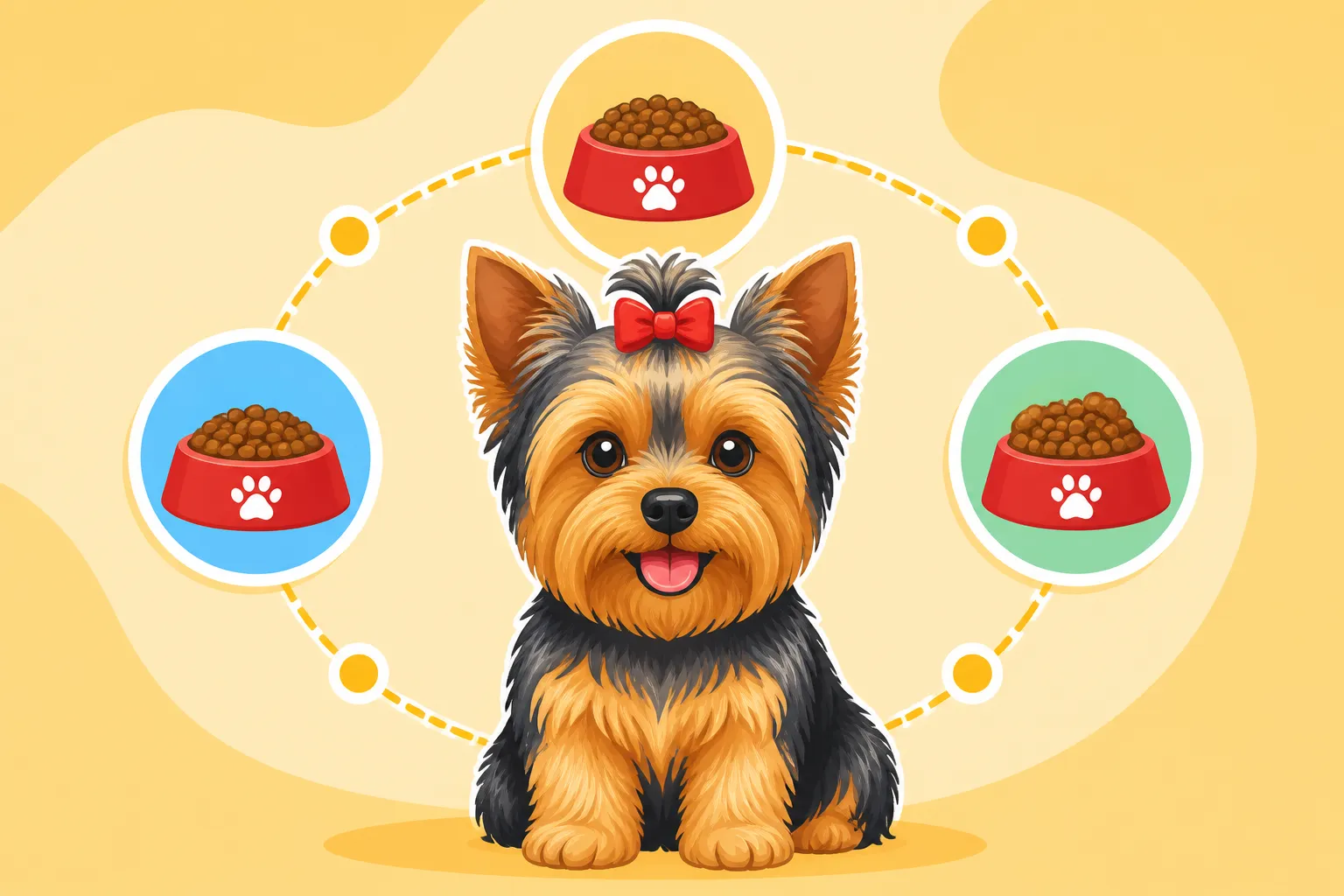
How Many Times a Day Should a Yorkie Eat
One of the most common worries new Yorkie parents have is figuring out their tiny companion's feeding schedule. It’s not just about what delicious food to put in their bowl, but when and how often to offer it, especially with such a small breed prone to specific health concerns. This guide is here to walk you through the nuances of feeding frequency for your Yorkshire Terrier, ensuring they get the right nutrition at the right times for a happy, healthy life.
Understanding Your Yorkie's Unique Nutritional Needs
Yorkshire Terriers are, without a doubt, a special breed. Their small stature and energetic personalities mean their bodies process food a little differently than larger dogs. You can't just apply a generic feeding guide from a bag of kibble meant for a Golden Retriever to your petite Yorkie; that's a recipe for disaster. Understanding their unique metabolism is the first step in creating a feeding routine that truly supports their well-being.
The Metabolism of a Tiny Terrier
Imagine a tiny, high-performance engine. That’s essentially what your Yorkie's metabolism is like. Due to their small size, Yorkies have a higher metabolic rate per pound of body weight compared to larger dogs. This means they burn through calories more quickly, requiring a consistent intake of energy throughout the day. If you've ever felt like your Yorkie is constantly on the go, even if it's just zipping around the living room, you're not wrong – that activity demands fuel!
This rapid metabolism, combined with their small stomach capacity, makes frequent, smaller meals crucial. They simply cannot consume enough food in one or two large sittings to sustain their energy levels and blood sugar throughout a long stretch. It's not uncommon for a Yorkie to experience a sudden dip in energy or even show signs of low blood sugar if their meals are too far apart.
Why Small Breeds Need Frequent Meals
The primary concern for small breeds like Yorkshire Terriers, especially puppies, is the risk of hypoglycemia, or low blood sugar. This isn't just a minor inconvenience; it can be a serious, life-threatening condition. A Yorkie's liver has limited glycogen stores (their body's stored glucose), and if they go too long without food, these stores can deplete rapidly, leading to a dangerous drop in blood glucose levels.
Symptoms of hypoglycemia can range from lethargy, weakness, and disorientation to tremors, seizures, and even coma. It’s a terrifying experience for any pet parent. By providing frequent meals, you help maintain a steady supply of glucose, preventing these dangerous drops. This is why you often hear the advice about small, frequent meals for toy breeds – it’s a preventative measure against a very real and serious threat. Ensuring they always have access to appropriate nutrition is a cornerstone of responsible Yorkshire Terrier Puppy Health Guide.
The Ideal Feeding Frequency for Your Yorkie by Age
The question of "how many times a day should a Yorkie eat" isn't a one-size-fits-all answer; it evolves with your dog's life stages. What's perfect for a bustling puppy will be different for a playful adult or a serene senior. Getting this right is fundamental to their health and happiness, and it's one of the most important aspects of a solid Yorkshire Terrier Feeding Guide by Age.
Feeding Yorkshire Terrier Puppies
Yorkie puppies, typically from 8 weeks to about 6 months old, are incredibly vulnerable to hypoglycemia. Their tiny bodies are growing at an exponential rate, and they have very little fat reserve or liver glycogen stores to fall back on if they miss a meal. This is the stage where vigilant feeding is absolutely non-negotiable.
For puppies, aim for 3 to 4 meals a day. This frequent schedule ensures a steady supply of nutrients and energy, stabilizing their blood sugar levels throughout their active waking hours. For example, you might offer breakfast at 7 AM, lunch at 12 PM, an afternoon meal at 5 PM, and a final small meal around 9 PM before bed. This isn't just about preventing health crises; it's also crucial for their development, providing the building blocks their rapidly growing bodies need. Remember, a puppy’s stomach is tiny, so each meal will be small in volume, but packed with appropriate calories for growth.
As your puppy approaches 6 months, you might consider gradually transitioning to three meals a day, carefully observing how they respond. If they seem lethargic or show any signs of low energy between meals, it's a sign to stick with more frequent feedings a bit longer. For more detailed insights, check out our guide on Common Yorkie Puppy Illnesses.
Feeding Adult Yorkshire Terriers
Once your Yorkie reaches adulthood, typically around 10-12 months of age, their metabolism begins to stabilize a bit, and the immediate threat of hypoglycemia lessens. However, their small size and continued energy levels still mean they benefit greatly from more frequent meals than a large breed dog.
For adult Yorkies, 2 to 3 meals a day is generally recommended. Many owners find success with two meals – one in the morning and one in the evening. However, if your Yorkie is particularly active, prone to an upset stomach, or has a history of blood sugar issues, splitting their daily food intake into three smaller meals can be highly beneficial. For instance, an 8 AM, 1 PM, and 6 PM schedule can work wonders, especially if you have a dog with a sensitive digestive system. This prevents their stomach from being too empty for too long, which can sometimes lead to nausea or bile vomiting.
The total daily amount of food will depend on their weight, activity level, and the caloric density of their food. Always refer to your veterinarian's recommendations or the specific guidelines on your chosen dog food, adjusting as needed based on your dog's body condition. Don't just blindly follow the bag; monitor your dog's weight and consult your vet.
Adjusting for Senior Yorkies
Senior Yorkies (generally 7 years and older) often experience another shift in their nutritional needs and metabolism. While some older dogs may become less active, others can develop health conditions that influence their appetite or digestion.
For senior Yorkies, 2 to 3 meals a day remains a good target. The key here is flexibility and observation. If your senior Yorkie has a reduced appetite, offering smaller, more frequent meals can encourage them to eat enough without overwhelming their system. Digestive issues can also become more prevalent in older dogs, and smaller meals are often easier for them to process. If your older Yorkie has dental issues, which are very common (see our Yorkshire Terrier Dental Disease: Signs and Care guide), they might benefit from softened kibble or wet food, which can also influence how often they're able to eat comfortably.
It’s crucial to monitor their weight closely, as unintended weight loss or gain can be a sign of underlying health issues. Regular vet check-ups are paramount for senior dogs to adjust their diet and feeding schedule as their needs change. For a deep dive into supporting your aging companion, our Yorkshire Terrier Senior Care Guide offers invaluable insights.
Here's a quick overview of recommended feeding frequencies:
| Age Group | Recommended Meals Per Day | Key Considerations |
|---|---|---|
| 8 weeks – 6 months | 3-4 meals | High risk of hypoglycemia, rapid growth, small stomach capacity. Consistent energy supply is critical. |
| 6 months – 1 year | 3 meals | Transition phase, still growing. Monitor energy levels and signs of low blood sugar. |
| 1 year – 7 years | 2-3 meals | Stable adult metabolism. Two meals often sufficient, but three can benefit active or sensitive dogs. |
| 7+ years (Senior) | 2-3 meals | May have reduced appetite or digestive sensitivities. Smaller, more frequent meals can be easier to digest. Monitor weight. |
Crafting a Practical Feeding Schedule and Avoiding Common Pitfalls
Establishing a reliable feeding schedule for your Yorkie isn't just about avoiding health issues; it also brings structure to their day, aids in potty training, and can help prevent behavioral problems related to hunger or anxiety. But how do you actually implement it, and what are the common mistakes to look out for?
The Pros and Cons of Scheduled vs. Free-Feeding
When it comes to feeding methods, you'll generally hear about two main approaches: scheduled feeding and free-feeding. For Yorkies, the choice is pretty clear, but it's good to understand why.
Scheduled Feeding (Recommended for Yorkies):
This involves offering meals at specific times throughout the day and picking up the bowl after a set period (usually 10-15 minutes), whether your Yorkie has finished or not.
- Pros:
- Prevents Hypoglycemia: The most crucial benefit for Yorkies, ensuring consistent blood sugar levels.
- Portion Control: Helps prevent overeating and obesity, which is a common problem even in small breeds.
- Aids Potty Training: Predictable input means predictable output, making house training much easier.
- Monitors Appetite: You quickly notice if your Yorkie skips a meal or eats less, which can be an early sign of illness.
- Reduces Pickiness: They learn to eat when food is offered, as it won't be available indefinitely.
- Cons:
- Requires more owner involvement and adherence to a routine.
- Can be challenging for owners with unpredictable schedules.
Free-Feeding (Generally NOT Recommended for Yorkies):
This method involves leaving food out all day for your dog to graze on whenever they please.
- Pros:
- Convenient for owners.
- Cons:
- High Hypoglycemia Risk: Does not guarantee consistent food intake, increasing the risk of blood sugar drops.
- Obesity Risk: Many dogs overeat when food is always available, leading to weight gain.
- Food Spoilage: Especially with wet or fresh food, it can spoil, attracting pests or causing illness.
- Picky Eaters: Can contribute to finicky eating habits, as they never feel true hunger.
- Difficult to Monitor Intake: Hard to tell how much they're actually eating, masking potential health issues.
Given the significant health risks, especially for puppies, scheduled feeding is by far the superior choice for Yorkshire Terriers. It provides the necessary structure to keep their delicate systems balanced and allows you to better monitor their overall health. You can find excellent food options for scheduled feeding on platforms like Chewy or even consider fresh, pre-portioned meals from services like Ollie, which often come with feeding guidelines tailored to your dog's weight and activity.
Recognizing Hunger Cues and Overfeeding Signs
Even with a schedule, it’s vital to be attuned to your Yorkie’s body language and behavior. They can't tell you in words if they're still hungry or if they've had too much.
Signs of Hunger:
- Lip licking or nose nudging: They might nudge your hand or leg, especially around meal times.
- Staring intently at you or their food bowl: Often accompanied by small whines or barks.
- "Doing tricks" for food: If they know commands like sit or stay, they might offer them unprompted, hoping for a meal.
- Increased energy/excitement around food time: This can be a positive sign of a healthy appetite, but also watch for excessive frantic behavior.
Signs of Overfeeding (or a full belly):
- Leaving food in the bowl: If they consistently leave food, it might mean the portion is too large, or they're not keen on the food.
- Weight gain: This is the most obvious sign. You should be able to easily feel your Yorkie's ribs without seeing them, and they should have a discernible waist when viewed from above. If they look like a furry little sausage, it’s time to adjust portions. Our guide on Is My Yorkie Overweight can help you assess their body condition.
- Sluggishness or decreased activity: While older dogs naturally slow down, excessive lethargy could indicate they’re uncomfortable from being too full, or they're carrying too much weight.
- Gastrointestinal upset: Loose stools or frequent flatulence can sometimes be a sign of overfeeding or eating food that doesn't agree with them.
Making Mealtime Stress-Free
Mealtime should be a calm, positive experience for your Yorkie. Here are some tips to make it so:
- Consistency is Key: Stick to the same feeding times every day, even on weekends. This helps regulate their metabolism and digestive system.
- Quiet Feeding Area: Choose a quiet spot where your Yorkie can eat undisturbed, away from high-traffic areas or other pets.
- Appropriate Bowls: Use shallow, non-slip bowls made of stainless steel or ceramic. Some Yorkies can benefit from a slow feeder bowl, especially if they tend to gobble their food too quickly, which you can easily find on Amazon.
- Fresh Water Always Available: No matter how often they eat, fresh, clean water must be accessible at all times.
- Avoid Table Scraps: While tempting, feeding human food from the table can lead to a picky eater, digestive upset, and reinforce begging behaviors. Stick to their balanced dog food.
- Patience and Positive Reinforcement: If you're transitioning to a new schedule or food, do it gradually and offer praise for eating well. Never scold your Yorkie for not eating; it can create negative associations with mealtime.
Beyond Frequency: What and How You Feed Matters Too
While getting the feeding frequency right is crucial, it’s only one piece of the puzzle. What you put in their bowl and how you present it are equally important for your Yorkie's long-term health and happiness. A balanced diet and mindful feeding practices go hand-in-hand with a proper schedule.
Choosing the Right Food for Optimal Health
Selecting the best dog food for your Yorkshire Terrier is a decision that impacts their health significantly. With so many options out there, it can feel overwhelming, but focusing on high-quality ingredients designed for small breeds is key.
Look for foods that list a high-quality animal protein (like chicken, lamb, or salmon) as the first ingredient. Avoid foods with excessive fillers, artificial colors, flavors, or preservatives. Small breed formulas are often ideal because they feature smaller kibble sizes, which are easier for tiny mouths to chew, and are typically formulated with a higher caloric density to meet their fast metabolism without overfilling their small stomachs. Brands like Royal Canin, Hill's Science Diet, and Purina Pro Plan offer breed-specific or small-breed formulas that many Yorkie owners find beneficial. Many of these reputable brands are readily available through online retailers like Chewy, offering convenient delivery right to your door.
Consider your Yorkie's specific needs:
- Puppies: Need calorie-dense food formulated for growth. Our guide on Best Puppy Food for Yorkies provides excellent recommendations.
- Adults: Require a balanced diet for maintenance.
- Seniors: May benefit from joint support, lower calorie options if less active, or softer textures if they have dental issues.
- Sensitive Stomachs: Look for limited ingredient diets or formulas designed for sensitive digestion. Some owners find fresh food diets, like those offered by Ollie, to be very helpful for dogs with sensitivities.
- Allergies: Novel protein sources or hydrolyzed protein diets might be necessary.
Always introduce new foods gradually over 7-10 days to prevent digestive upset. Mix a small amount of the new food with their old food, slowly increasing the new food while decreasing the old. This allows their system to adjust smoothly.
Monitoring Weight and Overall Well-being
Even with the perfect feeding schedule and high-quality food, consistent monitoring of your Yorkie’s weight and overall condition is essential. A slight change in a small breed like a Yorkie can signify a significant shift in health.
Regularly perform a body condition score check:
- Ribs: You should be able to feel your Yorkie's ribs without pressing hard, but they shouldn't be visible.
- Waist: From above, your Yorkie should have a distinct waistline, tucking in slightly behind the ribs.
- Abdominal Tuck: From the side, their abdomen should tuck up slightly from their chest, not hang low.
Keep an eye on their energy levels, coat condition, and stool quality. A shiny coat, bright eyes, good energy, and firm, consistent stools are all indicators of good health and proper nutrition. Any significant changes warrant a call to your veterinarian. They can help you adjust their diet, address any underlying health concerns, and ensure your Yorkie is thriving. Remember that proper nutrition is a cornerstone of overall How to Keep a Yorkshire Terrier Healthy.
For instance, if your Yorkie suddenly seems less energetic between meals, it might not just be a behavioral quirk. It could be a subtle sign they need more frequent small feedings, or perhaps a different caloric intake. Conversely, if they start putting on weight despite a proper schedule, it may be time to cut back slightly on portion sizes or increase their physical activity. Tools like a kitchen scale, easily purchased from Amazon, can be incredibly helpful for precise portioning, especially with dense kibble where a small difference can mean a lot of calories for a tiny dog.
Understanding how many times a day your Yorkie should eat is a critical piece of their care puzzle. By committing to a consistent, age-appropriate feeding schedule and choosing quality food, you’re providing the best foundation for a long, vibrant life for your cherished companion.
Disclaimer
The information provided in this article is for general informational purposes only and is not a substitute for professional veterinary advice. Always consult with a qualified veterinarian regarding your Yorkshire Terrier's specific dietary needs, health concerns, and any medical conditions.