How to Care for a Yorkie’s Coat Between Grooms
Keeping a Yorkshire Terrier's luscious, flowing coat in tip-top shape between professional grooming appointments can feel like a full-time job. It’s easy to get overwhelmed by the knots, tangles, and general mess that seems to appear out of nowhere, leaving you frustrated and your Yorkie looking less than pristine. But don't despair! This guide is here to walk you through all the practical, day-to-day steps you can take to maintain your Yorkie's beautiful coat, ensuring they stay comfortable and stylish until their next salon visit.
Understanding Your Yorkie's Unique Coat
Before we dive into the nitty-gritty of coat care, it’s really helpful to understand what makes a Yorkie’s coat so special, and sometimes, so challenging. It’s not just "dog hair"; it's a very specific type of hair that requires particular attention.
The Silky, Fine Texture
Unlike many other breeds that have a double coat with coarse guard hairs and a soft undercoat, the Yorkshire Terrier boasts a single layer of fine, silky hair that's often compared to human hair. This texture is one of their most defining features and part of what makes them so endearing. However, this very characteristic also makes their coat incredibly prone to tangling and matting. Imagine trying to keep your own long, fine hair free of knots if you never brushed it! That’s essentially what we’re asking our Yorkies to do if we neglect their daily grooming. The delicate strands can easily wrap around each other, forming tight knots that pull on the skin, causing discomfort and even pain if left unaddressed. It’s this unique texture that demands a consistent and gentle approach to brushing and bathing.
Growth Patterns and Shedding
Another fascinating aspect of the Yorkie's coat is its continuous growth. Unlike most dogs that shed seasonally, Yorkies shed very minimally and grow their hair perpetually, much like humans. This is fantastic news for allergy sufferers, as it contributes to their reputation as a more hypoallergenic breed. However, this continuous growth means that dead hairs don't just fall out on their own; they remain trapped within the living coat. If these dead hairs aren't regularly brushed out, they become a primary culprit for matting. They intertwine with the healthy hair, creating dense clumps that can quickly become impenetrable. This is why a regular, thorough brushing routine is not just about aesthetics, but about maintaining the health and comfort of your little companion. Ignoring this can lead to severe mats that might require a professional groomer to shave your Yorkie, which can be upsetting for both you and your furry friend.
Daily Essentials for Coat Maintenance
Staying on top of your Yorkie’s coat health really boils down to consistency. It’s much easier to spend 10-15 minutes a day with a brush than to tackle a week’s worth of tangles and mats.
Brushing Techniques and Tools
Daily brushing is the cornerstone of effective Yorkie coat care. It's not just a suggestion; it's a necessity. Think of it as preventative medicine for mats! The goal is to remove any loose hairs, dirt, and prevent tangles from setting in.
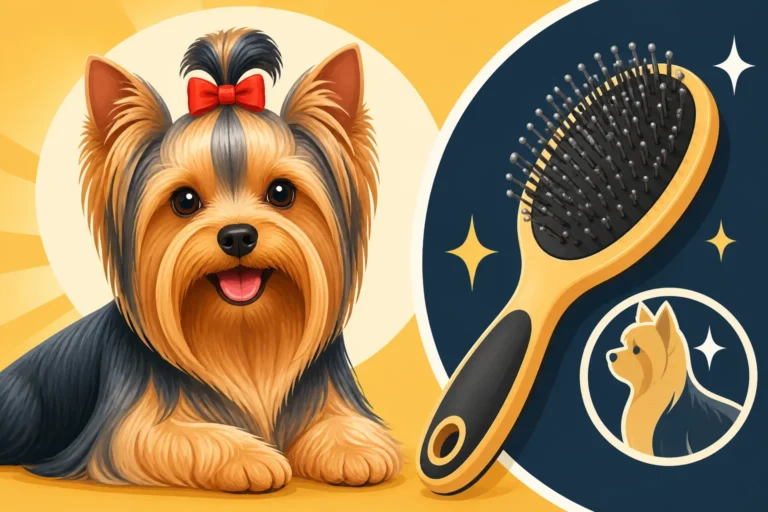
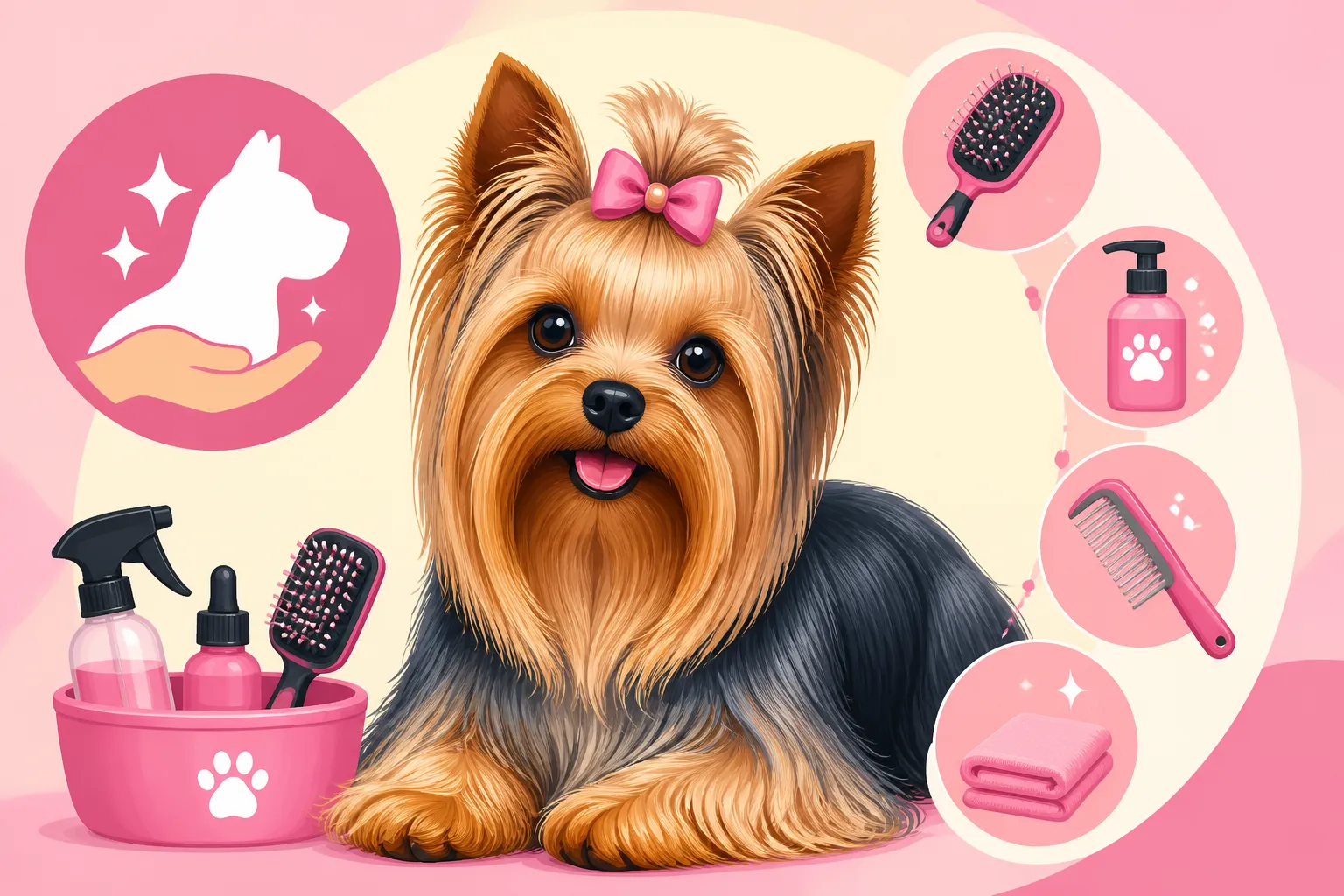
Start by gathering the right tools. A good quality pin brush is excellent for getting through the longer sections of the coat, while a slicker brush can help with finer areas and smoothing. Crucially, always finish with a metal comb, especially one with both wide and fine teeth. This allows you to really get down to the skin and ensure no hidden knots have been missed. You can find excellent grooming tools from brands available on Amazon or Chewy, which often carry a wide selection tailored for long-haired breeds.
When brushing, always work in sections. It's a bit like styling hair. Gently part the hair, hold the hair near the skin, and brush downwards, away from the body, from the ends up to the roots. This "line brushing" technique ensures you’re not just skimming the surface, but truly getting through the entire coat. Never brush dry hair; always use a light mist of detangling spray or conditioning spray to add moisture and reduce static and breakage. For a more detailed walkthrough, you might want to check out our guide on How to Brush a Yorkie's Coat.
Detangling and Dematting Strategies
Despite your best efforts, tangles and even small mats can still happen. The key is to address them immediately before they escalate. For small tangles, use your fingers to gently separate the hairs, then apply a detangling spray generously to the knot. Let it soak in for a minute. Then, using a wide-toothed comb, slowly and patiently work from the outer edges of the tangle, teasing apart the hairs strand by strand. Never pull or rip through a tangle, as this will hurt your Yorkie and can damage their delicate skin.
If you encounter a more severe mat, one that feels dense and tight against the skin, you might need a mat splitter or a blunt-ended scissor. However, extreme caution is advised here. It's incredibly easy to cut a Yorkie's thin skin underneath a mat, especially if the mat is tight. If you're unsure or the mat is large and close to the skin, it’s always best to consult a professional groomer. They have specialized tools and expertise to safely remove mats without causing pain or injury. Learning How to Prevent Yorkie Matting in the first place is always the best strategy!
Proper Bathing Routines
Bathing your Yorkie is another crucial part of coat maintenance, typically recommended every two to three weeks, or whenever they get particularly dirty. While it might seem counterintuitive, a clean coat tangles less easily than a dirty one. Dirt and oils can make the hair sticky and more prone to matting.
Before bathing, always, always give your Yorkie a thorough brush. Wetting a matted or tangled coat will only make the mats tighter and more difficult, if not impossible, to remove. Trust me on this one; I've learned the hard way! Once brushed, use lukewarm water and a high-quality shampoo and conditioner specifically designed for dogs with long, silky coats. Brands like Isle of Dogs or Chris Christensen offer excellent options for Yorkies, and you can find them readily on Chewy. A great resource for choosing the right products is our article on Best Shampoo for Yorkshire Terriers.
Lather gently, avoiding harsh scrubbing that can create new tangles. Rinse thoroughly, ensuring no residue is left behind, as this can cause skin irritation and dull the coat. Follow up with a good conditioner, leaving it on for a few minutes before rinsing. After the bath, gently blot your Yorkie with a towel; again, no vigorous rubbing! Then, use a pet-specific hairdryer on a cool or low heat setting, brushing as you dry. Never air dry a Yorkie with a long coat, as this significantly increases the chance of matting. For a step-by-step guide, check out How to Bathe a Yorkie.
Targeted Care for Common Problem Areas
While the entire coat needs attention, some areas are magnets for trouble and require extra focus. These are often the spots where mats develop fastest or where hygiene is paramount.
Facial Hair and Tear Stains
Your Yorkie's adorable face, especially around the eyes and mouth, is a prime candidate for issues. Long facial hair can easily become wet and food-stained, leading to matting, odor, and even skin irritation. Daily cleaning is essential. After meals and drinks, gently wipe your Yorkie's muzzle and around their eyes with a damp cloth or a pet-safe facial wipe.
Tear stains are also a common concern, particularly for lighter-colored Yorkies. These reddish-brown streaks are often caused by excessive tearing and can be exacerbated by trapped moisture and bacteria. Regularly cleaning the area with a specialized tear stain remover or a vet-approved solution can help. If your Yorkie has a top knot or bangs, ensuring the hair is tied up and out of their eyes can prevent irritation and reduce tearing. For more insights, our article on How to Clean Yorkie Tear Stains offers detailed advice.
Paws, Ears, and Sanitary Areas
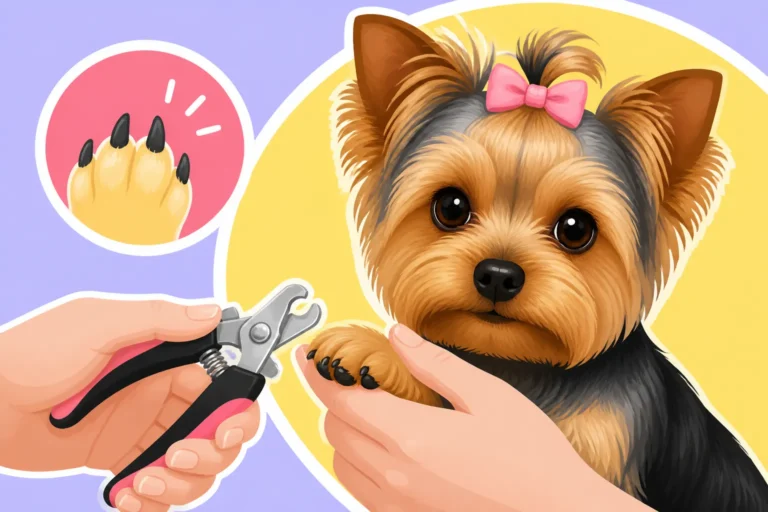
These often-overlooked spots are critical for your Yorkie's overall comfort and hygiene. The hair between their paw pads can grow quite long, collecting dirt, debris, and even ice in winter, leading to discomfort and potential matting. Regularly trimming this hair with blunt-nosed grooming scissors is important. While you're at it, don't forget their nails! Long nails can affect your Yorkie's gait and cause pain. Our guide on How to Trim a Yorkie's Nails provides a safe method.
Similarly, the hair around and inside their ears can get quite shaggy. Keeping the outer ear hair trimmed helps with air circulation and reduces the chances of ear infections. While professional groomers often pluck ear hair, it’s a procedure best left to the pros or your vet. For everyday cleaning, gently wipe the visible parts of the ear with a cotton ball dampened with a vet-approved ear cleaner. Avoid pushing anything down into the ear canal. You can learn more about this in How to Clean a Yorkie's Ears.
Finally, the sanitary area – around their bottom – needs to be kept short and clean to prevent fecal matter from clinging to the hair, which is unhygienic and uncomfortable. A quick, careful trim with blunt-nosed scissors in this area between grooms can make a huge difference.
Preventing Matting During Play and Sleep
Yorkies are active little dogs, and their silky coats can easily snag and mat during play or even while they're sleeping. Consider dressing your Yorkie in a light, soft doggy pajama or a silk wrap when they're playing vigorously or when they're simply lounging on rougher surfaces. This creates a barrier between their delicate hair and potential snagging points.
Pay particular attention to friction points like under the armpits, behind the ears, and where their harness or collar sits. These areas are notorious for developing mats quickly due to constant rubbing. Loosening a harness slightly when not on walks, or opting for a soft, rolled leather collar, can help minimize friction. Even the fabric of their dog bed can contribute to matting if it's too rough; a bed with a soft, silky cover can be a surprisingly good investment for coat health.
Nutrition and Supplements for Coat Health
While external grooming is vital, what goes inside your Yorkie plays an equally important role in the health and luster of their coat. A dull, dry, or brittle coat can often be a sign of nutritional deficiencies.
The Role of Diet in a Healthy Coat
A high-quality diet provides the building blocks for healthy skin and a shiny coat. Look for dog foods that list a high-quality animal protein (like chicken, lamb, or salmon) as the first ingredient. Essential fatty acids, particularly Omega-3 and Omega-6, are superstars for skin and coat health. These can be found in ingredients like fish oil, flaxseed, and certain animal fats.
Many premium dog food brands, such as Ollie or Merrick, focus on nutrient-dense formulas that support overall health, including coat quality. A balanced diet ensures your Yorkie gets all the vitamins and minerals they need, such as zinc and biotin, which are crucial for hair growth and skin integrity. If you're wondering about your current food, our article Best Dog Food for Yorkshire Terriers offers some great recommendations. Remember, understanding How Much to Feed a Yorkshire Terrier is also key, as both under and overfeeding can impact their health and coat.
Beneficial Supplements
Sometimes, even with a great diet, a little extra boost can make a noticeable difference. Fish oil, rich in Omega-3 fatty acids, is one of the most popular and effective supplements for promoting a healthy, shiny coat and reducing dryness and itching. Look for fish oil derived from wild-caught fish, like salmon or pollock.
Other supplements like biotin or a comprehensive skin and coat supplement can also be beneficial, especially if your Yorkie suffers from chronic dry skin or a dull coat. However, before introducing any new supplements, it's always best to consult with your veterinarian. They can help you determine the appropriate dosage and ensure the supplement won't interfere with any existing medications or health conditions your Yorkie might have.
When to Call the Professional Groomer
Even with diligent at-home care, professional grooming is indispensable for maintaining your Yorkie’s coat. Knowing when to reach out to the pros is just as important as your daily routine.
Recognizing Signs of Trouble
Sometimes, despite your best efforts, you might encounter a situation that's beyond home care. If your Yorkie develops large, tight mats that are painful to touch or too close to the skin to safely remove, it's time to call a professional groomer. Attempting to cut out severe mats yourself can lead to serious injuries. Similarly, if you notice persistent skin irritation, redness, excessive scratching, or changes in the coat quality that don't respond to your regular routine, these could be signs of underlying health issues. Things like fleas, allergies, or other Yorkshire Terrier Health Problems to Know can manifest in the coat and skin, requiring veterinary attention. Don't hesitate to seek professional advice if you're concerned.
The Benefits of Regular Professional Grooming
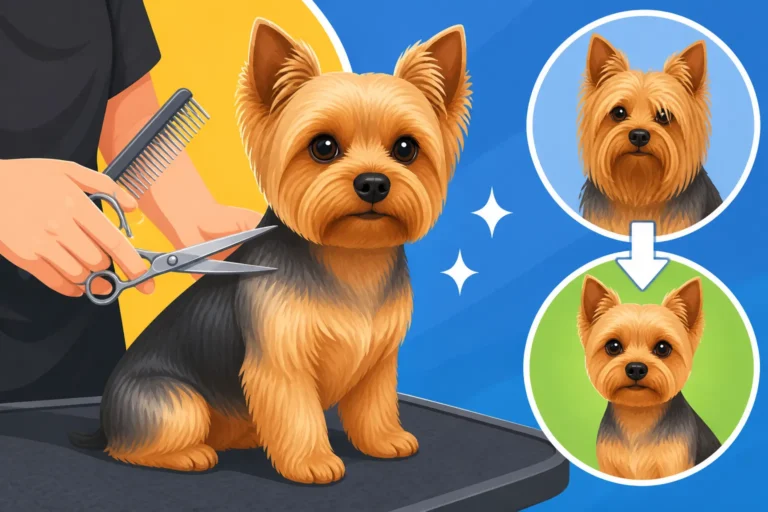
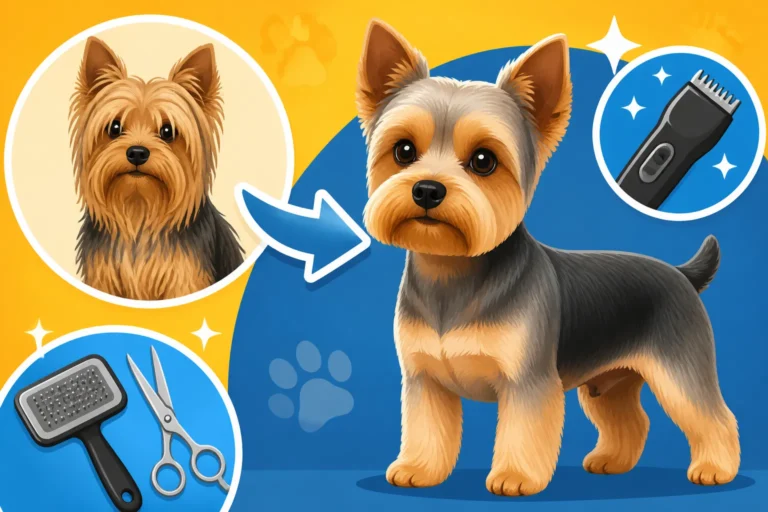
Professional groomers possess the expertise, specialized tools, and gentle techniques to give your Yorkie a thorough and safe grooming experience. They can perform deep cleaning, trim hard-to-reach areas, expertly detangle tough knots, and even offer breed-specific cuts that are difficult to achieve at home. A good groomer will also be able to spot early signs of skin conditions, ear infections, or dental issues, like those that lead to Yorkie Dental Disease Prevention, which you might miss. Regular appointments, typically every 4-6 weeks, ensure your Yorkie’s coat stays manageable, healthy, and looking its best, making your at-home maintenance much easier. Think of professional grooming as the foundation, and your daily care as the ongoing upkeep. Our comprehensive Yorkshire Terrier Grooming Guide goes into even more detail about professional care.
Here’s a quick overview of essential coat care tasks:
| Task | Frequency | Tools Required | Key Benefit |
|---|---|---|---|
| Brushing | Daily | Pin brush, slicker brush, metal comb, detangling spray | Prevents mats, removes loose hair, stimulates skin |
| Facial Wiping | Daily | Damp cloth, pet-safe facial wipes | Prevents tear stains, food buildup |
| Ear & Paw Trim | Weekly | Blunt-nosed scissors, nail clippers | Prevents mats, improves hygiene, comfort |
| Bathing | Every 2-3 weeks | Dog shampoo, conditioner, pet hairdryer | Cleans coat, prevents tangles, nourishes skin |
| Deep Dematting | As needed | Mat splitter, detangling spray, professional help | Addresses severe tangles safely |
| Professional Groom | Every 4-6 weeks | Groomer's tools and expertise | Full trim, deep cleaning, health check |
Disclaimer
The information provided in this article is for general informational purposes only and is not a substitute for professional veterinary advice. Always consult with a qualified veterinarian or professional groomer regarding any specific health or grooming concerns for your Yorkshire Terrier.