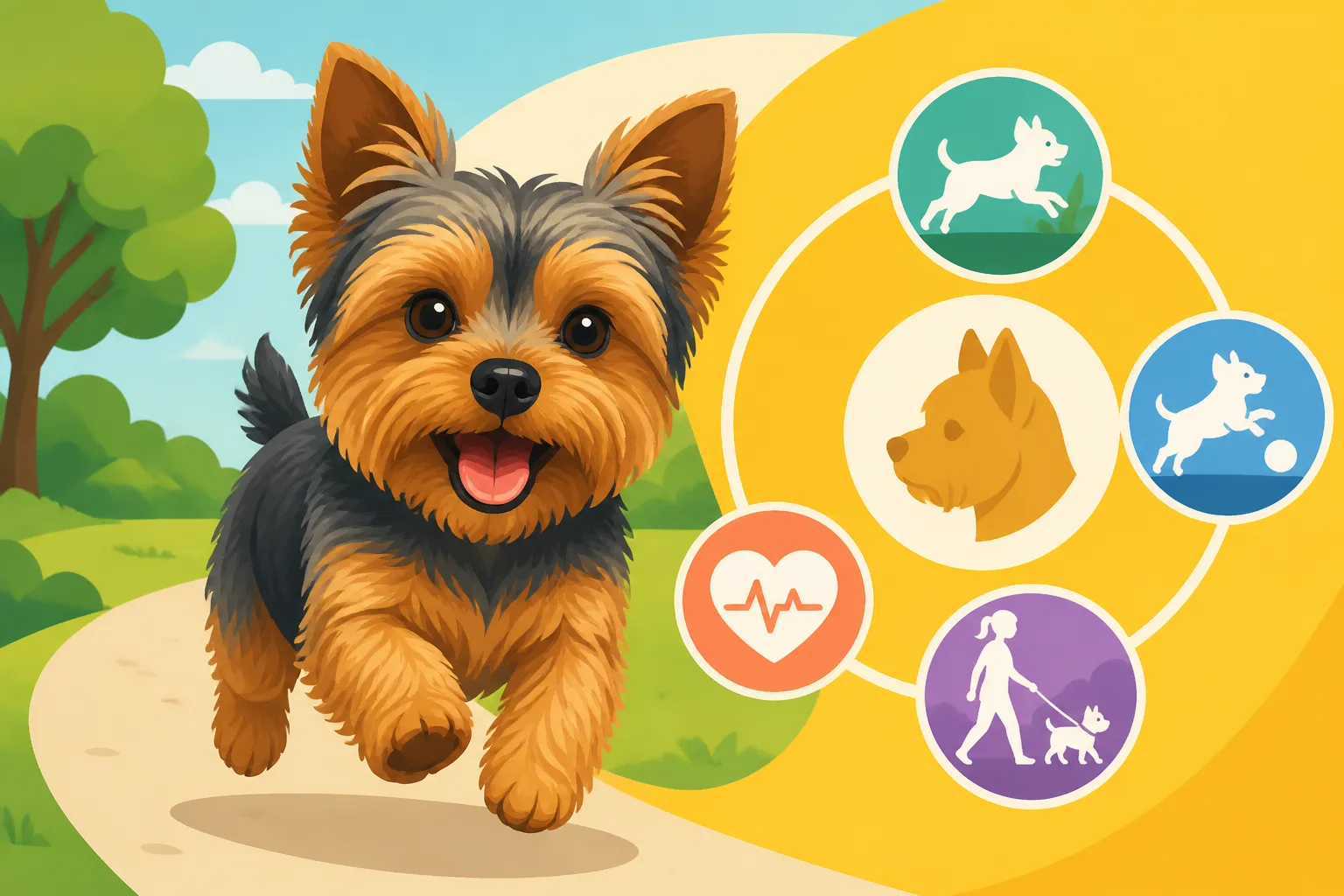
How Much Exercise Does a Yorkie Need
One of the biggest misconceptions about owning a tiny Yorkshire Terrier is that their small stature means they don't need much exercise. Many new Yorkie parents, and even some seasoned ones, often find themselves baffled by their little dog's seemingly endless bursts of energy, wondering just how much activity is truly enough to keep them happy and healthy without overdoing it. This comprehensive guide will unravel the mysteries of your Yorkie's exercise needs, ensuring you can provide the perfect balance for their well-being.
Understanding Your Yorkie's Innate Energy Levels
Don't let their delicate appearance fool you; Yorkshire Terriers come from a long line of working dogs. Originally bred in Yorkshire, England, to catch rats in clothing mills and mines, these tiny terriers possess a surprising amount of grit, determination, and energy. This inherent drive means they're not content to simply lounge on the couch all day, even if that's what their humans prefer sometimes!
The Terrier Temperament and Its Impact on Exercise
Yorkies embody the classic "terrier-tude" – they are feisty, intelligent, and confident. This temperament directly translates into their activity levels. They have periods of intense playfulness and curiosity, often wanting to explore, chase, and investigate their surroundings. If you've ever seen your Yorkie zoom across the living room with seemingly boundless energy, you're witnessing this innate drive in action. It's not just about physical exertion; it's also about satisfying their mental stimulation needs.
Their intelligent and spirited nature means that exercise for a Yorkie isn't just about walks around the block. It needs to engage their minds as much as their bodies. Without proper outlets for this energy and curiosity, a Yorkie can become bored, leading to unwanted behaviors like excessive barking or destructive chewing. Understanding the Yorkshire Terrier Temperament and Personality is key to channeling their zest for life into positive activities.
Size and Stamina: The Toy Breed Reality
While Yorkies are undeniably small, typically weighing between four and seven pounds, this doesn't mean they're fragile couch potatoes. They might not have the stamina for a five-mile hike, but they certainly have enough energy for multiple short bursts of activity throughout the day. Owners often worry about their tiny size making them susceptible to injury, which is a valid concern, but it shouldn't lead to under-exercising.
The reality is that a Yorkie's small size allows them to burn off energy quickly with relatively short periods of activity. Their little legs might be moving at warp speed, but they cover less ground than a larger dog. This means several shorter play sessions or walks are often more beneficial and safer than one long, strenuous outing. It’s all about finding that sweet spot where they are adequately tired but not completely worn out or stressed.
Daily Exercise Recommendations for Yorkshire Terriers
The amount and type of exercise your Yorkie needs will naturally change throughout their life, much like it does for humans. What's perfect for a rambunctious puppy won't be suitable for a wise senior dog. Understanding these distinctions is crucial for providing appropriate care at every stage.
Puppy Exercise Guidelines
Yorkie puppies are bundles of boundless energy, but their little bodies are still developing. It's incredibly important to balance their playful exuberance with careful attention to their developing joints and bones. Over-exercising a puppy can lead to serious long-term orthopedic issues. Think of a puppy's energy as a series of short sprints, not a marathon.
For puppies, short, frequent play sessions are ideal. Aim for about 5 minutes of structured exercise per month of age, twice a day. So, a 3-month-old puppy might get 15 minutes of play in the morning and 15 minutes in the evening. This can include gentle tug-of-war, short games of fetch with soft toys, or supervised exploration in a safe, enclosed area. Socialization during this phase is also vital, and proper How to Socialize a Yorkie Puppy involves careful, positive introductions to new sights, sounds, people, and other vaccinated, calm dogs, but always keep sessions brief to avoid overstimulation and exhaustion.
Adult Yorkie Activity Requirements
Once your Yorkie reaches adulthood (typically around 10-12 months of age), their exercise needs stabilize. An adult Yorkie generally requires about 30 minutes to an hour of physical activity per day, broken into two or three sessions. This isn't just about physical health; it's also vital for their mental well-being, helping to prevent boredom and destructive behaviors.
This daily exercise can be a mix of structured walks and interactive playtime. Two 15-20 minute walks, coupled with a 15-minute play session indoors, often hit the sweet spot. Many Yorkie owners opt for walks in their neighborhood, local parks, or even designated dog-friendly areas. For safety and comfort, especially with their delicate tracheas, it's widely recommended to use a harness instead of a collar when walking a Yorkie; you can find great options on platforms like Chewy or Amazon. To learn more, read about Why Harnesses Are Better Than Collars for Yorkies.
Senior Yorkie Exercise Considerations
As your Yorkie enters their golden years (typically around 7-10 years old, though this can vary), their exercise needs will naturally begin to decrease. They might not have the same pep in their step, and conditions like arthritis or heart issues can make strenuous activity uncomfortable or even dangerous. The goal for senior Yorkies is to maintain mobility and mental stimulation without causing pain or exhaustion.
Gentle, shorter walks and less intense play sessions become the norm. Instead of two 20-minute walks, you might shift to three 10-minute strolls. Pay close attention to their cues: are they lagging behind, limping, or showing signs of discomfort? If so, it's time to slow down or even cut the session short. Incorporating Yorkie Joint Supplements Explained and consulting with your vet about a tailored exercise plan for your senior companion is highly advisable. Many senior Yorkies still enjoy exploring and sniffing, so allowing them to set the pace on walks is crucial. For more detailed information on caring for older dogs, check out our Yorkshire Terrier Senior Care Guide.
Here's a quick overview of typical exercise needs by age:
| Age Group | Recommended Daily Exercise | Type of Activity | Key Considerations |
|---|---|---|---|
| Puppy (8 wks – 6 mos) | 15-30 minutes total, split into 2-3 sessions | Short play, gentle exploration, leash introduction | Avoid over-exertion, protect developing joints, focus on positive experiences |
| Adolescent (6-12 mos) | 30-45 minutes, split into 2 sessions | Longer walks, fetch, training, supervised play | Continue careful socialization, build stamina gradually |
| Adult (1-7 years) | 30-60 minutes, split into 2-3 sessions | Brisk walks, fetch, puzzle toys, dog park visits | Maintain consistency, vary activities, ensure mental stimulation |
| Senior (7+ years) | 15-30 minutes, split into 2-3 gentle sessions | Slow walks, gentle play, scent games | Monitor for pain/fatigue, consider health conditions, prioritize comfort |
Types of Exercise Best Suited for Yorkies
Exercise for a Yorkie isn't a one-size-fits-all concept. It's about finding activities that cater to their unique blend of physical capabilities and mental sharpness. Combining different types of activities will keep them engaged and ensure all their needs are met.
Structured Walks and Outdoor Adventures
Daily walks are a cornerstone of a Yorkie's exercise routine. These aren't just for potty breaks; they're an opportunity for your dog to explore the world through scent, sight, and sound. Even a short walk around the block provides invaluable mental stimulation as they take in new smells and sights. The duration and intensity should be tailored to your Yorkie's age and fitness level, as discussed earlier.
While a brisk walk is great, remember that Yorkies are small and can easily get tired, especially in extreme weather. On warmer days, avoid the hottest parts of the day to protect their paw pads and prevent overheating. In colder weather, consider a warm dog sweater or booties to keep them comfortable. For extended outdoor adventures, ensure they have access to fresh water. Many owners find portable water bottles and bowls invaluable, readily available from online retailers like Chewy.
Indoor Play and Mental Stimulation
Yorkies are highly intelligent and thrive on mental challenges just as much as physical ones. Indoor play is perfect for bad weather days or when you simply don't have time for a long outdoor excursion. Games like hide-and-seek with treats or toys, gentle fetch in a hallway, or even a supervised chase around the furniture can provide excellent physical activity.
Beyond physical play, mental stimulation is crucial. Puzzle toys, where your Yorkie has to figure out how to get a treat, are fantastic for engaging their minds. There are many different difficulty levels available, which you can explore on Amazon. Training sessions, even just practicing basic commands like "sit," "stay," and "come," offer significant mental workouts and strengthen your bond. Remember, a tired mind is just as important as a tired body for a happy, well-behaved Yorkie.
The Importance of Socialization in Exercise
For many Yorkies, especially those who enjoy the company of other dogs, supervised playdates or visits to a dog park can be an excellent form of exercise and socialization. However, due to their small size, it's vital to ensure these interactions are safe. Always choose dog parks with separate areas for small dogs, or organize playdates with dogs of similar size and temperament.
Socialization helps prevent behavioral issues down the line and allows your Yorkie to express natural canine behaviors. It’s not just about running around; it’s about learning appropriate social cues and building confidence. For dogs that prefer human company, visits to pet-friendly stores or cafes can provide a stimulating outing. Just remember to always supervise interactions closely to ensure your tiny friend isn't overwhelmed or put in a potentially dangerous situation.
Common Exercise-Related Challenges and Solutions
Even with the best intentions, Yorkie owners often encounter specific challenges when it comes to meeting their pet's exercise needs. Addressing these proactively can make a huge difference in your dog's quality of life.
Over-Exercising and Under-Exercising Risks
Both extremes pose risks for your Yorkshire Terrier. Under-exercising can lead to a host of problems, including weight gain, destructive behaviors, anxiety, and a general decline in overall health. An unstimulated Yorkie might chew furniture, bark excessively, or become lethargic. Conversely, over-exercising a Yorkie, especially a puppy or senior, can cause physical injury, such as joint strain, sprains, or even exacerbate conditions like tracheal collapse. Knowing the Yorkshire Terrier Health Problems to Know can help you recognize signs of distress.
It's all about finding that happy medium. Pay close attention to your Yorkie's body language. Signs of over-exertion include excessive panting, lagging behind, limping, or a reluctance to continue. On the other hand, if your Yorkie is constantly bouncing off the walls, chewing things they shouldn't, or seems restless, they likely need more activity. Keeping an eye on their Yorkie Weight: Healthy Range by Age can also be a good indicator of whether their exercise and diet are balanced.
Weather Considerations and Safety Tips
Yorkies are particularly sensitive to extreme temperatures. Their small size and single coat (which is more like human hair than fur) mean they don't regulate temperature as effectively as larger, double-coated breeds. In scorching summer heat, pavements can reach dangerous temperatures, burning their delicate paw pads. Always do the "seven-second rule": if you can't hold your hand on the pavement for seven seconds, it's too hot for your Yorkie's paws. Early morning or late evening walks are best, and always bring water.
During winter, Yorkies can get cold very quickly. Their tiny bodies lose heat rapidly. A warm sweater or coat is essential for outdoor excursions, and booties can protect their paws from ice, salt, and freezing temperatures. If it's too cold or wet, it's always safer to stick to indoor play and mental games. Read up on How to Keep a Yorkie Warm in Winter for more tips. Always be mindful of their small size; avoid areas with large, boisterous dogs unless you are confident in their safety, and be aware of potential predators in rural areas.
Overcoming Stubbornness and Lack of Motivation
Some Yorkies can be notoriously stubborn! You might find your little friend refusing to walk in the rain, or perhaps they'd rather be carried than use their own four paws. This isn't uncommon. The key is patience, positive reinforcement, and making exercise an enjoyable experience. If your Yorkie is reluctant to walk, try changing up the route, offering high-value treats (perhaps a small piece of cooked chicken or a specific training treat), or shortening the walk and gradually extending it.
Sometimes, a lack of motivation stems from discomfort or an underlying health issue. If your Yorkie suddenly becomes unwilling to exercise, it's always a good idea to consult your veterinarian to rule out any pain or illness. For a healthy but stubborn Yorkie, consistency and making it a fun routine are your best allies. Encourage them with praise and positive attention, making exercise a bonding experience rather than a chore.
Integrating Exercise into Your Yorkie's Daily Routine
Successfully integrating exercise into your Yorkie's life requires a thoughtful approach, careful planning, and a bit of flexibility. It’s about creating habits that benefit both of you.
Creating a Consistent Schedule
Dogs, especially intelligent breeds like Yorkies, thrive on routine. A consistent exercise schedule helps manage their energy levels, provides predictability, and reduces anxiety. Try to schedule walks and play sessions around the same times each day. For example, a morning walk before breakfast, an afternoon play session, and an evening stroll before bedtime.
Consistency doesn't mean rigidity. Life happens, and you might have days where you can't stick to the exact schedule. On those days, prioritize a brisk indoor play session or a challenging puzzle toy to make up for a missed walk. The goal is to provide regular outlets for their energy, not to stress over perfection. This routine also aids in establishing a good Yorkshire Terrier Potty Training Guide, as regular outings help regulate their elimination schedule.
Essential Gear for Safe and Enjoyable Activity
Having the right equipment can make all the difference in ensuring your Yorkie's exercise is safe and enjoyable. As mentioned, a well-fitting harness is paramount for Yorkies. It distributes pressure evenly across their chest, protecting their delicate neck and trachea from strain. Brands like Puppia and Gooby offer excellent soft harnesses designed for small breeds.
A lightweight leash, durable but not bulky, is also important. For outdoor adventures, consider a dog stroller for longer outings or if your senior Yorkie tires easily. Booties for hot pavement or cold weather, a portable water bottle, and a variety of safe, size-appropriate toys (fetch toys, chew toys, puzzle toys) are also great additions. You can find a vast selection of these items on Chewy or Amazon, making it easy to equip your furry friend for any activity.
Monitoring Your Yorkie's Health During Exercise
Being observant is perhaps the most important part of exercising your Yorkie. Because they are so small and sometimes prone to hiding discomfort, you need to be vigilant for any signs of trouble. Pay attention to their breathing: excessive panting or wheezing could indicate they’re overexerted or struggling with a respiratory issue like collapsing trachea. Watch their gait for any limping or stiffness.
After exercise, ensure they have access to fresh water and a quiet place to rest. Monitor their appetite and energy levels in the hours following activity. Any persistent changes in behavior, appetite, or energy could be a sign that something is amiss, and you should consult your vet. Early detection of issues like Yorkshire Terrier Patellar Luxation: Signs and Care or other Yorkie Emergency Symptoms to Never Ignore is crucial for their long-term health. Feeding a balanced, high-quality diet, perhaps from a brand like Ollie, can also contribute significantly to their energy levels and overall health, ensuring they have the fuel they need for their adventures.
Disclaimer
The information provided in this article is for general informational purposes only and is not a substitute for professional veterinary advice. Always consult with a qualified veterinarian for any health concerns or before making any decisions about your pet's health or treatment.