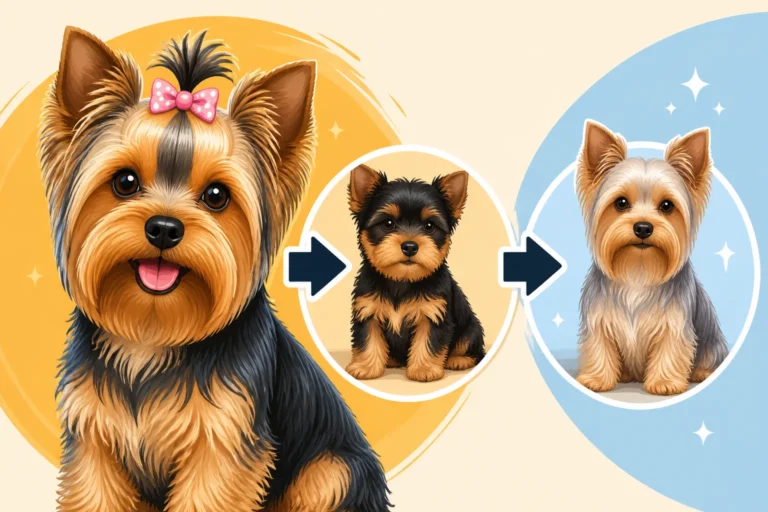
Yorkshire Terrier Temperament and Personality
Bringing a Yorkshire Terrier into your home is an exciting journey, but many new (and even experienced) owners often find themselves surprised by the complex personality packed into such a small frame. It's a common frustration to expect a docile lap dog only to discover a fearless, opinionated, and sometimes surprisingly stubborn companion. This comprehensive guide will peel back the layers of the Yorkshire Terrier temperament and personality, helping you truly understand and appreciate the unique spirit of these charming little dogs.
Understanding the Yorkie Spirit: More Than Just a Pretty Face
Beneath that silky, flowing coat lies a spirit forged in the working-class mills and mines of 19th-century Yorkshire, England. They weren't bred for cuddling on velvet cushions initially, but for hunting rats and other vermin. This history deeply imprints on their temperament, creating a dog far more robust and spirited than their delicate appearance suggests. It’s easy to dismiss them as fragile accessories, but doing so completely misunderstands the very essence of a Yorkie.
The Terrier Instinct: A Big Dog in a Small Package
The "Terrier" in Yorkshire Terrier is not just a fancy name; it's a profound descriptor of their genetic makeup and intrinsic drive. This means they possess many of the characteristics found in much larger working terrier breeds, scaled down into a compact body. They are naturally alert, independent, and possess a tenacious spirit that belies their size. This is why you might see your tiny Yorkie barking furiously at a perceived threat outside the window or digging enthusiastically in your potted plants – it's their ancestry shining through. Many owners are genuinely shocked by the sheer determination and vocal prowess of their little dog, especially if they were expecting something more placid.
This strong terrier instinct means they are often bold, confident, and can even be quite feisty. They aren't afraid to stand their ground, whether it's against a much larger dog (which can sometimes lead to trouble if not managed) or a rogue squirrel in the yard. Understanding this inherent drive is crucial for managing their behavior and ensuring they thrive in a home environment. Without outlets for their natural instincts, such as engaging playtime or puzzle toys, they can become bored and channel that energy into less desirable behaviors, like excessive barking or digging. It’s not misbehavior; it's simply a terrier being a terrier.
Affectionate Companionship: Your Shadow with a Spark
Despite their feisty terrier nature, Yorkshire Terriers are deeply affectionate dogs who form incredibly strong bonds with their human families. Once they deem you worthy of their devotion, they will be your shadow, following you from room to room, often preferring to be in physical contact, whether curled on your lap or nestled beside you on the couch. This intense loyalty is one of the most endearing qualities of the breed. They thrive on companionship and genuinely want to be a part of everything you do, from watching TV to running errands.
However, this deep affection comes with a certain expectation from the Yorkie’s side. They aren’t just looking for a casual acquaintance; they want a co-dependent relationship, and they'll let you know it. This devotion can be wonderful for individuals or families looking for a constant companion, but it also means they can be prone to developing Yorkshire Terrier Separation Anxiety Solutions if not properly managed. They truly see themselves as integral family members, not just pets, and their happiness is often tied to your presence and attention. They love a good cuddle session just as much as they love a good chase after a squeaky toy, making them versatile companions.
Common Yorkshire Terrier Personality Traits
Yorkies possess a unique blend of traits that make them incredibly memorable companions. They are often described as having "big dog" personalities in small bodies, a testament to their confident and spirited nature. These traits, while generally consistent across the breed, can manifest differently in individual dogs, creating a wide spectrum of charming quirks.
Fearless and Confident: Tiny but Mighty
One of the most striking aspects of a Yorkshire Terrier's personality is their immense confidence and fearlessness. They rarely seem to realize how small they are, often approaching new situations or even larger dogs with an audacious bravado. This isn't necessarily aggression, but rather a profound self-assuredness. They believe they can take on anything, and sometimes, that can lead to comical, or occasionally concerning, encounters. You might see a Yorkie confidently strutting past a Labrador twice its size, completely unfazed. This fearless nature is a direct echo of their ratting ancestry, where hesitation meant missed prey.
This confidence also means they can be quite assertive. They aren't usually shy or timid dogs (unless they've had negative experiences or lack proper socialization). Instead, they’ll often be the first to investigate a new sound, greet a stranger, or demand attention when they feel it's their due. While endearing, this boldness needs to be channeled correctly through consistent training and clear boundaries, otherwise, they can quickly assume the role of "pack leader" and become quite bossy. Their "tiny but mighty" attitude requires a confident owner who can gently guide them.
Devotion and Loyalty: Your Best Friend for Life
Yorkshire Terriers are renowned for their unwavering devotion to their primary caregiver or family. They are intensely loyal creatures who bond deeply, often selecting one person as "their person," though they will extend their affection to the entire household. This loyalty means they are always eager to be by your side, offer comfort, and provide endless entertainment with their playful antics. They are not dogs that will wander off indifferent to your presence; rather, they crave connection and validation from their human companions.
This profound loyalty also means they are often very protective. They consider their family and home their territory, and they won't hesitate to alert you to anything they perceive as a threat, whether it's the mail carrier, a leaf blowing by, or a stranger approaching the door. This protective streak is why many Yorkies are excellent little watchdogs, though their enthusiasm can sometimes lead to How to Stop a Yorkie from Barking becoming a challenge. Their entire world often revolves around their humans, and they thrive on being included and cherished as valued members of the family unit.
Intelligence and Trainability: Smart Cookies, Sometimes Stubborn
Yorkshire Terriers are undeniably intelligent dogs. They learn quickly and can pick up commands, tricks, and routines with impressive speed. This intelligence means they excel in obedience training and even dog sports like agility, often surprising people who underestimate their capabilities due to their size. They love to learn new things and are often eager to please, especially when positive reinforcement and tasty treats are involved. Many Yorkie owners find that their dogs pick up on household routines and even human emotions with uncanny accuracy.
However, their intelligence is often paired with a strong independent streak and a dash of terrier stubbornness. This isn't a lack of intelligence; it's often a case of "What's in it for me?" or a strong will. They know what you want, but they might decide whether they feel like doing it. This can make How to Train a Yorkshire Terrier a rewarding, but sometimes challenging, experience. Consistent, positive reinforcement methods work best, as harsh training can make them shut down or become even more defiant. If you approach training as a partnership rather than a dictatorship, you’ll find a brilliant, albeit occasionally headstrong, student in your Yorkie.
Potential Behavioral Challenges and How to Address Them
While Yorkies are wonderful companions, their strong personalities can sometimes lead to specific behavioral challenges. Understanding these common issues and proactively addressing them is key to a harmonious household. Many of these behaviors stem from their innate terrier traits or inadequate socialization and training, rather than malice.
Excessive Barking: The Tiny Watchdog
Yorkshire Terriers are notorious for their barking. It’s perhaps one of the most common complaints from Yorkie owners, and it's easy to see why – they can have surprisingly loud and persistent barks for their size! This trait is deeply rooted in their history as alarm dogs, alerting their human companions to intruders or pests. In a modern home, this translates to barking at everything: the doorbell, people walking by the window, squirrels in the yard, perceived threats on TV, or even just for attention. They see themselves as protectors, and barking is their way of fulfilling that role.
Addressing Yorkshire Terrier Barking Problems and Solutions requires patience and consistency. It's important to differentiate between alert barking (which is natural) and nuisance barking. Training them a "quiet" command is essential. When they bark at something, acknowledge it calmly, say "Thank you, quiet," and reward them when they stop. Management techniques, such as closing curtains or using frosted window film, can also reduce triggers. Never reward barking for attention; instead, ignore it until they are quiet, then reward the silence. Sometimes, increased mental stimulation and exercise can also help reduce boredom-related barking. Products like puzzle toys or long-lasting chews from places like Chewy can provide excellent distraction and mental engagement, helping to keep their minds busy and their mouths quieter.
Separation Anxiety: When You Leave, Their World Stops
Given their profound loyalty and desire for companionship, Yorkshire Terriers can be particularly prone to developing separation anxiety. This isn't just a dog being "naughty" when you leave; it's a genuine panic response caused by distress at being separated from their primary attachments. Symptoms can range from incessant barking, destructive chewing, and inappropriate urination or defecation, to more subtle signs like pacing or excessive drooling when left alone. It's heartbreaking for both the dog and the owner when this happens.
Preventing and managing Yorkie Separation Anxiety: Signs and Fixes requires a structured approach. Start by making departures and arrivals low-key; no big hellos or goodbyes. Gradually increase the time you leave your Yorkie alone, starting with just a few minutes, always returning before they show signs of distress. Provide engaging toys or a food puzzle before you leave to create a positive association with your departure. Crate training can also provide a sense of security for some dogs. If the anxiety is severe, consulting with a professional dog trainer or a veterinary behaviorist might be necessary. It’s a challenge that highlights just how deeply these little dogs connect with their people.
"Small Dog Syndrome" and Resource Guarding
"Small Dog Syndrome" isn't a recognized medical condition, but rather a behavioral pattern often observed in smaller breeds whose owners inadvertently allow them to exhibit dominant or aggressive behaviors because of their size. This can manifest as nipping, growling, excessive barking, demanding attention, or even snapping at people or other dogs without proper correction. Because they're small, these behaviors are often overlooked or even seen as cute, but they can quickly escalate and create an ill-mannered, potentially dangerous dog. A Yorkie who consistently nips at your heels for attention is not cute; it's a dog learning it can control its environment.
Resource guarding, which is closely related, is when a dog becomes possessive over food, toys, sleeping spots, or even people. A Yorkie might growl if someone approaches their food bowl or tries to take away a favorite toy. This behavior is instinctual in dogs, but it needs to be managed to prevent aggression. The key to both is consistent training, clear boundaries, and teaching your Yorkie that you are the benevolent leader who controls resources. This means no free-feeding, teaching "leave it" and "drop it" commands, and ensuring all interactions are on your terms. Early and ongoing socialization is crucial to prevent these issues from developing into serious problems. Always remember, even a small bite from a Yorkie can be painful, and an unstable temperament is never acceptable, regardless of size.
Socialization: Key to a Well-Adjusted Yorkie
Socialization is not just about exposing your puppy to other dogs; it's about introducing them to a wide variety of sights, sounds, people, places, and experiences in a positive and controlled manner. For a breed with a tendency towards being opinionated and protective like the Yorkshire Terrier, proper socialization is absolutely paramount to ensuring they grow into a well-adjusted, confident, and friendly adult dog rather than a fearful or reactive one.
Early Puppy Socialization: Setting the Stage
The most critical period for socialization is during puppyhood, roughly between 3 and 16 weeks of age. During this time, a Yorkie puppy's brain is highly receptive to new experiences, and positive interactions will shape their perception of the world. Enrolling your Yorkie in a puppy class is an excellent way to expose them to other puppies and people in a safe, structured environment. Beyond classes, make it a point to introduce your puppy to a diverse range of sounds (vacuum cleaners, doorbells, children playing), textures (grass, pavement, carpet), and people of different ages and appearances.
Imagine your Yorkie puppy, maybe named Pip, meeting a friendly toddler for the first time. If this experience is positive – perhaps the toddler offers a gentle stroke and a tiny training treat – Pip learns that toddlers are good. If it's a negative experience, like a toddler pulling his tail, he might develop a lifelong fear or aversion. It’s all about creating positive associations. Don't force interactions; always allow your puppy to approach on their own terms, and ensure that every new experience ends on a good note. Remember, quality over quantity when it comes to early exposure, and always prioritize safety and comfort for your little one.
Introducing Your Yorkie to Other Pets
Bringing a new Yorkie into a home with existing pets, or vice versa, requires careful planning and slow introductions. Due to their strong terrier instincts, some Yorkies can be a bit bossy or even chase-driven with smaller pets like cats or hamsters, while others might be wary or even reactive towards larger dogs. The key is controlled, positive exposure. Always supervise initial meetings between your Yorkie and other animals. Start with short, leashed introductions in neutral territory, gradually increasing duration and proximity if both animals remain calm.
For example, if you have an older cat, introduce your Yorkie puppy on a leash, keeping the cat's escape routes open. Reward calm behavior from both animals with praise and treats. Never leave them unsupervised until you are absolutely certain they can coexist peacefully. How to Introduce a Yorkie to Other Dogs involves similar steps, often starting with parallel walks before direct interaction. It's about teaching them to tolerate and eventually enjoy each other's presence, understanding that not every animal is a threat or a rival. Patience is crucial, as some relationships take longer to build than others.
Yorkies and Children: A Delicate Balance
Yorkshire Terriers can be wonderful family dogs, but their small size and sometimes feisty nature mean that interactions with children need careful management. They are not typically recommended for homes with very young children who might not understand how to safely interact with a delicate dog. A toddler’s accidental rough handling, pulling of hair, or sudden loud noises can easily injure a Yorkie or cause them to lash out defensively. Even playful nips from a puppy can be startling for a child.
If you have children, it's essential to teach them how to gently and respectfully interact with your Yorkie. Supervise all interactions, especially with younger kids, and show them how to pet properly, avoiding sensitive areas like ears and tail. Create a safe space for your Yorkie, such as a crate or a designated bed, where they can retreat and not be disturbed. This helps prevent them from feeling overwhelmed. Conversely, Yorkies need to be socialized to children from a young age, so they learn that kids are part of their world. With proper guidance for both dog and child, a Yorkie can be a loving and playful companion to older, respectful children. This is vital to preventing fear-based aggression in your dog.
Factors Influencing Yorkie Temperament
While the breed standard gives us a general idea of what to expect from a Yorkshire Terrier, it's important to remember that every dog is an individual. Several key factors contribute to shaping a Yorkie's unique temperament and personality, moving beyond broad generalizations to understand the specific dog in front of you.
Genetics and Breeding: Nature's Blueprint
The most significant influence on a Yorkie’s temperament is their genetic heritage, passed down from their parents and generations before them. A responsible breeder will prioritize not only physical health but also sound temperament. They will screen breeding dogs for undesirable traits like excessive shyness, aggression, or hyperactivity, striving to produce puppies that are confident, friendly, and well-balanced. This is why choosing a reputable breeder is so crucial; they understand the importance of inherited temperament.
Poor breeding practices, such as those found in puppy mills or by backyard breeders who don't screen their dogs, can result in puppies with genetic predispositions to anxiety, fear, or aggression. For example, a Yorkie from a line known for confidence is more likely to be outgoing, whereas one from a fearful line might always be more timid, regardless of socialization efforts. When considering a puppy, ask about the temperament of the parents and previous litters. A good breeder will be transparent about this and eager to discuss the personalities of their dogs. This genetic blueprint provides the foundation upon which all other factors build. If you're looking into buying a puppy, it's good to consider How to Find a Reputable Yorkie Breeder to ensure you start with the best possible foundation.
Environment and Early Experiences: Nurturing Their Nature
While genetics lay the groundwork, a Yorkie’s environment and early experiences play a massive role in shaping their personality. A puppy raised in a stimulating, loving home with consistent positive interactions will likely develop into a more confident and adaptable adult than one raised in isolation or with negative experiences. This includes proper socialization during the critical developmental window, as discussed earlier. A Yorkie puppy who encounters many different people, places, and sounds in a positive way is better equipped to handle novel situations throughout life.
A key aspect of their early environment is how their human family interacts with them. Consistent training, clear boundaries, and appropriate discipline (positive reinforcement-based, never harsh) teach a Yorkie what is expected of them and help them feel secure. Lack of structure or inconsistent responses can lead to confusion and behavioral issues. For instance, a Yorkie constantly picked up and coddled for growling might learn that growling gets them what they want, reinforcing an undesirable behavior. Every interaction, from feeding to playtime, contributes to their overall emotional development.
Age and Health Considerations
A Yorkie’s temperament can also evolve with age and be significantly impacted by their health. Puppies are naturally more energetic and curious, while senior Yorkies may become calmer, preferring quiet cuddles to boisterous play. However, changes in temperament can also signal underlying health issues. A sudden increase in irritability, withdrawn behavior, or aggression in an otherwise friendly Yorkie could indicate pain, discomfort, or a medical condition. For example, a dog suffering from Yorkshire Terrier Dental Disease Signs and Care might snap when touched near the mouth, not because they’re suddenly aggressive, but because they are in pain.
Similarly, conditions like Yorkshire Terrier Patellar Luxation Signs and Care or other orthopedic problems can make a normally active dog reluctant to move or quick to snap if jostled. As Yorkies age, they may also experience cognitive decline, leading to confusion, altered sleep patterns, and changes in personality. It's crucial for owners to be vigilant about their Yorkie's health and consult a vet if they notice any significant shifts in behavior. Understanding these changes as potential signs of distress rather than just "bad behavior" is paramount to providing proper care, especially for Yorkshire Terrier Senior Care Guide.
Living with a Yorkshire Terrier: Daily Life and Expectations
Embracing a Yorkshire Terrier means understanding that while they are small, their needs and presence in your life are anything but. They integrate themselves deeply into the rhythm of your home, and tailoring your daily life to meet their specific requirements will ensure a happy, well-adjusted companion.
Exercise and Mental Stimulation Needs
Despite their dainty size, Yorkshire Terriers are not content to be couch potatoes all day. They are active, intelligent dogs with surprising stamina, and they require regular exercise and plenty of mental stimulation to prevent boredom and behavioral problems. A couple of short walks a day (15-20 minutes each) are typically sufficient for physical exercise, but playtime in a secure yard or indoor games are equally important. Yorkies love to chase, retrieve, and engage in interactive play with their humans.
Beyond physical exertion, mental stimulation is critical for these bright little dogs. Puzzle toys, interactive feeders, and training sessions keep their minds engaged and prevent them from inventing their own, often undesirable, forms of entertainment (like destructive chewing or excessive barking). Rotate their toys regularly to keep things fresh. Fetch, hide-and-seek, and learning new tricks are all excellent ways to tire out a Yorkie’s mind. A bored Yorkie is often a mischievous Yorkie, and providing outlets for their energy and intelligence will lead to a much calmer and happier companion. Consider exploring various Best Toys for Yorkshire Terriers to keep them entertained.
Grooming and Personal Space Considerations
Yorkshire Terriers are renowned for their long, silky coats, which, while beautiful, require significant grooming commitment. Their hair is more akin to human hair than typical dog fur, meaning it grows continuously and can tangle easily without regular care. Daily brushing is often necessary to prevent mats, which can be painful and lead to skin issues. Regular baths (every 2-4 weeks) with appropriate shampoo and conditioner are also crucial to keep their coat clean and healthy. Many owners opt for professional grooming every 4-8 weeks to keep their Yorkie in a shorter, more manageable "puppy cut" style.
Beyond coat care, Yorkies also need regular dental care, nail trims, and ear cleaning. Their small mouths are prone to Yorkie Dental Disease Prevention, making daily brushing a vital part of their routine. All this grooming, while essential, requires your Yorkie to be comfortable with being handled. Starting grooming practices early in puppyhood helps them acclimate. Establishing a routine and making grooming a positive experience with treats and praise is key. It's also important to remember their need for personal space during grooming; forcing them or making it unpleasant can lead to negative associations. You can find a wide range of grooming tools and dental care products on sites like Chewy to make this routine easier.
The Lifelong Bond: Understanding Their Needs
Living with a Yorkshire Terrier is about building a lifelong bond based on mutual understanding and respect. They are highly attuned to their owners' moods and often thrive on a predictable routine. They crave attention and inclusion, flourishing when they feel like true members of the family. This means involving them in family activities, providing consistent training, and showering them with affection. Don't underestimate their intelligence or emotional depth; they are complex beings who deserve thoughtful care.
Understanding that their sometimes-stubborn nature or incessant barking stems from instinct, insecurity, or unmet needs, rather than malice, helps foster a more empathetic relationship. They are sensitive souls beneath their brave facade and respond best to kindness, patience, and positive reinforcement. Investing time in their training, socialization, and health will result in a devoted companion who brings immense joy and laughter into your home for many years. Their average lifespan is typically 13-16 years, so be prepared for a long and loving commitment. For more information, you can read our guide on How Long Do Yorkshire Terriers Live.
Dispelling Common Yorkie Myths
Like many popular breeds, Yorkshire Terriers are subject to various misconceptions that often paint an incomplete or inaccurate picture of their true nature. Dispelling these myths is important for anyone considering bringing a Yorkie into their home, ensuring expectations align with reality.
Are Yorkies Just Lap Dogs?
One of the most prevalent myths about Yorkshire Terriers is that they are simply decorative lap dogs, content to be carried around and coddled all day. While they certainly love to cuddle and enjoy being close to their humans, reducing them to mere accessories does a great disservice to their true spirited nature. As we've explored, Yorkies have a rich history as working terriers, and that instinct is still very much alive within them.
They crave adventure, mental stimulation, and opportunities to explore. A Yorkie confined to a lap all day without proper exercise or engagement can become bored, destructive, or even neurotic. They thrive on short walks, playtime, and the chance to use their keen senses to investigate their environment. While they make excellent companions for apartment living due to their size, they still need their daily doses of activity. Think of them as energetic companions who also love to nap on your lap, rather than only being lap dogs.
Are All Yorkies Aggressive?
Another damaging myth is that all Yorkies are inherently aggressive, nippy, or prone to "small dog syndrome" attacks. While it's true that some Yorkies can display these behaviors, it's typically a result of poor breeding, lack of proper socialization, inconsistent training, or even underlying pain and fear, rather than an inherent flaw in the breed itself. An unsocialized Yorkie, for instance, might be fearful of strangers or other dogs and react defensively.
A well-bred, well-socialized, and properly trained Yorkshire Terrier is typically confident, friendly, and outgoing. They are brave but not inherently aggressive. Issues like resource guarding or excessive reactivity can be managed and prevented with consistent positive training from an early age. It’s unfair to label an entire breed as aggressive when behavioral problems are usually a reflection of their environment and upbringing. If you encounter an aggressive Yorkie, it's more likely a sign of a troubled background than a typical example of the breed. For specific concerns about aggressive behaviors, addressing Yorkie Aggression: Causes and Solutions can provide valuable insight.
Yorkies and Hypoallergenic Claims
The term "hypoallergenic" is often applied to Yorkshire Terriers, leading many potential owners to believe they are completely allergy-free. This is a significant misconception. No dog breed is 100% hypoallergenic. The term simply means they are less likely to trigger allergic reactions in sensitive individuals because they shed very little dander (skin flakes that attach to hair and are the primary cause of pet allergies) and have hair rather than fur.
While many people with dog allergies find they can live comfortably with a Yorkie, it's not a guarantee. Some individuals can still be allergic to a dog's saliva or urine. It's crucial for anyone with severe allergies to spend time with a Yorkie before committing to ownership to see how they react. Regular grooming, including bathing, can also help reduce dander and allergens in the home. So, while they are a good option for many allergy sufferers, it's not a complete pass. You can learn more about this in our article Are Yorkshire Terriers Hypoallergenic.
| Yorkshire Terrier Temperament Trait | Explanation & Reality | Management Tip |
|---|---|---|
| Brave/Fearless | Often acts like a big dog in a small body, unafraid of larger animals or new situations. This stems from their terrier hunting instincts. | Ensure proper socialization to distinguish confidence from recklessness. Supervise interactions with larger dogs closely. Reward calm, confident behavior. |
| Loyal/Affectionate | Forms extremely strong bonds with family, often preferring one "person." Enjoys cuddling and being near their humans. | Provide consistent companionship and attention. Work on Yorkshire Terrier Separation Anxiety Solutions from a young age to prevent over-attachment. |
| Intelligent | Quick learners, capable of understanding many commands and tricks. Can be surprisingly clever in problem-solving. | Engage in regular training sessions and provide mental stimulation with puzzle toys. Keep training fun and rewarding. |
| Stubborn/Independent | Can have a strong will and may choose to ignore commands if not properly motivated or if they don't see the value. This is a typical terrier trait. | Use positive reinforcement and high-value treats. Be consistent with rules and boundaries. Avoid harsh corrections, which can make them more resistant. |
| Vocal/Watchdog | Prone to barking at perceived threats, strangers, or anything out of the ordinary. They see it as their job to alert you. | Teach a "quiet" command. Manage environmental triggers (e.g., window views). Ensure they are not barking for attention; ignore unwanted barking. Check our guide on How to Stop a Yorkie from Barking. |
| Sensitive | Despite their bravado, they can be emotionally sensitive and responsive to their owner's mood. They thrive on positive interactions and can be easily startled by loud noises or sudden movements. | Provide a calm, stable home environment. Use gentle handling and positive reinforcement in all interactions. |
| Playful/Energetic | Enjoy interactive play, short bursts of energy, and exploring. They are not purely sedentary lap dogs. | Provide daily walks and play sessions. Offer a variety of toys, including those for mental enrichment. |
| Protective | Can be very protective of their family and home, sometimes leading to territorial behaviors towards strangers or other animals. | Early and thorough socialization is key. Teach them to accept friendly visitors and new situations positively. Manage their environment to prevent over-reactivity. |
Disclaimer
This article provides general information about Yorkshire Terrier temperament and personality and is not a substitute for professional veterinary advice or behavioral consultation. Every dog is an individual, and specific behavioral concerns should always be discussed with a qualified veterinarian or certified professional dog trainer.