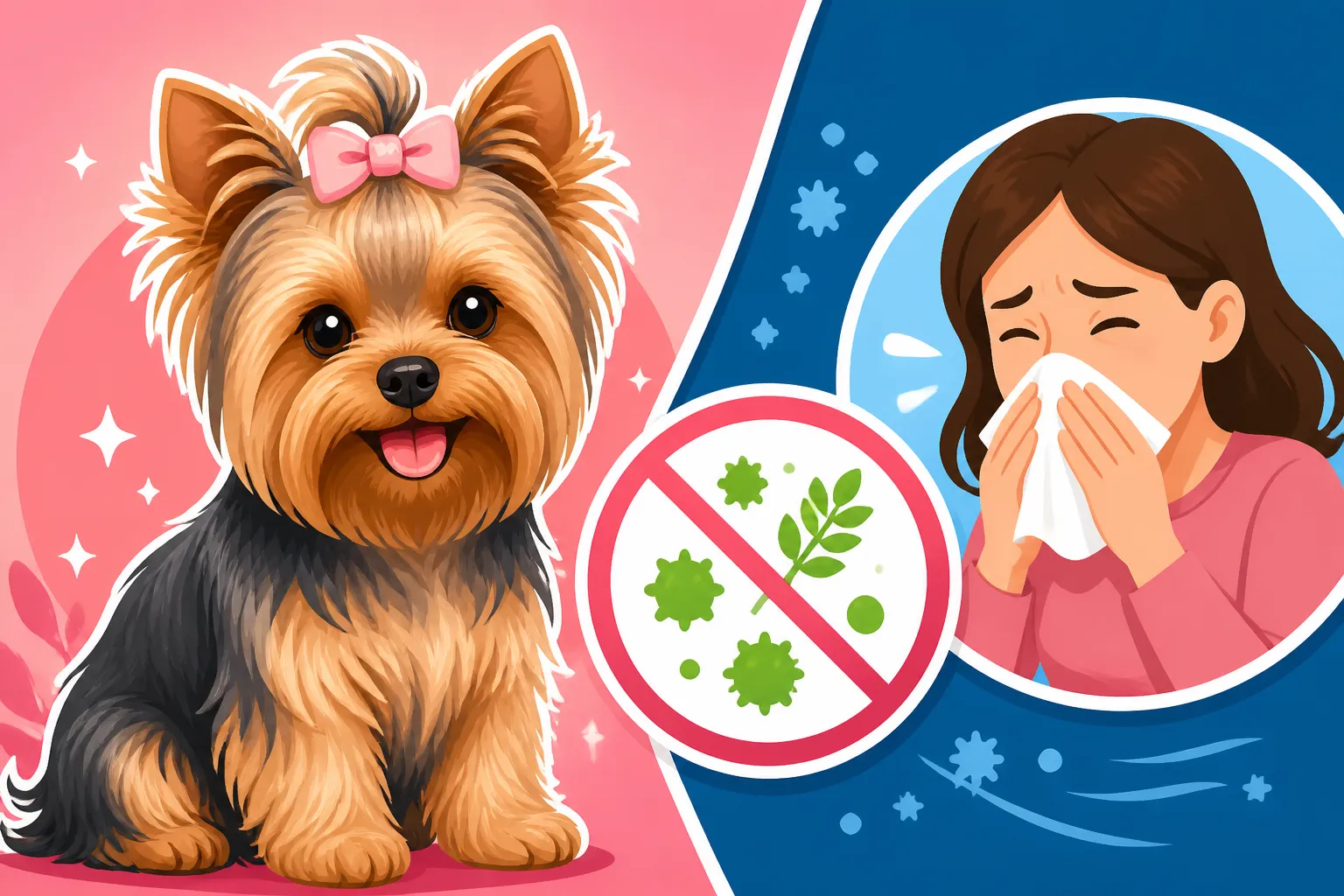
Are Yorkshire Terriers Hypoallergenic
The dream of sharing your home with a loyal, loving canine companion can often feel out of reach when you or a family member struggles with pet allergies. Many prospective dog owners, battling frustrating sneezes, itchy eyes, and a runny nose, often wonder if a Yorkshire Terrier, with their distinctive silky coat, could be the answer to their allergic prayers. It's a valid concern, and the truth is, while no dog is ever 100% hypoallergenic, Yorkies are often a fantastic choice for individuals sensitive to pet dander. This comprehensive guide will delve into what "hypoallergenic" really means for our furry friends and equip you with practical strategies to welcome a Yorkie into an allergy-sensitive home.
Deconstructing "Hypoallergenic": What Does It Really Mean?
When you hear the term "hypoallergenic" in relation to dogs, it's easy to picture a magical, allergen-free pup that you can snuggle without a single sniffle. Unfortunately, that's not quite how it works. The reality is a bit more nuanced, and understanding the science behind it is the first step toward finding your perfect canine match.
It's About Dander, Not Hair
This is perhaps the biggest misconception out there. Most people assume that if a dog sheds less hair, they're less likely to trigger allergies. While hair can carry allergens, the primary culprit for most pet allergies isn't the hair itself, but rather proteins found in a dog's dander (dead skin flakes), saliva, and urine. These microscopic proteins become airborne, settle on surfaces, and can easily trigger an allergic reaction in sensitive individuals. Think of dander as tiny, invisible flakes that are constantly shed by all dogs, regardless of their coat type or how much hair they lose.
The main allergen found in dogs is a protein called Can f 1. This protein is produced in the dog's skin, saliva, and urine. When a dog licks itself, the saliva dries, and the proteins become airborne. When they shed dander, those tiny skin flakes also carry the proteins. Even if a dog has very short hair or no hair at all, they still produce dander and saliva, meaning they still produce allergens. The key difference in "hypoallergenic" breeds isn't that they don't produce allergens, but that they tend to disperse fewer allergens into their environment. This crucial distinction helps us understand why certain breeds are better tolerated than others.
Why Some Breeds Are Considered Better for Allergies
So, if all dogs produce allergens, why are some breeds, like Yorkshire Terriers, often recommended for allergy sufferers? It boils down to how their coat manages and releases these dander-carrying proteins into the environment. Breeds labeled "hypoallergenic" typically possess coats that either shed very minimally, or their hair traps the dander before it can become airborne. Instead of floating freely throughout your home, the dander tends to get caught in the dog's coat, where it can then be removed through regular grooming.
For example, breeds with hair that grows continuously, much like human hair, rather than shedding in cycles like fur, often fall into this category. This type of coat is less likely to release loose hairs and attached dander into the air. However, this also means these coats require more diligent grooming to prevent matting and to remove the trapped allergens. It’s a trade-off: less airborne dander in exchange for a more intensive grooming routine. The goal is to minimize the amount of allergen exposure, not to eliminate it entirely, which is a common and understandable frustration for allergy sufferers.
The Yorkshire Terrier's Unique Coat and Allergen Profile
Yorkshire Terriers are celebrated for their distinctive, flowing coats. This isn't just a matter of aesthetics; their coat type plays a significant role in why they are often considered a more suitable choice for individuals with allergies. It's truly what sets them apart from many other breeds when it comes to allergen management.
The "Hair-Like" Coat Advantage
Unlike many other breeds that have a double coat of fur designed for insulation and seasonal shedding, Yorkshire Terriers boast a single coat of fine, silky hair. This hair has a texture and growth cycle that is remarkably similar to human hair, meaning it grows continuously rather than shedding in large clumps seasonally. This characteristic is the primary reason Yorkies often get the "hypoallergenic" label. When their hair sheds, it typically gets caught within the existing coat rather than falling out and becoming dispersed throughout your home.
Imagine brushing your own hair; the shed strands usually stay in the brush or fall directly to the floor, rather than floating around and coating every surface. A Yorkie's coat behaves similarly. The dander and shed hairs are largely contained within their luxurious locks, meaning less of those allergy-triggering proteins are released into the air you breathe. This "containment" factor makes a huge difference in reducing airborne allergens, creating a more tolerable environment for sensitive individuals. This unique coat requires special care, which you can learn more about in our Yorkshire Terrier Grooming Guide.
Low Shedding, But Not No Shedding
It's crucial to understand that "low shedding" does not equate to "no shedding" for Yorkshire Terriers. All living creatures with hair or fur will shed to some extent, and Yorkies are no exception. They do lose strands of hair, just like humans do, especially if their coat is long and prone to tangles or breakage. However, the amount of hair shed and the way it’s shed is significantly different from many other breeds. Instead of molting large quantities of short, coarse fur that carries a lot of dander into the environment, Yorkies shed individual strands of hair that, as mentioned, tend to get tangled in their longer coat.
The benefit here is two-fold: first, the actual volume of shed material is much lower. Second, the dander that is produced adheres more readily to these trapped hairs, preventing it from becoming airborne and causing allergic reactions. This is why regular and thorough grooming is absolutely paramount for a Yorkie living with an allergy sufferer. By routinely brushing and bathing your Yorkie, you actively remove the trapped dander and loose hairs before they can accumulate and spread. This proactive approach is key to maintaining a low-allergen home.
The Reality for Allergy Sufferers Living with a Yorkie
Even with a breed known for its "hypoallergenic" qualities, the experience of living with a Yorkie when you have allergies isn't a one-size-fits-all situation. It's a deeply personal journey, and what works wonderfully for one individual might still present challenges for another. Understanding these variables is vital before you commit to bringing a Yorkie home.
Individual Reactions Vary Greatly
One of the most frustrating aspects of pet allergies is their unpredictable nature. What might trigger a severe reaction in one person could merely cause a mild sniffle in another, even to the same dog. Some individuals might be sensitive to specific dog proteins more than others. This means that while a Yorkshire Terrier is generally a better choice for allergy sufferers, there’s no absolute guarantee that you won't experience any symptoms. It's a deeply personal biological response.
Before making the lifelong commitment of adopting a Yorkie, it's highly advisable to spend some quality time with the breed. Visit a reputable breeder, spend time with a friend's Yorkie, or even volunteer at a rescue that has Yorkies available. Observe your reaction over several visits. Do your symptoms appear? Are they mild, moderate, or severe? This "trial run" can give you invaluable insight into how your body specifically reacts to a Yorkie's allergens, helping you make an informed decision and avoid potential heartache down the line. Remember, even minor symptoms can become chronic and debilitating over time.
Beyond the Dog: Environmental Allergens
It’s easy to point the finger solely at our furry friends when allergies flare up, but a dog, even one that causes some reaction, is rarely the only source of allergens in a home. Our living spaces are often rife with other common allergens that can compound or even mimic pet allergy symptoms. Think about dust mites lurking in carpets and upholstery, pollen tracking in from outdoors, mold spores thriving in damp areas, and even fragrances from cleaning products or air fresheners. These environmental factors can contribute significantly to overall allergen load.
If you bring a Yorkie home and still experience symptoms, it might not be the dog alone. It could be a combination of factors. A holistic approach to allergy management is essential. This means not only managing your Yorkie's dander but also addressing other potential allergens in your environment. You might find that once you implement strategies to control dust mites or reduce pollen intrusion, your sensitivity to your Yorkie might decrease, or your overall allergic burden becomes much more manageable. Sometimes, people discover their "dog allergy" was actually a dust mite allergy exacerbated by the dog stirring up dust. Managing a Yorkie's overall health can also impact skin and dander, so understanding things like Yorkshire Terrier Health Problems to Know is beneficial.
Practical Strategies for Minimizing Allergens with a Yorkie
Bringing a Yorkshire Terrier into an allergy-sensitive home isn't just about choosing the right breed; it's also about creating an environment that actively minimizes allergen exposure. These practical strategies are your secret weapons in ensuring a harmonious, sneeze-free coexistence with your beloved Yorkie.
Grooming is Your Best Defense
When you have a Yorkie, especially if allergies are a concern, grooming isn't just about keeping them looking pretty – it's a vital part of your allergen management strategy. The continuous growth of their hair means that loose hairs and the dander attached to them get trapped in the coat. Your job is to get that out before it becomes airborne.
Daily brushing is truly your first line of defense. Using a pin brush or a slicker brush, gently but thoroughly brush your Yorkie every single day. Do this outdoors if possible, or in an easily cleaned area, to prevent allergens from spreading within your home. Brushing not only removes loose hair and dander but also helps distribute natural skin oils, promoting a healthier coat and skin, which in turn means less dry, flaky dander. You can find excellent brushes and grooming tools on sites like Chewy that cater specifically to fine-haired breeds like Yorkies. Beyond daily brushing, regular bathing is equally important. How often should you bathe a Yorkie? Generally, every 1-3 weeks is ideal for allergy sufferers. Use a mild, hypoallergenic dog shampoo to prevent skin irritation, which could lead to more dander. After bathing, make sure to rinse thoroughly and dry your Yorkie completely. If you’re allergic, you might consider having a non-allergic family member handle the bathing and initial brushing, or wear a mask and gloves yourself. Professional groomers, who are well-versed in Yorkie coat care, can also be a godsend. They have specialized equipment and techniques to thoroughly clean and de-shed your dog, significantly reducing the allergen load. You can learn more about this in our How Often to Bathe a Yorkshire Terrier and Best Shampoo for Yorkshire Terriers guides.
Home Care and Environmental Control
Even the most well-groomed Yorkie will still release some dander into the environment. This is where diligent home care steps in to create an allergy-friendly living space. Think of your home as a sanctuary where allergen levels are kept as low as possible.
Investing in a high-quality HEPA air purifier is a game-changer. Place one in the rooms where your Yorkie spends the most time, especially in your bedroom if your symptoms are severe. These purifiers effectively capture airborne dander, dust, and pollen before they can settle on surfaces. Regular vacuuming with a vacuum cleaner equipped with a HEPA filter is also non-negotiable. Aim to vacuum several times a week, paying special attention to areas where your Yorkie sleeps or plays. If possible, replace carpets with hard-surface flooring like wood, tile, or laminate, as carpets are notorious traps for allergens. For upholstered furniture, consider using washable covers that can be laundered frequently. Washing your Yorkie's bedding weekly in hot water is another simple yet effective step. You might even consider designating certain areas of the house as "pet-free zones," such as bedrooms, to provide a sanctuary where you can breathe easier. Simple changes, like switching to allergen-proof pillow and mattress covers, can make a surprising difference. You can find many of these cleaning supplies and pet-specific solutions on Chewy, making it easier to maintain an allergen-reduced home.
Diet and Health Contributions
Believe it or not, your Yorkie's diet and overall health play a direct role in how much dander they produce. A healthy dog with healthy skin and coat will naturally shed less dry, flaky dander than a dog struggling with skin issues.
Feeding your Yorkshire Terrier a high-quality, balanced diet is fundamental. Look for dog foods that list real meat as the first ingredient and contain essential fatty acids like omega-3 and omega-6, which are crucial for skin and coat health. Brands like Royal Canin or Hill's Science Diet often offer breed-specific or sensitive skin formulas that can be beneficial. These fatty acids help maintain the skin's barrier function, keeping it hydrated and less prone to dryness and flaking. You can also consult your vet about adding supplements, such as fish oil, to your Yorkie's diet to further boost skin and coat health. A shiny, supple coat and moisturized skin are good indicators of internal health and will contribute to less dander. Any underlying health issues, like allergies or skin conditions, should be addressed promptly by your veterinarian, as these can exacerbate dander production. Regular vet check-ups are key to addressing potential problems before they become major issues. Understanding Yorkshire Terrier Vet Costs and Health Budget can help you plan for proactive care. When shopping for these specialized foods or supplements, platforms like Chewy offer a wide selection and detailed ingredient lists to help you make informed choices. Learn more about the best food for your Yorkie in our guide on Yorkshire Terrier Best Dog Food.
Considering Other Breeds and Testing Your Sensitivity
While Yorkies are often a fantastic option for allergy sufferers, it's always good to be informed about other similar breeds and to understand the best way to truly test your personal tolerance before making a long-term commitment. The goal is to find a loving companion who fits into your life without causing ongoing discomfort.
Other "Hypoallergenic" Breeds to Consider
If, after considering a Yorkie, you still want to explore your options, there are several other breeds that are also widely recommended for individuals with allergies due to their similar low-shedding, hair-like coats. It’s worth researching these breeds to see if another might be a better fit for your lifestyle and family dynamics.
Here are a few popular examples:
- Poodles (Standard, Miniature, and Toy): Poodles are perhaps the most famous "hypoallergenic" breed, known for their curly, non-shedding coats. They come in various sizes, offering options for different living situations. Their intelligence also makes them highly trainable.
- Bichon Frise: These cheerful little dogs have a fluffy, white double coat that doesn't shed. Their playful nature and small size make them great companions for many families.
- Maltese: Similar to Yorkies, Maltese dogs have long, silky white hair that doesn't shed much dander. They are gentle, affectionate, and relatively low-energy.
- Schnauzers (Miniature, Standard, and Giant): Schnauzers have a wiry topcoat and a soft undercoat, but they shed very little. Their distinctive facial hair requires regular grooming.
- Shih Tzu: With a long, flowing double coat, Shih Tzus require extensive grooming, but they shed minimally, making them another good option for allergy sufferers.
Each of these breeds has its own unique temperament, exercise needs, and grooming requirements, so it's important to research beyond just their coat type. The key similarity is that their coat types tend to trap dander rather than release it, making regular brushing and bathing essential, just like with a Yorkie.
The "Trial Run" Approach
The absolute best way to determine if a specific breed, or even an individual dog, will work for your allergies is to spend time with them. Reading about breeds is helpful, but direct exposure provides invaluable personal data.
Here’s how to approach a "trial run":
- Extended Visits: Don't just spend 15 minutes with a puppy. Try to arrange multiple, longer visits (at least an hour each) with a Yorkie or other desired breed. Visit them in their own environment, where their dander is naturally present. Observe your symptoms during the visit and in the hours following.
- Foster or Pet-Sit: If possible, consider fostering a Yorkie for a week or two, or pet-sitting for a friend. This offers the most realistic simulation of what living with the dog would be like, allowing you to gauge your long-term reaction. Many rescues are open to foster-to-adopt arrangements for this very reason.
- Consult Your Allergist: Before and after your trial runs, discuss your findings with your allergist. They might be able to offer specific advice, medication, or even conduct allergy tests to pinpoint exactly what you're sensitive to. Sometimes, people are allergic to grasses or molds that their dog brings in, rather than the dog itself.
- Consider a Grown Dog: While puppies are adorable, their allergen output can change as they mature. An adult dog will have a more stable dander profile, potentially giving you a clearer picture of your long-term allergic response. You can find an adult Yorkie through a rescue organization, many of whom also use platforms like Chewy for supplies and food.
Remember, even with a "hypoallergenic" dog, a proactive and consistent approach to grooming and home cleanliness is paramount. It’s a commitment, but for many allergy sufferers, it’s a small price to pay for the unconditional love and companionship of a Yorkshire Terrier.
Here's a quick comparison of popular "hypoallergenic" small dog breeds:
| Breed | Coat Type | Shedding Level | Grooming Needs | Temperament Highlights |
|---|---|---|---|---|
| Yorkshire Terrier | Long, silky, hair-like | Low | High (daily brushing) | Spirited, affectionate, confident, sometimes feisty |
| Poodle (Toy/Mini) | Curly, dense | Very Low | High (professional clips) | Intelligent, active, eager to please, playful |
| Bichon Frise | Curly, plush | Very Low | High (daily brushing, regular clips) | Cheerful, playful, gentle, good with families |
| Maltese | Long, silky, white | Low | High (daily brushing) | Sweet, gentle, charming, lapdog |
| Miniature Schnauzer | Wiry outer, soft under | Low | Moderate (stripping/clipping) | Alert, spirited, devoted, strong-willed |
| Shih Tzu | Long, flowing double | Low | Very High (daily brushing) | Outgoing, friendly, companionable, dignified |
Disclaimer
The information provided in this article is for general informational purposes only and does not constitute medical or veterinary advice. Always consult with a qualified allergist regarding your personal allergies and a licensed veterinarian for any health concerns or before making any decisions about your pet's health or care.