Yorkshire Terrier vs Morkie
Deciding between a Yorkshire Terrier and a Morkie can feel like a delightful but daunting task for any prospective dog parent. Both breeds, or rather, one breed and one popular hybrid, bring their own unique charm, challenges, and bundles of personality into your home, often leading to confusion for those trying to figure out which fluffy companion is the best fit. This comprehensive guide will meticulously break down the differences and similarities between the purebred Yorkshire Terrier and the charming Morkie, helping you navigate their distinct traits to make an informed decision that suits your lifestyle perfectly.
Understanding the Yorkshire Terrier
The Yorkshire Terrier, or Yorkie as they are affectionately known, is a bona fide star in the canine world. They're recognized by kennel clubs globally, boasting a rich history and a set of predictable characteristics that have charmed dog lovers for generations.
A Deep Dive into Yorkie Origins and Purpose
It might surprise you to learn that these dainty little dogs weren't always lap warmers. The Yorkshire Terrier originated in the mid-19th century in Yorkshire, England, primarily bred by working-class mill owners and textile workers. Their initial, somewhat gritty, purpose was to catch rats and other vermin in textile mills and coal mines. Can you imagine these little dynamos fearlessly tackling pests in industrial settings? It speaks volumes about their courageous and tenacious spirit! Over time, their elegant appearance and charming demeanor caught the eye of Victorian high society, transitioning them from working dogs to beloved companions, though they never truly lost that feisty, "terrier" spark. This rich history means that while they might look delicate, they carry the heart of a brave hunter, which often translates into their confident and sometimes bossy personalities today.
The Signature Yorkie Look and Size
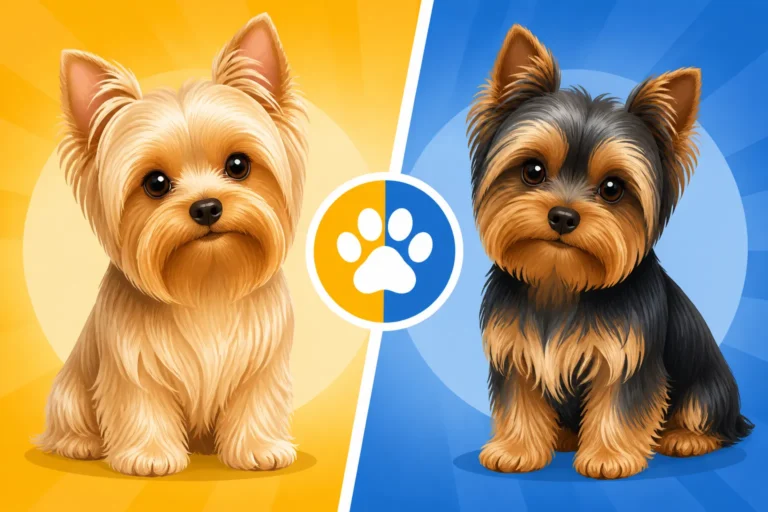
When you picture a Yorkie, you likely envision that iconic long, silky, steel-blue and tan coat. This is their hallmark, giving them a sophisticated and distinctive appearance. Officially, the American Kennel Club (AKC) breed standard dictates a maximum weight of seven pounds, though many beloved Yorkies fall slightly outside this range, either a little smaller or a little larger. Their compact size makes them incredibly portable, perfect for those who want a constant companion. Their coat is remarkably similar to human hair, which means it grows continuously and requires significant upkeep to prevent matting. They have expressive, dark eyes and small, V-shaped ears that are typically held erect, contributing to their alert and intelligent expression. While the blue and tan is the classic look, you might occasionally see variations in color or even the "Parti" Yorkie, which includes white markings, though these are not always recognized by strict breed standards. However, don't let their small stature fool you; they carry themselves with an air of self-importance.
Typical Yorkie Temperament and Personality
Ah, the Yorkie personality – it's often described as a big dog in a small body! These dogs are known for being confident, spirited, and sometimes a bit stubborn. They are incredibly loyal to their families and can form very strong bonds, often following their favorite human from room to room. Many Yorkie owners will tell you their dog acts like a shadow. Despite their small size, they often possess a protective streak and won't hesitate to alert you to strangers at the door with a surprisingly robust bark. They're intelligent and eager to please on their own terms, which can make training an interesting journey. While they love to cuddle and be pampered, they also thrive on mental stimulation and playtime. If you're looking for an overview of their common traits, our guide on Yorkshire Terrier Temperament and Personality delves deeper into what makes them tick. They can be prone to "small dog syndrome" if not properly socialized and trained, believing they are much larger than they are, which can lead to bossiness towards other animals or even people.
Getting to Know the Morkie
Now, let's turn our attention to the Morkie, a delightful mixed breed that has soared in popularity over the last couple of decades. Morkies aren't officially recognized as a breed by major kennel clubs like the AKC, because they are a hybrid, a purposeful cross between two distinct purebreds.
The Morkie: A Designer Mix Explained
A Morkie is a cross between a Yorkshire Terrier and a Maltese. This hybrid combines the feistiness and charm of the Yorkie with the gentle and playful nature of the Maltese. The goal behind designer breeds like the Morkie is often to combine desirable traits from both parent breeds, sometimes in an attempt to create a dog with fewer health issues or a specific temperament. With the Morkie, breeders typically aim for a dog that inherits the best qualities of both the Maltese, known for being sweet, affectionate, and relatively easy-going, and the Yorkie, known for its spirited, intelligent, and confident demeanor. This mix results in a dog that can be quite varied in appearance and personality, as there's no guaranteed genetic outcome when crossing two different breeds.
Morkie Appearance: A Blend of Both Worlds
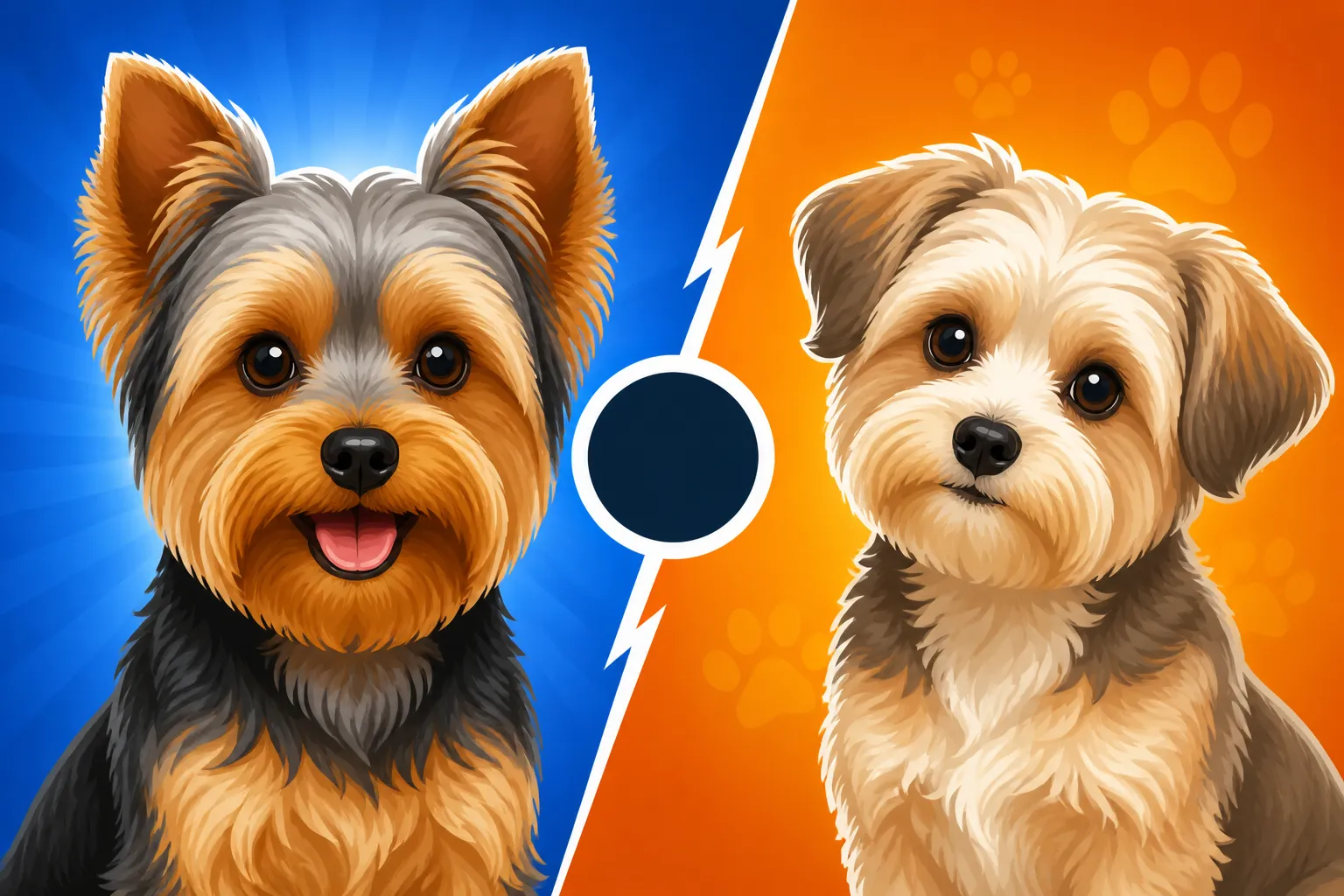
Since a Morkie is a crossbreed, its appearance can vary significantly even within the same litter, depending on which parent's genes are more dominant. Generally, Morkies are small dogs, much like their parent breeds, typically weighing between 4 and 8 pounds. Their coats are usually soft, silky, and often wavy or slightly curly, a blend of the Maltese's straight, flowing hair and the Yorkie's fine, straight coat. They come in a wider array of colors than purebred Yorkies, inheriting shades from both sides of the family. You might see them in solid white, black, tan, brown, or a combination of these colors, sometimes with the classic black and tan markings of a Yorkie. This unpredictability in appearance is part of the Morkie's charm – you never quite know exactly what you're going to get, but it's almost always adorable. Their eyes are typically dark and round, and their ears can be either erect like a Yorkie's or floppy like a Maltese's, or somewhere in between.
Morkie Personality: The Best of Both Breeds?
Just like their appearance, a Morkie's personality is a delightful mix. They often inherit the playful, energetic side of the Yorkie and the gentle, affectionate nature of the Maltese. This can result in a dog that is incredibly loving, devoted to its family, and enjoys being the center of attention. They tend to be a bit less intensely "terrier" than a purebred Yorkie, often displaying more of the Maltese's easygoing charm, which can make them slightly more amenable to strangers and other pets. However, the Yorkie's spirited side can still shine through, giving them a confident and sometimes mischievous streak. They are intelligent and generally eager to please, making them good candidates for training, but their eagerness can be tempered by a touch of the Yorkie's stubbornness or the Maltese's occasional independent streak. Morkies thrive on human companionship and can be prone to separation anxiety if left alone for extended periods, a trait they can inherit from either parent.
Key Differences in Temperament and Trainability
When you're comparing two breeds, especially a purebred and a designer mix, understanding their fundamental temperament and how easy or challenging they are to train is paramount. This is where you'll find some of the most significant distinctions.
Energy Levels and Exercise Needs
Yorkshire Terriers, despite their small size, are surprisingly energetic. They are terriers, after all, and they retain a significant amount of that working-dog drive. They love to play, chase toys, and explore. A Yorkie typically needs at least 20-30 minutes of dedicated exercise daily, which can be broken into a couple of short walks or vigorous indoor play sessions. They're intelligent and benefit greatly from mental stimulation, like puzzle toys or learning new tricks, to burn off energy and prevent boredom. A bored Yorkie can become a destructive Yorkie, believe me!
Morkies, being a mix, can have a range of energy levels. Some might lean more towards the energetic Yorkie side, while others might inherit the slightly calmer demeanor of the Maltese. Generally, they are considered moderately energetic. They still need daily exercise, perhaps 15-20 minutes of walking or playtime, but might be content with a bit less intensity than a purebred Yorkie. They also adore playtime and thrive on interaction with their human family. Since they are so fond of companionship, walks and play sessions are not just about physical exertion but also about strengthening their bond with you. Both breeds are adaptable to apartment living, provided their exercise needs are consistently met.
Training Challenges and Potty Training Success
Yorkies are smart, but that intelligence comes with a healthy dose of independence and sometimes stubbornness, a classic terrier trait. This can make them challenging to train, especially when it comes to Yorkshire Terrier Potty Training Guide. They can be notoriously difficult to housebreak, and consistency, patience, and positive reinforcement are absolutely essential. They respond best to short, fun training sessions and can excel in obedience and even agility if approached correctly. Early socialization is crucial to curb their potential for excessive barking or bossiness. Without it, they might develop "small dog syndrome," believing they're in charge of everyone and everything.
Morkies often strike a balance in trainability. While they can inherit some of the Yorkie's stubbornness, they often have the Maltese's eagerness to please, making them potentially a bit easier to train overall. They respond very well to positive reinforcement and love praise. Potty training might still require patience, as small breeds generally have smaller bladders and can be more prone to accidents, but many Morkie owners report a slightly smoother process than with some purebred Yorkies. Early and consistent training, combined with ample socialization, will help a Morkie grow into a well-mannered companion. Because they love attention, they are often quite motivated by treats and praise from their owners. You can find a wide range of training treats and supplies on sites like Chewy to aid in their education.
Socialization and Interactions with Family and Pets
Yorkshire Terriers, when properly socialized from a young age, can be wonderful family dogs. However, their small size and sometimes feisty nature mean they might not be the best fit for homes with very young, boisterous children who don't understand how to interact gently with a small dog. They tend to bond very strongly with one or two primary caregivers and can be wary of strangers if not introduced properly. With other pets, especially larger dogs, supervision is important due to their fearless nature. They often get along well with other small, gentle dogs. Check out our guide on Are Yorkshire Terriers Good Family Dogs for more insights.
Morkies often inherit the more genial nature of the Maltese, making them generally more adaptable and outgoing. They tend to be good with children, especially if raised with them, and often do well with other pets, including cats and other dogs, provided they are properly socialized. They still crave attention and will thrive in a household where they are an integral part of family activities. While they might bark to alert you to visitors, they are generally more welcoming than some Yorkies. Their sweet and cuddly disposition often makes them excellent companions for individuals, couples, or families looking for an affectionate, social dog.
Health, Grooming, and Lifespan Considerations
Beyond personality, the practical aspects of owning a dog – their health needs, grooming routine, and how long they'll be by your side – are crucial for responsible pet parenthood.
Common Health Concerns for Each Breed
Both Yorkshire Terriers and Morkies, being small breeds, are susceptible to certain health issues. It’s vital for potential owners to be aware of these.
Yorkshire Terrier Health Concerns:
Yorkies are generally robust, but they do have some breed-specific predispositions. These include:
- Patellar Luxation: A common knee cap issue where it slips out of place.
- Tracheal Collapse: Weakness in the windpipe, leading to a characteristic cough. You can read more in our article on Yorkie Breathing Problems Explained.
- Portosystemic Shunt (Liver Shunt): A congenital condition affecting blood flow to the liver.
- Hypoglycemia (Low Blood Sugar): Especially in puppies and very small adults.
- Dental Disease: They are very prone to dental issues due to their small mouths. Regular dental care is critical.
- Legg-Calve-Perthes Disease: A hip joint condition affecting small breeds.
Understanding these can help you manage your Yorkie's health. For a full rundown, refer to our comprehensive guide on Yorkshire Terrier Health Problems to Know.
Morkie Health Concerns:
As a hybrid, Morkies can inherit health issues from either parent breed. This means they are potentially at risk for any condition common to Yorkshire Terriers and Maltese. While some argue that hybrids are generally healthier due to a wider gene pool (hybrid vigor), this isn't a guarantee. They could be prone to:
- Patellar Luxation
- Tracheal Collapse
- Portosystemic Shunt
- Hypoglycemia
- Dental Disease
- White Shaker Syndrome: More common in Maltese, affecting the nervous system.
- Glaucoma/Cataracts: Eye conditions.
Responsible breeders for both purebred Yorkies and Morkies will screen their breeding stock for genetic health issues to minimize these risks. Always ask for health clearances!
Grooming Requirements and Coat Care
This is an area where both breeds share significant needs due to their similar hair-like coats.
Yorkshire Terrier Grooming:
Yorkies require extensive grooming. Their long, single-layer coat is more akin to human hair than traditional fur, meaning it grows continuously and doesn't shed much, making them a popular choice for allergy sufferers. However, this also means it mats easily. Daily brushing is a must to prevent tangles and remove debris. Many Yorkie owners opt for a "puppy cut" or a shorter trim to make daily maintenance more manageable. If you choose to keep their coat long, a topknot is often used to keep hair out of their eyes. Regular bathing (every 2-4 weeks) with a gentle shampoo and conditioner is also necessary. Nail trims, ear cleaning, and regular dental care are non-negotiable. Our How to Groom a Yorkshire Terrier at Home guide offers detailed steps for owners. You'll find a wide array of brushes, shampoos, and dental care products for Yorkies on Chewy.
Morkie Grooming:
Morkies also have high grooming needs. Their coat, a mix of Yorkie and Maltese hair, is typically soft, silky, and can range from straight to wavy or slightly curly. Like Yorkies, they shed minimally, which is great for allergy sufferers, but their coat is prone to tangling and matting. Daily or every-other-day brushing is crucial. Many Morkie owners also opt for professional grooming every 6-8 weeks to keep their coat trimmed and tidy, often in a "teddy bear cut" or similar short style. Regular bathing, nail clipping, ear cleaning, and especially dental hygiene are important for Morkies, just like their Yorkie parents. The specific texture of their coat might dictate the type of brush that works best – some might need a slicker brush, while others benefit more from a pin brush.
| Feature | Yorkshire Terrier | Morkie (Yorkie-Maltese Mix) |
|---|---|---|
| Origin | Yorkshire, England (purebred) | Cross of Yorkshire Terrier & Maltese (designer hybrid) |
| Average Weight | 4-7 pounds (AKC standard max 7 lbs) | 4-8 pounds |
| Coat Type | Long, silky, fine, human-hair like, minimal shed | Soft, silky, may be wavy/slightly curly, minimal shed |
| Common Colors | Steel blue & tan (classic) | White, black, tan, brown, various combinations |
| Temperament | Confident, spirited, tenacious, loyal, sometimes stubborn, protective | Affectionate, playful, gentle, intelligent, can be prone to separation anxiety, often more adaptable than pure Yorkies |
| Exercise Needs | Moderate (20-30 min daily) | Moderate (15-20 min daily) |
| Trainability | Intelligent but can be stubborn; needs consistency | Intelligent, generally eager to please, responds well to positive reinforcement |
| Grooming Needs | High (daily brushing, regular professional grooming/trims) | High (daily/every-other-day brushing, regular professional grooming/trims) |
| Common Health Issues | Patellar luxation, tracheal collapse, liver shunt, hypoglycemia, dental disease | Potential for issues from both parent breeds (e.g., patellar luxation, tracheal collapse, dental disease, white shaker syndrome) |
| Average Lifespan | 12-15 years | 10-16 years |
| Good for Kids | Best with older, respectful children | Generally good with children, especially if socialized early |
| Apartment Living | Excellent | Excellent |
Lifespan Expectations and Senior Care
Both breeds generally enjoy a long lifespan, which is one of the many reasons they're such cherished companions.
Yorkshire Terrier Lifespan:
Yorkies typically live between 12 and 15 years, with many living even longer thanks to good genetics, proper care, and modern veterinary medicine. Providing a high-quality diet, regular exercise, consistent grooming, and routine vet check-ups are key to maximizing their longevity. As they age, special attention to their joints, teeth, and potential for organ issues becomes even more important. Our article on How Long Do Yorkshire Terriers Live provides a detailed look at factors influencing their lifespan. For senior Yorkies, comfortable beds, ramps for furniture access, and softer food options can significantly improve their quality of life.
Morkie Lifespan:
Morkies generally have a similar lifespan to their parent breeds, typically ranging from 10 to 16 years. Again, a healthy diet, adequate exercise, preventive veterinary care, and a loving home environment are crucial for a long and happy life. Due to their mixed heritage, their specific health trajectory can be a bit more unpredictable, emphasizing the need for regular vet visits to catch any potential issues early. As with all small breeds, diligent dental care throughout their lives can prevent serious health problems as they age. Senior Morkies will also benefit from adaptations to their environment and diet to address any age-related physical changes.
Suitability for Different Lifestyles
Choosing a dog isn't just about falling in love with a cute face; it's about finding a companion whose needs and personality align with your own lifestyle. Let's break down how Yorkies and Morkies fit into various living situations.
Apartment Living vs. Larger Homes
One of the greatest advantages of both Yorkshire Terriers and Morkies is their adaptability to apartment living. Their small size means they don't require vast amounts of space to run around, making them ideal companions for urban dwellers or those in smaller homes.
Yorkshire Terriers:
Yorkies are perfectly suited for apartments. Their exercise needs can often be met with indoor play sessions and short walks around the block. While a yard is a bonus, it's not a necessity, provided they get enough mental and physical stimulation daily. The one caveat is their tendency to bark. If you live in an apartment with thin walls or strict noise policies, you'll need to be diligent in training your Yorkie to reduce excessive barking. Their protective nature means they're quick to alert you to noises or people outside.
Morkies:
Morkies also thrive in apartment settings. They are often less prone to excessive barking than purebred Yorkies, although this can vary depending on their individual temperament and which parent's traits are more dominant. Their moderate energy levels make them quite content with indoor play and a couple of short outings each day. They are often more adaptable to new environments and people, which can make apartment living with shared spaces or frequent visitors a bit smoother. The key for both breeds is ensuring they receive enough attention and mental engagement to prevent boredom, which can lead to unwanted behaviors regardless of living space.
Ideal Owners and Family Dynamics
Who makes the best owner for a Yorkie versus a Morkie? It often comes down to personal preference for personality traits and how much "terrier fire" you're ready for.
Ideal Yorkie Owners:
Yorkies do best with owners who appreciate their spunky, confident, and sometimes demanding personalities. They need someone who is consistent with training and socialization, won't coddle them into "small dog syndrome," and is prepared for their vocal nature and high grooming demands. They form deep bonds and thrive on companionship, so they are best suited for individuals or couples who can spend a lot of time with them. While they can be good with older, respectful children, their delicate size means they might not be the best fit for very young, rambunctious kids who could accidentally injure them. Seniors often find Yorkies to be wonderful, portable companions, offering loyalty and affection.
Ideal Morkie Owners:
Morkies are often a fantastic choice for those who love the look and portability of a Yorkie but might prefer a slightly mellower temperament. They are incredibly loving and affectionate, making them great lap dogs and companions for families, couples, or individuals. They generally do well with gentle children and other pets, especially if introduced early and properly socialized. Owners should be prepared for their grooming needs and potential for separation anxiety if left alone too often. They thrive on attention and being an active part of the family. A Morkie often suits first-time dog owners well, as their eagerness to please can make training a more rewarding experience.
Cost of Ownership Comparison
The financial commitment for both breeds is fairly similar, though initial purchase costs can vary.
Initial Cost:
- Yorkshire Terrier: A purebred Yorkshire Terrier puppy from a reputable breeder can range from $1,500 to $3,500 or even more, depending on pedigree, location, and breeder reputation. Show-quality puppies will be at the higher end. You might find them for less at a rescue, but adoption fees typically range from $250-$500.
- Morkie: As a designer breed, Morkie puppy prices can also vary widely, often between $800 and $2,500. The price depends on the breeder, location, and the parents' lineage. It's crucial to find a reputable Morkie breeder who screens their parent dogs for health issues, rather than supporting backyard breeders or puppy mills.
Ongoing Costs:
Ongoing costs for both breeds will include food, grooming, veterinary care, and supplies.
- Food: Both are small breeds, so their food consumption is relatively low. Expect to spend $20-$40 per month on high-quality kibble. Brands like Purina Pro Plan and Royal Canin offer breed-specific formulas often available at retailers like Chewy.
- Grooming: This is where costs can add up. Professional grooming appointments every 6-8 weeks can cost $50-$80+ per session. If you groom at home, you'll need to invest in quality brushes, shampoos, and clippers.
- Veterinary Care: Routine check-ups, vaccinations, and parasite prevention are essential. Expect to budget $300-$600 annually for preventive care. Due to their predisposition to certain health issues, having an emergency fund or pet insurance is highly recommended. Our guide on Yorkshire Terrier Vet Costs and Health Budget breaks down these expenses.
- Supplies: Beds, toys, harnesses (we recommend harnesses over collars for Yorkies and Morkies to protect their delicate tracheas, as discussed in Why Harnesses Are Better Than Collars for Yorkies), crates, and bowls are initial investments. Recurring costs for treats, dental chews, and replacement toys.
Overall, the monthly cost of owning either a Yorkie or a Morkie can easily be $75-$150, not including emergency vet visits.
Making the Right Choice for Your Home
The decision between a Yorkshire Terrier and a Morkie ultimately comes down to what you prioritize in a canine companion and what kind of home environment you can provide.
Deciding Factors: What Matters Most to You
Consider a Yorkshire Terrier if:
- You appreciate a dog with a bold, confident, and somewhat feisty personality.
- You are prepared for extensive grooming and consistent training for potential stubbornness and barking.
- You prefer a dog with a predictable breed standard and well-documented history.
- You're looking for an incredibly loyal companion who might bond very closely with one or two people.
- You understand their potential health predispositions and are committed to preventive care.
Consider a Morkie if:
- You're looking for an affectionate, playful, and generally more laid-back temperament, often with less of the intense terrier drive.
- You're open to a dog whose appearance and personality might vary somewhat, offering a unique individual.
- You still want a low-shedding, small companion for apartment living, but perhaps one that's a bit more adaptable to various family dynamics.
- You are prepared for their significant grooming needs and understand they can be prone to separation anxiety.
- You appreciate the blend of traits from two popular toy breeds.
Both breeds are fantastic choices for dedicated owners who are ready to shower them with love, attention, and proper care. Your personal lifestyle, living situation, and energy levels will guide you toward the perfect fit.
Where to Find a Reputable Yorkie or Morkie
Regardless of whether you choose a purebred Yorkie or a Morkie, sourcing your puppy or adult dog responsibly is paramount. This is where you significantly impact not only your dog's future health and temperament but also combat unethical breeding practices.
For Yorkshire Terriers:
Look for breeders registered with national kennel clubs like the AKC. A reputable breeder will:
- Allow you to visit their facility and meet the puppy's parents.
- Provide health clearances for the parent dogs, especially for common Yorkie ailments like patellar luxation and liver shunts.
- Be knowledgeable about the breed's history, temperament, and health.
- Offer a health guarantee for their puppies.
- Ask you many questions to ensure you're a suitable owner.
- Have a clean, safe, and stimulating environment for their puppies.
- Not offer puppies for sale before they are at least 8-12 weeks old.
Avoid breeders who won't let you visit, have multiple breeds available, or pressure you into a sale. You can also explore How to Find a Reputable Yorkie Breeder for more detailed advice.
For Morkies:
Since Morkies are not recognized by the AKC, finding a truly "reputable" breeder can be more challenging, as there are no official breed standards or registries to adhere to. However, ethical breeders of Morkies will still follow similar best practices:
- They should be transparent about the parent breeds (Yorkshire Terrier and Maltese) and provide health clearances for both parents.
- They should be able to tell you about the temperament of both parents and how they typically behave.
- The puppies should be raised in a clean, stimulating home environment.
- They should be open to answering all your questions and letting you meet the parent dogs if possible.
- Avoid any breeder who seems more interested in getting your money than finding a good home for their puppies.
- Consider adopting! Many breed-specific rescues and all-breed rescues often have Yorkies, Maltese, and Morkies looking for their forever homes.
Ultimately, whether you welcome a spirited Yorkshire Terrier or a sweet Morkie into your life, you're gaining a loyal, affectionate, and utterly charming companion. Do your research, choose wisely, and prepare for years of love and laughter.
Disclaimer
The information provided in this article is for general informational purposes only and does not constitute professional veterinary advice. Always consult with a qualified veterinarian for any health concerns or before making any decisions about your pet's care or treatment.