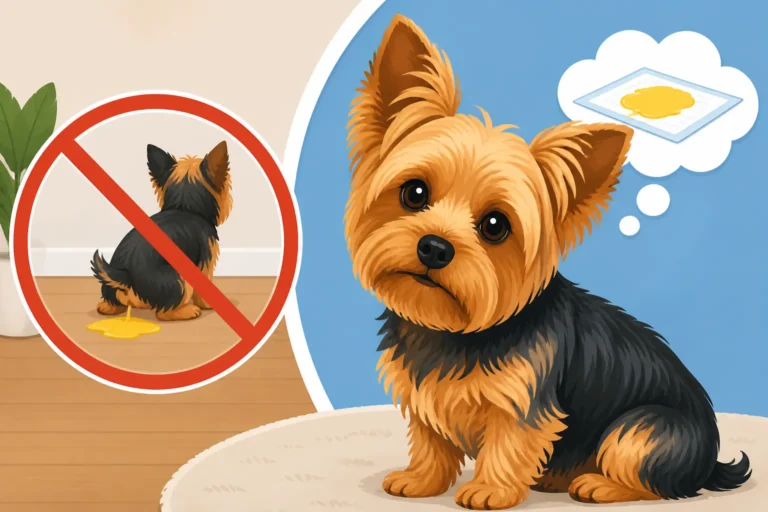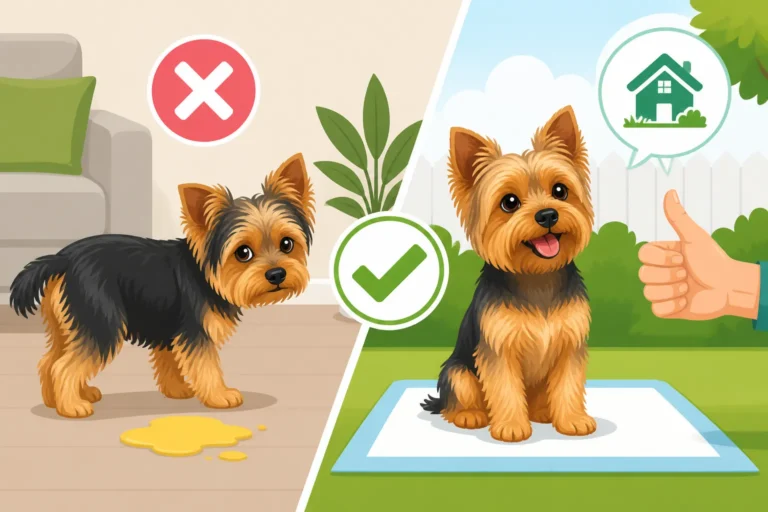
Yorkshire Terrier Potty Training Guide
Potty training a Yorkshire Terrier can feel like a never-ending battle, filled with tiny puddles and frustrating accidents. Many Yorkie parents find themselves questioning if their beloved companion will ever truly "get it," especially with their notoriously small bladders and sometimes stubborn personalities. This comprehensive guide is here to break down the nuances of Yorkie potty training, offering realistic strategies, compassionate advice, and step-by-step instructions to help you and your furry friend achieve consistent success.
Understanding Why Potty Training Yorkies Can Be a Challenge
Yorkshire Terriers, despite their adorable size, come with a unique set of physiological and behavioral traits that can make potty training a bit more complex than with larger breeds. It’s not just about their tiny stature; there are several underlying factors at play that owners often don't consider, leading to unnecessary frustration for both dog and human. Understanding these inherent challenges is the first step toward developing an effective and empathetic training strategy.
Small Bladders and High Metabolism
One of the most significant hurdles in potty training a Yorkie is their diminutive size. Imagine a bladder no bigger than a golf ball trying to hold its contents for hours! This isn't an exaggeration; a Yorkie's bladder capacity is simply much smaller than a Labrador's, for instance. This means they physically cannot hold their urine for extended periods, especially when they are puppies. A general rule of thumb for puppies is that they can hold their bladder for one hour per month of age, plus one. So, a 3-month-old Yorkie puppy might only comfortably last 3-4 hours, which means very frequent trips outside are absolutely essential.
Beyond their small bladder size, Yorkies also tend to have a higher metabolism. This speedy internal system processes food and water much faster than in larger dogs. What goes in quickly often needs to come out quickly! You might notice your Yorkie needing to relieve themselves almost immediately after eating or drinking, sometimes within just 10-15 minutes. This high metabolic rate means that waiting even a short time after meals or enthusiastic play could lead to an accident. Owners need to be acutely aware of this rapid turnaround and plan potty breaks accordingly, rather than expecting their tiny companion to have the same holding power as a bigger dog.
The "Big Dog in a Small Body" Mentality
Anyone who has spent time with a Yorkshire Terrier knows they possess a personality far larger than their physical form suggests. They are terriers through and through: intelligent, independent, and notoriously stubborn. This "big dog in a small body" mentality can translate directly into potty training challenges. A Yorkie might decide, for reasons entirely their own, that they simply don't want to go outside in the rain, or perhaps they'd rather continue playing than interrupt their fun for a potty break. This isn't defiance in the human sense, but rather a strong will and a clear preference for comfort.
Their strong terrier will means that consistent, positive reinforcement, combined with unwavering patience, is crucial. If you try to force or punish a Yorkie, they are likely to dig their heels in even further, making the training process much harder. Instead, approaching potty training with a firm but gentle hand, celebrating every success, and understanding that you’re dealing with a clever, independent spirit will yield far better results. It's less about breaking their will and more about guiding it in the right direction, making the "right" choice the most rewarding one for them. This characteristic is why patience is key when you're looking into something like a Yorkshire Terrier Puppy Training Schedule.
Environmental Factors and Distractions
The world can be a big, overwhelming place for a tiny Yorkie. What seems like a perfectly adequate backyard to us might be a vast, distraction-filled wilderness to them. They might be easily distracted by a fluttering leaf, a distant bird, or even just the smell of something interesting, forgetting their primary mission to relieve themselves. This means they might go outside, sniff around, get distracted, come back in, and then immediately have an accident because the distractions inside are fewer, and they finally feel safe enough to relax and go.
Furthermore, Yorkies are highly sensitive to weather conditions. Many utterly despise rain, cold, or even just wet grass. Asking a tiny, sometimes sparsely coated dog to go out in a downpour or freezing temperatures can feel like a cruel request to them. They might hold it in for as long as possible, only to relieve themselves indoors when the discomfort of holding it outweighs the discomfort of bad weather. Recognizing these sensitivities and adapting your approach, perhaps with rain gear or even a designated sheltered potty area, can make a huge difference in their willingness to perform their duties outdoors.
Setting the Stage for Success: Essential Preparations
Before you even think about starting the actual potty training, a little preparation can go a long way. Think of it like building a house – you wouldn't start framing without a solid foundation, right? Potty training a Yorkie is no different. By carefully choosing your method, gathering the necessary supplies, and establishing a clear routine, you're setting both yourself and your tiny companion up for consistent success and minimizing future headaches.
Choosing Your Potty Training Method
There isn't a single "best" method for every Yorkie, as factors like your living situation, your schedule, and your dog's personality all play a role. The two primary approaches are outdoor training and pee pad training, with a third option being a combination of both.
Outdoor training is often considered the gold standard, as it teaches your Yorkie to relieve themselves entirely outside, preventing indoor accidents and leading to a cleaner home environment. This method requires consistent trips outside, regardless of weather, and a commitment to immediate supervision. The biggest con is the potential for accidents if you're not vigilant, and it might be challenging for those in high-rise apartments or with very busy schedules. However, for a Yorkie living in a house with a yard, it fosters a clear distinction between indoor and outdoor potty areas.
Pee pad training offers more flexibility, especially for apartment dwellers, those with limited mobility, or owners who face extreme weather conditions. It provides an indoor designated spot, which can be a lifesaver. The downside is that it can confuse some dogs, making the transition to exclusive outdoor potty breaks harder later on, as they've been taught that it's okay to go inside. If you choose this route, consistency in pad placement is vital. For a detailed comparison, you might want to read Pee Pad vs Outdoor Training for Yorkies.
A combination approach can work by starting with pee pads, especially for very young puppies, and gradually transitioning to outdoor-only as they mature and can hold their bladders longer. The trick here is to avoid sending mixed signals. For instance, you could start with a pad right by the door, then move it outside, and eventually eliminate it once the outdoor habit is solid. This requires careful management to ensure your Yorkie understands that the ultimate goal is always to go outdoors.
Gathering the Right Equipment
Having the correct tools on hand before you begin will make the training process smoother and more efficient. Don't wait until an accident happens to realize you're missing something crucial!
First on the list is a crate. A properly sized crate is not a punishment; it's a den, a safe space that leverages your Yorkie's natural instinct not to soil their sleeping area. It should be just large enough for them to stand up, turn around, and lie down comfortably – any bigger, and they might use one end as a bathroom. You can find excellent options on Amazon, and for more guidance, check out our guide on the Best Crate for a Yorkshire Terrier.
Next, you'll need a leash and harness. A harness is especially important for Yorkies, as their delicate tracheas can be easily damaged by pulling on a collar. A good quality harness distributes pressure evenly and provides better control. We highly recommend exploring our detailed article on Why Harnesses Are Better Than Collars for Yorkies.
Enzymatic cleaners are non-negotiable. Regular household cleaners might mask the odor for human noses, but a Yorkie's sensitive nose can still detect lingering scent, which encourages them to re-mark the same spot. Brands like Nature's Miracle or Rocco & Roxie, widely available on Amazon, are excellent at neutralizing odors completely.
Finally, high-value treats are your secret weapon. These aren't just any treats; they should be small, highly palatable, and reserved only for successful potty breaks. Think tiny pieces of cooked chicken, cheese, or specific training treats. For ideas on what works best, take a look at our article on Best Treats for Training a Yorkie. If you opt for pee pad training, make sure you have a consistent supply of pads.
Creating a Consistent Schedule
Consistency is the absolute bedrock of successful potty training, especially for a routine-loving breed like the Yorkie. Without a predictable schedule, your dog will struggle to understand when and where they are expected to relieve themselves, leading to confusion and accidents.
Your schedule should encompass feeding times, play times, nap times, and, most importantly, potty breaks. For puppies, expect to take them out every 1-2 hours while they are awake, immediately after waking up, within 10-15 minutes after eating or drinking, and before bedtime. Even adult Yorkies benefit from a consistent routine, typically needing to go out first thing in the morning, last thing at night, and every 4-6 hours throughout the day, depending on their age and individual bladder control.
A typical puppy schedule might look something like this:
| Time Slot | Activity | Potty Break Status |
|---|---|---|
| 7:00 AM | Wake Up | Immediate Potty |
| 7:15 AM | Breakfast | |
| 7:30 AM | Playtime | Potty after eating/play |
| 8:30 AM | Nap/Crate Time | |
| 10:30 AM | Wake Up | Immediate Potty |
| 10:45 AM | Playtime | Potty after play |
| 12:00 PM | Lunch (if puppy) | Potty after eating |
| 1:00 PM | Nap/Crate Time | |
| 3:00 PM | Wake Up | Immediate Potty |
| 3:15 PM | Playtime | Potty after play |
| 5:00 PM | Dinner | |
| 5:15 PM | Playtime | Potty after eating/play |
| 7:00 PM | Last Potty Before Bed | Immediate Potty |
| 7:15 PM | Bedtime/Crate | |
| 10:00 PM | Late Night Potty (Puppies) | Immediate Potty |
Stick to these times as much as possible, even on weekends. Your Yorkie will quickly learn the routine and start to anticipate when it's time to go out, often signaling you when they need to go. Remember, consistency in their daily rhythm is just as important as consistency in your training methods. This foundation helps prevent Yorkie Potty Training Regression.
The Nitty-Gritty of Potty Training: Step-by-Step Guide
Once you've laid the groundwork, it's time to dive into the practical application of potty training. This isn't a race; it's a marathon that requires patience, repetition, and a clear understanding of how to communicate effectively with your Yorkie. Each step builds on the last, reinforcing good habits and preventing bad ones from taking root.
Establishing the Potty Spot
The first crucial step is to designate a consistent "potty spot," whether that's outdoors or indoors with a pee pad. This single act of consistency eliminates confusion for your Yorkie and helps them associate that particular location with relieving themselves.
If you're opting for outdoor training, choose a specific patch of grass in your yard or a corner in your chosen walking area. Always take your Yorkie to that exact spot every single time you go out for a potty break. Don't let them wander and choose their own adventure; guide them directly to the spot. The goal is for them to build a strong mental connection: "This spot = where I go potty." If your Yorkie has had an accident indoors, you can even take a small piece of the soiled paper towel and place it in the designated outdoor spot. The scent will encourage them to go there.
For pee pad training, select a quiet, easily accessible area in your home, away from their food and sleeping areas, but also not in a high-traffic zone where they might be disturbed. Lay the pad flat and ensure it's always in the same place. If you're using multiple pads, space them strategically but remember that the ultimate goal is usually to reduce the number of pads to one primary spot. Many pee pad brands come with built-in attractants, or you can buy a puppy attractant spray from Amazon to help draw your Yorkie to the pad. Consistency in placement is paramount – moving the pad around will only confuse your little one.
Mastering the Leash and Cue Word
Even if you have a fenced yard, using a leash during potty breaks is a powerful training tool. The leash helps keep your Yorkie focused on the task at hand and prevents them from getting distracted by tempting smells or sights. When you take your Yorkie to their designated spot, keep them on the leash and stand still. This isn't playtime; it's business time. Once they've successfully gone, then you can unclip the leash and allow for a few minutes of supervised play as a secondary reward, reinforcing the idea that going potty leads to fun.
A consistent cue word is equally important. Choose a short, clear phrase like "Go potty," "Do your business," or simply "Potty." Every time you take your Yorkie to their spot, repeat this cue word gently, but firmly. Use it while they are sniffing around and just as they begin to squat or lift a leg. The goal is to create an association between the verbal cue, the act of relieving themselves, and the designated location. Over time, this cue word can become incredibly useful for prompting them to go on command, especially when you're in an unfamiliar place or on a tight schedule. Give them a few minutes – usually no more than 5-10 – to do their business. If they don't go, bring them back inside and try again in 15-20 minutes, possibly returning them to their crate in the interim.
The Power of Positive Reinforcement
This is where the magic happens! Positive reinforcement is by far the most effective and humane way to potty train a Yorkie. When your Yorkie successfully goes potty in the right spot, it's time to throw a mini-party!
The key to effective positive reinforcement is timing. As soon as your Yorkie finishes eliminating (within 2-3 seconds!), offer enthusiastic praise in a happy voice ("Good potty, Fido!"), followed immediately by a high-value treat. This immediate reward creates a strong connection in their mind: "I went potty here, and I got a delicious treat and lots of love!" If you wait too long, they won't associate the reward with the act of going potty, but rather with whatever they are doing at the moment you give the treat.
Avoid punishing your Yorkie for accidents. Yelling, rubbing their nose in it, or physical corrections are counterproductive. They don't teach your Yorkie where to go; they only teach them to fear you or to hide their accidents. A Yorkie who is punished for an indoor accident might start sneaking off to go behind furniture or in another room to avoid your wrath, making the problem even harder to solve. Instead, if you catch them in the act, gently interrupt them with a quick clap or "Ah-ah!" and immediately scoop them up (without yelling) and take them to their designated potty spot. If they finish there, then you can praise and treat. If you find an accident after the fact, simply clean it up without any fuss. The goal is to make the correct behavior overwhelmingly positive and the incorrect behavior simply unrewarding and unnoticed. This patient and positive approach is central to preventing How to Stop a Yorkie from Peeing Inside.
Crate Training and Managing Accidents
Crate training and handling accidents go hand-in-hand during the potty training journey. A crate, when used correctly, can be one of your most valuable assets, while accidents, though frustrating, are inevitable and offer learning opportunities if managed correctly. Mastering these two areas will significantly accelerate your Yorkie's understanding of proper potty habits.
Crate Training as a Potty Training Tool
Think of the crate not as a jail, but as your Yorkie's personal den – a safe, cozy space that appeals to their natural instincts. Dogs, by nature, are reluctant to soil their sleeping and eating areas. This instinct is the foundation of using a crate for potty training. When your Yorkie is in their crate, they will typically try to hold their bladder and bowels for as long as possible because they don't want to mess up their "bedroom."
The key is to choose the right size crate. It should be just big enough for your Yorkie to stand up, turn around, and lie down comfortably. If the crate is too large, they might use one end as a bathroom and the other as a sleeping area, defeating the purpose. Many crates come with dividers, allowing you to adjust the size as your puppy grows. Introduce the crate positively with treats and toys, making it an inviting space. Never use the crate for punishment. A successful crate training regimen provides structured rest periods, helps manage separation anxiety, and, crucially, establishes a consistent potty schedule. For a detailed breakdown, check out our guide on How to Crate Train a Yorkie.
Scheduling crate time and potty breaks is critical. When your Yorkie comes out of the crate, the very first thing you do is take them directly to their designated potty spot. This capitalizes on their instinct to relieve themselves after being confined. Similarly, ensure they have a potty break right before going into the crate. The length of time they can comfortably stay in the crate depends on their age; a young puppy will need much more frequent breaks than an adult. This structured approach helps build bladder control and reinforces the idea that potty business happens outside the home.
Handling Accidents Gracefully
Despite your best efforts, accidents will happen. It's an inevitable part of the learning process, and how you react to them is paramount. Your response can either reinforce positive learning or instill fear and anxiety.
If you catch your Yorkie in the act of having an accident indoors, your immediate response is key. Do not yell, startle, or punish them. Instead, interrupt them gently. A sudden clap, a soft "Ah-ah!", or picking them up and calmly carrying them outside to their designated potty spot are effective strategies. If they finish going outside, praise and reward them immediately. This teaches them that even if they started indoors, finishing outside is what earns the reward.
If you discover an accident after the fact – perhaps a puddle behind the couch or a mess on the rug – simply clean it up without any fanfare. There's no point in scolding your Yorkie for something they did minutes or hours ago; they won't connect your anger to the old accident. Your Yorkie might just perceive your frustration as random, potentially making them fearful or confused. The most important part of cleaning is to use a high-quality enzymatic cleaner (like those from Nature's Miracle or Rocco & Roxie, readily available on Amazon). These cleaners break down the enzymes in urine and feces, completely eliminating the odor that might otherwise attract your Yorkie back to the same spot to mark again. Skipping this step is a common reason why dogs continue to have accidents in the same indoor locations.
Recognizing and Preventing Potty Training Regression
It's common for Yorkies, like all dogs, to experience potty training regression at some point. This can be incredibly disheartening, making you feel like you're back to square one. However, it's rarely a sign that your Yorkie has "forgotten" their training, but rather an indication that something has changed or needs to be addressed.
One of the first things to rule out is a medical issue. A sudden increase in accidents, especially if accompanied by other symptoms like increased thirst, lethargy, or changes in appetite, warrants a vet visit. Conditions like urinary tract infections, bladder stones, kidney issues, or even diabetes can manifest as frequent or uncontrollable urination. Consulting your vet is always a good first step if regression seems out of the blue, as highlighted in Signs Your Yorkshire Terrier Is Sick.
Beyond health concerns, stress or changes in routine are common culprits. A new baby, a move to a new home, a new pet, or even a change in your work schedule can throw a sensitive Yorkie off balance. They might revert to old habits as a coping mechanism or because their established routine has been disrupted. In these cases, the solution is to go back to basics: increase the frequency of potty breaks, reinforce the crate schedule, and be extra vigilant with supervision and positive reinforcement. Treat them like a brand new puppy again for a week or two, reinforcing every success. The consistency you bring will help them regain confidence and re-establish good habits. This careful management is crucial to address Yorkie Potty Training Regression.
Common Potty Training Challenges and Solutions
Even with the best intentions and the most consistent routine, specific challenges can crop up when potty training a Yorkshire Terrier. Their unique personalities and physical characteristics sometimes require tailored solutions beyond the standard advice. Addressing these common issues head-on can make all the difference in achieving long-term success.
Stubbornness and Refusal to Go Outside
One of the most frequent complaints from Yorkie parents is their dog's unwavering refusal to go outside, particularly in inclement weather. Yorkies often seem to have an innate aversion to rain, cold temperatures, and even simply wet grass under their tiny paws. This isn't defiance; it's genuine discomfort for a small dog with a delicate coat. They might hold it in, shiver, lift their paws, and then, the moment they are back inside, relieve themselves on your favorite rug.
To combat this, start by making the outdoor experience as pleasant as possible. Invest in a small raincoat or a warm sweater if it's chilly. You can even find adorable dog booties on Amazon that protect their paws from cold or wet surfaces. If rain is a frequent issue, consider purchasing a "potty umbrella" that attaches to their harness, or creating a small, sheltered outdoor potty area (a covered patch of artificial turf, for example). The goal is to minimize their discomfort so they can focus on the task.
Another strategy is to make the outdoor potty spot incredibly rewarding. Don't just give a treat; make it a celebration! High-pitched praise, a special "rainy day" treat they only get when they go outside in the wet, or a quick game of fetch immediately after. If they still refuse after 5-10 minutes, bring them inside and straight into their crate for 15-20 minutes, then try again. Repeat this cycle until they succeed. They'll eventually learn that going outside, even when it's unpleasant, leads to freedom and rewards.
Marking Behavior in Males and Females
Marking, the act of urinating small amounts to leave a scent signal, is often associated with intact male dogs, but it can occur in neutered males and even female Yorkies. It's a natural canine communication behavior, and when it happens indoors, it's incredibly frustrating for owners. It’s not necessarily a house-training failure but a territorial or anxiety-driven behavior.
For males, neutering can significantly reduce marking behavior, though it may not eliminate it entirely, especially if the habit is well-established. For both sexes, consistent cleaning with an enzymatic cleaner is crucial, as any lingering scent will encourage re-marking. Supervision is your best defense: keep a close eye on your Yorkie, especially when they enter a new environment or an area they've marked before. If you see them lift a leg or squat indoors, interrupt them immediately with a quick sound and take them directly outside to their designated potty spot. Reward profusely if they go there.
For persistent indoor markers, belly bands for males and dog diapers for females (both widely available on Amazon) can be invaluable tools. These are not solutions but management tools that prevent messes and give you time to reinforce proper outdoor habits. When worn, they catch any urine, protecting your home. Just remember to take them off for actual potty breaks outside and clean them regularly. Address any underlying anxiety or territorial behavior with professional guidance if necessary.
Dealing with Submissive or Excitement Urination
Some Yorkies, particularly puppies or highly sensitive individuals, may exhibit submissive urination or excitement urination. This isn't a deliberate act of soiling the house; it's an involuntary physical response to certain triggers. Submissive urination usually occurs when a dog feels intimidated, fearful, or overly deferential, often when greeted by people or other dogs, or when corrected. Excitement urination happens when a dog becomes overly aroused, such as during enthusiastic greetings, play, or when anticipating a walk.
The most important thing is to understand that this is not a potty training issue that can be corrected with punishment. Punishing a Yorkie for submissive urination will only increase their fear and make the problem worse. Instead, your response must be calm and reassuring. For submissive urination, avoid towering over your Yorkie, making direct eye contact, or using a loud voice during greetings. Instead, kneel down, turn sideways, and speak softly. Teach visitors to do the same. If your Yorkie tends to urinate when petted, try to initiate petting only after they have successfully gone potty outside, or while they are lying down. Building their confidence through positive experiences can help reduce this behavior.
For excitement urination, try to keep greetings low-key. When you arrive home, ignore your Yorkie for a few minutes until they calm down, then take them directly outside for a potty break before any enthusiastic play or petting. You can also teach them to sit when greeting, providing a calm alternative to jumping up. Management is key: ensure they have plenty of opportunities to relieve themselves before potentially exciting situations. With patience and a gentle approach, most Yorkies will outgrow these involuntary urination habits as they mature and gain confidence.
Transitioning and Long-Term Potty Habits
Potty training isn't just about surviving the puppy stage; it's about establishing solid, lifelong habits that ensure a harmonious living arrangement for both you and your Yorkie. The journey involves smart transitions, consistent maintenance, and knowing when to seek extra help.
Transitioning from Pads to Outdoors
If you initially chose pee pad training for your Yorkie, the day will come when you want to transition them to going exclusively outdoors. This requires a gradual and thoughtful approach to avoid confusion and setbacks. Rushing this step is one of the main reasons for How Long Does It Take to Potty Train a Yorkie taking longer than expected.
Start by gradually moving the pee pad closer and closer to the door you use for outdoor potty breaks. Move it a few feet each day or every couple of days. Once the pad is right at the door, move it just outside the door. This helps your Yorkie associate the outdoor space with their potty spot. They'll start going outside to find the pad.
Next, you can try reducing the size of the pad. Cut it in half, then a quarter, making the target smaller and smaller. Eventually, you can remove the pad altogether. During this transition, increase the frequency of your outdoor potty breaks and lavishly praise and reward every successful outdoor elimination. Any accidents inside mean you've moved too quickly, and you should take a step back and try a slower progression. It’s a process that demands patience, but the result is a fully outdoor-trained companion.
Maintaining a Consistent Adult Routine
Even once your Yorkie is fully potty trained, maintaining a consistent routine is vital for their long-term success. While adult Yorkies can generally hold their bladders for longer periods (typically 4-6 hours), they still thrive on predictability. Random schedules can lead to anxiety and, you guessed it, accidents.
Establish a regular schedule for feeding, walking, and potty breaks, and stick to it as much as possible. Most adult Yorkies need to go out first thing in the morning, last thing before bed, and a few times throughout the day, especially after meals and vigorous play. Learn to recognize your Yorkie's unique signals for needing to go out – pacing, sniffing, whining by the door, or even standing and staring at you intently. Responding promptly to these cues reinforces their communication efforts and prevents mishaps.
Life happens, and sometimes routines get disrupted. If you have a longer day at work than usual, arrange for a dog walker or use a doggie daycare. Companies like Wag! or Rover can connect you with trusted local walkers who can provide a midday break for your Yorkie. The goal is to prevent situations where your Yorkie is forced to hold it for too long, as this can lead to discomfort, stress, and even potential health issues like urinary tract infections. Consistency isn't just about training; it's about maintaining your Yorkie's comfort and well-being throughout their life.
Advanced Tips and Troubleshooting
What if you've tried everything, followed all the advice, and your Yorkie is still having consistent accidents? Don't despair! It’s a frustrating situation, but there are always more avenues to explore.
First, revisit the possibility of an underlying medical condition. A vet check-up is never a wasted effort when dealing with persistent potty issues. Your vet can perform tests to rule out conditions that might not have obvious symptoms beyond inappropriate urination. Consider the overall Yorkshire Terrier Health Problems to Know for a comprehensive understanding.
If health issues are ruled out, it might be time to enlist professional help. A certified professional dog trainer or a veterinary behaviorist can observe your Yorkie's specific behaviors and your interactions, identifying subtle cues or mistakes you might be missing. They can provide personalized strategies and guidance tailored to your Yorkie's unique needs. There are also excellent online resources, such as the BAXTER & Bella Online Puppy School, which offers structured programs and live support that can be particularly helpful for persistent challenges. Their step-by-step approach can often pinpoint specific areas where communication might be breaking down.
Remember, patience truly is a virtue with potty training, especially with a Yorkie. Some dogs take longer than others, and every dog learns at their own pace. Consistency, positive reinforcement, and a deep understanding of your Yorkie’s unique personality are your most powerful tools. With dedication, you can overcome even the most challenging potty training hurdles and enjoy a clean and happy home with your beloved companion.
Disclaimer
This guide offers general advice for potty training Yorkshire Terriers. Every dog is an individual, and results may vary. Always consult with a professional veterinarian or certified dog trainer for personalized advice, especially if your Yorkie is experiencing sudden changes in behavior or health issues. This information is not a substitute for professional veterinary care.