Why Yorkies Are Hard to Housebreak
Bringing a new Yorkshire Terrier into your home is filled with joy, tiny barks, and endless cuddles, but many Yorkie parents quickly hit a common frustration: housebreaking. It can feel like an unending cycle of accidents, scrubbing, and questioning if your adorable furball will ever truly "get it." This guide dives deep into why Yorkies can be notoriously difficult to housebreak, exploring their unique traits and offering practical, empathetic strategies to help you navigate this challenging but rewarding journey.
Understanding the Unique Yorkie Blueprint: Why Potty Training Can Be a Puzzle
It’s easy to feel like you’re doing something wrong when your Yorkie consistently has accidents, but often, the challenge isn’t you, it’s a combination of inherent breed characteristics and common misconceptions. Yorkshire Terriers are a breed with specific traits that can make traditional potty training methods less effective, leading to persistent frustration for their loving owners.
Small Size, Smaller Bladder Capacity
One of the most significant factors contributing to housebreaking difficulties in Yorkshire Terriers is their diminutive size. While undeniably cute, their small stature comes with a proportionally small bladder. This isn't just a minor detail; it means they physically cannot hold their urine for extended periods, especially when they are puppies. Imagine trying to hold it for hours if you were their size!
A Yorkie puppy, particularly one under four months old, might need to relieve themselves every hour or two, sometimes even more frequently after waking up or playing. This biological reality often clashes with our human schedules, leading to accidents if we aren't incredibly vigilant. Even adult Yorkies might struggle to go more than 4-6 hours without a potty break, significantly less than larger breeds. This frequent need means that any lapse in your schedule or unexpected delay can result in an indoor mishap, reinforcing the idea that indoors is an acceptable place to go. You can find more detailed insights on managing this in our article about Nighttime Potty Training for Yorkie Puppies.
Strong Territorial and Marking Instincts
Yorkshire Terriers, despite their toy breed status, possess a strong terrier temperament. This includes an inherent territorial instinct that can manifest as marking behavior, particularly in intact males but sometimes even in spayed or neutered individuals of both sexes. Marking isn't necessarily about needing to relieve their bladder; it's a communication tool, a way to say, "I was here!" or "This is my space!"
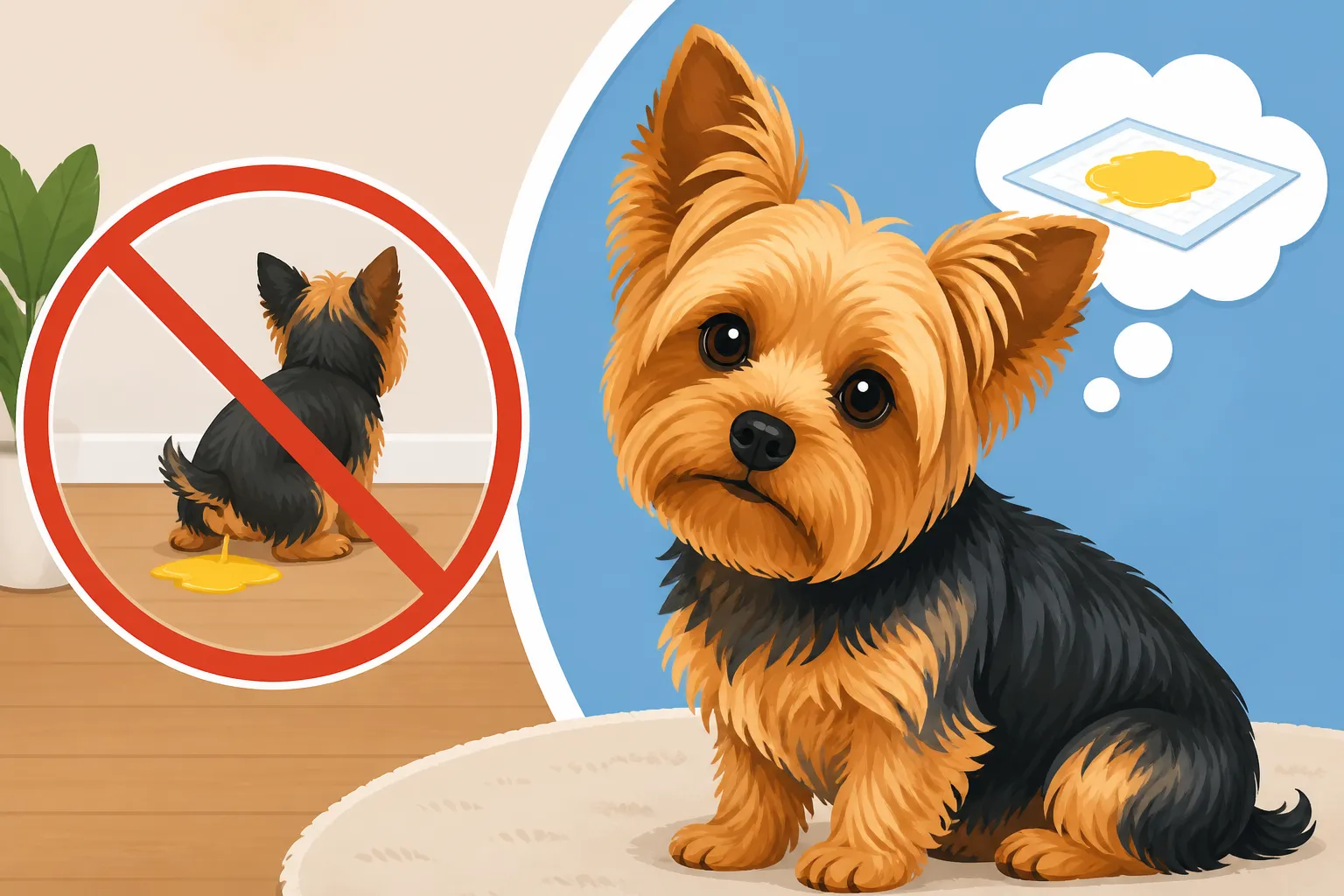
When a Yorkie feels insecure, anxious, or is trying to establish dominance, they might mark furniture, rugs, or even your leg with small amounts of urine. This is different from a full potty accident and requires a different approach. Simply cleaning it up might not address the underlying behavioral motivation. This instinct can make housebreaking particularly tricky, as your Yorkie might understand the concept of "potty outside" but still feel compelled to mark indoors. Understanding the nuances of Why Is My Yorkie So Hard to Potty Train delves further into these behavioral aspects.
Sensitivity to Weather and Outdoor Conditions
Yorkies, with their fine, silky coats and small bodies, are not built for extreme weather. They can get cold very quickly in winter and overheat easily in summer. Rain, snow, or even just a brisk wind can make them extremely reluctant to venture outside to do their business. This isn't stubbornness; it's often a genuine discomfort or fear.
Many Yorkie owners experience their dog darting out, doing a quick pee, and immediately wanting back inside, sometimes not fully emptying their bladder. Or worse, they might hold it until they are back in the comfort of their home, leading to an accident. This sensitivity means you might need to invest in protective gear, like a warm sweater or a raincoat, to make outdoor potty breaks more comfortable for them. Sometimes, creating a sheltered outdoor potty area can also make a huge difference, giving them a designated spot that feels safer from the elements.
Common Pitfalls and Why Traditional Methods Fall Short
When housebreaking a Yorkie, it’s easy to fall into traps that, while well-intentioned, can actually hinder progress. Understanding these common mistakes is crucial to avoiding frustration and finding success.
Inconsistent Schedules and Supervision Lapses
One of the biggest reasons housebreaking fails is a lack of consistency. Yorkies thrive on routine, and any deviation can set them back. If you take your Yorkie out at different times each day, or if there are long gaps between potty breaks, they won't learn to associate specific times or the outdoors with elimination. This is especially true for puppies whose internal clocks are still developing.
Similarly, supervision is paramount, especially in the early stages. Allowing your Yorkie unsupervised access to your home means you might miss their subtle cues that they need to go, such as sniffing around, circling, or heading towards a secluded spot. If you don't catch them in the act, you can't redirect them outside, and they don't learn the connection between the act and the appropriate location. Without consistent oversight, accidents happen silently and frequently, making it harder to establish good habits. Many owners underestimate the level of constant vigilance required for successful house training, leading to unintended setbacks. This is why a solid Yorkshire Terrier Puppy Training Schedule is so vital.
Punishing Accidents Instead of Rewarding Success
It’s a natural human reaction to get upset when you find a puddle on your rug, but punishing your Yorkie after an accident, especially if you didn't catch them in the act, is highly counterproductive. Dogs don't connect punishment for an accident that happened five minutes ago with the act itself. What they learn is to fear your reaction, which can make them more secretive about pottying. They might start hiding to relieve themselves, making it even harder for you to catch them and redirect them appropriately.
Instead of punishment, the focus should always be on positive reinforcement. Celebrate enthusiastically when your Yorkie successfully potties outside with treats, praise, and even a happy dance! This creates a strong positive association with outdoor elimination. If you do catch them in the act indoors, a sharp "No!" or clap can interrupt them, allowing you to immediately scoop them up and take them outside to finish. If they finish outside, then you praise them. If they don't, that's okay, you still don't punish, you just try again soon. This method builds trust and understanding, rather than fear.
Over-Reliance on Pee Pads Without Outdoor Transition
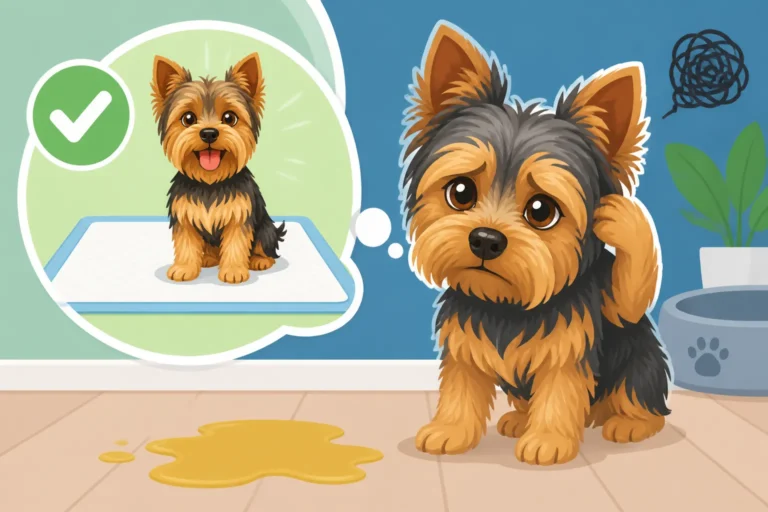
Pee pads, or puppy pads, can be a useful tool, especially for very young puppies, those living in high-rise apartments, or during inclement weather. They offer a designated indoor spot for elimination, which can save your floors. However, many Yorkie owners inadvertently create a challenge by relying too heavily on pads without a clear plan for transitioning to outdoor potty breaks.
The problem is, training a dog to use a pee pad is essentially teaching them to go potty inside the house. If not managed carefully, your Yorkie might become pad-trained but never truly understand that the ultimate goal is to go outside. This can lead to Yorkie Potty Training Regression or confusion later on. It’s crucial to use pads as a temporary bridge, gradually moving them closer to the door and eventually phasing them out as your Yorkie matures and becomes more comfortable with outdoor elimination. For a deeper dive into this, check out our guide on Pee Pad vs Outdoor Training for Yorkies.
Practical Strategies to Turn Potty Training Around
Even if you've faced setbacks, turning your Yorkie's housebreaking around is absolutely achievable with a clear plan and consistent effort. It requires patience, understanding, and often a shift in perspective.
Establishing a Consistent Potty Schedule
The cornerstone of successful housebreaking for a Yorkie is a strict, predictable schedule. This means taking your Yorkie out at regular intervals, even if you think they don't need to go. Key times include:
- First thing in the morning (immediately after waking up)
- Before and after naps
- After playing
- After eating and drinking (usually within 15-30 minutes)
- Last thing before bed
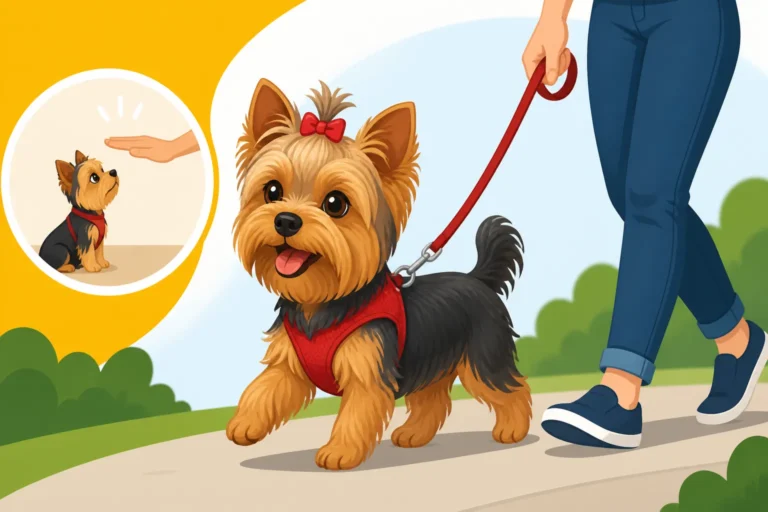
For puppies, aim for hourly trips initially, gradually increasing the time between outings as they grow and can hold their bladder longer. For adult Yorkies, every 4-6 hours is a good starting point, adjusting based on their individual needs. Always take them to the same designated outdoor spot, using a consistent command like "Go potty!" This helps them associate the location and command with the action. Being super proactive is key to preventing accidents before they happen. Consider setting a timer on your phone to remind you of these frequent outings.
Crate Training as a Housebreaking Aid
Crate training can be an invaluable tool for housebreaking, leveraging a dog's natural instinct not to soil their sleeping area. A crate should be just large enough for your Yorkie to stand up, turn around, and lie down comfortably – if it's too big, they might use one end as a potty area. The crate becomes their den, a safe space they won't want to mess up.
When properly introduced, the crate helps manage your Yorkie's potty schedule. If they're in their crate and need to go, they'll often whine or bark to be let out. This gives you the opportunity to immediately take them outside for a potty break. However, remember that a crate is not a magical solution; it’s a tool. Even in a crate, a young Yorkie cannot hold it for more than a few hours. Never use the crate as punishment, and ensure they have positive associations with it, such as treats or favorite toys, to prevent creating anxiety. For a full guide on How to Crate Train a Yorkie, check out our comprehensive resource.
Supervised Freedom and Enzyme Cleaners
Until your Yorkie is reliably house-trained, their freedom in the house should be limited and always supervised. This could mean keeping them on a leash attached to you, using baby gates to restrict them to a specific, easy-to-clean area, or keeping them in a playpen when you can’t actively watch them. The goal is to prevent accidents from happening in the first place, as every accident on your carpet sets back your training.
When an accident does occur, it's crucial to clean it thoroughly with an enzymatic cleaner. Regular household cleaners might remove the visible stain, but they won't eliminate the odor entirely. Dogs have a much stronger sense of smell than humans, and residual odors can act as a beacon, telling your Yorkie, "Hey, this is a good spot to go again!" Products like Rocco & Roxie Supply Co. Stain & Odor Eliminator, often found on Amazon, are fantastic for this. Without these specialized cleaners, you're fighting an uphill battle against your Yorkie’s powerful nose.
Beyond the Basics: When to Dig Deeper or Seek Help
Sometimes, despite your best efforts, housebreaking issues persist. This doesn't mean you've failed; it means it's time to explore other possibilities or enlist professional support.
Addressing Underlying Medical Conditions
If your Yorkie, especially an adult who was previously house-trained, suddenly starts having frequent accidents, the first step should always be a vet visit. Many medical conditions can mimic housebreaking problems. Urinary tract infections (UTIs) are a common culprit, causing discomfort and an increased urge to urinate. Diabetes, kidney disease, or even certain medications can also increase thirst and urination, leading to more accidents.
It's heartbreaking to think your Yorkie is being "naughty" when they might actually be in pain or discomfort. Your veterinarian in cities like Austin, Texas, or across the country, can perform a thorough examination, including urinalysis and blood work, to rule out any health issues. This proactive step ensures you’re not trying to train away a problem that requires medical treatment. To better understand potential health concerns, you might want to review Yorkshire Terrier Health Problems to Know.
Tackling Behavioral Components
Beyond medical issues, certain behavioral factors can contribute to housebreaking difficulties. Anxiety, especially separation anxiety, can lead to stress-related urination when you're not home. A change in routine, a new pet, or even loud noises can trigger anxiety, resulting in accidents. Our article on Yorkshire Terrier Separation Anxiety Solutions can offer guidance here. Submissive urination, where a dog pees slightly when excited or nervous, is another common issue. This isn't a "potty training" problem but a communication signal that requires building confidence and avoiding confrontational interactions.
For marking behavior, especially in unneutered males, neutering can sometimes reduce the urge to mark, though it's not a guaranteed fix. For all behavioral issues, consistent positive reinforcement, a stable environment, and sometimes working with a certified professional dog trainer or behaviorist can make a world of difference. They can help identify the root cause of the behavior and develop a tailored plan. For example, online training platforms like BAXTER & Bella often offer comprehensive programs that can guide you through these complex behavioral challenges from the comfort of your home, providing structured lessons and live support.
Consider Professional Guidance
If you’ve been diligent with your schedule, consistent with positive reinforcement, and ruled out medical issues, but your Yorkie is still struggling, don't hesitate to seek professional help. A certified professional dog trainer specializing in small breeds or housebreaking can provide an objective assessment of your situation. They can observe your Yorkie's behavior, identify any subtle cues you might be missing, and offer personalized strategies.
Sometimes, just a few sessions with an expert can unlock the key to success. They can help you refine your techniques, manage environmental factors, and address any specific challenges unique to your Yorkie's personality or your living situation. Remember, asking for help isn't a sign of failure; it's a sign of a responsible and loving pet parent committed to their Yorkie's well-being. It is important to know When to Take Your Yorkie to the Vet for recurring or persistent issues.
Here's a quick reference table to help visualize common challenges and their solutions:
| Challenge Type | Common Manifestation | Why It's Hard for Yorkies | Practical Solutions |
|---|---|---|---|
| Physical | Frequent small accidents, cannot hold for long | Small bladder capacity due to tiny size | Strict, frequent potty schedule (every 1-2 hrs for puppies, 4-6 hrs for adults). Immediate outdoor trips after waking, eating, playing. Use of crate to leverage natural denning instinct. |
| Behavioral | Marking (especially male), hidden accidents, fear | Territorial instincts, anxiety, learned fear of punishment | For marking, consider neutering, thorough enzymatic cleaning, addressing underlying anxiety. For fear/hidden accidents, focus on positive reinforcement, never punish, use supervised freedom, and ensure a comfortable outdoor experience. Programs like BAXTER & Bella can help structure behavioral training. |
| Environmental | Reluctance to go outside in bad weather, accidents inside | Sensitivity to cold/rain, lack of sheltered outdoor spot | Provide weather-appropriate clothing (sweaters, raincoats). Create a sheltered outdoor potty area. Consider a high-quality pee pad (like those found on Amazon) as a short-term backup in extreme weather, with a clear plan to transition to outdoors. |
| Training Gaps | Inconsistent potty spots, missed cues, slow progress | Lack of consistent routine, insufficient supervision | Establish and stick to a rigid potty schedule. Supervise closely using leash or gates. Use a consistent potty command and reward heavily for outdoor success. Clean all accidents with enzymatic cleaner. |
| Medical | Sudden onset of frequent accidents, straining, discomfort | UTIs, kidney issues, diabetes, or other underlying health problems | Prompt veterinary visit for diagnosis and treatment. Rule out health issues before assuming behavioral problems. |
Disclaimer
This article is intended for informational purposes only and is not a substitute for professional veterinary advice. Always consult with a qualified veterinarian or certified dog trainer for any health concerns or before making any decisions about your pet's care or training.