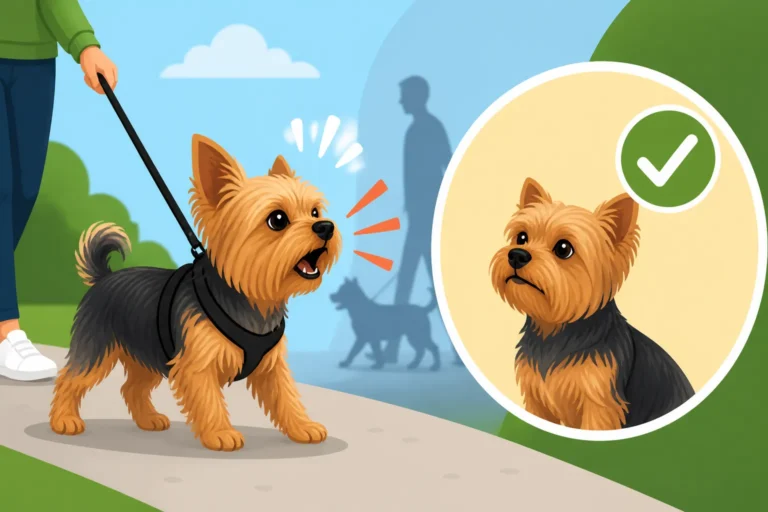
Why Is My Yorkie So Hard to Potty Train
It's incredibly frustrating, isn't it, when you bring home your adorable Yorkshire Terrier, full of love and excitement, only to find yourself constantly cleaning up messes? Many Yorkie parents feel like they're caught in an endless loop of accidents, wondering why their clever little dog just won't grasp potty training. This comprehensive guide will delve into the unique challenges of house-training a Yorkshire Terrier, uncover common pitfalls, and equip you with practical, empathetic strategies to finally achieve potty training success.
Understanding the Yorkie Potty Training Challenge
Yorkshire Terriers are fantastic little dogs, bursting with personality and charm. However, anyone who has tried to potty train one will tell you it's often far from a walk in the park. There are several inherent reasons why these delightful dynamos can be notoriously difficult to house-train, and understanding these factors is the first step toward finding a solution.
The Small Bladder, Big Personality Paradox
One of the most significant factors contributing to Yorkie potty training difficulties is their tiny physical stature, which directly correlates to an equally tiny bladder. Unlike larger breeds that can "hold it" for extended periods, a Yorkie puppy, especially, simply doesn't have the physical capacity. An adult Yorkie might be able to last a few hours, but puppies need to go constantly. Expecting them to hold it for an entire workday is not only unrealistic but sets them up for failure and repeated accidents. Their small size is coupled with a "big dog" attitude; they are often confident, sometimes stubborn, and very intelligent. This combination means they'll use the bathroom when they need to, and if the outdoor option isn't immediately available or appealing, they'll find the next best spot—which is often your rug.
Imagine a toddler who needs to use the restroom every hour, but you only take them once every four hours. They’re going to have accidents, not because they’re trying to spite you, but because their body simply can’t wait. This is exactly what happens with many Yorkie puppies. Their small internal plumbing means frequent trips are absolutely non-negotiable. Trying to force them to conform to a schedule that doesn't account for their physical needs will only lead to frustration for both of you.
Instincts and Marking Behaviors
Yorkshire Terriers, despite their dainty appearance, are still terriers at heart. This means they possess strong instincts, including a natural inclination towards marking territory. Both male and female Yorkies can exhibit marking behavior, especially if they are unneutered or unspayed. Even after spaying or neutering, the habit can sometimes persist if not addressed with consistent training. Marking is distinct from a full bladder accident; it's usually smaller amounts of urine, often sprayed on vertical surfaces like furniture legs, walls, or even your favorite throw pillow. This behavior isn't about needing to empty their bladder; it's about communicating their presence and claiming their space.
This instinct can be incredibly hard to overcome if not managed early. If your Yorkie is repeatedly marking, they’re not just having accidents; they’re trying to tell the world (or at least your living room) that they live there. This can be particularly challenging in multi-pet households or if your Yorkie is left alone for long stretches, as the perceived need to claim territory intensifies. Understanding this primal urge helps shift your perspective from "my dog is misbehaving" to "my dog is expressing a natural instinct that needs redirection."
Size Misconceptions and Their Impact
Their diminutive size, while undeniably adorable, often leads to subtle and unintentional training mistakes from owners. Because they are so small, some owners don't treat their potty training with the same seriousness as they would a large breed. An accident from a tiny Yorkie might seem less impactful than a puddle from a Golden Retriever, leading to less diligent supervision or a more relaxed training schedule. This casual approach, however, sends mixed signals to your Yorkie. They don't understand that a small puddle is still "wrong" while a large one would be "very wrong." An accident is an accident, and if it's not consistently prevented or immediately addressed, they learn that inside is an acceptable place to relieve themselves.
Furthermore, their small size makes them vulnerable to outdoor elements. On a cold, rainy, or snowy day, a tiny Yorkie with little body fat might be very reluctant to go outside. This isn't laziness; it's self-preservation. If they associate going outside with discomfort, they’ll naturally prefer the warm, sheltered environment inside, making outdoor house-training an uphill battle. Owners might unknowingly reinforce this by not making outdoor trips pleasant or frequent enough.
Common Mistakes Owners Make
It's easy to get discouraged when your Yorkie isn't picking up potty training as quickly as you'd hoped. Often, the struggle isn't due to a "bad" dog, but rather common, understandable mistakes in the training process itself. Recognizing these missteps is crucial for turning the tide and fostering a clean home.
Inconsistent Schedules and Supervision
This is arguably the biggest pitfall for many Yorkie owners. Potty training, especially for a breed with a small bladder, demands unwavering consistency. If you take your Yorkie out every hour on the hour for a few days, then get busy and stretch it to three or four hours, you're essentially undoing all your hard work. Yorkies thrive on routine, and any deviation can confuse them, leading to accidents. They need a predictable schedule, especially during their initial training phase.
Lack of consistent supervision is another major culprit. A Yorkie puppy can go from playing to peeing in a matter of seconds, often without any obvious warning signs. If they have free run of the house without a watchful eye, they're bound to find a secluded spot for an accident. Many owners only supervise actively when they remember, or when they're specifically training. But supervision needs to be constant when your Yorkie is out of their crate. This means tethering them to you, keeping them in the same room, or using baby gates to restrict their access to other areas. If you're not actively watching, they're likely going to make a mistake. For more details on this, check out our guide on Yorkshire Terrier Training Mistakes to Avoid.
Punishing Accidents Incorrectly
It's a common, albeit ineffective, reaction: you walk into a room, see a puddle, and your first instinct is to scold your Yorkie or rub their nose in it. While born from frustration, this approach is severely counterproductive. Dogs don't associate punishment with an action that happened five minutes ago. They only understand what's happening in that moment. If you scold them for an accident you discover, all they learn is that your return to the room or the sight of the mess makes you angry. This creates fear and anxiety, not understanding.
What often happens next is that the Yorkie learns to hide their potty breaks. Instead of going in front of you (even if it's indoors), they'll sneak behind the couch, under a table, or into another room to relieve themselves, making it even harder for you to catch them in the act and redirect them. Instead of teaching them where to go, you've inadvertently taught them to fear going in your presence. Effective training relies on positive reinforcement and interrupting accidents, not punishing them after the fact.
Relying Too Much on Pee Pads
Pee pads, or "potty pads," seem like a convenient solution, especially for small breeds living in apartments or during inclement weather. For many Yorkie owners, they offer a sense of relief, a designated indoor spot for accidents. However, relying too heavily on pee pads can inadvertently complicate outdoor potty training. The fundamental issue is that pee pads teach your Yorkie that it's perfectly acceptable to relieve themselves inside the house. This creates confusion when you later try to teach them that "outside only" is the rule.
Moreover, many Yorkies, if not trained carefully, learn to generalize the pad as "anything soft and absorbent on the floor." This can lead to accidents on bath mats, throw rugs, blankets, or even piles of clothes. While pee pads can be a useful temporary tool, especially for puppies or during the transition period, they should be used strategically as part of a broader plan, not as a permanent solution. The goal should always be to transition them to outdoor potty breaks. Our article, Pee Pad vs Outdoor Training for Yorkies, dives deeper into the pros and cons of each method.
Health and Environmental Factors
Sometimes, the difficulty in potty training isn't purely a behavioral issue. Various underlying health conditions or environmental stressors can manifest as "accidents" and make house-training a seemingly impossible task. It’s essential to rule out these factors before continuing with behavioral training alone.
Medical Conditions to Rule Out
If your previously well-behaved Yorkie suddenly starts having accidents, or if a new puppy seems to be struggling despite consistent efforts, a trip to the vet should be your first step. Several medical conditions common in small breeds can mimic potty training issues. For instance, urinary tract infections (UTIs) are notoriously common and can cause frequent urination, urgency, and accidents. Your Yorkie might suddenly need to go more often, or experience pain during urination, making them hesitant to go outside.
Other potential health issues include bladder stones, kidney problems, or even conditions like diabetes, which can increase thirst and urination. In younger Yorkies, conditions like a Yorkie Hypoglycemia: Emergency Signs episode can cause confusion and lead to accidents. Even seemingly unrelated issues such as Yorkshire Terrier Dental Disease: Signs and Care can cause discomfort and stress, leading to a disruption in normal habits. Before you label your Yorkie as "hard to train," consult your veterinarian. They can perform a physical exam, urine tests, and other diagnostics to rule out any underlying medical causes. Addressing these health problems first is critical, as no amount of training will fix a medical issue. For a broader understanding of potential health concerns, refer to Yorkshire Terrier Health Problems to Know.
Stress and Anxiety
Yorkies are sensitive little souls, and emotional distress can significantly impact their potty habits. Stress, anxiety, or even fear can lead to submissive urination or simply an inability to hold their bladder. Common stressors for Yorkies include changes in routine, a new pet or family member, loud noises, being left alone for too long (which can lead to Yorkie Separation Anxiety: Signs and Fixes), or even negative reinforcement during training.
A Yorkie who is anxious might urinate out of fear or excitement, not because they are intentionally breaking house rules. If your Yorkie pees when you greet them at the door or when guests arrive, it's likely submissive urination, not a training failure. Similarly, if they are stressed by being alone, they might have accidents as a coping mechanism. Observing when and where the accidents occur can provide clues. Creating a calm, predictable environment and using positive reinforcement can help alleviate stress and, in turn, improve potty training success. If you suspect anxiety, consider enrichment toys, calming aids, or even consulting a professional dog behaviorist.
Incomplete Cleaning of Past Accidents
This might seem minor, but it's a huge factor in why Yorkies keep returning to the same spot for accidents. Dogs are wired to go where they smell previous urine or feces. If you clean an accident with regular household cleaners, you might eliminate the smell for humans, but your Yorkie's superior nose can still detect lingering traces. To them, that spot still smells like a bathroom, and they'll be drawn back to it.
This is why enzymatic cleaners are an absolute game-changer. Products like Rocco & Roxie Supply Co. Stain & Od Odor Eliminator, or Nature's Miracle, available readily on Amazon, break down the uric acid crystals in urine, completely neutralizing the odor for your dog. Without that lingering scent, the "bathroom" association is removed, making it less likely your Yorkie will revisit the same spot. Thoroughly soaking the soiled area and allowing the enzymatic cleaner to work as directed is crucial for truly eradicating the scent. Skipping this step means you're fighting an uphill battle against your Yorkie's natural instincts.
Effective Potty Training Strategies for Yorkies
Once you've ruled out medical issues and understood the unique challenges Yorkies present, it's time to implement a proactive, positive, and consistent training regimen. Success hinges on a clear plan and unwavering dedication.
Establishing a Strict Schedule
Consistency is king in potty training, especially for a small-bladdered Yorkie. Your primary goal is to prevent accidents by taking your dog out so frequently that they literally don't have a chance to go inside. This means a very strict schedule, especially during the first few weeks or months.
Here's a sample schedule, though you'll need to adjust based on your Yorkie's age and individual needs:
- First thing in the morning: As soon as you wake up, before doing anything else.
- After waking from naps: Every single time they stir.
- After eating or drinking: Within 5-15 minutes of finishing a meal or a large drink.
- Before and after playtime: Excitement can stimulate the bladder.
- Before bedtime: One last trip before lights out.
- Every 1-2 hours in between: For puppies, this might need to be every 30-60 minutes.
When you take them out, always go to the same designated "potty spot." This helps them associate that specific area with relieving themselves. Use a consistent phrase like "Go potty" or "Do your business" to build a verbal cue. When they successfully go, heap on the praise and give a high-value treat immediately. This positive reinforcement is vital. For more detailed scheduling advice, refer to How to Set a Yorkie Potty Schedule.
Crate Training Done Right
Crate training is one of the most effective tools for potty training, provided it's used correctly. The principle behind it is simple: dogs are naturally clean animals and don't want to soil their sleeping area. A properly sized crate (just large enough for them to stand up, turn around, and lie down comfortably, but not so large that they can designate a "potty corner") taps into this instinct.
When your Yorkie is in their crate, they're less likely to have an accident. This makes the crate invaluable for short periods when you can't actively supervise, such as when you're showering, eating dinner, or running a quick errand. However, remember the small bladder paradox: a Yorkie, especially a puppy, cannot be left in a crate for excessive periods. A general rule of thumb for puppies is they can hold it for roughly one hour per month of age (e.g., a 3-month-old puppy for 3 hours), plus one hour. Even then, pushing it is risky. For adult Yorkies, 4-6 hours is often the maximum.
The crate should be a positive, safe den, not a punishment. Never use it for time-outs or send them to it when you're angry. Make it cozy with a soft bed, and offer chew toys. Proper How to Crate Train a Yorkie is essential for success, and choosing the right Yorkie Crate Size Guide makes all the difference.
Positive Reinforcement and Rewards
This cannot be stressed enough: positive reinforcement is the cornerstone of successful potty training for any dog, especially sensitive Yorkies. Forget scolding or punishment. Your goal is to make going potty outside the most rewarding experience possible.
Every single time your Yorkie successfully goes potty in the designated outdoor spot, immediately lavish them with praise. Use an excited, happy tone of voice, say "Good potty!" or "Yes!" and give them a high-value treat. A high-value treat is something they absolutely adore, like a tiny piece of cooked chicken, cheese, or a specialized training treat. The reward needs to be given within 2-3 seconds of them finishing their business so they clearly associate the treat with the act of going potty outside.
Avoid giving treats for going potty on a pee pad if your goal is outdoor training. The aim is to create a strong, positive association with outdoor elimination. If your Yorkie is struggling, you might even carry them outside, set them down, say your potty cue, and then reward heavily when they go. This method reinforces the correct behavior without fear or confusion. How to Teach a Yorkie to Go Potty will offer more insight into verbal cues and rewarding.
Consistent Supervision and Tethering
When your Yorkie is not in their crate, they should be under constant, active supervision, especially during the initial training phase. This means your eyes should be on them almost continuously. This might sound exhausting, and it can be, but it's the most effective way to prevent accidents.
One excellent technique for active supervision is "tethering." This involves keeping your Yorkie on a leash attached to you (or your belt loop) as you move around the house. This way, they can't sneak off to have an accident in another room. You'll immediately notice if they start sniffing, circling, or showing any signs of needing to go, allowing you to quickly scoop them up and rush them outside.
Alternatively, use baby gates to confine your Yorkie to the same room as you. This limits their opportunities to make mistakes and ensures you can catch any pre-potty signals. The more accidents you prevent, the faster your Yorkie will learn. Every prevented accident is a small victory that reinforces the idea that inside is not for pottying. Remember, the goal is to set them up for success, not failure.
Advanced Tips and Troubleshooting
Even with the best strategies, challenges can arise. Sometimes it's about transitioning habits, dealing with stubborn behaviors, or knowing when to call in the experts.
Transitioning from Pee Pads to Outdoors
If you've started with pee pads, transitioning your Yorkie to strictly outdoor potty breaks requires a gradual, patient approach. The key is to slowly move the pad closer to the door, then outside the door.
- Move the pad gradually: Over several days, inch the pee pad closer and closer to the door you use for outdoor potty breaks. Move it a foot or two each day.
- Move the pad outside: Once the pad is right by the door, move it just outside, a few feet from the threshold. When your Yorkie uses it, praise and reward heavily.
- Shrink the pad: Once they're reliably using the pad outside, start cutting the pad smaller and smaller over a few days until it's just a small square.
- Remove the pad: Finally, remove the pad entirely. Continue to take your Yorkie to the same spot, use your potty cue, and reward enthusiastically when they go directly on the grass or ground.
During this transition, maintain a strict outdoor potty schedule and continue supervision indoors to prevent any regression. If they have an accident inside, clean it thoroughly with an enzymatic cleaner. Remember that while BAXTER & Bella offers comprehensive online training resources that can guide you through these transitions step-by-step, the hands-on consistency from you is paramount.
Dealing with Marking Behavior
Marking is a distinct challenge, often more about communication and territory than bladder control. It's particularly common in intact males but can occur in females and even neutered males if the habit is established.
- Spay/Neuter: The first and most effective step is often spaying or neutering your Yorkie. This significantly reduces hormonal drives related to marking. While it's not a guaranteed fix for established habits, it makes training much easier.
- Thorough Cleaning: As mentioned, enzymatic cleaners are crucial. If a spot smells like "toilet" to your Yorkie, they'll keep using it. Clean all marked spots diligently.
- Interrupt and Redirect: If you catch your Yorkie in the act of marking inside, make a sharp, startling noise (like clapping your hands loudly) to interrupt them. Immediately pick them up and rush them to their designated outdoor potty spot. If they finish there, reward them heavily. Never scold or punish after the fact.
- Belly Bands (for males) or Diapers (for females): For persistent markers, a belly band (for males) or a dog diaper (for females), particularly those available on Amazon, can be a temporary management tool. These don't stop the behavior but prevent messes, giving you time to retrain. They can also make the dog uncomfortable if they mark, creating a negative association with peeing inside while wearing it.
- Address Anxiety/Territory: If marking is stress-related, address the underlying cause. Provide more mental stimulation, consistent routine, and a secure environment. If multiple pets are in the home, ensure they each have their own space and resources to reduce competition.
Professional Help When Needed
Sometimes, despite your best efforts, your Yorkie's potty training struggles persist. This is not a reflection of your ability as an owner or your Yorkie's intelligence. Some dogs simply require a little extra help, and that's perfectly okay.
- Certified Professional Dog Trainer: A professional dog trainer can assess your specific situation, identify subtle cues or mistakes you might be missing, and develop a customized training plan. They can offer hands-on guidance, demonstrate techniques, and help you understand your Yorkie's unique motivations. Look for trainers who use positive reinforcement methods.
- Veterinary Behaviorist: If the problem seems deeply ingrained, possibly related to anxiety, fear, or other complex behavioral issues that haven't responded to conventional training, a veterinary behaviorist might be appropriate. These are veterinarians with specialized training in animal behavior, who can prescribe medication if necessary alongside behavioral modification techniques.
Don't hesitate to seek professional help. It's an investment in your peace of mind and your Yorkie's well-being. A professional can provide fresh eyes and expertise, helping you and your Yorkie achieve a dry, happy home.
Here's a quick comparison of common potty training methods:
| Method | Pros | Cons | Best For |
|---|---|---|---|
| Outdoor Training | Establishes clear distinction between indoors/outdoors; promotes exercise; fulfills natural instincts. | Requires consistent scheduling and supervision; weather-dependent; slower for puppies. | All Yorkies, especially those able to go outside frequently. |
| Pee Pad Training | Convenient for apartments, bad weather, or emergencies; good for very young puppies. | Can confuse dogs about indoor/outdoor rules; may lead to accidents on rugs/fabrics. | Puppies or Yorkies with limited outdoor access; should be a temporary step. |
| Crate Training | Prevents accidents inside the crate; taps into natural den instinct; aids in scheduling. | Requires proper sizing and usage; cannot be used for long periods; not a substitute for outdoor trips. | All Yorkies, when used as part of a comprehensive plan. |
Ultimately, successful potty training for a Yorkie demands a combination of patience, consistency, and a deep understanding of their unique needs. By avoiding common mistakes, addressing potential underlying issues, and implementing positive, proactive strategies, you can guide your clever little companion to a clean and happy home life.
Disclaimer
The information provided in this guide is for general informational purposes only and does not constitute professional veterinary advice. Always consult with a qualified veterinarian or professional dog trainer for any health concerns or before implementing any new training regimen for your Yorkshire Terrier. Individual results may vary.