How to Calm a Yorkie During Fireworks
Few things are as heartbreaking for a Yorkie parent as watching your little companion tremble, pant, and whine uncontrollably when fireworks start exploding. That booming sound, the flashing lights, and the vibrations can turn a peaceful evening into an absolute nightmare for our sensitive pups. It's not just "being scared" – for many Yorkshire Terriers, it's a genuine phobic response that causes immense distress. This guide is here to walk you through practical, empathetic strategies to help calm your Yorkie and make those noisy occasions a little more bearable for everyone.
Understanding Why Fireworks Terrify Your Yorkie So Much
It’s easy to dismiss a dog’s fear as “just being dramatic,” but for a Yorkie, the world can be a much louder, more intense place. Their acute senses pick up on things we often miss, and fireworks combine several terrifying elements that can overwhelm even the bravest little terrier.
The Sensory Assault of Loud Noises
Think about how loud a firework explosion is to us. Now imagine that magnified for a dog with far more sensitive hearing. Yorkshire Terriers possess an incredibly keen sense of hearing, capable of detecting sounds at higher frequencies and much softer volumes than humans. A distant firecracker might sound like a minor pop to you, but to your Yorkie, it could be a deafening blast right next to their ear. These sudden, unpredictable, and intense sounds trigger their fight-or-flight response, sending their tiny bodies into a state of panic. The deep bass vibrations that travel through the ground and air can also be deeply unsettling, making them feel as if their entire world is shaking. It’s not just the noise level, but also the unexpected nature of these sounds that makes them so frightening. They can't anticipate when the next boom will hit, leading to constant hypervigilance and sustained stress.
The Disorienting Visuals and Scents
Beyond the auditory assault, fireworks also bring sudden flashes of light, which can be just as disorienting and frightening, especially if your Yorkie is already anxious. Imagine blinding flashes appearing unpredictably in the darkness; it's startling even for us. For a dog who relies heavily on their senses to navigate their world, these visual disruptions can compound their fear. Furthermore, the smell of gunpowder and smoke, while perhaps not as immediately terrifying as the sound, is an unusual and strong odor that signals something is amiss. Dogs use their sense of smell to interpret their environment, and these unfamiliar, acrid scents can add to their overall sense of unease and danger. It's a full-spectrum sensory overload that our little Yorkies simply aren't equipped to handle calmly without our intervention.
Creating a Sanctuary: Your Yorkie's Safe Space
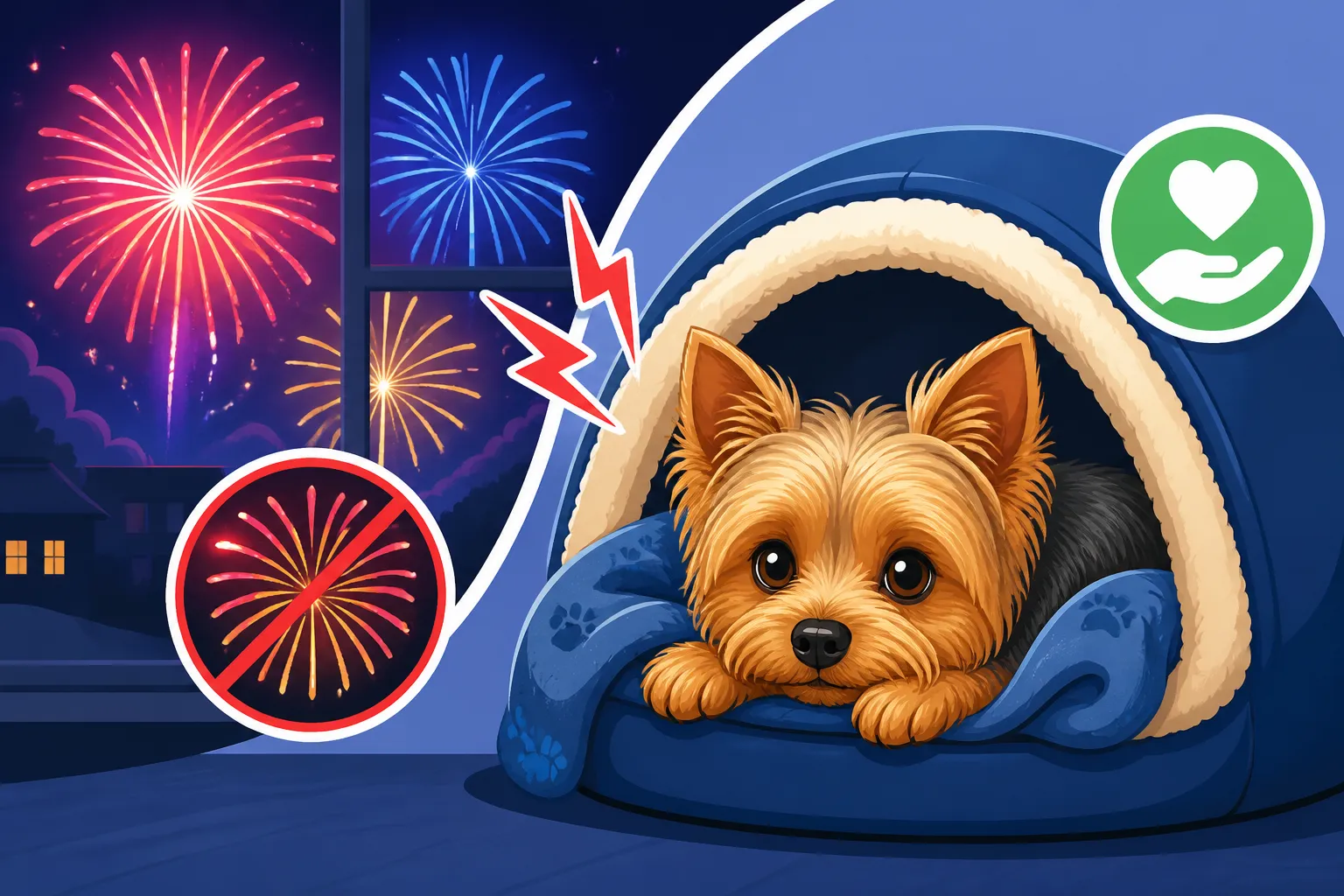
One of the most immediate and effective steps you can take is to create a dedicated safe space for your Yorkie, a true sanctuary where they can retreat when the loud noises begin. This isn't just about hiding them away; it's about giving them a sense of control and security in an otherwise chaotic situation.
Designating a Den-Like Retreat
Your Yorkie needs a place that feels secure, enclosed, and quiet. A sturdy crate, for instance, can be an excellent option if your Yorkie is already crate-trained and views it as a positive space. If they are not, you might want to look into How to Crate Train a Yorkie long before fireworks season starts. This den should be in the quietest, most interior part of your home – think a windowless bathroom, a closet, or a basement room. The goal is to minimize both sound and light from outside.
Make this space as inviting as possible. Line the crate or area with their favorite soft blankets and pillows, perhaps even an old t-shirt that smells like you, providing a comforting scent. Include a familiar chew toy or a puzzle feeder to offer a distraction and something positive to focus on. Some Yorkies might prefer a bed tucked away under a desk or a small pet teepee. The key is that they can enter and exit freely, choosing to go there when they feel anxious. This autonomy is crucial; forcing them into a small space when they're already panicking can actually increase their distress.
Soundproofing and Light Blocking Techniques
Once you’ve chosen the ideal spot, focus on minimizing external stimuli. Heavy curtains or blackout blinds are essential for blocking out flashes of light. If your chosen room doesn’t have windows, even better. For sound, consider a multi-pronged approach. Closing doors and windows in the house is a given, but you can go further. Laying extra blankets or moving furniture against the walls of the "den" can help absorb some sound.
Beyond physical barriers, introduce white noise or calming music. A dedicated white noise machine or a fan can help mask the sudden booms. You can also play classical music specifically composed for calming dogs; there are many playlists available on streaming services that feature low-frequency, continuous sounds designed to soothe canine anxiety. Some pet parents even find success with pet-specific relaxation tracks. The continuous, predictable sound helps to drown out the sharp, unpredictable bangs from outside, creating a more consistent and less alarming auditory environment. You can find excellent sound machines or specialized calming beds on Amazon that can contribute significantly to this safe space.
Immediate Comfort and Calming Techniques
When fireworks are actively happening, your Yorkie needs immediate support and reassurance. These techniques are about managing the acute distress in the moment and helping them feel as safe as possible until the noise subsides.
Physical Comfort and Gentle Reassurance
Your presence is often the most powerful calming tool. While you shouldn't reinforce their fear by overly coddling, providing gentle physical comfort can be incredibly soothing. Sit with your Yorkie in their safe space. Offer calm, gentle strokes along their back or chest. Speak to them in a low, reassuring voice. Your calm demeanor helps communicate that there's no real danger, even if their instincts are screaming otherwise. Avoid high-pitched tones or overly enthusiastic comforting, as this can inadvertently signal that you are also concerned.
Consider a thunder shirt or anxiety wrap. These garments apply gentle, constant pressure, similar to swaddling a baby, which can have a remarkable calming effect on many dogs. Brands like ThunderShirt are widely available on Amazon and receive positive reviews for helping dogs with various anxieties, including noise phobias. Many Yorkie owners report a noticeable reduction in panting and shaking when their dog wears one during stressful events. Combine this with your comforting presence and quiet encouragement.
Distraction and Engaging Activities
Once your Yorkie is somewhat settled in their safe space, distraction can be a powerful tool. The goal is to shift their focus from the frightening sounds to something positive and engaging. Offer high-value, long-lasting chews or puzzle toys filled with their favorite treats. A KONG filled with peanut butter (ensure it's xylitol-free!) and frozen can keep them occupied for a good while, requiring intense focus that diverts their attention from the outside noise. You might consider looking at the Best Toys for Yorkshire Terriers for ideas on engaging distractions.
Interactive games, if they are receptive, can also help. Gentle tug-of-war or hide-and-seek with treats can stimulate their brain and provide a sense of normalcy. However, if your Yorkie is in full panic mode – pacing, uncontrollable shaking, refusing treats – forcing interaction might be counterproductive. In such cases, simply maintaining a calm presence and letting them self-soothe in their den might be the best approach. The trick is to know your individual Yorkie and what level of engagement they can handle during moments of high stress.
Proactive Training and Long-Term Solutions
While immediate comfort is crucial, addressing the underlying fear through proactive training and long-term strategies is the most effective way to help your Yorkie cope with fireworks over time. This takes patience and consistency, but the rewards are immense.
Desensitization and Counter-Conditioning
This is the gold standard for treating noise phobias. The idea is to gradually expose your Yorkie to firework sounds at a very low volume, pairing them with something positive, like high-value treats or playtime. You can find firework sound CDs or online recordings specifically designed for this purpose.
Start playing the sounds at a volume so low that your Yorkie barely notices, or simply doesn't react fearfully. As the sounds play, offer them their absolute favorite treats, engaging them in a fun game, or providing a relaxing massage. Keep these sessions short and positive. Over days and weeks, very, very slowly increase the volume, always ensuring your Yorkie remains calm and continues to associate the sound with good things. If they show any signs of fear (ears back, tail tucked, panting), you've increased the volume too quickly. Go back a step and proceed even slower. This process requires incredible patience and consistency, often over several months. For more comprehensive guidance on training, structured programs like those offered by BAXTER & Bella can provide excellent, step-by-step instructions for desensitization and general anxiety management, which can improve their overall ability to cope.
Professional Guidance and Anxiety Medications
For Yorkies with severe noise phobias, desensitization alone might not be enough, or the process might be too slow to provide relief during immediate firework events. This is when consulting with a professional is vital. Your veterinarian is your first point of contact. They can rule out any underlying medical conditions that might exacerbate anxiety and discuss prescription medications.
There are several options available, from fast-acting sedatives or anti-anxiety medications that can be given an hour or two before a known noisy event, to daily anxiety medications that help manage chronic anxiety. These medications aren't a "cure" but can significantly lower your Yorkie's anxiety threshold, making them more receptive to behavioral modification techniques like desensitization. A certified professional dog trainer or a veterinary behaviorist can also provide tailored strategies and guide you through complex desensitization protocols. They can assess your Yorkie's specific fears and help you create a personalized plan. If you're struggling to calm your Yorkie, don't hesitate to seek help; recognizing Yorkie Emergency Symptoms to Never Ignore is also important in these situations.
Lifestyle Factors and General Well-being
A well-adjusted, confident Yorkie is generally better equipped to handle stressful situations. Ensure your Yorkie receives adequate mental and physical exercise daily. Even small breeds like Yorkies need regular walks and playtime. Engaging them in Mental Stimulation Games for Yorkies can also help build their confidence and tire them out in a healthy way.
Their diet also plays a role in overall well-being. A high-quality diet supports brain health and can indirectly influence mood and behavior. Maintaining a consistent routine provides predictability, which can be comforting for anxious dogs. Consider incorporating calming supplements, such as L-theanine or Zylkene, into their routine after discussing with your vet. While not a magic bullet, these can provide a subtle edge in managing anxiety. Remember that addressing Yorkie Separation Anxiety Solutions or general reactivity through consistent positive reinforcement training can also have a cumulative positive effect on their overall resilience to stressors like fireworks. Consistency, patience, and a holistic approach to their well-being are key to long-term success.
Comparison of Calming Strategies
To help you visualize the different approaches, here’s a quick comparison of various calming strategies, their effectiveness, and when to use them.
| Strategy | Description | When to Use | Effectiveness (General) | Notes |
|---|---|---|---|---|
| Safe Haven (Crate/Room) | Dedicated, quiet, dark space with comfort items. | Before/during fireworks | High | Essential first step. Ensure it's a positive, familiar space. |
| Sound Masking (White Noise) | Using continuous noise (fan, music, white noise machine) to drown out booms. | Before/during fireworks | Medium to High | Best when combined with a safe haven. |
| Pressure Wraps (ThunderShirt) | Garment applies gentle, constant pressure to soothe anxiety. | Before/during fireworks | Medium to High | Not effective for all dogs; fit is crucial. Widely available on Amazon. |
| Distraction (Chews/Toys) | High-value treats, puzzle toys, engaging games. | During fireworks, once initial panic subsides | Medium | Only if dog is receptive; don't force. |
| Desensitization/Counter-Conditioning | Gradual exposure to firework sounds paired with positive reinforcement. | Long-term, outside of firework season | High (long-term) | Requires significant time and consistency. Best with professional guidance. |
| Calming Supplements | Natural ingredients (e.g., L-theanine) to promote relaxation. | Daily or leading up to events | Low to Medium | Consult vet first. Not a replacement for training or medication for severe cases. |
| Prescription Medication | Anti-anxiety or sedative drugs from a vet. | Before/during fireworks, or daily for chronic cases | High (short-term & chronic) | Vet consultation is mandatory. Can be life-changing for severely phobic dogs. |
| Pheromone Diffusers | Releasing calming dog pheromones into the air. | Continuous use in home | Low to Medium | Subtle effect, often best used as part of a multi-modal approach. |
Final Thoughts on Supporting Your Anxious Yorkie
Dealing with a Yorkie who is terrified of fireworks is truly challenging, but please know that you're not alone, and there are many effective strategies to help. It's about combining immediate comfort measures with proactive, long-term training. Every Yorkie is unique, so what works for one might not work for another. Be patient, observe your dog's reactions closely, and don't be afraid to experiment with different techniques or seek professional help when needed. Your little companion relies on you to be their rock during these scary times, and with your consistent love and support, you can help them navigate the chaos of fireworks season with a little more peace.
Disclaimer
The information provided in this guide is for general informational purposes only and is not a substitute for professional veterinary advice. Always consult with a qualified veterinarian or a certified professional dog trainer regarding your Yorkie's specific health, behavior, and treatment needs.